Non-Stop (2014) – Film Review

Although ‘Non-Stop’ has been heavily overshadowed by a number of other films within the thriller genre, being mostly forgotten amongst the strew of critically acclaimed films that released in 2014. I personally feel this high-altitude thriller is one of the better stories set within the confines of an aircraft, utilising Liam Neeson’s action expertise to craft a compelling mystery with occasional moments of excitement, even if the film is noticeably lacking in both realism and memorability.

Plot Summary: While on a flight from New York to London, ‘Bill Marks,’ a worn and alcoholic air marshal, receives an anonymous text message, informing him that unless one hundred and fifty million dollars are transferred into an offshore account within the next twenty minutes, someone aboard the plane will die. Now, finding himself in the middle of a deadly cat-and-mouse game, ‘Bill’ desperately searches for the suspect, unintentionally implicating himself into a hostage crisis unfolding at thirty-thousand feet…

‘Non-Stop’ is actually the second of four films directed by Jaume Collet-Serra that feature Liam Neeson, beginning with ‘Unknown’ in 2011, then ‘Run All Night’ in 2015, and lastly ‘The Commuter’ in 2018. And, whilst Collet-Serra’s other films also contain a central mystery, ‘Non-Stop’ certainly has the most interesting location of the bunch, using its tight and claustrophobic setting of an aircraft to great effect as the film never cuts away from the plane itself, even when ‘Bill’s contacts his superiors we the audience remain inside the aircraft with the characters, adding to the suspense. The film also attempts to integrate themes of airline safety and security into its story, which are intriguing though they are never fully explored, nor is the terrorist’s motivation when it’s finally revealed.

Liam Neeson leads the cast as ‘Bill Marks,’ giving his standard action film performance as a mostly straight-faced action hero. But, just as he is in the ‘Taken’ franchise and every other explosive blockbuster, Neeson is an easy protagonist to root for, and ‘Bill’ is given a fair amount of development for what is required. Julianne Moore also makes an appearance in the film as ‘Jen Summers,’ who similar to the rest of the supporting cast of Michelle Dockery, Scoot McNairy, Corey Stoll, Jason Butler Harner, Nate Parker, Omar Metwally, and Lupita Nyong’o, is given limited characterisation and is mostly in the film to serve as a potential suspect, but I suppose considering this is the basis for the story, it would’ve been an enormous challenge to development the huge array of passengers and crew aboard the flight.

The cinematography by Flavio Martínez Labiano is serviceable for the most part, as whilst the film features a few attractive shots and focus pulls throughout its runtime, the majority of the film’s camerawork focuses on hand-held shots, which aside from lending themselves effectively to action sequences and scenes where the plane experiences turbulence, do become a little monotonous. ‘Non-Stop’ also features a couple of scenes that were filmed entirely within a single take, most notably, from the moment ‘Bill’ begins his announcement to the passengers about his phone inspection, through to the moment he duct-tapes a suspect’s hands together, there isn’t a single cut.

John Ottman’s original score does suit the film well, with tracks, like ‘Non-Stop,’ ‘Welcome to Aqualantic,’ and ‘Reluctant Passenger/Blue Ribbon,’ having a nice fusion of synth sounds, percussion, strings, and brass, adding up to simplistic yet competent soundtrack. Constantly pushing or creating the tension in a simple and confined environment while simultaneously fitting with the modern set design of the plane and ‘Bill’ as a reluctant hero forced into action.

With 95% of the film taking place within an aircraft, the set for the plane itself was certainly a crucial detail to get right. Luckily, ‘Non-Stop’ does succeed here, as despite the set having to be built slightly larger than a standard commercial airliner to accommodate for equipment and Liam Neeson’s 6’4′ height. The set does feel like a real plane, having both sleek business class and first class areas as well as lavatories and a crew rest compartment, all of which are very cramped and dimly lit, as the story takes place over the course of one night. This realism is even more impressive considering that the aircraft and airline are clearly fictional, as the aircraft type is never referred to yet its cabin interior and flight deck layout doesn’t match any real aircraft design.

In summary, even though films, like ‘Red Eye’ and ‘Flightplan,’ have taken the enclosed setting of an airplane and made it work before, I believe ‘Non-Stop’ has slightly more entertainment value, as whilst some viewers may find the story’s absence of realism quite frustrating at points, the film distracts from its over-the-top ideas and bland side characters through its tense and fast-paced narrative, making for a thrilling mystery for those that can suspend their disbelief for a few elements. And, with Liam Neeson and the rest of the cast helping ‘Non-Stop’ to collect plenty of air-miles for enjoyability, I’d say the film is worth a watch. Final Rating: low 7/10.

nonstop_xxlg

Now You See Me (2013) – Film Review

Quite a unique film within the crime genre, ‘Now You See Me’ is seemingly a magician’s rendition of ‘Ocean’s Eleven,’ as director Louis Leterrier crafts an entertaining film following the story of a group of four illusionists, all with different skill sets, robbing establishments across the globe before then vanishing without a trace. And although some viewers may have to suspend their disbelief for a few elements regarding the film’s plot, the film still manages to remain a mostly enjoyable affair throughout its two-hour runtime.

Plot Summary: After four small-time magicians are anonymously invited to attend a meeting in a run-down apartment. They reappear one year later as ‘The Four Horsemen,’ performing a live-show in Las Vegas in which they claim they are going to rob a bank in Paris from the stage and distribute the money to the audience. But after the French bank is found empty following the show, F.B.I. Agent, ‘Dylan Rhodes,’ is assigned to the case with his partner, ‘Alma Day,’ where the two begin to suspect that the heist was just a distraction for a bigger scheme…

Even though ‘Now You See Me’ prioritises its story over anything else, the film does still feature a couple of exciting action sequences including a car chase and a fistfight, respectively. Both of which stick with the idea of the magicians performing magic tricks, utilising many of the age-old illusions we know in creative ways, yet this shouldn’t be too surprising, considering director Louis Leterrier has worked on action flicks, like ‘The Transporter,’ in the past. However, ‘Now You See Me’ does miss a big opportunity to say anything interesting about the actual profession of magic, as with very few films focusing on characters with this skill set, it would make sense to delve further into figures with this expertise.

‘The Four Horseman,’ portrayed by Jesse Eisenberg, Woody Harrelson, Isla Fisher and Dave Franco are all splendid in their roles as the signature group of magicians. As despite Dave Franco’s ‘Jack Wilder’ feeling a little neglected at points as the fourth member of the group, all of the cast give very charismatic performances to where you could believe they perform live-shows most evenings. The group also spends most of the film being hunted by a F.B.I. detective duo portrayed by Mark Ruffalo and Mélanie Laurent, and although both actors are great within their roles, the film does attempt to build-up a romantic relationship between the two, which honestly comes across as forced and underdeveloped.

Mitchell Amundsen and Larry Fong’s cinematography is competent even if the film does have quite the overreliance on mid-shots to focus on the actors’ performances, first and foremost. But, when taking into account the film’s constant emphasis on eye-contact and slight of hand, I did feel the camerawork wasn’t used very effectively to display that trickery, which would’ve surely placed the film’s audience in the same position as ‘The Four Horsemen’s live-audience. The cinematography does still allow for plenty of stunning wide-shots during each live-show, however, as the camera glides over the huge crowd giving an impressive view of the massive audiences that attend each night.

The original score by Brian Tyler is a jazz-style soundtrack in the same vein as other crime/heist films such as the previously mentioned ‘Ocean’s Eleven.’ In particular, the tracks; ‘Now You See Me,’ ‘The Four Horseman’ and ‘Welcome to the Eye,’ are all deeply rooted in jazz, fitting a familiar tone to many real illusionist shows. So much so, that it soon becomes quite evident that Tyler has done his research as his score fully embraces its funky percussion and snappy brass motifs.

Throughout the film, there are also a number of magnificent effects, CG and practical alike. In fact, near the beginning of the film when ‘Daniel Atlas’ is performing an extraordinary card trick, we see the hands of Dan or Dave Buck digitally composited with Jesse Eisenberg’s face. These twin brothers are actually acclaimed sleight of hand artists, as well as pioneers in the art of cardistry, their skills have also been seen in the action flick; ‘Smokin’ Aces,’ from 2006, performing tricks for Jeremy Piven. Cardistry is an open display of skill with cards, similar to juggling, and the sequence of moves performed in ‘Now You See Me’ is called a ‘Pandora,’ which at the time of filming, was considered one of the hardest moves to perform in cardistry.

In summary, I feel ‘Now You See Me’ serves its purpose as a crime/mystery, telling an engaging and mostly well-written story that doesn’t take itself all too seriously. While the film does disguise many of its obvious flaws through smoke and mirrors, I believe the vast majority of viewers will enjoy this film for what it is. And, if you have already seen this flick and relished it, then I’d strongly recommend you watch ‘The Prestige,’ another magician-related film which I personally think surpasses ‘Now You See Me’ (and its uninspired sequel) in many ways. Final Rating: low 7/10.

NowYouSeeMePoster2

Happy Death Day (2017) – Film Review

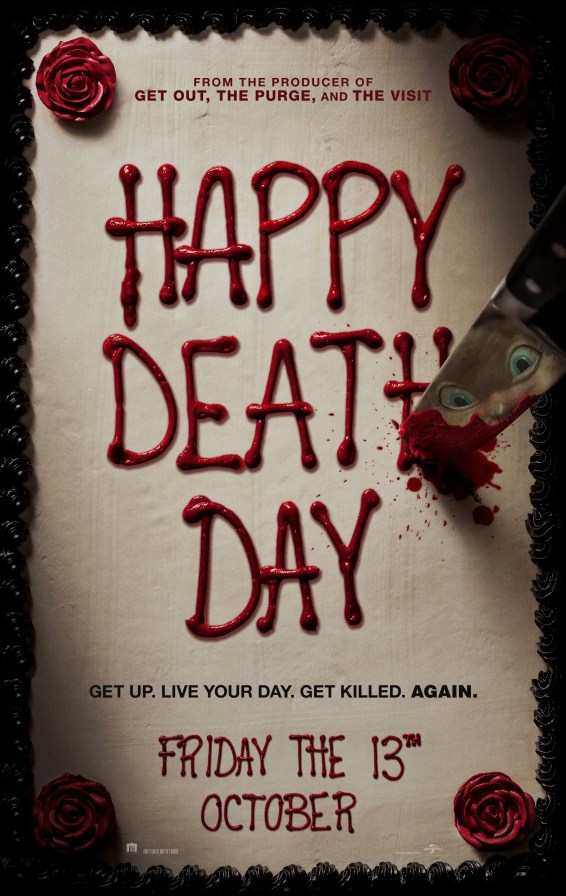
Another horror flick from production company Blumhouse Pictures, ‘Happy Death Day,’ released in 2017, does at least extend out of the usual range of Blumhouse horrors to become more of a horror-comedy than just a straightforward teen slasher. But, similar to the rest of their associated franchises, e.g. ‘Insidious,’ ‘The Purge’ and ‘Paranormal Activity,’ both ‘Happy Death Day’ and it’s sequel, have their fair share of issues, with some being far more severe than others.

Plot Summary: Waking up in the dorm room of a boy whose name she can’t remember after a night of heavy drinking, self-centered college student; ‘Tree Gelbman,’ intends to continue her trend of avoiding her birthday, but little does she know that later that night on her way to another party, someone is waiting to murder her. Only after being killed, ‘Tree’ awakens in the same dorm room, soon realising she is being forced to relive her brutal night of murder over-and-over again until she discovers her killer’s identity…

‘Happy Death Day’ similar to many other day-repeating stories in the past, takes most of its inspiration from the comedy classic; ‘Groundhog Day,’ from 1993. Yet, unlike many of the other films that are inspired by this beloved comedy flick, it becomes clear over time that ‘Happy Death Day’ is quite derivative of ‘Groundhog Day,’ as the film’s story not only utilises the comedy’s plot without much innovation (only throwing a killer into the mix). But, the film even steals the main point of the narrative, that being its main character and their correlating character arc, using the time-looping concept to in a way punish the protagonist for their cruel behaviour towards others.

In spite of this, however, the protagonist; ‘Tree,’ portrayed by Jessica Rothe, is by far the best element of the film, as while ‘Tree’ does go through a character arc that is all-too-familiar as previously mentioned, Rothe makes a fantastic first outing as an actress through her very enjoyable performance. Then, of course, there is the killer, whose identity remains a mystery throughout most of the runtime, known as ‘The Babyface Killer,’ the killer’s outfit is actually the mascot of ‘Bayfield University,’ where the film takes place, and although the costume itself is far more goofy then intimidating, the mask/costume was actually designed by Tony Gardner. The costume designer behind the now-iconic; ‘Ghostface,’ costume from the ‘Scream’ series, which does help redeem to the killer’s undoubtedly petty motivation.

The film’s cinematography by Toby Oliver isn’t anything amazing, but does back up the story effectively in a variety of scenes. Whether that’s through its use of wide sweeping shots when the characters are in an intense chase, or when more shaky hand-held camerawork is used to reflect ‘Tree’s breakdown when she first realises she is stuck in her current crisis. Yet, similar to much of its story, the film never leans enough into a more outlandish/experimental nature when considering what the film could accomplish with its cinematography.

Talented composer Bear McCreary handles the film’s original score, which isn’t very distinctive from most of his other work within the horror genre. But, despite the score’s lack of memorability, it still does feel as if there is a decent amount of effort put into it, as the soundtrack actually has quite a lot of range even if some of the tracks don’t always fit with the tone of the film. This also goes for many of the songs used throughout ‘Happy Death Day,’ as nearly all of the film’s song choices massively differ in both genre and general popularity.

Still, the biggest problem ‘Happy Death Day’ suffers from is the inconsistency of its tone, as although the film does attempt to have scenes featuring both scares and humour, alike, many of the film’s jump-scares and jokes range in quality, and occasionally even cancel each other out. Additionally, the film also takes an unusual approach to its violence, as while ‘Tree’ dies countless times throughout the film in a number of different ways. The film never allows for any creative or darkly amusing deaths, due to its lack of any blood or gore. Yet, this wasn’t always the case, as the original screenplay for the film did actually include more violence, so much so, in fact, that it would have gained the film a higher age rating, with plenty of scenes having much grislier deaths that were later altered by director Christopher Landon (Paranormal Activity: The Marked Ones, Scouts Guide to the Zombie Apocalypse) during pre-production.

In summary, whilst the signature performance from Jessica Rothe does help to make ‘Happy Death Day’ a far more enjoyable viewing, in addition to the film’s idea of a protagonist being repeatedly murdered having plenty of potential for a horror-comedy. The film just doesn’t do enough with its story, feeling almost as if its a little restrictive on itself, never delving enough into being either funny or freighting respectively. So, if you desire an amusing horror-comedy to stick on one evening, maybe just go back to your more accustomed choices over this mediocre slasher. Final Rating: 5/10.

happy_death_day_xxlg

Secret Obsession (2019) – Film Review

Other than providing the viewer with plenty of unintentionally comedic moments to laugh at, ‘Secret Obsession’ fails to do much of anything as a thriller, a mystery, or even a drama, being incredibly predictable and formulaic from start-to-finish, in addition to lacking in both interesting characters and a real sense of dread throughout. ‘Secret Obsession’ remains to this day Netflix’s attempt at an ominous thriller that was quickly swept under-the-rug shortly after its release, only being known now as a poorly thought out thriller that would seem more at home on the Lifetime Channel.

Plot Summary: After being brutally attacked by a mysterious stranger at a rest-stop one night, newlywed; ‘Jennifer Williams,’ awakens in hospital healing from her injuries. Now unable to recall her past, her husband; ‘Russell Williams,’ is simply thankful she’s alive and is eager to get her home. But, as he reintroduces her to their secluded mountain estate, ‘Jennifer’ begins to realise she may not be as safe as she initially believed…

Even though ‘Secret Obsession’ received nearly universally negative reviews upon its initial release, in just twenty-eight days, over forty million viewers watched the thriller, placing it in the top ten most viewed Netflix Original films in the history of the streaming service (despite the film’s absence of anything truly unique). This is even more surprising considering the film wasn’t the only psychological thriller released on Netflix in 2019, as another entry in the genre titled; ‘Fractured,’ appeared on viewer’s accounts months later, sharing many similarities in story and setup to ‘Secret Obsession.’

Brenda Song and Mike Vogel are both fine within the film, delivering serviceable performances with the exception of the occasional corny line which can feel quite over-acted. Neither one of these performances improve the film much, however, as ‘Secret Obsession’ is anything but subtle in terms of both its dialogue and its characterisation. A perfect example of this is the character; ‘Detective Frank Page,’ portrayed by Dennis Haysbert, as not only is this character very cliché and only in the film to serve as a plot device later down the line. ‘Detective Frank’ also has a character arc which receives almost no development and makes little sense, in spite of Haysbert possibly giving the best performance of the film without being anything extraordinary.

The film’s cinematography by Eitan Almagor does manage to be at least somewhat visually interesting for majority of the runtime. With that said, much of the film’s visual style doesn’t fit with the actual narrative, as the film’s main setting of the Colorado Mountains feels like a far too beautiful and scenic location for a dark thriller, such as this. This also goes for the film’s colour palette and lighting, which are both overly bright, resulting in the film sharing a similar visual appeal to a modern comedy rather than a suspenseful thriller/mystery.

Just as bland as it is cheesy, the original score by Jim Dooley doesn’t fare much better either, usually landing on either side of the scale: immensely generic or overly loud and extravagant. Almost giving the impression it’s taken from the soundtrack of a live-action ‘Scooby-Doo’ flick at points with how aggressively its orchestral score alludes to danger. But, considering this composer hasn’t worked on many well-known films throughout his career, I feel Dooly is still yet to create a beloved (or even memorable) original score for a film.

Nevertheless, the film’s main hook is, of course, it’s signature plot twist, as even hinted at by the ‘Secret’ part of its title. Yet, in my opinion, the story’s ‘twist’ is revealed far too early on within the runtime as a result of the screenplay’s extremely blunt hints and clues, which leave little to the imagination. While you could argue the film intends for the audience to know what’s going on so early in the narrative in order to build tension, the lack of any likeable or engrossing characters makes this a mostly fruitless effort, and with the film never delving much into the details of its twist, it soon leaves the viewer pondering the believability of its story. Alongside the obvious fact that a continuous and overarching mystery always helps to make a story more compelling, with iconic thrillers, such as ‘Seven’ and ‘Shutter Island,’ knowing this full well.

In summary, ‘Secret Obsession’ is a film no one is likely to obsess over, with its unfitting location and colour palette, dull characters and constant illogical moments throughout its story, the film has little to offer for fans of psychological thrillers. Whilst some may see the film as a ‘so bad it’s good’ flick, similar to other comically awful films, like ‘The Room,’ ‘Battlefield Earth’ and ‘Batman and Robin,’ I personally find the film a very forgettable and occasionally irritating experience. So, unless you’re on the hunt for a thriller that soon evolves into an unintended comedy, definitely give this dreadful Netflix Original a miss. Final Rating: 2/10.

secret_obsession_xxlg

Prisoners (2013) – Film Review

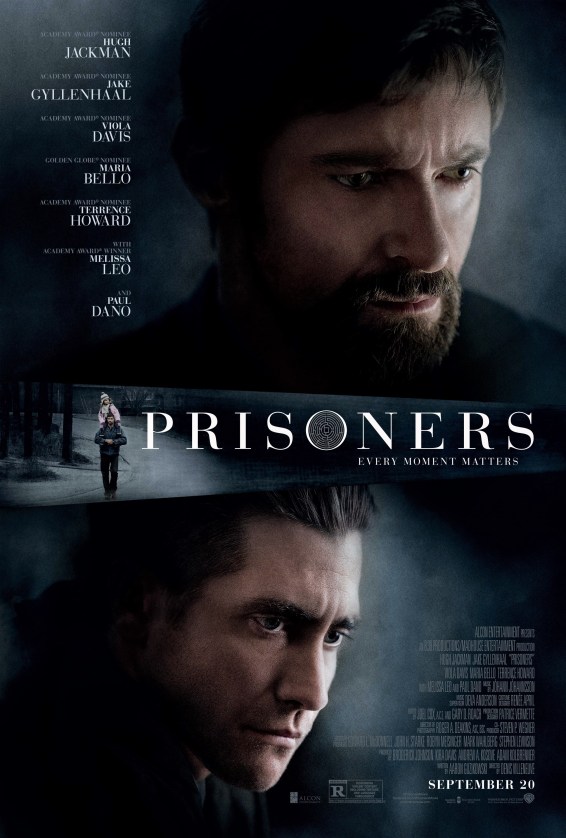
Combining some incredible performances from Hugh Jackman and Jake Gyllenhaal with some phenomenal cinematography by the legendary Rodger Deakins alongside an effective original score by the late Jóhann Jóhannsson. ‘Prisoners’ is truly a masterclass in both filmmaking and storytelling. Although some audience members may be turned-off by the film’s depressing subject matter and few graphic scenes, this story of two family’s lives being turned upside-down is nevertheless an enthralling thriller/drama throughout.

Plot Summary: Shortly after their Thanksgiving dinner, parents: ‘Keller’ and ‘Grace Dover’ discover their six-year-old daughter and her best friend are missing. So after contacting the authorities, the driven: ‘Detective Loki’ is assigned to lead the case. But as hours turn into days, knowing his daughter’s life is at stake, frantic father: ‘Keller’ considers taking matters into his own hands…

Directed by Denis Villeneuve (Sicario, Arrival, Blade Runner: 2049), Villeneuve further proves here that he is one of the best filmmakers currently working. As every one of his films are always engaging and visually-breathtaking, with ‘Prisoners’ being no exception. As throughout the entirety of its lengthy runtime, ‘Prisoners’ manages to be a compelling, tense and emotional experience that will leave most viewers on the edge of their seats. Making the viewer long for the truth just as much as the film’s characters do, with the film’s main theme of parenthood even exploring the idea of how far a parent would truly go to protect their child, most notably through ‘Keller’s questionable actions later within the story.

The film’s main pairing of Hugh Jackman as ‘Keller Dover’ and Jake Gyllenhaal as ‘Detective Loki’ is the perfect combination of two talented actors, as both give brilliant performances as their respective characters with Hugh Jackman in particular, giving one of the best performances of his entire career. Especially in the scene: ‘The Interrogation’. In which, ‘Keller’ repeatedly tortures the potential kidnapper of his daughter, resulting in the scene soon becoming one of the film’s best moments mostly through Jackman’s incredibly intense performance. In addition to the two leads, the supporting cast of Terrence Howard, Viola Davis, Maria Bello, Dylan Minnette, Paul Dano and Melissa Leo are all excellent, with each member of the main cast adding to the film’s realistic portrayal of two concerned families, going days without rest as their thoughts dwell purely on their missing children.

From the opening shot through to the very last, the cinematography by Roger Deakins is nothing short of phenomenal. As ‘Prisoners’ elevates its already gripping narrative through its many stunning shots, alongside the film’s absolutely superb lighting, which makes fantastic use of darkness and silhouettes wherever possible (a staple of Roger Deakins’ cinematography) which only backs-up the film’s grim tone and tense atmosphere further. Another element of the film that also adds to its visual aesthetic is its use of weather. Being set in a small town in Pennsylvania, ‘Prisoners’ makes great use of the state’s dreary weather for a number of scenes, meaning many shots are enhanced due to the constant barrage of rain and snow within them.

The late Jóhann Jóhannsson handles the original score for the film, most known for his work on ‘The Theory of Everything’ along with plenty of other films from director Denis Villeneuve. The film’s score really adds to many of its dramatic moments, as the soundtrack mostly focuses on the story’s more emotional and tragic aspects, and while not overly memorable, the tracks: ‘I Can’t Find Them’ and ‘Through Falling Snow’ both fit the bleak tone of the film flawlessly. While the track: ‘The Keeper’ is also worth a quick mention simply due to its impactful feel.

Although it isn’t a major problem, my only real issue with the film is the lack of depth for some of its characters, as ‘Detective Loki’ and ‘Alex Jones’ both have many interesting traits, with ‘Detective Loki’ having a variety of tattoos, rings and facial ticks (many of which were actually Jake Gyllenhaal’s ideas). Whilst ‘Alex’ has the I.Q. of a ten-year-old due to his learning difficulties. Yet even with these unique traits, I never felt like either of these two characters were explored enough, even with the film’s many attempts at subtle characterisation through visual storytelling.

In short, ‘Prisoners’ is not only one of my favourite films from 2013, but one of all my all-time favourite thrillers in general. Through its spectacular cinematography, tense atmosphere and compelling plot among many, many other elements, ‘Prisoners’ is honestly unmissable. Being just another piece of the beyond-excellent filmography of director Denis Villeneuve, this thriller is certainly one I’d recommend to anyone in need of a memorising mystery. If you’ve never seen a film by Villeneuve, I’d say ‘Prisoners’ is a tremendous place to begin, despite the film not quite beating-out my personal favourite film of his, that being: ‘Blade Runner: 2049.’ Final Rating: 9/10.

prisoners_ver3_xxlg

Super 8 (2011) – Film Review

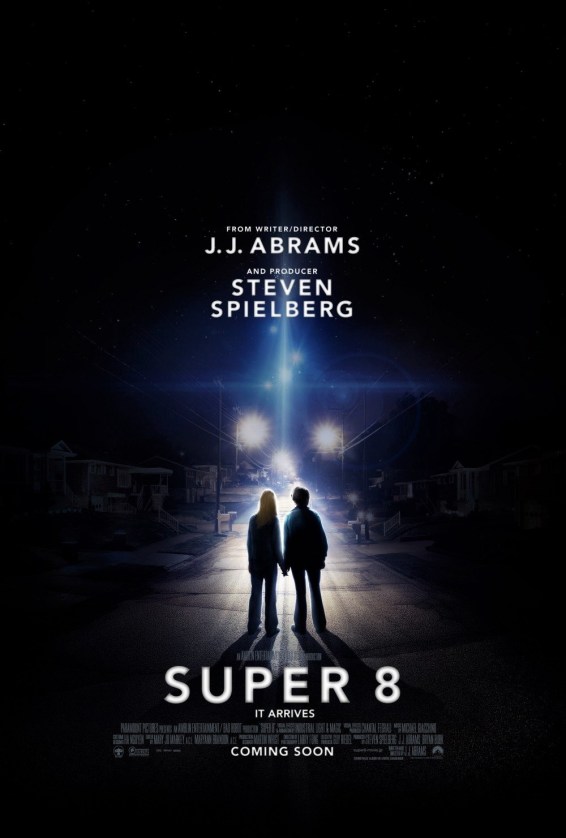
Five years before ‘Stranger Things’ hit our Netflix accounts, director J. J. Abrams (Mission Impossible III, Star Trek, Star Wars: Episode VII – The Force Awakens), tried his hand at creating an ’80s sci-fi throwback with ‘Super 8.’ While the film did get mostly positive reviews from both critics and audiences alike upon its initial release, I’ve never been a huge fan of this science fiction flick, with many strange decisions at play in addition to its overreliance on borrowing story elements from classic films of the 1980s. ‘Super 8’ has always seemed more like simple pandering rather than an enjoyable and nostalgic throwback.

Plot Summary: During the summer of 1979, a group of young friends making a short zombie film with their Super-8 film camera are witnesses to a devastating train crash. Soon after, the group find themselves investigating the subsequent unexplained events throughout their small town…

Even with legendary director Steven Spielberg on board as a producer, ‘Super 8’ mostly lacks the fun tone many of Spielberg’s classics usually overflow with, taking itself pretty seriously aside from a few short moments. Although ‘Super 8’ may not feature this aspect of Spielberg’s work, however, the film does utilise many different ideas from his filmography, as while most throwbacks do usually contain a few story elements taken from the films they are inspired by, ‘Super 8’ begins to feel a little derivative at points, eventually developing a plot which feels almost identical to ‘E. T. the Extra-Terrestrial’ and ‘Close Encounters of the Third Kind,’ without much experimentation.

Although Joel Courtney, Elle Fanning, Gabriel Basso, Riley Griffiths, Ryan Lee and Zach Mills all do a great job at portraying their young characters, the writing throughout the film definitely has room for improvement, as many of the younger characters never quite manage to become incredibly amusing or likeable, with most of them receiving barely any development at all. Following this, as the film’s narrative becomes more tense and dangerous nearing its end, the group’s frustration and panic begins to surface, which although realistic, does result in them becoming rather irritating after a while due to their constant screaming and arguing. Kyle Chandler also makes an appearance within the film as ‘Jackson Lamb’ one of the group’s parents, who does give a decent performance as a strict yet caring father, even with his limited screen-time.

The cinematography by Larry Fong is visually pleasing for the most part, creating many different and attractive shots throughout the film. But, due to its colour palette and lighting, the film’s visuals are dragged down by simply how dark the film is, as a large majority of the story takes place at night, ‘Super 8′ relies heavily on dim lighting and shadows (alongside Abrams’ continued obsession with lens flares). The film’s CG effects are also serviceable, with many of the film’s more CGI-heavy moments taking place at night, meaning any of the CG effects that may be lacking are saved as a result of them being shrouded in darkness.

Michael Giacchino is a composer I usually adore, from his astonishing work on films such as ‘The Incredibles,’ ‘Doctor Strange’ and ‘Jojo Rabbit,’ Giacchino normally succeeds far beyond expectations. However, in the case of ‘Super 8,’ his score is simply ‘okay,’ as although it does serve the film’s story decently well, the film’s soundtrack isn’t very unique or memorable. Being a traditional orchestral like many other modern blockbusters, I couldn’t help but feel a classic ’80s synth score more along the lines of ‘Stranger Things’ would’ve worked extremely well for this kind of film, even with the film’s narrative technically being set in the 1970s.

An aspect of ‘Super 8’ I do truly enjoy is the film’s sound design, an aspect of filmmaking that I rarely mention, ‘Super 8’ actually does a fairly brilliant job of building tension or mystery through its eerie sci-fi noises. In particular, in the scene in which the young group of friends are attacked by an otherworldly creature whilst aboard a military transport, as mostly in part to its sound design, this is, in my opinion, one of the most effective and memorable scenes of the film.

In summary, ‘Super 8’ feels like a huge waste of potential, as whilst the film is far from awful and does have some interesting aspects scattered throughout its runtime. The film’s weak writing and forgettable original score make the film feel a little bland in areas, in addition to its lack of anything truly original (which I feel is the film’s biggest flaw). As, unlike ‘Stranger Things’ where the show’s story at least introduces concepts, like ‘The Upside-Down’ and ‘The Demogorgon,’ which are rather creative, ‘Super 8′ lacks much of anything that hasn’t be explored in sci-fi before. While this film is still a perfect example of J. J. Abrams’ talent for visuals, ‘Super 8’ never really manages to elevate itself beyond being just a simple nostalgia fest. Final Rating: high 5/10.

super_eight_ver2_xlg

The Snowman (2017) – Film Review

Despite being directed by Tomas Alfredson, head of some great films in the past, such as ‘Let the Right One In’ and ‘Tinker Tailor Soldier Spy,’ ‘The Snowman’ is a complete mess of a thriller from start-to-finish. Mostly as a result of the variety of issues it faced during its production, from a rushed filming schedule to plenty of scenes and story elements being left on the cutting-room floor. Although the film’s isolated location alongside the visually pleasing cinematography by Dion Beebe may be very effective at points, they simply aren’t enough to save the film from its weak writing and boring/confusing narrative, even with the film’s decent source material.

Plot Summary: As rough detective, Harry Hole, investigates the disappearance of a woman whose scarf is found wrapped around an ominous-looking snowman, he begins to fear an elusive serial killer may be active again. So, with the help of a brilliant recruit, ‘Harry’ must now connect decades-old cold cases in the hopes of outwitting this threat before the next snowfall…

‘The Snowman’ is based on the novel of the same name by Jo Nesbø, also known as: ‘Snømannen’ in Norwegian. However, although this is the first time audiences are seeing the character of: ‘Harry Hole’ portrayed on-screen, ‘The Snowman’ is actually the seventh entry in the character’s novel series. Making the narrative itself feel very underdeveloped and even a little out-of-place, almost as if the viewer hasn’t been informed of any of the film’s in-world events before the current story begins (this may also be why the film is brimming with overly long flashbacks).

Michael Fassbender portrays the protagonist; ‘Harry Hole,’ which is, unfortunately, one of his weakest performances to date, not only due to his poorly-written character (who is incredibly cliché as an uncaring alcoholic detective) but also as a result of his fairly bland line delivery. The rest of the cast featuring Rebecca Ferguson, Charlotte Gainsbourg, Jonas Karlsson and even a short appearance from J.K. Simmons, are all decent with what they are given, although they also suffer from similar poorly-written characters. Many of the characters throughout the film also never seem to react very realistically to situations, as characters usually just shrug off horrific sights with ease, never delving into how traumatic these experiences would actually be for a person to witness.

The cinematography by Dion Beebe is undoubtedly the best aspect of the film, however, as the beautiful yet isolated locations of the story really add to the film’s enormous array of wide shots and uncomfortable close-ups. Needlessly to say, this doesn’t really help with the lack of tension within the film, as although the film makes more than a few attempts at crafting tension-filled moments when ‘Harry’ investigates various crime scenes, the film never quite manages it, usually failing to build-up much of an eerie atmosphere.

Marco Beltrami handles the original score for the film, and although this composer usually does terrific work, his score for ‘The Snowman’ is mostly very dull. As with the exception of the tracks; ‘Main Titles’ and ‘Down the Harry Hole,’ the entire soundtrack feels as of it could’ve been taken from almost any other generic thriller, which is a huge shame, as I personally feel a more impactful score could’ve really helped with the film’s total lack of tension.

The film’s location probably intrigued a large number of viewers just on itself, clearly taking inspiration from films, such as ‘Deadfall’ and the dark comedy classic; ‘Fargo,’ from 1996, the film’s snowy Norway setting really gives the film a distinct look, with the bright red blood from many of the killer’s victims standing-out immensely amongst the white snow. These visuals also help to distract from the film’s slow pacing, as the film’s main mystery usually feels like quite a drag, with clues only being revealed very slowly over the course of the film.

In summary, ‘The Snowman’ definitely fails in more categories than one, as despite its interesting location and pretty fantastic cinematography, the film’s messy story and bland performances make the film pretty unappealing when considering it’s over two-hour runtime. Whilst I’m sure ‘The Snowman’ had the potential to be a great semi-Noir thriller at some-point in time, especially considering it was initially going to be directed by the legendary Martin Scorsese, who, eventually left the film to pursue other projects. ‘The Snowman’ is still far from the chilling crime tale it attempted to be and is a complete disappointment. Final Rating: 3/10.

snowman_ver3_xlg

The Nice Guys (2016) – Film Review

This ’70s throwback to classic buddy-cop comedy films hits all the right marks, as the fantastic chemistry between Russell Crowe and Ryan Gosling alongside the film’s great visuals and hilarious comedic moments, all make ‘The Nice Guys’ certainly worth a watch, whether you are incredibly fond of action-comedies or not, as I feel this humorous flick definitely deserves more attention.

Plot Summary: In 1970s Los Angeles, bumbling private eye; ‘Holland March,’ and muscle-for-hire; ‘Jackson Healy,’ become unlikely partners when they find themselves both looking for a missing woman, named; ‘Amelia,’ following the death of a high-profile porn star. ‘Amelia’s ties to the deceased actress are unclear, but as other members of the porn industry turn up dead, ‘March’ and ‘Healy’s investigation reveals a much bigger conspiracy than the duo could have ever anticipated…

Heavily inspired by action/comedy classics, such as ‘Lethal Weapon’ and ‘Rush Hour,’ ‘The Nice Guys’ is directed by Shane Black (Kiss Kiss Bang Bang, Iron Man 3, The Predator), who clearly brings all his love for this genre to the forefront. As, despite the film doing quite poorly in cinemas upon its initial release, the film is clearly a true passion project for Shane Black, being filled with the director’s usual style and classic witty dialogue from start-to-finish.

Russell Crowe and Ryan Gosling make an excellent pairing as ‘Jackson Healy’ and ‘Holland March’ throughout the film’s story, as both actors have an enormous amount of chemistry with each other and add plenty of humour into the plot through their interactions with their opposite, as well as ‘Holland’s daughter; ‘Holly March,’ portrayed by Angourie Rice, who is very sarcastic and angsty towards many of the other characters (which can become a little irritating after a while). Matthew Bomer, Margaret Qualley, Yaya DaCosta and Keith David also have small roles within the film, and are all decent, despite not being given much screen-time.

Philippe Rousselot handles the cinematography throughout ‘The Nice Guys,’ and although attractive throughout most of the runtime, the variety of shots is probably the weakest aspect of the film just down to elimination. Still, the cinematography does back-up the story very effectively, never taking the audience’s attention away from the mystery unravelling throughout the narrative. I also feel the film’s colour palette could’ve really added to the film’s visual flair more, as the colour palette doesn’t really delve much into the 1970s style aside from the occasional vibrant shot. However, the film does integrate ’70s style in its opening titles which I appreciated, as the Warner Brothers’ logo seen in the beginning of the film is the actual graphic Warner Bros. Pictures used during the 1970s for their films.

The original score by John Ottman and David Buckley fits the film’s style and time-period perfectly, as the soundtrack attempts to replicate the music of the time through its use of trumpets and a drum kit to add to many of the comedic moments and establishing shots, with the tracks; ‘Cars That Drive Themselves’ and ‘P.I. Life,’ being my two personal favourites (in addition to the film’s main theme). Many of the film’s action scenes do slightly weaken the score, however, as anytime the screen is filled with bullets and fist fights, the original score suddenly becomes a lot more generic.

The majority of the jokes throughout the film do land very successfully, in my opinion, as ‘The Nice Guys’ has a pretty wide range of comedy throughout its runtime. From the hilarious and quippy dialogue between the two main protagonists to the parodying of classic action tropes and even a little bit of slapstick thrown in for good measure, all of the comedy throughout the film is pretty inventive and ensures that the film is filled with humour for every kind of viewer.

Despite the film’s main focus being its humour, however, the action throughout the film is actually very well-executed, from a high-speed car chase through to chaotic shoot outs and bare-fist scuffles. ‘The Nice Guys’ nails it’s action scenes just as well as it’s jokes, as each action set piece is always exciting and brilliantly choreographed. My only real criticism of the film is probably it’s length, as I feel the film does go on for slightly too long nearing end of its story.

In summary, it’s a real shame many that audiences had no interest in ‘The Nice Guys,’ as although many would consider buddy-cop action flicks a dead genre similar to westerns. I personally feel we need more films like this, as bringing back these old kinds of stories really makes the film stand out amongst the complete onslaught of modern superhero blockbusters and generic horror scare-fests. So, although I feel a sequel to ‘The Nice Guys’ is very unlikely to ever be made, the mere mention of one as even a possibility still gets me excited to this day, as I would love to see these characters return to the silver screen. Final Rating: 8/10.

nice_guys_ver2_xlg

Get Out (2017) – Film Review

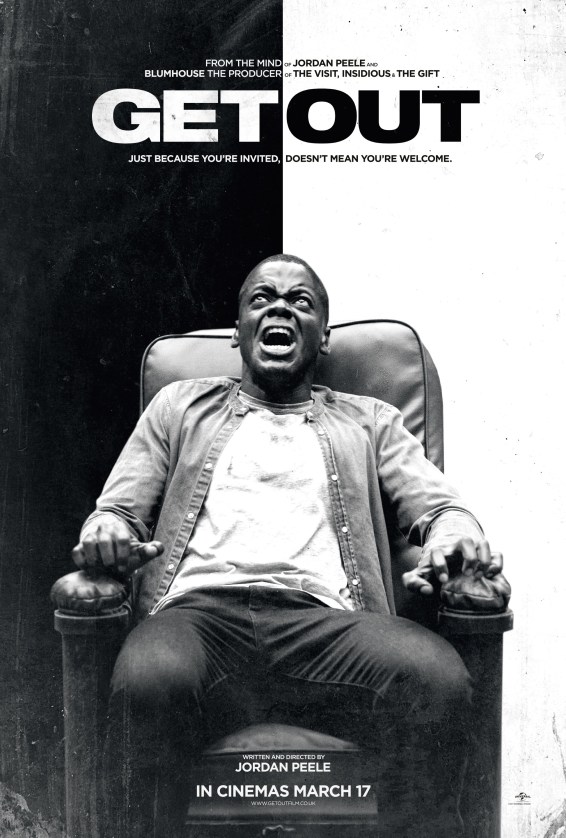
Actor and comedian Jordan Peele tests his hand at directing for the first time with this intelligent thriller, as ‘Get Out’ utilises its original story and some great performances to become a definite step-up from Blumhouse Productions’ usual standard for films. However, although many viewers think this film is phenomenal throughout it’s most of its runtime, I personally don’t agree, as I actually feel there is more than a few areas in need of some improvement.

Plot Summary: When a young African-American man visits his white girlfriend’s parents for the weekend, his simmering uneasiness about their reception of him eventually reaches an extreme boiling point. Leading ‘Chris’ to believe more sinister forces may be at work…

As already mentioned, the film’s narrative is original, and any regardless of quality, I always appreciate originality when it comes to storytelling. Despite ‘Get Out’ being initially pitched and advertised a horror, however, the film is really anything but, as the film actually has many inclines of comedy mixed-in with some tension-filled moments here and there, and although the film is entertaining, ‘Get Out’ never really manages to build-up an eerie atmosphere or becomes particularly creepy, which is why I believe that the film is now classed as a thriller rather than a horror by most.

The best aspect of the film for me is by far the performances by the cast, as Daniel Kaluuya, Allison Williams, Bradley Whitford, and Catherine Keener are all exceptional throughout, with Daniel Kaluuya as the protagonist; ‘Chris Washington,’ in particular, really keeping me engaged, as he delivers a very ranged performance, managing to portray a very likeable and realistic character within only a short period of time. Unfortunately, not all of the supporting cast quite level-up to this standard.

The cinematography by Toby Oliver is a decent throughout the film, as although there are plenty of attractive shots (most of which make great use of the large open spaces the majority of the story takes place in (especially in the opening scene of the film, which is executed perfectly). There are also a variety of fairly bland shots, this may also be due to the film’s colour palette, however, as throughout the film the use of a very restrictive colour palette results in the film feeling a little visually dull, rather than using its colours to play into its story or genre.

Personally, the weakest element of the film for me is the original score by Michael Abels, as the entire soundtrack itself feels very unusual, and although unique, it usually comes off as incredibly distracting throughout many scenes within the film. Using an orchestra as well as vocals, the score attempts to reflect some of the more surreal scenes nearing the end of the film, and although I appreciate the attempt, I simply don’t think it works, with the track; ‘Sikiliza Kwa Wahenga,’ feeling particularly out-of-place as a result of its bizarre lyrics.

Although the original score may be lacking, the writing throughout the film is brilliant throughout, as writer and director Jordan Peele balances the screenplay’s comedy and horror, in addition to building-up an engaging mystery throughout the story, as every piece of dialogue contains many subtle clues and hidden meanings which come into play later in the narrative. Of course, with a plot such as this one, there is also an enormous amount of themes and social commentary underneath the story itself, and while I did find the majority of the film’s ideas very interesting and thought-provoking, I also found that some of the themes of racism and social issues can often overshadow the film’s main story.

In summary, ‘Get Out’ is a decent thriller, as despite the fact that the performances and writing on display throughout the film is definitely impressive, I still feel the lack of an eerie atmosphere in addition to a suitable original score for the film’s tone really hurt the film. Regardless of this, ‘Get Out’ is still a thriller will plenty of entertainment value, while nothing absolutely amazing, the film definitely has its moments, and I would say the film is a solid watch if you enjoy the occasional thriller. Final Rating: 7/10.

get_out_ver4_xxlg

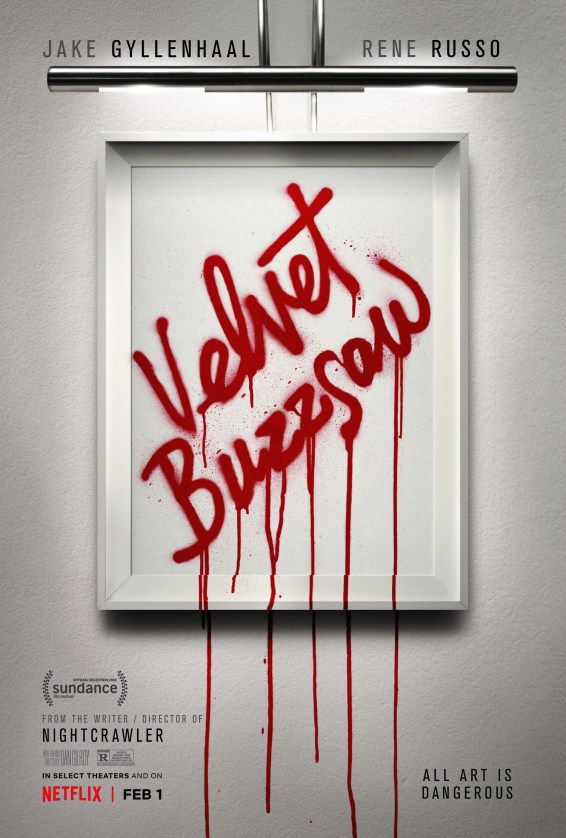
Velvet Buzzsaw (2019) – Film Review

A strange, violent, and very unpredictable film, Dan Gilroy director of one of my all-time favourite flicks; ‘Nightcrawler,’ works all his charm and creativity into this horror/drama/mystery/black comedy? It’s difficult to pinpoint exactly what the genre of this film is. Alongside this, similar to some other films I’ve reviewed, I’d say this is definitely not a film for everyone. But for those to who it will appeal, you will surely enjoy yourself.

Plot Summary: Following the discovery of a series of foreboding paintings by an unknown artist, a supernatural force enacts revenge on those who have allowed their greed to get in the way of art…

‘Velvet Buzzsaw’ is mostly built around the shocking deaths throughout the film, as various characters get killed off in different ways. Leaving the rest of the characters in a state of confusion and panic, this allows the film to delve into bits and pieces of characterisation (granted not a lot) in addition to exploring various ideas of what ‘art’ actually is and we criticise and commercialise it, and despite the film not going incredibly in depth with these ideas, I did still find many of them and the themes of greed and ego interesting.

Jake Gyllenhaal is essentially the main protagonist of the film: ‘Morf Vandewalt’ a very eccentric and strange character who seems to be a parody of over-the-top art critics. Rene Russo, Zawe Ashton, Toni Collette, Natalia Dyer, and John Malkovich also all lend their talents to the film. Along with the decent writing, their great performances really help give each character a distinct personality. Unexpectedly, however, Zawe Ashton is a true stand out of the cast for me, only really knowing her from Channel 4’s ‘Fresh Meat,’ here she portrays a very different character than ones before.

The cinematography by Robert Elswit also gives the film a very clean look, utilising many different shots throughout. I still think the film could’ve done more with the camerawork, however, especially when compared to Dan Gilroy’s previous films. The does also combine cinematography well with the beautiful sets and locations, giving the film a great visual appeal. The original score by Marco Beltrami and Buck Sanders also lends its hand to the creepy atmosphere at multiple points throughout the film, yet can also change to more calming or light-hearted when it needs to.

Although the tone can vary throughout the film, it never comes off as unbalanced. Comedy is used at points during the story but never to the point of ruining the eerie atmosphere or character moments. However, when the film does shift into full on horror, we get easily my favourite moments of the film, as it’s these moments we get some interesting CG effects and unique visuals, as well as a great build up of intrigue and tension, with the eventual death at the end of the scene usually being very creative, despite not always being very gory.

My main two issues with the film resolve mostly around the pacing of the film, as the film can come off as very slow and can drag the story down at points, as well as the use of John Malkovich’s character, ‘Piers,’ as this character appears in the very first scene of the film and then again later into the runtime. However, he doesn’t really have any impact on the narrative, and felt to me like the film was just using his bland character to fill up screen-time.

In summary, I couldn’t decide as to what I thought of ‘Velvet Buzzsaw’ upon my initial viewing of the film, and I’m still not entirely sure now, as whilst the film does suffer from a fair amount of problems and isn’t the incredibly entertaining piece of gory fun I was hoping it would be. But, I still enjoyed myself due to its weird atmosphere and interesting ideas, and it is a film I could maybe see myself returning to at some point. Final Rating: 5/10.

velvet_buzzsaw_xxlg