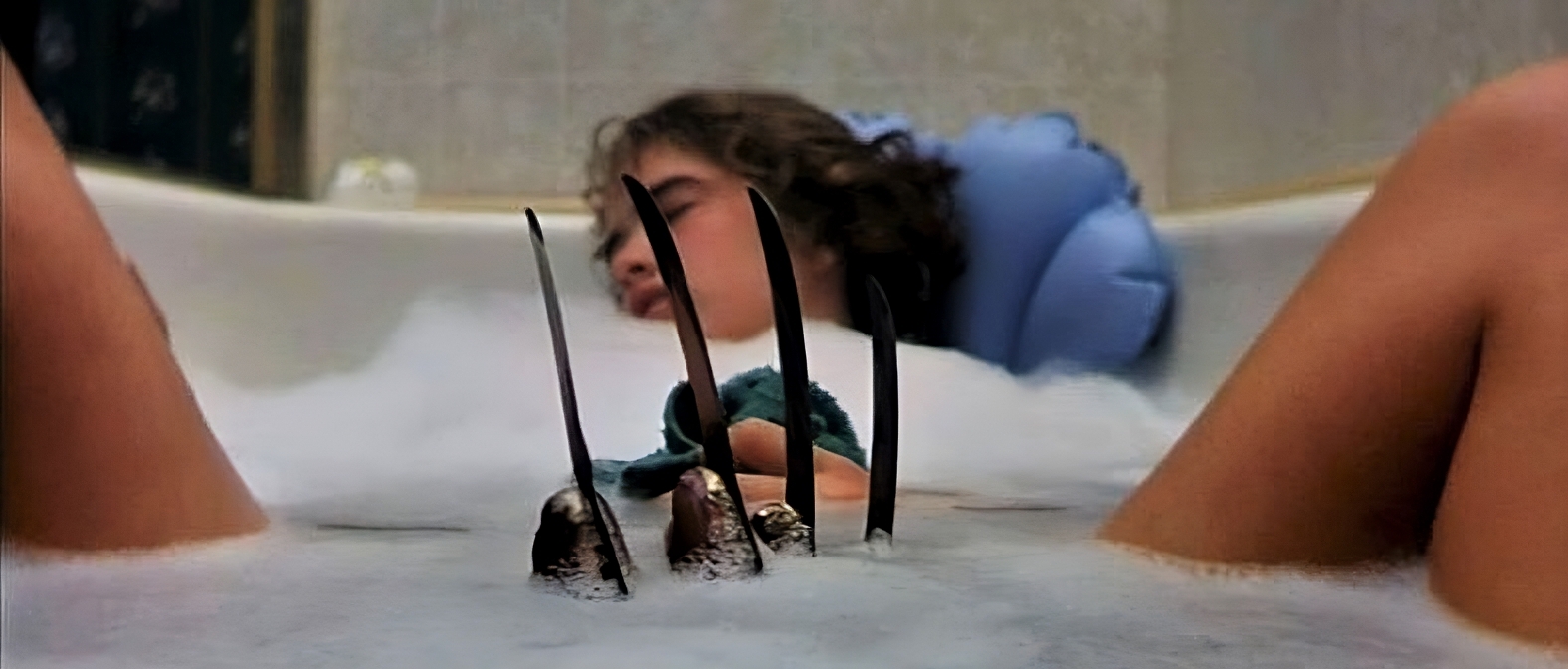
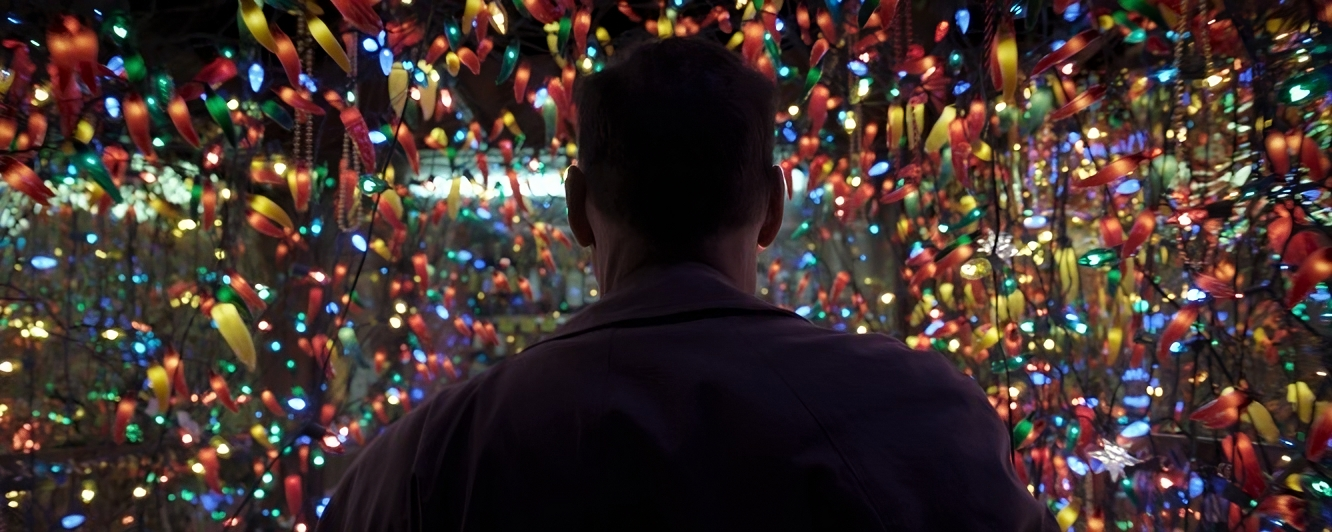
Jaws (1975) – Anniversary Retrospective

“Here’s to Swimmin’ With Bow-Legged Women…” – Captain Quint

In the summer of 1975, a ferocious great white shark swam into cinemas and, by extension, cinematic history, as Jaws, directed by a then-relatively unknown Steven Spielberg, didn’t just terrify cinemagoers; it changed the film industry forever in more ways than one.

Now, decades on, amid its 50th anniversary, it’s hard to imagine a world without it, not simply because of John Williams’ iconic original score or the unforgettable characters, but because Jaws was essentially the first summer blockbuster. Before the film’s release, summer wasn’t considered prime time for big-budget releases, but rather a dumping ground for lower-tier films. Nevertheless, Universal Pictures took a gamble with Spielberg’s shark-centric cliffhanger. This gamble paid off in a big way when Jaws hit cinemas on June 20th, 1975, instantly becoming a box office phenomenon, grossing over $470 million worldwide, equivalent to around £1.8 billion today when adjusted for inflation. It became, for a time, the highest-grossing film ever made until the then-titled sci-fi blockbuster Star Wars arrived in 1977. Still, half a century on, Jaws certainly hasn’t lost its bite.

Beginning life as a relatively short yet commercially successful novel, written by the late American writer Peter Benchley and published by Doubleday in 1974, Jaws recounts the story of an enormous great white shark preying upon the fictional coastal town of Amity, a tourist hotspot located on the south shore of Long Island, halfway between Bridgehampton and East Hampton, prompting a local police chief, a marine biologist, and a crusty fisherman to track it down. The novel grew out of Benchley’s increasing interest in shark attacks after he read about the exploits of Frank Mundus, an author and shark angler-turned-conservationist from Montauk, New York, thought to be the inspiration for the character of Captain Quint.

Although the adaptation wasn’t particularly faithful to his best-selling novel, as it streamlines the plot, focuses more on the hunt for the shark, and significantly alters some characters and subplots, Benchley’s mixed feelings towards the film were not a result of this. Instead, while he acknowledged the film’s success and massive influence on pop culture, he also expressed some regret for the portrayal of sharks his work had brought about, specifically the exaggerated depiction of them as purely murderous beasts, as Benchley was, in actuality, a passionate advocate for shark conservation and ocean preservation, co-founding the Peter Benchley Ocean Awards, which honours individuals and organisations making substantial contributions to marine conservation.

While the premise of Jaws is simple yet compelling, what truly turned the story into something extraordinary was Spielberg’s guidance. Ironically, one of the most influential choices he made during production came out of pure necessity, as the animatronic shark, nicknamed; “Bruce,” after Spielberg’s attorney, continually malfunctioned on set, leading the aquatic killer to be absent from many scenes. As a result, rather than relying on the animatronic, Spielberg employed suggestion, sound design, and innovative cinematography to build tension, often placing the audience in the position of the shark through filmmaking techniques, such as submerged P.O.V. shots. However, Jaws is, of course, best known for its brilliant two-note theme by legendary composer John Williams, a nerve-wracking piece now etched into pop culture and instantly recognisable to most. Much like the shark itself, Williams’ score functions as an ominous, underlying presence for the majority of the film’s runtime, audibly characterising the ocean as a place of dread where any ripple could spell doom, serving as a stark contrast to Amity’s amiable summer spirit. Through these aspects and others, Jaws demonstrated the power of suggestion over spectacle, a quality that even modern blockbusters haven’t quite recaptured despite their access to contemporary visual effects.

What gives Jaws its staying power isn’t just its clever filmmaking; it’s also its characters, as the late Roy Scheider portrays Police Chief Brody as the perfect everyman, caught between his fear of the ocean and his responsibility to protect his town and its residents, whilst Richard Dreyfuss brings humour and intelligence to the film as the marine biologist and oceanographer Matt Hooper. However, the late Robert Shaw’s Captain Quint is perhaps the most widely admired of the trio, harbouring many memorable moments, including the celebrated scene where he chillingly recounts his ventures during World War II and the sinking of the U.S.S. Indianapolis, the ship he was aboard. Together, the three form a triad that grounds the story in real, human stakes, their boat-bound journey to pursue the shark forcing the characters to face their fears, confront their trauma, and earn each other’s respect. That is, before the film shifts back to nail-biting suspense for its final explosive moments, where the shark is blown to bits in spectacular fashion, thanks to the oxygen tank lodged in its teeth.

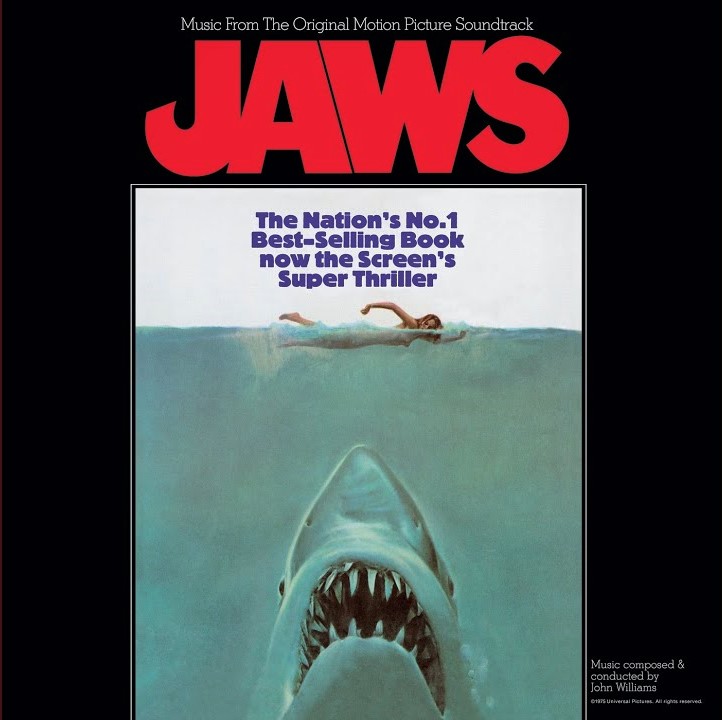
In the decades since its release, Jaws has left an enormous wake, with the film frequently being cited for reshaping the public perception of sharks (for better and for worse), causing shark phobia to rise amongst the general populace as U.S. beach attendance rapidly declined. Then, there’s the pop culture impact, where it’s difficult to overstate just how deeply Jaws burrowed into the cultural imagination, with the previously mentioned score by John Williams becoming a musical shorthand for looming danger in almost all media, getting utilised, spoofed and referenced in everything from The Simpsons to Finding Nemo (2003). Moreover, in addition to spawning multiple sequels (of varying quality), revolutionising how films were marketed, and turning Steven Spielberg into one of the most influential filmmakers of all time, Jaws bears one of the most well-known posters in cinematic history, with the image of the shark ominously approaching a swimming woman becoming almost iconic as the film itself, likely peddling countless copies to avid cinephiles, alongside the rest of the film’s varied merchandise, i.e. t-shirts, comic books, toys, video games, records, mugs and even inflatable sharks.

This legacy even led to a handful of real-world experiences, as Universal Pictures took it upon themselves to let fans step into the world of Jaws, bringing the film to life via attractions at many of their renowned theme parks worldwide, starting with an attraction at Universal Studios Florida in 1990. This attraction allowed guests to board a tour boat through Amity, only to be ‘attacked’ by a massive, animatronic shark rising from the water, complete with fire effects, water splashes and close calls. Although the attraction did close in 2012 to make space for The Wizarding World of Harry Potter: Diagon Alley, an immersive area based on the Harry Potter franchise, the Jaws attraction was immensely popular and beloved even after its many years of operation.

In summary, it’s incredibly impressive that exactly fifty years later, Jaws still thrives, not only as a film, but as a piece of widespread pop culture, with even those who haven’t watched the classic blockbuster being well aware of its existence. Jaws remains unnerving, thrilling, and strangely beautiful in its pacing and simplicity, standing as an iconic flick you can watch today and feel that same sense of creeping dread audiences felt in 1975, declaring the film a strong testament to storytelling, craftsmanship and the belief that sometimes, what you don’t see is what stays with you the longest. Consequently, however, all these years later, the water doesn’t feel all that safe…

Iconic Lines in Cinema – Film List

In my opinion, screenwriting has always been the most significant aspect of filmmaking amongst its many pivotal elements, given that storytelling and characterisation are ultimately what the creation of a film revolves around. These aspects are naturally fueled by lines of dialogue, which often become prominent in pop culture when associated with a certain character, scene or franchise, occasionally even adding layers of subtext to the grander narrative. Here is a small selection of my personal favourites…

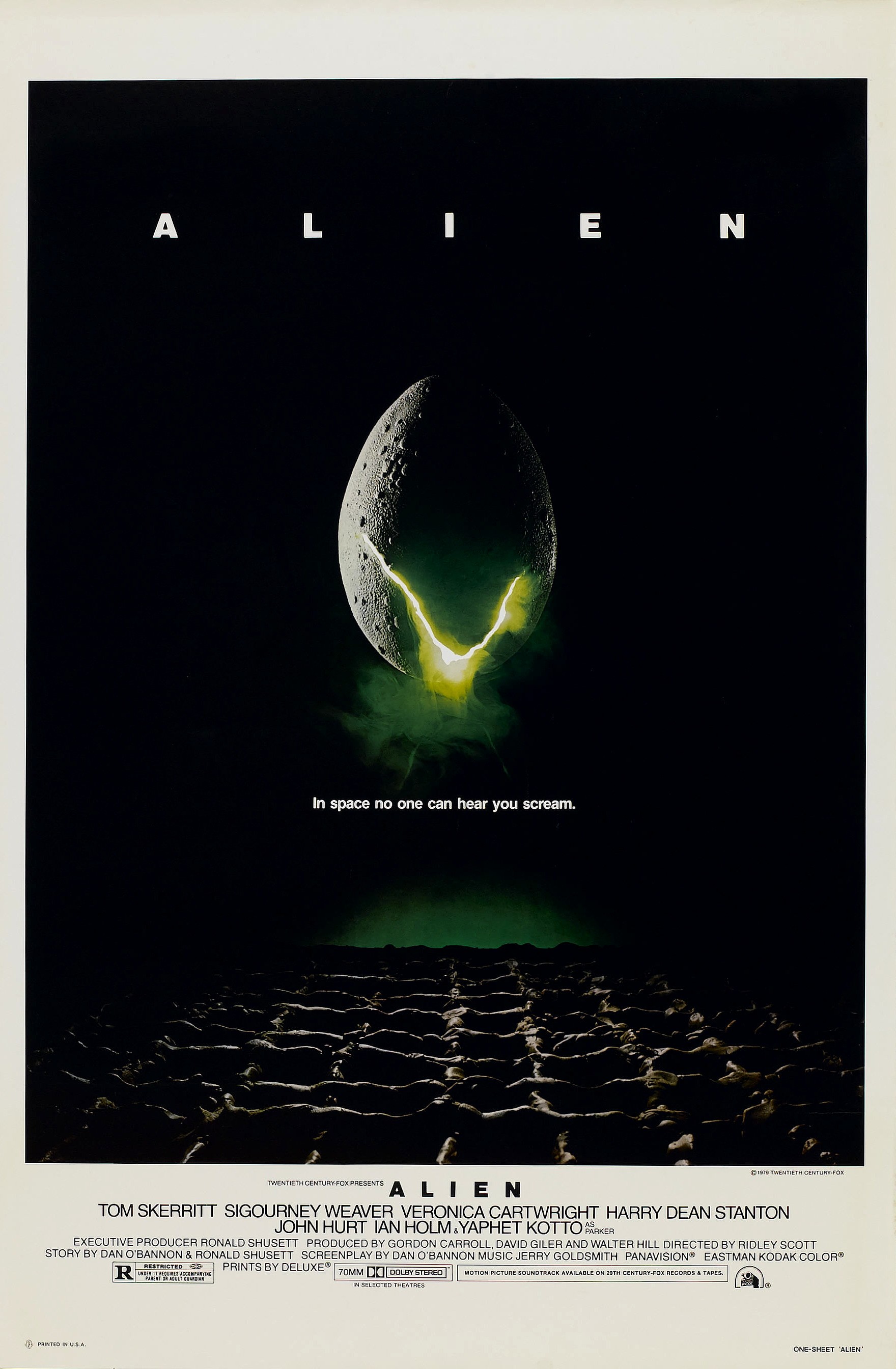
Alien (1979)

“You Still Don’t Understand What You’re Dealing With, Do You? The Perfect Organism. Its Structural Perfection Is Matched Only By Its Hostility.” – Ash

alien_xxlg

Jaws (1975)

“You’re Gonna Need a Bigger Boat…” – Chief Martian Brody

jaws_xlg

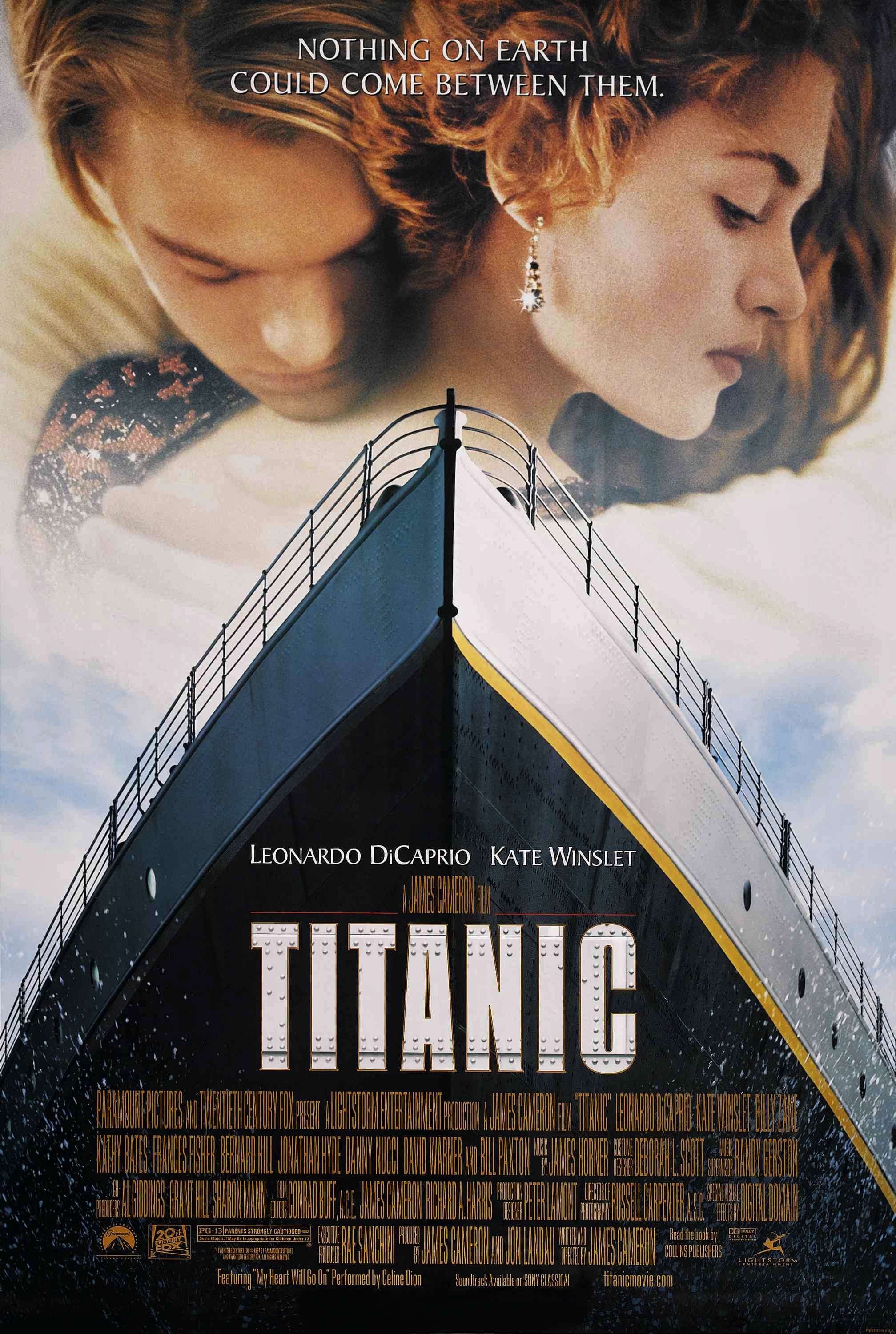
Titanic (1997)

“I’m the King of the World!” – Jack Dawson

titanic_ver2_xxlg

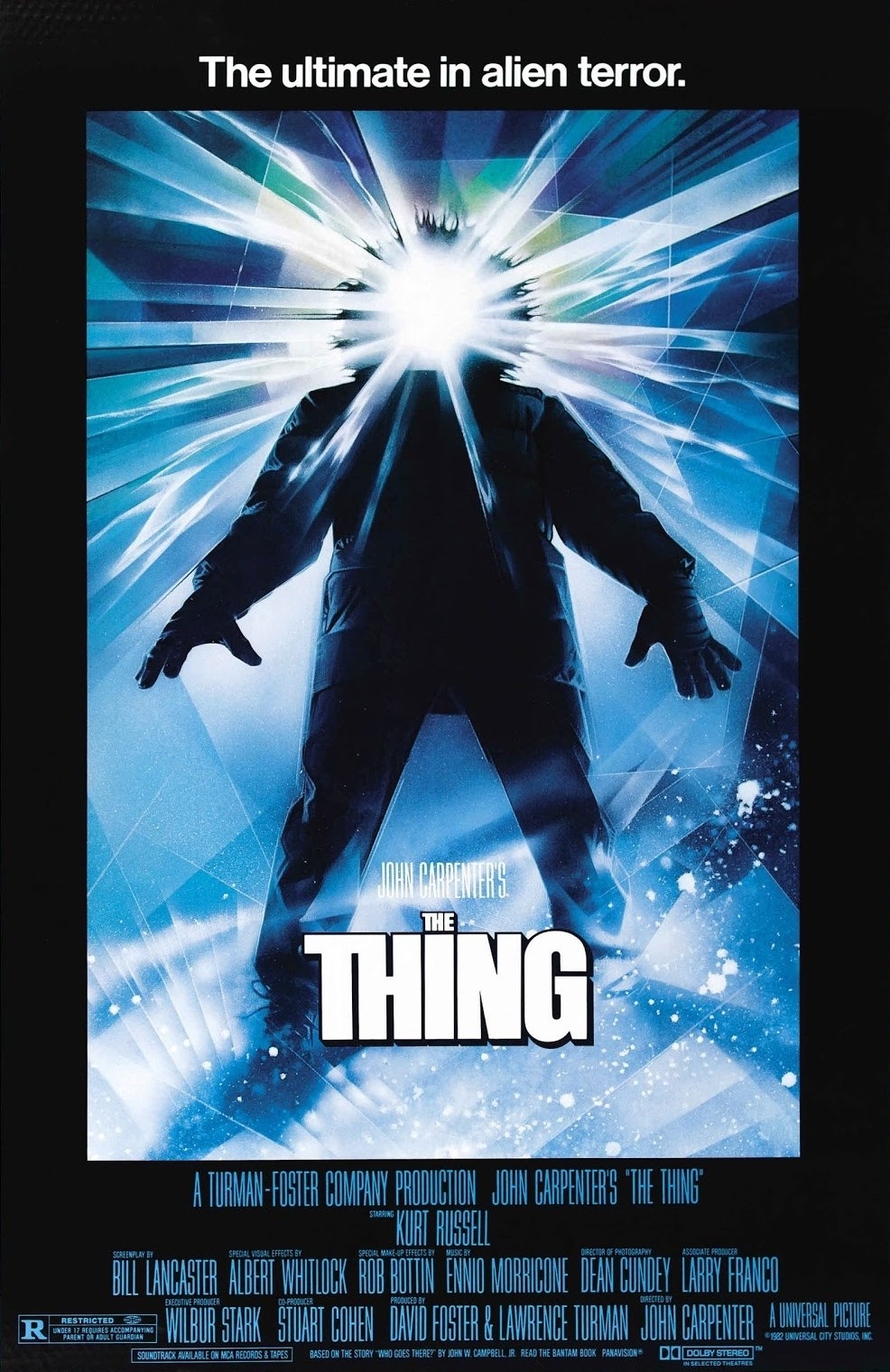
The Thing (1982)

“You Gotta Be Fuckin’ Kidding…” – Palmer

The Thing (1982) Original

The Shining (1980)

“Here’s Johnny!” – Jack Torrance

the_shining-p1092087

Casablanca (1942)

“Here’s Looking at You, Kid.” – Rick Blaine

4908ae10f0e71de36efa4e7ed337c4b9

Toy Story (1995)

“To Infinity and Beyond!” – Buzz Lightyear

toy_story_ver1_xxlg

The Terminator (1984)

“I’ll Be Back.” – The T-800

terminator_xxlg

Trainspotting (1993)

“Choose Life.” – Renton

trainspotting-p230103

Poltergeist (1982)

“They’re Here…” – Carol Anne Freeling

poltergeist_xxlg

Citizen Kane (1941)

“Rosebud…” – Kane

Copyright HAG ?2009

Jurassic Park (1993)

“Welcome… to Jurassic Park.” – John Hammond
jurassic_park_ver2_xxlg

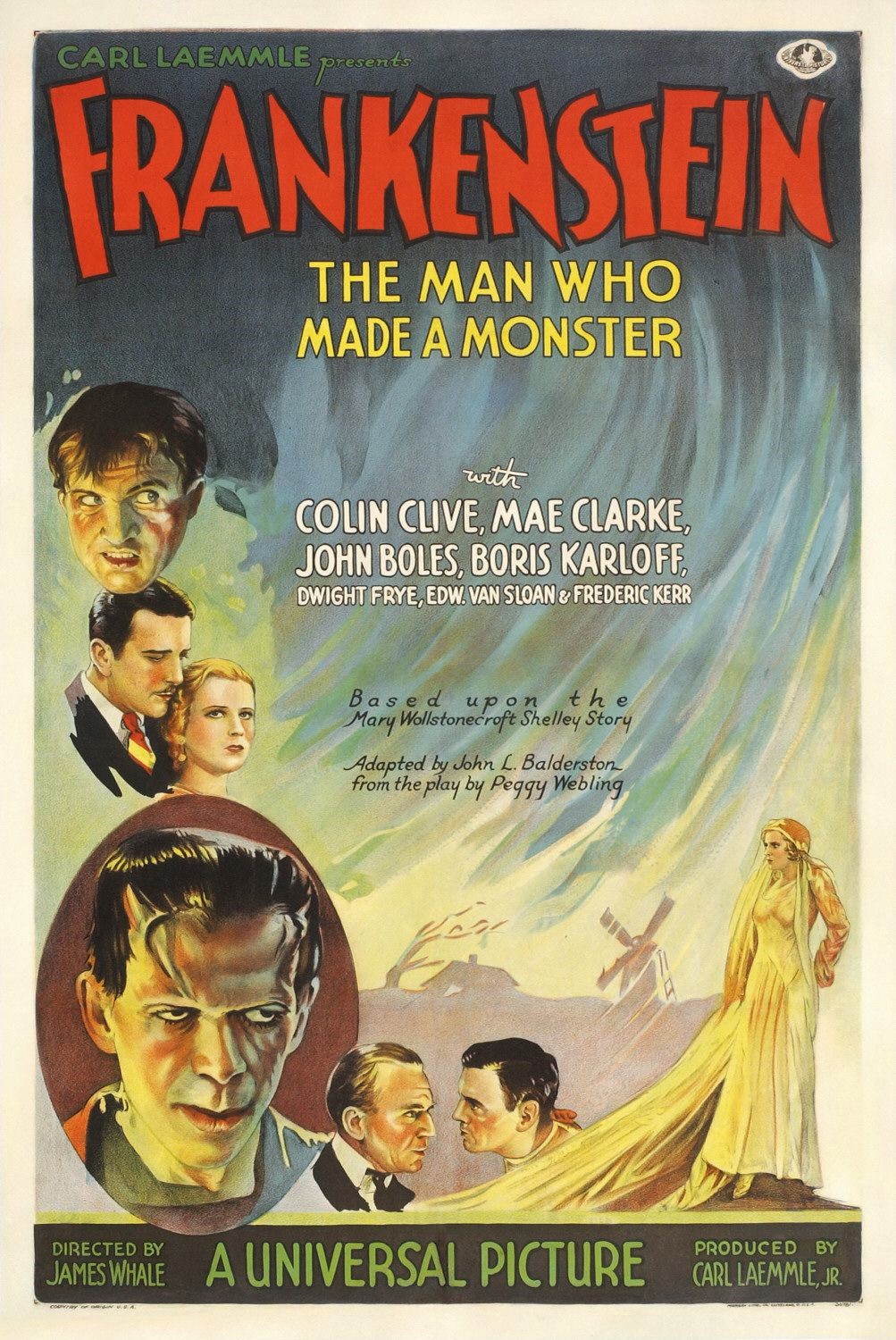
Frankenstein (1931)

“It’s Alive! It’s Alive!” – Dr. Henry Frankenstein

frankenstein_ver2_xlg

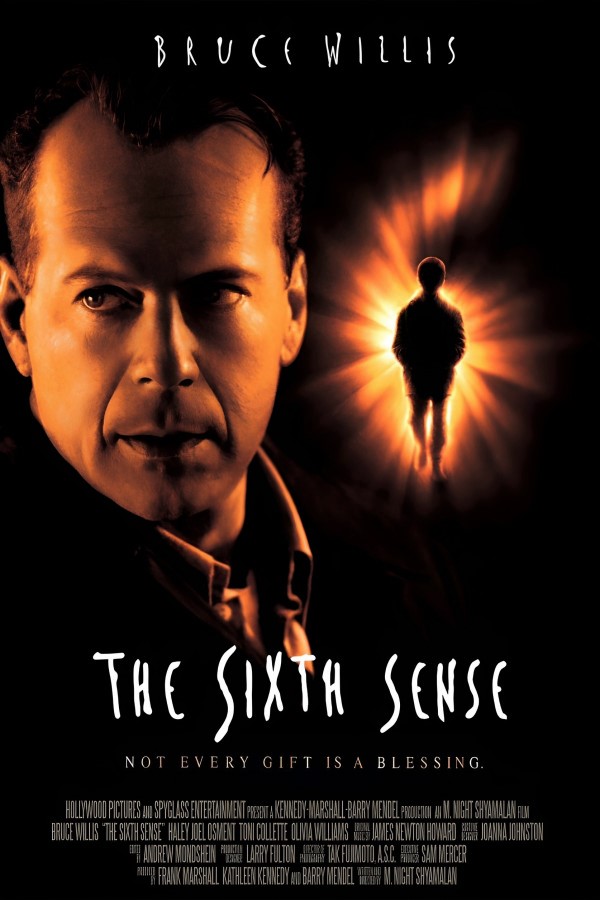
The Sixth Sense (1999)

“I See Dead People…” – Cole Sear

xl_167404_b8ed83fd

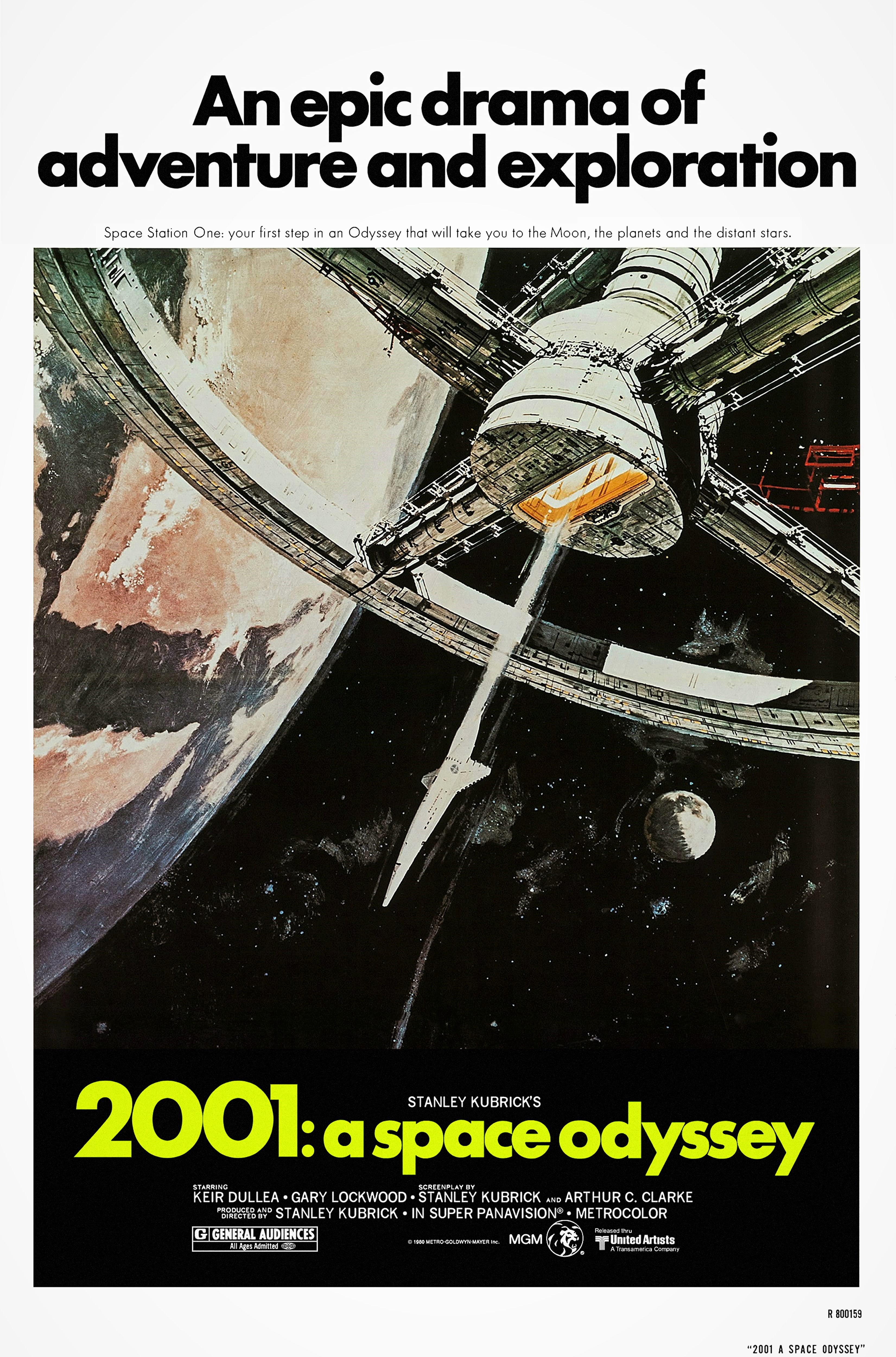
2001: A Space Odyssey (1968)

“I’m Sorry, Dave. I’m Afraid I Can’t Do That.” – HAL 9000

2001_a_space_odyssey-p1600209

The Truman Show (1998)

“You Were Real. That’s What Made You So Good to Watch…” – Cristof

truman_show_ver2_xxlg

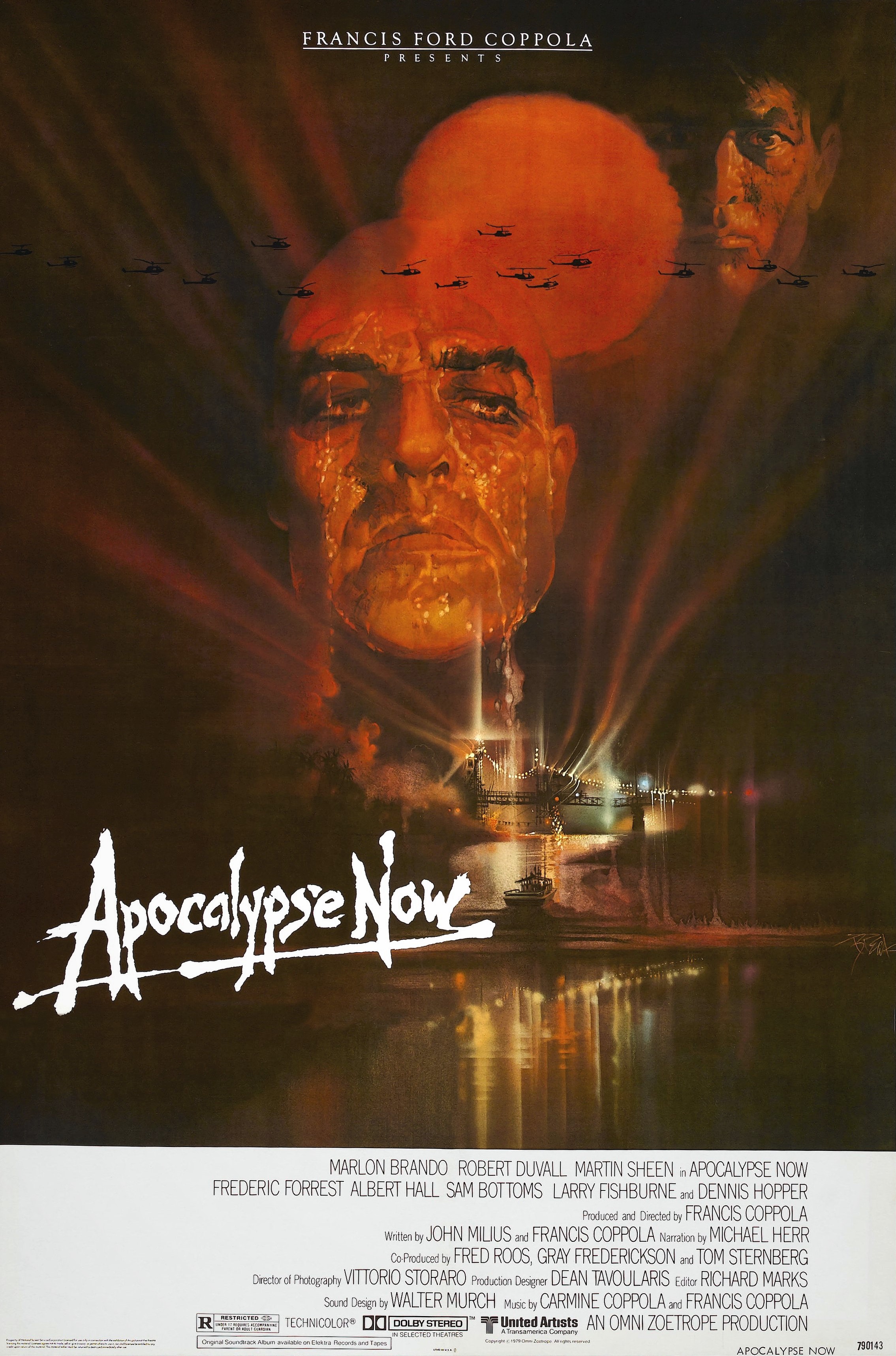
Apocalypse Now (1979)

“I Love the Smell of Napalm in the Morning…” – Robert Duvall

apocalypse_now-p154902

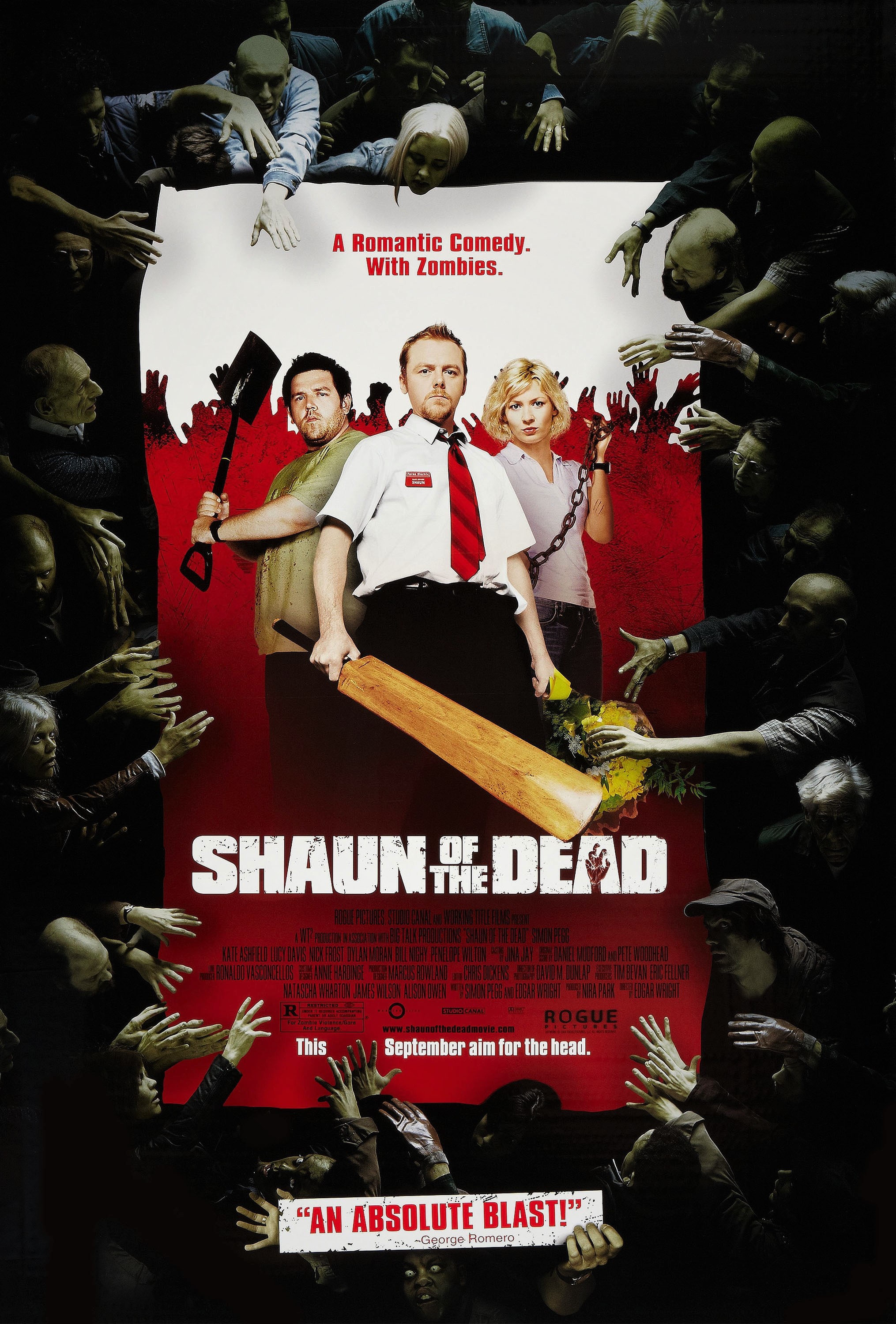
Shaun of the Dead (2004)

“You’ve Got Red on You.” – Various

shaun_of_the_dead_ver2_xxlg

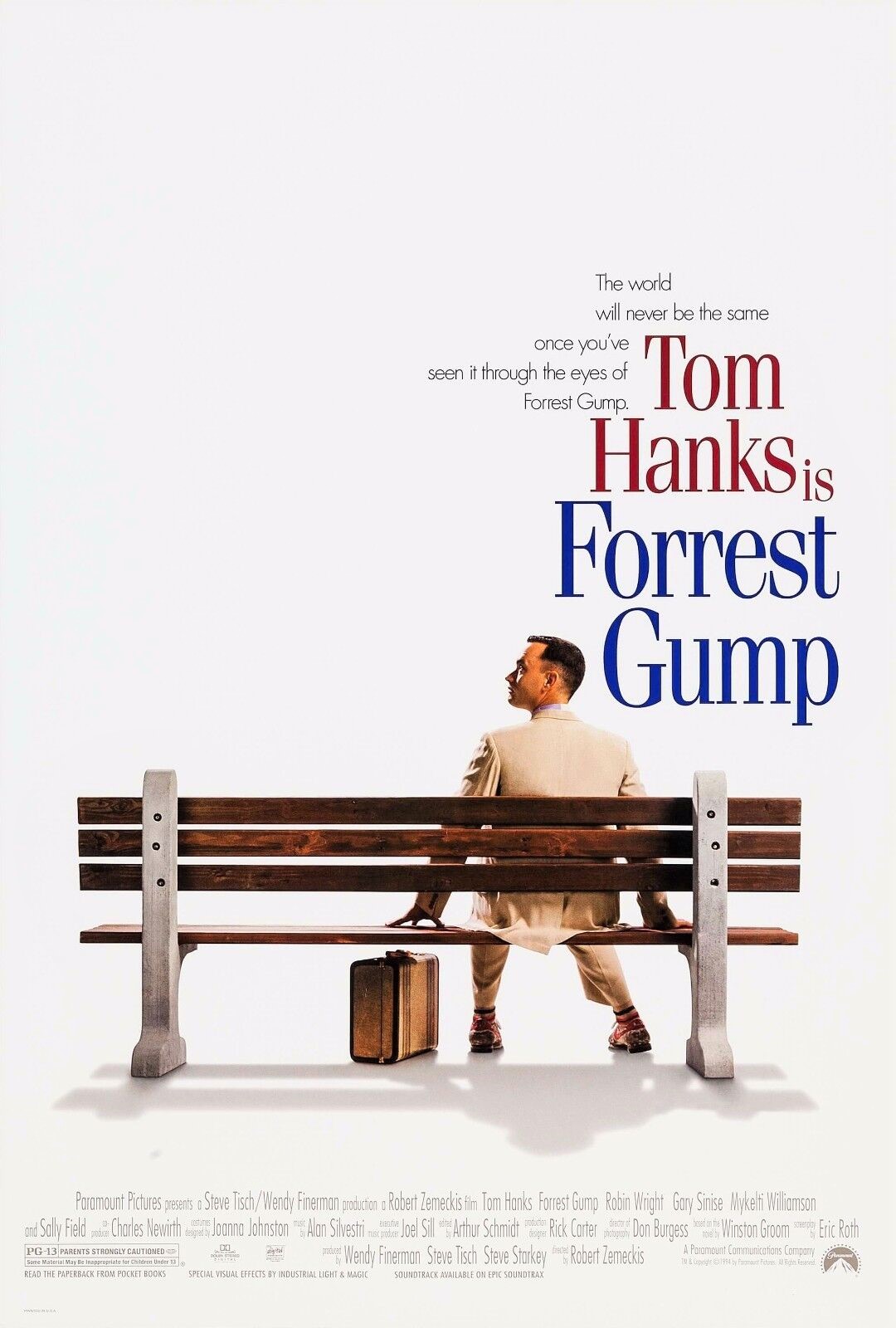
Forrest Gump (1994)

“Mama Always Said Life Was Like a Box of Chocolates. You Never Know What You’re Gonna Get.” – Forrest Gump

s-l1600

Goodfellas (1990)

“As Far Back as I Can Remember, I Always Wanted to Be a Gangster…” – Henry Hill

goodfellas_xxlg

Pulp Fiction (1994)

“You Know What They Call a Quarter Pounder With Cheese in Paris?” – Vincent Vega

pulp_fiction_ver2_xxlg

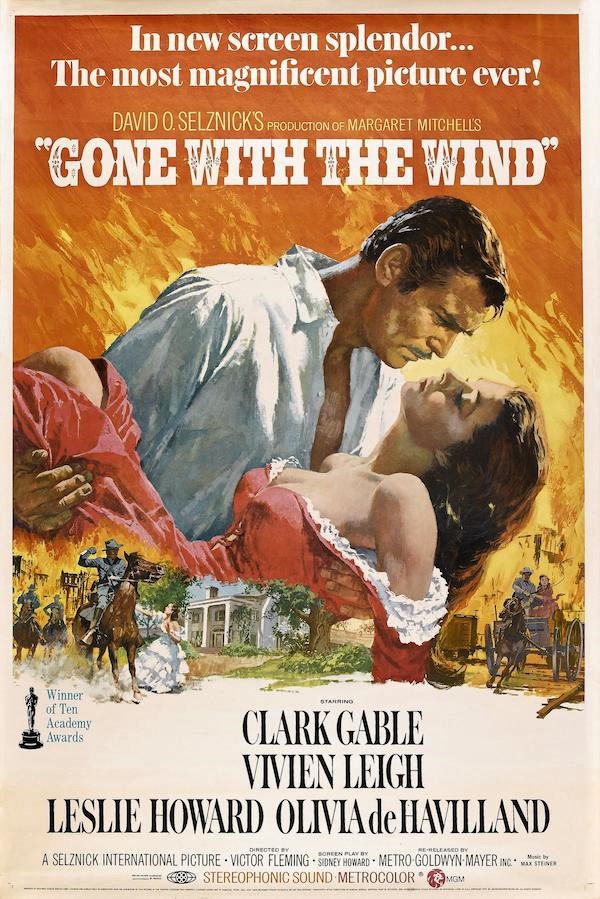
Gone With the Wind (1939)

“Frankly, My Dear, I Don’t Give a Damn…”

xl_31381_035f678b

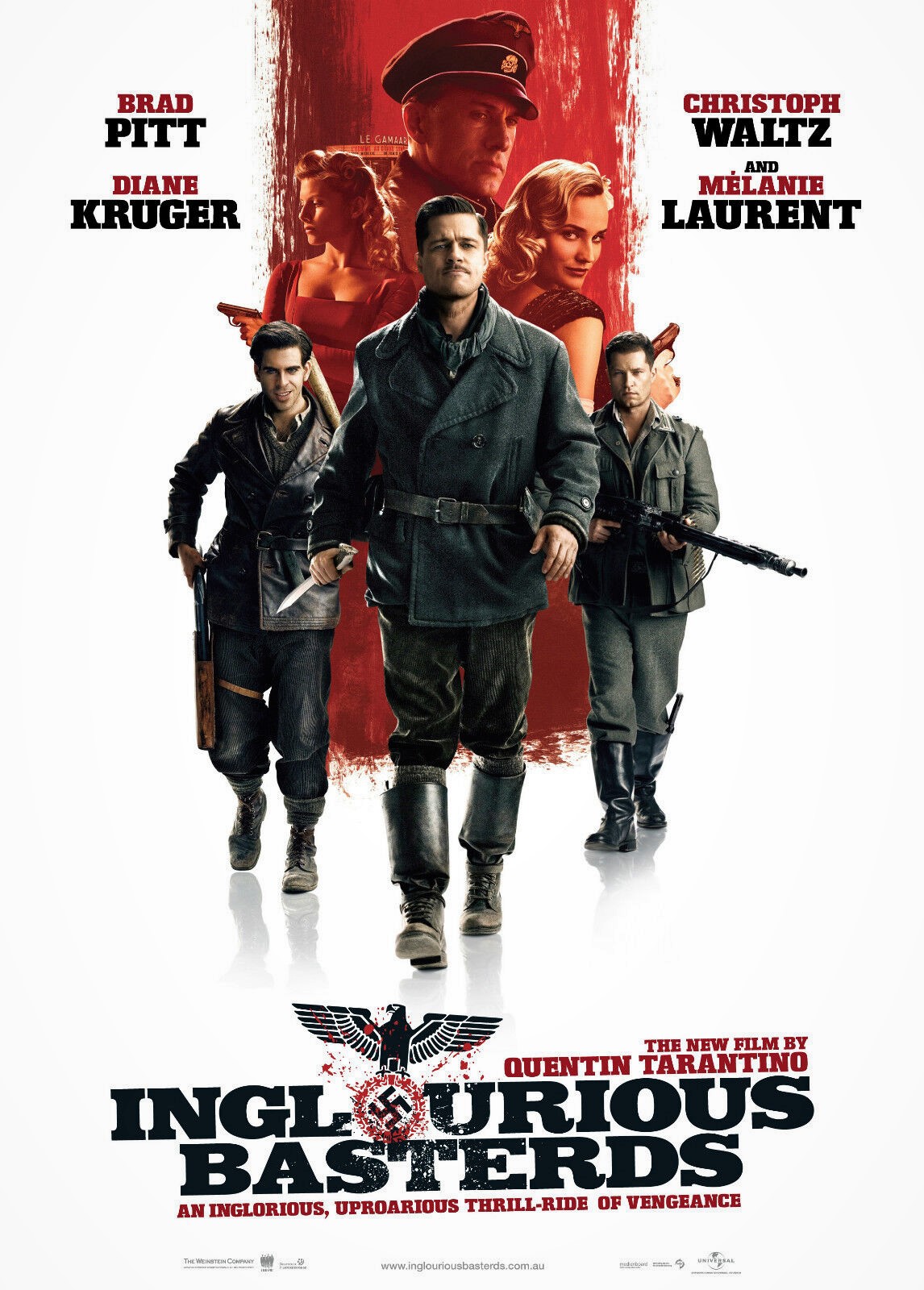
Inglourious Basterds (2009)

“You Probably Heard We Ain’t in the Prisoner-Takin’ Business, We in the Killin’ Nazi Business, and Cousin… Business Is A-Boomin!” – Lt. Aldo Raine

s-l1600

Star Wars: Episode IV – A New Hope (1977)

May the Force Be With You.” – Han Solo

star_wars_iv___a_new_hope___movie_poster_by_nei1b_d5t3cw9-fullview

The Lord of the Rings: The Two Towers (2002)

“My Precious…” – Gollum

Copyright HAG ?2008

Outstanding Original Scores in Cinema – Film List

I’ve always considered original scores to be a very underappreciated element of filmmaking, as many audience members rarely seem to take notice of the beautiful and indelible soundtracks that saturate many scenes throughout cinematic history. These scores serve an important purpose in audibly immersing the audience in a narrative via dramatic, unnerving or sorrowful tracks that evoke deep emotion inside them (even if they aren’t aware of it), greatly enhancing the cinematic experience. Here are some of my personal favourites…

Dune (2021) – Composer, Hanz Zimmer

Favourite Tracks: Herald of the Change, Ripples in the Sand

dune-transformed

Drive (2011) Composer, Cliff Martinez

Favourite Tracks: I Drive, Bride of Deluxe 

7104jovZ2vL._UF894,1000_QL80_

Jaws (1975) Composer, John Williams

Favourite Tracks: Main Title and First Victim, End Titles

maxresdefaulthg

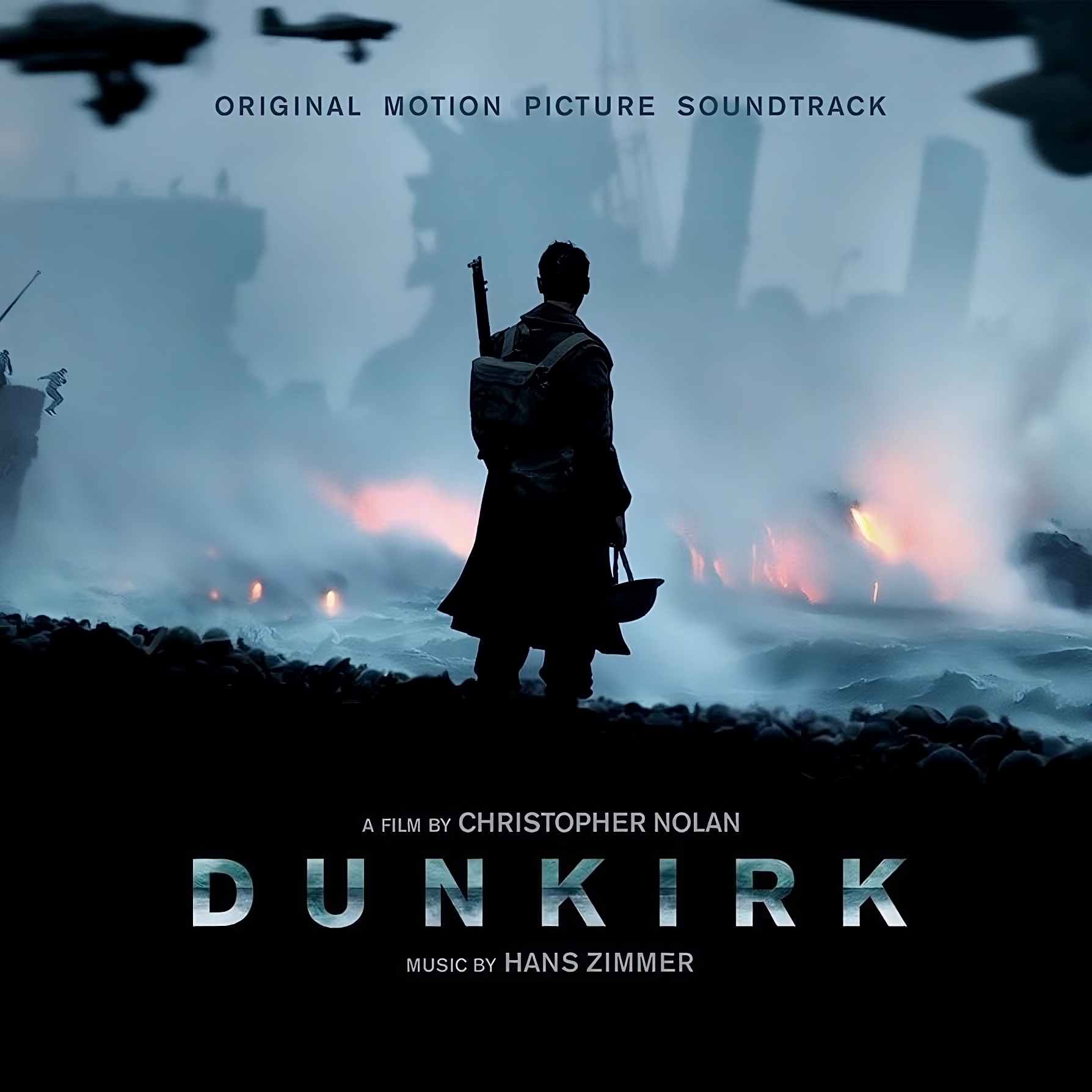
Dunkirk (2016) – Composer, Hanz Zimmer

Favourite Tracks: The Mole, Supermarine

71u3oI1ACRL__UF894_1000_QL80_-transformed

WALL-E (2008) – Composer, Thomas Newman

Favourite Tracks: 72 Degrees and Sunny, Define Dancing

41141af4927588fb34ed6ec6704c0a09--wall-e-animation-movies

Arrival (2016) – Composer, Jóhann Jóhannsson

Favourite Tracks: ArrivalKangaru

71JNEXMq4HL__UF894_1000_QL80_-transformed

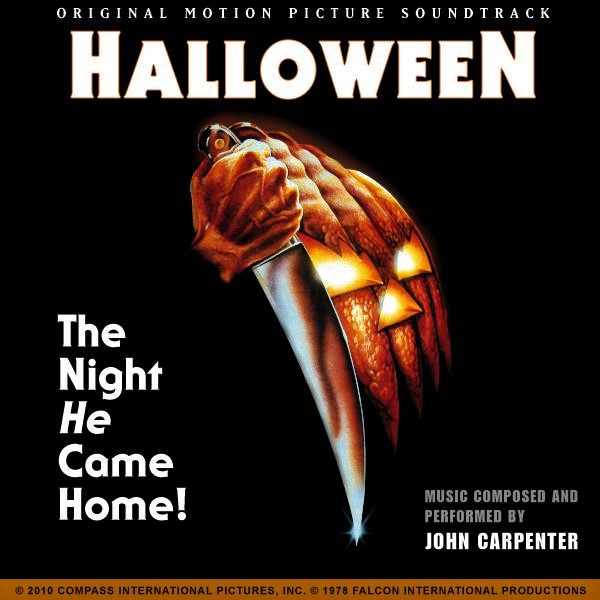
Halloween (1978) – Composer, John Carpenter

Favourite Tracks: Halloween Theme – Main TitleMyer’s House

19192_568986

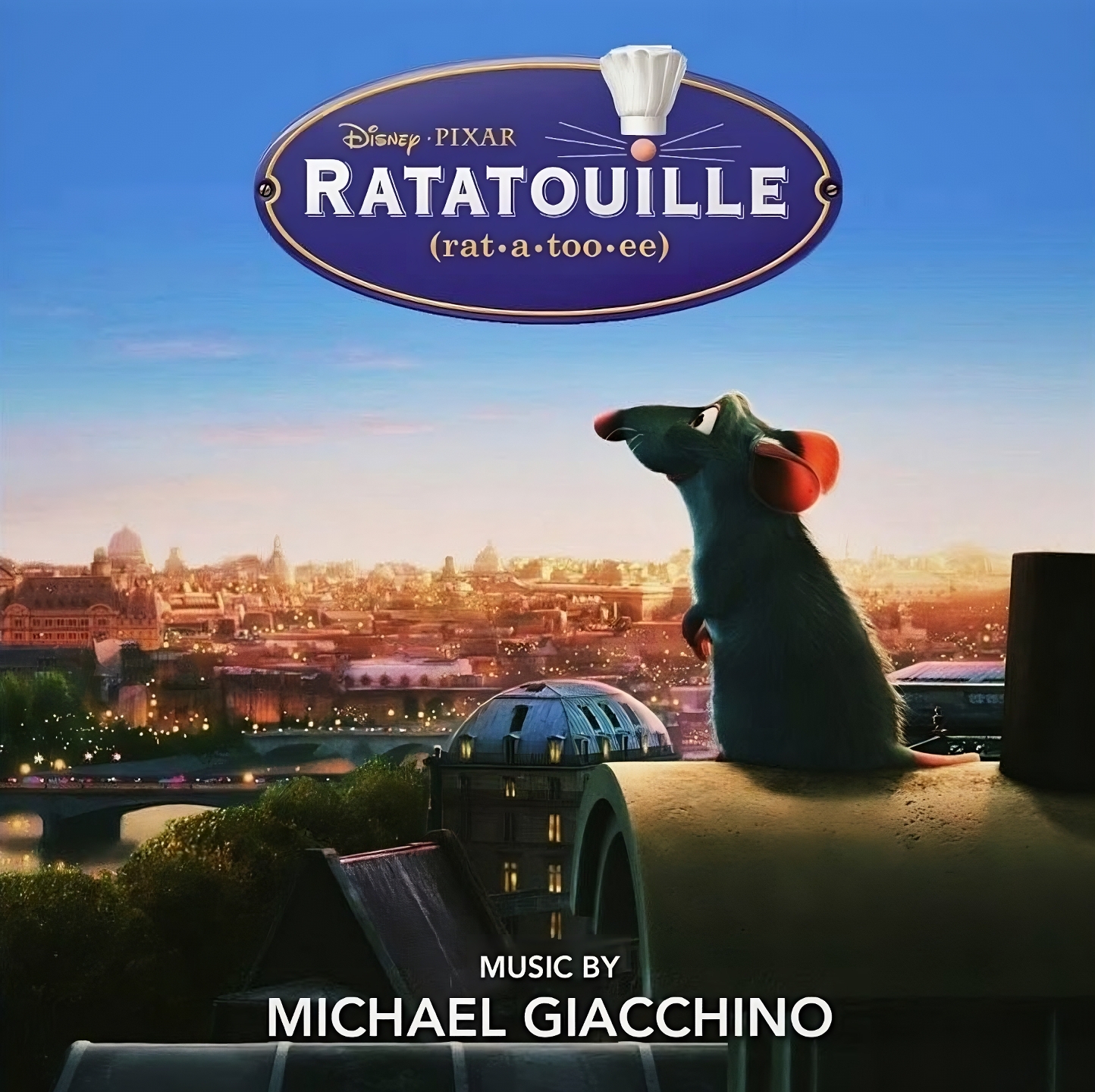
Ratatouille (2007) – Composer, Michael Giacchino

Favourite Tracks: Ratatouille Main ThemeEnd Creditouilles

maxresdefault8-transformed

Jurassic Park (1993) – Composer, John Williams

Favourite Tracks: Welcome to Jurassic Park, Journey to the Island

Big-jurassic-park-ost

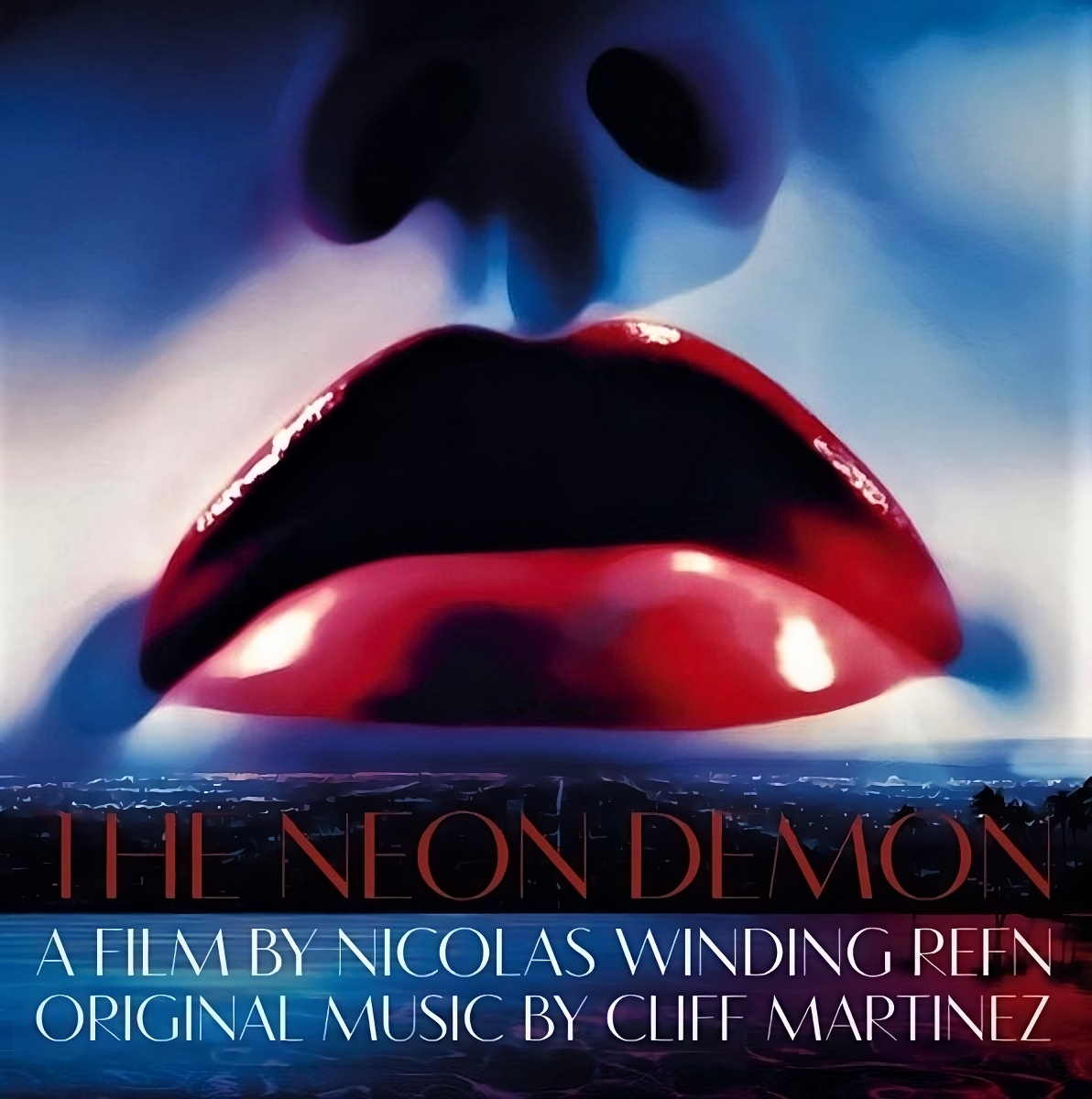
The Neon Demon (2016) – Composer, Cliff Martinez

Favourite Tracks: The Neon Demon, Something’s in My Room

R-8685828-1466596094-8895_jpeg-transformed

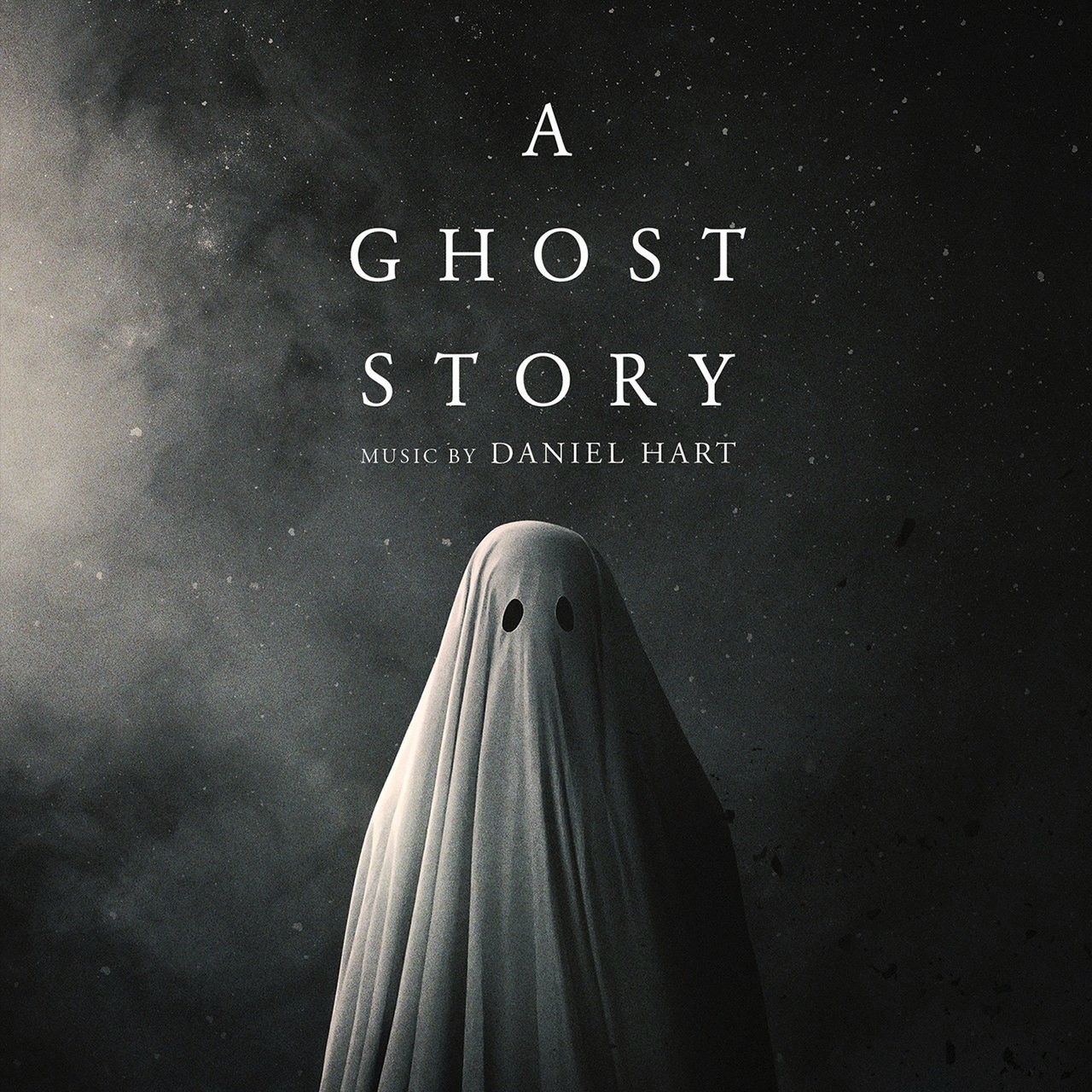
A Ghost Story (2017) – Composer, Daniel Hart

Favourite Tracks: The Secret in the Wall, Safe Safe Safe

cover

Vertigo (1958) – Composer, Bernard Herrmann

Favourite Tracks: Prelude and Rooftop, Carlotta’s Portrait

R-4321078-1520330009-2401.jpeg

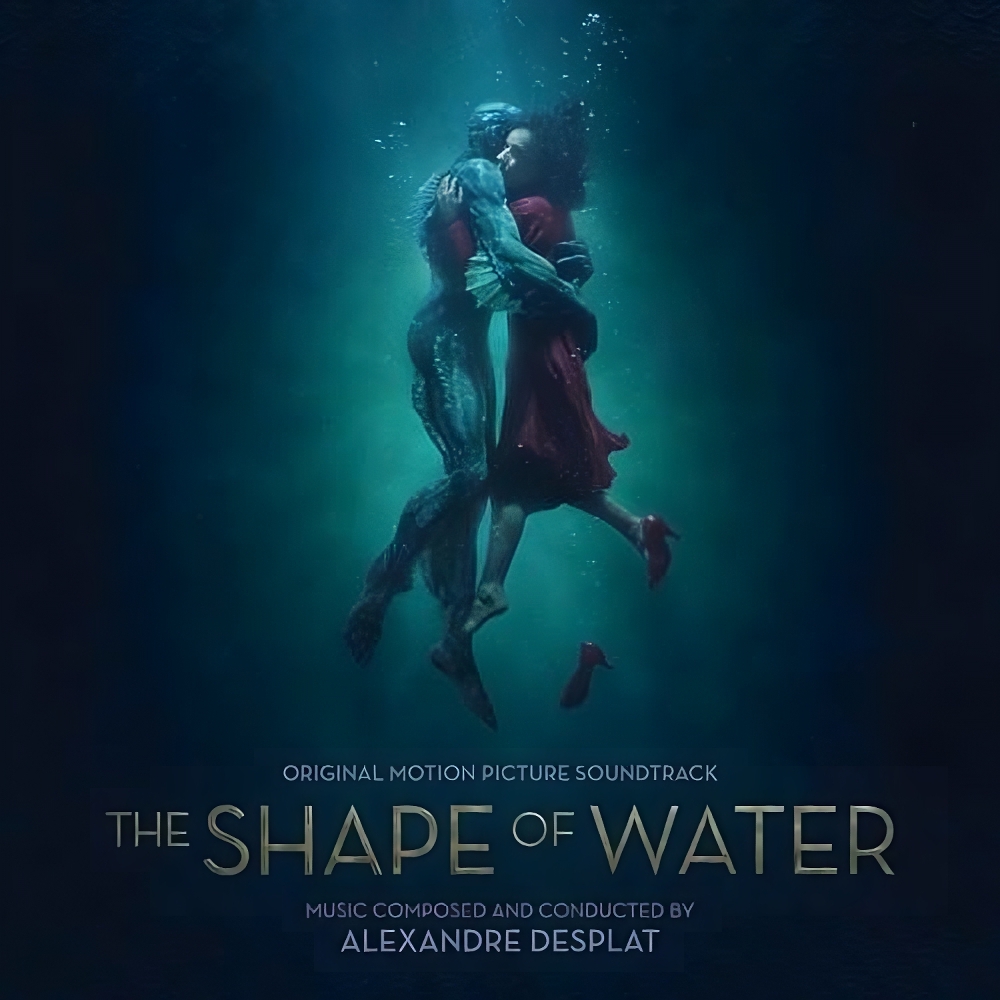
The Shape of Water (2017) – Composer, Alexandre Desplat

Favourite Tracks: The Shape of Water, Elisa’s Theme

The-Shape-of-Water-transformed

Nocturnal Animals (2016) – Composer, Abel Korzeniowski

Favourite Tracks: Revenge, City Lights

R-9415308-1480173348-9936_jpeg-transformed

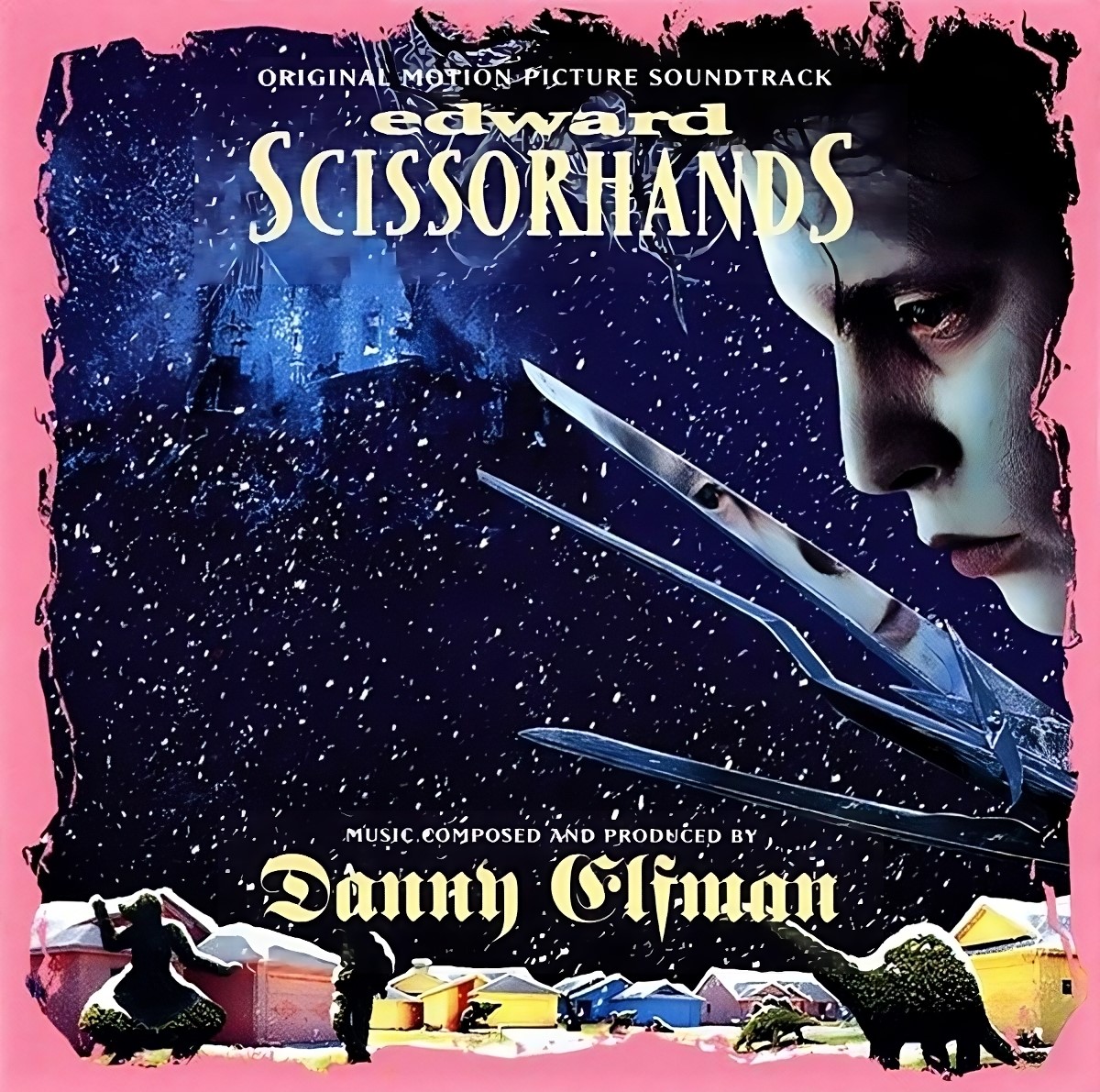
Edward Scissorhands (1990) – Composer, Danny Elfman

Favourite Tracks: StorytimeIce Dance

R-1798552-1466642639-8253_jpeg-transformed

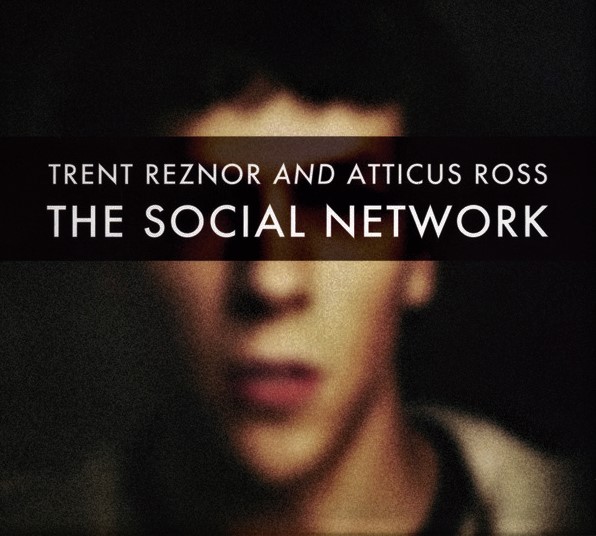
The Social Network (2010) – Composers, Trent Reznor and Atticus Ross

Favourite Tracks: In MotionPainted Sun in Abstract

R-2497693-1296648950.jpeg

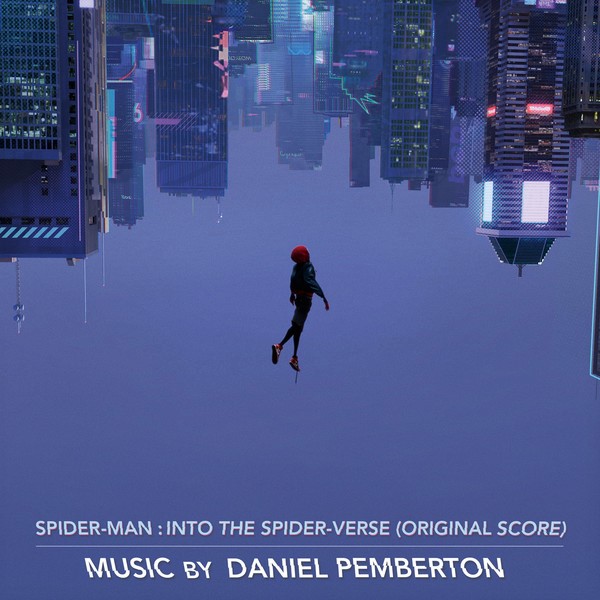
Spider-Man: Into the Spider-Verse (2018) – Composer, Daniel Pemberton

Favourite Tracks: Gimme the GooberSpider-Man Loves You

R-12947391-1545107713-8720.jpeg

Harry Potter and the Philosopher’s Stone (2001) – Composer, John Williams

Favourite Tracks: Hedwig’s Theme, Diagon Alley and the Gringotts Vault

R-4774683-1638806691-1281

The Grand Budapest Hotel (2014) – Composer, Alexandre Desplat

Favourite Tracks: Mr. Moustafa, Daylight Express to Lutz

81ll9yJG6GL._UF894,1000_QL80_

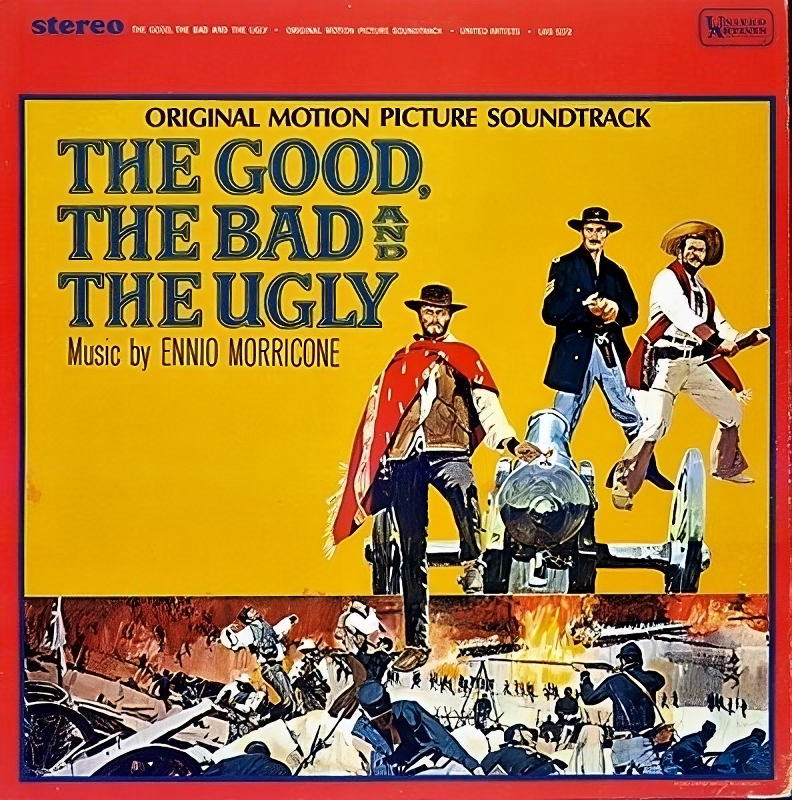
The Good, the Bad and the Ugly (1966) – Composer, Ennio Morricone

Favourite Tracks: The Good, the Bad and the UglyThe Ecstasy of Gold

morricone_goodf-transformed

Fantastic Mr. Fox (2009) – Composer, Alexandre Desplat

Favourite Tracks: Mr. Fox in the Fields, Jimmy Squirrel and Co.

ab67616d0000b273b5c2ad0a84a7be36195e1d70-transformed

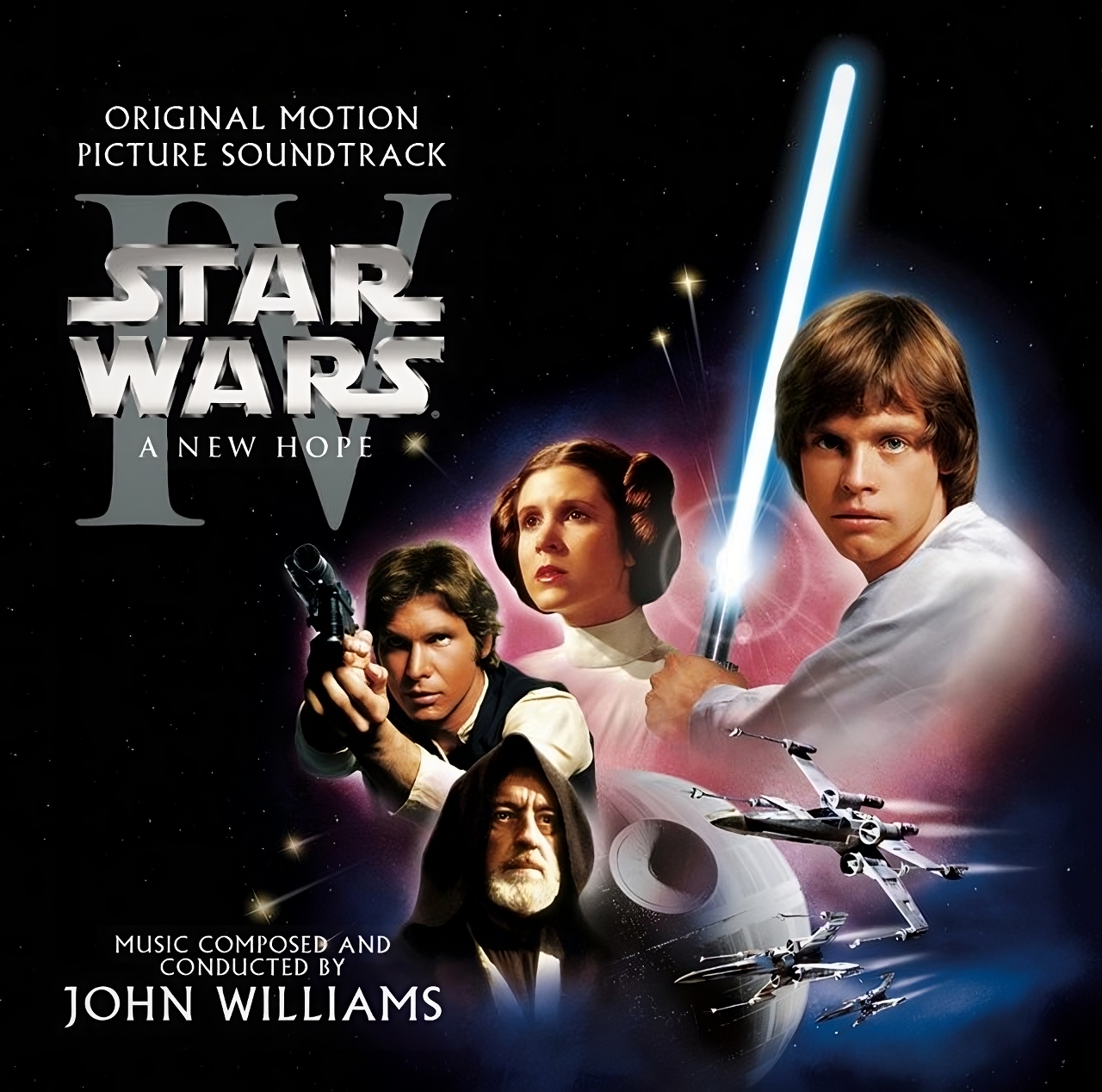
Star Wars: Episode IV – A New Hope (1977) – Composer, John Williams

Favourite Tracks: Main TitleThe Princess Appears

ab67616d0000b27344d5ef063da6fc06df7b1bc1-transformed

Spider-Man: Across the Spider-Verse (2023) – Composer, Daniel Pemberton

Favourite Tracks: Spider-Woman (Gwen Stacy), Canon Event

1200x1200bf-60-transformed

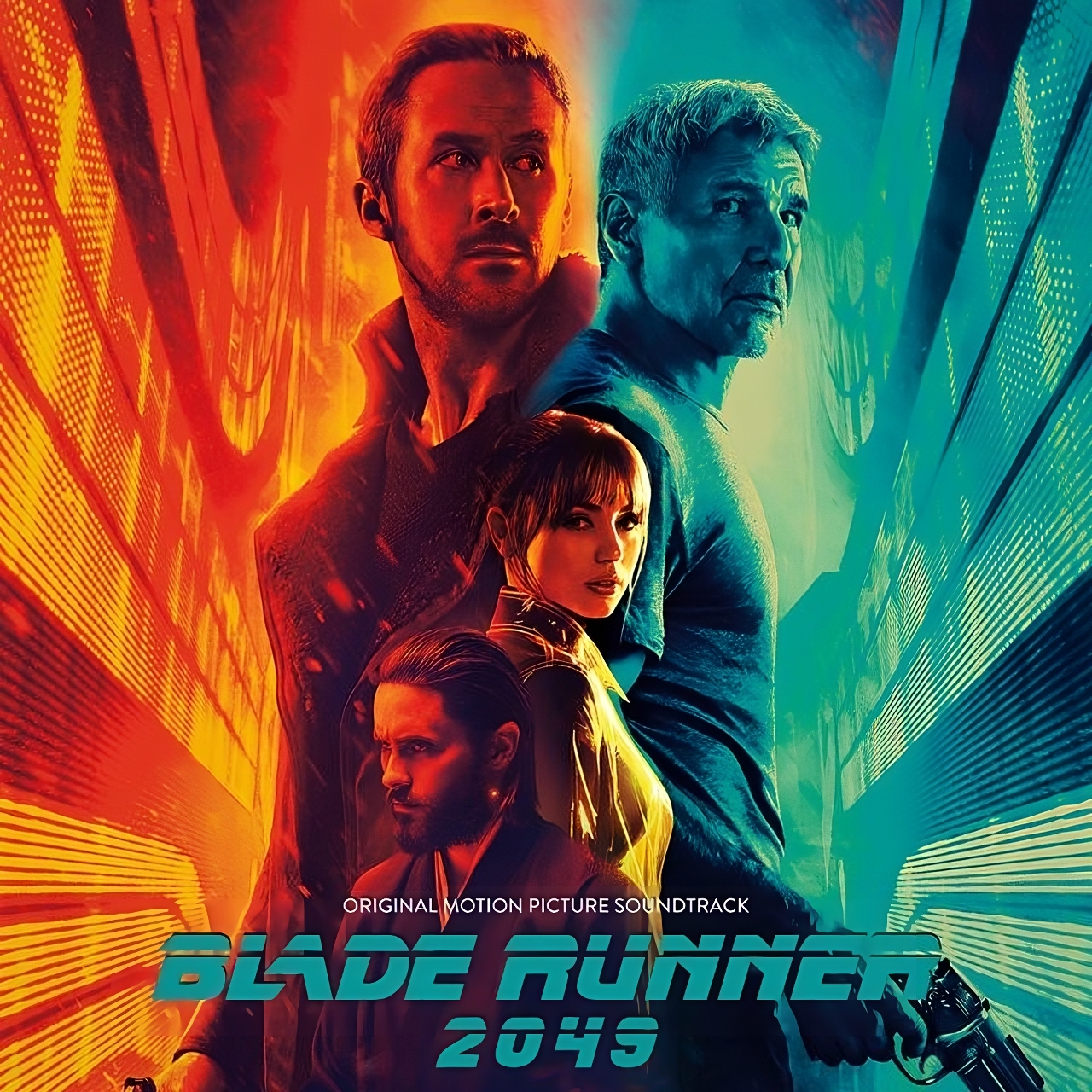
Blade Runner 2049 (2017) – Composers, Hans Zimmer and Benjamin Wallfisch

Favourite Tracks: Tears in the RainBlade Runner

640x640-transformed

Eternal Sunshine of the Spotless Mind (2004) – Composer, Jon Brion

Favourite Tracks: Theme From Eternal Sunshine of the Spotless Mind, Bookstore

R-9491697-1482136218-5039-transformed

Beautiful Shots in Cinema – Film List

Throughout history, there have been many captivating shots in cinema that inventively visualise the stories they are illustrating, thoroughly enthralling the audience in their stories by combing imaginative framing/composition with an attractive colour palette and exceptional lighting. Some shots even go so far as to convey the narrative behind a certain character, item or location merely through a single image, becoming commemorated in the annuals of cinema for decades to come. Here are a few of my personal favourites…

Blade Runner 2049 (2017) – Cinematographer, Roger Deakins

bladerunner042-transformed

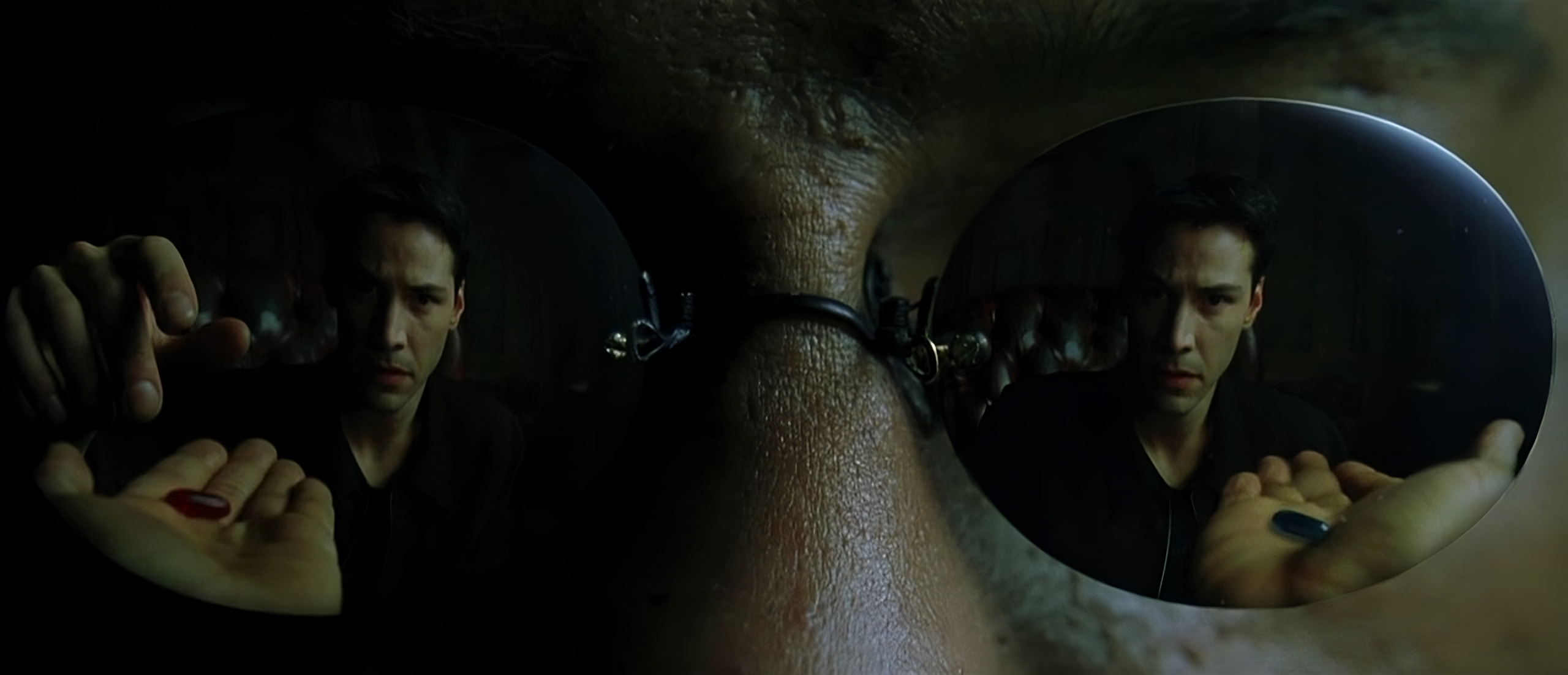
The Matrix (1999) – Cinematographer, Bill Pope

thematrix015-transformed

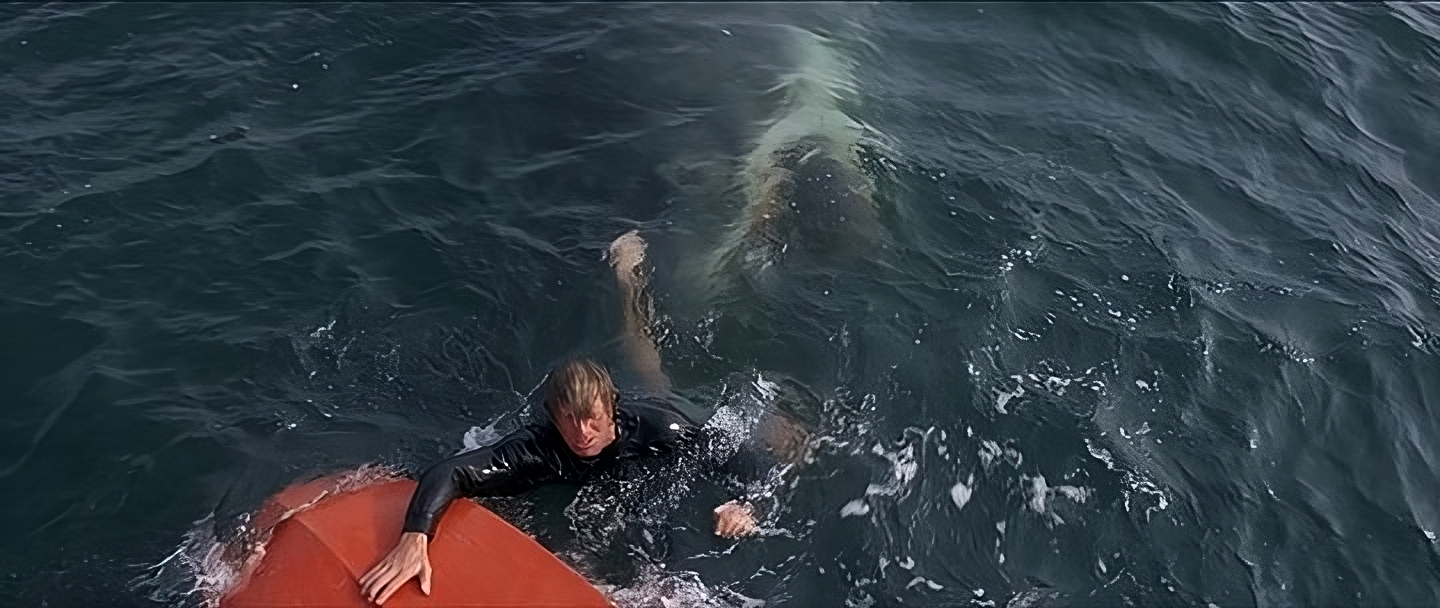
Jaws (1975) Cinematographer, Bill Butler

32_20(537)-transformed

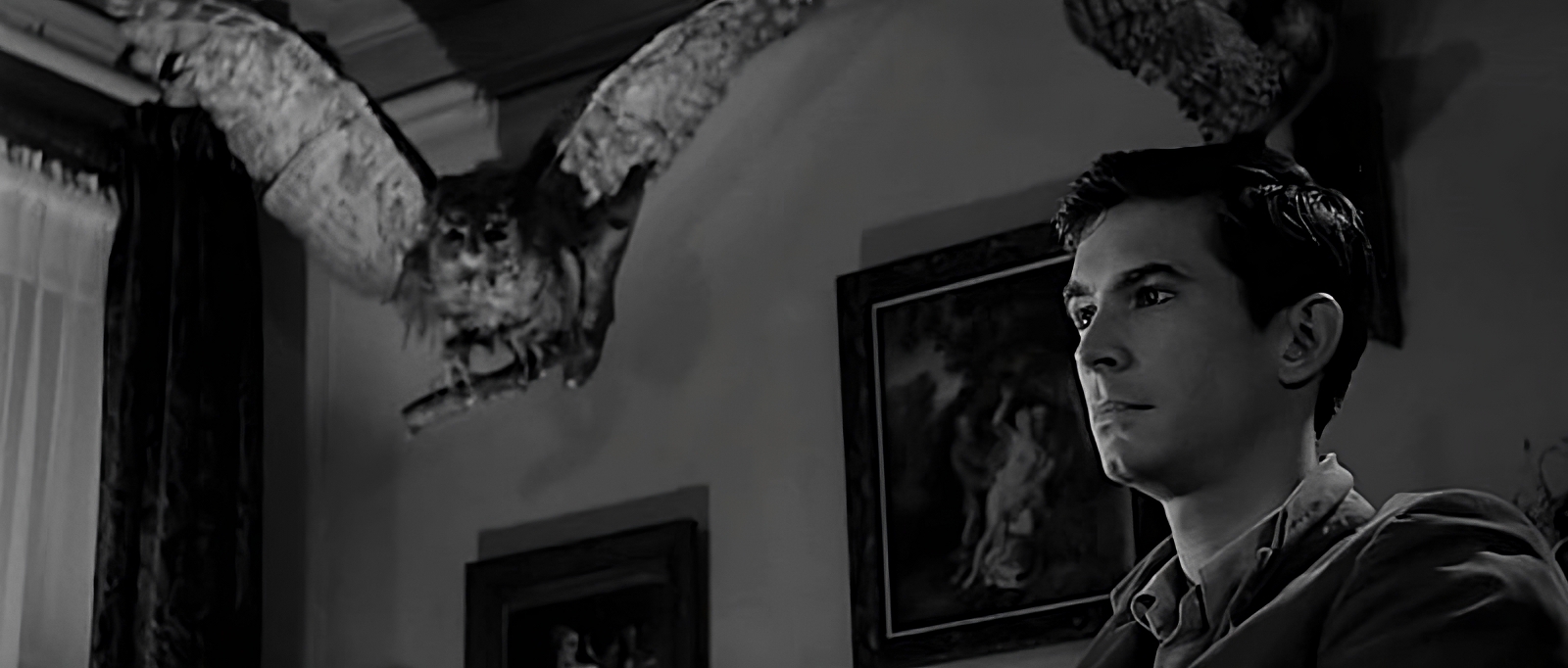
Psycho (1960) – Cinematographer, John L. Russell

original-7442-1438603390-17-transformed

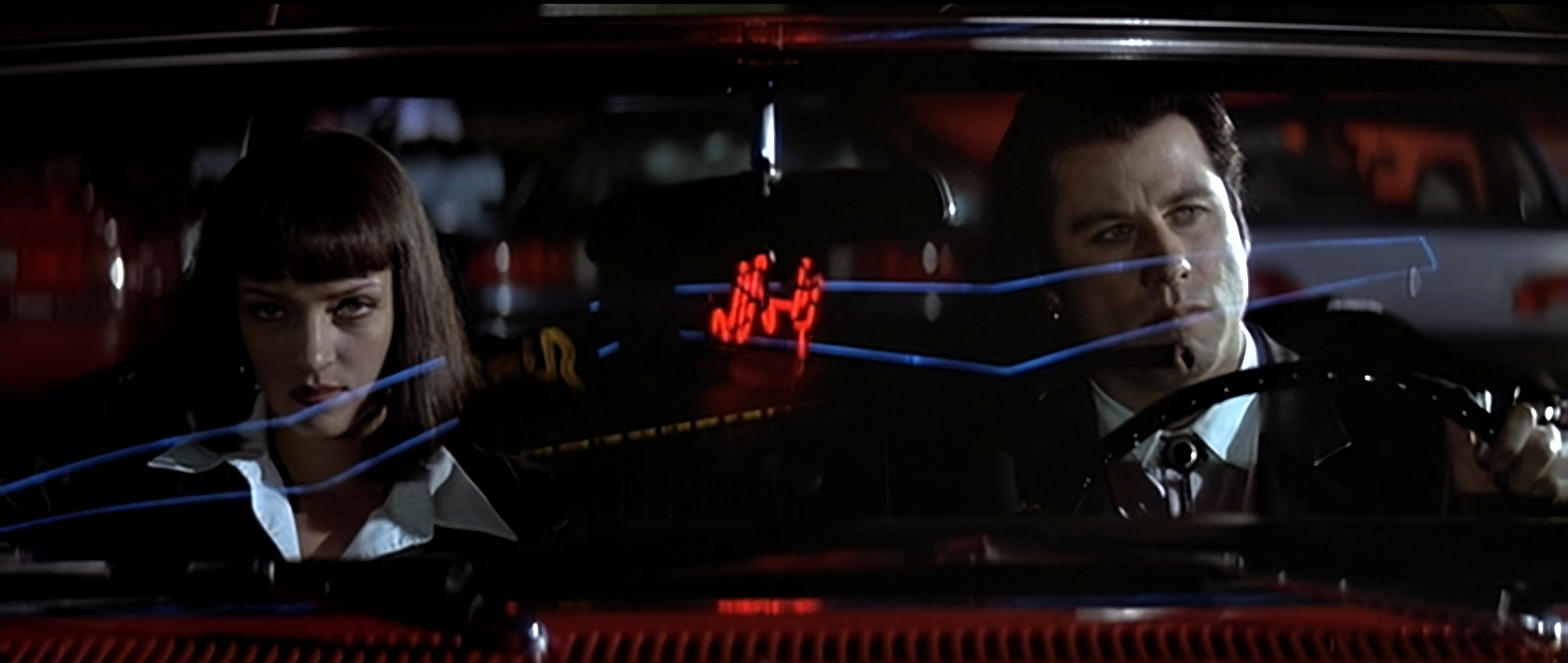
Pulp Fiction (1994) – Cinematographer, Andrzej Sekula

untitled-eBeqJws9A-transformed

Raiders of the Lost Ark (1981) – Cinematographer, Douglas Slocombe

24_20(855)-transformed

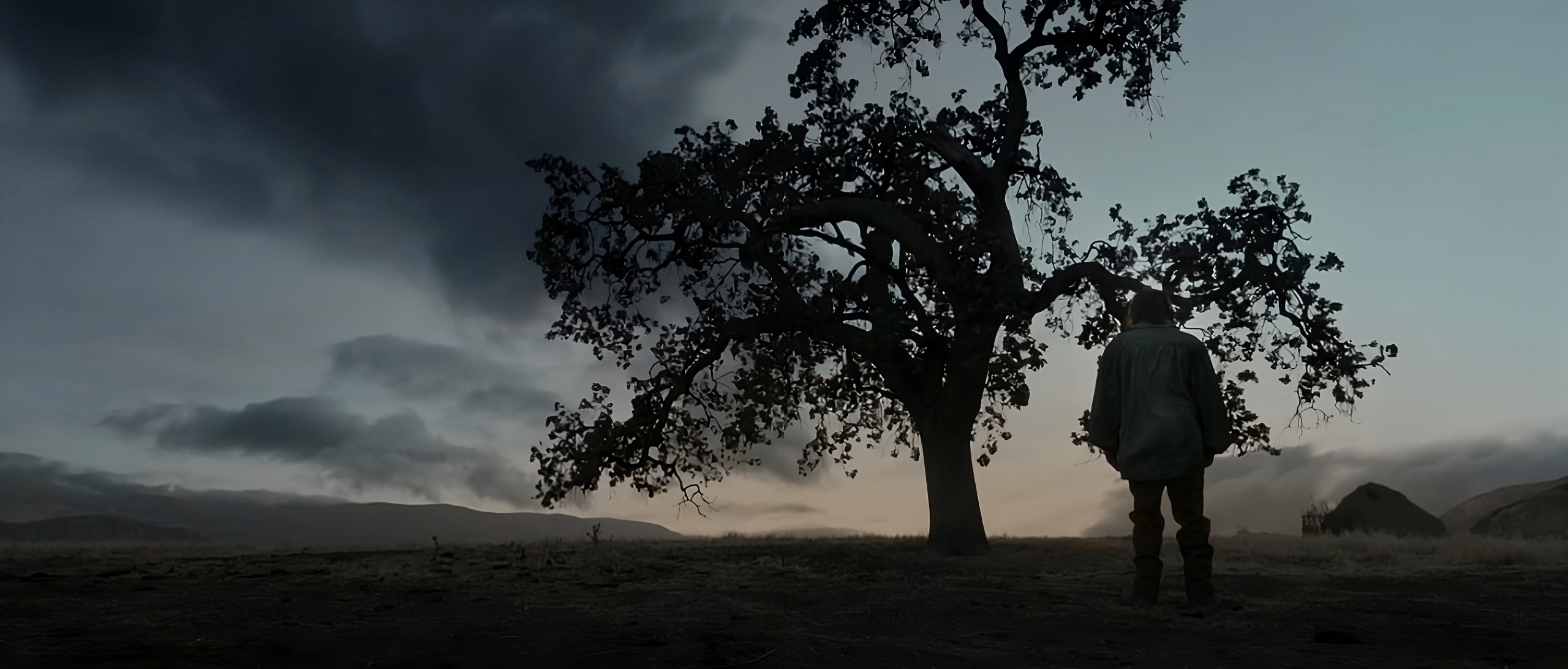
The Revenant (2016) – Cinematographer, Emmanuel Lubezki

revenant018-transformed

American Beauty (1999) – Cinematographer, Conrad Hall

original-7438-1438602110-3-transformed

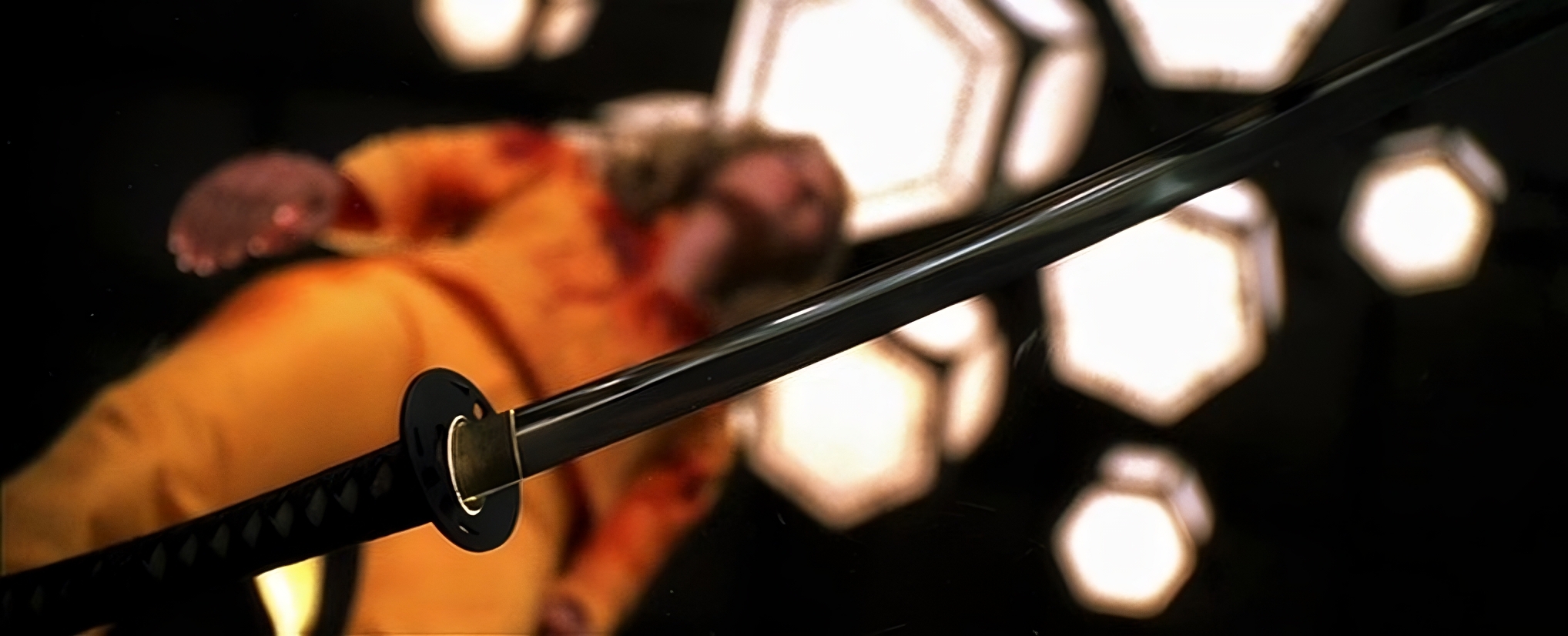
Kill Bill Vol. 1 (2003) – Cinematographer, Robert Richardson

44_20(548)-transformed

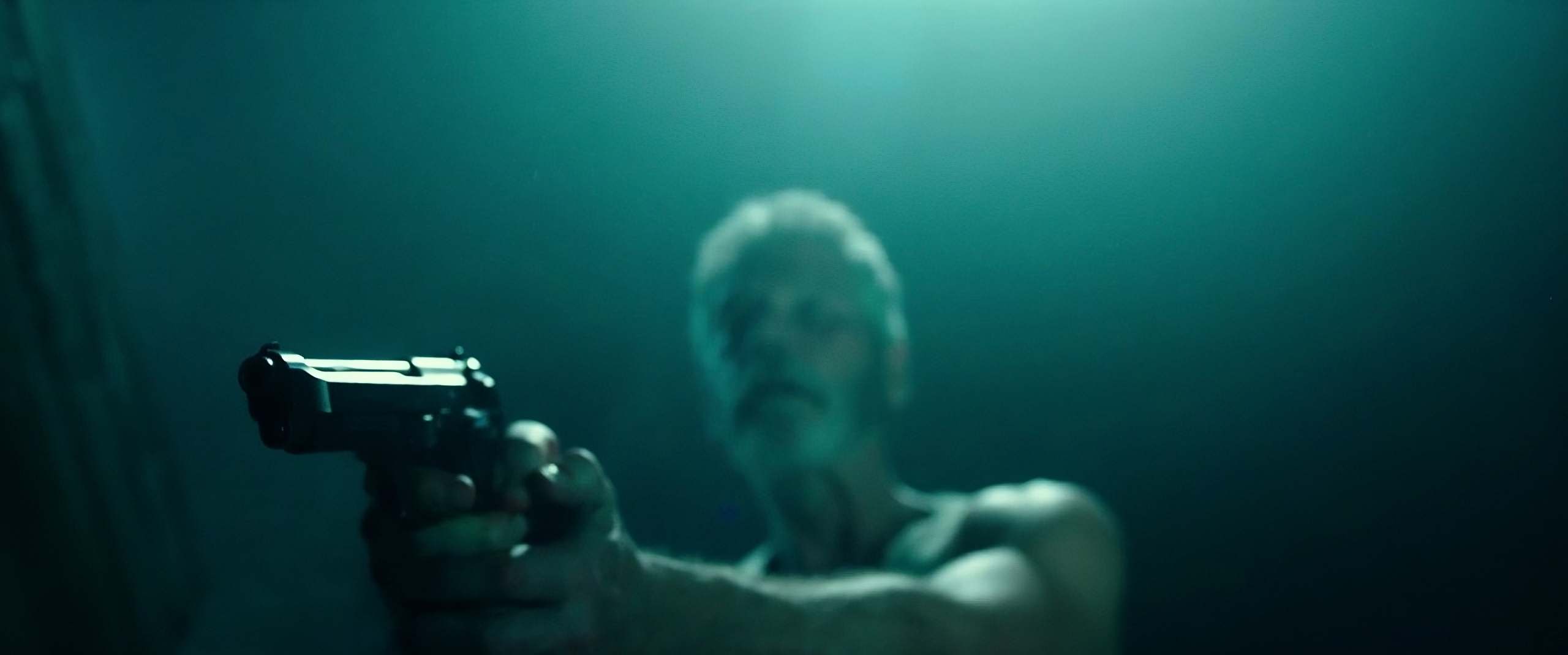
Don’t Breathe (2016) – Cinematographer, Pedro Luque

dontbreathe033-transformed

Guardians of the Galaxy (2014) – Cinematographer, Ben Davis

36_20(436)-transformed

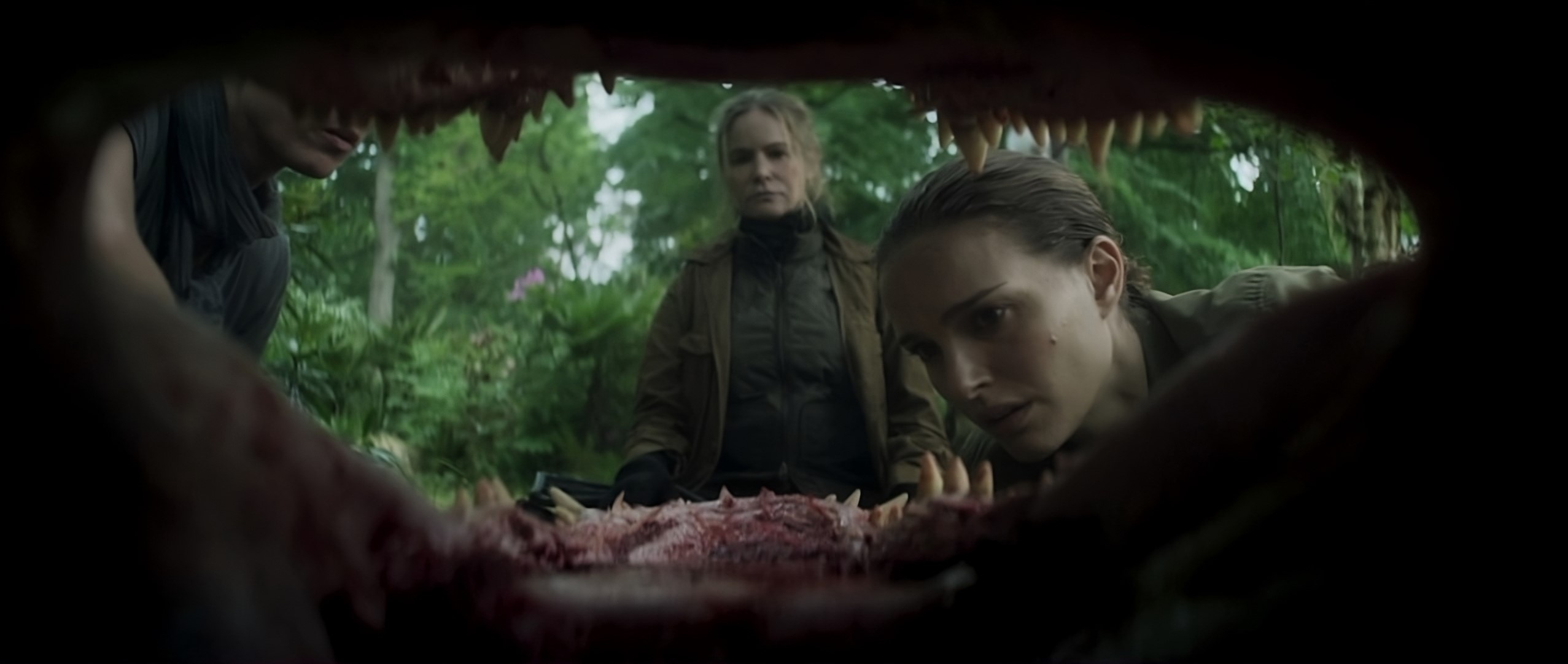
Annihilation (2018) – Cinematographers, Rob Hardy and Robert Hardy

annihilation017-transformed

Interstellar (2014) Cinematographer, Hoyte Van Hoytema

38_20(511)-transformed

American Psycho (2000) Cinematographer, Andrzej Sekuła

59_20(64)-transformed

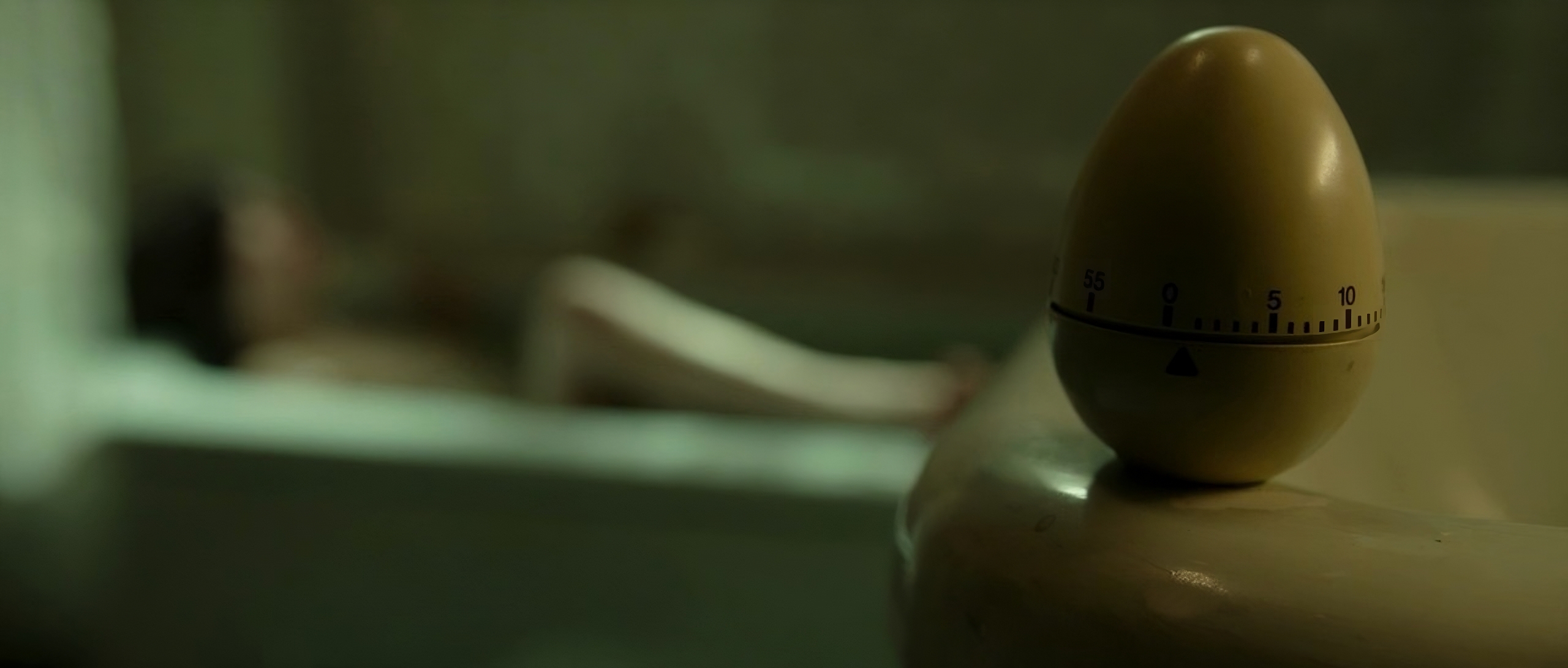
The Shape of Water (2017) Cinematographer, Dan Laustsen

shapeofwater009-transformed

E.T. the Extra-Terrestrial (1982) Cinematographer, Allen Daviau

35_20(358)-transformed (2)

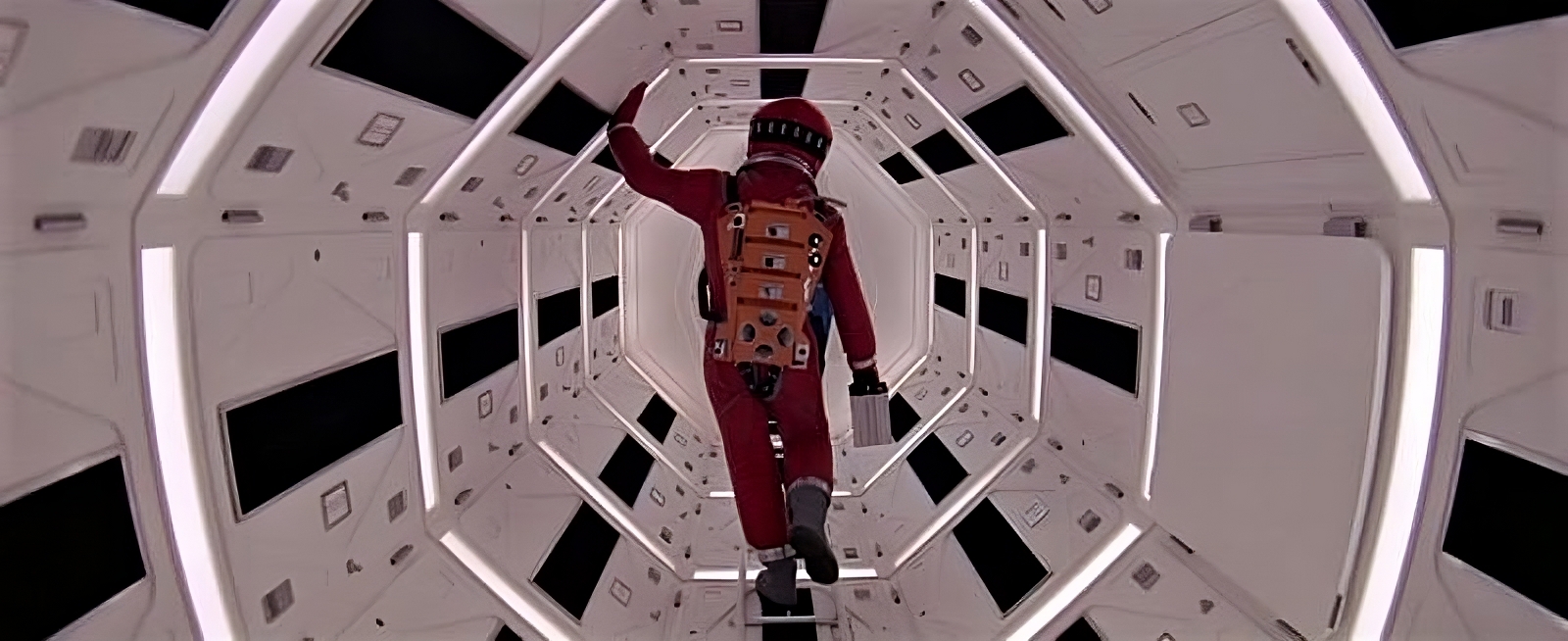
2001: A Space Odyssey (1968) – Cinematographers, Geoffrey Unsworth and John Alcott

original-9572-1438602103-3-transformed

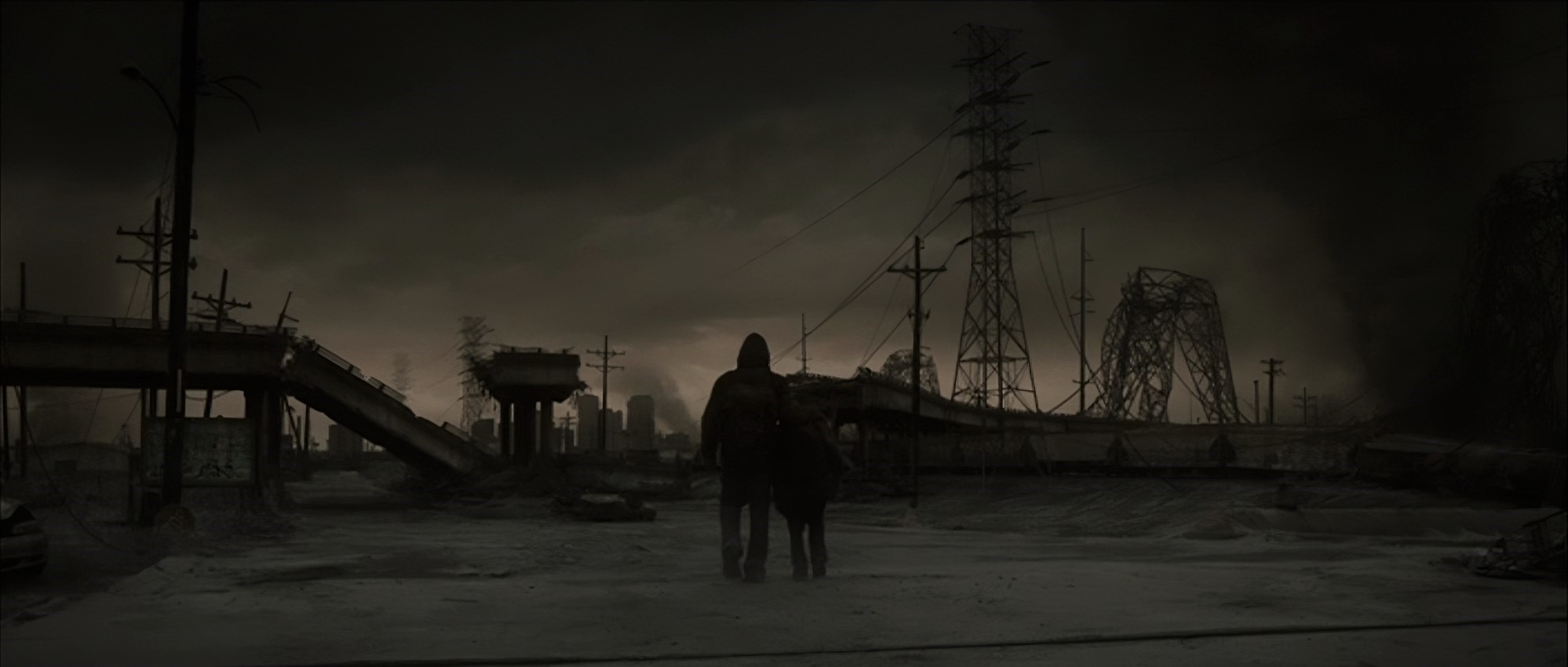
The Road (2009) Cinematographer, Javier Aguirresarobe

30_(1168)-transformed

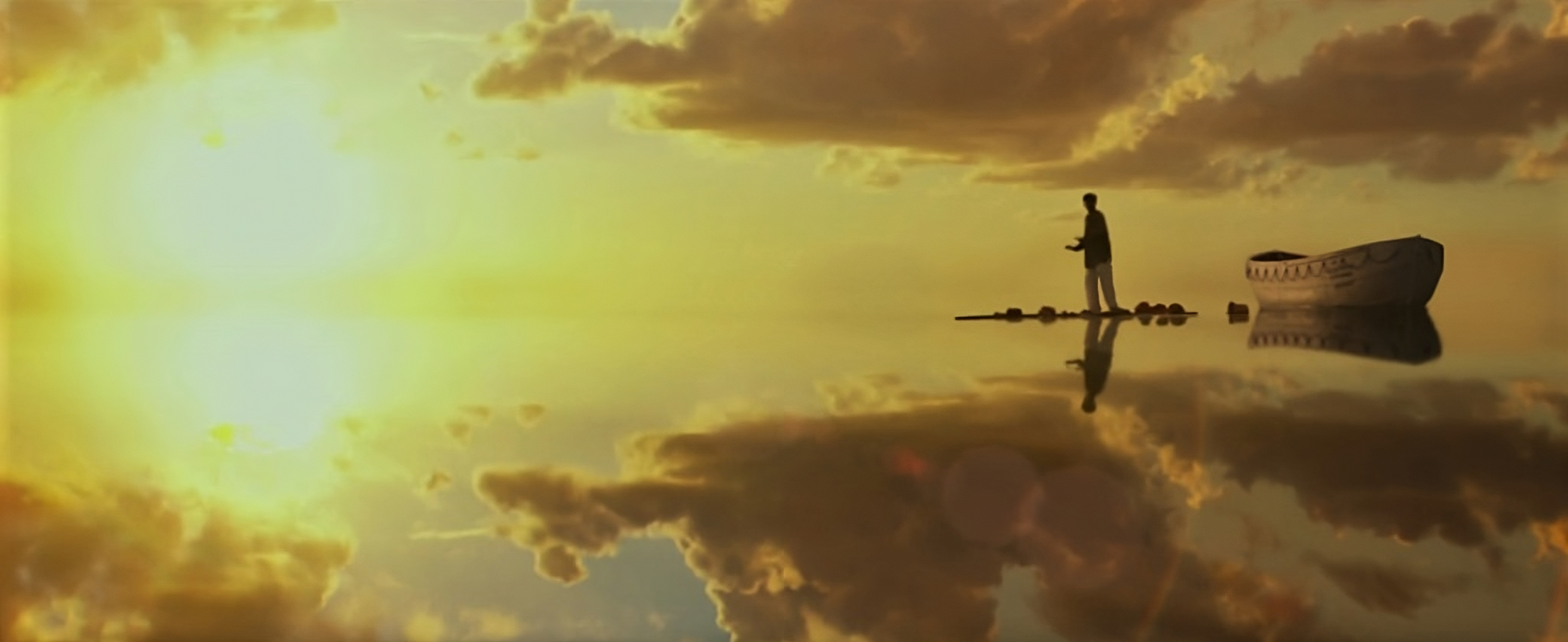
Life of Pi (2012) Cinematographer, Claudio Miranda

untitled2-transformed

Fight Club (1999) Cinematographer, Jeff Cronenweth

original-26729-1438602891-17-transformed

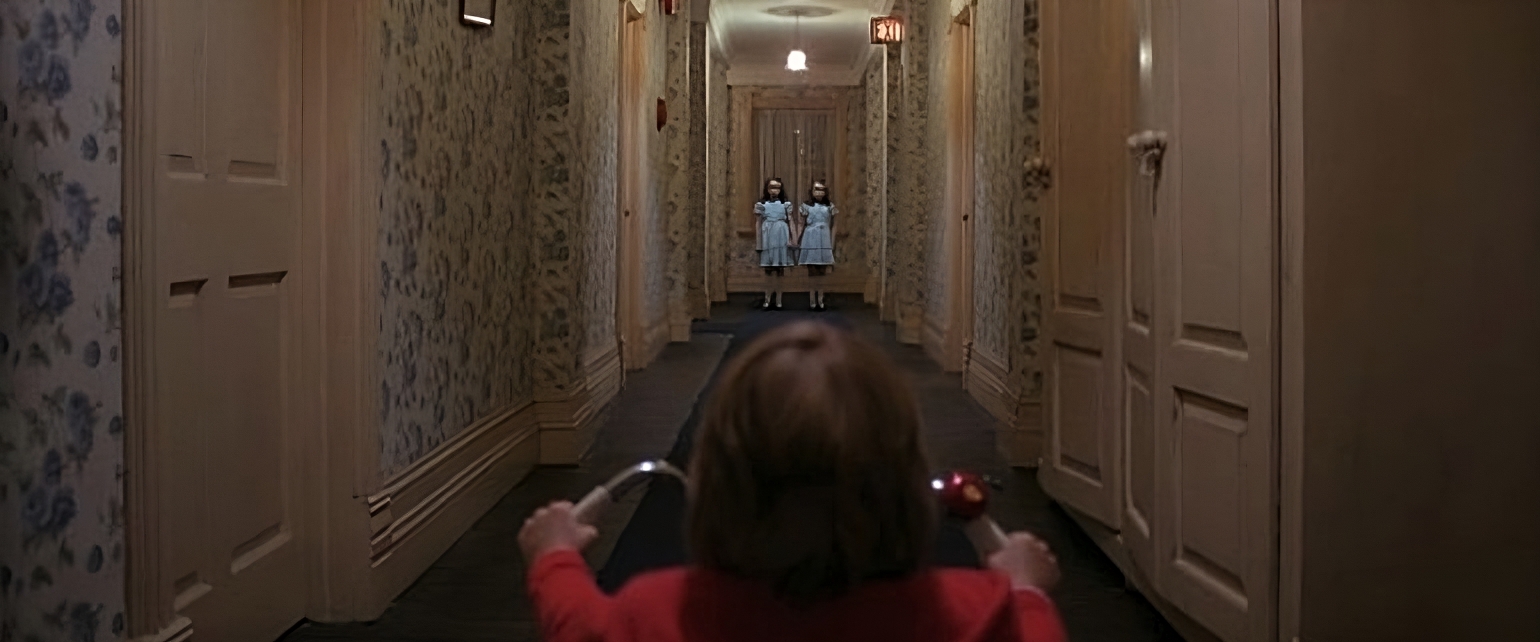
The Shining (1980) – Cinematographers, John Alcott and Martin Kenzie

original-19759-1438607089-3-transformed

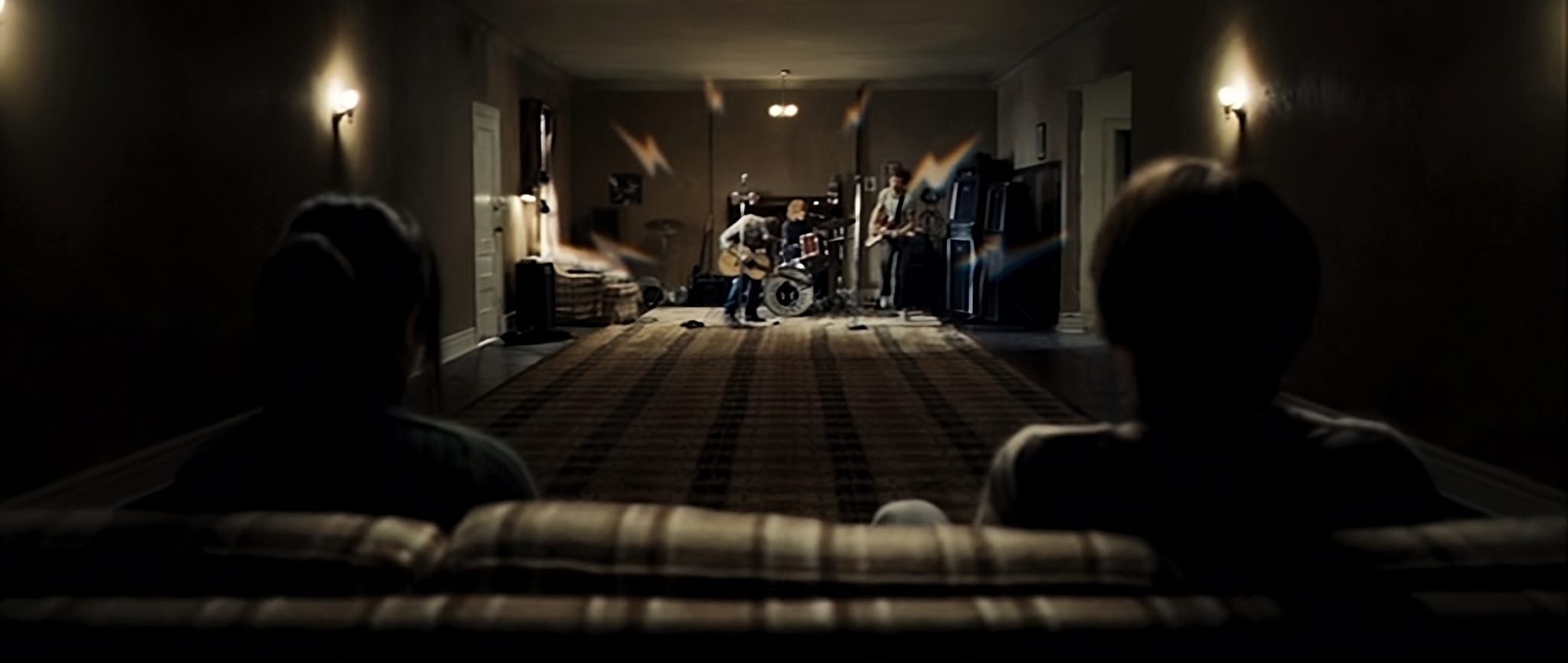
Scott Pilgrim vs. The World (2010) – Cinematographer, Bill Pope

01_20(888)-transformed

A Nightmare on Elm Street (1984) – Cinematographer, Jacques Haitkin

original-8948-1438603239-3-transformed

The Lord of the Rings: The Fellowship of the Ring (2001) – Cinematographer, Andrew Lesnie

50-most-beautiful-cinematic-shots-17jpg-transformed

Birdman or (The Unexpected Virtue of Ignorance) (2014) – Cinematographer, Emmanuel Lubezki

birdman-670x328-transformed (1)