Whatever happened to the beloved animation studio, Pixar Animation?
Pixar Animation used to create some phenomenal animated adventures that the entire family could enjoy, regardless of their age. Mixing brilliant storytelling with beautiful animation and incredibly memorable characters, each film never failed to stand out amongst the rest. Some of the films, like ‘Monsters, Inc.’ or ‘WALL-E,’ for example (two of my personal favourite Pixar films), really got creative with their own narratives and fleshed out their individual worlds. However, in recent years, I’ve noticed a severe downgrade in the quality of their films, as it seems ever since the release of ‘Toy Story 3’ back in 2010, Pixar has had a real reliance on sequels, prequels and spin-offs over original films. While still mostly enjoyable, I have noticed the storytelling, character arcs and world-building all seem to be lacking when compared to their earlier films.
In recent years, films such as ‘The Good Dinosaur,’ ‘Monsters University,’ ‘Brave,’ ‘Finding Dory,’ the ‘Cars’ sequels/spin-offs and, of course, the upcoming ‘Toy Story 4.’ Have all ranged from sub-par through to simply awful, the ‘Cars’ series, of course, being the best example of this as this series has always been Pixar’s black sheep. Never truly having the magic that makes Pixar special, always feeling like more of a cash-grab than anything else. ‘Cars 2’ being the most prominent example of this, as this film is one of Pixar’s only poorly reviewed films to date. The ‘Cars’ series has always felt very immature to me, although I didn’t hate the original film, it’s definitely no one’s favourite. In regard to Pixar’s other sequels; ‘Finding Dory’ and ‘Toy Story 4,’ ‘Finding Dory’ is nothing more than a reskinned ‘Finding Nemo,’ except for a few amusing characters; the film has nothing more really to offer. Despite having fantastic reviews from critics for some reason, the film was never anything other than a massive nostalgia slap for me. As, of now, ‘Toy Story 4’ hasn’t yet been released, but I feel when it does it’ll be another film with great reviews, but with nothing truly memorable about it, as I personally believe the ‘Toy Story’ trilogy concluded so satisfactorily, I don’t truly don’t understand why they feel the need to continue that story other than profit.
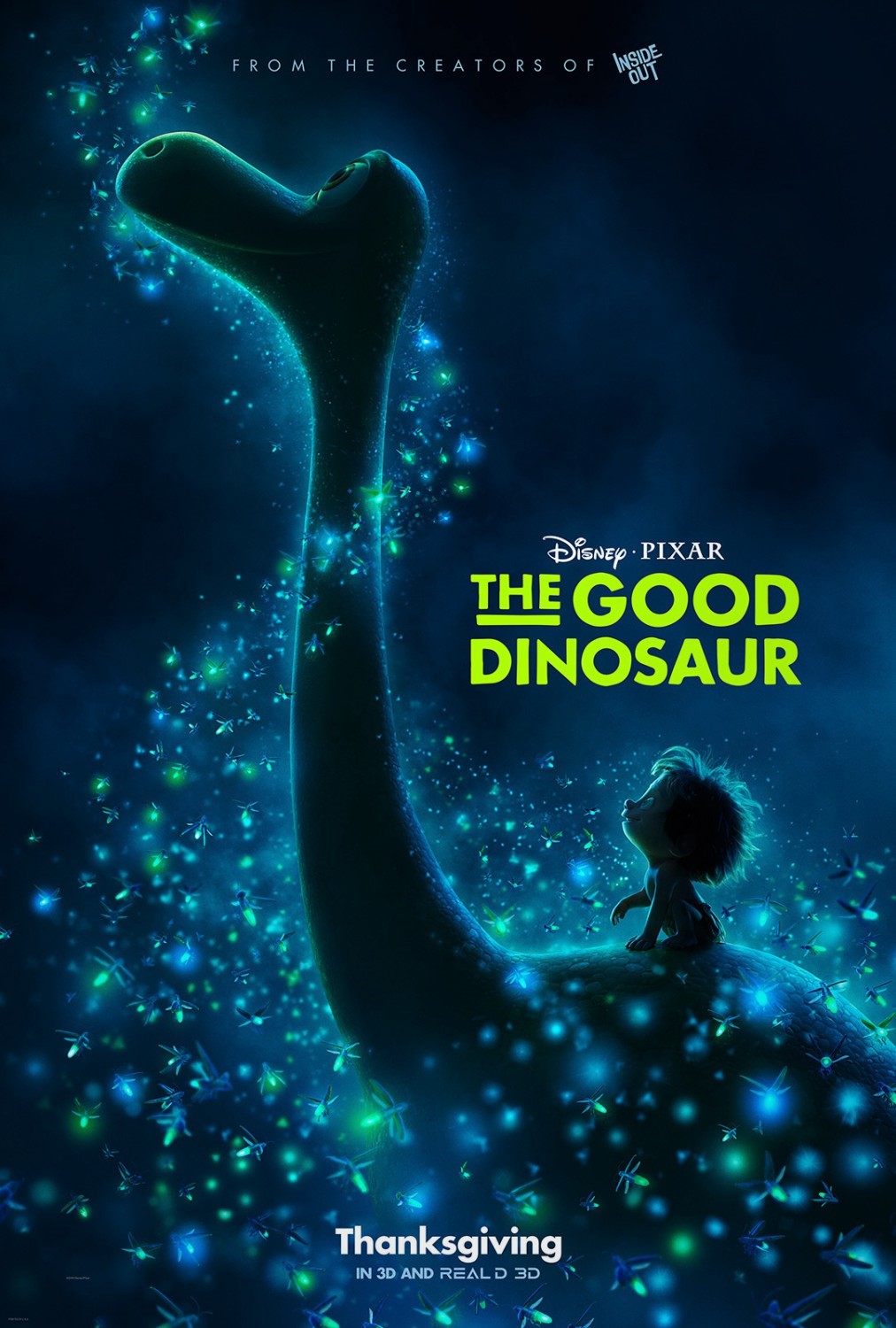
‘Monsters University’ is probably my favourite of Pixar’s recent continuations of their old stories, although I don’t think the film reaches the heights of ‘Monsters, Inc.’ due to less originality and a lack of adult themes. I do still think the film is very witty, and it does explore the monster world further. It’s one of the few films I can say where it feels there was true thought put into it, as it doesn’t just lean on the legacy of the previous film. Finally, we come to Pixar’s original films. This being ‘The Good Dinosaur’ and ‘Brave,’ now whilst I don’t think these films are awful per se. They simply just aren’t that memorable. ‘Brave’ has a few amusing moments and an interesting setting, but falls more into classic 2D animated stories at points. As for ‘The Good Dinosaur,’ it’s simply a ‘returning home’ story, with nothing of note at all other than the nice animation. It seems most people agree with me on this one, too, considering it’s very low box office return.
Now, of course, there are some recent exceptions, Pixar’s ‘Inside Out,’ ‘Coco’ and last year’s ‘Incredibles 2,’ which I did enjoy very much. These films proved to me that Pixar still has some great stories in them, although these films aren’t perfect and I wouldn’t rank them as high as the classic Pixar films personally, they definitely show potential. I would love to see more original animated films like this from Pixar. Considering how much money ‘Coco’ made when it was released, it’s clear they still make money just from the Pixar name alone. So, why do they feel the need to rely on sequels? Many people would point to Disney pulling their leg, and although I could believe that. I also think it’s due to Pixar simply becoming uninterested; they now think of themselves as the animation giants the audience believes they are. This means they no longer take risks and are comfortable simply gaining profit from their previous franchises.
This could also be due to a lack of original ideas; of course, Pixar simply feels more comfortable returning to their previous stories. But, considering some of their big competitors such as DreamWorks Animation, Blue Sky Animation, Warner Bros. Animation and Illumination Animation are all still pumping out original films (granted, not all quite to the usual Pixar standard). Films, such as ‘Captain Underpants: The First Epic Movie,’ ‘Ferdinand,’ ‘The Lego Movie’ and ‘Despicable Me’ are all still very enjoyable to watch. Some of these films even made a pretty big box office return, with the ‘Despicable Me’ spin-off; ‘Minions,’ becoming one of the highest-grossing animated films ever, earning over £900 million. Even the company that teamed up with them (that being Disney) are beating them recently when it comes to original animated flicks, with Walt Disney Animation Studios’ ‘Zootopia,’ being one of my favourite films of 2016.
In summary, what happened to Pixar Animation is very clear to me. They simply got lazy, focusing far more on wanting to make a large profit rather than giving their audience new, exciting stories. The company isn’t completely dead; films like ‘Coco’ and ‘Inside Out’ clearly prove there is still talent there. But, with the older writers, directors and animators now backing down from the company so newer faces can arise. I’m concerned that Disney and Pixar executives may continue to push for more sequels, prequels and spin-offs with the knowledge that the films will always make money regardless of their quality. This is mostly why I fear for ‘Toy Story 4,’ as even though I really hope the film is great, I currently have a lot of doubts in my mind about it. Pixar, however, has also recently brought out a trailer for their next film following on from ‘Toy Story 4,’ titled; ‘Onward,’ which does appear to be a completely original story focusing on elements of fantasy and adventure. So, perhaps not all is lost for the iconic animation company just yet, but only time will tell, I suppose.