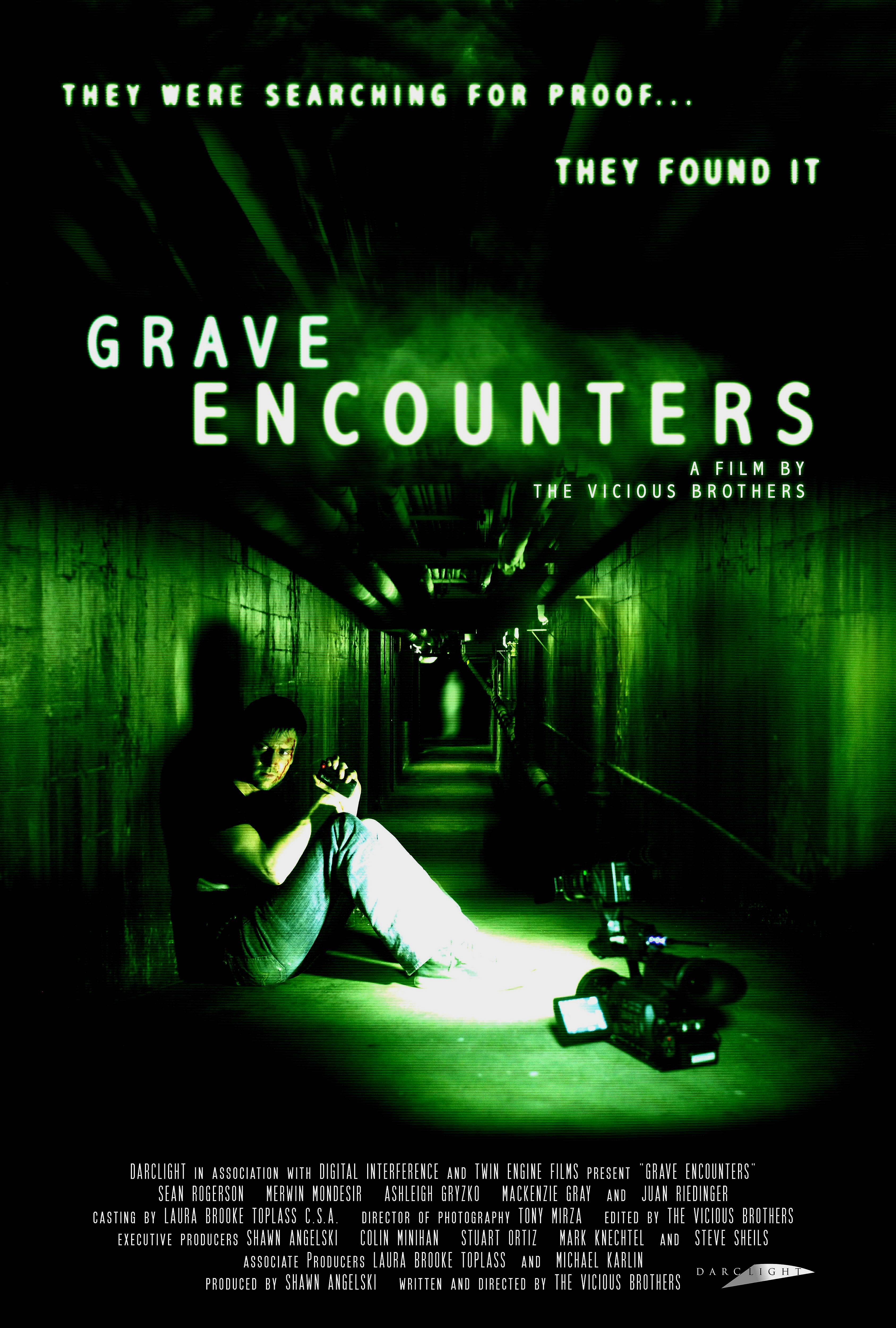
Grave Encounters (2011) – Film Review

“This Place Is About as Haunted as a Sock Drawer…” – Lance Preston

Impressively produced on a budget of around £89,000, the 2011 found-footage flick; Grave Encounters, is an effective, if rarely groundbreaking, contemporary horror. Whilst not as down-to-earth or as painfully slow-paced as several other found-footage releases, such as Paranormal Activity (2007) or Mr. Jones (2013), Grave Encounters wastes little time getting into the monstrosities that lie within the walls of its central setting of an abandoned psychiatric hospital, utilising its dark corridors and rusted medical equipment to deliver memorably creepy moments and a fairly unnerving atmosphere, despite its many faults.

Plot Summary: Voluntarily locking themselves inside the infamous, abandoned Collingwood Psychiatric Hospital, to increase the stakes of their ghost-hunting reality show, Grave Encounters, host Lance Preston and the rest of his team prepare to capture every minute of their overnight paranormal investigation on camera. But, as the hospital’s walls begin to shift into a labyrinth of endless corridors, each inhabited by the spirits of former staff and patients, the group soon realise they may be filming their last episode…

Written and directed by Colin Minihan and Stuart Ortiz, also known as the “Vicious Brothers,” the format and host of the fictional Grave Encounters reality show takes influence from the real-world series; Ghost Adventures, and its host, Zak Bagans, known for his black muscle t-shirts and technique of attempting to invoke paranormal activity by cursing at the supposed spectres, inviting aggression. This inspiration is evident from the outset, as Grave Encounters humorously mocks the ghost-hunting reality shows of the late 2000s, dissecting the manufactured appeal behind the format and its many tricks of the trade. For example, early on in the film, Lance pays a groundskeeper to provide a false statement during an interview that he witnessed paranormal activity on the grounds of the hospital, a known practice in supernatural reality television, as over the years, hundreds of interviewees have publicly admitted to being paid to “Just Make Something Up for the Camera.”

The central cast of Sean Rogerson, Ashleigh Gryzko, T.C. Gibson, Mackenzie Gray and Juan Riedinger provide the occasional moment of levity early in the runtime as a means to break up the flurry of distress and torment their characters later endure. During many of these moments, the characters also make offhand comments regarding their situation, referencing filmmaking conventions and well-known horror tropes that add a level of realism to the dialogue. This doesn’t mean that all of the Grave Encounters crew are strictly likeable, however, as T.J., the truculent cameraman, does far too much complaining and arguing whilst the host, Lance Preston, and the supposed psychic, James Houston, are suitably sleazy for success-hungry individuals who fabricate hauntings for a living, having never witnessed evidence of the supernatural previously. Still, the cast accurately portrays every character’s sense of unease, which is what matters most.

Shot over ten nights and two days, the majority of the cinematography for Grave Encounters by Tony Mirza fittingly matches the style of stationary and hand-held shots seen in traditional ghost-hunting reality shows, with the fictitious Collingwood Psychiatric Hospital portrayed through the real-world Riverview Hospital, an abandoned mental institution in Coquitlam, British Columbia, built at the turn of the 20th century and closed down in 2012, formerly hosting films such as Watchmen (2009). Grave Encounters utilises this ominous setting remarkably well, presenting the building as a dark, momentous presence to the point where it becomes a character in its own right. The opaque hallways of the abandoned building also greatly lend themselves to the film’s phosphorescently green colour palette as a result of the characters’ dependence on night vision to find their way around.

Similar to other found-footage flicks, Grave Encounters doesn’t possess much of a soundtrack, with the original score by Quynne Craddock only being employed for the deliberately dated, excessively edgy theme for the Grave Encounters intro and the atmospheric track that plays over the end credits, which is suitably bleak and unsettling. In an effort to differentiate itself from those other releases, however, Minihan and Ortiz wanted their spirits to be far less subtle and more forcefully frightening, desiring the various apparitions to “Visibly Run” at the audience as opposed to barely materialising or gradually moving objects.

Outside of its real-world influences, Grave Encounters follows The Blair Witch Project (1999) formula of letting its initially brash characters mentally break down before the incursion of the unnatural, embracing some found-footage clichés, such as slamming doors and slowly opening windows, whilst avoiding others in exchange for more eerie concepts, like when the group learn about the hospital’s disturbing history of lobotomies and medical experimentation. In terms of the spirits’ appearance, each harbours a serviceably sinister, if somewhat generic design, often sprinting towards the camera with a cheesy CG effect that distorts their eyes and mouth, spoiling the horror, much like the film’s frustrating overreliance on camera glitches whenever supernatural frights occur.

In summary, although Grave Encounters starts rather slowly, once the first crew member disappears, the pacing picks up nicely, with plenty of twists, turns and creepy surprises to keep the film rolling along. While hardly original or downright terrifying, Grave Encounters gets almost every beat of its found-footage premise right, succeeding in its attempt to critique the many ghost-hunting reality shows that inspired it, even surpassing its higher-budget, candidly titled 2012 sequel; Grave Encounters 2, a largely forgettable, strangely self-referential expansion to the ghostly frights and low-budget storytelling of the first. Rating: 6/10.
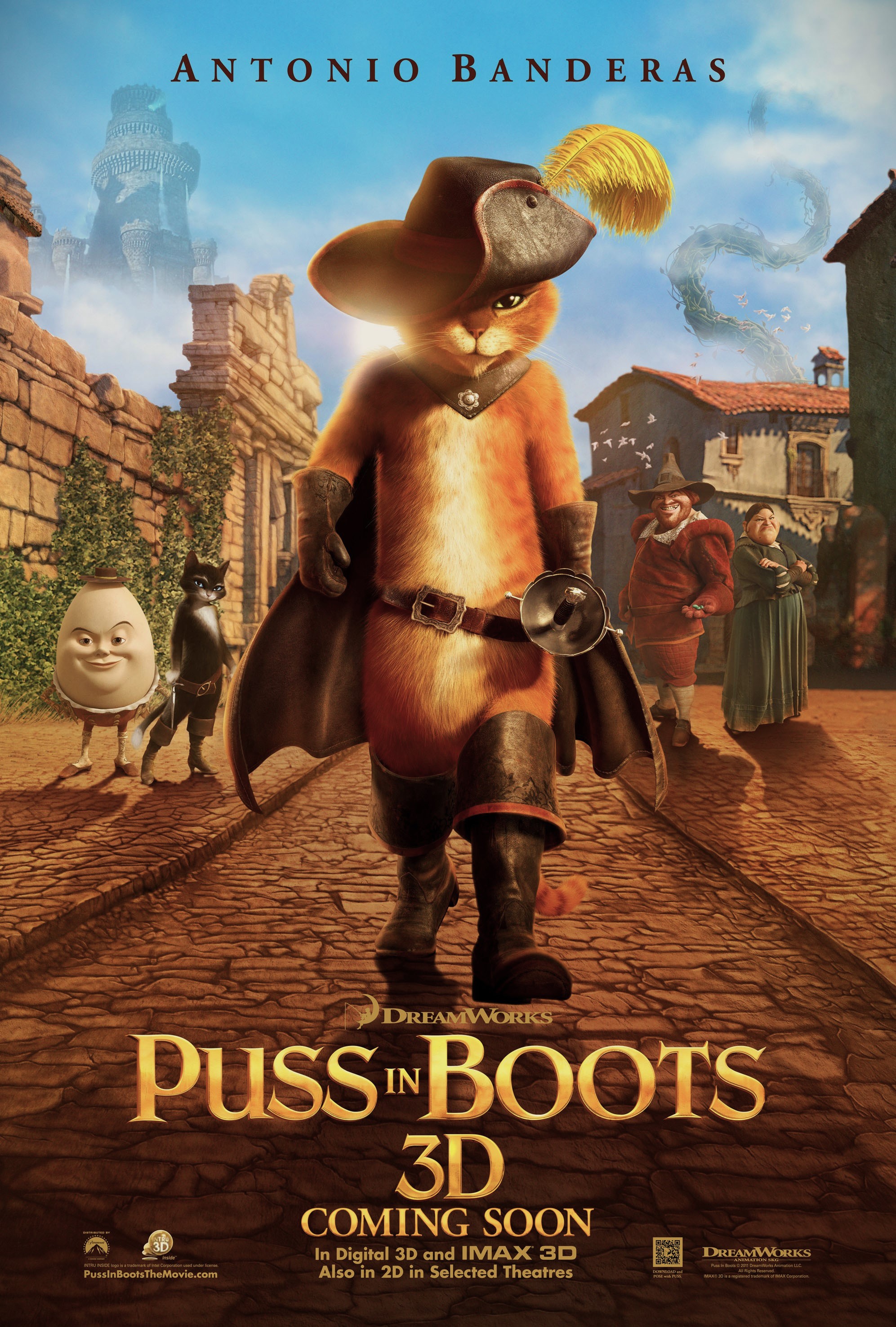
Puss in Boots (2011) – Film Review

“Fear Me, if You Dare!” – Puss in Boots

Released in 2011, one year after the highly-praised Shrek series supposedly concluded with Shrek Forever After (2010), Puss in Boots acts as a spin-off and prequel to the endearing ogre’s renowned franchise, retaining its emphasis on parodying fairy tales whilst supplying the titular heroic feline with an amusing, stand-alone adventure that frequently pays tribute to Spanish cinema. While not profound in terms of storytelling nor revolutionary in terms of animation, for what it lacks in depth, Puss in Boots, directed by Chris Miller (Shrek the Third), makes up for with an abundance of family-friendly wit and excitement, in spite of the initial plan to turn the film into a mere direct-to-DVD spin-off.

Plot Summary: Long before meeting Shrek and Donkey, the adorable yet cunning vigilante Puss in Boots aimed to clear his name, striving to escape his notoriety as the suspected thief of his hometown, San Ricardo. Then, one faithful night, after overhearing that the murderous outlaws Jack and Jill have come into possession of magic beans, Puss senses a window of opportunity, setting out to steal the beans in pursuit of the treasure they lead to, eventually crossing paths with an old friend

In contrast to the Shrek films, which were in production for around three years (except for the first, which was in production for almost five), Puss in Boots took over seven years to produce, entering development just after the release of Shrek 2 (2004). The film also differs from the Shrek series in other ways, most notably in its inspirations. Where the Shrek franchise became recognised for its parodying of classic fairy tales and modern pop culture, Puss in Boots is more reminiscent of Spanish cinema, namely, Spanish action and adventure flicks, harbouring references to well-known flicks, like The Mask of Zorro (1998), a film which interestingly, also featured Antonio Banderas as the lead, and Desperado (1995), another release featuring Banderas as well as his co-star Salma Hayek. As such, Puss in Boots operates as a successful mish-mash of ideas, blending elements of fairy tale fantasy with solid action sequences reminiscent of traditional vigilante flicks. The majority of the story, though, is a riff on the famed fable of Jack and the Beanstalk, a fairy tale adapted time and again. Thankfully, the writers were aware of this, implementing a handful of original ideas to form their own take on the well-worn story.

The central cast of Antonio Banderas, Salma Hayek, Zach Galifianakis, Billy Bob Thornton and Amy Sedaris are superb in their vocal performances, with the newly-introduced characters being well-defined and entertaining, from Humpty Dumpty, Puss’ intelligent yet untrustworthy ally, to Jack and Jill, an amusingly fiendish pair of villains, and the skilled thief Kitty Softpaws, who bears a fairly moving backstory. Truly, the only character that lacks interesting characterisation is Puss himself, who is essentially the same character he was in 2004, with little difference in his personality despite being younger, less experienced and more independent, harbouring no major distinctions or a compelling character arc.

For this film, an admirable decision was made to make the world of Puss in Boots appear very different from that depicted in the Shrek series. In the latter, the environments were similar to classic fairy tale illustrations, often featuring extravagant kingdoms and vibrant forests, with even the earliest appearance of Puss in Boots himself being depicted in clean, pencilled illustrations in a vast woodland environment amidst the book; Histories or Tales of Past Times, Told By Mother Goose, written by Italian author Giovanni Francesco Straparola in 1551. However, the film has a distinctly Spanish feel, with most of the runtime being set in deserts and rural towns sporting Colonial architecture, in addition to a warmer, more terracotta colour palette. The animated cinematography and the animation itself also go a long way in enhancing the film’s many action sequences and visual gags, including one set piece with a gigantic creature wreaking havoc, undoubtedly inspired by the Godzilla series.

Capturing the spirit of adventure much like the film at large, the original score by Henry Jackman is rousing, occasionally even harbouring a slight western feel. Furthermore, tracks such as Chasing Tail and Farewell San Ricardo convey Puss’ heroism and vigilante persona flawlessly, whilst Jack and Jill are granted a monstrously malicious melodic cue with the plainly-named track; Jack and Jill. The end credits song; Americano by Lady Gaga, seems rather out-of-place among the rest of the soundtrack, however, given that Puss in Boots never employed contemporary songs in its fantastical setting before this moment, unlike the Shrek franchise.

Humorously, the animators behind Puss in Boots didn’t bring any cats into the studio to study their movements for the various felines that appear throughout the runtime. Instead, they simply watched some of the millions of widespread cat videos on YouTube to make each cat’s movements as lifelike as possible and take inspiration for some of the film’s cat-related antics.

In summary, Puss in Boots is a delightful adventure with enough entertainment value to keep both younger and older audience members engaged, even if the film isn’t as memorable as some of the entries from the series its protagonist originated. Still, it likely goes without saying the film’s late-to-the-party sequel; Puss in Boots: The Last Wish (2022), was an improvement over its predecessor in almost every way. Rating: 6/10.
The Darkest Hour (2011) – Film Review

“What’s the Dress Code for the End of the World? Jacket, No Tie?” – Sean

Initially intriguing yet ultimately vacuous, 2011’s The Darkest Hour is an apocalyptic blockbuster that will seem like familiar territory for most with its relatively straightforward premise of a group of survivors escaping a hostile, extraterrestrial foe, its only genuinely innovative ideas appearing in the form of its setting; Moscow, and the unique, electricity-based abilities/appearance of its unworldly invaders. Rammed with immensely corny dialogue, uninteresting characters and cheap-looking set design, The Darkest Hour fails on most fronts, leaving its title to ironically reference the fact that the film’s initial release may have been the ‘darkest hour’ for all the careers of those involved in its production.

Plot Summary: When American software developers Sean and Ben travel to Moscow to sell their latest program to investors, their Swedish associate Skyler double-crosses them, forcing them out of the deal. In an attempt to drown their sorrows, the duo head to a nightclub. Until, out of the blue, the Russian population is startled by the appearance of mysterious rays in the sky, soon discovering that the lights are, in actuality, an extraterrestrial force invading Earth and utilising our power supply to eradicate all mankind…

The inclusion of the Russian setting and, by proxy, Russian crew/extras can be attributed to producer Timur Bekmambetov, who after becoming involved in the project, allowed the production to use Moscow as a backdrop instead of the typical U.S. locations, predominantly due to Bekmambetov owning his own production company in the city, known as Bazelevs, where the majority of the film was shot, with the crew consisting of roughly 30% Americans and 70% Russians. In conjunction with director Chris Gorak (Right at Your Door), who ordinarily serves as an art director/production designer on sets, harbouring minimal experience as a director, the duo aimed to make a film that would thrill audiences and feel distinct via its foremost setting, but evidently, they did not achieve this.

The central cast of Emile Hirsch, Max Minghella, Olivia Thirlby, Rachael Taylor and Joel Kinnaman are strong names, but unfortunately, all portray rather simplistic and indistinguishable characters. Fortunately, the audience is provided with a few leads that hint towards the impending extraterrestrial invasion as protagonists Sean and Ben prepare to close the deal for a party-spot program they’ve created, only to find that their alleged business associate, Skyler, has ripped them off, stealing their idea and pushing them out. Supposedly, after putting much time and effort into their project, the pair idiotically did nothing to protect their intellectual property, merely moping around a nightclub until they encounter American traveller, Natalie, her Australian friend Anne, as well as Skyler, whom they shepherd into their group during the initial raid in spite of his earlier betrayal with next-to-no drama.

Shot in 3D as opposed to going through post-conversion. The Darkest Hour‘s production was originally fifty-eight days, with a further eight to nine days being added onto the production schedule once it was decided the film would be shot in 3D. Yet, throughout the runtime, these 3D effects barely register due to so much of the film taking place in dimly-lit environments (frequently depicted by shabby sets), the only real highlight of the 3D effects being the eye-catching opening title sequence. Furthermore, despite The Darkest Hour‘s constant attempts to bombard the audience with disintegrating civilians, handcrafted weapons and adrenalin-fulled chases across deserted, dust-covered streets, many of the film’s action sequences are fairly lacklustre, with the cinematography by Scott Kevan doing little to enhance the cinematic ennui.

From tracks like Northern Lights to Here’s Our Mission and Man Overboard, the film’s orginal score by Tyler Bates is occasionally effective but not all that memorable, often feeling just as gaudy yet creatively uninspired as the visuals, barring the score’s recurring use of bellowing electronic rhythms and propulsive synthesised experiments, serving, in a way, as an audible extension of the eerie, electrical sound design that accompanies the belligerent extraterrestrials.

As mentioned many times, the film’s unusual alien species only ever appear in some form of electrolocation, sensing the electricity in living beings by generating electrical fields. A downside of this ability, however, is that the extraterrestrials cannot see through any type of glass, as the transparent material is a poor conductor of electricity. This fascinating concept is what makes the aliens stand out when compared to invaders from other sci-fi blockbusters, especially since they are protected by electrical shields and can vaporise their victims instantaneously. As such, this imperceptible, seemingly unstoppable force draws the audience in through mystery and uncertainty, eliminating much of the population of Moscow overnight. That said, the extraterrestrial’s unpredictable, electrical abilities do begin to break down the longer the central group of survivors outwit them, given the group should lack any of the skills or knowledge needed to find a way out of their precarious situation. Of course, another minor issue arises in their colour as the aliens take on a glowing golden appearance, whereas electricity, in reality, is colourless.

In summary, The Darkest Hour is a sci-fi blockbuster that falters in its many attempts to propel its audience past their inevitable plot-related questions, the occasional wobbly acting and the easily foreseeable climax. While the film does include a handful of intriguing ideas and excellent electricity-affiliated visuals (alongside a periodic usage of real-world science), The Darkest Hour is obviously not the ‘electrifying’ experience the filmmakers intended it to be. Rating: 3/10.

darkest_hour_ver3_xxlg-transformed

Outstanding Original Scores in Cinema – Film List

I’ve always considered original scores to be a very underappreciated element of filmmaking, as many audience members rarely seem to take notice of the beautiful and indelible soundtracks that saturate many scenes throughout cinematic history. These scores serve an important purpose in audibly immersing the audience in a narrative via dramatic, unnerving or sorrowful tracks that evoke deep emotion inside them (even if they aren’t aware of it), greatly enhancing the cinematic experience. Here are some of my personal favourites…

Dune (2021) – Composer, Hanz Zimmer

Favourite Tracks: Herald of the Change, Ripples in the Sand

dune-transformed

Drive (2011) Composer, Cliff Martinez

Favourite Tracks: I Drive, Bride of Deluxe 

7104jovZ2vL._UF894,1000_QL80_

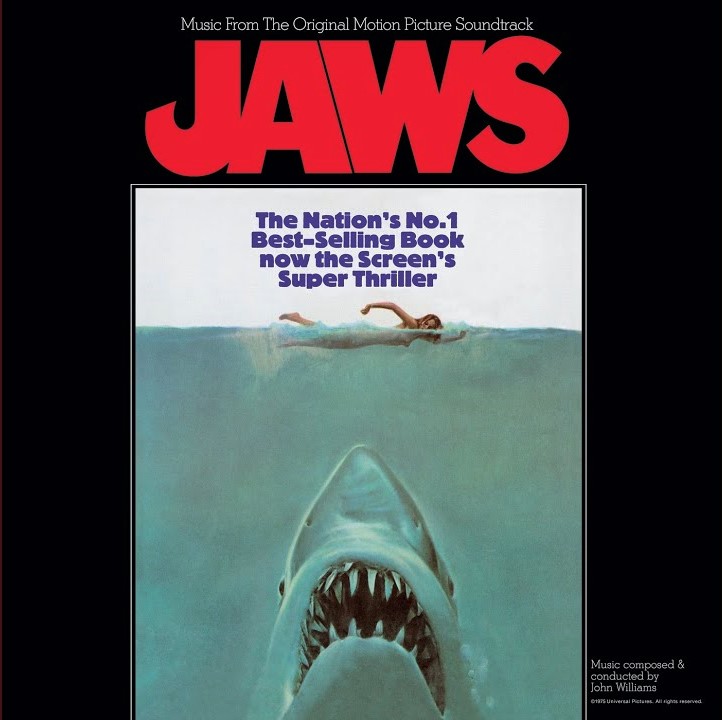
Jaws (1975) Composer, John Williams

Favourite Tracks: Main Title and First Victim, End Titles

maxresdefaulthg

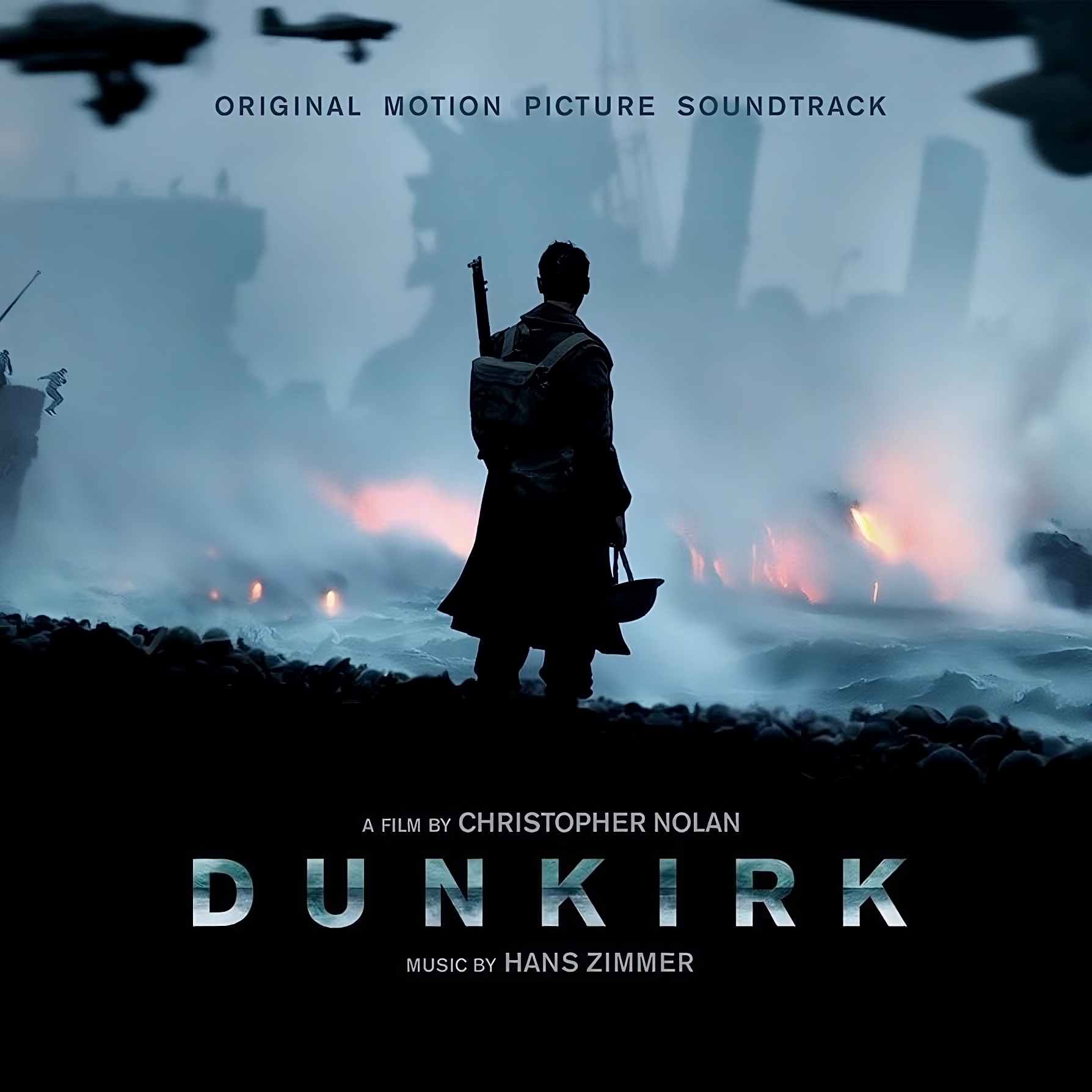
Dunkirk (2016) – Composer, Hanz Zimmer

Favourite Tracks: The Mole, Supermarine

71u3oI1ACRL__UF894_1000_QL80_-transformed

WALL-E (2008) – Composer, Thomas Newman

Favourite Tracks: 72 Degrees and Sunny, Define Dancing

41141af4927588fb34ed6ec6704c0a09--wall-e-animation-movies

Arrival (2016) – Composer, Jóhann Jóhannsson

Favourite Tracks: ArrivalKangaru

71JNEXMq4HL__UF894_1000_QL80_-transformed

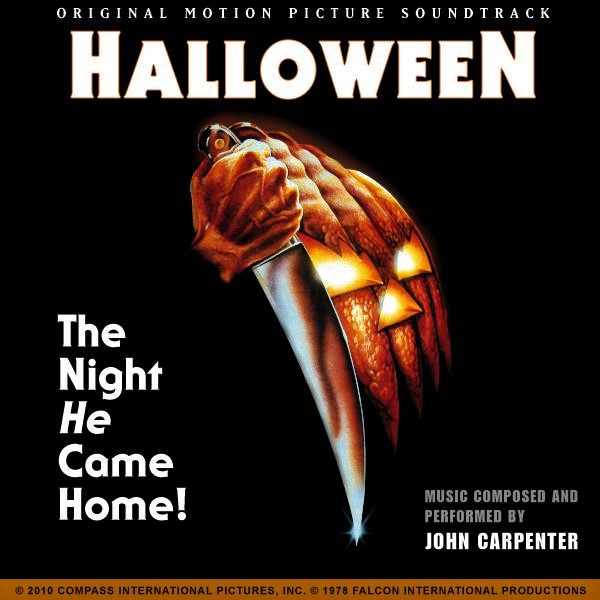
Halloween (1978) – Composer, John Carpenter

Favourite Tracks: Halloween Theme – Main TitleMyer’s House

19192_568986

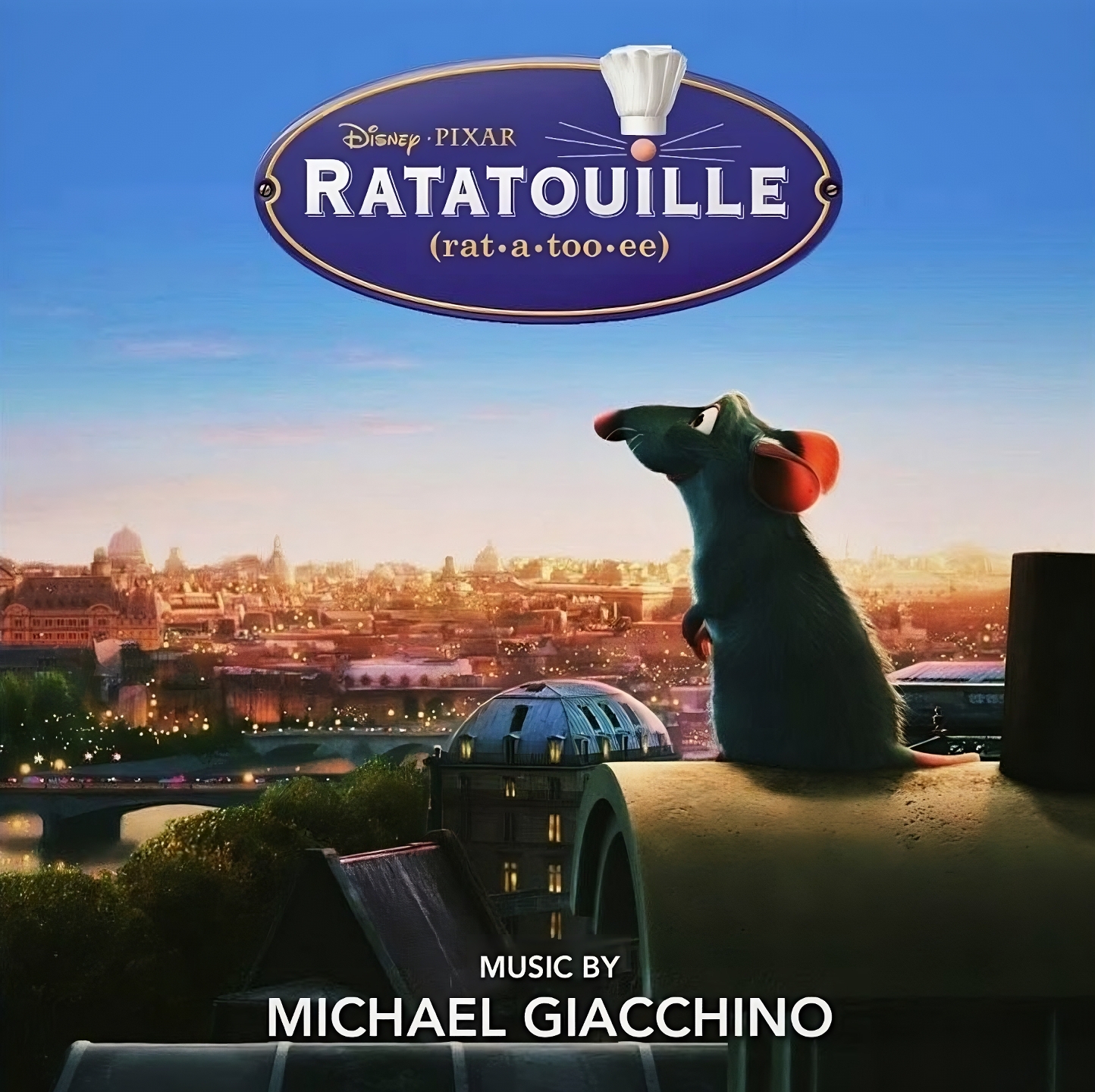
Ratatouille (2007) – Composer, Michael Giacchino

Favourite Tracks: Ratatouille Main ThemeEnd Creditouilles

maxresdefault8-transformed

Jurassic Park (1993) – Composer, John Williams

Favourite Tracks: Welcome to Jurassic Park, Journey to the Island

Big-jurassic-park-ost

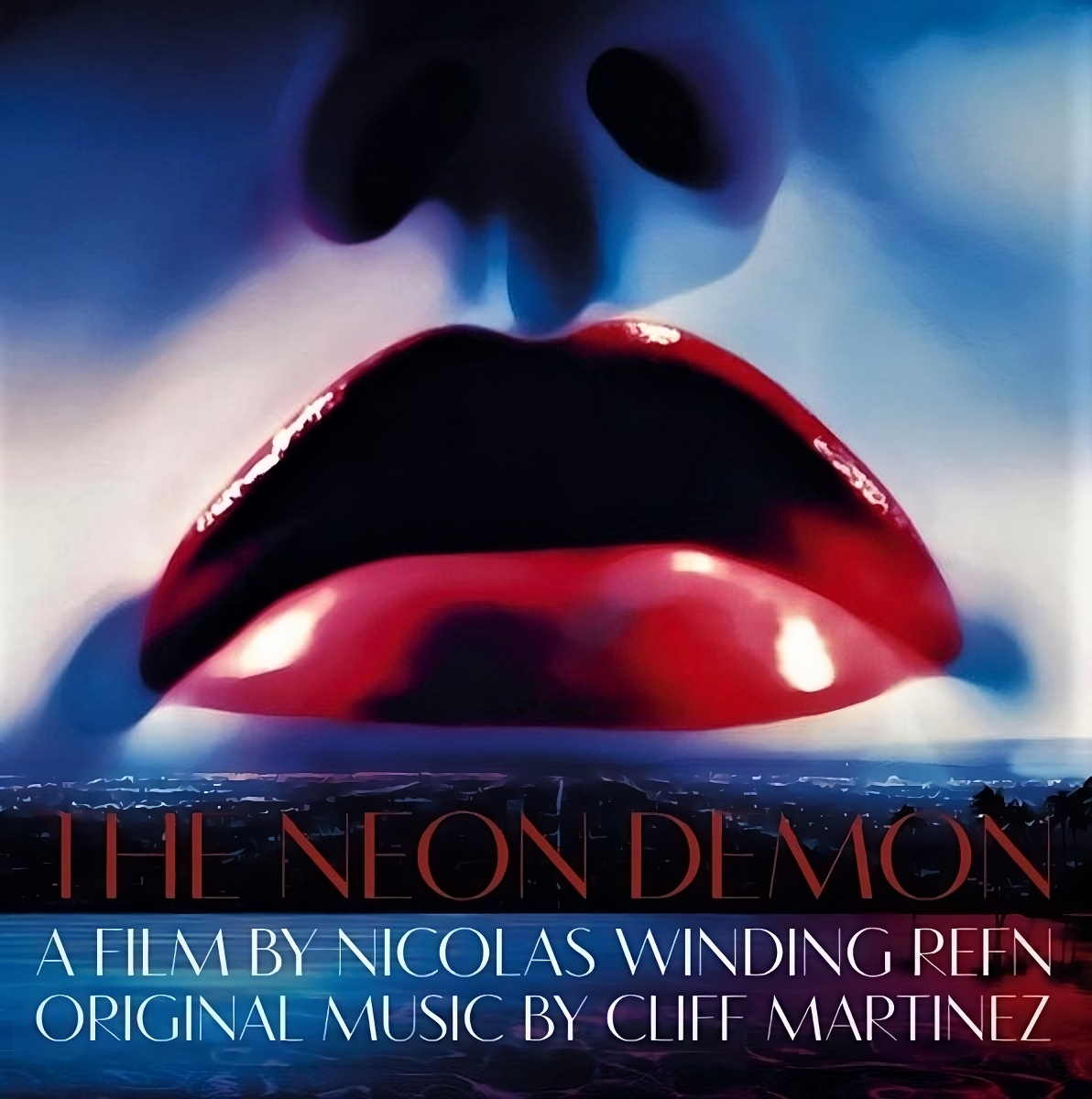
The Neon Demon (2016) – Composer, Cliff Martinez

Favourite Tracks: The Neon Demon, Something’s in My Room

R-8685828-1466596094-8895_jpeg-transformed

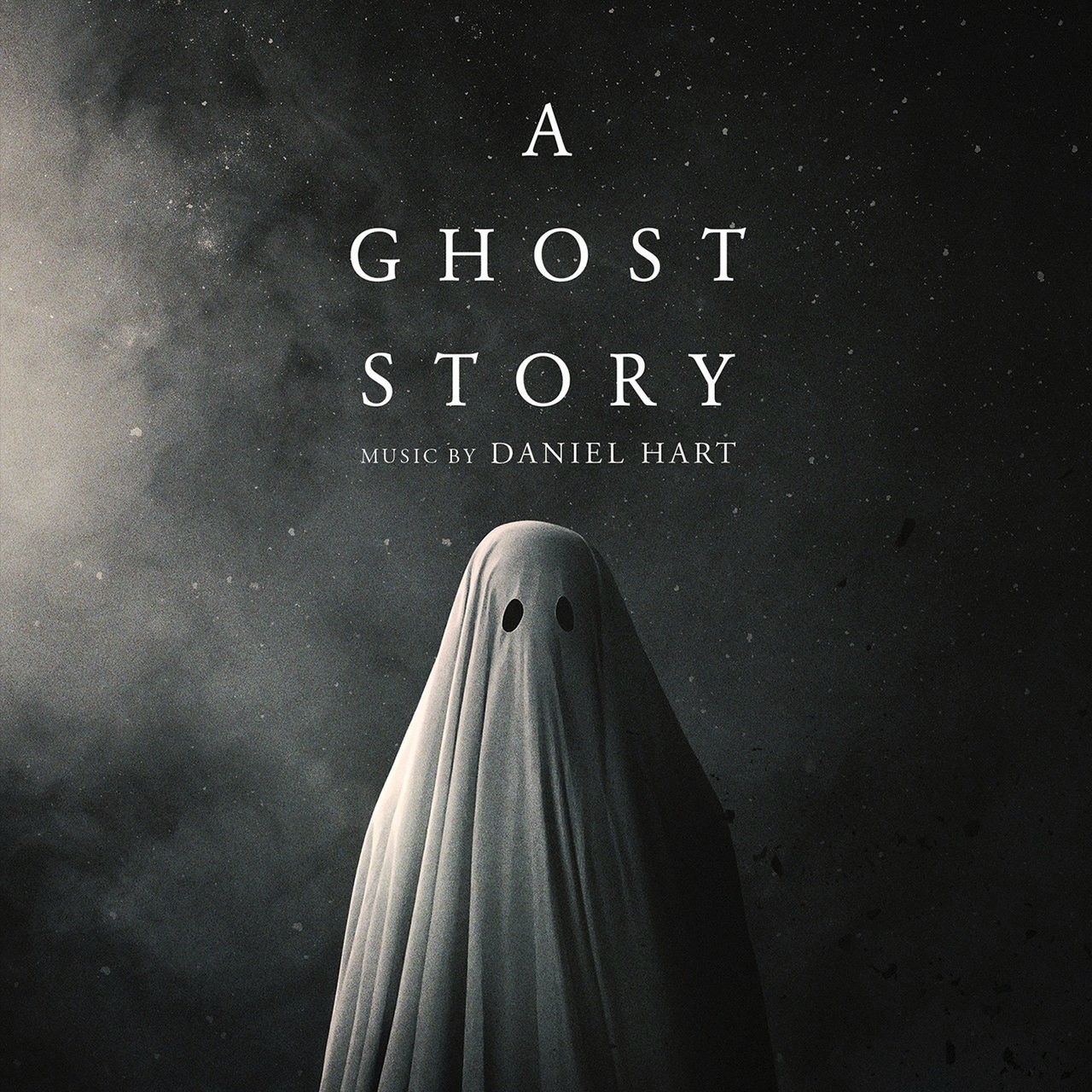
A Ghost Story (2017) – Composer, Daniel Hart

Favourite Tracks: The Secret in the Wall, Safe Safe Safe

cover

Vertigo (1958) – Composer, Bernard Herrmann

Favourite Tracks: Prelude and Rooftop, Carlotta’s Portrait

R-4321078-1520330009-2401.jpeg

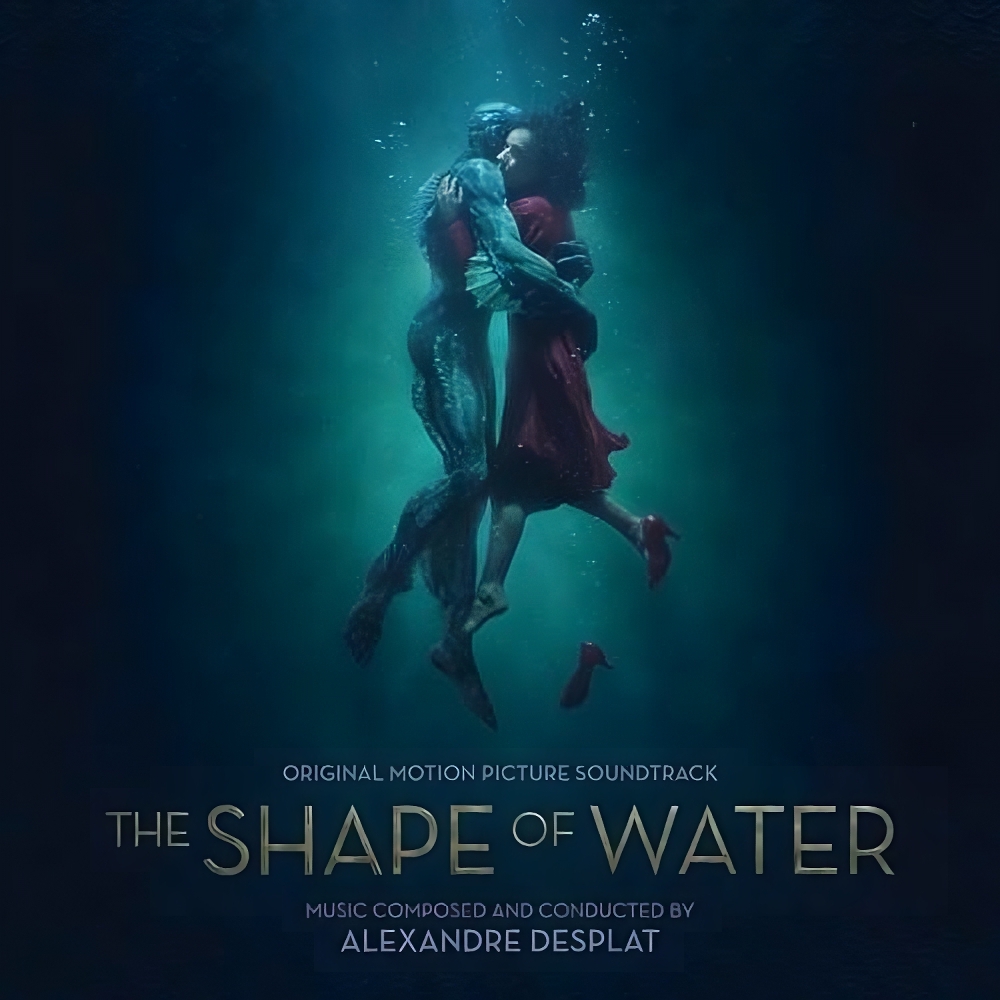
The Shape of Water (2017) – Composer, Alexandre Desplat

Favourite Tracks: The Shape of Water, Elisa’s Theme

The-Shape-of-Water-transformed

Nocturnal Animals (2016) – Composer, Abel Korzeniowski

Favourite Tracks: Revenge, City Lights

R-9415308-1480173348-9936_jpeg-transformed

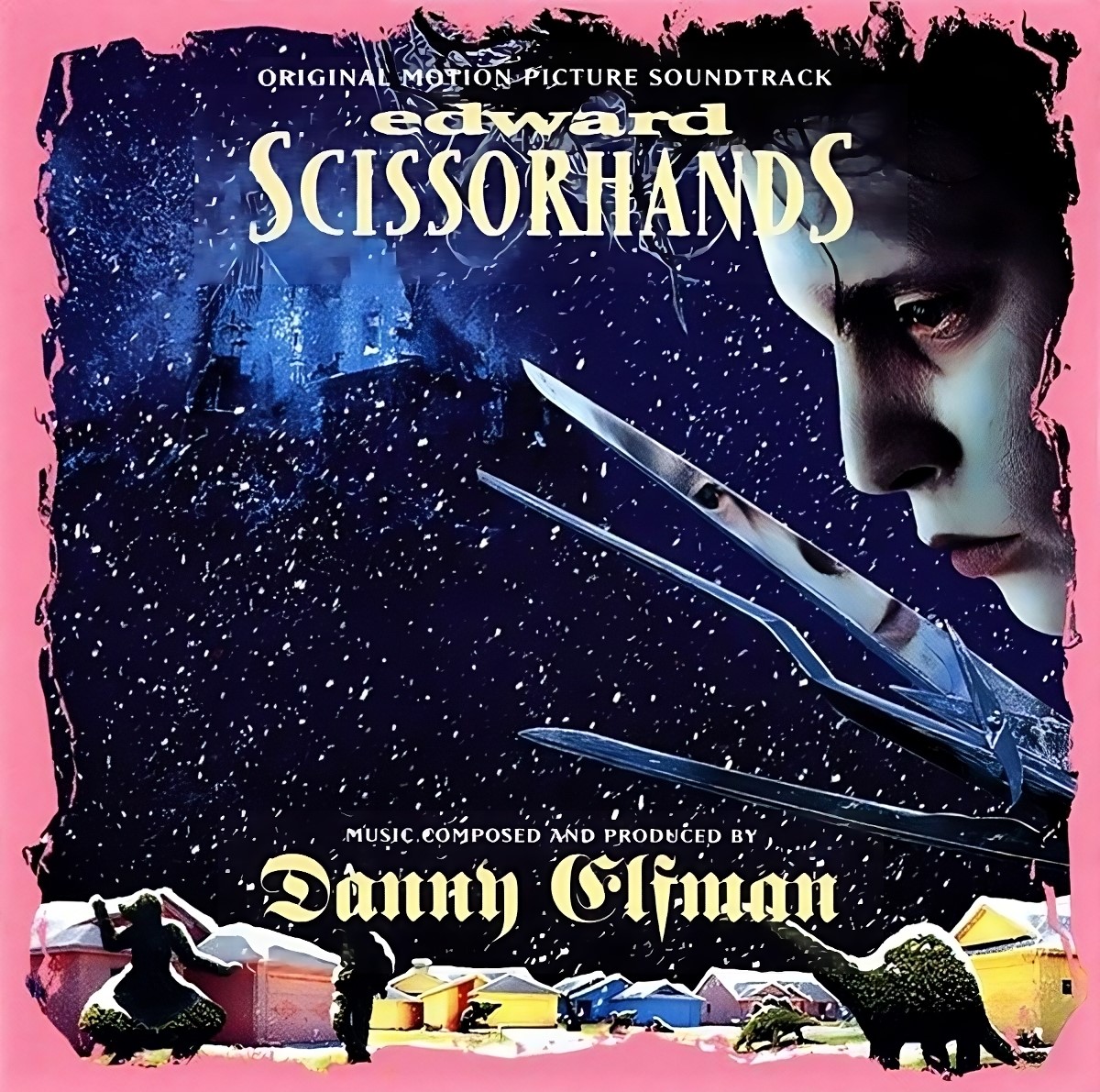
Edward Scissorhands (1990) – Composer, Danny Elfman

Favourite Tracks: StorytimeIce Dance

R-1798552-1466642639-8253_jpeg-transformed

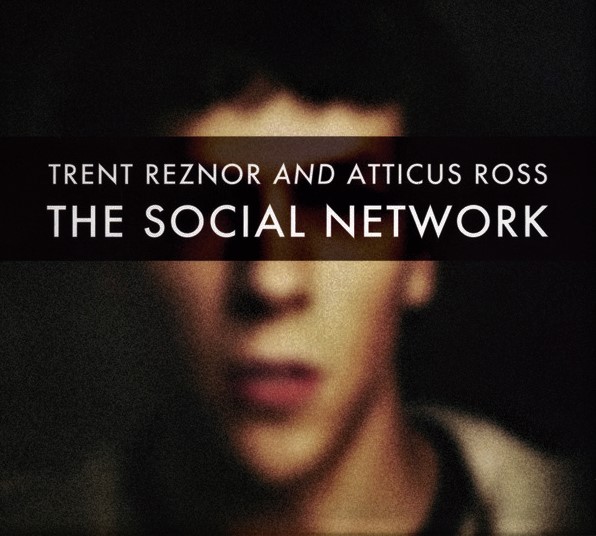
The Social Network (2010) – Composers, Trent Reznor and Atticus Ross

Favourite Tracks: In MotionPainted Sun in Abstract

R-2497693-1296648950.jpeg

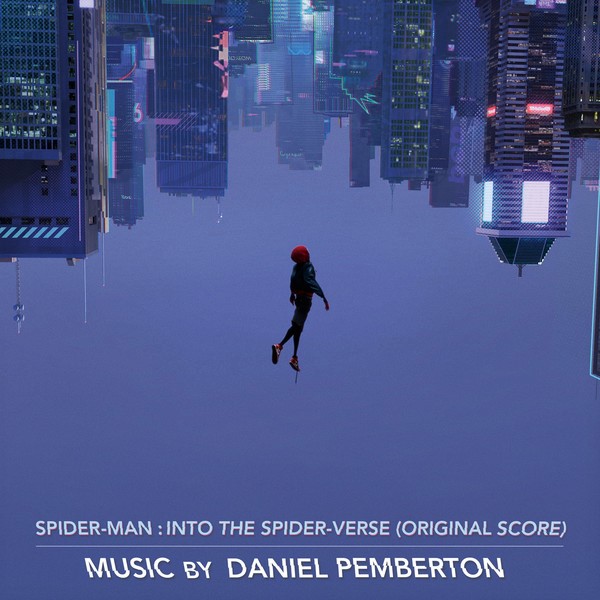
Spider-Man: Into the Spider-Verse (2018) – Composer, Daniel Pemberton

Favourite Tracks: Gimme the GooberSpider-Man Loves You

R-12947391-1545107713-8720.jpeg

Harry Potter and the Philosopher’s Stone (2001) – Composer, John Williams

Favourite Tracks: Hedwig’s Theme, Diagon Alley and the Gringotts Vault

R-4774683-1638806691-1281

The Grand Budapest Hotel (2014) – Composer, Alexandre Desplat

Favourite Tracks: Mr. Moustafa, Daylight Express to Lutz

81ll9yJG6GL._UF894,1000_QL80_

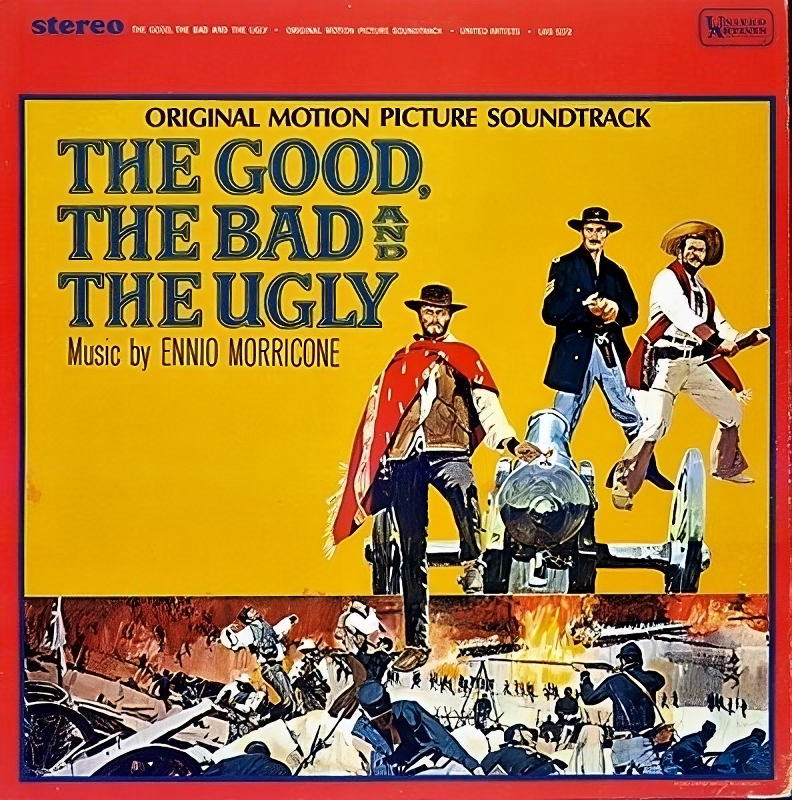
The Good, the Bad and the Ugly (1966) – Composer, Ennio Morricone

Favourite Tracks: The Good, the Bad and the UglyThe Ecstasy of Gold

morricone_goodf-transformed

Fantastic Mr. Fox (2009) – Composer, Alexandre Desplat

Favourite Tracks: Mr. Fox in the Fields, Jimmy Squirrel and Co.

ab67616d0000b273b5c2ad0a84a7be36195e1d70-transformed

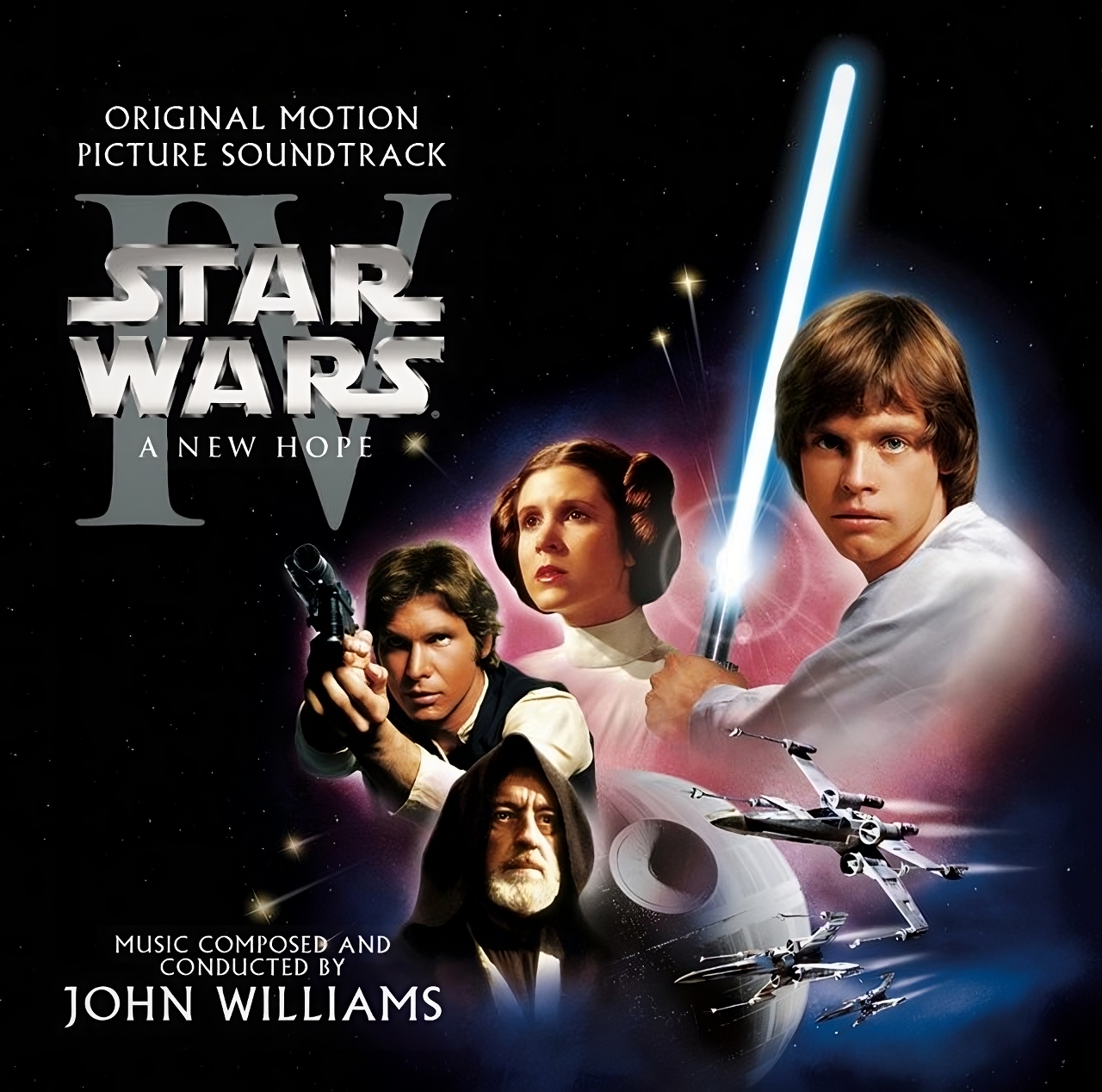
Star Wars: Episode IV – A New Hope (1977) – Composer, John Williams

Favourite Tracks: Main TitleThe Princess Appears

ab67616d0000b27344d5ef063da6fc06df7b1bc1-transformed

Spider-Man: Across the Spider-Verse (2023) – Composer, Daniel Pemberton

Favourite Tracks: Spider-Woman (Gwen Stacy), Canon Event

1200x1200bf-60-transformed

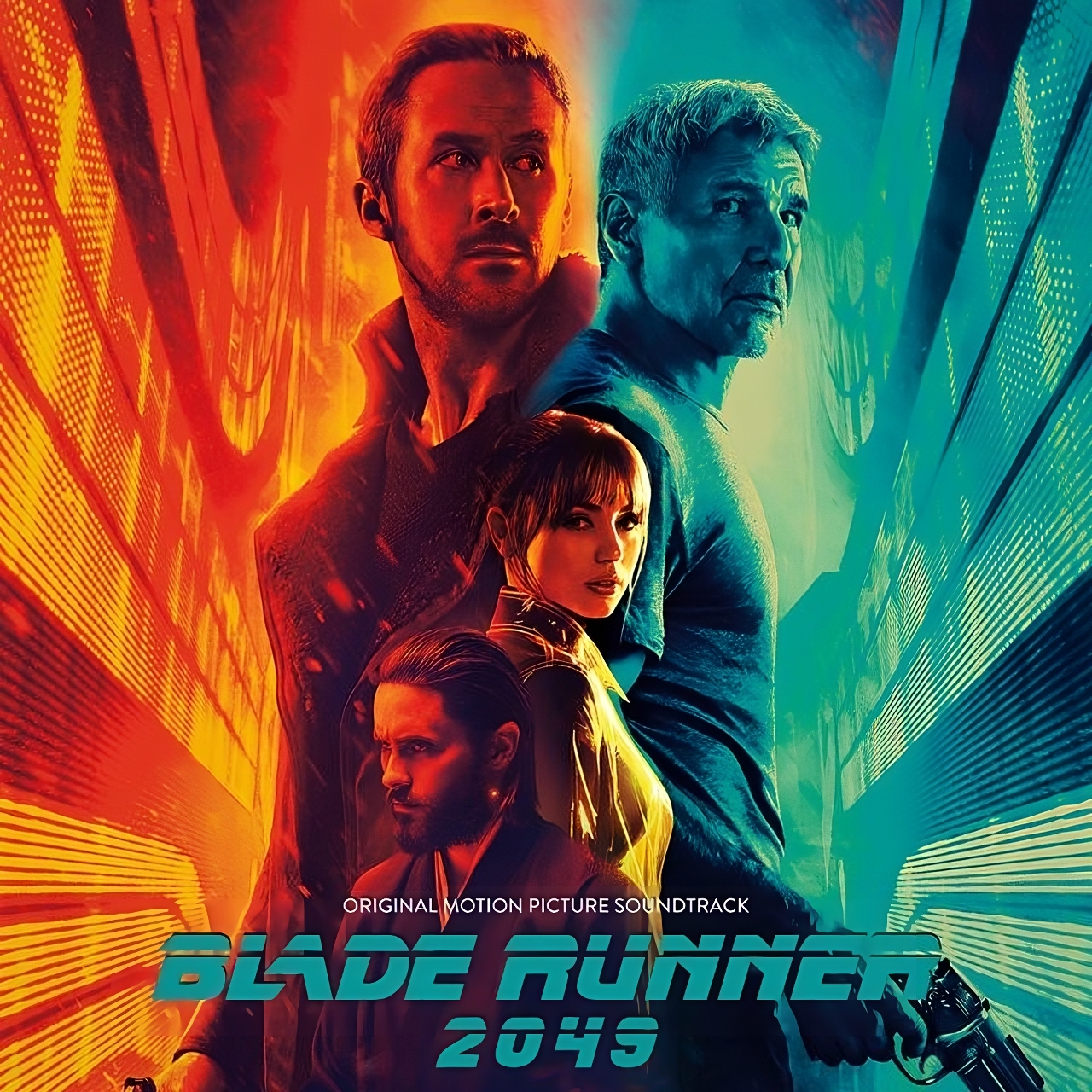
Blade Runner 2049 (2017) – Composers, Hans Zimmer and Benjamin Wallfisch

Favourite Tracks: Tears in the RainBlade Runner

640x640-transformed

Eternal Sunshine of the Spotless Mind (2004) – Composer, Jon Brion

Favourite Tracks: Theme From Eternal Sunshine of the Spotless Mind, Bookstore

R-9491697-1482136218-5039-transformed

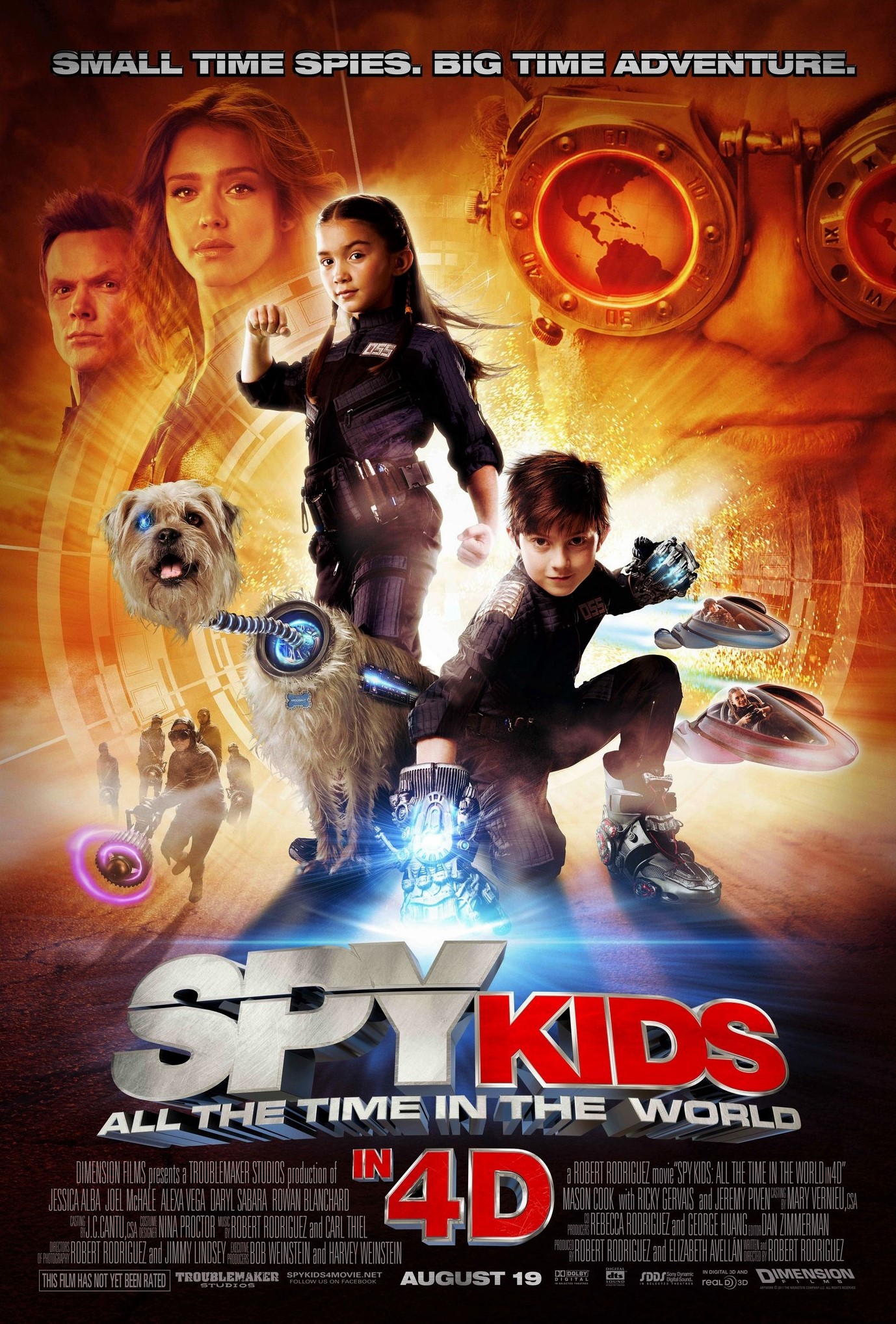
Spy Kids: All the Time in the World (2011) – Film Review

“No One Ever Notices Time, Until It’s Gone…” – Tick Tock

One of the rare releases to incorporate scents into the cinema experience, 2011’s Spy Kids: All the Time in the World is the fourth instalment of the Spy Kids franchise, the well-known family-oriented espionage series created, written and directed by Robert Rodriguez (El MariachiPlanet TerrorAlita: Battle Angel). Once again produced by Double R Productions (then-Troublemaker Studios), Spy Kids: All the Time in the World serves as somewhat of a soft reboot, attempting to appeal to a new generation of aspiring juvenile spies. Unlike the original Spy Kids trilogy, however, Spy Kids: All the Time in the World falls short in nearly every regard as the less-prevalent issues of previous franchise instalments are intensified, plaguing the film with a misbegotten screenplay, awful visual effects and a barrage of scatological humour that suggests the Spy Kids series has truly run its course.

Plot Summary: On the surface, Marissa Wilson is your typical suburban mother, caring for her newborn daughter and step-children, Rebecca and Cecil Wilson, whilst supporting their father, Wilbur Wilson, in his career as a spy-hunting television star. But, in reality, Marissa is a retired spy whose life is turned upside-down when the maniacal Timekeeper threatens to take over the world, thrusting her back into action. Meanwhile, after discovering that their stepmother was once a top agent of the O.S.S., Rebecca and Cecil put their bickering aside to assist her in thwarting the Timekeeper’s sinister scheme…

The conception of Spy Kids: All the Time in the World, unfortunately, did not arise from a place of creativity but, instead, was contractual. As, in truth, Rodriguez didn’t want to make another entry in the Spy Kids franchise, partially because he still blamed producer Harvey Weinstein for the failure of his collaboratively-directed 2007 project; Grindhouse. Nevertheless, Rodriguez contractually owed Weinstein one more film. Unsurprisingly, this lack of ambition for the project can be felt throughout the runtime, as the film largely boils down to an endless string of inferior visuals and potty jokes that sap the charm out of almost every scene. However, that is not to say that the film doesn’t carry any positives, as the film does feature a handful of minor, amusing gags and a few fragments of endearing fan service for those who grew up with the Spy Kids series, including appearances from Carmen and Juni Cortez.

In terms of the cast, Rowan Blanchard, Mason Cook, Jessica Alba, Joel McHale, Jeremy Piven and Ricky Gervais all deliver rather overblown performances, playing up many of their actions/movements to ‘add’ to the humour or aggressively pry for an emotional moment. Regrettably, the characters themselves don’t fare much better, as Marissa and Wilbur Wilson barely make it past their basic traits, while the latest generation of youthful agents, Rebecca and Cecil Wilson, are effectively just duplicates of Carmen and Juni with little individuality. Lastly, there is the mysterious miscreant, the Timekeeper, who, despite his shoddily-designed costume, receives more development than many would expect during the final act. Yet, this growth is somewhat spoilt by his associate, Tick Tock, who is immensely grating as he speaks in a high-pitched voice, uttering time puns to an outrageous extent, like “Time Flies When You’re Having Fun.”

Visually, Spy Kids: All the Time in the World occasionally demonstrates its knack for vibrant, imaginative production design with the facilities and weaponry of the Timekeeper, which seem inspired by the illustrious steampunk aesthetic and the innards of antique clocks. The remainder of the visuals, however, such as the cinematography by Jimmy Lindsey and Robert Rodriguez, are low-grade, with a substantial amount of the CG effects being of matching quality.

Similar to previous instalments in the franchise, the original score by Carl Thiel and Robert Rodriguez is playful and electric guitar-led, integrating the classic Spy Kids theme where it can through tracks like Carmen Cortez and Spy Kids 2.0. As such, the film’s soundscape remains colourful, even if it sometimes becomes too skewed and cartoonish for its own good.

Peculiarly, one of the aspects that Spy Kids: All the Time in the World marketed itself upon was being in “Aroma-Scope,” a gimmick that allowed the film to contain a “4D” in some iterations of its title. In 2011, when audiences watched the film in cinemas, they were provided scratch-and-sniff cards and prompted to scratch them throughout their screening. These cards featured circles numbered one to eight, and at various points, a number would appear in the corner of the screen, indicating it was time to scratch off the corresponding circle. When scratched, the intention was that the card would release a smell related to what was on-screen, like vomit or confectionaries, etc. Yet, whilst this was a fascinating idea, these cards rarely worked as they were made from a similar material to lottery tickets, ensuring little grit and thus no smell.

In summary, while Spy Kids: All the Time in the World falters as a family flick, the film falters even more as a Spy Kids soft reboot/stand-alone sequel. Retaining hardly any of the allure or creativity of earlier entries in the franchise, Spy Kids: All the Time in the World may, at the very least, entertain toddlers through its numerous scenes of vomiting, farting and nose-picking. But, any other audience member will likely sit in frustration, wishing for a well-crafted animated flick instead. Rating: low 3/10.

spy_kids_4_all_the_time_in_the_world-p547361

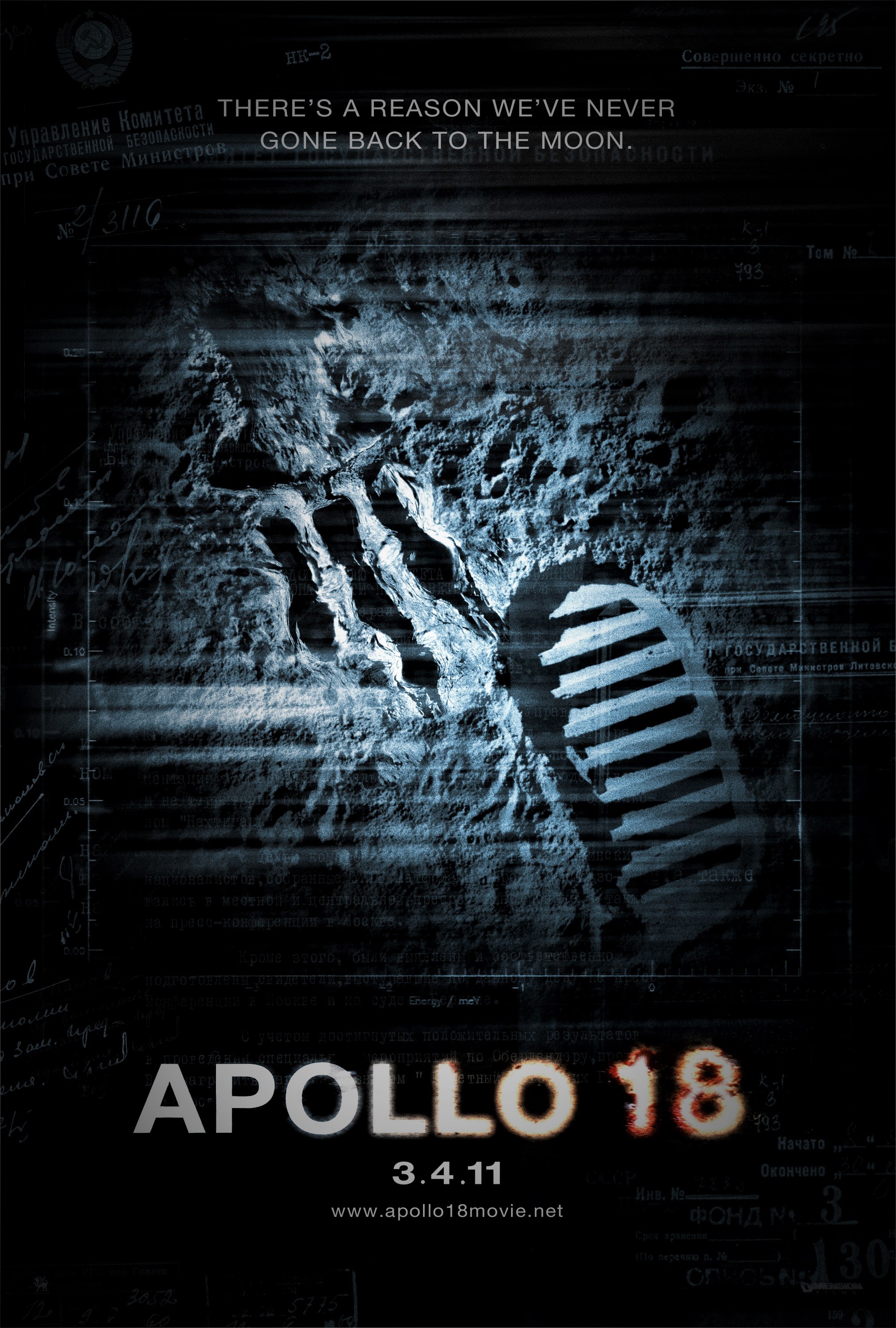
Apollo 18 (2011) – Film Review

“You Knew Something Was Down There… and You Sent Them Anyway.” – John Grey

Directed by Gonzalo López-Gallego (King of the HillThe Open GraveThe Hollow Point), Apollo 18 is an intriguing (if infrequently enthralling) found-footage fusion of period-accurate space-flight procedures, U.S. government conspiracy theories and 1970s creature features. Presenting itself as authentic NASA footage through granular shots from astronauts’ suit cams and Lunar Module cameras alike, Apollo 18 is an interesting filmmaking experiment, to be sure. But, as far as its storytelling is concerned, the film is unlikely to leave an impact on general audiences, though it may appeal to a few sci-fi-horror fanatics.

Plot Summary: When decades-old footage from NASA’s abandoned Apollo 18 mission is uncovered, documenting astronauts, Benjamin Anderson, Nathan Walker and John Grey, as they embark on a classified mission to collect geological samples. The ageing footage reveals a disturbing explanation as to why the U.S. has never attempted another mission to the moon…

A mere six months after the triumph of Apollo 11, NASA renounced its plans for Apollo 20 in January, 1970. Soon after, Apollo 18 and 19 were cancelled in the wake of NASA’s planned budgetary cuts for 1971. By this point, public interest in space exploration had declined since Neil Armstrong and Buzz Aldrin’s trip to the moon, with minimal attention paid to Apollo 12. As a result, many newspaper editorials and public figures began calling for the upcoming missions to be cancelled and for the money to be spent on eliminating poverty across America instead. Consequently, many conspiracy theories regarding why NASA never attempted another trip to the moon arose, which is where the filmmakers found their inspiration for the story. And whilst much of this inspiration is rather apparent, it’s even more apparent that the screenwriters lifted a lot from the original Alien (1979), with a later plot twist feeling as if it was ripped straight from the sci-fi-horror classic. To its credit, though, Apollo 18 has no shortage of technically-accurate dialogue throughout its screenplay.

In regard to the cast, Warren Christie, Lloyd Owen and Ryan Robbins are all understated in their performances. Even when their situation escalates, and it becomes increasingly obvious that there is little chance any of them will make it off the moon, the cast reign in their performances so as to not fall into the trap of screaming and wailing for the entire runtime, a common issue many entries into the found-footage subgenre suffer from. Having said that, Apollo 18 does suffer from another well-known shortcoming of found-footage flicks; one-note characters. As, despite the film only containing three characters (excluding the transmissions), the screenplay never takes the time to develop any of them beyond some brief interviews during the first act, introducing each of the astronauts by name.

In addition to utilising a large amount of NASA stock footage to depict the period-accurate space-flight technology and procedures, Apollo 18 was shot using camera lenses from the ’70s, enhancing the visual authenticity of its grainy aesthetic. Furthermore, through a combination of visual effects and sets, Apollo 18 manages to create a convincing imitation of the moon’s barren surface, harkening back to the hours of mission coverage that kept television spectators entertained during the heyday of the Apollo program. Due to this, José David Montero’s cinematography is able to perfectly capture the essence of the cratered lunar landscape, along with the cramped, claustrophobic interiors of the Apollo Lunar Module, making for an ever-present discomfiting atmosphere.

While the original score by Harry Cohen consists of merely a single sombre track for the end credits, the sound design throughout Apollo 18 is quite effective with the continuous breathing from the astronauts’ helmets, as well as the constant static and technical malfunctions of the cameras sounding eerie yet not absurdly frightening as to take away from the sense of realism and isolation that the visuals induce.

A likely divisive aspect of Apollo 18 will be its preference for showing very little for most of its runtime, with a large majority of the story acting out like any routine NASA mission. When Apollo 18 finally reveals what the malevolent threat lurking on the surface of the moon is, however, the film takes a sharp turn into body horror as its malicious, spider-like creatures infiltrate the lunar module and later the astronauts’ suits. And whilst this approach to the horror elements could have worked should the film have stuck with it, Apollo 18 is more of a slow-paced thriller up to that point. So, these sequences of body horror end up seeming somewhat out of place. Additionally, while this complaint undoubtedly comes down to preference, I feel that the designs of the creatures aren’t all that frightening. So much so, I imagine the only audience members that will be terrified of the extraterrestrial entities will be those with severe arachnophobia or petraphobia, both exceedingly rare phobias.

In summary, Apollo 18 certainly had potential, but as a result of its lack of polish, the film is rarely able to provoke intrigue or an underlining sense of dread to the degree it wants to. Nevertheless, Apollo 18 is a unique film, a largely entertaining found-footage sci-fi-horror with an unnerving atmosphere, capitalising on the claustrophobia of 1970s space travel. And while the film isn’t for everyone, I enjoyed Apollo 18 on account of its period-accurate visuals and surprisingly true-to-life sets and technical details. Rating: 6/10.

apollo_18-p480664

Red Riding Hood (2011) – Film Review

“Full Moon. Lock up Tonight. Better the Wolf Takes the Pig Than You…” – The Reeve

A reinterpretation/modernisation of the centuries-old fairy tale; Little Red Riding Hood; a children’s story centering on a young girl as she encounters the Big Bad Wolf on a journey to visit her grandma. Red Riding Hood, released in 2011, retains the framework of the original story, but not much else, as this reinterpretation aims to be a dark fantasy with elements of romance and gothic horror thrown in. Yet, in almost all of these genres, the film falls flat as a result of its subpar screenplay and direction. That’s not to say that Red Riding Hood doesn’t have any positives, however, as this fantasy flick undoubtedly deserves praise for its outstanding production design and dreary fantasy aesthetic.

Plot Summary: For years, the residents of a remote mountain village have maintained an uneasy truce with a fearsome werewolf by offering the bloodthirsty beast a monthly animal sacrifice. But, when the wolf violates their trust by taking a human life, the village falls into hysteria, prompting the arrival of the famed werewolf hunter, Father Solomon, to assist in their hunt. Meanwhile, Valerie, a beautiful young woman torn between two viable fiancés, begins to suspect that the beast may be someone she knows…

Similar to most European fairy tales, the origins of Little Red Riding Hood lie within the folk tradition of oral storytelling. So, no singular author can be credited for the story’s creation. However, the two most prominent renditions of the fairy tale are proclaimed to have been written by Charles Perrault and the Brothers Grimm in the 17th century. Despite this history, Red Riding Hood seems to largely disregard the various iterations of the fairy tale, to instead take influence from the first instalment of the infamous Twilight series, as the two films share a number of similarities. For example, the opening title sequence where the camera majestically glides over vast snowy landscapes closely resembles the opening title sequence of Twilight. Furthermore, Taylor Lautner, who previously appeared in Twilight, was considered for the role of Peter early in pre-production. Still, these similarities shouldn’t be that surprising, considering that director Catherine Hardwicke (ThirteenLords of DogtownMiss You Already) helmed the first entry in the series in 2008.

In regard to the cast, Amanda Seyfried portrays the titular character of Valerie/Red Riding Hood sufficiently, but her performance is somewhat hindered on account of her placement between Shiloh Fernandez and Max Irons as her love interests, Peter and Henry, whose performances leave a lot to be desired coming across as drab and rather wooden for the majority of their screen-time. As per usual, the highlight of the cast is undoubtedly Gary Oldman as the morally-grey werewolf hunter, Father Solomon. Though Oldman doesn’t get to exhibit immense amounts of emotion (despite his character having a tragic backstory), the veteran actor does stay committed to his detestable character.

Aside from some outlandish CGI and a handful of moments where cast members/props that should seemingly be in focus are not, the cinematography by Mandy Walker is one of the finest components of Red Riding Hood. From the glowing red of Valerie’s hood contrasting against the white snow to the blood-red moon gradually emerging over the village rooftops, Red Riding Hood is a visually stunning fantasy at points. What’s more is that the set, costume and prop design are all exceptional, as every location feels rustic yet fantastical, whilst every costume/prop appears worn and functional. From a design standpoint, even the trees that appear throughout the runtime are visually unique as they harbour cadaverous spikey branches, giving the impression that merely wandering through any of the dense forests surrounding the village could result in a wound and subsequently a trail of blood.

Unsuitable yet well-crafted, the original score by Alex Heffes and Brian Reitzell begins rather promisingly with the track; Towers of the Void, which Reitzell co-wrote with musician, Anthony Gonzalez, of the electronic band; M83. As such, the ominous track contains waves of strings and industrial-sounding electronics, these instruments then persist onto the second track; Kids, where they are accompanied by ghostly vocals and moody synth. Essentially, while not a bad soundtrack, by any means, the score for Red Riding Hood is simply so unfit for a story set in this time period and genre, that it’s difficult to overlook when reviewing the score.

For a significant portion of the runtime, the story of Red Riding Hood unfolds like a mystery, with the human identity of the werewolf being kept a secret to keep the audience guessing. And whilst many suspects are immediately dismissed, the screenplay does a serviceable job of introducing red herrings without seeming overly conspicuous. When the truth is finally revealed, however, the answer as to who is behind the beastly slayings is rather disappointing, especially since the reveal is quickly followed up by an equally disappointing climax and epilogue.

In summary, as far as gloomy retellings of classic fairy tales go, Red Riding Hood is certainly one of them. While Amanda Seyfried and Gary Oldman are magnetic in their respective roles, the unremarkable leading men along with the painfully formulaic screenplay, continuously devalue the beautiful production design and often spectacular visuals. So, whilst it’s possible that the Twilight crowd will find a specific appeal in Red Riding Hood, outside of that devoted fanbase, I doubt many others will. Rating: low 5/10.

red_riding_hood-p509441

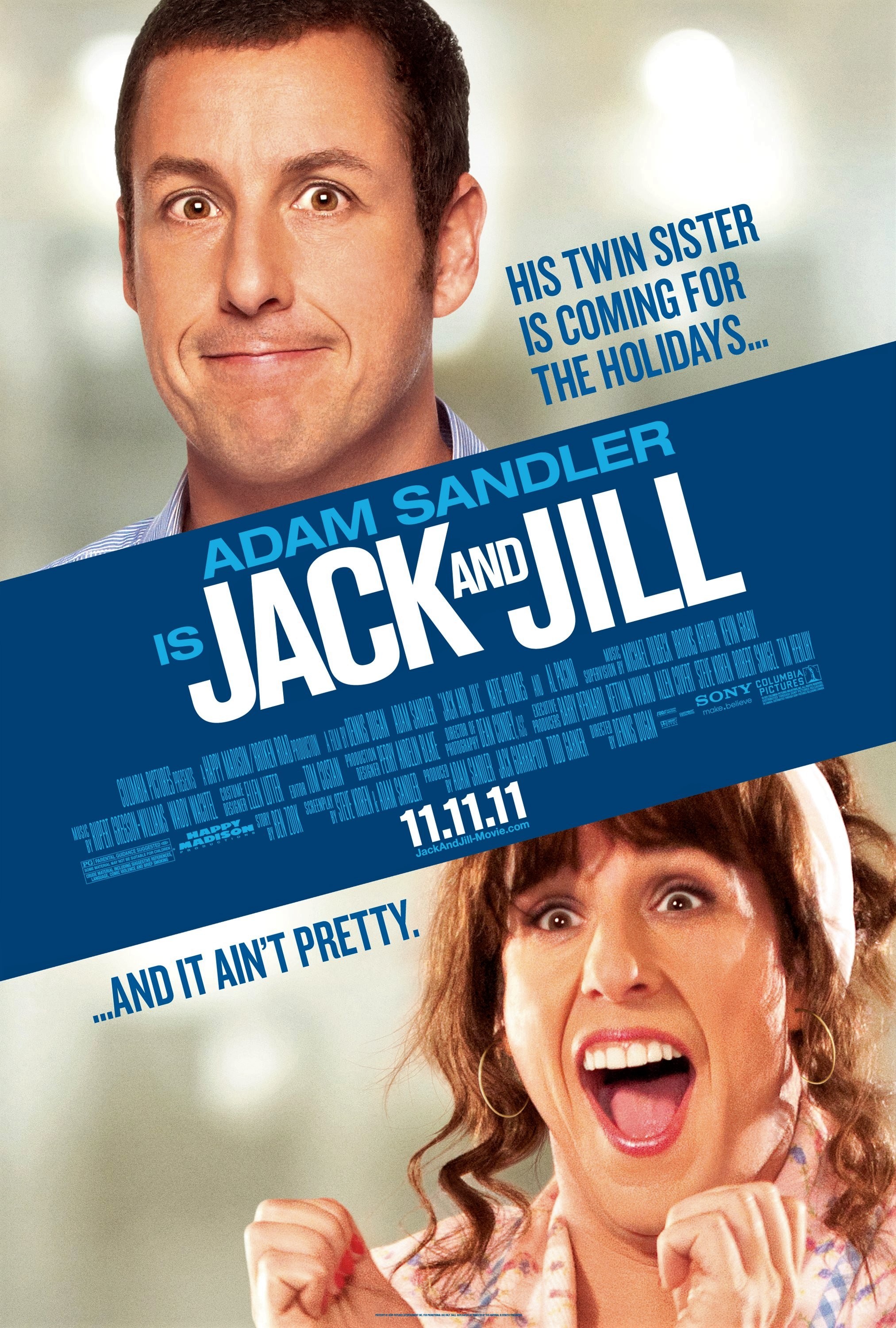
Jack and Jill (2011) – Film Review

“It’s Not You, It’s the Chimichangas!” – Jill Sadelstein

After releasing a handful of lethargic comedies near the end of the 2000s, Adam Sandler and his production company, Happy Madison Productions, reached their lowest point in 2011, as Sandler was offered over £14 million to co-write and star in Jack and Jill. A rarely amusing, oddly boring, and so gratingly sophomoric comedy that much of it plays with the same level of enjoyment as a high-pitched vocalist screeching into your ear. Packed with cringe-worthy jokes and overt product placement, in many ways, Jack and Jill feels like the result of Adam Sandler using an entire film to express just how cynical and contemptuous he has now become towards his famed comedy persona.

Plot Summary: Living his perfect life in Los Angeles with a beautiful wife and children, successful advertising executive, Jack Sadelstein, dreads only one thing each and every year; the Thanksgiving visit of his passive-aggressive twin sister, Jill. But, as Jack eagerly awaits for his sister to depart, renowned actor, Al Pacino, whom Jack desperately needs to star in a project, takes a shine to Jill, forcing Jack to reluctantly extend his sister’s visit…

Co-written by Steve Koren and Adam Sandler and directed by Dennis Dugan (Happy GilmoreBig DaddyI Now Pronounce You Chuck & Larry). The screenplay for Jack and Jill is often so leaden and formulaic that nearly any audience member will be able to predict where the story goes next as the film follows the typical plot of a dysfunctional family coming together with a sprinkling of pop culture references and numerous offensive gags parodying Indians, Mexicans and Jews, for good measure. Going off the film’s title, it’s also understandable that many would assume Jack and Jill has some sort of relation to the 18th-century nursery rhyme of the same name, which follows brother and sister, Jack and Jill, as they embark on a journey up a hill to collect a pale of water. Yet, in actuality, the film has no relation to the nursery rhyme beyond its protagonists’ names, which begs the question; why does the film even share this title aside from the simple use of alliteration?

In regard to the cast, Adam Sandler portrays Jack Sadelstein similar to how he portrays many of his characters, being a hassled family man whose needy, obnoxious twin sister, Jill, has come to stay for Thanksgiving and subsequently ruin his peaceful existence, once again portrayed by Sandler in profoundly unhilarious drag. What makes this worse, however, is that Sandler is at his most irritating when portraying Jill, raising his voice to be as annoying as possible and further fitting with her incredibly unlikeable characterisation, being idiotic and self-absorbed to an unbelievable degree. As such, Jill is an entirely overbearing character completely oblivious to social cues and seemingly has unresolved incestuous feelings for her brother, which is frequently played for laughs yet is an exceptionally strange choice on behalf of the screenwriters. Then there is Katie Holmes as Jack’s wholesome, good-natured wife, whose performance is dull and generic much like her character. And, lastly, there is, of course, Al Pacino, who gives a shockingly committed performance, continually mocking himself and his lengthy, esteemed career for the sake of a cheap gag.

Sadly, even legendary cinematographer Dean Cundey, who has worked on many iconic films from Back to the Future (1985), to Jurassic Park (1993) and Apollo 13 (1993), among many others, isn’t at his best here, as the camerawork throughout Jack and Jill is relentlessly uninteresting, being nothing but mid-shot after mid-shot. Moreover, poor editing choices and terrible CG effects (of which there are a startling amount) are immensely frequent, distracting from much of the ‘comedy’ on-screen.

Placing most of the auditory emphasis on well-known, upbeat songs, such as I Got You Babe, Vacation and I’m a Believer, it’s easy to predict that the original score for Jack and Jill by Rupert Gregson-Williams and Waddy Wachtel isn’t very memorable. In fact, the score is barely even noticeable in the majority of the scenes it’s featured.

If all of this wasn’t enough, Jack and Jill was actually the first film in Razzie history to win in every category in a single year, this included; Worst Picture, Worst Director, Worst Screenplay, Worst Actor, Worst Actress, Worst Supporting Actor, Worst Supporting Actress, Worst Screen Couple, Worst Screen Ensemble and even Worst Prequel, Remake, Rip-Off or Sequel, as many believe that Jack and Jill is a rip-off of the exploitation-drama; Glen or Glenda from 1953. This record was previously held by the psychological horror; I Know Who Killed Me, which won eight awards, including one for the Worst Picture of 2007.

In summary, Jack and Jill is a truly unbearable comedy. With the exception of a few humorous moments and the genuinely charming interviews with real-life twins that bookend the film, this modern comedy has so little to offer it’s frankly impossible to recommend on any level. Still, undoubtedly the most disappointing part of Jack and Jill is that only two years before its release, Adam Sandler headlined the delightful 2009 comedy-drama; Funny People, a film that actively poked fun at Sandler’s long list of appalling comedies. This led many to believe that Sandler was finished with these slothful releases once and for all, but evidently, this was far from the case. Rating: 2/10.

jack_and_jill_xxlg

Zookeeper (2011) – Film Review

Another lacklustre comedy from the ill-famed Happy Madison Productions, ‘Zookeeper,’ released in 2011, serves as nothing more than a Adam Sandler-perpetrated ego project for Kevin James, as director Frank Coraci (The Wedding Singer, Click, Here Comes the Boom) adds little flair to a sodden screenplay riddled with clichés, overly long scenes and gags inappropriate for the young viewers that would be intrigued by its juvenile storyline. Essentially leaving ‘Zookeeper’ a film that feels as if it was made for no one, despite the film supposedly being a family-comedy with wide appeal.

Plot Summary: When kind-hearted; ‘Griffin Keyes,’ the head zookeeper at the Franklin Park Zoo, considers leaving his profession for a more glamorous career to impress his ex-girlfriend, the animals within the zoo begin to panic at the thought of their favourite zookeeper departing. So, to keep him from leaving, the animals decide to break their code of silence, revealing to ‘Griffin’ their ability to speak before offering to teach him the rules of courtship…

Shockingly, the screenplay for ‘Zookeeper’ has five credited writers (Kevin James being one of them) and yet the story/dialogue is neither interesting nor memorable, stealing many of its ideas from other live-action animal flicks, such as ‘Dr. Dolittle’ and ‘Marmaduke.’ However, this wouldn’t be so much of an issue if ‘Zookeeper’ was amusing or heartwarming, but, unfortunately, the film falls flat in both of these areas, as instead of exploring the life of an animal born in captivity for comedic and sentimental purposes alike, the film lazily relies on montages to establish a tone and suggest a friendship between ‘Griffin’ and the various zoo animals, when he isn’t taking a pounding with pratfalls and bicycle spills, of course, a.k.a. Kevin James’ usual form of comedy.

Speaking of Kevin James, he is truly one of the most notable ‘love him or hate him’ actors in film, having been in a number of roles as the supposedly loveable all-American hero who relies just as much on his weight as he does his comedic timing to get a laugh out of his audience, it’s not difficult to see why many don’t enjoy his on-screen presence, myself included. But, in ‘Zookeeper,’ James is surprisingly bearable, portraying ‘Griffin’ as a likeable guy who feels more comfortable around animals than people after being dumped by his girlfriend when he proposed to her five years prior, Rosario Dawson as ‘Kate,’ however, is given very little to work with as ‘Griffin’s work colleague and obvious love interest. The numerous animals within the zoo are also voiced by a star-studded yet ultimately squandered cast, with Nick Nolte, Sylvester Stallone, Cher, Maya Rudolph, Judd Apatow, Jon Favreau, Faizon Love and even Adam Sandler as ‘Donald’ the monkey (whose over-the-top voice is the vocal equivalent of fingernails on a chalkboard), all being heard at one point or another.

Bland and uninspired all around, the cinematography by Michael Barrett rarely attempts anything beyond a simple close-up or mid-shot, with even the film’s wide shots being few and far between almost as if the production couldn’t afford to feature any sizeable sets, or something of that description. The only visual aspect of the film that is in anyway beguiling is its colour palette, as all of the evening scenes within the zoo are displayed through dark blacks and blues, a dramatic shift in terms of colour from the bright yellows and oranges that represent midday.

Although composer Rupert Gregson-Williams at least strives to make the score for ‘Zookeeper’ a little more unique through the use of tropical instruments, like bongo drums and maracas, the original score is almost unnoticeable throughout most of the runtime. Alternatively, the film relies on well-known songs for the sake of humour, throwing in musical hits, such as ‘I’ll Supply the Love,’ ‘Low,’ ‘Easy’ and ‘More Than a Feeling,’ in a desperate attempt to make the story feel more emotionally investing than it actually is.

Whilst the film’s CG effects have begun to show their age here and there, the majority of the film’s visual effects are serviceable, this is primarily due to the majority of the animals being real with just one or two CG enchantments including mouth movements or being digitally relocated, as opposed to be represented entirely through CGI. Needless to say, this approach still has its issues, as there are many, many shots of animals standing completely alone where were supposed to believe that ‘Griffin’ is standing just out of frame. But, when it came to the film’s gorilla; ‘Bernie,’ the filmmakers actually decided to take an old-school approach, placing an actor inside of ape suit, which sadly doesn’t look very convincing, especially when the camera moves closer towards his face, placing full emphasis on the suit’s unnatural movements.

In summary, ‘Zookeeper’ isn’t offensive or convoluted, it’s quite the contrary, its immature and simplistic, far too simplistic, in fact. While some children may enjoy the slapstick humour that Kevin James excels at, the film’s mass of adult-centric jokes and typical romantic-comedy structure are likely to turn children off. And, although ‘Zookeeper’ is far from the worst Happy Madison-penned film, it’s still significantly less enjoyable than many of the other talking animal escapades you could be watching instead. Final Rating: 3/10.

zookeeper-p543178

Rio (2011) – Film Review

From Blue Sky Studios, the production company behind many light-hearted family animations, like ‘Robots,’ ‘Epic,’ ‘Ferdinand,’ ‘Spies in Disguise’ and, most notably, the ‘Ice Age’ series. ‘Rio,’ released in 2011, is a vibrant animated adventure, which despite its occasionally childish humour and the relatively straightforward story is sure to keep adults and children alike joyfully content without reinventing the animation wheel, compensating for its lack of originality through its charming voice cast and exuberant chase sequences.

Plot Summary: After being captured by smugglers and taken from Brazil when he was just a hatchling, a blue macaw named, ‘Blu,’ never learned to fly and now lives a happily domesticated life in Minnesota with his owner; ‘Linda.’ But, when quirky ornithologist; ‘Tulio,’ arrives at their door and informs the pair that ‘Blu’ is the last male of his kind, the two decide to travel to Rio de Janeiro to meet ‘Jewel,’ the last female…

Taking inspiration from the true story of a Spix’s macaw named Elvis, whose owner agreed to let him join the captive breeding program to help preserve his species. ‘Rio’ may follow a very familiar formula for a family flick, yet what makes ‘Rio’ stand out is exactly that, Rio de Janeiro itself. As, director Carlos Saldanha (Ice Age, Robots, Ferdinand) is himself, a resident of Rio, and first came up with the concept in 1995, only at that point in time the story focused on a penguin washing up on the beaches of the Brazilian city. However, when Saldanha learned two other penguin-related animated features were in production, these being ‘Happy Feet’ and ‘Surf’s Up,’ he was forced to radically rewrite the film’s screenplay. Interestingly, this film is also cited as the reason why Pixar cancelled their animated project; ‘Newt,’ as it was said to have had a very similar plot.

Recording many of his lines while filming for ‘The Social Network’ was still underway, Jesse Eisenberg agreed to provide his voice for ‘Blu’ on weekends to compensate for lost time, admitting that it diverted him away from the mindset of his nearly joyless ‘Social Network’ character. And, while Eisenberg doesn’t give an unconventional performance here, Eisenberg is, in my opinion, the perfect casting choice for this kind of character, as ‘Blu’s awkward and nervous personality shines perfectly through Eisenberg’s whiny vocal performance, which is only amplified after he encounters the feisty female; ‘Jewel,’ portrayed by Anne Hathaway, as their shy romance gradually blossoms over the course of the runtime. Furthermore, the supporting cast of George Lopez, Jemaine Clement, Will.i.am, Jamie Foxx and Tracy Morgan, all do a wonderful job, with nearly every member of the cast also stretching their vocal cords for many of the film’s lively songs.

When it comes to the film’s visuals, director Carlos Saldanha uses the exquisitely rendered backdrop of his home city to great advantage, as the film’s animated cinematography is constantly swooping, soaring and spinning high above the sunny beaches and multicoloured parasols of Rio de Janeiro as ‘Blu’ and ‘Jewel’ scamper through the city on trolleys, cable cars and in one of the film’s most uplifting scenes, atop the wings of a paraglider. In spite of its characters always being on the move, ‘Rio’ also manages to avoid the usual problem animated films tend to run into, as the film’s plot moves along at just the right pace to keep younger audience members entertained.

With ‘Rio’ being Blue Sky Studios’ first attempt at a musical, one or two of the film’s songs are catchy, but inevitably are nowhere near as memorable as many songs from Disney’s vast catalogue of animated classics. Yet, I feel this may be due to Will.i.am’s potential influence, as many of the film’s songs, such as ‘Hot Wings’ and ‘Funky Monkey,’ sound like nothing more than modern, age-appropriate pop songs forced into the film’s soundtrack. Contrarily, the original score by John Powell slightly elevates itself above your standard family film score through tracks, like ‘Morning Routine,’ ‘Paradise Concern’ and ‘Birdnapped.’

Whilst the actual animation throughout ‘Rio’ is usually just as energetic and colourful as any other modern animation, it’s undoubtedly at its best when replicating Rio’s many iconic landmarks, with a large majority of them being almost picturesque. This accuracy is more than likely due to the crew’s research, as many of the film’s animators not only visited Rio de Janeiro in order to precisely replicate the city, but also consulted with a macaw expert at the Bronx Zoo for the design and movements of their avian characters.

In summary, although most audience members have always seen Blue Sky Studios as secondary to more well-known production companies, like Disney, Pixar, DreamWorks and even Sony Pictures Animation in recent years. I’ve always enjoyed Blue Sky’s animated endeavours even if many of their stories do feel fairly unoriginal from time to time, which may have even been one of the reasons that Blue Sky Studios sadly closed its doors in early 2021 following Disney’s purchase of 20th Century Fox. Nevertheless, as proved by ‘Rio,’ this issue of unoriginality can be overshadowed with the right methods, as the titular setting and dazzling colour palette ensure the film’s place as a love letter to Brazil if nothing else. Final Rating: low 7/10.

Rio-2011-poster-7-large