Outstanding Original Scores in Cinema – Film List

I’ve always considered original scores to be a very underappreciated element of filmmaking, as many audience members rarely seem to take notice of the beautiful and indelible soundtracks that saturate many scenes throughout cinematic history. These scores serve an important purpose in audibly immersing the audience in a narrative via dramatic, unnerving or sorrowful tracks that evoke deep emotion inside them (even if they aren’t aware of it), greatly enhancing the cinematic experience. Here are some of my personal favourites…

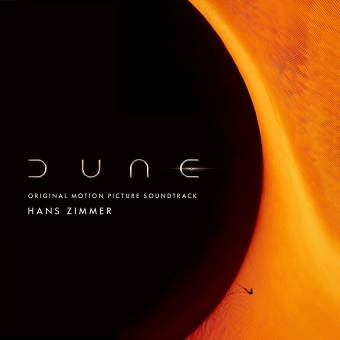
Dune (2021) – Composer, Hanz Zimmer

Favourite Tracks: Herald of the Change, Ripples in the Sand
dune-transformed

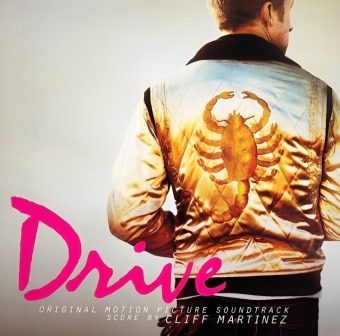
Drive (2011) Composer, Cliff Martinez

Favourite Tracks: I Drive, Bride of Deluxe 
7104jovZ2vL._UF894,1000_QL80_

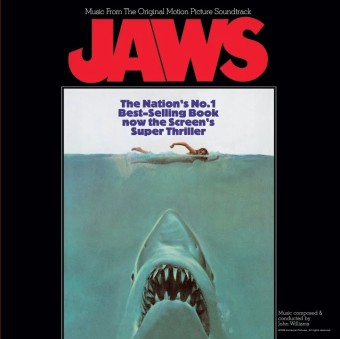
Jaws (1975) Composer, John Williams

Favourite Tracks: Main Title and First Victim, End Titles
maxresdefaulthg

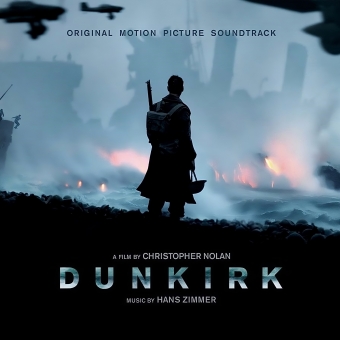
Dunkirk (2016) – Composer, Hanz Zimmer

Favourite Tracks: The Mole, Supermarine
71u3oI1ACRL__UF894_1000_QL80_-transformed

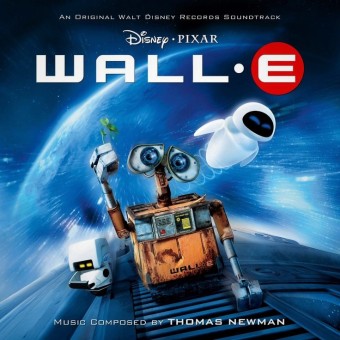
WALL-E (2008) – Composer, Thomas Newman

Favourite Tracks: 72 Degrees and Sunny, Define Dancing
41141af4927588fb34ed6ec6704c0a09--wall-e-animation-movies

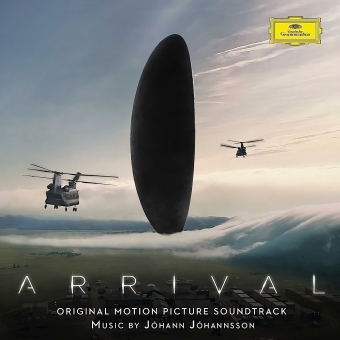
Arrival (2016) – Composer, Jóhann Jóhannsson

Favourite Tracks: ArrivalKangaru

71JNEXMq4HL__UF894_1000_QL80_-transformed

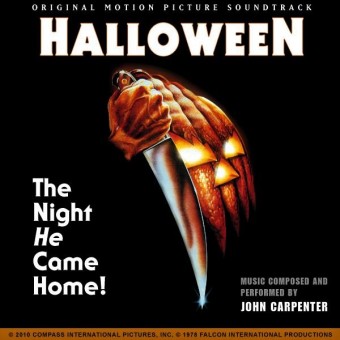
Halloween (1978) – Composer, John Carpenter

Favourite Tracks: Halloween Theme – Main TitleMyer’s House

19192_568986

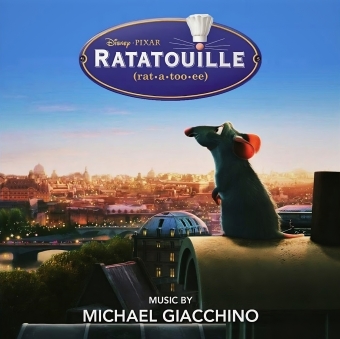
Ratatouille (2007) – Composer, Michael Giacchino

Favourite Tracks: Ratatouille Main ThemeEnd Creditouilles

maxresdefault8-transformed

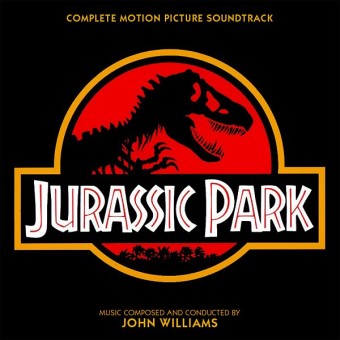
Jurassic Park (1993) – Composer, John Williams

Favourite Tracks: Welcome to Jurassic Park, Journey to the Island
Big-jurassic-park-ost

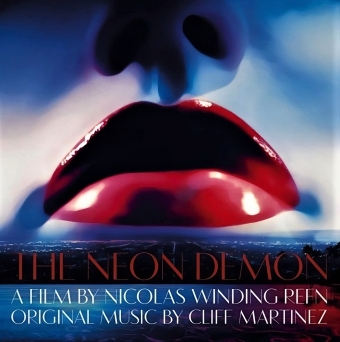
The Neon Demon (2016) – Composer, Cliff Martinez

Favourite Tracks: The Neon Demon, Something’s in My Room
R-8685828-1466596094-8895_jpeg-transformed

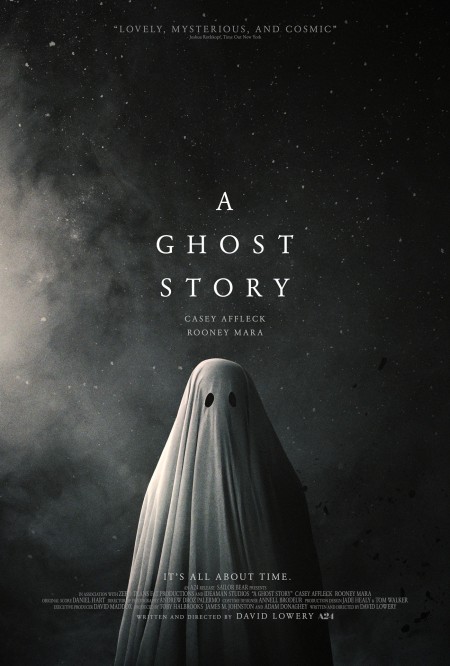
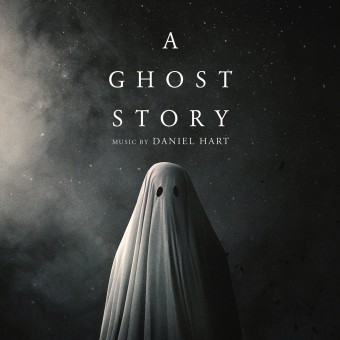
A Ghost Story (2017) – Composer, Daniel Hart

Favourite Tracks: The Secret in the Wall, Safe Safe Safe
cover

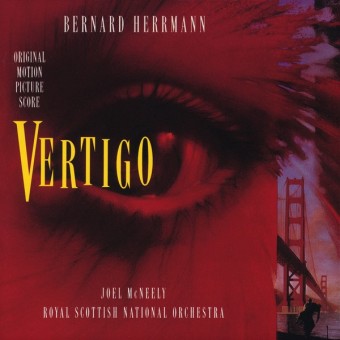
Vertigo (1958) – Composer, Bernard Herrmann

Favourite Tracks: Prelude and Rooftop, Carlotta’s Portrait
R-4321078-1520330009-2401.jpeg

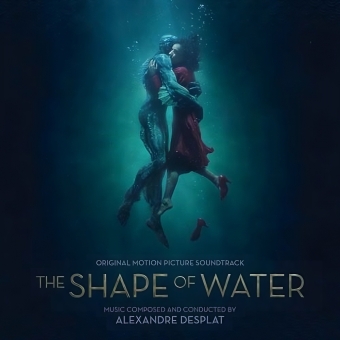
The Shape of Water (2017) – Composer, Alexandre Desplat

Favourite Tracks: The Shape of Water, Elisa’s Theme
The-Shape-of-Water-transformed

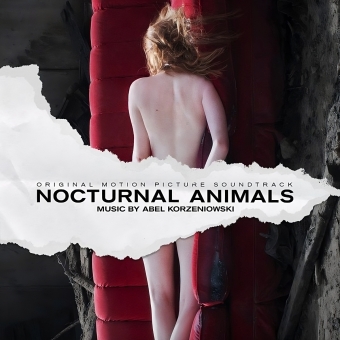
Nocturnal Animals (2016) – Composer, Abel Korzeniowski

Favourite Tracks: Revenge, City Lights
R-9415308-1480173348-9936_jpeg-transformed

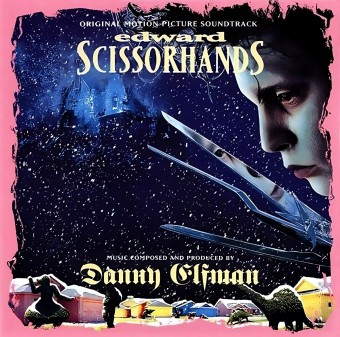
Edward Scissorhands (1990) – Composer, Danny Elfman

Favourite Tracks: StorytimeIce Dance

R-1798552-1466642639-8253_jpeg-transformed

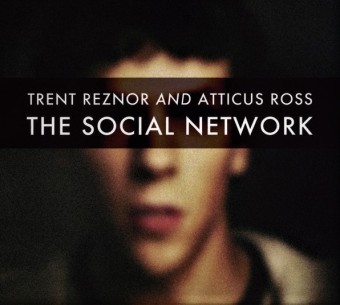
The Social Network (2010) – Composers, Trent Reznor and Atticus Ross

Favourite Tracks: In MotionPainted Sun in Abstract

R-2497693-1296648950.jpeg

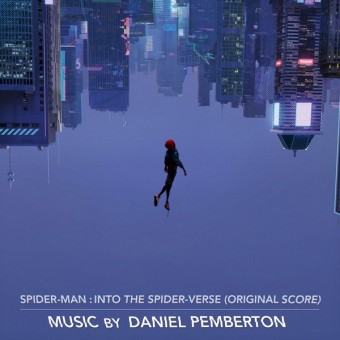
Spider-Man: Into the Spider-Verse (2018) – Composer, Daniel Pemberton

Favourite Tracks: Gimme the GooberSpider-Man Loves You

R-12947391-1545107713-8720.jpeg

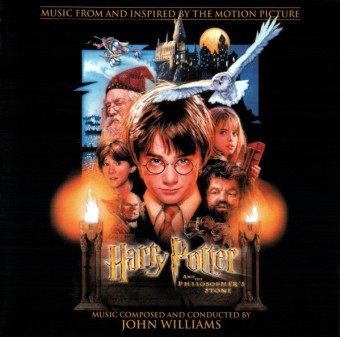
Harry Potter and the Philosopher’s Stone (2001) – Composer, John Williams

Favourite Tracks: Hedwig’s Theme, Diagon Alley and the Gringotts Vault
R-4774683-1638806691-1281

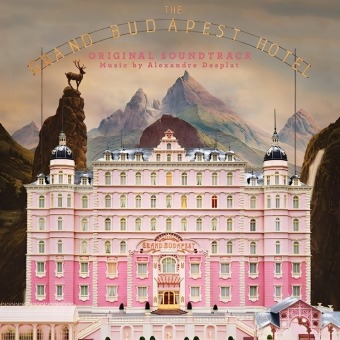
The Grand Budapest Hotel (2014) – Composer, Alexandre Desplat

Favourite Tracks: Mr. Moustafa, Daylight Express to Lutz
81ll9yJG6GL._UF894,1000_QL80_

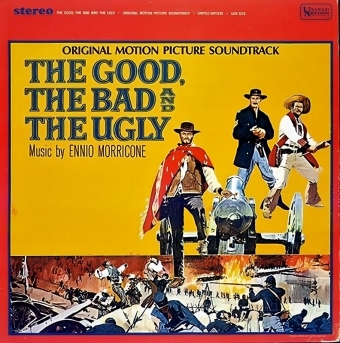
The Good, the Bad and the Ugly (1966) – Composer, Ennio Morricone

Favourite Tracks: The Good, the Bad and the UglyThe Ecstasy of Gold

morricone_goodf-transformed

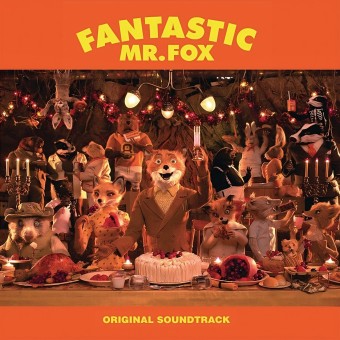
Fantastic Mr. Fox (2009) – Composer, Alexandre Desplat

Favourite Tracks: Mr. Fox in the Fields, Jimmy Squirrel and Co.
ab67616d0000b273b5c2ad0a84a7be36195e1d70-transformed

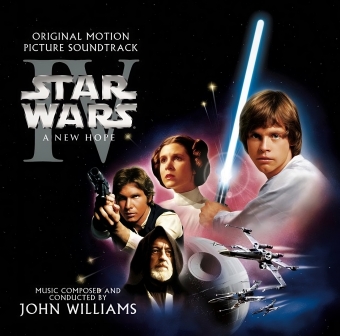
Star Wars: Episode IV – A New Hope (1977) – Composer, John Williams

Favourite Tracks: Main TitleThe Princess Appears

ab67616d0000b27344d5ef063da6fc06df7b1bc1-transformed

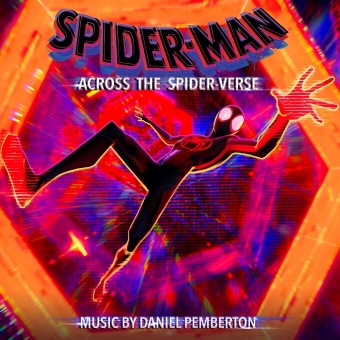
Spider-Man: Across the Spider-Verse (2023) – Composer, Daniel Pemberton

Favourite Tracks: Spider-Woman (Gwen Stacy), Canon Event
1200x1200bf-60-transformed

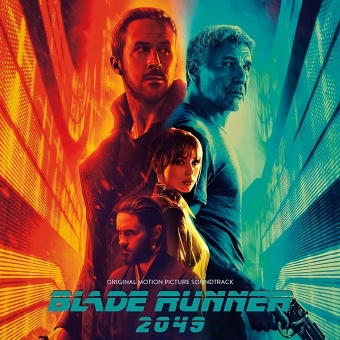
Blade Runner 2049 (2017) – Composers, Hans Zimmer and Benjamin Wallfisch

Favourite Tracks: Tears in the RainBlade Runner

640x640-transformed

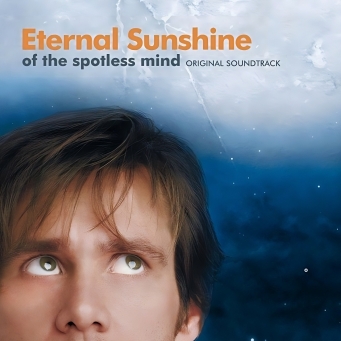
Eternal Sunshine of the Spotless Mind (2004) – Composer, Jon Brion

Favourite Tracks: Theme From Eternal Sunshine of the Spotless Mind, Bookstore
R-9491697-1482136218-5039-transformed

Jumanji: Welcome to the Jungle (2017) – Film Review

“A Game for Those Who Seek to Find… a Way to Leave Their World Behind…” – Spencer

Seeking to modernise the premise of the 1995 fantasy-adventure classic; Jumanji, a striking premise first presented in the children’s picture book of the same name, written and illustrated by Chris Van Allsburg. 2017’s Jumanji: Welcome to the Jungle switches the concept of an enchanted, four-piece board game for a ’90s-style video game cartridge, rooting itself in well-known video game tropes. And while not quite as enjoyable as the original flick, in my opinion, Jumanji: Welcome to the Jungle is still an entertaining yet undemanding soft reboot that manages to stand on its own two feet as a jungle-set adventure, utilising its charming cast and humorous moments effectively under the capable direction of Jake Kasdan (Zero EffectOrange CountrySex Tape).

Plot Summary: After Jumanji, the bewitched jungle-themed board game, receives a mysterious modification, converting the wooden parlour game into a 1990s video game cartridge, the game is stumbled upon by high school students; Spencer, Martha, Fridge and Bethany, who are promptly pulled into its perilous world. Now, in order to return home, the group must inhabit their chosen avatars, survive the cadaverous creatures and complete the game…

Despite the original Jumanji receiving fairly mixed-to-positive reviews both when it was initially released and in the years since, recounting the simple yet captivating story of Alan Parrish, a troubled boy who comes across a cursed board game that releases lions, elephants, giant spiders and carnivorous plants into the real world to pursue its unsuspecting players. Jumanji: Welcome to the Jungle remains in the same continuity, continuing on from Alan, Sarah, Judy and Peter’s adventure by having a separate group of characters unwillingly play the game. To keep the franchise feeling fresh, however, Jumanji: Welcome to the Jungle cleverly inverts the premise of the original, transporting the characters (and, by extension, the audience) into the treacherous world of Jumanji, where many references to the original flick can be seen, including a cluster of overgrown statues modelled after the iconic board game pieces and a handcrafted hut that Alan resided inside when he was trapped in Jumanji, serving as a sweet yet modest tribute to the late Robin Williams, who portrayed the older iteration of the character.

This time around, the protagonists consist of four high schoolers serving detention together before they are transported into Jumanji following their discovery of the video game’s cartridge in their school’s storage room. Spencer, a skinny, awkward gamer becomes Dr. Smolder Braveston, portrayed by Dwayne “The Rock” Johnson, the introverted, Martha, becomes Ruby Roundhouse, portrayed by Karen Gillan, the tall and muscular jock, Fridge, becomes Franklin “Moose” Finbar, portrayed by Kevin Hart, and the would-be popular girl, Bethany, becomes Professor Shelly Oberon, portrayed by Jack Black. As can be expected with an all-star cast such as this, everyone possesses terrific chemistry with each other and embodies their real-world counterparts sufficiently whilst playing into the obvious humour in each of the teens altering into entirely different individuals, particularly in the case of Bethany, who transforms from an Instagram-obsessed teenage girl to an overweight, middle-aged cartography professor. Unfortunately, the film’s power-hungry antagonist, Van Pelt, doesn’t fare as well, lacking depth, fearfulness and presence in spite of Bobby Cannavale’s serviceable performance.

Taking advantage of the naturally beautiful scenery of Honolulu, Hawaii, specifically within the Kualoa Ranch nature reserve, Jumanji: Welcome to the Jungle makes exceptional use of its true-to-life locations and vibrant sets to immerse the audience in the precarious world of Jumanji, exhibiting the immense jungles, massive waterfalls and vast pastures that are only hinted towards in the original flick, even if the actual cinematography by Gyula Pados is somewhat flavourless.

Through tracks such as Brantford High and A Test of FriendshipJumanji: Welcome to the Jungle‘s original score by Henry Jackman constructs a clear contrast between Jumanji and the real world, as the formerly-mentioned tracks are contemporary and uplifting in nature, while tracks like Digging Up the PastThe Legend of the Jewel and The Power of Bravestone, are much more exhilarating and adventure-esque, going so far as to bring back the “Jumanji Drums,” a staple of the original Jumanji soundtrack.

When it comes to action sequences, Jumanji: Welcome To The Jungle isn’t likely to impress anyone, leaning more on the amusing moments between its cast than its scenes of hand-to-hand combat or hippopotamus ambushes. Nevertheless, most of the action throughout the runtime is passable, with one fight sequence featuring Dr. Braveston even playing into the video game truism of fighting off multiple enemies at once as the playable character. Additionally, although almost all of the CGI in the film is convincing, it’s regrettable that Jumanji: Welcome to the Jungle harbours very few practical effects, given how heavily praised the physical elements of renowned adventure flicks like The Goonies (1985) and the first three instalments of the Indiana Jones franchise are today.

In summary, whilst it’s doubtful that Jumanji: Welcome to the Jungle will be recognised for years to come as a groundbreaking 2010s blockbuster, it is a comical flick with defects, functioning as a superficial yet enjoyable soft reboot/stand-alone sequel that innovatively expands on the ideas introduced in the original Jumanji. In a bizarre way, Jumanji: Welcome to the Jungle almost feels like a self-actualisation teen flick set against the unusual backdrop of an adventurous video game due to its infrequent high school setting and marginal character growth. Rating: 6/10.

JMNJ_INTL_FNL_1SHT_LK4_04.indd

Ten Film Facts You Should Know (Part One) – Film List

Cinema has always been full of surprises, particularly when it comes to the creation of certain projects, as fascinating stories often occur during the pre-production, production and post-production stages of iconic films (some intentional, others happy accidents), with many of these happenings eventually making it onto the silver screen or the furthest reaches of the internet, remaining a sheltered piece of film history. So, here are ten film facts you should know to expand your cinephile knowledge and triumph over your family and friends at your next trivia night.

A Ghost Story (2017)

During the production of the indie drama; A Ghost Story, for the prolonged shot in which her character eats a pie, several variations of pies were baked and tested in preparation for the scene. Actress Rooney Mara, a self-confessed picky eater, ultimately opted for a reduced-sugar, gluten-free vegan chocolate pie. Writer-director David Lowery claimed it was delicious, but Mara disagreed, declaring it tasted vile.

ghost_story_xxlg

Jurassic Park (1993)

Following the end of production on the iconic blockbuster; Jurassic Park, all the cast were given a Velociraptor model, signed by director Steven Spielberg, as a gift. The model looked rather frightening, so actress Ariana Richards positioned her model in her house to startle arriving guests. Actress Laura Dern, however, placed her model in her son’s room near his crib. But, when her son was older and witnessed it looking over him, he grew terrified of the model, forcing Dern to put the Velociraptor model into storage.

jurassic_park_ver2_xxlg

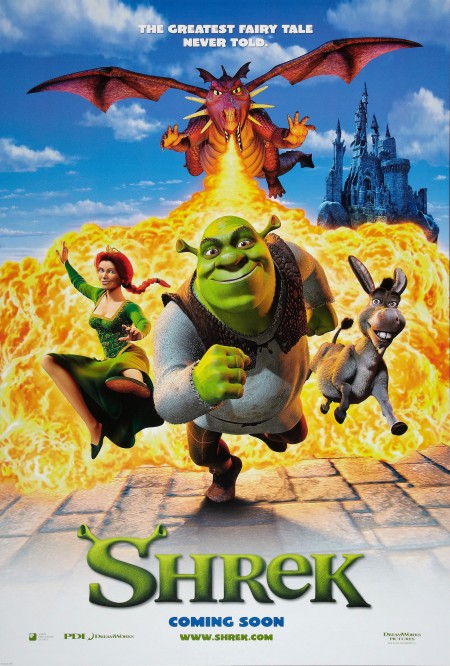
Shrek (2001)

Originally, comedian Chris Farley was cast as the voice of the titular character in the animated smash-hit; Shrek, recording almost all of the character’s dialogue. However, after his sudden death in 1997, the role was given to his then-fellow Saturday Night Live performer, Mike Myers. As such, Shrek’s air quotes in the film are a homage to one of Farley’s most well-known characters, Bennett Brauer, who commonly used air quotes. A story reel featuring a sample of Farley’s recorded dialogue was eventually leaked to the public in 2015.

shrek-p603939

Toy Story 2 (1999)

Whilst working on the sequel to the cherished animated flick; Toy Story, released in 1995, one of the animators accidentally entered the code; “rm *,” which, when entered, deletes everything on the computer as fast as possible. As a result, the team behind Toy Story 2 lost roughly 90% of the film. Fortunately, supervising technical director, Galyn Susman, had recently had a child, so she took a copy of the film home with her so she could work from home, allowing the team to cover the extra copy in blankets and drive it back to Pixar Animation Studios, where they were able to recover the majority of the film.

toy_story_2-p784308

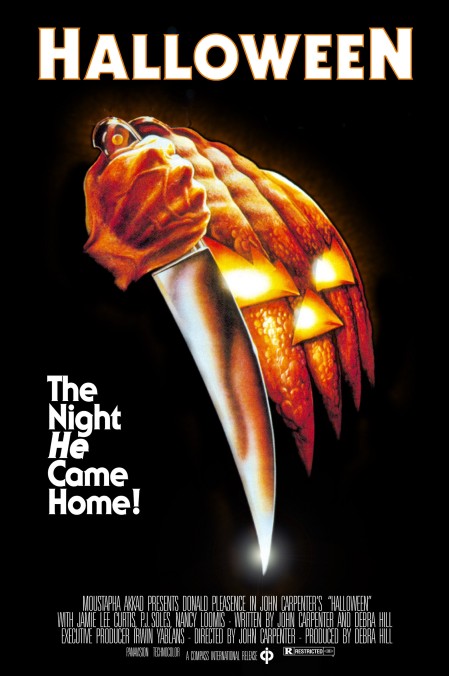
Halloween (1978)

In the original screenplay for the horror classic; Halloween, then-titled; The Babysitter Murders, the events of the story took place over several days. Due to the filmmakers only possessing a budget of around £260,000, however, it was ultimately a budgetary decision to change the screenplay to have everything occur on the same day, reducing the number of costume changes and locations required. Furthermore, it was decided that Halloween, the scariest night of the year, was the perfect night for Michael Myer’s teenage massacre, hence the title change.

halloween-p118793

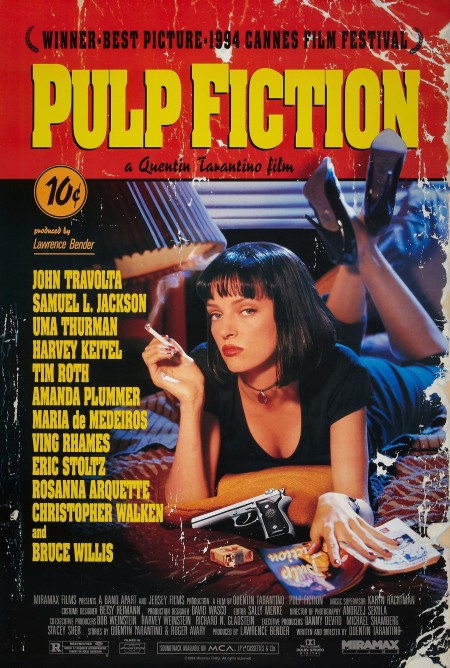
Pulp Fiction (1994)

Forming an interesting link between two quintessential crime-thrillers, Mr. Blonde, a.k.a. Vic Vega, portrayed by Michael Madsen in 1992’s Reservoir Dogs, is actually the brother of Vincent Vega, portrayed by John Travolta, from Pulp Fiction. At one point, the director of both films, Quentin Tarantino, even had a spin-off in development titled; Double V Vega, which would’ve served as a prequel to both films. However, the film was eventually scrapped because both actors were too old to portray younger versions of themselves.

pulp_fiction_ver2_xxlg

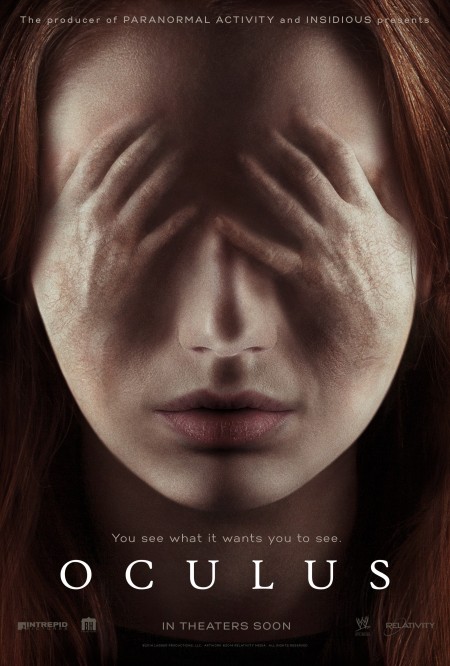
Oculus (2013)

Although the film wasn’t released until 2013, had co-writer and director Mike Flanagan agreed to develop his supernatural horror flick; Oculus, in a found-footage style similar to Paranormal Activity, released in 2007, the film would’ve been released much earlier as a number of production companies were interested in the project, even preparing to back the film as early as 2006. Flanagan, however, refused to do so.

oculus_xxlg

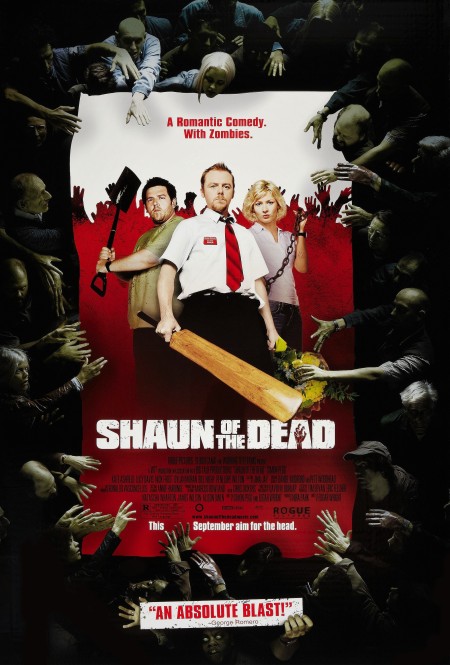
Shaun of the Dead (2004)

After the release of the treasured British horror-comedy; Shaun of the Dead, in 2004, duo Simon Pegg and Edgar Wright considered writing a sequel to the film that would’ve replaced zombies with another monster. But, they ultimately decided against it, as they thought too many characters perished in the original to continue the narrative. The proposed title for this sequel was; From Dusk Till Shaun. Humorously, a mocked-up poster can be seen for the film in Spider-Man: Into the Spider-Verse, released in 2018, a film that takes place in an alternate reality.

shaun_of_the_dead_ver2_xxlg

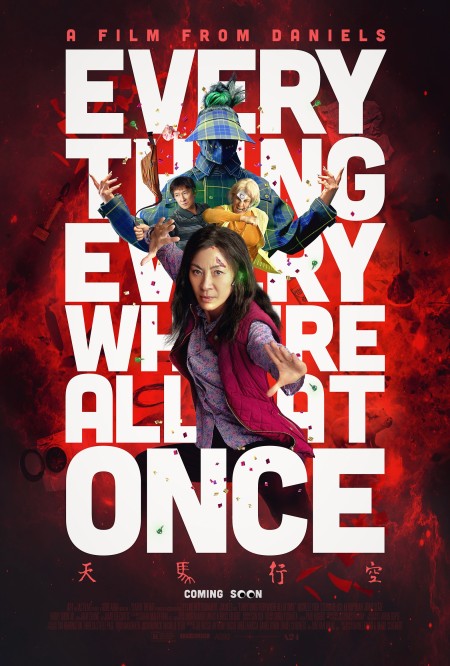
Everything Everywhere All at Once (2022)

All of the visual effects throughout the critically acclaimed, universe-hopping comedy-drama; Everything Everywhere All at Once, were completed by nine people (including the two directors), with most of the visual effects accomplished by a core group of only five individuals. Moreover, none of the visual effects team academically learnt visual effects, they were all friends who simply taught themselves how to create convincing effects with tutorials they found online for free.

everything_everywhere_all_at_once_ver3_xxlg

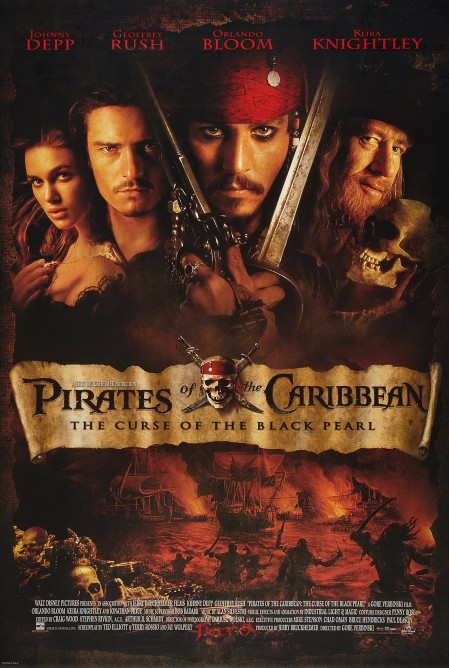
Pirates of the Caribbean: The Curse of the Black Pearl (2003)

In the swashbuckling blockbuster; Pirates of the Caribbean: The Curse of the Black Pearl, Johnny Depp’s beloved character, Captain Jack Sparrow, is shown to have gold teeth, these gold teeth were actually Depp’s idea. However, Depp predicted that the film’s executives would desire fewer gold teeth, so he instructed his dentist to implant more gold teeth in his mouth as a bargaining tool. Jack’s final number of gold teeth in the film was what Depp had envisioned all along for the money-hungry pirate.

pirates_of_the_caribbean_the_curse_of_the_black_pearl-p392846 (1)

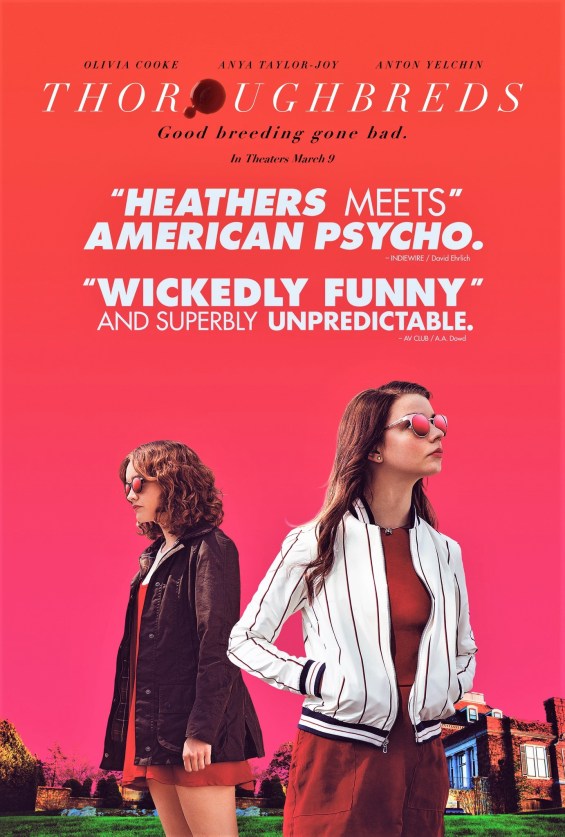
Thoroughbreds (2017) – Film Review

“The Only Thing Worse Than Being Incompetent, or Being Unkind, or Being Evil… Is Being Indecisive.” – Amanda

Originally written for the stage, 2017’s Thoroughbreds juggles many conflicting tones, but does so with such panache and charm that it’s rare to find deficiencies within its tonal shifts. With a straightforward yet deeply engrossing plot, elegant visuals and a pair of top-notch performances from Olivia Cooke and Anya Taylor-Joy, Thoroughbreds delivers a sharply written and refreshingly unpredictable entry into the black comedy genre. Placing far more emphasis on its characters and their internal issues than anything other black comedy in recent memory.

Plot Summary: In suburban Connecticut, a pair of childhood friends reconnect after many years when the sharply-witted sociopath, Amanda, arrives at the residence of the wealthy and academically inclined, Lily, for a private tutoring session. After rekindling their friendship, however, Lily soon learns of Amanda’s peculiar philosophy, prompting the pair to hatch a plan to solve both their problems, a plan that begins with the murder of Lily’s detestable stepfather…

Stuck in limbo for almost two years, the production of Thoroughbreds technically ceased in mid-2016, yet the film wasn’t released into cinemas until March 9th, 2018. This was due to several factors, but most notably, this was a result of the film’s lengthy and extensive festival circuit in 2017. During this festival run, Thoroughbreds received many positive reactions, which in a way, surprises me, as even though the plot of Thoroughbreds may sound like a setup for a compelling thriller, the plot twists and suspenseful moments are never the main attributes of the film. Instead, Thoroughbreds is far more focused on having its characters use their words to eke the darkness out of one another, which ultimately, leads to an outcome that, in its theatricality, may feel anticlimactic to some. But, for others, will feel like a unique take on what could’ve been a poorly executed sequence for a lower-budget crime-thriller.

The two central characters of Amanda and Lily, expertly portrayed by Olivia Cooke and Anya Taylor-Joy, are unquestionably the primary focus of Thoroughbreds, with much of the runtime being spent developing the pair and depicting many of the similarities and differences between their respective personalities. For instance, since their early days of horseback riding, Lily has turned into a polished, upper-class teenager with outstanding grades and a coveted internship on her resume. Meanwhile, Amanda has developed a strong sense of perception and a stern attitude, all in the process of becoming a social outcast and unregistered sociopath, which is flawlessly depicted through Cooke’s impassive performance. Sadly, Thoroughbreds was also the final project to feature a terrific performance from actor, Anton Yelchin, as the small-time drug dealer, Tim, before his tragic death on June 19th, 2016, at the age of twenty-seven. As such, the film is dedicated to him.

Despite writer-director Cory Finley (Bad Education) bearing a more extensive background in theatre than filmmaking, Finley displays a natural cinematic instinct right from the opening scene. Depicting the baroque, marble-lined mansion where Lily, her mother and her stepfather reside as more of a prison than a utopia, as the cinematography by Lyle Vincent stalks through the location in lengthy, restless takes. Lingering on specific elements, such as an SUV driving up the gravel driveway or two characters staring at each other from adjacent rooms. Furthermore, the visuals retain a surprisingly vibrant colour palette when considering the grim nature of the story, utilising luminous whites, greens and greys for the majority of the runtime.

For the original score, composer, Erik Friedlander, manipulated various instruments to achieve a number of atonal sounds, like boinks and sproings, which all serve as disconcerting counterpoints to the refined visuals. And while there are many excellent tracks throughout the seemingly unstructured score as a result of these unusual sounds, the final track; Win Win, is undoubtedly the best track of the original score, concluding the black comedy on a bittersweet note thanks in part to the optimistic piece.

Bleak yet direct in its underlying commentary on the turmoil of being a teenager in the modern world, Thoroughbreds takes the problems of the young and privileged and explores them through the narrative. With many teenagers (particularly teenage girls) often being told to act or react in specific ways, this story of two girls who are both removed yet acutely aware of their emotions is something to be appreciated in modern character studies. Still, as a consequence of this gradual exploration of the two central characters, I believe many audience members will be turned off by the film on account of its slow pacing and total lack of on-screen violence. However, that’s not to say that I agree with these conceivable criticisms, as even with Thoroughbreds‘ slow pacing, I actually feel that the runtime could’ve been slightly extended, providing more time for characterisation in the first act before the girls reunite.

In summary, Thoroughbreds is a quirky, darkly comedic and entertaining crime-thriller anchored by some exceptional performances and praiseworthy filmmaking. Although the film may not be for everyone given its harsh perspective on teenage life, shortage of blood/gore and frequently slow pacing, Thoroughbreds lavish presentation and snappy dialogue are immensely effective. To the point that the screenplay even manages to make the audience empathise with a character that is completely incapable of empathy, which is a rather impressive feat. Rating: 8/10.

thoroughbreds-p1037063

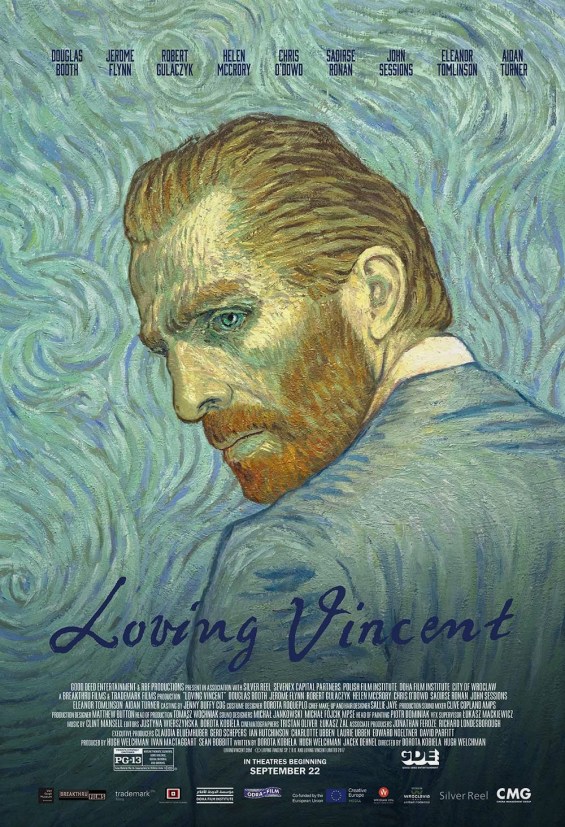
Loving Vincent (2017) – Film Review

“You Want to Know So Much About His Death, but What Do You Know of His Life?” – Marguerite Gachet

An arduous labour of love by a team of over one hundred professional artists, Loving Vincent, released in 2017, turns the renowned artwork and tragic life story of the celebrated post-impressionist artist, Vincent van Gogh, into an extraordinary biopic. Originally filmed in live-action before every frame was hand-painted over in the distinct style of van Gogh’s artwork, Loving Vincent impressively employs hundreds upon hundreds of oil paintings and transforms them into a hypnotic and ambitious animated biography, even if its story and characters are less effectively crafted than its dazzling visuals.

Plot Summary: In the summer of 1891, one year after the presumed suicide of unwonted artist, Vincent van Gogh. Postman, Joseph Roulin, tasks his reluctant son, Armand Roulin, with delivering one of the artist’s final letters to his brother, Theo van Gogh, in Paris. But, when Armand arrives in the French capital, learning that Theo has, too, met his demise, he pledges to investigate van Gogh’s untimely death by venturing to the scenic town of Auvers-sur-Oise…

Obtaining a large amount of attention after its nomination for an Academy Award for Best Animated Picture in 2018. Loving Vincent is one of the most unique films to emerge from the animation genre in recent years, as immediately from the hand-painted opening title sequence, preceded by van Gogh’s quote; “We Cannot Speak Other Than by Our Paintings.” The audience is pulled into van Gogh’s hyper-sensual worldview through the film’s striking aesthetic. Aside from the astonishing visuals, directors Dorota Kobiela and Hugh Welchman also provide an alternative take on the historic biopic by having the life of Vincent van Gogh viewed from the perspective of a young man, via the stories he is told by those who knew him. And even though this investigative storyline doesn’t quite match up to the amazing visuals on display, it’s an engaging story, nonetheless.

While the main cast of Douglas Booth, Eleanor Tomlinson, Saoirse Ronan, Robert Gulaczyk, Jerome Flynn, the late Helen McCrory and Chris O’Dowd, are all terrific in their performances, none of the characters possess a French accent. And considering that the story takes place in 1800s France, I feel the immersion of the time period/setting could’ve been greatly increased should the filmmakers have chosen to cast English-speaking French actors/actresses. Moreover, similar to the narrative, the characters of Loving Vincent are one of the film’s lesser impressive aspects. Whilst Armand Roulin is serviceable as a headstrong protagonist, eager to fight and drink before he is pulled out of his slump and instructed to deliver van Gogh’s final letter, subsequently becoming more and more invested in the alleged suicide of the gifted yet largely detested artist. The majority of the characters are given little characterisation and merely serve as plot devices to edge Armand towards his next acquaintance and/or eyewitness.

Moving onto the visuals, Loving Vincent was predominantly animated through the rotoscope technique; an animation process that consists of tracing over live-action footage frame-by-frame. This technique allowed the filmmakers to implement the characters into a number of visually stunning environments, along with numerous recreations of Vincent van Gogh’s paintings. However, only the sequences set in 1891 are animated in the style of van Gogh’s artwork, as flashback sequences are animated in the style of black and white photographs of the time period, providing a clear visual distinction. Additionally, details such as cigarette smoke, clouds or flowing rivers make for fantastic transitions between scenes. On the whole, the visuals of Loving Vincent almost appear like purified echoes of Vincent van Gogh’s artwork, as the cinematography by Tristan Oliver and Lukasz Zal, combined with the vibrant colour palette and beguiling art style, results in countless enchanting shots.

From the outset, the original score by Clint Mansell backs up the stylistic visuals with a sombre and atmospheric soundscape. Through tracks like The Night CaféThe Yellow HouseMarguerite Gachet at the Piano and Five Sunflowers in a Vase, the score creates a sense of sadness that parallels the difficult life Vincent van Gogh led. Furthermore, despite having a noticeable lack of movement in the background of certain scenes, the sound design goes a long way in fleshing out the environment around the characters, whether that be the bustling streets of Paris or a quaint farm in Auvers-sur-Oise.

According to Loving Vincent‘s official website, the collective effort of the many talented artists that worked on the project resulted in a total of eight hundred and fifty-three oil paintings, as each art piece was utilised multiple times, with succeeding frames being painted on top of the original paintings. In the final film, there are around fifty thousand hand-painted frames, which is truly an incredible feat of artsy when taking into account how much time went into just a single scene.

In summary, Loving Vincent is an outstanding achievement, not only in the genre of animation, but also in the world of filmmaking. While the story and characters do leave room for improvement, these minor issues hardly detract from Loving Vincent‘s main attribute; its ravishing visuals. From the phenomenal use of colour to the detailed backdrops and innumerable visual references to van Gogh’s most recognised artwork, Loving Vincent is a captivating tribute to one of history’s most influential artists. And, as such, I’d say Loving Vincent is a biopic well worth seeking out, even if it’s merely for the experience of witnessing the craftsmanship of hundreds of animated oil paintings on-screen. Rating: low 9/10.

loving_vincent_xlg

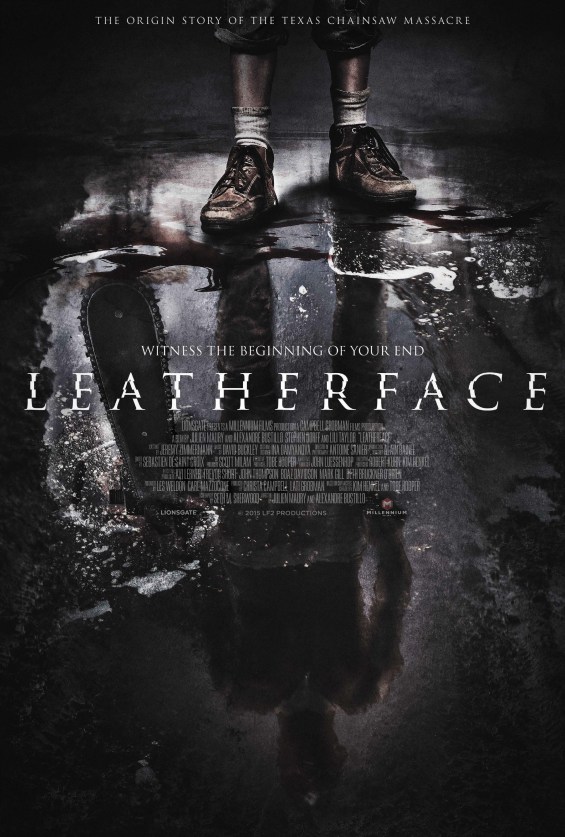
Leatherface (2017) – Film Review

“You Messed With the Wrong Family…” – Verna Sawyer

Considering the monumental impact of the original Texas Chainsaw Massacre in the annals of horror cinema, it’s peculiar that the film’s ensuing franchise has had such an erratic history, bouncing from excessively jokey entries, like The Texas Chainsaw Massacre 2 in 1986, to absolutely bonkers ones, such as Texas Chainsaw: The Next Generation in 1995. 2017’s Leatherface continues this trend by once again attempting something different; aiming to be a prequel that explores the origins of the face-wearing menace himself. Unfortunately, however, even though the film has good intentions, Leatherface only succeeds in replicating the skin of a Texas Chainsaw Massacre flick and non of the guts within as the journey its titular character embarks upon ultimately doesn’t feel worth the eighty-seven-minute runtime.

Plot Summary: In 1955, the young, Jedediah Sawyer, is assigned the task of luring an unsuspecting traveller into his family’s decrepit barn for the sake of blood. But, when it turns out that this unfortunate victim was actually the lone daughter of Texas ranger, Hal Hartman, Jedediah is forcibly separated from his family and placed in a mental institution. Ten years later, the now near-adult, Jedediah, along with a handful of criminally insane inmates, manage to escape the asylum during a riot, beginning a journey of murder and turmoil as the group trudges across rural Texas, evading the vengeful ranger pursuing them…

Directed by Alexandre Bustillo and Julien Maury (Inside, Among the Living, The Deep House), Leatherface is, for all its flaws, at least an earnest attempt at franchise course correction, avoiding another reboot of the series to instead tell a story that tries to connect a few dots in the very tangled web of this horror franchise. Needless to say, being a prequel, Leatherface still suffers from the usual problem most prequels do: explaining things that don’t need explanation. As in the original film, Leatherface stands out because he is a complete enigma, even in a family of cannibalistic lunatics. We never receive answers to any of the questions we have about him as Leatherface simply exists, which is what makes him so terrifying. So, naturally, exploring his backstory diminishes that aspect. Furthermore, with Leatherface being just one member of a homicidal family, a prequel would be a great opportunity to develop some of the lesser-explored members of the Sawyer family, such as the Proprietor, the Hitchhiker and Grandpa Sawyer, yet none of their backstories are even hinted towards.

Despite their frequently flat dialogue, the film’s main cast of Sam Strike, Vanessa Grasse, Sam Coleman Jessica Madsen, James Bloor and Stephen Dorff all throw themselves into their respective characters with confidence as once Jedediah finds himself inside the mental institution, he encounters several intriguing patients. From the silent brute, Bud, to the callous couple, Ike and Clarice, all of whom make members of the Sawyer family look sane by comparison. Then there is the idealistic nurse, Lizzy, who essentially serves as the story’s final girl, yet due to a severe lack of development similar to many of the other characters, it does become increasingly difficult to empathise with her outside of just acknowledging her horrific situation. However, the highlight of the cast is undoubtedly Lili Taylor as Verna Sawyer, the family matriarch who is bursting with pride for her boys, but devoted to the point where every outsider is seen as an adversary.

When it comes to the visuals, even though Leatherface wasn’t actually shot in Texas, but instead, in Bulgaria for budgetary reasons. The film does utilise its varied colour palette along with natural lighting to create an effective and convincing backdrop of back-country Texas, giving cinematographer Antoine Sanier plenty of opportunities to integrate creative shots, including a shot that references the recognised extreme low-angle dolly shot from the original flick.

Regrettably, the original score by John Frizzell isn’t quite as remarkable as the soundtrack rarely breaks the mould of a typical horror soundscape, being rather forgettable outside of the score’s occasional use of a chainsaw-like rumble. Numerous songs from the 1960s can also be heard throughout the runtime, such as Leave Me Alone, Working on the Line and Don’t Take Me for Granted, which help further ground the story in the ’60s time period alongside the lavish costume and production design.

On another note, for those who desire graphic violence, there is a commendable amount of gore in Leatherface, even if the film is more plot-driven than kill-driven. Still, I will always prefer minimal gore over a constant bombardment of blood when it comes to The Texas Chainsaw Massacre franchise, as whilst no sequel, prequel or spin-off will ever be able to recapture the ominous tone and documentary-like feel of the 1974 classic, depicting minimal violence does, at least, make any later entry in the series seem closer to the original’s deceptive absence of on-screen brutality.

In summary, Leatherface is repulsive and disturbing much like the original film. The only difference is that The Texas Chainsaw Massacre also relied on intrigue and an eerie atmosphere to back up many of its horrifying concepts, whereas Leatherface does not. And while the film does admittedly deserve some credit for doing something different with the franchise, being the eighth instalment in this ongoing series, it’s apparent that Leatherface and his chainsaw slayings are starting to wear thin, becoming less and less enthralling each time they return to the silver screen. Rating: high 3/10.

leatherface-p1002138

Molly’s Game (2017) – Film Review

“You Know What Makes You Feel Okay About Losing? Winning.” – Molly Bloom

Following his many triumphs as an Oscar-nominated screenwriter, in 2017, Aaron Sorkin took a seat in the director’s chair for the first time in his career. And just like many of his previous writing efforts, his impressive directorial debut; Molly’s Game, was based on the exploits of a real-life figure. Adapting the memoir of the same name by Molly Bloom, the self-proclaimed; “Poker Princess,” who became the subject of tabloid infamy in 2007 when she was outed as the brains behind a prestigious underground poker tournament frequented by celebrities, CEOs and mobsters alike.

Plot Summary: When a catastrophic injury robs her of a promising sports career and a long-coveted Olympic medal, former competitive skier, Molly Bloom, moves to Los Angeles to take a year out and avoid attending law school. But, shortly after arriving, Molly discovers that the quickest way to achieve success is through the world of high-stakes poker, building herself up through the ranks of deep-pocketed celebrities and the corporate elite as she hosts weekly poker nights, soon drawing the attention of the Russian mob and the Federal Bureau of Investigation. Now, facing a variety of federal charges, Molly’s only hope rests in the capable hands of the criminal defence lawyer, Charlie Jaffey, who learns there is more to Molly than meets the eye…

Premiering at the Toronto Film Festival in 2017, Molly’s Game was the first film to be both written and directed by Aaron Sorkin, as previously mentioned. And although the screenplay itself isn’t as unique as some of Sorkin’s other work, with A Few Good Men (1992), The Social Network (2010), Moneyball (2011) and Steve Jobs (2015), being just some of the immensely well-received and Oscar-nominated/winning biopics Sorkin has written in the past. The screenplay for Molly’s Game still crackles and excites at many points as the writing is quick-witted and frequently goes into extreme detail whenever Molly recounts parts of her story, subsequently earning Sorkin another Oscar nomination in 2018 for Best Adapted Screenplay.

Real-world entrepreneur and author, Molly Bloom, actually told Aaron Sorkin that she wanted actress Jessica Chastain to portray her should a film adaptation of her story ever be made. And it seems that this was certainly the right call in retrospect as Chastain perfectly expresses resolve and vulnerability in her role as Molly, portraying a woman who uses her intellect as a weapon. Carving her own path as she leans into her former career as a competitive skier to fuel her drive to succeed, as high achieving doesn’t even come close to the grand ambitions she harbours. Nevertheless, years later, after leaving the world of poker behind, Molly is still far from free as she is arrested by the Federal Bureau of Investigation on tentative crimes, which is where Charlie Jaffey comes into the story, excellently portrayed by Idris Elba. Additionally, Kevin Costner and Michael Cera give superb performances as Molly’s father and Player X, respectively. The latter being a professional actor and adept poker player who, despite having his real name disclosed, is widely believed to be based on Tobey Maguire.

While the cinematography by Charlotte Bruus Christensen does tend to over-rely on mid-shots and close-ups now and then, Molly’s Game still contains some admirable shots whenever the film decides to fully indulge in its visuals. Specifically, whenever the story brings us back to the poker table as there the film utilises many on-screen graphics to visually display the fundamentals of poker in the event that some audience members (such as myself) aren’t familiar with the game’s regulations, sidestepping the need for lengthy scenes of poker-related specification. Furthermore, the editing frequently attempts to keep pace with the dialogue, occasionally even employing archive footage when Molly goes into certain topics, giving the film a terrific sense of style.

On a similar note, the original score by Daniel Pemberton is a fast-paced soundtrack that varies between light synthetic rock and electronic dance, so tracks like Staring Down a Mountain, Molly’s Journey, House of Cards and Therapy Session make for a dazzling mixture of electronic and more classical compositions. However, that isn’t to say there aren’t any slow tracks, as both Molly’s Dream and Scars are far slower and more melodic, with Molly’s Dream, in particular, explicitly featuring a piano, a marked contrast from the bulk of the score.

Interestingly, due to Aaron Sorkin’s constant focus on realism, right down to the way players handled their cards during games, all of the extras seen during the poker games are actually professional poker players. According to Sorkin, the cast could often be seen playing poker between takes with the professional players. This meant that the extras (who are usually paid around £65 for a twelve-hour workday) were usually some of the highest-paid individuals on set during production.

In summary, Molly’s Game is a film that, in the grand scheme of well-acted biopics, won’t demolish the competition, but is a well-crafted and entertaining film, nonetheless. Particularly for fans of Sorkin’s filmography, Molly’s Game‘s one-hundred and forty-minute runtime will fly by, as this delve into a world of glamour, privilege and gambling is just as compelling as Sorkin’s earlier screenplays, perhaps even more so in some aspects. If you’re a little exasperated with Sorkin’s self-satisfied writing, however, then Molly’s Game is unlikely to change your mind. Rating: low 8/10.

mollys_game_xxlg

Cargo (2017) – Film Review

“You Can’t Lose Hope.” – Etta

Based on the short film of the same name, which went on to be an online sensation following its release in 2013, garnering over thirteen million views on YouTube alone. Cargo takes a refreshingly character-driven approach to the post-apocalyptic genre differentiating itself from other films featuring flesh-devouring monstrosities through its secluded setting and Martin Freeman’s terrific lead performance. A combination that will surely satisfy most zombie fanatics, even if the genre’s more mainstream crowd could potentially be disappointed at the exclusion of decaying hordes of the undead, a true sense of dread and a lack of extravagant gore.

Plot Summary: After an epidemic spreads across Australia morphing humanity into flesh-eating monsters, Andy, along with his wife, Kay, and their infant daughter, Rosie, attempt to escape the Outback via the river, making their way to a presumably secure military base. But, when the trio stumble upon an abandoned yacht, Kay is bitten while searching the vessel for supplies, soon passing the virus onto her husband. Now, with his time running short, Andy has one mission; find a new home for his daughter…

Directed by Ben Howling and Yolanda Ramke, Cargo is not only Howling and Ramke’s first feature-length film, but is also Australia’s first-ever production spotlighted as a Netflix Original, released globally on the streaming service in 2017. And although Netflix has ventured into the post-apocalyptic genre before, with films like Ravenous (2017) and the television series; Z Nation, both Howling and Ramke wanted Cargo to be more than just a straightforward story of survival. Subsequently, this led the pair to intertwine an abundance of social commentary into their zombie-centric story, covering a range of topics from environmental fracking to the exploitation of Australia’s aboriginal peoples. However, in my opinion, the best element of Cargo is its central concept, as the idea of a father having only forty-eight hours to find a new life for his child is a plot enriched with dramatic potential. Moreover, the nocuous outbreak Andy finds himself within serves as the perfect backdrop to juxtapose the qualities one would look for in a capable (and devoted) guardian.

Speaking of the protagonist, Martin Freeman leads the cast brilliantly as Andy, portraying an affectionate father and husband who is determined to protect his family at all costs, an intention which, whilst honourable, often lands him and his loved ones in an even more treacherous spot as Andy refuses to accept when he is out of time. Freeman’s youthful co-star, Simone Landers, unfortunately, doesn’t fare quite as well, as her frail performance frequently results in poignant scenes feeling less sincere. Nevertheless, Thoomi is still an intriguing character, with her subplot concentrating on the demise of her father and the survival of a nearby native tribe, providing a vastly different perspective on the epidemic compared to Andy’s point of view.

Utilising the vegetation-splotched, sun-parched rural land of the Australian Outback flawlessly, the cinematography by Geoffrey Simpson is both varied and visually interesting, even if, in reality, the Australian wilderness where Cargo was shot threw everything it had at the production crew, with South Australia experiencing what was supposedly its worst weather in a century, with floods, power blackouts, torrential downpours and even a miniature cyclone all occurring during the five weeks of production. Yet, miraculously, the crew didn’t lose even a single day of filming, which was extremely fortunate for the filmmakers, given how the remote setting of the narrative is a crucial player in the film’s identity, its harsh and unforgiving nature hurling countless obstacles at our characters whilst, at the same time, offering them the means to survive.

Managed by four distinct composers, including Michael Hohnen, Daniel Rankine, Geoffrey Gurrumul Yunupingu and Johnathon Mangarri Yunupingu, the original score for Cargo substantially strengthens each scene’s emotional significance, almost as if the score is applying a proverbial highlighter to certain moments with sombre, tenuous tracks, such as The Grave and Goodbye, flourishingly pulling at the audience’s heartstrings more times than one.

Taking an alternate route to avoid comparisons to zombie designs of the 1960s and 1970s, most notably in classic horror flicks like Rabid (1977) and Night of the Living Dead (1968). Cargo strays away from many of the usual clichés associated with the undead, centring its zombie design around an orange pus-like substance that oozes from the infected’s facial orifices rather than the bleeding open wounds the living dead are commonly known for. This distinction is further emphasised through what we see of their behaviour, as the infected are presented as mindless animals more than they are man-eating monsters, requiring dark and damp areas to incubate during the daytime before feasting on whatever wildlife they can find once night falls. Quickly reminding the audience that what they are witnessing is a viral infection, hence why the infected are nicknamed; “Virals.”

In summary, even if Cargo‘s story could have been executed better with a motley of improvements, I feel Cargo is still a creditable entry into the realm of post-apocalyptic storytelling. Standing as a zombie flick with soul and pathos, which, in turn, makes the living dead formidable once again, not because of jump-scares or excessive bloodshed, but because of the film’s biggest drawcard; its sheer humanity. Recounting a story that largely revolves around the notion of human determination, witnessing just how far an individual will go to protect another in the bleakest of circumstances. Rating: 7/10.

cargo-poster-1

Please Stand By (2017) – Film Review

While in years gone by many films surrounding the subject of autism have been seen as overly simplistic or even offensive, with Hollywood often treating characters with ASD like an immeasurable burden upon their entire family, every now and then we receive a film, which presents its autistic character (or characters) with respect and authenticity, 2017’s ‘Please Stand By,’ being one such example. Directed by Ben Lewin (Georgia, The Sessions, Falling for Figaro) and based on the 2008 play of the same name by Michael Golamco, ‘Please Stand By’ may hit many familiar beats for a coming-of-age comedy-drama, but with an excellent cast and a subtle sci-fi twist, thanks to its focus around all things ‘Star Trek,’ ‘Please Stand By’ manages to keep its story diverting throughout its brief runtime.

Plot Summary: When ‘Wendy Welcott,’ a young autistic woman with a gift for writing, learns that Paramount Pictures is holding a screenwriting competition to celebrate ‘Star Trek’s 50th anniversary, she swiftly writes her own screenplay for submission. But, on account of her condition and a great deal of ignorance from those around her, ‘Wendy’ is unable to submit her screenplay in time. So, seeing no other option, ‘Wendy’ decides to leave her group home in Oakland and travel to Los Angeles to deliver her screenplay in person…

Although the film’s screenplay (which is actually written by Michael Golamco) rarely breaks the mould of your typical coming-of-age narrative, ‘Please Stand By’ still has more than its fair share of heartwarming moments. And, whilst some may argue that the film’s continuously upbeat tone robs the story of any real stakes, ‘Please Stand By’ isn’t really a film that aims to paint an incredibly dramatic tale of self-realisation, family and belonging, but instead a film that effectively balances all of those themes through a charming and light-hearted story of a woman embarking on a journey across California in dedication of her favourite science fiction franchise.

In what would’ve been the film’s most criticised performance should it have been executed poorly, Dakota Fanning’s performance as ‘Wendy’ is one of the more thoughtful and accurate portrayals of on-screen autism in quite some time. From her social awkwardness to her flailing arm movements and stiff dialogue readings, Fanning successfully captures the functional spectrum of autism in a delightful and intriguing expression of independence and passion, as due to ‘Wendy’ having few experiences outside of her sheltered routine, the road-trip she embarks upon makes her feel truly unconstrained for the first time in her entire life, both for better and for worse. Meanwhile, her caregiver and older sister wonderfully portrayed by Toni Collette and Alice Eve, respectively, attempt to track her down and bring her home, fearing for her safety and greatly doubting her abilities.

When it comes to visuals, despite the ceaselessly vibrant colour palette, the cinematography by Geoffrey Simpson hardly ever veers away from immobile close-ups and/or mid-shots. But, where the camerawork truly shines is during the scenes where the film attempts to recreate shots from classic ‘Star Trek’ episodes, as the Mediterranean climate of Los Angeles is quickly swapped out for the strange alien worlds of ‘Wendy’s imagination, all the while we hear ‘Wendy’ as she reads excerpts from her ‘Star Trek’ screenplay through calming voice-over.

In a similar sense to the visuals, the original score by Heitor Pereira rarely does anything exceedingly innovative as far as soundtracks go, with the majority of the runtime relying more on the use of lesser-known indie songs, such as ‘Take Me as I Am,’ ‘All or Nothing’ and ‘Waves.’ Yet, the score once again becomes much more interesting once we are transported into ‘Wendy’s screenplay, as the original score morphs into something that wouldn’t seem out-of-place in an actual ‘Star Trek’ episode.

Along with recreating shots, ‘Please Stand By’ also pays homage to ‘Star Trek’ history in nearly every aspect of its production. Firstly, the name tags of ‘Wendy’s work colleagues use the same font as the opening titles of ‘Star Trek: The Original Series.’ Secondly, the mountain ranges seen in the background of the screenplay sequence are the Vasquez Rocks located in Agua Dulce, California, this area has been an extensively used location for many ‘Star Trek’ films and series, but, most notably, for the 1966 episode; ‘Arena.’ Lastly, the suits worn by ‘Captain Kirk’ and ‘Spock’ during this same sequence are similar to suits worn by the characters in the 1968 episode; ‘The Tholian Web,’ visibly proving that the filmmakers did their research when it came to the franchise and its ardent followers.

In summary, whilst Golamco’s admittedly predictable screenplay does place the film more in the mid-range of coming-of-age comedy-dramas, by letting the talented actors simply do what they do best, director Ben Lewin does make ‘Please Stand By’ palatable, even in its most commonplace moments. And, although I obviously can’t speak for everyone in regard to how well the film truly portrays autism, given my position, in my eyes, this low-budget flick handles the potentially challenging concept adroitly, displaying the challenges of a life with ASD without ever devolving into a exaggerated collection of tics and quirks, insulting those who may be on the spectrum. Final Rating: 7/10.

please_stand_by_xxlg

The Mummy (2017) – Film Review

When Universal Pictures first announced their plans to build a cinematic universe based around their gallery of iconic monsters, general audiences seemed to roll their eyes at the idea, seeing the forthcoming franchise as nothing more than a shameless attempt to copy and paste the formula of the Marvel Cinematic Universe, with the hopes of making the same box-office returns. Nevertheless, Universal continued with their plan, releasing the first instalment of the series in 2017 with ‘The Mummy,’ a film which even with the star-power of Tom Cruise, failed miserably both critically and commercially, instantly destroying any plans for the future of the franchise and embarrassingly leaving the ‘Dark Universe’ with a single film to its name.

Plot Summary: Once destined to rule all of Egypt, the beautiful princess; ‘Ahmanet’ sees her birthright stolen from her when her father begets an heir. Knowing this boy would be the Pharaoh’s new successor, ‘Ahmanet’ turns to a dark deity, selling her soul for an unholy power, for which, she is captured by the Pharaoh’s priests, mummified alive and buried in a tomb far from Egypt. Five thousand years later, opportunistic U.S. Army reconnaissance sergeant; ‘Nick Morton,’ accidentally discovers her tomb during a firefight in the Middle East, and once venturing inside, inadvertently sets her free…

According to a number of reports, Tom Cruise not only starred in ‘The Mummy,’ but also has an excessive amount of control over the film, having creative oversight on nearly every aspect of the production. So much so, that Cruise even had influence on the film’s screenplay, as it’s been stated that Cruise had his personal writing team rewrite certain scenes to give his character more screen-time and a more dramatic character arc, and even though most Universal executives weren’t thrilled about the rewrite, feeling it was disjointed and insipid, they reluctantly agreed to keep Cruise on board. Regardless, Universal Pictures soon saw the fallacy in their blind faith towards Cruise, as despite ‘The Mummy’ earning nearly £300 million worldwide, it was still considered a financial flop when taking into account its immense marketing campaign, which promoted the film purely as the franchise-vehicle it is as opposed to a riveting blockbuster.

Having both her design and gender altered to avoid any similarities with the titular villain of ‘X-Men: Apocalypse,’ which released just a year prior, ‘The Mummy/Ahmanet’ herself, portrayed by Sofia Boutella, is remarkably forgettable, never developing into a compelling or even threatening antagonist, which should be nearly impossible considering ‘The Mummy’ fills over a quarter of its runtime with extensive exposition regarding her backstory and sinister motives. Likewise, the actual protagonist; ‘Nick Morton,’ rarely benefits from Cruise’s natural charisma and wit, as ‘Nick’ is simply an unlikeable character, emerging as a foolish, self-centred adventurer and leaving in the exact same manner, in addition to being miraculously skilled with/in every type of firearm and hand-to-hand combat, of course.

When it comes to visuals, the film’s cinematography by Ben Seresin is generally visually pleasing, resulting in a fair share of alluring wide shots, yet much of the film’s beauty is consequently hindered by its ghastly colour palette, which hardly ever strays away from greys, blacks and beiges, an issue that is only worsened by the prosaic setting of modern-day London. Furthermore, the film’s action sequences (which are less frequent than most would expect) are fairly unimpressive, with many of the story’s thrilling moments having an overreliance on apace editing and CG creatures. That is, with the exception of the stunt work, which, due to Cruise’s heavy input on the film, is mostly practical and just as awe-inspiring as the stunts in the ‘Mission Impossible’ series, no thanks to director Alex Kurtzman (People Like Us).

Built around two central themes with various less significant tracks cropping up in-between, the film’s original score by Bryan Tyler is serviceable, for the most part, balancing its two signature tracks of ‘The Mummy’ and ‘Nick’s Theme,’ before then switching to far more dramatic orchestral tracks, like ‘Sandstorm,’ ‘Enchantments’ and ‘World of Monsters,’ for the film’s larger scale set pieces and handful of brief dream sequences.

Interestingly, ‘The Mummy’ wasn’t actually Universal’s first venture into crafting a cinematic universe of monsters, as the company originally envisioned 2014’s reboot of the renowned vampire in ‘Dracula Untold,’ as the first instalment in the series. There was even early talk of ‘Dracula’ appearing in ‘The Mummy,’ but this idea was ultimately scrapped, and the film was eventually cited as non-canon to the ‘Dark Universe.’ However, there are still several props alluding to other monsters within the film, as a vampire skull, along with one of the ‘Creature From the Black Lagoon’s hands, can both be seen in ‘Dr. Jekyll’s headquarters.

In summary, I feel it’s easy to see why many avoided ‘The Mummy’ when it first released back in 2017, as this film was merely Universal’s first attempt at revitalising the many well-known creatures locked away in their vault by lazily repackaging them for a new generation. The issue being that general audiences had little interest in this concept, and those that did quickly lost their engrossment as the film failed to capture even a fraction of the adventurous spirit present throughout the ’90s reboot. Instead, it seems ‘The Mummy’ will simply be lost to time, unremembered and disregarded. Final Rating: 3/10.

mummy-poster-1