Malcolm & Marie (2021) – Film Review

“Cinema Doesn’t Need to Have a Message. It Needs to Have a Heart!” – Malcolm Elliott

A contained and regaling monochrome drama, 2021’s Malcolm & Marie was one of the first feature-length films produced amidst the COVID-19 global pandemic. Written and directed by Sam Levinson (Another Happy Day, Assassination Nation), best known as the creator and lead writer of the hit teen-drama series; Euphoria, Malcolm & Marie was shot during the U.S. COVID-19 lockdown between June and July of 2020, with the approval of the Writers’ Guild of America, Directors’ Guild of America, Screen Actors’ Guild of America, and the American Federation of Television and Radio Artists, as the production followed strict safety protocols to ensure the cast and crew could work safely. With this in mind, Malcolm & Marie makes the best of challenging circumstances, utilising a singular location, minimal cast and sleek visuals to craft a captivating flick that examines how volatile personalities can clash, especially when tangled in a long-standing relationship.

Plot Summary: After returning home from the premiere of his debut project, filmmaker Malcolm Elliott and his girlfriend, Marie Jones, await what is sure to be an imminent critical and financial success. But, as the evening transpires, their celebratory night takes a turn for the worse as revelations begin to surface, testing the strength of their devotion to one another…

Between Marcel Rév’s scrumptious black-and-white cinematography and the no-holds-barred verbal brawl delivered by the central duo of Washington and Zendaya, it’s impossible to discuss Malcolm & Marie without drawing comparisons to the cinematic adaptation of Who’s Afraid of Virginia Woolf? (1966). Like the stage play the film is based upon, first staged in 1962, Who’s Afraid of Virginia Woolf? explores the complexities of the marriage of middle-aged couple Martha and George, where, late one evening, after a university faculty party, they receive an unwitting younger couple, Nick and Honey, as guests and are drawn into their bitter and frustrated relationship. Although Malcolm & Marie only focus on the two titular characters, both stories have more than a few similarities. One element of Malcolm & Marie that is unique to the film, however, is its underlying theme of the essence of cinema, examining this concept through the eyes of Malcolm as a passionate Black filmmaker who loathes the politics surrounding Black filmmakers. In fact, Malcolm’s intense dislike of an anonymous female critic from the L.A. Times is believed to be a reference to L.A. Times writer Katie Walsh, who once wrote an unfavourable review of one of Levinson’s prior directorial outings.

As the sole cast members, John David Washington and Zendaya hold the entire weight of the film on their shoulders. Thankfully, both share amazing chemistry and receive countless chances to let their talent shine as they each deliver lengthy monologues exploding with emotion. Through these monologues and the sharp dialogue, it quickly becomes apparent that the titular, well-defined couple exist in different rhythms, with Malcolm exuberantly (and obnoxiously) extolling the delights of premiering his first film as a writer and director, which pushes him to the cusp of newfound power and prestige, while Marie appears sullen, bored and utterly over Malcolm and his prickly, delicate ego that repeatedly puts strain on the pair’s relationship, often failing to acknowledge Marie’s support. However, this constant back-and-forth does come at a cost, as both characters can come across as somewhat unlikable through their many imperfections being blatantly illustrated on-screen at all times.

One of the few Netflix Originals shot to be on 35mm, the cinematography by Marcell Rév is elegant and sheeny. Yet, what makes these visuals even more impressive is that for the entirety of the runtime, the titular couple never once leave the house, as previously mentioned, merely strolling to different rooms or into the garden with a cigarette in hand as their bickering continues. Some may think this sounds dull, but I feel this approach ensnares much of the tension between the two characters and the heavy air that flows through their temporary, luxurious home. Furthermore, with both characters being chic and sophisticated, as well as returning from the premiere in their formal evening wear, there is a suave feel to the visuals of Malcolm & Marie, making the film seem like a romance from the 1930s, with tight camerawork to intensify the drama.

Likewise, the film’s original score, helmed by British musician Labrinth, reunited with Sam Levinson after composing much of the score for Euphoria, retains a similar tone to that of a 1930s drama, with the delicate, jazzy score meshing flawlessly with cleverly selected needle drops. Famed songs, like I Forgot to Be Your Lover and Get Rid of Him, are also baked into the runtime, doing much of the talking when the characters aren’t.

Interestingly, because Malcolm & Marie was produced during the COVID-19 pandemic, none of the cast or crew associated with the film received any kind of payment or entered into any agreement with the depiction of tobacco products, which is certainly admirable given the current state of cinema, where many films are greenlit purely for the sake of profit.

In summary, due to its entire runtime taking place in one location with a heavy reliance on dialogue, Malcolm & Marie will likely be a divisive flick that won’t please everyone. But, for those it will, I feel it’s more than entertaining, even if the film isn’t as layered or as tightly-knit as it thinks it is. Rating: 7/10.

Outstanding Original Scores in Cinema – Film List

I’ve always considered original scores to be a very underappreciated element of filmmaking, as many audience members rarely seem to take notice of the beautiful and indelible soundtracks that saturate many scenes throughout cinematic history. These scores serve an important purpose in audibly immersing the audience in a narrative via dramatic, unnerving or sorrowful tracks that evoke deep emotion inside them (even if they aren’t aware of it), greatly enhancing the cinematic experience. Here are some of my personal favourites…

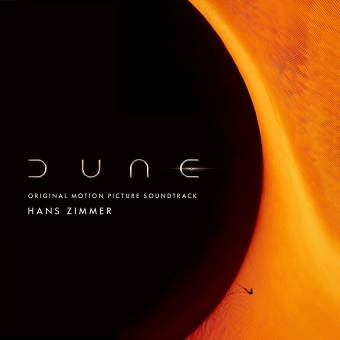
Dune (2021) – Composer, Hanz Zimmer

Favourite Tracks: Herald of the Change, Ripples in the Sand

dune-transformed

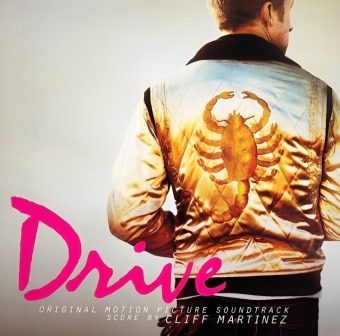
Drive (2011) Composer, Cliff Martinez

Favourite Tracks: I Drive, Bride of Deluxe 

7104jovZ2vL._UF894,1000_QL80_

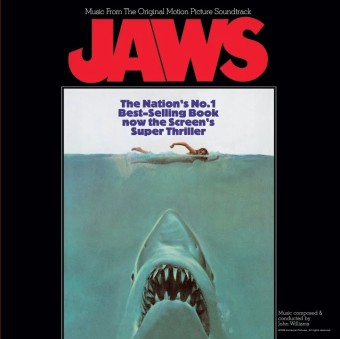
Jaws (1975) Composer, John Williams

Favourite Tracks: Main Title and First Victim, End Titles

maxresdefaulthg

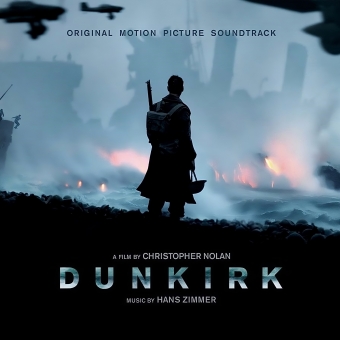
Dunkirk (2016) – Composer, Hanz Zimmer

Favourite Tracks: The Mole, Supermarine

71u3oI1ACRL__UF894_1000_QL80_-transformed

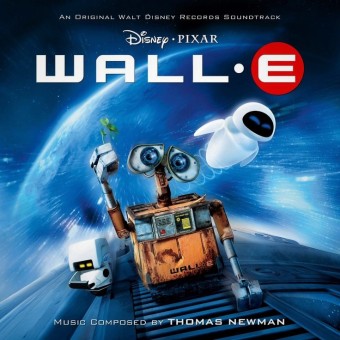
WALL-E (2008) – Composer, Thomas Newman

Favourite Tracks: 72 Degrees and Sunny, Define Dancing

41141af4927588fb34ed6ec6704c0a09--wall-e-animation-movies

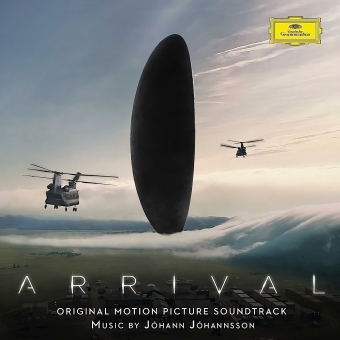
Arrival (2016) – Composer, Jóhann Jóhannsson

Favourite Tracks: ArrivalKangaru

71JNEXMq4HL__UF894_1000_QL80_-transformed

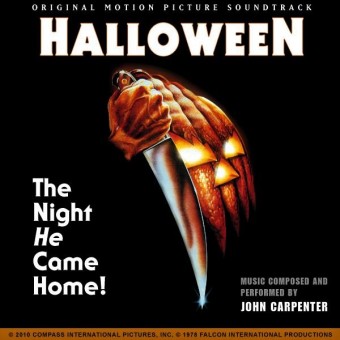
Halloween (1978) – Composer, John Carpenter

Favourite Tracks: Halloween Theme – Main TitleMyer’s House

19192_568986

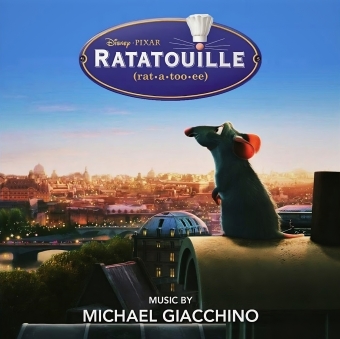
Ratatouille (2007) – Composer, Michael Giacchino

Favourite Tracks: Ratatouille Main ThemeEnd Creditouilles

maxresdefault8-transformed

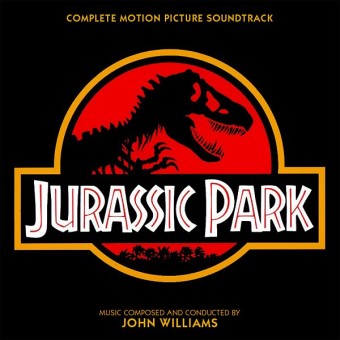
Jurassic Park (1993) – Composer, John Williams

Favourite Tracks: Welcome to Jurassic Park, Journey to the Island

Big-jurassic-park-ost

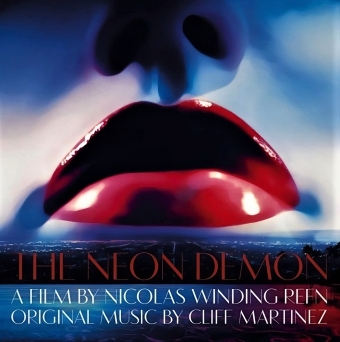
The Neon Demon (2016) – Composer, Cliff Martinez

Favourite Tracks: The Neon Demon, Something’s in My Room

R-8685828-1466596094-8895_jpeg-transformed

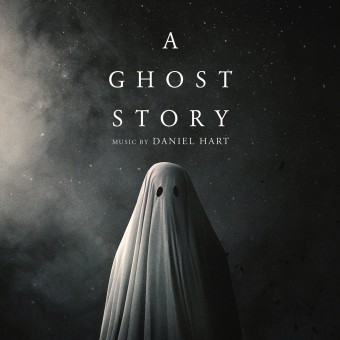
A Ghost Story (2017) – Composer, Daniel Hart

Favourite Tracks: The Secret in the Wall, Safe Safe Safe

cover

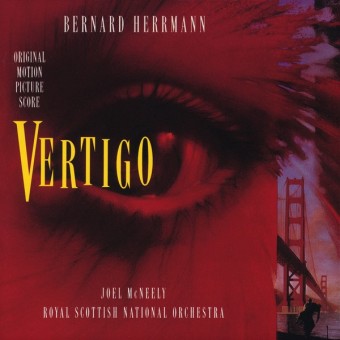
Vertigo (1958) – Composer, Bernard Herrmann

Favourite Tracks: Prelude and Rooftop, Carlotta’s Portrait

R-4321078-1520330009-2401.jpeg

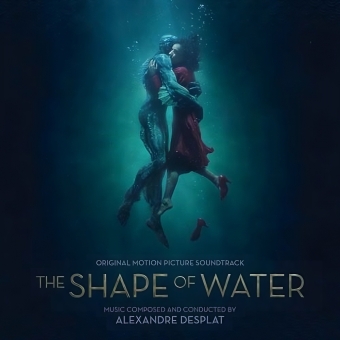
The Shape of Water (2017) – Composer, Alexandre Desplat

Favourite Tracks: The Shape of Water, Elisa’s Theme

The-Shape-of-Water-transformed

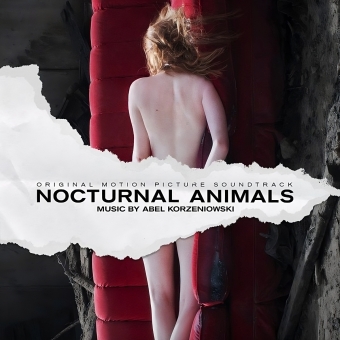
Nocturnal Animals (2016) – Composer, Abel Korzeniowski

Favourite Tracks: Revenge, City Lights

R-9415308-1480173348-9936_jpeg-transformed

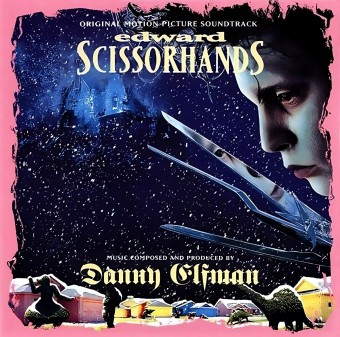
Edward Scissorhands (1990) – Composer, Danny Elfman

Favourite Tracks: StorytimeIce Dance

R-1798552-1466642639-8253_jpeg-transformed

The Social Network (2010) – Composers, Trent Reznor and Atticus Ross

Favourite Tracks: In MotionPainted Sun in Abstract

R-2497693-1296648950.jpeg

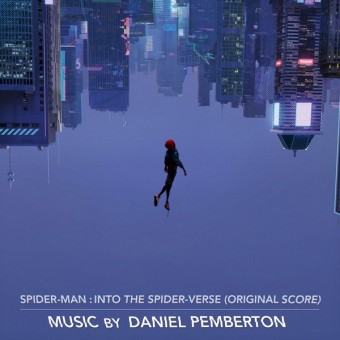
Spider-Man: Into the Spider-Verse (2018) – Composer, Daniel Pemberton

Favourite Tracks: Gimme the GooberSpider-Man Loves You

R-12947391-1545107713-8720.jpeg

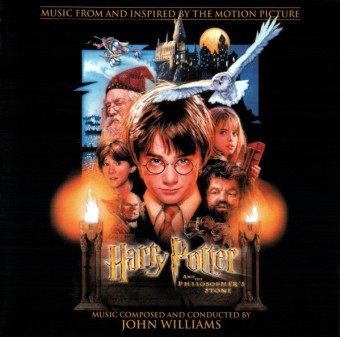
Harry Potter and the Philosopher’s Stone (2001) – Composer, John Williams

Favourite Tracks: Hedwig’s Theme, Diagon Alley and the Gringotts Vault

R-4774683-1638806691-1281

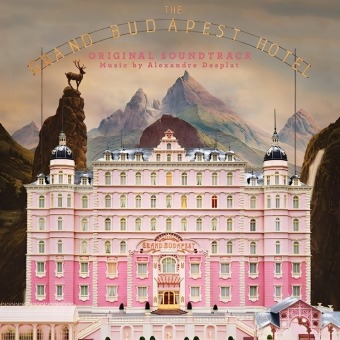
The Grand Budapest Hotel (2014) – Composer, Alexandre Desplat

Favourite Tracks: Mr. Moustafa, Daylight Express to Lutz

81ll9yJG6GL._UF894,1000_QL80_

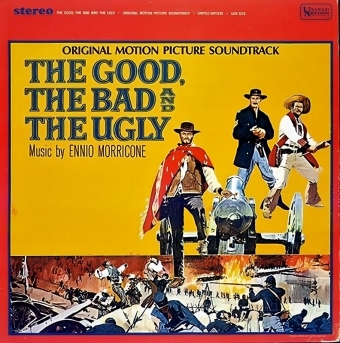
The Good, the Bad and the Ugly (1966) – Composer, Ennio Morricone

Favourite Tracks: The Good, the Bad and the UglyThe Ecstasy of Gold

morricone_goodf-transformed

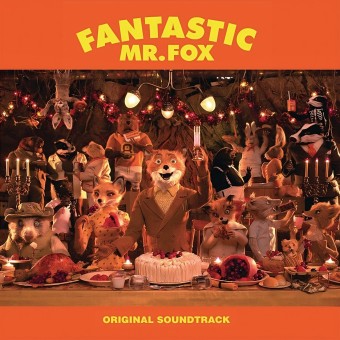
Fantastic Mr. Fox (2009) – Composer, Alexandre Desplat

Favourite Tracks: Mr. Fox in the Fields, Jimmy Squirrel and Co.

ab67616d0000b273b5c2ad0a84a7be36195e1d70-transformed

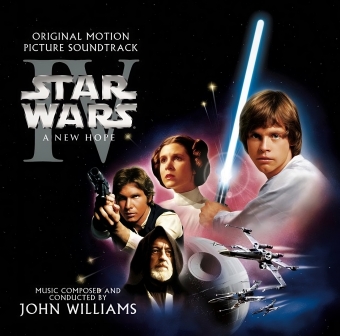
Star Wars: Episode IV – A New Hope (1977) – Composer, John Williams

Favourite Tracks: Main TitleThe Princess Appears

ab67616d0000b27344d5ef063da6fc06df7b1bc1-transformed

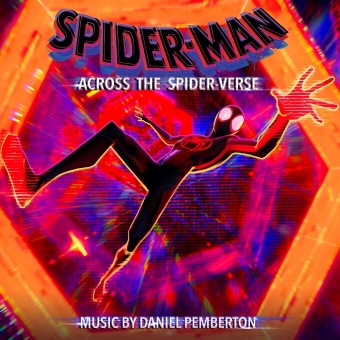
Spider-Man: Across the Spider-Verse (2023) – Composer, Daniel Pemberton

Favourite Tracks: Spider-Woman (Gwen Stacy), Canon Event

1200x1200bf-60-transformed

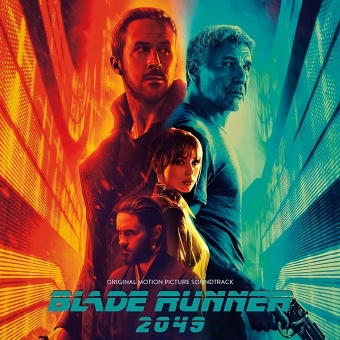
Blade Runner 2049 (2017) – Composers, Hans Zimmer and Benjamin Wallfisch

Favourite Tracks: Tears in the RainBlade Runner

640x640-transformed

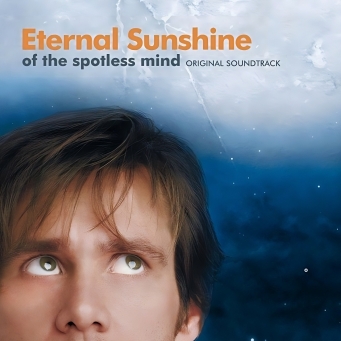
Eternal Sunshine of the Spotless Mind (2004) – Composer, Jon Brion

Favourite Tracks: Theme From Eternal Sunshine of the Spotless Mind, Bookstore

R-9491697-1482136218-5039-transformed

The Green Knight (2021) – Film Review

“One Year Hence…” – The Green Knight

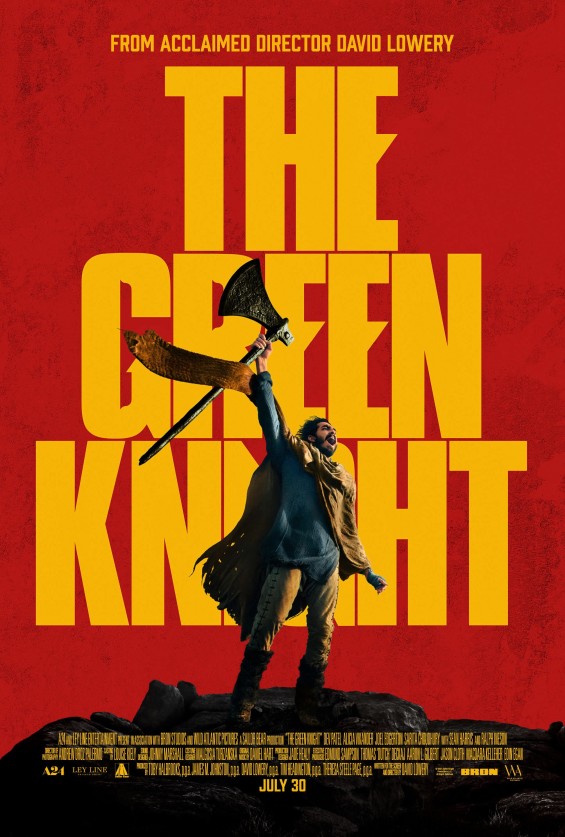
Written, produced, edited and directed by David Lowery (Pete’s DragonA Ghost StoryThe Old Man & the Gun), The Green Knight, released in 2021, is a visually stunning fantasy odyssey based on the 14th-century Middle English poem; Sir Gawain and the Green Knight by the Gawain Poet. Steered by a spectacular performance from Dev Patel, The Green Knight takes the timeless legends of King Arthur and the Knights of the Round Table and deconstructs many aspects of the famed fables, leaving a lot of its story open to interpretation while casting a captivating spell on its audience through a slow-paced, mature and stylistic fantasy adventure.

Plot Summary: On Christmas Day, before the noble King Arthur and his loyal Knights of the Round Table, the King’s headstrong nephew, Sir Gawain, agrees to a challenge from a formidable foe; in a year’s time, travel to the remote Green Chapel and face its ghastly lord, the Green Knight. But, as the one-year milestone arrives, Gawain embarks on his peril-laden journey with great apprehension, traversing the land in an effort to honour his promise and prove his mettle…

A large majority of The Green Knight‘s narrative revolves around the five traditional knightly virtues of friendship, generosity, chastity, courtesy and piety. Throughout the runtime, Gawain, when tested, fails at all five of these virtues through a variety of situations, demonstrating that Gawain is not yet ready to be a knight and adding to the subtext of his journey. Moreover, in order to make his vision of the Arthurian world appear more distinct, Lowery’s screenplay freely capitalises on folk elements derived from Welsh, Irish and English stories, as well as the French chivalric tradition of the Middle Ages to flesh out the world-building and Gawain’s mystical encounters that are only alluded to in the original verse.

Whilst the supporting cast of Alicia Vikander, Joel Edgerton, Sean Harris, Barry Keoghan and Erin Kellyman are all sublime in their various roles, Dev Patel truly knocks it out of the park performance-wise, portraying Sir Gawain as a troubled yet well-intending relative of the celebrated hero and monarch, King Arthur, evidently anxious about overcoming his personal flaws to find his honour and live up to the legacy left by his uncle and his faithful Knights, all in the hope of one day becoming the monarch himself. Patel is simply a magnet for the audience’s sympathy and the protagonist Gawain is a character anyone can get behind, with his journey of trials, temptations, trouble and self-discovery only adding to his subtle characterisation.

Primarily shot in Ireland, presumably to capture much of the island’s natural beauty. Practically all of the cinematography by Andrew Droz Palermo is visually astonishing, depicting a grounded and eerie fantasy world that makes fantastical concepts like spirits, giants and a talking fox seem almost ordinary. From soggy marshes to lonely mountain roads and extensive forests wrapped in mist, the camerawork never fails to visually grasp the looming dread that grips the land, mirroring Gawain’s fear of the Green Knight. The set design is also remarkably impressive, assuring the shadowy interiors of each structure are equally atmospheric. The only real downside concerning the visuals would be the CG effects, which often appear too glossy and clean when compared to the rest of the unkept visual aesthetic. Still, all of this is somewhat to be expected, as Lowery has always been a gifted visual storyteller, especially when it comes to colour usage, and The Green Knight is no exception, retaining a wildly diverse colour palette of earthly tones, making the film perhaps Lowery’s most sumptuous work to date.

Similarly, the original score by Daniel Hart manages to convey the setting, time period and action/emotion without performing the same tricks too many times over. Through tracks like Excalibur and Now I’m Ready, I’m Ready Now, the Pagan-like percussion and xylophone come and go, frequently followed by a whistle or pipe lead and rattling backing, making for an almost medieval-like dance rhythm. The score also utilises acoustic drums, bass strings, angelic vocals, bottles and harps. And it’s this unique combination of instruments that allows the soundtrack to expertly back up Gawain’s journey across numerous scenes, whether triumphant or fearful.

Given that the character’s name is the very title of the film, the Green Knight needed to leave an impact on the story and the audience. Luckily, he does just that. Sporting overgrown, corroded armour engraved with the Sabaic alphabet (Sabaic being a South Arabian language spoken from 1000 BC to 6th Century AD), the Green Knight has a tremendous on-screen presence, appearing ancient, imposing and authentic as a result of his flawless costuming and prosthetic make-up, the Green Knight’s towering appearance only being rivalled by his baritone voice, well-provided by actor, Ralph Ineson.

In summary, The Green Knight is a visually breathtaking fantasy flick, in addition to another exceptional release from production company; A24 Films, outside of its usual brand of horror and drama-centric films. Although its pacing is occasionally too slow for its own good, and many audience members will undoubtedly be turned off by its assortment of interpretive scenes and heavy emphasis on underlying themes, David Lowery employs almost every ounce of his imagination to craft an audacious and demanding Arthurian adaptation that warrants multiple viewings to increase its allure. Rating: low 8/10.

green_knight_ver8_xxlg

Mad God (2021) – Film Review

“If You Disobey Me and Remain Hostile to Me, I Will Act Against You in Wrathful Hostility. I, for My Part, Will Discipline You Sevenfold for Your Sins…” – Opening Quotation

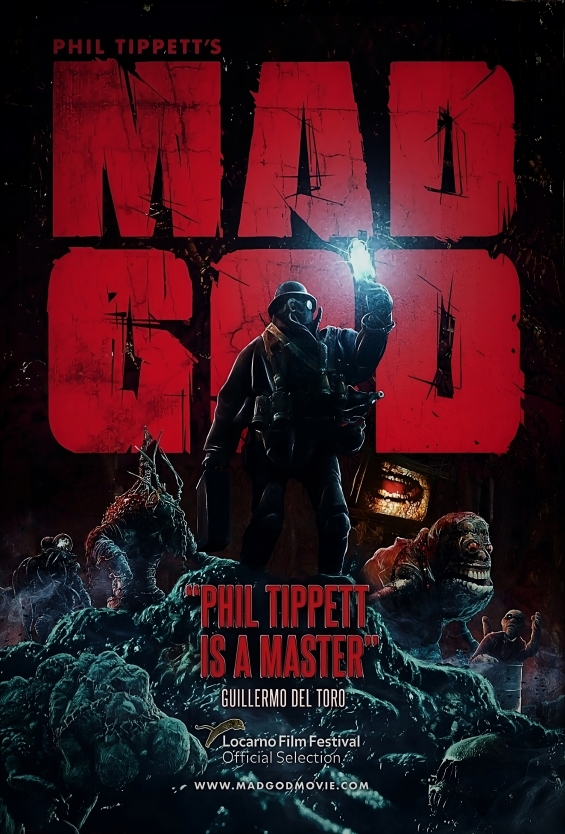
Written, produced and directed (among many other credits) by Phil Tippett, the founder and namesake of Tippett Studio, whose varied career in visual effects has spanned more than thirty years and includes two Academy Award wins and six nominations. Mad God, released in 2021, is a rich visual treat for enthusiasts of horror and stop-motion animation alike, serving as a harrowing delve into a post-apocalyptic hellscape that is both unique and disturbing. Harbouring a cinematic allure that is equal parts unsettling and mesmerising, Mad God proves that even in the age of CGI, the art form of stop-motion remains strong, even if the story and characters it’s bringing to life are far from well-developed.

Plot Summary: Equipped with a gas mask and an ageing map, the Assassin, a lone iron-clad humanoid, descends into an underworld of tortured souls, ruined cities and wretched monstrosities on a covert mission to reach the heart of this nightmarish realm of suffering…

First starting work on the project in the late 1980s, shortly after creating effects for RoboCop 2, released in 1990. Mad God has been Tippett’s pet project for over thirty years, despite the filmmaker almost considering abandoning the project when Jurassic Park was released in 1993, as CG effects appeared to make stop-motion a thing of the past. After some urging from those around him, however, Tippett decided to create a Kickstarter campaign that allowed him to complete the project. In the following years, three parts of Mad God were released online, which made up around half of the full eighty-two-minute version that was eventually screened at various film festivals. And whilst this story behind the film’s creation is certainly intriguing, Mad God‘s biggest shortcoming is that it lacks a narrative itself, or at least a coherent one. Instead, the film relies on visual storytelling and world-building as the audience follows the Assassin on his lengthy journey, encountering many distinct creatures, locations and civilisations on a mission that is never disclosed. As such, watching Mad God requires a lot of concentration to get the most out of it, much like how the project was crafted, I suppose.

With no dialogue or characterisation to speak of, Mad God‘s characters hinge entirely on their design. Thankfully, every character/creature that appears throughout the runtime is visibly repulsive, unnerving and eccentric. At the core of Mad God‘s story is a character only known as the Assassin, a silent, gas mask-wearing humanoid who also receives no characterisation, instead functioning as an audience surrogate through Tippett’s fever dream of a post-apocalyptic world. As the film features no dialogue, the central cast, including Alex Cox, Niketa Roman and Satish Ratakonda, only appear in a handful of live-action sequences, which similar to the scenes of stop-motion, are grimy and discomforting whilst relying on visuals over direct storytelling. While these sequences are interesting and count towards what little plot there is, many of these moments also pull you out of the experience and are often plagued by the film’s need to implement oral sounds to ensure the human characters don’t appear mute, meaning noises like “Eh?” and “Hmmm” become rather repetitious.

The cinematography by Chris Morley and Phil Tippett allows for spectacular framing within every scene, lending to the atmosphere and intrigue of each setting, whether its an oxidised factory of greasy machinery or a society of helpless slaves ruled over by an electronic screen that speaks in childlike gibberish. Furthermore, each of the surroundings the Assassin treks across is distinguished by the film’s colour palette, which seamlessly jumps from cold blues to vile greens and blood reds, making the stop-motion appear incredibly cinematic. Interestingly, one scene, which features a mountain of dead soldiers, was actually accomplished by melting thousands of plastic army men together on a wire. This scene took six animators around three years to complete, demonstrating the substantial amount of dedication required to animate even a single scene of Mad God.

Through prolonged tracks like Long Way Down and ConveyanceMad God‘s original score by Dan Wool enhances many of the surreal visuals in a relatively nuanced fashion, making for a soundtrack that isn’t all that memorable, but avoids becoming overbearing as to let the visuals speak for themselves. However, the sound design is where the film’s audio truly shines as the countless animalistic growls of the mutated creatures that roam Mad God‘s mystifying world are ghastly and add audible depth to whichever location the Assassin finds himself.

As most would expect from Tippett Studio, the animation itself is smooth yet appropriately unearthly, providing every creature with its own jittery method of walking/crawling that feels remarkably natural. What’s even more impressive is that, according to Tippett, a considerable amount of the animation on Mad God was actually conducted by novice students who wanted to gain some filmmaking experience.

In summary, Mad God will likely be a very divisive film on account of its largely interpretive narrative and absence of well-defined characters. But, these annoyances ultimately don’t matter that much in the grand scheme, as Mad God thrives in what it’s trying to do. Presenting itself as a love letter to stop-motion that could only be realised by a legendary visual effects artist like Phil Tippett. And with stop-motion animation in such short supply nowadays, an outstanding piece of artsy like Mad God will always be a joy to behold, faults or not. Rating: 7/10.
w1cnVYUNJU3NPYh6FBeq0voXD15-transformed