Cocaine Bear (2023) – Film Review

“What the Fuck Is Wrong With That Bear?!” – Beth

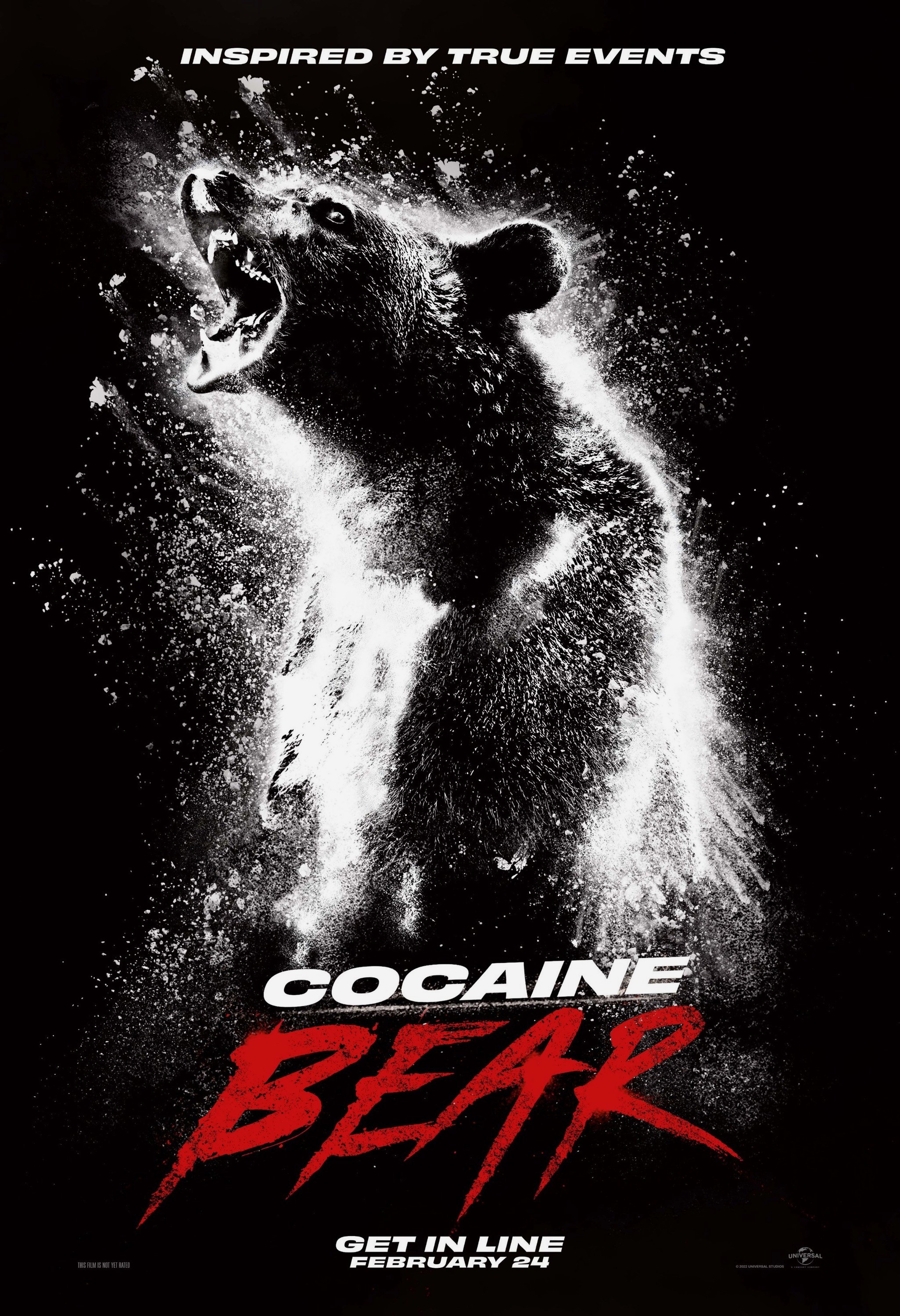
Partially inspired by an incident that took place in 1985, where lawyer-turned-drug smuggler Andrew Thornton took to the skies to drop blocks of cocaine over Knoxville, Tennessee, before leaping out of his aircraft carrying a duffel bag containing roughly £11 million worth, ultimately falling to his death when his parachute malfunctioned. A regional black bear was believed to have stumbled upon some of his stash, as two months later, a Georgia hunter discovered a bear carcass surrounded by the remains of a bag investigators later deemed to be Thornton’s. Although no deaths were reported as a result of the intoxicated animal, with a medical examiner concluding that the two-hundred-pound beast likely overdosed within minutes, dying from cerebral haemorrhaging and respiratory heart failure, the notorious story of the amusingly nicknamed; “Pablo Escobear,” was ripe for a cinematic adaptation given its utter absurdity, and the bluntly titled; Cocaine Bear, released in 2023, aimed (yet failed) to fill that void.

Plot Summary: When a duffel bag stuffed with around $14 million in cocaine falls from the sky in the aftermath of a 1980s drug smuggling excursion, a colossal, national park-roaming American black bear unconsciously devours much of the white powder, steering the animal on a bloody path of destruction as it becomes the most dangerous apex predator on the planet for the next few hours…

Directed by Elizabeth Banks (Movie 43 – Segment: Middleschool Date, Pitch Perfect 2, Charlie’s Angels), the title of Cocaine Bear was originally intended to be a temporary working title, but the producers eventually decided to release the film under that moniker as they couldn’t think of a title more fitting. To some extent, this bit of trivia serves as a representation of the film itself, as Cocaine Bear is exactly what it sounds like; a ludicrous, violent and corny comedic thriller that adapts a story almost too outlandish to believe. Of course, to create a more marketable flick, the filmmakers do make a string of alterations to the real story as, in reality, when the animal’s carcass was found, it had already been dead for around a month, in contrast to the rampage depicted in the film, which occurs shortly after the smuggler’s death. Moreover, investigators never reported any threatening or destructive behaviour ahead of its death, nor did the bear eat the entirety of the supply Thornton was thought to have smuggled, as officials deduced that an unknown individual had fled with a portion of the stash. Still, it is an amusing tale to bring to the silver screen, especially since animal experts have always been somewhat uncertain as to whether animals experience the same type of high that humans do from substances like alcohol or marijuana, despite some animals seemingly ingesting substances like catnip and hallucinogenic mushrooms for their recreational effects.

Featuring one of the last-ever performances from famed actor Ray Liotta, as the actor sadly passed away on May 26th, 2022, a mere week after he re-recorded some of his lines during the film’s post-production phase. The central cast of Keri Russell, Alden Ehrenreich, O’Shea Jackson Jr., Isiah Whitlock Jr. and Liotta himself are all serviceable in their various roles. While some of the cast portray relatively likeable yet significantly underdeveloped, hapless residents, others lend their acting skills to portraying scummy drug peddlers who ultimately earn their comeuppance when confronting the ravenous, cocaine-plugged beast. However, whilst much of the cast is well-versed in the comedy genre, one of Cocaine Bear‘s most significant shortcomings is undoubtedly its inconsistent, overly cartoonish humour throughout.

Aside from the CG effects of the titular bear, which adequately convey its size, strength and weight, the visuals of Cocaine Bear are rather bland, rarely employing distinctive shots or creative set design as the cinematography by John Guleserian predominantly largely relies on generic mid-shots, with much of the editing harbouring little rhythm and the bloodthirsty beast’s killings possessing minimal creativity, often having a severed limb merely dumped in front of the camera.

In terms of the original score, talented composer Mark Mothersbaugh’s soundtrack is sufficient yet rather sterile in the grand scheme, with the poorly-anointed tracks of Bear Attack, Bathroom Fight and Bear Dance being the only high points as Mothersbaugh attempts to integrate a selection of instruments from the ’80s to lend authenticity to the 1980s setting.

Bizarrely, although set in an unnamed national park in Knoxville, Tennessee, Cocaine Bear was truthfully shot in Ireland, with the crooked forest trails of the Irish outdoors appearing largely indistinguishable from that of the U.S. Very few Irish actors were cast, however, excluding extras, presumably to play into this implied American setting.

In summary, Cocaine Bear stumbles even as the lowbrow flick many (myself included) expected it to be, lacking entertainment value and a strong sense of satire in spite of the film leaving a peculiar cinematic legacy, with a slew of low-budget rip-offs emerging shortly after its release, each more absurd than the last, such as Cocaine Shark (2023) and Attack of the Meth Gator (2023). Thus, I’d suggest bypassing Cocaine Bear and simply scouring for a documentary on the event. Conversely, if you are ever passing through Lexington, Kentucky, perhaps consider visiting the Kentucky for Kentucky Mall, where the bear’s preserved body is actually on display, further corroborating the animal’s enchantingly strange legacy. Rating: 4/10.
cocaine_bear_xxlg

Leave the World Behind (2023) – Film Review

“A Conspiracy Theory About a Shadowy Group of People Running the World Is Far Too Lazy of an Explanation… Especially When the Truth Is Much Scarier.” – G. H. Scott

Suspenseful, intriguing and enigmatic, 2023’s Leave the World Behind is an adaptation of the novel of the same name by Rumaan Alam. Steadily drawing its audience in through its engaging premise and stunning camerawork, this stylish Netflix Original is an apocalyptic thriller centred around the idea of humanity’s destruction being brought about by our distrust of others, our overreliance on modern technology and our lack of control over the planet. And, although not perfect, the film is a predominantly engrossing and intricate original flick for the streaming service in more ways than one.

Plot Summary: Exchanging New York City for a much-needed family getaway at a luxurious, remote rental home, couple Amanda and Clay Sanford are shaken by the late-night arrival of the sharply-dressed stranger, G. H. Scott, and his daughter, Ruth, bearing troubling news of a regional blackout and communication issues. But, as the pair are invited inside and speculate on why this rapid technological breakdown is occurring, all signs begin to point to more than a temporary malfunction…

Written and directed by Sam Esmail (Comet), creator of the incredibly gripping and considerably underrated crime-thriller television series; Mr. Robot, through which Esmail proves his extraordinary talent as a screenwriter and director. Leave the World Behind proves, once again, that Esmail is an absurdly talented filmmaker, governing the film’s pacing, upsurge in tension and consistently dour tone to an astonishing degree, all whilst enveloping the story in an unpredictable and surprisingly close to reality ‘end of the world’ scenario, even if the narrative unnecessarily harbours a lengthy runtime of almost two and a half hours. I can, however, see some taking issue with the film as a result of its conclusion, which is rather inconclusive and underwhelming after all the film’s build-up, even though the climax does answer many of the questions the audience likely possesses at that time.

The central cast of Julia Roberts, Mahershala Ali, Ethan Hawke, Myha’la, Farrah Mackenzie, Charlie Evans and Kevin Bacon all hold their own throughout the runtime, authentically portraying a concerned family, a pair of fairly unwelcomed guests and a distrustful neighbour with the appropriate dose of awkwardness and apprehension. Yet, the characters themselves aren’t given enough to make them appear memorable or complex, merely functioning as viewpoints for the audience as they piece together the sprinklings of clues and information they uncover in relation to the circumstances that are transpiring around them.

Utilising its colour palette to represent specific characters, like the colour blue, for example, being employed around the Sanford family, with their bedroom, car, clothes and other minor details all sharing this colour. The visuals, specifically the sleek cinematography by Tod Campbell, are inventive and attractive, visually conveying much of the paranoia the characters are feeling while implementing Esmail’s signature style of filmmaking via uncomfortable close-ups on the characters, positioning them in the corner of the frame to further put the audience on edge, with even the wall art in the master bedroom altering over time as Amanda and Clay’s temperament intensifies. Additionally, Leave the World Behind houses a few moments of fairly impressive CGI whenever the characters encounter a CG flamboyance of flamingos or a herd of deer near their rental home, which is certainly abnormal and visually interesting, yet the animals’ significance in the grander narrative is largely lost on me.

Crafting an outstanding score for all four series of Mr. Robot, Mac Quayle is a superb composer and continues to prove his worth with his nail-biting, horror-esque score for Leave the World Behind, continuously adding to the suspense of each and every scene, whether there is any physical peril at that time or not. During tracks such as; Beach Day and Cyberattack, Quayle’s orginal score is led by an isolated, eerie piano piece, placing the audience (for a brief moment) amid the film’s impending apocalypse and the human drama unfurling within. However, as much as the score attempts to immerse the audience in the narrative, some of the licensed songs chosen for the film have the counter effect, seeming unsuitable and irrelevant to both the tone and the story, despite the stylish opening animated sequence where one of these songs is featured, serving as an electrifying curtain-raiser.

On another note, Leave the World Behind interestingly contains several references to Esmail’s previously mentioned television series, including Amanda’s laptop and the yellow emergency kits the character, Danny, purchases both being produced by E-Corp, a fictional corporation featured in the series, as well as a book written by the Mr. Robot character, Irving, also appearing, suggesting that the stories may take place in the same universe, which would make sense, given the stories’ shared notions of hackers, cyberattacks and theories regarding online terrorist groups.

In summary, Leave the World Behind is a Netflix Original that will undoubtedly divide its audience, taking an unconventional approach to the well-known formula of the apocalyptic scenario, leaning more into the isolated paranoia and scepticism of an ordinary American family rather than the grand destruction of famed cities and their associated landmarks across the globe. Even so, whilst not quite as polished or as compelling as Esmail’s masterwork of a television series, Leave the World Behind definitely has its notable elements, in my opinion, grounding itself in reality as much as possible. Rating: 7/10.

leave_the_world_behind_xxlg

Outstanding Original Scores in Cinema – Film List

I’ve always considered original scores to be a very underappreciated element of filmmaking, as many audience members rarely seem to take notice of the beautiful and indelible soundtracks that saturate many scenes throughout cinematic history. These scores serve an important purpose in audibly immersing the audience in a narrative via dramatic, unnerving or sorrowful tracks that evoke deep emotion inside them (even if they aren’t aware of it), greatly enhancing the cinematic experience. Here are some of my personal favourites…

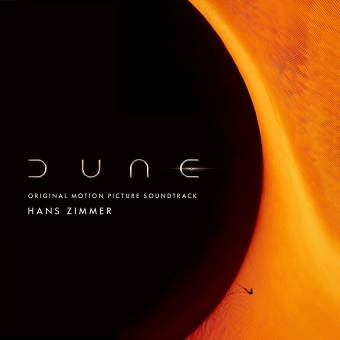
Dune (2021) – Composer, Hanz Zimmer

Favourite Tracks: Herald of the Change, Ripples in the Sand

dune-transformed

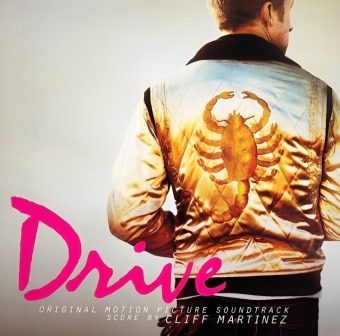
Drive (2011) Composer, Cliff Martinez

Favourite Tracks: I Drive, Bride of Deluxe 

7104jovZ2vL._UF894,1000_QL80_

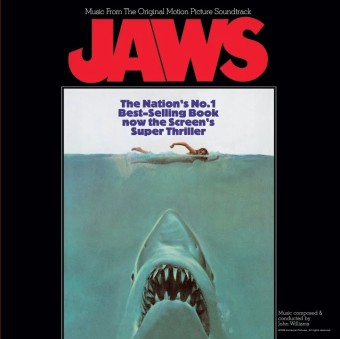
Jaws (1975) Composer, John Williams

Favourite Tracks: Main Title and First Victim, End Titles

maxresdefaulthg

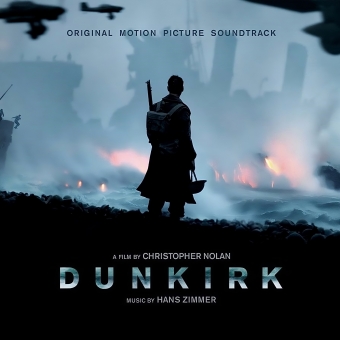
Dunkirk (2016) – Composer, Hanz Zimmer

Favourite Tracks: The Mole, Supermarine

71u3oI1ACRL__UF894_1000_QL80_-transformed

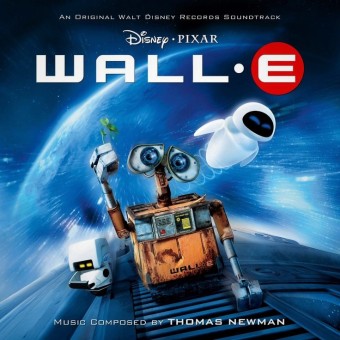
WALL-E (2008) – Composer, Thomas Newman

Favourite Tracks: 72 Degrees and Sunny, Define Dancing

41141af4927588fb34ed6ec6704c0a09--wall-e-animation-movies

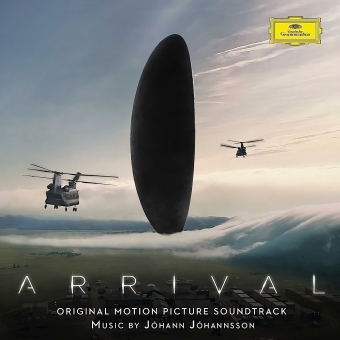
Arrival (2016) – Composer, Jóhann Jóhannsson

Favourite Tracks: ArrivalKangaru

71JNEXMq4HL__UF894_1000_QL80_-transformed

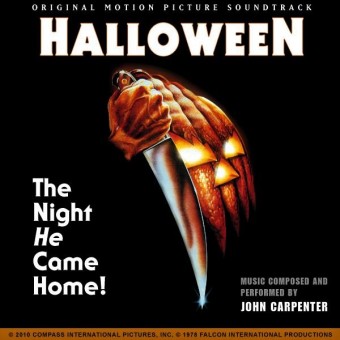
Halloween (1978) – Composer, John Carpenter

Favourite Tracks: Halloween Theme – Main TitleMyer’s House

19192_568986

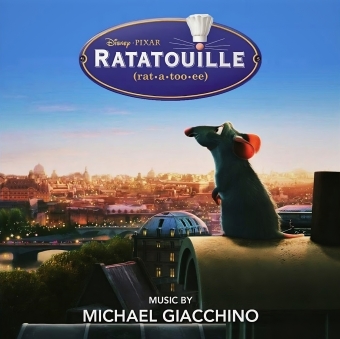
Ratatouille (2007) – Composer, Michael Giacchino

Favourite Tracks: Ratatouille Main ThemeEnd Creditouilles

maxresdefault8-transformed

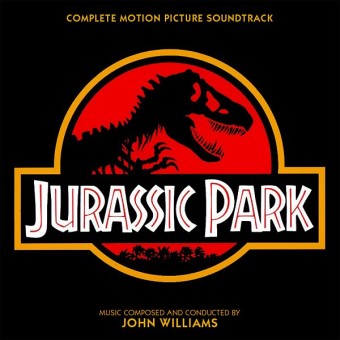
Jurassic Park (1993) – Composer, John Williams

Favourite Tracks: Welcome to Jurassic Park, Journey to the Island

Big-jurassic-park-ost

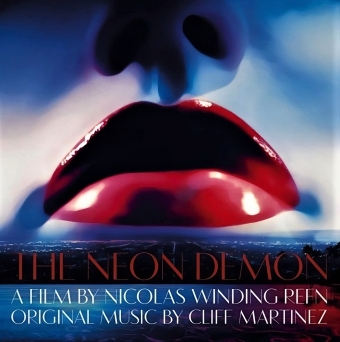
The Neon Demon (2016) – Composer, Cliff Martinez

Favourite Tracks: The Neon Demon, Something’s in My Room

R-8685828-1466596094-8895_jpeg-transformed

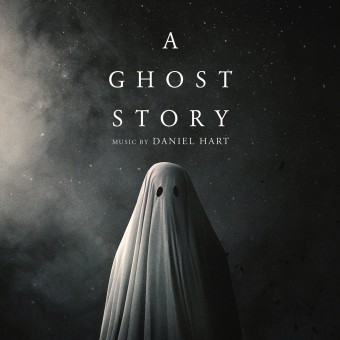
A Ghost Story (2017) – Composer, Daniel Hart

Favourite Tracks: The Secret in the Wall, Safe Safe Safe

cover

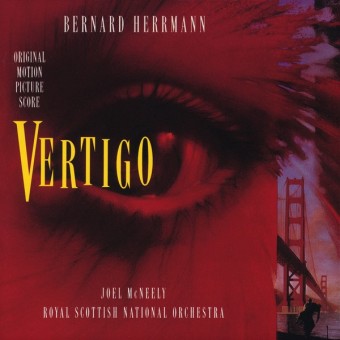
Vertigo (1958) – Composer, Bernard Herrmann

Favourite Tracks: Prelude and Rooftop, Carlotta’s Portrait

R-4321078-1520330009-2401.jpeg

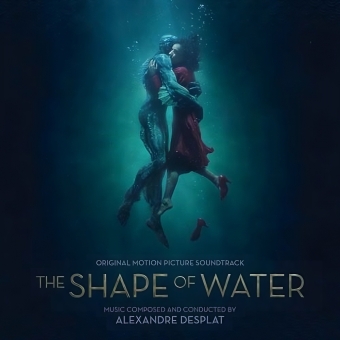
The Shape of Water (2017) – Composer, Alexandre Desplat

Favourite Tracks: The Shape of Water, Elisa’s Theme

The-Shape-of-Water-transformed

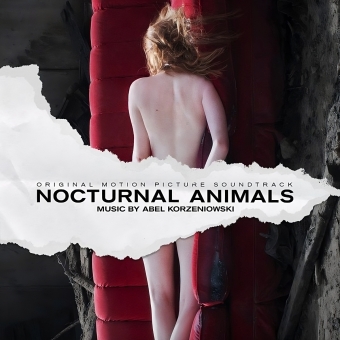
Nocturnal Animals (2016) – Composer, Abel Korzeniowski

Favourite Tracks: Revenge, City Lights

R-9415308-1480173348-9936_jpeg-transformed

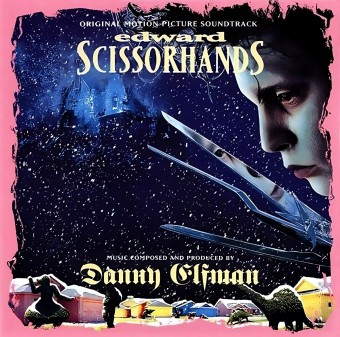
Edward Scissorhands (1990) – Composer, Danny Elfman

Favourite Tracks: StorytimeIce Dance

R-1798552-1466642639-8253_jpeg-transformed

The Social Network (2010) – Composers, Trent Reznor and Atticus Ross

Favourite Tracks: In MotionPainted Sun in Abstract

R-2497693-1296648950.jpeg

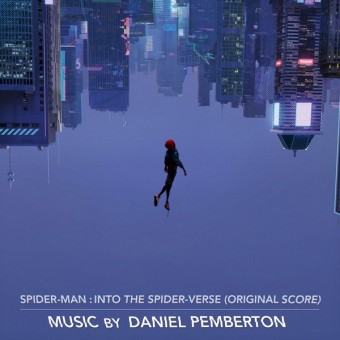
Spider-Man: Into the Spider-Verse (2018) – Composer, Daniel Pemberton

Favourite Tracks: Gimme the GooberSpider-Man Loves You

R-12947391-1545107713-8720.jpeg

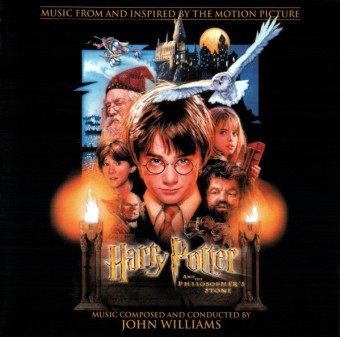
Harry Potter and the Philosopher’s Stone (2001) – Composer, John Williams

Favourite Tracks: Hedwig’s Theme, Diagon Alley and the Gringotts Vault

R-4774683-1638806691-1281

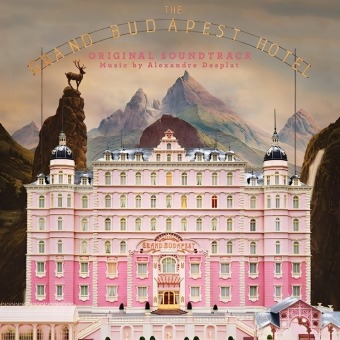
The Grand Budapest Hotel (2014) – Composer, Alexandre Desplat

Favourite Tracks: Mr. Moustafa, Daylight Express to Lutz

81ll9yJG6GL._UF894,1000_QL80_

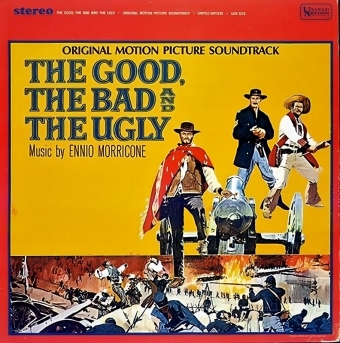
The Good, the Bad and the Ugly (1966) – Composer, Ennio Morricone

Favourite Tracks: The Good, the Bad and the UglyThe Ecstasy of Gold

morricone_goodf-transformed

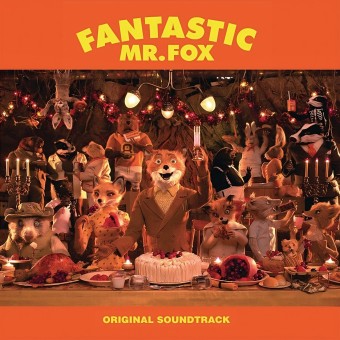
Fantastic Mr. Fox (2009) – Composer, Alexandre Desplat

Favourite Tracks: Mr. Fox in the Fields, Jimmy Squirrel and Co.

ab67616d0000b273b5c2ad0a84a7be36195e1d70-transformed

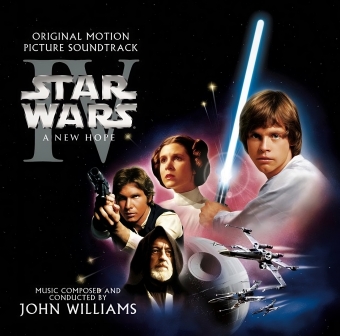
Star Wars: Episode IV – A New Hope (1977) – Composer, John Williams

Favourite Tracks: Main TitleThe Princess Appears

ab67616d0000b27344d5ef063da6fc06df7b1bc1-transformed

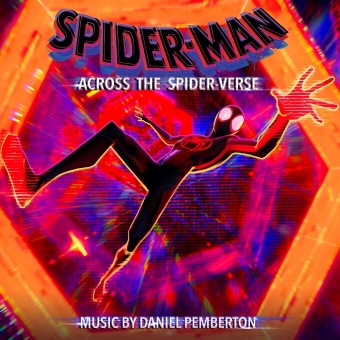
Spider-Man: Across the Spider-Verse (2023) – Composer, Daniel Pemberton

Favourite Tracks: Spider-Woman (Gwen Stacy), Canon Event

1200x1200bf-60-transformed

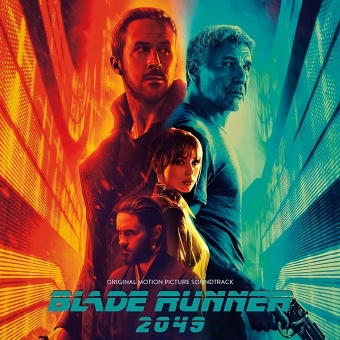
Blade Runner 2049 (2017) – Composers, Hans Zimmer and Benjamin Wallfisch

Favourite Tracks: Tears in the RainBlade Runner

640x640-transformed

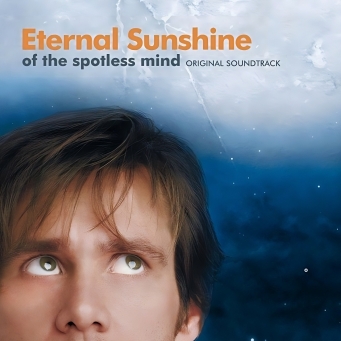
Eternal Sunshine of the Spotless Mind (2004) – Composer, Jon Brion

Favourite Tracks: Theme From Eternal Sunshine of the Spotless Mind, Bookstore

R-9491697-1482136218-5039-transformed

Winnie-the-Pooh: Blood and Honey (2023) – Film Review

“Pooh, You’ve Got to Help Me! Something’s Wrong With Piglet, He Killed My Wife!” – Christopher Robin

Shot in a mere ten days, Winnie-the-Pooh: Blood and Honey, released in 2023, is a British-American-produced micro-budget slasher that takes a more despicable approach to the beloved characters of Winnie-the-Pooh, Piglet and the other inhabitants of the Hundred Acre Wood, morphing the convivial critters into bloodthirsty, savage killers. Unsurprisingly, due to its laughable concept, terrible screenplay, amateurish filmmaking and general lack of any genuine horror or satire, Winnie-the-Pooh: Blood and Honey serves as nothing more than a bargain-basement slasher that fails to exhibit even a passing interest in the source material it’s adapting. As such, the film is only really notable for its title, simply existing as a bizarre, mismatched amalgamation of the horror genre and classic children’s literature.

Plot Summary: When Christopher Robin, now a young man, departs the Hundred Acre Wood to attend university, leaving Winnie-the-Pooh and his furred friends to fend for themselves, their days of merriment and adventure quickly come to an end as they become feral and enraged, soon acquiring a taste for flesh that steers them on a bloody rampage…

The creation of Winnie-the-Pooh: Blood and Honey became feasible at the start of 2022 after the 1926 children’s book; Winnie-the-Pooh by A. A. Milne, entered the public domain in the United States, voiding its copyright, and therefore Disney’s media exclusivity over the titular character. This meant that the filmmakers behind Winnie-the-Pooh: Blood and Honey were free to use characters like Pooh, Piglet and Eeyore, as long as they did not resemble their animated, Disney-owned counterparts, which were still actively protected by copyright. Nevertheless, I feel that most would agree that a malicious interpretation of Milne’s cuddly animal characters is undoubtedly a poorly-conceived concept from the get-go, with the film doing little to prove its critics wrong in this respect throughout the exceptionally brief runtime, even if it is commendable that this is the first live-action adaptation of Winnie-the-Pooh not produced by the Walt Disney Company, as well as the first adaptation geared towards mature audiences.

Regarding the film’s surplus of shortcomings, Winnie-the-Pooh: Blood and Honey‘s most significant issues lie within its screenplay, as the film crams several unwarranted scenes and overly dramatic subplots into a formulaic slasher framework, like having the underwritten protagonist Maria, portrayed by Maria Taylor, be suffering from serve PTSD, following a night where an anonymous sexual deviant broke into her home. These details add little to the narrative and generally come across as screen-time wasters. The rest of the characters, including Christopher Robin, Jessica, Alice, Zoe and Lara, portrayed by Nikolai Leon, Natasha Rose Mills, Amber Doig-Thorne, Danielle Ronald and Natasha Tosini, respectively, are all tremendously underdeveloped, delivering tedious exposition dumps that lead nowhere through performances that frequently present the cast as if they are uncomfortable in their various roles, underselling or overselling their reactions at every turn.

With the exception of the creative opening sequence, which sets the stage for this darker rendition of the honey-hungry yellow bear via pencil-doodled animation, Winnie-the-Pooh: Blood and Honey is a rather shoddy horror flick that lazily relies on its handful of admirable practical effects to avoid attempting anything visually or audibly impressive, as the cinematography by Vince Knight is relatively dull when it isn’t chaotically unstable during chase sequences, whilst the editing haphazardly slaps scenes together without any consideration for continuity or pacing. Furthermore, the film utilises plenty of editing trickery to get around its poor direction, namely, a ludicrous quantity of fade-to-black transitions and an assortment of abysmal CG blood effects.

One of the more mildly charming aspects of Winnie-the-Pooh: Blood and Honey, however, is its original score by Andrew Scott Bell, as tracks like In Which We Are Introduced to Winnie-the-PoohTogether Forever and Silly Old Bear, while generic, are, at least, of a relatively high-quality thanks to Bell’s innovative approach to the whimsical yet eerie score, employing a variety of instruments in the composition of the soundtrack, such as a “Beehiveolin,” a combination of a beehive and a violin.

Interestingly, writer-director Rhys Frake-Waterfield (The Area 51 IncidentThe Killing TreeFirenado) originally wanted Tigger to appear in the film, but the character ultimately didn’t on account of copyright. Some may say this was a favourable outcome, as Winnie-the-Pooh: Blood and Honey evidently doesn’t strive for faithful recreations of the cherished characters of the Hundred Acre Wood. Instead, the film opportunistically coasts on the novelty of placing the loveable critters in a macabre context, bringing the characters to live-action through rubbery, full-face masks that display no hair or visible mouths, allowing for minimal expressions, meaning Pooh and Piglet may as well be murderous individuals sporting animal-themed masks.

In summary, Winnie-the-Pooh: Blood and Honey is exactly what many anticipated it to be following the release of its viral trailer in mid-2022; an atrocious slasher, an appalling adaptation, and an all-around execrable piece of cinema. Still, that’s not to say that Winnie-the-Pooh: Blood and Honey was a commercial failure, as the film actually grossed over £4 million on a budget of around £79,000, despite its near-universally negative reviews. Consequently, this suggests that with many other children’s literary works soon making their way into the public domain, we will regrettably be receiving far more lousy, horror-centric renditions of long-established characters in the near future, with Winnie-the-Pooh: Blood and Honey 2Bambi: The Reckoning and Peter Pan’s Neverland Nightmare, being just some of the projects already announced. Rating: 2/10.

winniethepooh_blood_and_honey_xxlg