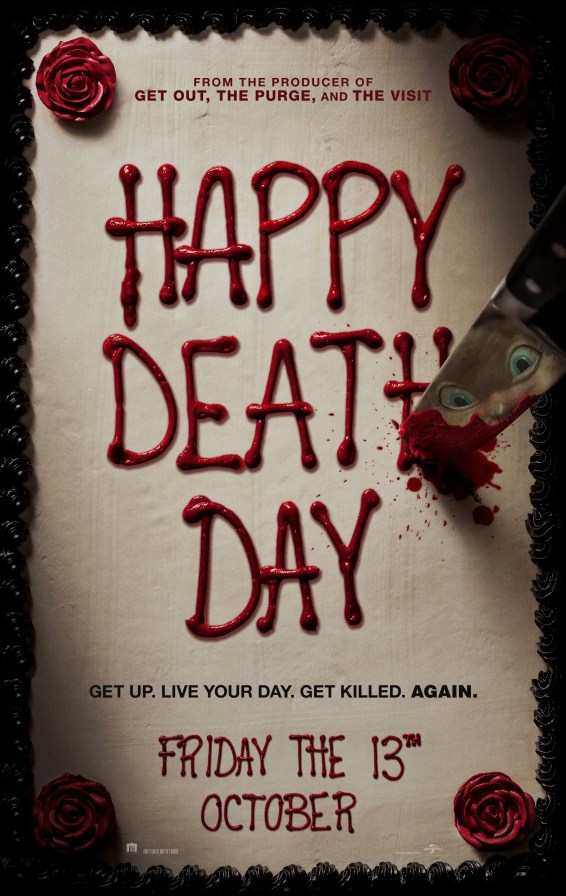
Happy Death Day (2017) – Film Review

Another horror flick from production company Blumhouse Pictures, ‘Happy Death Day,’ released in 2017, does at least extend out of the usual range of Blumhouse horrors to become more of a horror-comedy than just a straightforward teen slasher. But, similar to the rest of their associated franchises, e.g. ‘Insidious,’ ‘The Purge’ and ‘Paranormal Activity,’ both ‘Happy Death Day’ and it’s sequel, have their fair share of issues, with some being far more severe than others.

Plot Summary: Waking up in the dorm room of a boy whose name she can’t remember after a night of heavy drinking, self-centered college student; ‘Tree Gelbman,’ intends to continue her trend of avoiding her birthday, but little does she know that later that night on her way to another party, someone is waiting to murder her. Only after being killed, ‘Tree’ awakens in the same dorm room, soon realising she is being forced to relive her brutal night of murder over-and-over again until she discovers her killer’s identity…

‘Happy Death Day’ similar to many other day-repeating stories in the past, takes most of its inspiration from the comedy classic; ‘Groundhog Day,’ from 1993. Yet, unlike many of the other films that are inspired by this beloved comedy flick, it becomes clear over time that ‘Happy Death Day’ is quite derivative of ‘Groundhog Day,’ as the film’s story not only utilises the comedy’s plot without much innovation (only throwing a killer into the mix). But, the film even steals the main point of the narrative, that being its main character and their correlating character arc, using the time-looping concept to in a way punish the protagonist for their cruel behaviour towards others.

In spite of this, however, the protagonist; ‘Tree,’ portrayed by Jessica Rothe, is by far the best element of the film, as while ‘Tree’ does go through a character arc that is all-too-familiar as previously mentioned, Rothe makes a fantastic first outing as an actress through her very enjoyable performance. Then, of course, there is the killer, whose identity remains a mystery throughout most of the runtime, known as ‘The Babyface Killer,’ the killer’s outfit is actually the mascot of ‘Bayfield University,’ where the film takes place, and although the costume itself is far more goofy then intimidating, the mask/costume was actually designed by Tony Gardner. The costume designer behind the now-iconic; ‘Ghostface,’ costume from the ‘Scream’ series, which does help redeem to the killer’s undoubtedly petty motivation.

The film’s cinematography by Toby Oliver isn’t anything amazing, but does back up the story effectively in a variety of scenes. Whether that’s through its use of wide sweeping shots when the characters are in an intense chase, or when more shaky hand-held camerawork is used to reflect ‘Tree’s breakdown when she first realises she is stuck in her current crisis. Yet, similar to much of its story, the film never leans enough into a more outlandish/experimental nature when considering what the film could accomplish with its cinematography.

Talented composer Bear McCreary handles the film’s original score, which isn’t very distinctive from most of his other work within the horror genre. But, despite the score’s lack of memorability, it still does feel as if there is a decent amount of effort put into it, as the soundtrack actually has quite a lot of range even if some of the tracks don’t always fit with the tone of the film. This also goes for many of the songs used throughout ‘Happy Death Day,’ as nearly all of the film’s song choices massively differ in both genre and general popularity.

Still, the biggest problem ‘Happy Death Day’ suffers from is the inconsistency of its tone, as although the film does attempt to have scenes featuring both scares and humour, alike, many of the film’s jump-scares and jokes range in quality, and occasionally even cancel each other out. Additionally, the film also takes an unusual approach to its violence, as while ‘Tree’ dies countless times throughout the film in a number of different ways. The film never allows for any creative or darkly amusing deaths, due to its lack of any blood or gore. Yet, this wasn’t always the case, as the original screenplay for the film did actually include more violence, so much so, in fact, that it would have gained the film a higher age rating, with plenty of scenes having much grislier deaths that were later altered by director Christopher Landon (Paranormal Activity: The Marked Ones, Scouts Guide to the Zombie Apocalypse) during pre-production.

In summary, whilst the signature performance from Jessica Rothe does help to make ‘Happy Death Day’ a far more enjoyable viewing, in addition to the film’s idea of a protagonist being repeatedly murdered having plenty of potential for a horror-comedy. The film just doesn’t do enough with its story, feeling almost as if its a little restrictive on itself, never delving enough into being either funny or freighting respectively. So, if you desire an amusing horror-comedy to stick on one evening, maybe just go back to your more accustomed choices over this mediocre slasher. Final Rating: 5/10.
happy_death_day_xxlg

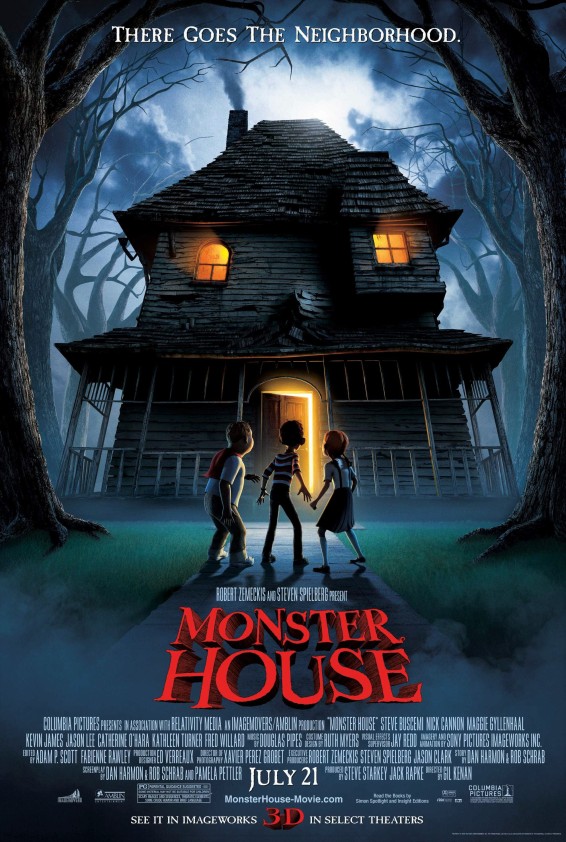
Monster House (2006) – Film Review

A personal childhood classic for me, ‘Monster House’ is one of those rare kids films that isn’t afraid to explore darker themes of death, grief and childhood fears. Whilst still managing to be a solid piece of entertainment for any family urging for a creepy adventure, as producers Robert Zemeckis and Steven Spielberg jump on board alongside Gil Kenan, director of the ‘Poltergeist’ remake from 2015, as his directorial debut, this animated adventure is always a joy to return to for me.

Plot Summary: After his cranky, elderly neighbour suffers a heart attack and is taken to hospital, suspicious teenager; ‘DJ,’ invites his clumsy best friend; ‘Chowder,’ over, only to discover that his creepy neighbour’s house is, in fact, a living, breathing monster. Now, with the help of the quick-witted student; ‘Jenny,’ the trio hatch to destroy the house before it can claim victims on Halloween night…

This simple, yet extremely strange plot is one of the best aspects of the film, as the director makes as much use out of this concept as possible. Usually getting extremely creative and even catching the audience by surprise at a few points, no matter their age. Having a great blend of both comedy and tame horror, the film has a mostly light-hearted tone, aside from the occasional dark scene, of course, which actually works quite well for the film’s story. The jokes throughout the film are also pretty decent, as despite some gags being a little too cheesy or immature at points. For the most part, the comedy throughout the film can get a laugh out of me.

The three main characters within the film are portrayed by Mitchel Musso, Sam Lerner and Spencer Locke, who all provide likeable and varied personalities to each of their respective characters, while Steve Buscemi lends his voice to the creepy ‘Old Man Nebbercracker,’ who actually turns out to a very interesting and even sympathetic character by the end of the film’s swift runtime.

The animated cinematography is overall nothing outstanding, but does lend itself well to creating some attractive shots and eerie visuals throughout the film. I also personally enjoyed how the film utilised more hand-held like camera movements during the more chaotic scenes of action or terror throughout the story. The film even blends its bright animation colour palette with a more dark/pale horror-esque palette, only a little detail, but I appreciated it regardless. The original score by Douglas Pipes is also another wonderful element of the film, combing the feel of a classic animated film with undertones of horror.

Although the animation can sometimes range in quality, the visual look of the almost stop-motion-like animation does give the film an eerie appeal. However, due to the film’s age, the film has definitely begun to show some cracks here and there, as various points in the narrative characters can begin to look a little clunky or unnatural with their movements. This is mostly due to the motion capture technology that was used very heavily throughout the film, long before films such as ‘Avatar’ or ‘Rise of the Planet of the Apes’ truly pushed the technology to its limits.

Many of the character designs throughout the film are also quite memorable, especially with the character, ‘Bones,’ in particular, who always comes to mind for me when thinking of this film. I also personally adore the design of the ‘Monster House’ itself, as the design is incredibly menacing and really feels like a true horror antagonist.

In summary, ‘Monster House’ never fails to be entertaining for me, every time I revisit it, as the film truly provides a creepy experience which most other family/animated films simply can’t, as films such as ‘Hotel Transylvania’ or ‘Goosebumps’ always try to capture this tone, but usually fall short. It’s here ‘Monster House’ succeeds, as despite some clunky animation and cheesy dialogue at points, the film succeeds in being an spooky adventure with a fantastic cast, and effective original score that the entire family could enjoy. Maybe it’s nostalgia for me, but I personally believe the film is honestly a great choice when it comes to a Halloween night, or maybe just a rainy evening. Final Rating: 7/10.

monsterhouse_poster

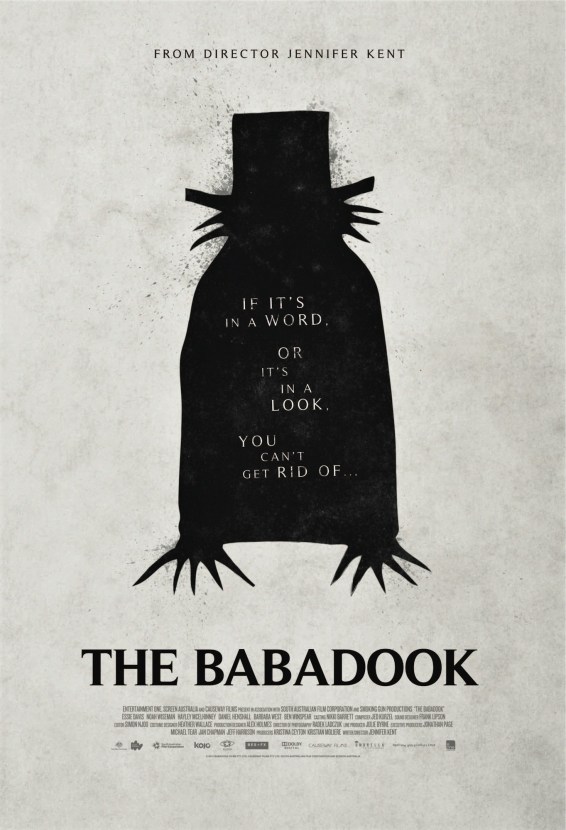
The Babadook (2014) – Film Review

Surreal, engrossing and truly terrifying during some scenes, ‘The Babadook’ is, in my opinion, one of the best modern horrors released in quite some time. Through its excellent filmmaking, astounding performances and horrifying yet also intriguing creature, ‘The Babadook’ attempts to do something different with its horror, going about its story with far more depth than many other films within its genre, soon becoming an experience that’s just as immersive as it is disturbing for anyone who stumbles upon it.

Plot Summary: Following the sudden death of her husband in a car crash, the now-widow; ‘Amelia,’ struggles to cope as a single mother, as her son’s chaotic behaviour and constant paranoia of monsters makes her friends become distant and even her sanity begin to fade. Until, one night, after the pair read a mysterious pop-up book, titled; ‘Mister Babadook,’ they soon discover a malevolent creature has manifested itself into the dark corners of their home…

Directed by Jennifer Kent (The Nightingale), ‘The Babadook’ is a horror film that has much more to offer beneath its surface, with themes of family, grief and trauma throughout. Based on the short film; ‘Monster,’ also directed by Jennifer Kent, ‘The Babadook’ actually takes much of its inspiration from one of Kent’s real-world friends, a single mother whose son was traumatised by a monstrous figure he thought he saw everywhere in the house. So, Kent imagined a scenario in which this creature was real, eventually leading her to create her short film, before then wanting to expand on the idea further.

The main area ‘The Babadook’ excels where most modern horrors fail is the characters. Only featuring a main cast of two terrific actors, Essie Davis and Noah Wiseman, with Wiseman only being six-years-old at the time of filming. The mother and son of the film are both compelling characters for very different reasons, as the mother ‘Amelia’ struggles to cope as a single parent. Alienating her friends/colleagues and becoming more lonely and sexually frustrated as time passes, mostly due to her son; ‘Samuel,’ who continuously struggles with anxiety and the absence of a real father, which makes it challenging for him to mix with other children. This all adding up to making the film just as effective as a family drama as it is a supernatural horror.

Although Radek Ladczuk’s cinematography isn’t quite as impressive as the film’s magnificent editing, which allows for plenty of quick visual storytelling and gives the film a level of style that I didn’t expect. ‘The Babadook’ does still feature a number of stunning shots, which are enormously enhanced by the film’s dread-inducing lighting. As, not too dissimilar to the horror flick; ‘Lights Out,’ from 2016, ‘The Babadook’ himself only appears within the shadows. So, with nearly the entire runtime being set within a dark run-down house (usually also at night), the creature could be lurking within any shot, and occasionally, even is…

Slightly fairytale-esque in parts, the original score by Jed Kurzel may not be a stand out horror score up there with the likes of ‘Halloween’ or the original ‘Psycho.’ But, the score is still a fair amount more creative than many other modern horror scores, with tracks, such as ‘Trippy Television’ and ‘It’s Only a Story,’ giving the film a very dream-like quality, sounding almost as if they were composed for a Tim Burton-penned project at points. That is before the soundtrack becomes a little more of the standard horror affair with tracks, like ‘The Playground’ and ‘Re-Writing the Story,’ despite these tracks still helping to build tension throughout.

Immensely creepy throughout the film, ‘The Babadook’ himself is a very memorable and frightening presence in spite of his somewhat goofy moniker, as every one of his appearances is always elevated by his bone-chilling sound design, which is very uncanny in a similar fashion to the original score. The only major issue I take with the film is the lack of encounters the characters actually have with the creature, as while many of his scenes are extremely well-executed, ‘Mister Babadook’ just doesn’t have quite enough screen-time for me. However, this problem also extends to nearly all of the film’s side characters, as ‘Claire,’ ‘Robbie’ and ‘Mrs. Roach,’ all feel underutilised within the narrative, even though the story’s main focus is very clearly the mother and son relationship.

In summary, ‘The Babadook’ is a brilliantly crafted horror, mostly as a result of its atmospheric cinematography/lighting and masterful editing, alongside its great performances and array of tension-filled moments. Whilst perhaps not for every horror addict, due to its sparse amount of jump-scares and very low body count. Jennifer Kent’s directorial debut is certainly a horror flick I’d recommend to most, and considering Kent has stated that the film will never receive a sequel, it’s clear the film was a true passion project that won’t fall into the trap that many successful horrors do of milking themselves into an over-blown franchise. Final Rating: 8/10.

babadook_xxlg

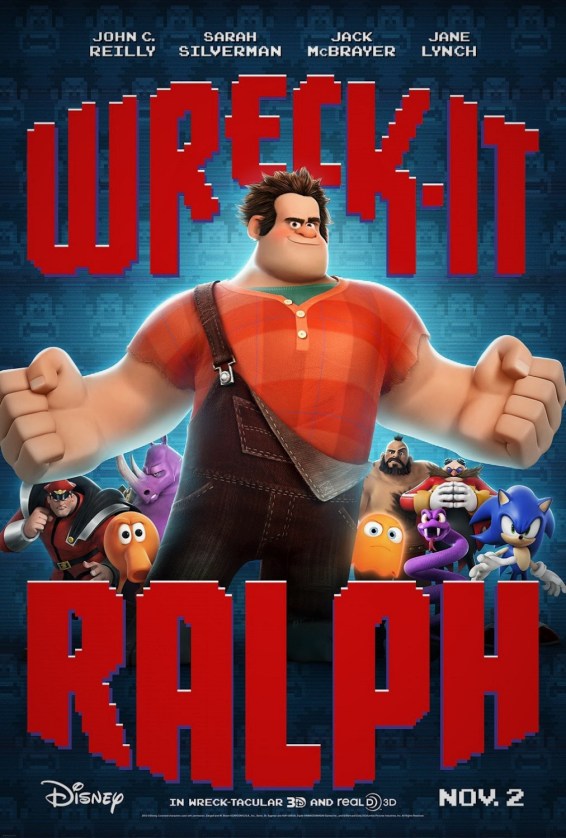
Wreck-It Ralph (2012) – Film Review

Equally entertaining for both children and parents who will catch the many references to classic arcade games, ‘Wreck-It Ralph’ is a funny, colourful, and exciting adventure from Walt Disney Animation Studios. Directed by Rich Moore, most known for his work on ‘The Simpsons,’ in addition to some other recent Disney flicks. This eight-bit odyssey may not quite match-up to some of the other iconic films Disney has released in its many years of crafting animated stories, yet is still sure to please any video game-enthusiasts in search of a new favourite.

Plot Summary: After many years of being the bad guy and being defeated in his own game day-after-day, ‘Wreck-It Ralph’ longs to be as beloved as his game’s perfect protagonist; ‘Fix-It Felix.’ So, when a modern, first-person sci-fi shooter arrives in his arcade, ‘Ralph’ sees his opportunity for heroism and happiness. But, now, with his game at risk of being put out-of-order due to his disappearance, ‘Ralph’ must quickly return home before it’s game over for everyone…

From the get-go, one of the best elements of ‘Wreck-It Ralph’ has to be its initial concept, as the film portrays the idea of video game characters coming to life in a similar fashion to the ‘Toy Story’ series, but also adds a living virtual world alongside. Interestingly, Disney first began developing an animated film based around a world of video game characters in the 1980s. At that time, the project was titled; ‘High Score,’ it was then changed to ‘Joe Jump’ in the 1990s. Until, in the late 2000s, when the film was finally pushed forward, the first two months of story development focused on ‘Fix-It Felix Jr.’ as the protagonist, which eventually evolved to the film we received in 2012.

John C. Riley and Sarah Silverman lead the cast as the titular character; ‘Wreck-It Ralph,’ and candy-coated racer; ‘Vanellope Von Schweetz,’ superbly, as unlike most animated films, the main group of actors regularly recorded their sessions together in the same room, a situation which led to large amounts of improvising and gave the cast a real sense of chemistry. But, regardless of how much of his dialogue was improvised, ‘Ralph’ still remains, in my opinion, one of the most memorable and likeable characters Disney has created in their more modern animations, mostly due to his design and understandable motivation of wanting to be seen as a hero rather than a villain. Jack McBrayer, Jane Lynch, and Alan Tudyk make up the remainder of the cast, who are all also wonderful within their roles as ‘Fix-It Felix,’ ‘Sergeant Calhoun,’ and ‘King Candy,’ respectively, as each actor plays into whichever type of game they originate from, e.g. intense sci-fi soldier with a overly dramatic backstory or a quirky kart-racer.

An area ‘Wreck-It Ralph’ is lacking, however, it’s on the promise of exploring the many different video game worlds its story implies, as while the film does explore its two signature worlds of ‘Hero’s Duty’ and ‘Sugar Rush’ effectively, ensuring each location feels vastly different in terms of both its design, animated cinematography, and colour palette. The film is limited in how many video games its characters actually explore, which is a shame when considering the many possible adventures it’s different arcade worlds could contain, especially when taking into account the huge number of cameos from video game icons, like ‘Pac-Man,’ ‘Q’bert,’ and ‘Sonic the Hedgehog.’

Although the original score by Henry Jackman is a huge missed opportunity to have a classic eight-bit score to further fit with the video game narrative, the film’s soundtrack still features plenty of great tracks, which just like the film’s visuals, alter depending on which video game world the characters are currently inside, as outside of the generally enjoyable tracks; ‘Wreck-It Ralph’ ‘Life in the Arcade,’ and ‘Messing with the Program,’ the score occasionally gets quite creative, even having an original theme created for the kart-racing game; ‘Sugar Rush’ by J-pop band; ‘AKB48,’ as the fictional video game is supposedly manufactured in Japan.

Whilst the animation itself is visually stunning and brimming with small details as with nearly every animated Disney film, the main flaw ‘Wreck-It Ralph’ suffers from its without a doubt its story structure, as what may throw many viewers off is that the film begins focused entirely on ‘Ralph’ and his journey, before then quickly and drastically changing direction to focus more on ‘Vanellope’ and her desire to become a playable ‘Sugar Rush’ racer, which can be a little jolting when recalling the film’s first act.

In summary, ‘Wreck-It Ralph’ may not always use its signature concept to its best extent, and can often go too far when it comes to some of its immature or video game-related humour. Yet, the film’s delightful characters, gorgeous and distinctive locations and beautiful animation all manage to save the film from its faults. So, despite ‘Wreck-It Ralph’ not going down with audiences as successfully as some other animated Disney flicks, like ‘Frozen’ or ‘Zootropolis,’ for example, I still feel the film is worth grabbing a joystick for, should you get the chance. Final Rating: 7/10.

wreckit_ralph_ver6_xlg

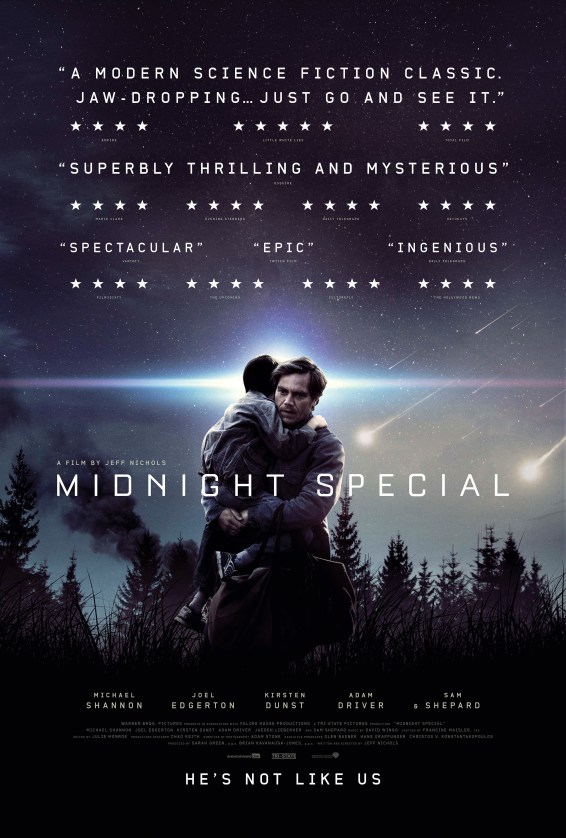
Midnight Special (2016) – Film Review

Written and directed by Jeff Nichols (Take Shelter, Mud, Loving), ‘Midnight Special’ may not be one of the most original or imaginative science fiction films to be released in recent years. Yet, regardless of its many recycled story elements and unexplored ideas, this low-budget sci-fi drama/thriller still manages to retain a sufficient amount of entertaining scenes, impressive CG effects and terrific performances to boot. All equalling to a fairly enjoyable experience, even if the film never quite reaches its full potential.

Plot Summary: ‘Alton Meyer’ is a boy unlike any other, a child with powerful abilities and strange weaknesses, alike. But, after ‘Alton’s abilities attract the attention of both an isolated cult and the U.S. government, ‘Alton’s father; ‘Roy,’ vows to protect his son as the two rival forces pursue the pair across the country…

Although ‘Midnight Special’ was Nichols’ first film made in conjunction with a large production company, Nichols wanted to ensure he had full creative control over the project just as he had previously with his low-budget indie films. So, despite Nichols originally considering making the film with an independent film studio rather than with Warner Bros. Pictures during his last meeting with the company, the producers actually agreed to all his demands, due to the small budget needed for the film. Meaning Nichols got his complete control, and the film was more successful at the box-office as a result of its wider release. This did, however, mean many audience members were left a little dissatisfied with the film, as ‘Midnight Special’ doesn’t follow the usual sci-fi clichés many would expect.

Michael Shannon leads the film as the concerned father; ‘Roy Meyer,’ and as per usual, excels in his role as this simple yet engaging character, wanting to protect his son at any cost, occasionally even at the expense of others. Playing into the age-old theme of doing anything to protect your child. Then there is also Jaeden Martell as ‘Alton’ himself, who considering his young age of twelve at the time of filming, delivers a competent performance, as even though ‘Alton’ may look like a normal child, he acts in a very robotic and eccentric manner. And, whilst this is completely intentional, this type of performance does sometimes make it quite difficult to resonate with ‘Alton’ as effectively as his father. The supporting cast of Joel Edgerton, Kirsten Dunst and Adam Driver, are all also great additions to the film, even though their characters don’t add much to the narrative.

Well-shot throughout, Adam Stone’s cinematography for ‘Midnight Special’ may not be some of the most astounding camerawork ever seen within the sci-fi genre, but due to the film mostly being set at night, the film does manage to enhance many of its already attractive shots through its dim lighting. In addition to the cinematography, the film also makes fantastic use of its many CG effects, with the majority of them being used quite sparsely to ensure they all appear as detailed as possible without going over budget.

The original score by David Wingo also isn’t too memorable when compared to some other scores composed for science fiction flicks, but it still greatly adds to the film. Alternating from slow piano-focused tracks to more electronic pulse-pounding tracks when necessary, the entire soundtrack is both atmospheric and suitably sci-fi, with my two personal favourite tracks; ‘Doak and Levi’ and ‘New World,’ being the perfect two examples of this change in tone when it comes to the score. The film also features a new rendition of the classic folk song; ‘Midnight Special,’ during its end credits, which is actually where the film gets its title.

Yet, in spite of its appealing cinematography and remarkable original score, the area where ‘Midnight Special’ falls flat is its story, as whilst many stories similar to this have been executed well in film before, most notably the sci-fi classic; ‘Starman,’ from 1984. ‘Midnight Special’ revels in not providing its audience with much information, keeping many aspects of ‘Alton’s character, his abilities, and the world the story takes place within a mystery. This is most evident when it comes to the (presumably) sinister cult known as ‘The Ranch,’ as while the cult does play a small role in the story, they remain mostly underdeveloped throughout the film, and as the runtime approaches its end, soon disappear entirely.

In summary, ‘Midnight Special’ is a sci-fi film that will appeal to a far more niche audience, as whilst a simple pitch of the plot may sound both familiar and interesting to many fans of the genre, it’s the way ‘Midnight Special’ goes about its story that will divide many viewers. If the film was to provide a little more backstory/exposition here and there, perhaps the story would’ve felt more fleshed out and matched with the brilliant efforts of its filmmaking. But, as it is, ‘Midnight Special’ feels like a bit of a wasted opportunity, as it remains a decent film that could’ve been so, so much more. Final Rating: high 6/10.

MIDNIGHT-SPECIAL-ONE-SHEET

The Bye Bye Man (2017) – Film Review

Simply from the laughably atrocious title of the film alone, I’m sure many can guess why 2017’s ‘The Bye Bye Man’ fails so miserably as a horror flick. Coming across more as a student film project rather than a feature that actually made its way into cinemas (mostly due to its amateurish acting and filmmaking alike), ‘The Bye Bye Man’ is an incredibly lacklustre and mindless horror down to even its last few painful minutes of screen-time.

Plot Summary: When three college students move into an old house just off-campus, they unwittingly unleash a supernatural entity known as ‘The Bye Bye Man,’ a dark creature that preys upon any victim that discovers its name. Now, withholding this knowledge, the group attempt to keep the existence of ‘The Bye Bye Man’ a secret whilst also trying to save themselves…

Despite the film’s title implying otherwise, the actual antagonist of the film hardly appears in full throughout the runtime. In fact, the story on which the film is based; ‘The Bridge to Body Island,’ actually has a much more complex mythology for the creature than the film itself. Originally being born albino in New Orleans in 1912, who eventually ran away from home and began murdering people and cutting out their eyes and tongues, which he would then sew together and bring to life using voodoo. The original story of ‘The Bye Bye Man’ is far more interesting and disturbing than what appears in the film, which is nothing short of undeveloped and even fairly boring in terms of both his design and his abilities.

Relatively new actors Douglas Smith, Cressida Bonas and Lucien Laviscount, unfortunately, all lead the film with quite poor performances. As, while the cringey and often moronic writing certainly doesn’t help, their performances are lacking in both urgency and charisma, so it becomes quite difficult to care about them once the supernatural occurrences begin. Surprisingly, though, the actor behind ‘The Bye Bye Man’ himself, is Doug Jones, known for his fantastic creature/character performances, such as ‘Abe Sapien’ in the ‘Hellboy’ series, and ‘The Amphibian Man’ in ‘The Shape of Water.’ Yet, even though Jones may seem like too much of an accomplished actor to be in such a minimal role as this, with talented actress Carrie-Anne Moss also making an appearance, it’s possible that at one point in time the screenplay for this film may have actually contained some creative ideas.

James Kniest’s cinematography is another area in which the film lacks, as the bland camerawork only allows for a couple of visually interesting shots throughout, usually resulting in the film having a very flat and occasionally cheap look. However, one shot the filmmakers must have been pleased with is the shot of a large industrial train traveling at night, as this shot is continuously reused at multiple points. But, what’s confusing here, is that this shot’s inclusion is never explained, nor does it having any bearing on the plot whatsoever, only appearing at random within the protagonist’s dreams and once in the real world nearing the end of the film.

The film’s original score by The Newton Brothers isn’t memorable in the slightest, simply being a standard piano and strings-focused horror score with the exception of the track; ‘The Bye Bye Man,’ which feels very out-of-place when compared to the rest of the film’s soundtrack, as the creature’s main theme sounds like something ripped straight from an episode of ‘Goosebumps.’ Also worth a quick mention is the film’s corny use of the recognisable ’50s song; ‘Bye Bye Love,’ which is just far too on-the-nose for me.

From its constant jump-scares to its many typical horror clichés (e.g. a group of college teens, creepy scribbled drawings, an old foreboding house, a protagonist who looks up the creature’s origins in a library), the film is teeming with much of the usual problematic writing that floods many modern horror screenplays. Only this time, the film has simply nothing else to set itself apart from others within the genre. The only aspect of the film that could’ve been remarkable would’ve been ‘The Bye Bye Man’ himself and his ‘Seeing-Eye Hound,’ made from pieces of his victims. But, as already mentioned, the film does nothing with its antagonist or his hound, only utilising the dog creature to stand alongside ‘The Bye Bye Man’ through some truly abysmal CG effects.

In summary, ‘The Bye Bye Man’ is one of the last films I’d recommend to any horror fanatic. Completely absent of any likeable characters, an intriguing/threatening antagonist or any sense of an eerie atmosphere, it’s hard to believe that the film has any positive reviews at all. And, yet, somehow, it does. All we can do is hope horrors such as this fade into obscurity and never receive a sequel, prequel or anything else of the sort, as this genre has already suffered enough in recent years with the likes of ‘Truth or Dare,’ ‘Chernobyl Diaries,’ and ‘The Gallows,’ just to name a few. Final Rating: 1/10.

bye_bye_man_xxlg

Secret Obsession (2019) – Film Review

Other than providing the viewer with plenty of unintentionally comedic moments to laugh at, ‘Secret Obsession’ fails to do much of anything as a thriller, a mystery, or even a drama, being incredibly predictable and formulaic from start-to-finish, in addition to lacking in both interesting characters and a real sense of dread throughout. ‘Secret Obsession’ remains to this day Netflix’s attempt at an ominous thriller that was quickly swept under-the-rug shortly after its release, only being known now as a poorly thought out thriller that would seem more at home on the Lifetime Channel.

Plot Summary: After being brutally attacked by a mysterious stranger at a rest-stop one night, newlywed; ‘Jennifer Williams,’ awakens in hospital healing from her injuries. Now unable to recall her past, her husband; ‘Russell Williams,’ is simply thankful she’s alive and is eager to get her home. But, as he reintroduces her to their secluded mountain estate, ‘Jennifer’ begins to realise she may not be as safe as she initially believed…

Even though ‘Secret Obsession’ received nearly universally negative reviews upon its initial release, in just twenty-eight days, over forty million viewers watched the thriller, placing it in the top ten most viewed Netflix Original films in the history of the streaming service (despite the film’s absence of anything truly unique). This is even more surprising considering the film wasn’t the only psychological thriller released on Netflix in 2019, as another entry in the genre titled; ‘Fractured,’ appeared on viewer’s accounts months later, sharing many similarities in story and setup to ‘Secret Obsession.’

Brenda Song and Mike Vogel are both fine within the film, delivering serviceable performances with the exception of the occasional corny line which can feel quite over-acted. Neither one of these performances improve the film much, however, as ‘Secret Obsession’ is anything but subtle in terms of both its dialogue and its characterisation. A perfect example of this is the character; ‘Detective Frank Page,’ portrayed by Dennis Haysbert, as not only is this character very cliché and only in the film to serve as a plot device later down the line. ‘Detective Frank’ also has a character arc which receives almost no development and makes little sense, in spite of Haysbert possibly giving the best performance of the film without being anything extraordinary.

The film’s cinematography by Eitan Almagor does manage to be at least somewhat visually interesting for majority of the runtime. With that said, much of the film’s visual style doesn’t fit with the actual narrative, as the film’s main setting of the Colorado Mountains feels like a far too beautiful and scenic location for a dark thriller, such as this. This also goes for the film’s colour palette and lighting, which are both overly bright, resulting in the film sharing a similar visual appeal to a modern comedy rather than a suspenseful thriller/mystery.

Just as bland as it is cheesy, the original score by Jim Dooley doesn’t fare much better either, usually landing on either side of the scale: immensely generic or overly loud and extravagant. Almost giving the impression it’s taken from the soundtrack of a live-action ‘Scooby-Doo’ flick at points with how aggressively its orchestral score alludes to danger. But, considering this composer hasn’t worked on many well-known films throughout his career, I feel Dooly is still yet to create a beloved (or even memorable) original score for a film.

Nevertheless, the film’s main hook is, of course, it’s signature plot twist, as even hinted at by the ‘Secret’ part of its title. Yet, in my opinion, the story’s ‘twist’ is revealed far too early on within the runtime as a result of the screenplay’s extremely blunt hints and clues, which leave little to the imagination. While you could argue the film intends for the audience to know what’s going on so early in the narrative in order to build tension, the lack of any likeable or engrossing characters makes this a mostly fruitless effort, and with the film never delving much into the details of its twist, it soon leaves the viewer pondering the believability of its story. Alongside the obvious fact that a continuous and overarching mystery always helps to make a story more compelling, with iconic thrillers, such as ‘Seven’ and ‘Shutter Island,’ knowing this full well.

In summary, ‘Secret Obsession’ is a film no one is likely to obsess over, with its unfitting location and colour palette, dull characters and constant illogical moments throughout its story, the film has little to offer for fans of psychological thrillers. Whilst some may see the film as a ‘so bad it’s good’ flick, similar to other comically awful films, like ‘The Room,’ ‘Battlefield Earth’ and ‘Batman and Robin,’ I personally find the film a very forgettable and occasionally irritating experience. So, unless you’re on the hunt for a thriller that soon evolves into an unintended comedy, definitely give this dreadful Netflix Original a miss. Final Rating: 2/10.

secret_obsession_xxlg

Edge of Tomorrow (2014) – Film Review

Exceeding expectations in more ways than one and combining the star-power of both Tom Cruise and Emily Blunt, ‘Edge of Tomorrow’ is an explosive summer blockbuster which reimagines the comedy classic; ‘Groundhog Day,’ into a thrilling sci-fi flick to fantastic results. Directed by Doug Liman (Swingers, The Bourne Identity, American Made) and based on the Japanese manga; ‘All You Need is Kill’ by Hiroshi Sakurazaka, ‘Edge of Tomorrow’ or ‘Live Die Repeat,’ as it’s now commonly dubbed, manages to succeed in nearly every aspect an exciting science fiction film would need to.

Plot Summary: When an alien race invades Earth and releases an unrelenting assault unbeatable by any military unit in the world. ‘Major William Cage,’ an officer who has never seen a day of combat, is unceremoniously dropped into the frontline. Getting killed within minutes, ‘Cage’ now finds himself thrown into a time-loop forcing him to live out the same battle over-and-over again. But, with each reset, ‘Cage’ learns to defend himself with the help of Special Forces soldier; ‘Rita Vrataski,’ who, together, hatch a plan to defeat the creatures, permanently…

Taking inspiration from sci-fi war epics, such as ‘Aliens,’ ‘Starship Troopers,’ and ‘Independence Day,’ in addition to the previously mentioned; ‘Groundhog Day.’ ‘Edge of Tomorrow’ may have initially had disappointing box-office returns when it released in 2014, but mostly through word-of-mouth, the film has since continued on to become a modern science fiction classic, keeping itself distinct through its signature ‘resetting the day’ idea and couple of amusing moments in between its action-packed story.

For a large majority of the film, Tom Cruise actively plays against his usual type, as ‘Major William Cage’ is essentially the complete opposite of his character; ‘Ethan Hunt,’ from the ‘Mission Impossible’ franchise, with most of the character’s screen-time being spent dying continuously in horrific (yet also somewhat comedic) ways, alongside his genuinely cowardly and untrained demeanour. Cruise also bounces off his co-star Emily Blunt very well throughout the film, with Blunt portraying the complete opposite of Cruise’s character as ‘Rita Vrataski,’ a hard-as-nails soldier, who is a skilled as they come. And, whilst a romantic subplot can sometimes derail a film’s story, ‘Edge of Tomorrow’ manages to pull its off, mostly due to the chemistry between its heroic duo.

Although the film’s cinematography by Dion Beebe does heavily rely on hand-held camerawork, this hand-held approach does remarkably add to many scenes within the film. Replicating the chaos of the constant war that surrounds ‘Cage’ as he tries different tactics in an attempt to survive on the battlefront, not to say that the cinematography doesn’t still allow for the occasional attractive shot, however. Much of the film’s CG visuals are also up-to-par, excluding the ‘Exo-Suits,’ of course, which are actually practical costumes for the most part. This was done so the suits would appear more real to the audience, which does stop the film from feeling too CGI-heavy during many of the film’s action sequences, even if the suits did weigh between eighty-five to ninety-pounds on set.

The original score by Christophe Beck is certainly no where near as memorable as the film itself, being a mostly typical soundtrack for a action blockbuster with little charm or even a slight sci-fi twist to help the score stand out. This, unfortunately, even applies to the best track of the score; ‘Solo Flight,’ which does at least utilise what sounds like metal-clanging audio effects to add a little more impact wherever it can.

The film’s main issues mostly revolve around two particular areas, firstly, the designs of the alien creatures known as ‘Mimics,’ as whilst the CG effects that bring the creatures to life do look superb, the creatures feel a little too similar to video game enemies, as their different breeds are only distinct by colour, being either red or blue, with the remainder of their design being almost identical. While this is slightly redeemed by their unique sound design, it can become difficult to even tell the creatures apart when they are in large groups. My other complaint with the film is with its final act, as whilst the narrative throughout most of the runtime remains engaging and rousing. The film’s final portion ends up becoming a little more generic after losing its signature time-looping concept.

In summary, since even my first viewing of ‘Edge of Tomorrow’ I’ve always been impressed by this science fiction flick, as while the film isn’t flawless and does still suffer from its cloned creature designs and weak final act. ‘Edge of Tomorrow’ is still a far more enjoyable and enthralling sci-fi than many may initially think. Even though the film didn’t thrive at the box-office on its release, it seems with its recent change in marketing to “Live Die Repeat,” many more sci-fi fanatics have now stumbled across this underrated gem, and with a blockbuster as riveting and surprisingly clever as this one is, I feel it can always be praised further. Final Rating: low 8/10.

rFSStxPT5CBiDWUotReCvRXltQk

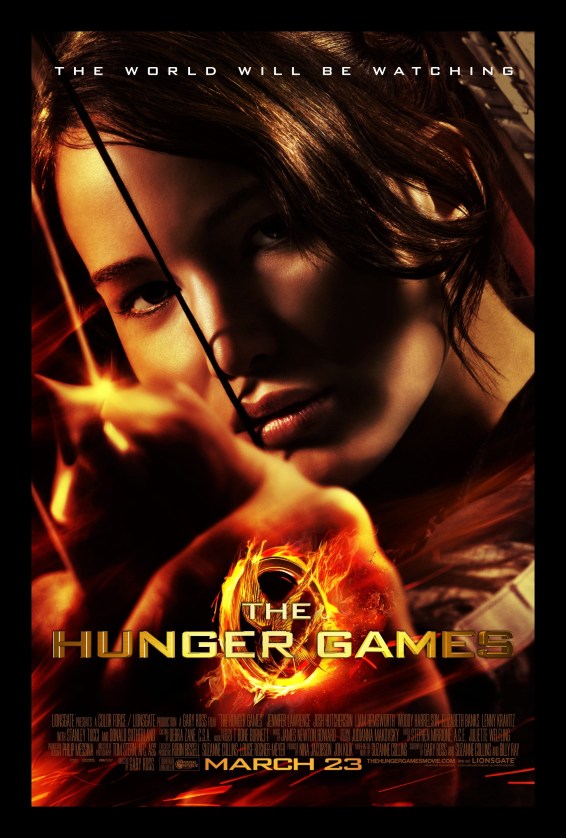
The Hunger Games (2012) – Film Review

While nowadays ‘The Hunger Games’ may be known as an iconic blockbuster franchise, there was a time when most were unfamiliar with ‘Katniss’ and the sovereign state of ‘Panem.’ That until the first adaptation of the novel series by Suzanne Collins was released in 2012, kicking-off a new film franchise which would receive bigger and bigger budgets with each entry. Yet, even with all this success, this science fiction series has always had more issues than most care to admit, which is mostly why I’ve never found as much enjoyment in this franchise as many others.

Plot Summary: In a dystopian future, ‘Katniss Everdeen’ volunteers to take her younger sister’s place in ‘The Hunger Games,’ a televised competition in which two teenagers from each of the twelve districts are chosen at random to fight to the death in a forest arena. Now, ‘Katniss’ and her male counterpart; ‘Peeta,’ find themselves pitted against larger, more fearsome opponents, some of whom have been training their entire lives for this moment…

Alongside the ‘Harry Potter’ series, ‘The Hunger Games’ is one of the main films responsible for creating the rise of teen adaptations in recent years, such as ‘Divergent,’ ‘The Maze Runner,’ ‘Ender’s Game’ and ‘The Host,’ just to name a few. However, similar to many of these other franchises, ‘The Hunger Games’ has always suffered, in my opinion, from attempting too much at one time, as whilst the world the story takes place within is certainly interesting, many ideas and elements feel fairly undercooked or even completely unexplored due to a lack of time, in particular, the aspect of ‘Districts’ within the story, or even the centric “Hunger” part of the film’s title, which along with the many intriguing side characters, is barely developed during the runtime.

Mostly known for her work on indie films at the time, Jennifer Lawrence leads the cast as ‘Katniss Everdeen,’ and while many of the performances she has given throughout her career do tend to flip-flop in quality. She is mostly solid in her role as the film’s protagonist, serving as a likeable character through her actions in addition to also being a strong female icon for young girls. The rest of the cast of Josh Hutcherson, Woody Harrelson, Elizabeth Banks and Liam Hemsworth all give passable performances, despite not being given much to do in this first entry of the series aside from support ‘Katniss.’

The cinematography by Tom Stern is definitely the weakest element of the film, being almost chaotic at points, the cinematography relies nearly entirely on hand-held camerawork. Almost giving the impression the filmmakers had some kind of a phobia of utilising tripods, as aside from the initial moment of ‘Katniss’ entering ‘The Hunger Games,’ I felt the hand-held approach was very necessary, and resulted in plenty of shots losing their alluring potential. Although not often, occasionally, the cinematography even slips in-and-out of focus mid-scene, which alongside the CG effects (which also range drastically throughout the film), can be quite distracting.

Despite James Newton Howard’s original score not becoming as iconic or as beloved as many other signature scores from blockbuster franchises, like ‘Star Wars,’ ‘Jurassic Park’ or the previously mentioned; ‘Harry Potter’ series. Tracks such as ‘The Hunger Games,’ ‘Entering the Capital’ and ‘Rue’s Farewell,’ all serve the narrative well, adding to the drama and tension throughout the film, even if they aren’t some of the most distinctive tracks this talented composer has to offer.

Although ‘The Hunger Games’ doesn’t develop its world as much as I would’ve have personally preferred, there is one detail I did admire within the world of the film. This being the visual contrast between the poverty-stricken and starving ‘District 12’ and the wealthy and futuristic ‘Capitol,’ even if this more futuristic setting allows for more outlandish sci-fi dangers like genetically-engineered hornets and dogs. This alternate version of Earth even plays into the costume design within the film, as many of the wealthy citizens of ‘The Capitol’ wear colourful (and even bizarre) suits, dresses, hats and/or make-up, which excellently displays the difference in opulence throughout the film’s fictional world, purely through clothing.

In summary, ‘The Hunger Games’ does have its entertainment value here-and-there, but just like many other blockbuster franchises, I feel many hardcore fans of the novels and films alike do seem to overlook the flaws this adaptation and its sequels have. From its cheesy and predictable dialogue, to its unexplored story aspects and its absence of both realistic violence and innovative filmmaking. ‘The Hunger Games’ is certainly not the worst sci-fi adaptations has to offer, but it’s still far from the best. If you’re a passionate fan of the novels then I’m sure you’ll thoroughly enjoy this adaptation, but if your just looking for an exciting science fiction flick, maybe look towards some older franchises or possibly even the gruesome Japanese thriller; ‘Battle Royale,’ which shares many of the same ideas. Final Rating: 5/10.

hunger_games_ver24_xxlg

The Purge: Anarchy (2014) – Film Review

This sequel to the original ‘Purge,’ released just a year earlier is a slight improvement over the first, yet still doesn’t fare much better, as while ‘The Purge: Anarchy’ does deliver more on what its initial film setup, now focusing on a small group of characters attempting to survive the night of chaos and murder out on the desolate streets of Los Angeles. ‘The Purge: Anarchy’ doesn’t do enough with this new perspective, and it soon becomes quite evident that it isn’t going to be enough to save the film from its return to weak filmmaking and storytelling.

Plot Summary: As another year’s ‘Purge Night’ commences, two groups of survivors unintentionally intertwine after being rescued by a mysterious stranger out on a mission. Now, stranded and in desperate need of a vehicle, the group agree to stick together in order to survive against the many ‘Purgers’ out for blood…

Once again directed by James DeMonaco, it’s clear from the larger-scale that ‘The Purge: Anarchy’ is aiming for that the film is trying to please the audience members that were dissatisfied with the first entry in the franchise, ditching the small-scale home invasion story in favour of becoming more of an action-focused thriller that further explores its disturbing world. Yet, even with the many themes of ‘The Purge’ series still present, ‘The Purge: Anarchy’ manages to feel like a bigger waste of potential than the first film. As in spite of the fact we get to see how many different Americans spend their murderous night, the film still feels quite restrained, never delving enough into each baleful group of ‘Purgers’ or their violent deeds.

Frank Grillo leads the cast this time around as a character only known as ‘The Sergeant,’ who has easily become the most beloved character in the series since ‘The Purge: Anarchy’s initial release, soon becoming the only character to return in a later ‘Purge’ film. However, whilst I understand why most viewers resonate with his character, I did feel much of his characterisation was lost as a result of a large amount of his dialogue (including his backstory) being cut during post-production. The sequel’s cast also includes Carmen Ejogo and Zoë Soul who both give decent performances, as well as the other two cast members of Zach Gilford and Kiele Sanchez, who are both about as irritating and dim-witted as horror characters come, having nothing but scene-after-scene of the two making moronic decisions following their many sessions of obnoxiously loud panicking.

Unfortunately, returning cinematographer Jacques Jouffret doesn’t innovate much on his style of cinematography from the first film, relying very heavily on hand-held camerawork now just with slightly better lighting due to the many street lights above the characters’ heads. Although there are still a few interesting shots, the only real aspect of the film that manages to stand out stylistically is the film’s end credit sequence, which combines footage from both of the ‘Purge’ films released at the time in addition to shots of fire, bullets, blood, firearms and the American flag, all key visuals of the series.

Nathan Whitehead’s original score is similar to that of the first film, only this time being much shorter in length, mostly consisting of a series of tracks that lack anything overly distinctive about them, being utilised within the film exclusively to help build tension. That is with the exception of the track; ‘Commencement,’ however, without a doubt the best track of the entire score, as this impactful and brooding track plays when ‘The Purge’ first begins, making for one of the film’s most memorable scenes.

Whilst this was also an issue in the original ‘Purge’ film, ‘The Purge: Anarchy’ carries over the same problem, suffering repeatedly throughout the runtime as a result of its many awful CG effects. Most notably, the heavy overreliance on CG blood, which looks dreadful in nearly every shot it’s featured in. That being said, ‘The Purge: Anarchy’ does also take on one of the previous film’s best elements, that being the many frightening (and occasionally also iconic) masks. From skulls, to blood-stained hockey masks and even a simple white bag, nearly all of the masks seen during ‘The Purge’ franchise manage to add a little personality and character to each film’s signature psychopaths.

In summary, ‘The Purge: Anarchy’ is another lacklustre entry within ‘The Purge’ series, even though I do feel a similar plot to this one could be executed well, ‘The Purge: Anarchy’ somehow manages to feel more disappointing as it tries to be more ambitious. Whilst the film is perhaps the best entry in the current series (which isn’t really a compliment), mostly due to Frank Grillo’s entertaining performance and the film’s continuous feeling of rush helping to propel the film forward as the group attempt to live through this yearly night of violence. ‘The Purge: Anarchy’ still relies far too heavily on the central concept of ‘The Purge’ itself. Final Rating: 4/10.

the-purge-anarchy-one-sheet