The Peanut Butter Falcon (2019) – Film Review

“Friends Are the Family You Choose.” – Carl

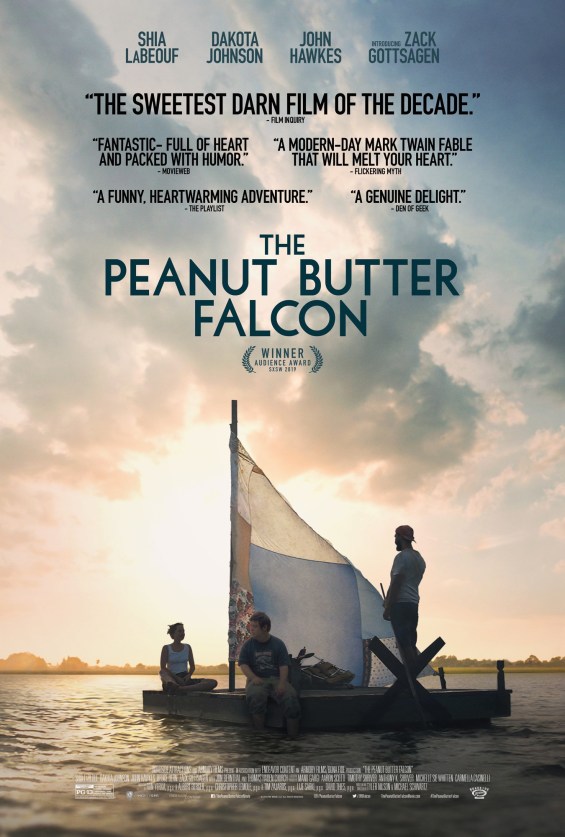
Warm-spirited, humorous and well-acted, 2019’s The Peanut Butter Falcon is a feel-good, modern-day comedy-drama inspired by the celebrated literature of author Samuel Langhorne Clemens, best known by his pen name Mark Twain, who challenged many of the fundamental issues of his time, including racism, evolving landscapes, class barriers and access to education, through notable publications like his renowned novel; The Adventures of Tom Sawyer, and his 1883 memoir; Life on the MississippiThe Peanut Butter Falcon specifically elicits Twain’s 1884 book; Adventures of Huckleberry Finn, finding modern resonance in the classic piece of American literature by incorporating a raft, assorted riverine ventures and luscious swampy landscapes into its entertaining (if occasionally meandering) story, which is frequently elevated by the film’s admirable camerawork and plethora of superb performances.

Plot Summary: When Zak, a twenty-two-year-old orphan with Down Syndrome, escapes the state-run care facility where he resides to pursue his dream of becoming a professional wrestler by attending a wrestling school headed by his favourite grappler, the Salt Water Redneck, he incidentally runs into Tyler, a fisherman turned delinquent fleeing to Florida. Together, the pair embark on a journey of camaraderie as they evade capture, slowly morphing Tyler into an unexpected ally and coach…

The concept for The Peanut Butter Falcon first came about when writer-directors Tyler Nilson and Michael Schwartz, who before this film’s release had only written/directed short films, such as The Moped Diaries (2014), Alex Honnold’s Urban Ascents (2014) and Alex Honnold: At Home Off the Wall (2015), met its forthcoming lead actor, Zack Gottsagen, at a camp for disabled and non-disabled individuals, where he expressed his yearning to be a “Movie Star,” this prompted Nilson and Schwartz to write a screenplay around him, knowing many locals would allow them to film for free, without permits. Given that the story is set within Southern America and features a protagonist with Down Syndrome as a result of this, The Peanut Butter Falcon plays it relatively safe with its judgmental setting to maintain an upbeat tone, only harbouring a few brief moments where Zak is lightly mocked for his disability. Moreover, many of these abusive characters are counterbalanced by jovial individuals who aid Zak and Tyler in their journey, like Blind Jasper John, portrayed by Wayne Dehart, a blind and Black evangelical preacher, who could be seen as somewhat cartoonish and stereotypical, depending on your background.

The remarkable central cast of Shia LaBeouf, Dakota Johnson and Thomas Haden Church (along with a surprise appearance from Jon Bernthal) are all exceptional in their assorted roles, conforming to their surroundings without appearing excessive in their Southern characteristics. However, Zack Gottsagen is understandably the stand out of the cast, as in spite of having only a handful of acting credits to his name, Gottsagen portrays Zak with a cordial, childlike innocent, providing his lonesome character with moments of goofiness and naivety without ever making him seem mindless. Zak is also pivotal to the film’s narrative, as his role in the story is ultimately to redeem Tyler, a flawed yet affable delinquent, who learns to be a better person thanks to Zak’s modest influence. Eventually, Tyler strikes up a serviceable romantic subplot with Zak’s pursuing, kind-hearted carer, Eleanor, but this never detracts from the prominent bond between Tyler and Zak, which remains meaningful and gratifying throughout the runtime.

Beautifully flaunting the rural Georgia landscape (which stands in for the Outer Banks of North Carolin), the cinematography by Nigel Bluck expertly captures the essence of the murky, backwater creeks, decrepit shacks, over-priced gas stations and sludgy shores with grounded boats that serve as the story’s setting, constructing an appealing visual aesthetic that feels naturalistic in its details, but also celebrates the American region for its prominent natural beauty and devil-may-care lifestyle.

Much of the score throughout The Peanut Butter Falcon bears a stripped-down approach to its arrangements, as composers Zachary Dawes, Noam Pikelny, Jonathan Sadoff and Gabe Witcher utilise acoustic instruments and minimal orchestration to provoke the audience with the calming sensation of standing in the open countryside. This is especially true of the tracks; Cold OpenTravelling Theme and Love Me in Kind, which possess simplistic yet breezy banjo-led melodies that correspond with the soothing, swampy visuals.

Interestingly, although The Peanut Butter Falcon received no Academy Award nominations in the face of its positive reception from critics and audiences alike, Gottsagen actually became the first-ever individual with Down Syndrome to present an Academy Award when he and LaBeouf announced the Best Live-Action Short Film on February 9th, 2020, which is an accomplishment in itself.

In summary, The Peanut Butter Falcon‘s triumph as a sleeper hit, becoming the highest-grossing independent film of 2019, was, in my opinion, rightfully deserved, as this low-budget comedy-drama is, above all else, charming, despite its sometimes corny and overly optimistic storyline. And whilst the film is admittedly far from a precise, poignant representation of a community that is rarely represented on-screen, The Peanut Butter Falcon is a step forward with its casting of an unknown lead actor with Down Syndrome, as opposed to acquiring a ‘bigger name’ to boast the film’s notoriety. Nevertheless, if you’d like to see an authentic, cinematic portrait of a life with Down Syndrome, I’d recommend seeking out the 2016 low-budget British drama; My Feral Heart, or the Irish drama; Sanctuary, also released in 2016. Rating: 7/10.
peanut_butter_falcon_xxlg

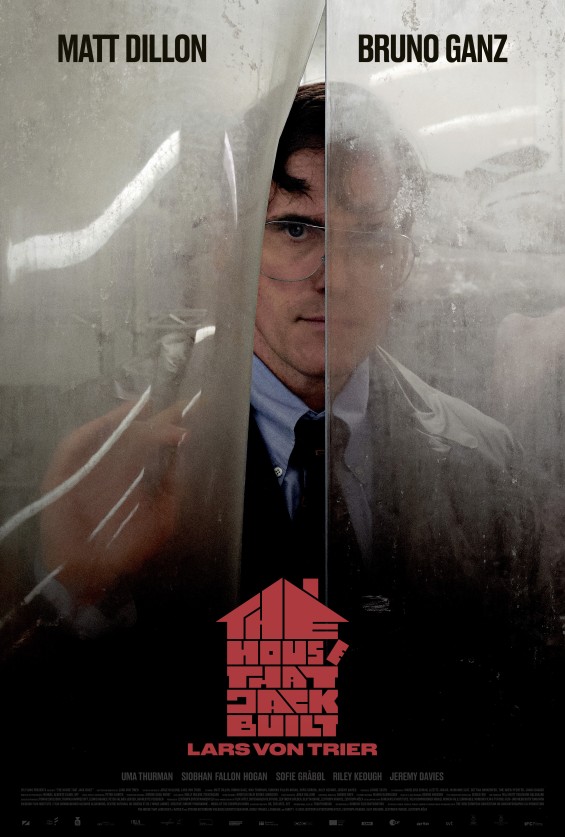
The House That Jack Built (2018) – Film Review

“The Old Cathedrals Often Have Sublime Artworks Hidden Away in the Darkest Corners for Only God to See. The Same Goes for Murder.” – Jack

Whether writing screenplays that contain scenes of self-administered clitorectomies or expressing Nazi sympathy at press conferences, the controversial yet distinguished writer-director Lars von Trier (DogvilleAntichristMelancholia) loves to cause headlines, with shock value frequently being employed as one of his greatest tools, often accentuating the underlying themes of his filmography. The House That Jack Built, released in 2018, is perhaps von Trier’s most distressing film to date, however, presenting the filmmaker at his most unfiltered and uncompromising. As such, for some, the film will serve as a captivating arthouse piece that delves into the layers of a serial killer’s mind, while for others, The House That Jack Built will seem like nothing more than an insensitive, tasteless horror flick brimming with disturbing moments, all in service of a lumpen statement that has been better cinematically expressed elsewhere.

Plot Summary: Reflecting on his existence, Jack, a failed architect and sadistic serial killer, describes his twelve-year reign of terror to Verge, his unseen, enigmatic companion, illuminating the significance of his systematic atrocities by recounting five randomly chosen incidents from his blood-spattered past…

Premiering at the Cannes International Film Festival on May 14th, 2018, The House That Jack Built was reported to have more than a hundred audience members (including some critics) walk out during its premiere, despite a six-minute standing ovation following the screening. Furthermore, some of the resentful audience members condemned the film afterwards on social media for its relentless violence and nihilistic tone. Although I’m usually not one to get offended by media, The House That Jack Built is a film where I can, at least, understand why some take issue with the flick, as the film effectively promotes the idea that life is cruel and soulless, whilst simultaneously playing upon many ‘hot topic’ political assertions, primarily around the American politician, media personality and 45th president of the United States, Donald Trump. This persistent fatalistic outlook, along with its excessive runtime and unsettling violence, ensures that The House That Jack Built harbours minimal appeal for general audiences, even if much of the potentially contentious commentary gets buried beneath the film’s many other aspects.

Boasting about his achievements to an unseen, accented man known as Verge, the titular, obsessive-compulsive engineer, Jack, portrayed by Matt Dillion, appears unhinged yet astute straight from the opening scene, as he circumstantially describes five haphazardly chosen events from his life, all of which involve gruesome murders. From there, the film spends little time on Jack’s upbringing or the circumstances that led him to such a depraved place, but instead concentrates purely on the unconnected series of incidents where Jack slaughters his victims. Through these scenes, you can see Dillon slowly losing himself in the role as he spectacularly portrays Jack as an authentic, twisted psychopath who possesses no redeeming qualities or childhood trauma in an attempt to connect with the audience. Additionally, the supporting cast of Bruno Ganz, Uma Thurman, Siobhan Fallon Hogan and Sofie Gråbøl are all adequate in their various roles, usually as screaming, hapless victims.

A hefty portion of the cinematography by Manuel Alberto Claro, unfortunately, leaves much to be desired as the film is shot in an almost documentary-like fashion, predominantly relying on hand-held close-ups and mid-shots, where characters repeatedly pass in front of the frame, obscuring the audience’s view. As a result, The House That Jack Built has a noticeable deficiency of attractive shots and is continuously dimly lit, causing many scenes to blend together. That being said, the film does include a handful of brief animated sequences that are invariably visually interesting, in addition to an intriguing assemblage of archival footage/images for whenever Jack refers to fortes like architecture or winemaking.

Exceedingly unremarkable, the original score by Víctor Reyes is barely discernable for most of the scenes it’s featured within. Thankfully, the song choices throughout the runtime manage to audibly enhance the film somewhat, as songs like Fame by David Bowie support the story’s implied 1970s time period while classic French overture pieces, such as Partita No. 2 in C Minor, BWV 826 and The Four Seasons – Concerto No. 3 in F Minor, RV 293, heavily contrast with the ghastly violence on-screen, making a few of Jack’s killings seem darkly comedic.

Regarding the film’s graphic violence, I would argue that it could be excused in this case, given the narrative revolves around an unfeeling mass murder, an inherently frightening yet compelling subject matter that has been covered many times before in cinema with a comparable level of violence, most notably in the horror/black comedy classic; American Psycho (2000).

In summary, unlike a few other horror flicks that attempt to dive into the headspace of a serial killer, The House That Jack Built truly pulls no punches, depicting a self-examining, metaphor-heavy story of a man disguising his shortage of worthwhile contribution with violent self-interest. Throughout the film, Lars von Trier essentially grabs the audience’s head and shoves it into a vortex of anguish, unconcerned about whether it will appeal to the masses. For that reason, the film is not one I would recommend lightly, as if not swept up in the interpretative storytelling of The House That Jack Built, this sickening arthouse flick will likely carry the allure of a lengthy therapy session as it lacks the magnetism of some of von Trier’s other work. Rating: 6/10.

the_house_that_jack_built-p1046485

Outstanding Original Scores in Cinema – Film List

I’ve always considered original scores to be a very underappreciated element of filmmaking, as many audience members rarely seem to take notice of the beautiful and indelible soundtracks that saturate many scenes throughout cinematic history. These scores serve an important purpose in audibly immersing the audience in a narrative via dramatic, unnerving or sorrowful tracks that evoke deep emotion inside them (even if they aren’t aware of it), greatly enhancing the cinematic experience. Here are some of my personal favourites…

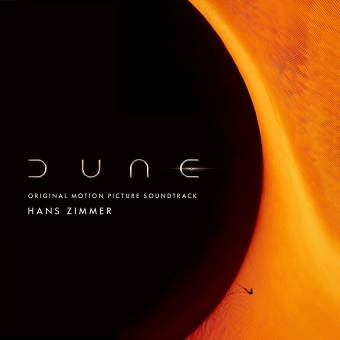
Dune (2021) – Composer, Hanz Zimmer

Favourite Tracks: Herald of the Change, Ripples in the Sand

dune-transformed

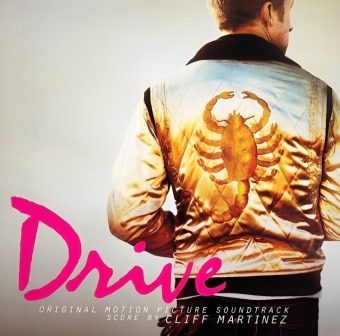
Drive (2011) Composer, Cliff Martinez

Favourite Tracks: I Drive, Bride of Deluxe 

7104jovZ2vL._UF894,1000_QL80_

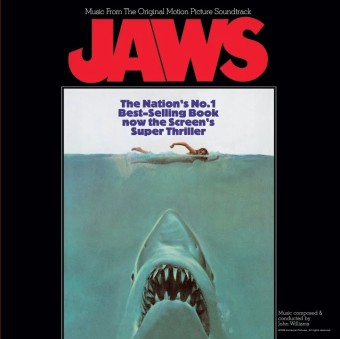
Jaws (1975) Composer, John Williams

Favourite Tracks: Main Title and First Victim, End Titles

maxresdefaulthg

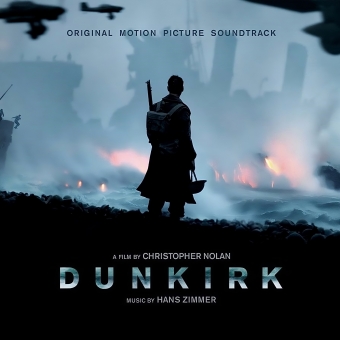
Dunkirk (2016) – Composer, Hanz Zimmer

Favourite Tracks: The Mole, Supermarine

71u3oI1ACRL__UF894_1000_QL80_-transformed

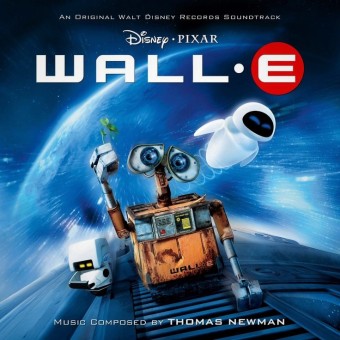
WALL-E (2008) – Composer, Thomas Newman

Favourite Tracks: 72 Degrees and Sunny, Define Dancing

41141af4927588fb34ed6ec6704c0a09--wall-e-animation-movies

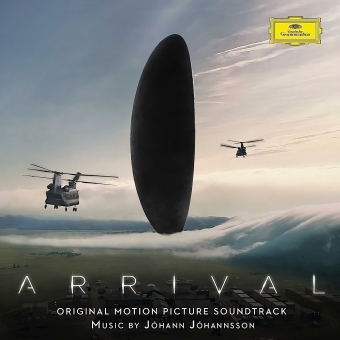
Arrival (2016) – Composer, Jóhann Jóhannsson

Favourite Tracks: ArrivalKangaru

71JNEXMq4HL__UF894_1000_QL80_-transformed

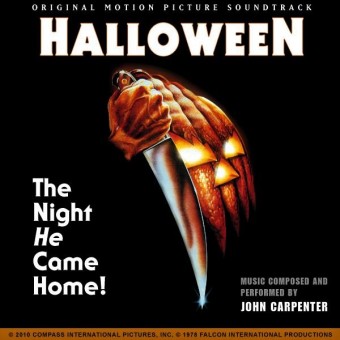
Halloween (1978) – Composer, John Carpenter

Favourite Tracks: Halloween Theme – Main TitleMyer’s House

19192_568986

Ratatouille (2007) – Composer, Michael Giacchino

Favourite Tracks: Ratatouille Main ThemeEnd Creditouilles

maxresdefault8-transformed

Jurassic Park (1993) – Composer, John Williams

Favourite Tracks: Welcome to Jurassic Park, Journey to the Island

Big-jurassic-park-ost

The Neon Demon (2016) – Composer, Cliff Martinez

Favourite Tracks: The Neon Demon, Something’s in My Room

R-8685828-1466596094-8895_jpeg-transformed

A Ghost Story (2017) – Composer, Daniel Hart

Favourite Tracks: The Secret in the Wall, Safe Safe Safe

cover

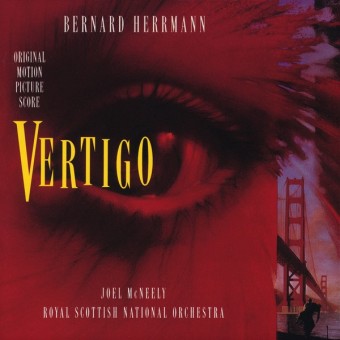
Vertigo (1958) – Composer, Bernard Herrmann

Favourite Tracks: Prelude and Rooftop, Carlotta’s Portrait

R-4321078-1520330009-2401.jpeg

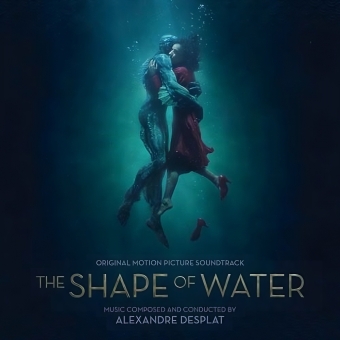
The Shape of Water (2017) – Composer, Alexandre Desplat

Favourite Tracks: The Shape of Water, Elisa’s Theme

The-Shape-of-Water-transformed

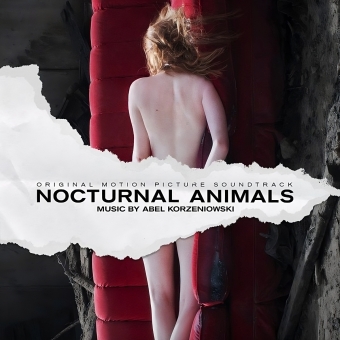
Nocturnal Animals (2016) – Composer, Abel Korzeniowski

Favourite Tracks: Revenge, City Lights

R-9415308-1480173348-9936_jpeg-transformed

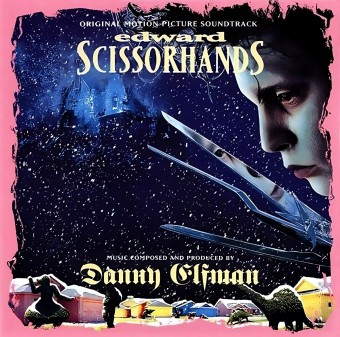
Edward Scissorhands (1990) – Composer, Danny Elfman

Favourite Tracks: StorytimeIce Dance

R-1798552-1466642639-8253_jpeg-transformed

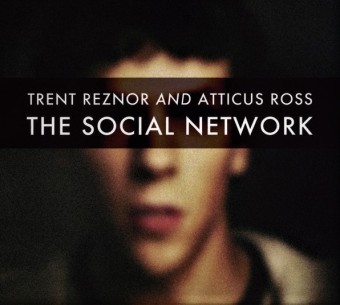
The Social Network (2010) – Composers, Trent Reznor and Atticus Ross

Favourite Tracks: In MotionPainted Sun in Abstract

R-2497693-1296648950.jpeg

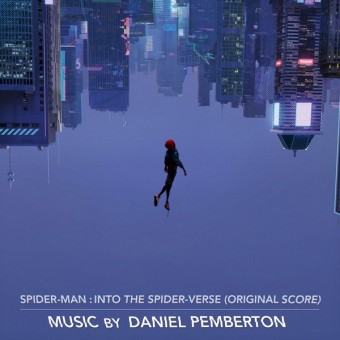
Spider-Man: Into the Spider-Verse (2018) – Composer, Daniel Pemberton

Favourite Tracks: Gimme the GooberSpider-Man Loves You

R-12947391-1545107713-8720.jpeg

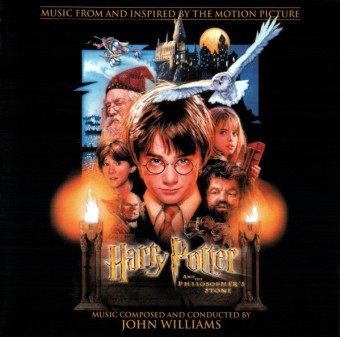
Harry Potter and the Philosopher’s Stone (2001) – Composer, John Williams

Favourite Tracks: Hedwig’s Theme, Diagon Alley and the Gringotts Vault

R-4774683-1638806691-1281

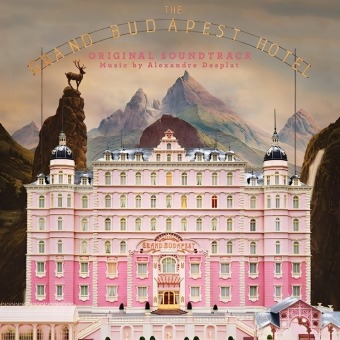
The Grand Budapest Hotel (2014) – Composer, Alexandre Desplat

Favourite Tracks: Mr. Moustafa, Daylight Express to Lutz

81ll9yJG6GL._UF894,1000_QL80_

The Good, the Bad and the Ugly (1966) – Composer, Ennio Morricone

Favourite Tracks: The Good, the Bad and the UglyThe Ecstasy of Gold

morricone_goodf-transformed

Fantastic Mr. Fox (2009) – Composer, Alexandre Desplat

Favourite Tracks: Mr. Fox in the Fields, Jimmy Squirrel and Co.

ab67616d0000b273b5c2ad0a84a7be36195e1d70-transformed

Star Wars: Episode IV – A New Hope (1977) – Composer, John Williams

Favourite Tracks: Main TitleThe Princess Appears

ab67616d0000b27344d5ef063da6fc06df7b1bc1-transformed

Spider-Man: Across the Spider-Verse (2023) – Composer, Daniel Pemberton

Favourite Tracks: Spider-Woman (Gwen Stacy), Canon Event

1200x1200bf-60-transformed

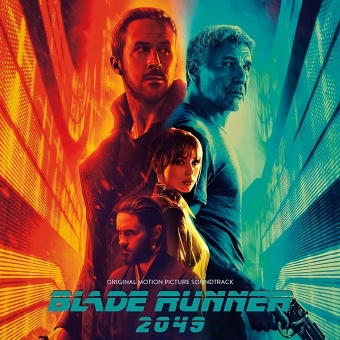
Blade Runner 2049 (2017) – Composers, Hans Zimmer and Benjamin Wallfisch

Favourite Tracks: Tears in the RainBlade Runner

640x640-transformed

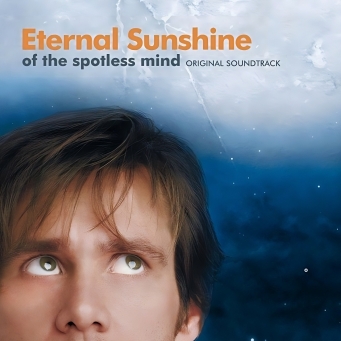
Eternal Sunshine of the Spotless Mind (2004) – Composer, Jon Brion

Favourite Tracks: Theme From Eternal Sunshine of the Spotless Mind, Bookstore

R-9491697-1482136218-5039-transformed

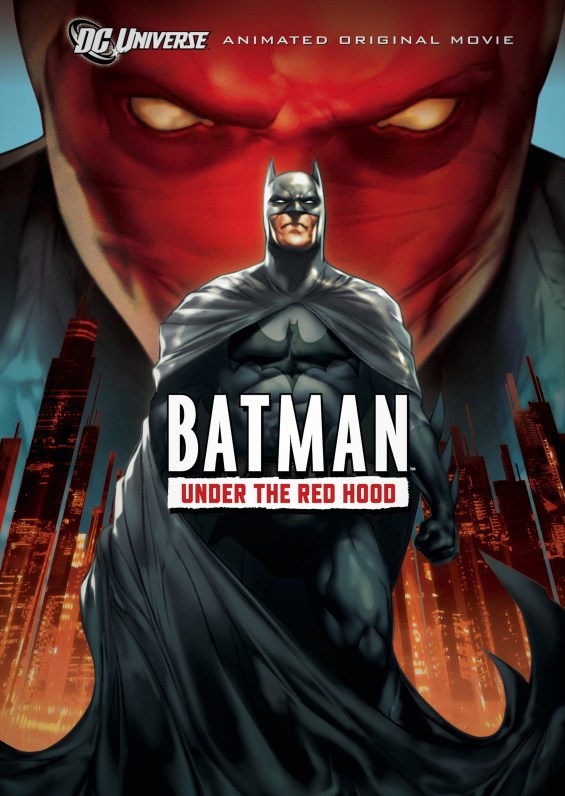
Batman: Under the Red Hood (2010) – Film Review

“Those Are the Heads of All of Your Lieutenants, That Took Me Two Hours. You Wanna See What I Get Done in a Whole Evening?” – The Red Hood

In 1988, the iconic DC Comics storyline; Batman: A Death in the Family, written by Jim Starlin and illustrated by Jim Aparo, was released to a mixture of acclaim and controversy, later becoming the bestselling comic of that year. This particular comic was unique, as readers were encouraged to vote for an ending to the narrative via a pay-per-call service number, deciding to either save or kill Batman’s youthful sidekick, Jason Todd, the second Robin. In the end, over ten thousand votes were cast, with a seventy-two-vote majority choosing to kill Jason, leading to one of the most recognisable comic book panels in literary history. Eventually, however, Jason Todd was brought back as part of a 2005 storyline entitled; Batman: Under the Red Hood, with an animated adaptation following in 2010, employing elements from both storylines to formulate a gripping, swarthy and exhilarating animated flick that examines the Dark Knight’s abiding moral code and its many drawbacks.

Plot Summary: When the mysterious vigilante, Red Hood, emerges in Gotham City, taking the streets by storm with the efficiency and aptitude of Batman without obeying the same moral code of never taking life, the Caped Crusader is forced to go toe-to-toe with the illusive outsider, reopening old wounds as once-buried memories resurface…

For those who haven’t read the source material, I won’t spoil any major plot points of Batman: Under the Red Hood, all I’ll say is that most of the story’s twists and turns won’t come as a shock to those paying attention. Fortunately, this level of predictability doesn’t matter much in the grand scheme, as Batman: Under the Red Hood is at its most compelling when it isn’t focusing on its revelations, but on how the characters endure them, as Red Hood takes Batman’s concept of vigilante justice and pushes it further toward the line between exemplary and immoral, despite his goal of ridding Gotham City of criminal filth being remarkably similar to that of the Cowled One. In fact, compared to many of Batman’s other adversaries, the Red Hood’s objectives are understandable and even somewhat valid, his crooked logic making sense as he asks Batman the formidable questions, forcing him to ask them of himself. Director Brandon Vietti (Superman: DoomsdayScooby-Doo! WrestleMania MysteryBatman: Death in the Family) and writer Judd Winick also seem to understand this, as it’s where the majority of their fixation goes, even if the fleeting runtime is too short to explore some of the film’s underlying themes in greater detail.

For the most part, the central voice cast of Bruce Greenwood, Jensen Ackles, Neil Patrick Harris, Jason Isaacs and Wade Williams portray their characters skillfully, delivering weighty yet not excessively intense vocal performances that embody their esteemed comic book characters, whether heroic or corrupt. For me, the cast has only one weak link, John DiMaggio as the Joker, who, aside from the character’s prominent laugh, doesn’t feel suited to the role, seeming somewhat miscast as he lacks the unvaryingly threatening, psychotic persona of the Clown Prince of Crime.

Visually, while still in line with the typical animation style of the DC Animated Original Movies assemblage, the animation/animated cinematography for Batman: Under the Red Hood is striking and distinctive. From the sharp angles of Batman to the meaty, menacing smile of the Joker, to the gloomy atmosphere of Gotham City with its shady warehouses and towering skyscrapers, usually depicted through enchanting wide shots that exhibit the illuminance of Gotham’s dominating skyline. In many ways, Batman: Under the Red Hood harbours the appearance of a literal animated comic book, rarely exhibiting its age or its undersized animation team.

Perceived as a powerhouse in the realms of both animation and video games, Christopher Drake, the composer for Batman: Under the Red Hood, has previously composed for many DC projects as Warner Bros. Animation frequently entrusts Drake to bolster many of their animated superhero flicks, most notably with projects like the adaptation of the seminal graphic novel; Batman: Year One (2011), as well as Batman: Gotham Knight (2008), Superman/Batman: Public Enemies (2009) and Green Lantern: Emerald Knights (2011). As such, it’s no surprise that Drake also does a terrific job with the original score for Batman: Under the Red Hood, starting the soundtrack off strong with the brooding opening track; Main Title, before supplying the film with further dramatic tracks, all of which seamlessly blend with the crime-ridden metropolis of Gotham City and its shadowy defender.

Intriguingly, Batman: Under the Red Hood was originally intended to be geared towards older audiences, bearing more violence. However, due to the low sales of DC projects in 2009, Warner Bros. Animation ordered the team behind the film to make edits to reduce its brutality and thus, its age rating. Yet, even with these cuts, the myriad of well-executed, easy-to-follow action sequences are thrilling, swift and surprisingly bloody.

In summary, more so than most animated DC projects, Batman: Under the Red Hood truly aims for cinematic storytelling over shallow spectacle and/or vibrance. With its stimulating action sequences, intricate animation and emotional underpinnings, Batman: Under the Red Hood is one of the finest entries in the DC Animated Original Movies catalogue. So much so, that in spite of Warner Bros. Animation continuously overusing the Dark Knight over their many other superheroes and villains, Batman: Under the Red Hood still manages to reveal a largely unexplored side of the celebrated character. Rating: high 7/10.
batman_under_the_red_hood-p527654

Jumanji: Welcome to the Jungle (2017) – Film Review

“A Game for Those Who Seek to Find… a Way to Leave Their World Behind…” – Spencer

Seeking to modernise the premise of the 1995 fantasy-adventure classic; Jumanji, a striking premise first presented in the children’s picture book of the same name, written and illustrated by Chris Van Allsburg. 2017’s Jumanji: Welcome to the Jungle switches the concept of an enchanted, four-piece board game for a ’90s-style video game cartridge, rooting itself in well-known video game tropes. And while not quite as enjoyable as the original flick, in my opinion, Jumanji: Welcome to the Jungle is still an entertaining yet undemanding soft reboot that manages to stand on its own two feet as a jungle-set adventure, utilising its charming cast and humorous moments effectively under the capable direction of Jake Kasdan (Zero EffectOrange CountrySex Tape).

Plot Summary: After Jumanji, the bewitched jungle-themed board game, receives a mysterious modification, converting the wooden parlour game into a 1990s video game cartridge, the game is stumbled upon by high school students; Spencer, Martha, Fridge and Bethany, who are promptly pulled into its perilous world. Now, in order to return home, the group must inhabit their chosen avatars, survive the cadaverous creatures and complete the game…

Despite the original Jumanji receiving fairly mixed-to-positive reviews both when it was initially released and in the years since, recounting the simple yet captivating story of Alan Parrish, a troubled boy who comes across a cursed board game that releases lions, elephants, giant spiders and carnivorous plants into the real world to pursue its unsuspecting players. Jumanji: Welcome to the Jungle remains in the same continuity, continuing on from Alan, Sarah, Judy and Peter’s adventure by having a separate group of characters unwillingly play the game. To keep the franchise feeling fresh, however, Jumanji: Welcome to the Jungle cleverly inverts the premise of the original, transporting the characters (and, by extension, the audience) into the treacherous world of Jumanji, where many references to the original flick can be seen, including a cluster of overgrown statues modelled after the iconic board game pieces and a handcrafted hut that Alan resided inside when he was trapped in Jumanji, serving as a sweet yet modest tribute to the late Robin Williams, who portrayed the older iteration of the character.

This time around, the protagonists consist of four high schoolers serving detention together before they are transported into Jumanji following their discovery of the video game’s cartridge in their school’s storage room. Spencer, a skinny, awkward gamer becomes Dr. Smolder Braveston, portrayed by Dwayne “The Rock” Johnson, the introverted, Martha, becomes Ruby Roundhouse, portrayed by Karen Gillan, the tall and muscular jock, Fridge, becomes Franklin “Moose” Finbar, portrayed by Kevin Hart, and the would-be popular girl, Bethany, becomes Professor Shelly Oberon, portrayed by Jack Black. As can be expected with an all-star cast such as this, everyone possesses terrific chemistry with each other and embodies their real-world counterparts sufficiently whilst playing into the obvious humour in each of the teens altering into entirely different individuals, particularly in the case of Bethany, who transforms from an Instagram-obsessed teenage girl to an overweight, middle-aged cartography professor. Unfortunately, the film’s power-hungry antagonist, Van Pelt, doesn’t fare as well, lacking depth, fearfulness and presence in spite of Bobby Cannavale’s serviceable performance.

Taking advantage of the naturally beautiful scenery of Honolulu, Hawaii, specifically within the Kualoa Ranch nature reserve, Jumanji: Welcome to the Jungle makes exceptional use of its true-to-life locations and vibrant sets to immerse the audience in the precarious world of Jumanji, exhibiting the immense jungles, massive waterfalls and vast pastures that are only hinted towards in the original flick, even if the actual cinematography by Gyula Pados is somewhat flavourless.

Through tracks such as Brantford High and A Test of FriendshipJumanji: Welcome to the Jungle‘s original score by Henry Jackman constructs a clear contrast between Jumanji and the real world, as the formerly-mentioned tracks are contemporary and uplifting in nature, while tracks like Digging Up the PastThe Legend of the Jewel and The Power of Bravestone, are much more exhilarating and adventure-esque, going so far as to bring back the “Jumanji Drums,” a staple of the original Jumanji soundtrack.

When it comes to action sequences, Jumanji: Welcome To The Jungle isn’t likely to impress anyone, leaning more on the amusing moments between its cast than its scenes of hand-to-hand combat or hippopotamus ambushes. Nevertheless, most of the action throughout the runtime is passable, with one fight sequence featuring Dr. Braveston even playing into the video game truism of fighting off multiple enemies at once as the playable character. Additionally, although almost all of the CGI in the film is convincing, it’s regrettable that Jumanji: Welcome to the Jungle harbours very few practical effects, given how heavily praised the physical elements of renowned adventure flicks like The Goonies (1985) and the first three instalments of the Indiana Jones franchise are today.

In summary, whilst it’s doubtful that Jumanji: Welcome to the Jungle will be recognised for years to come as a groundbreaking 2010s blockbuster, it is a comical flick with defects, functioning as a superficial yet enjoyable soft reboot/stand-alone sequel that innovatively expands on the ideas introduced in the original Jumanji. In a bizarre way, Jumanji: Welcome to the Jungle almost feels like a self-actualisation teen flick set against the unusual backdrop of an adventurous video game due to its infrequent high school setting and marginal character growth. Rating: 6/10.
JMNJ_INTL_FNL_1SHT_LK4_04.indd

Winnie-the-Pooh: Blood and Honey (2023) – Film Review

“Pooh, You’ve Got to Help Me! Something’s Wrong With Piglet, He Killed My Wife!” – Christopher Robin

Shot in a mere ten days, Winnie-the-Pooh: Blood and Honey, released in 2023, is a British-American-produced micro-budget slasher that takes a more despicable approach to the beloved characters of Winnie-the-Pooh, Piglet and the other inhabitants of the Hundred Acre Wood, morphing the convivial critters into bloodthirsty, savage killers. Unsurprisingly, due to its laughable concept, terrible screenplay, amateurish filmmaking and general lack of any genuine horror or satire, Winnie-the-Pooh: Blood and Honey serves as nothing more than a bargain-basement slasher that fails to exhibit even a passing interest in the source material it’s adapting. As such, the film is only really notable for its title, simply existing as a bizarre, mismatched amalgamation of the horror genre and classic children’s literature.

Plot Summary: When Christopher Robin, now a young man, departs the Hundred Acre Wood to attend university, leaving Winnie-the-Pooh and his furred friends to fend for themselves, their days of merriment and adventure quickly come to an end as they become feral and enraged, soon acquiring a taste for flesh that steers them on a bloody rampage…

The creation of Winnie-the-Pooh: Blood and Honey became feasible at the start of 2022 after the 1926 children’s book; Winnie-the-Pooh by A. A. Milne, entered the public domain in the United States, voiding its copyright, and therefore Disney’s media exclusivity over the titular character. This meant that the filmmakers behind Winnie-the-Pooh: Blood and Honey were free to use characters like Pooh, Piglet and Eeyore, as long as they did not resemble their animated, Disney-owned counterparts, which were still actively protected by copyright. Nevertheless, I feel that most would agree that a malicious interpretation of Milne’s cuddly animal characters is undoubtedly a poorly-conceived concept from the get-go, with the film doing little to prove its critics wrong in this respect throughout the exceptionally brief runtime, even if it is commendable that this is the first live-action adaptation of Winnie-the-Pooh not produced by the Walt Disney Company, as well as the first adaptation geared towards mature audiences.

Regarding the film’s surplus of shortcomings, Winnie-the-Pooh: Blood and Honey‘s most significant issues lie within its screenplay, as the film crams several unwarranted scenes and overly dramatic subplots into a formulaic slasher framework, like having the underwritten protagonist Maria, portrayed by Maria Taylor, be suffering from serve PTSD, following a night where an anonymous sexual deviant broke into her home. These details add little to the narrative and generally come across as screen-time wasters. The rest of the characters, including Christopher Robin, Jessica, Alice, Zoe and Lara, portrayed by Nikolai Leon, Natasha Rose Mills, Amber Doig-Thorne, Danielle Ronald and Natasha Tosini, respectively, are all tremendously underdeveloped, delivering tedious exposition dumps that lead nowhere through performances that frequently present the cast as if they are uncomfortable in their various roles, underselling or overselling their reactions at every turn.

With the exception of the creative opening sequence, which sets the stage for this darker rendition of the honey-hungry yellow bear via pencil-doodled animation, Winnie-the-Pooh: Blood and Honey is a rather shoddy horror flick that lazily relies on its handful of admirable practical effects to avoid attempting anything visually or audibly impressive, as the cinematography by Vince Knight is relatively dull when it isn’t chaotically unstable during chase sequences, whilst the editing haphazardly slaps scenes together without any consideration for continuity or pacing. Furthermore, the film utilises plenty of editing trickery to get around its poor direction, namely, a ludicrous quantity of fade-to-black transitions and an assortment of abysmal CG blood effects.

One of the more mildly charming aspects of Winnie-the-Pooh: Blood and Honey, however, is its original score by Andrew Scott Bell, as tracks like In Which We Are Introduced to Winnie-the-PoohTogether Forever and Silly Old Bear, while generic, are, at least, of a relatively high-quality thanks to Bell’s innovative approach to the whimsical yet eerie score, employing a variety of instruments in the composition of the soundtrack, such as a “Beehiveolin,” a combination of a beehive and a violin.

Interestingly, writer-director Rhys Frake-Waterfield (The Area 51 IncidentThe Killing TreeFirenado) originally wanted Tigger to appear in the film, but the character ultimately didn’t on account of copyright. Some may say this was a favourable outcome, as Winnie-the-Pooh: Blood and Honey evidently doesn’t strive for faithful recreations of the cherished characters of the Hundred Acre Wood. Instead, the film opportunistically coasts on the novelty of placing the loveable critters in a macabre context, bringing the characters to live-action through rubbery, full-face masks that display no hair or visible mouths, allowing for minimal expressions, meaning Pooh and Piglet may as well be murderous individuals sporting animal-themed masks.

In summary, Winnie-the-Pooh: Blood and Honey is exactly what many anticipated it to be following the release of its viral trailer in mid-2022; an atrocious slasher, an appalling adaptation, and an all-around execrable piece of cinema. Still, that’s not to say that Winnie-the-Pooh: Blood and Honey was a commercial failure, as the film actually grossed over £4 million on a budget of around £79,000, despite its near-universally negative reviews. Consequently, this suggests that with many other children’s literary works soon making their way into the public domain, we will regrettably be receiving far more lousy, horror-centric renditions of long-established characters in the near future, with Winnie-the-Pooh: Blood and Honey 2Bambi: The Reckoning and Peter Pan’s Neverland Nightmare, being just some of the projects already announced. Rating: 2/10.
winniethepooh_blood_and_honey_xxlg

Spy Kids: All the Time in the World (2011) – Film Review

“No One Ever Notices Time, Until It’s Gone…” – Tick Tock

One of the rare releases to incorporate scents into the cinema experience, 2011’s Spy Kids: All the Time in the World is the fourth instalment of the Spy Kids franchise, the well-known family-oriented espionage series created, written and directed by Robert Rodriguez (El MariachiPlanet TerrorAlita: Battle Angel). Once again produced by Double R Productions (then-Troublemaker Studios), Spy Kids: All the Time in the World serves as somewhat of a soft reboot, attempting to appeal to a new generation of aspiring juvenile spies. Unlike the original Spy Kids trilogy, however, Spy Kids: All the Time in the World falls short in nearly every regard as the less-prevalent issues of previous franchise instalments are intensified, plaguing the film with a misbegotten screenplay, awful visual effects and a barrage of scatological humour that suggests the Spy Kids series has truly run its course.

Plot Summary: On the surface, Marissa Wilson is your typical suburban mother, caring for her newborn daughter and step-children, Rebecca and Cecil Wilson, whilst supporting their father, Wilbur Wilson, in his career as a spy-hunting television star. But, in reality, Marissa is a retired spy whose life is turned upside-down when the maniacal Timekeeper threatens to take over the world, thrusting her back into action. Meanwhile, after discovering that their stepmother was once a top agent of the O.S.S., Rebecca and Cecil put their bickering aside to assist her in thwarting the Timekeeper’s sinister scheme…

The conception of Spy Kids: All the Time in the World, unfortunately, did not arise from a place of creativity but, instead, was contractual. As, in truth, Rodriguez didn’t want to make another entry in the Spy Kids franchise, partially because he still blamed producer Harvey Weinstein for the failure of his collaboratively-directed 2007 project; Grindhouse. Nevertheless, Rodriguez contractually owed Weinstein one more film. Unsurprisingly, this lack of ambition for the project can be felt throughout the runtime, as the film largely boils down to an endless string of inferior visuals and potty jokes that sap the charm out of almost every scene. However, that is not to say that the film doesn’t carry any positives, as the film does feature a handful of minor, amusing gags and a few fragments of endearing fan service for those who grew up with the Spy Kids series, including appearances from Carmen and Juni Cortez.

In terms of the cast, Rowan Blanchard, Mason Cook, Jessica Alba, Joel McHale, Jeremy Piven and Ricky Gervais all deliver rather overblown performances, playing up many of their actions/movements to ‘add’ to the humour or aggressively pry for an emotional moment. Regrettably, the characters themselves don’t fare much better, as Marissa and Wilbur Wilson barely make it past their basic traits, while the latest generation of youthful agents, Rebecca and Cecil Wilson, are effectively just duplicates of Carmen and Juni with little individuality. Lastly, there is the mysterious miscreant, the Timekeeper, who, despite his shoddily-designed costume, receives more development than many would expect during the final act. Yet, this growth is somewhat spoilt by his associate, Tick Tock, who is immensely grating as he speaks in a high-pitched voice, uttering time puns to an outrageous extent, like “Time Flies When You’re Having Fun.”

Visually, Spy Kids: All the Time in the World occasionally demonstrates its knack for vibrant, imaginative production design with the facilities and weaponry of the Timekeeper, which seem inspired by the illustrious steampunk aesthetic and the innards of antique clocks. The remainder of the visuals, however, such as the cinematography by Jimmy Lindsey and Robert Rodriguez, are low-grade, with a substantial amount of the CG effects being of matching quality.

Similar to previous instalments in the franchise, the original score by Carl Thiel and Robert Rodriguez is playful and electric guitar-led, integrating the classic Spy Kids theme where it can through tracks like Carmen Cortez and Spy Kids 2.0. As such, the film’s soundscape remains colourful, even if it sometimes becomes too skewed and cartoonish for its own good.
Peculiarly, one of the aspects that Spy Kids: All the Time in the World marketed itself upon was being in “Aroma-Scope,” a gimmick that allowed the film to contain a “4D” in some iterations of its title. In 2011, when audiences watched the film in cinemas, they were provided scratch-and-sniff cards and prompted to scratch them throughout their screening. These cards featured circles numbered one to eight, and at various points, a number would appear in the corner of the screen, indicating it was time to scratch off the corresponding circle. When scratched, the intention was that the card would release a smell related to what was on-screen, like vomit or confectionaries, etc. Yet, whilst this was a fascinating idea, these cards rarely worked as they were made from a similar material to lottery tickets, ensuring little grit and thus no smell.

In summary, while Spy Kids: All the Time in the World falters as a family flick, the film falters even more as a Spy Kids soft reboot/stand-alone sequel. Retaining hardly any of the allure or creativity of earlier entries in the franchise, Spy Kids: All the Time in the World may, at the very least, entertain toddlers through its numerous scenes of vomiting, farting and nose-picking. But, any other audience member will likely sit in frustration, wishing for a well-crafted animated flick instead. Rating: low 3/10.

spy_kids_4_all_the_time_in_the_world-p547361

Ten Film Facts You Should Know (Part One) – Film List

Cinema has always been full of surprises, particularly when it comes to the creation of certain projects, as fascinating stories often occur during the pre-production, production and post-production stages of iconic films (some intentional, others happy accidents), with many of these happenings eventually making it onto the silver screen or the furthest reaches of the internet, remaining a sheltered piece of film history. So, here are ten film facts you should know to expand your cinephile knowledge and triumph over your family and friends at your next trivia night.

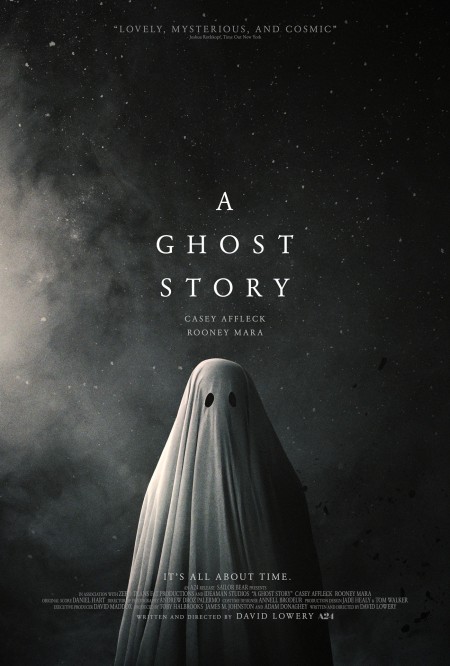
A Ghost Story (2017)

During the production of the indie drama; A Ghost Story, for the prolonged shot in which her character eats a pie, several variations of pies were baked and tested in preparation for the scene. Actress Rooney Mara, a self-confessed picky eater, ultimately opted for a reduced-sugar, gluten-free vegan chocolate pie. Writer-director David Lowery claimed it was delicious, but Mara disagreed, declaring it tasted vile.

ghost_story_xxlg

Jurassic Park (1993)

Following the end of production on the iconic blockbuster; Jurassic Park, all the cast were given a Velociraptor model, signed by director Steven Spielberg, as a gift. The model looked rather frightening, so actress Ariana Richards positioned her model in her house to startle arriving guests. Actress Laura Dern, however, placed her model in her son’s room near his crib. But, when her son was older and witnessed it looking over him, he grew terrified of the model, forcing Dern to put the Velociraptor model into storage.

jurassic_park_ver2_xxlg

Shrek (2001)

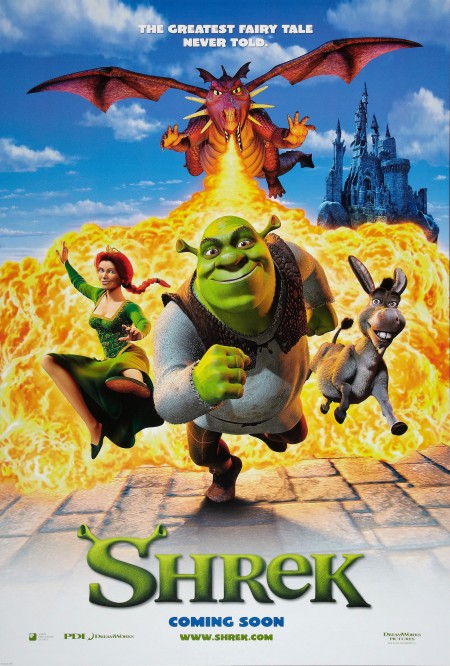
Originally, comedian Chris Farley was cast as the voice of the titular character in the animated smash-hit; Shrek, recording almost all of the character’s dialogue. However, after his sudden death in 1997, the role was given to his then-fellow Saturday Night Live performer, Mike Myers. As such, Shrek’s air quotes in the film are a homage to one of Farley’s most well-known characters, Bennett Brauer, who commonly used air quotes. A story reel featuring a sample of Farley’s recorded dialogue was eventually leaked to the public in 2015.

shrek-p603939

Toy Story 2 (1999)

Whilst working on the sequel to the cherished animated flick; Toy Story, released in 1995, one of the animators accidentally entered the code; “rm *,” which, when entered, deletes everything on the computer as fast as possible. As a result, the team behind Toy Story 2 lost roughly 90% of the film. Fortunately, supervising technical director, Galyn Susman, had recently had a child, so she took a copy of the film home with her so she could work from home, allowing the team to cover the extra copy in blankets and drive it back to Pixar Animation Studios, where they were able to recover the majority of the film.

toy_story_2-p784308

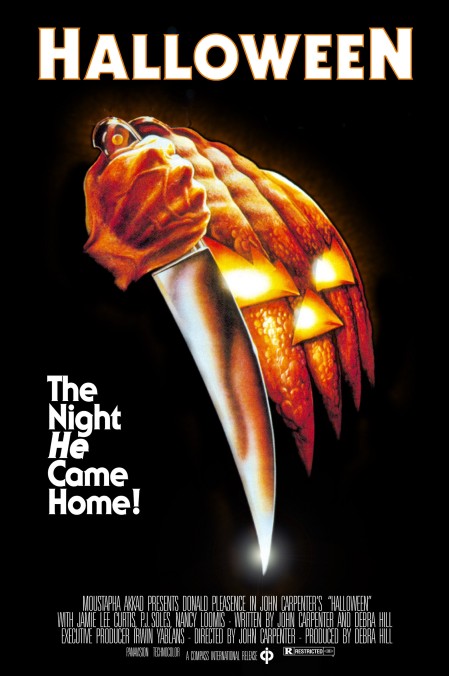
Halloween (1978)

In the original screenplay for the horror classic; Halloween, then-titled; The Babysitter Murders, the events of the story took place over several days. Due to the filmmakers only possessing a budget of around £260,000, however, it was ultimately a budgetary decision to change the screenplay to have everything occur on the same day, reducing the number of costume changes and locations required. Furthermore, it was decided that Halloween, the scariest night of the year, was the perfect night for Michael Myer’s teenage massacre, hence the title change.

halloween-p118793

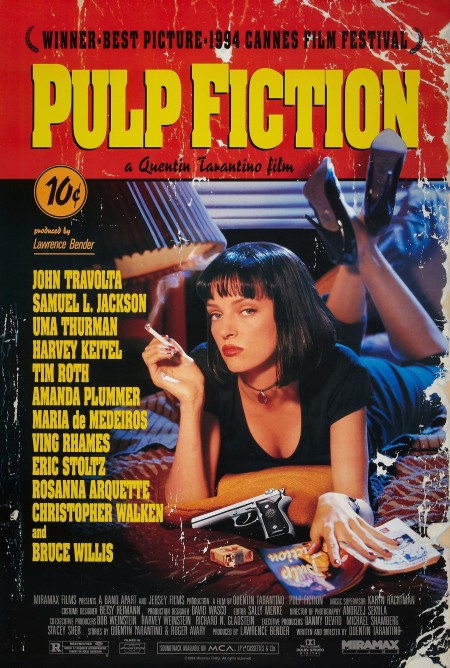
Pulp Fiction (1994)

Forming an interesting link between two quintessential crime-thrillers, Mr. Blonde, a.k.a. Vic Vega, portrayed by Michael Madsen in 1992’s Reservoir Dogs, is actually the brother of Vincent Vega, portrayed by John Travolta, from Pulp Fiction. At one point, the director of both films, Quentin Tarantino, even had a spin-off in development titled; Double V Vega, which would’ve served as a prequel to both films. However, the film was eventually scrapped because both actors were too old to portray younger versions of themselves.

pulp_fiction_ver2_xxlg

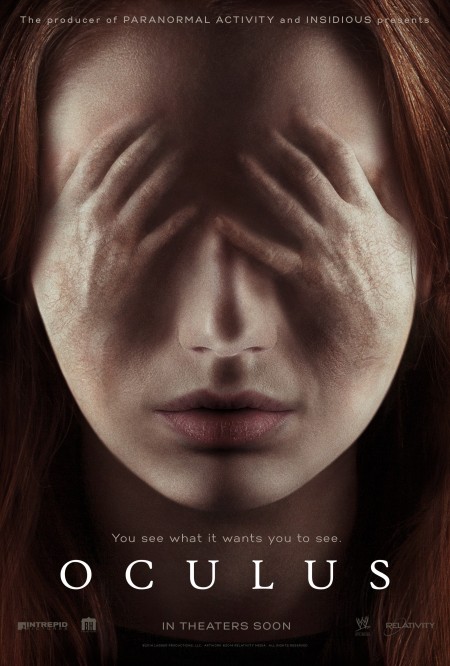
Oculus (2013)

Although the film wasn’t released until 2013, had co-writer and director Mike Flanagan agreed to develop his supernatural horror flick; Oculus, in a found-footage style similar to Paranormal Activity, released in 2007, the film would’ve been released much earlier as a number of production companies were interested in the project, even preparing to back the film as early as 2006. Flanagan, however, refused to do so.

oculus_xxlg

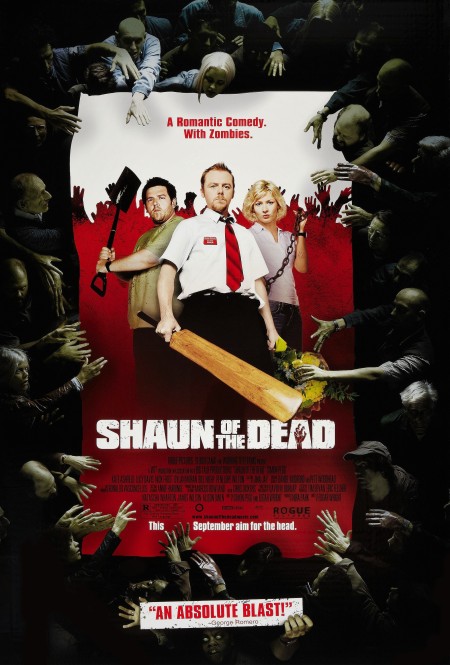
Shaun of the Dead (2004)

After the release of the treasured British horror-comedy; Shaun of the Dead, in 2004, duo Simon Pegg and Edgar Wright considered writing a sequel to the film that would’ve replaced zombies with another monster. But, they ultimately decided against it, as they thought too many characters perished in the original to continue the narrative. The proposed title for this sequel was; From Dusk Till Shaun. Humorously, a mocked-up poster can be seen for the film in Spider-Man: Into the Spider-Verse, released in 2018, a film that takes place in an alternate reality.

shaun_of_the_dead_ver2_xxlg

Everything Everywhere All at Once (2022)

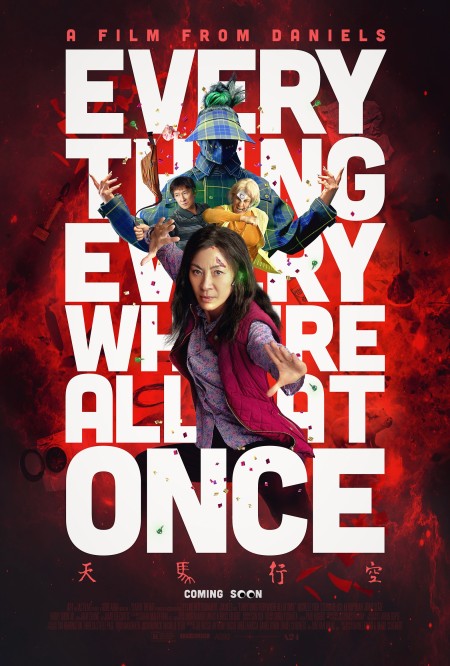
All of the visual effects throughout the critically acclaimed, universe-hopping comedy-drama; Everything Everywhere All at Once, were completed by nine people (including the two directors), with most of the visual effects accomplished by a core group of only five individuals. Moreover, none of the visual effects team academically learnt visual effects, they were all friends who simply taught themselves how to create convincing effects with tutorials they found online for free.

everything_everywhere_all_at_once_ver3_xxlg

Pirates of the Caribbean: The Curse of the Black Pearl (2003)

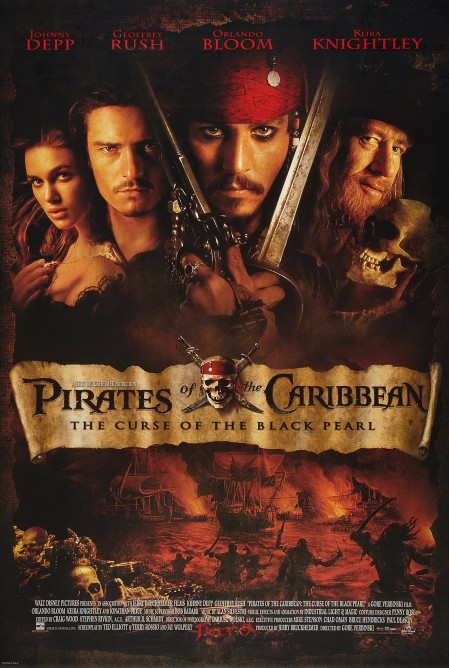
In the swashbuckling blockbuster; Pirates of the Caribbean: The Curse of the Black Pearl, Johnny Depp’s beloved character, Captain Jack Sparrow, is shown to have gold teeth, these gold teeth were actually Depp’s idea. However, Depp predicted that the film’s executives would desire fewer gold teeth, so he instructed his dentist to implant more gold teeth in his mouth as a bargaining tool. Jack’s final number of gold teeth in the film was what Depp had envisioned all along for the money-hungry pirate.

pirates_of_the_caribbean_the_curse_of_the_black_pearl-p392846 (1)

The Lost World: Jurassic Park (1997) – Film Review

“Oh, Yeah. Oooh, Ahhh, That’s How It Always Starts. Then Later There’s Running and Screaming…” – Dr. Ian Malcolm

Strangely dubbed; The Lost World: Jurassic Park, a title that appears to be out of order in its literary arrangement. This adventurous sequel to the timeless classic; Jurassic Park, released in 1993, was once among the most anticipated films of the 1990s. Yet, upon its initial release in 1997, The Lost World: Jurassic Park disappointed many for not living up to the lofty expectations set by the original, including Spielberg himself, who expressed disappointment with the film after becoming increasingly disenchanted with it during production. Nevertheless, I have always considered The Lost World: Jurassic Park somewhat underrated, harbouring an intriguing story and a more foreboding tone/aesthetic, which offsets some of its screenplay-centric faults.

Plot Summary: Four years after the catastrophe of Jurassic Park, the now-humbled John Hammond, strives to redeem himself by studying the well-being of the dinosaurs roaming free on InGen’s secondary site for bio-engineering, the secluded island of Isla Sorna. While assembling his team for this study, Hammond contacts the reluctant Dr. Ian Malcolm to convince him to join the expedition. Meanwhile, Hammond’s ignorant nephew, Peter Ludlow, intends to use his newly-obtained position as the CEO of InGen to capture as many of the island’s prehistoric species as possible for a new attraction opening in central San Diego…

Similar to the original film, The Lost World: Jurassic Park is loosely based on the novel of the same name by Michael Crichton and helmed by celebrated director Steven Spielberg. So, as is to be expected, under this masterful direction, The Lost World: Jurassic Park boasts several edge-of-your-seat moments, the stand outs of which are a scene that features a Tyrannosaurus Rex tandem bashing a mobile trailer over a cliff, as well as a sequence in which a Tyrannosaurus Rex rampages through San Diego destroying everything in its path, morphing the audience’s perception of dinosaurs from captivating, awe-inspiring creatures to truly terrifying prehistoric beasts, following the incident on Isla Nublar. However, as the runtime continues, it becomes increasingly evident that Spielberg desperately wanted to integrate as many of his own ideas into the framework of Crichton’s sequel novel as he could. A desire that ultimately results in the narrative becoming unfocused, eventually losing itself almost entirely near the end of the second act to concentrate on exciting dinosaur sequences.

Returning from the original film is Jeff Goldblum as Dr. Ian Malcolm, the remarkably entertaining pessimistic mathematician with a dry sense of humour. Accompanying Malcolm this time around is his adolescent daughter, Kelly Curtis, portrayed by Vanessa Lee Chester, and his palaeontologist girlfriend, Sarah Harding, portrayed by Julianne Moore, in addition to the other members of Hammond’s research team; wildlife photographer, Nick Van Owen, portrayed by Vince Vaughn, and tech expert, Eddie Carr, portrayed by Richard Schiff. Whilst every cast member turns in a solid performance, however, there is undoubtedly a lack of well-defined characters in The Lost World: Jurassic Park, as every character has a shortage of development beyond the dexterities they bring to their team. Roland Tembo, portrayed by the late Pete Postlethwaite, is perhaps the most compelling character of this particular entry in the series, being depicted as a jaded big-game hunter, determined to capture a male Tyrannosaurus Rex, single-handedly.

Swapping out the tidied facilities and tropical foliage of Jurassic Park for dim lighting, expansive forests and more intense violence, The Lost World: Jurassic Park‘s visuals are substantially darker than its predecessor, corresponding with the more downbeat tone of the narrative. Furthermore, the cinematography by Janusz Kaminski retains a tremendous sense of movement, while the film’s abundant use of marvellous CG effects, detailed miniatures and impressive life-sized animatronics effectively bring the dinosaurs (and a handful of locations) to life, all whilst demonstrating how far CGI had come since the first instalment in the franchise in ’93.

Once again composed by John Williams, the original score for The Lost World: Jurassic Park only contains minor hints towards the iconic theme and secondary motifs of Jurassic Park. Instead, the score houses much of its own appeal (not too dissimilar to how the visuals differ from the original film) as Williams constructs a different thematic and textural landscape for InGen’s Site B, a.k.a. Isla Sorna. As such, the soundtrack sheds much of the amazement and beauty of John Hammond’s prehistoric theme park for a more ominous soundscape. Excluding the film’s unfairly neglected theme; The Lost World, which is more wildlife adventure-inspired.

On a separate note, whilst its amusing to see franchise-staple dinosaurs like the Tyrannosaurus Rex and the Velociraptors return in The Lost World: Jurassic Park, I’ve always felt its a shame the filmmakers didn’t attempt to introduce a selection of lesser-known dinosaurs, especially with how many fantastic choices there are, as the carnivorous Alioramus, Majungasaurus and Spinosaurus (which would later appear in 2001’s Jurassic Park III), all would’ve served as significant threats and upped the ante for this much-anticipated sequel.

In summary, while it truthfully does pale in comparison to the original film, there is plenty to appreciate about The Lost World: Jurassic Park when viewed from a different perspective, as the film retains an overabundance of spectacle and exceptional visual effects, affirmed by the film’s Academy Award nomination for Best Visual Effects in 1998. Essentially, The Lost World: Jurassic Park is a perfect example of just how difficult it can be to craft an engaging sequel to a beloved cinema-altering blockbuster. Rating: 6/10.

the_lost_world_jurassic_park-p196804

The Place Beyond the Pines (2012) – Film Review

“If You Ride Like Lightning, You’re Going to Crash Like Thunder.” – Robin

Successively suspenseful and dramatic, The Place Beyond the Pines, released in 2012, is a thrilling crime-drama recounting a tale of fatherly sins visited by their descendants. Efficiently co-written and directed by Derek Cianfrance (Blue ValentineThe Light Between OceansSound of Metal), The Place Beyond the Pines utilises its decade-spanning story and outstanding performances from its extensive cast to construct a film that succeeds both as a high-stakes crime-thriller, and a far quieter, more empathetic character study of enraged, solitary men, ascertaining Cianfrance’s penchant for bold storytelling and eye for sighting the cast members to carry his stories through to their climax.

Plot Summary: When Luke, a high-wire motorcycle stuntman, passes through Schenectady, New York, as part of a travelling carnival, he reconnects with his former lover, Romina, discovering that, in his absence, she has given birth to their son, Jason. Determined to give his son the upbringing he never had, Luke renounces his life on the road to provide for his new family, taking an underpaid job as a car mechanic before committing a series of bank robberies aided by his exceptional motorcycle skills, eventually placing him on a collision course with the ambitious police officer, Avery Cross…

Unfolding over fifteen years, the actual narrative of The Place Beyond the Pines is undoubtedly one of the film’s finest aspects, disclosing an engaging and dreary tale, all within the confines of Schenectady and its surrounding woodland. The first two acts of the story, which almost feel like distinct ‘chapters,’ are consistently compelling and narratively unpredictable. Unfortunately, however, the strengths of the first two acts are diluted in the somewhat meandering third act, which is admittedly weaker than those that precede it, concluding the story with something of an anticlimax. Nevertheless, it is a uniquely structured plot, conforming to the notion of generational sins.

In the first act, the story revolves around the travails of Luke, portrayed by Ryan Gosling, a heavily-tattooed motorcycle stuntman living a freeing life on the road before he learns his former lover, Romina, portrayed by Eva Mendes, has given birth to their son. Given something to care about in his life, Luke decides to abandon his trivial lifestyle to become a suitable father figure, plunging into a dead-end job before taking a friend’s suggestion to rob banks. From here, Luke rides the line between logical and immoral, performing vile acts in the hope of earning money to fuel better ones, making for an instantly compelling character as Gosling suitably delivers a nuanced, moody performance riddled with pathos. Likewise, Avery Cross, excellently portrayed by Bradley Cooper, is a captivating protagonist in the second act. Serving as one of the police officers tasked with finding Luke, Avery is a well-educated officer keen to prove himself and move up the ranks of law enforcement. But, as his time in the force grows, Avery begins to see the deep level of corruption within his department, conveying underlying social commentary that is even more relevant today. Lastly, in the third act, the narrative switches focus to the sons of Luke and Avery, Jason and AJ, portrayed by Dane DeHaan and Emory Cohen, respectively, fifteen years after the previous acts. And despite DeHaan and Cohen delivering admirable performances as both characters inherit some of their father’s traits, this act and its protagonists are less gripping than the previous two, as previously mentioned.

When it comes to the visuals, the cinematography of The Place Beyond the Pines is largely dominated by hand-held shots. Fortunately, these shots are considerably less distracting (and motion sickness-inducing) than many other flicks where this style of camerawork is employed. However, Sean Bobbitt’s cinematography is undoubtedly at its most effective in one particularly exhilarating chase sequence, seemingly accomplished in one unbroken take as it’s shot entirely through the window screen of a police car pursuing Luke on his motorcycle.

In spite of the many moments of violence and tension, the original score by Mike Patton is unexpectedly soothing. Patton, who is most known as the lead singer of the alternative metal band, Faith No More, made his debut composing for film with the action sequel; Crank: High Voltage, in 2009, The Place Beyond the Pines being his third score, and easily his most impressive to date. A combination of electronic tones, electric and acoustic guitar accents and a sampled choir, the soundtrack retains many beautiful tracks, the most notable being; The Snow Angel, a lonesome piano-led motif that is only heard once during the runtime yet is exceptionally memorable, even appearing in one of the film’s trailers.

Intriguingly, Derek Cianfrance claims that his financier would only provide him with the budget he desired if he reduced the one hundred-and-fifty-eight-page screenplay to one hundred and ninety pages. Without removing anything, Cianfrance sneakily used a smaller font and extended the margins, which I’m thankful for as, in my opinion, virtually every scene throughout The Place Beyond the Pines is important.

In summary, in trying to convey such a monumental amount of story, The Place Beyond the Pines does sometimes spread itself too thin and leave some strands incomplete, but when the film is at its best, it is an enthralling and well-written piece of storytelling. And while its underlying themes are weighty, Derek Cianfrance’s strong direction and surprisingly effective use of hand-held camerawork result in a disquieting style that snappily underplays the drama and uncertainty. Rating: low 8/10.

place_beyond_the_pines_xxlg (1)