Iconic Lines in Cinema – Film List

In my opinion, screenwriting has always been the most significant aspect of filmmaking amongst its many pivotal elements, given that storytelling and characterisation are ultimately what the creation of a film revolves around. These aspects are naturally fueled by lines of dialogue, which often become prominent in pop culture when associated with a certain character, scene or franchise, occasionally even adding layers of subtext to the grander narrative. Here is a small selection of my personal favourites…

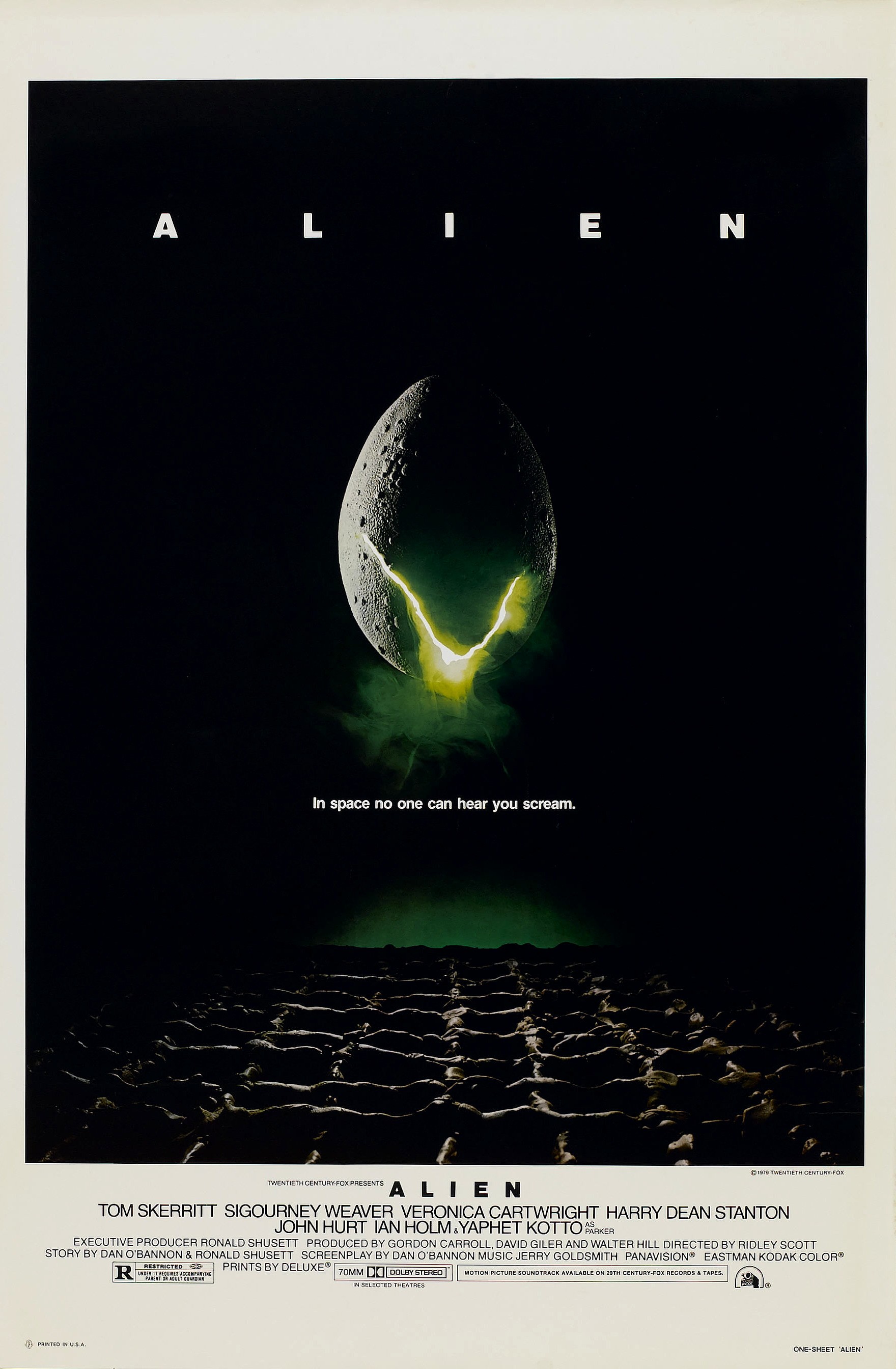
Alien (1979)

“You Still Don’t Understand What You’re Dealing With, Do You? The Perfect Organism. Its Structural Perfection Is Matched Only By Its Hostility.” – Ash

alien_xxlg

Jaws (1975)

“You’re Gonna Need a Bigger Boat…” – Chief Martian Brody

jaws_xlg

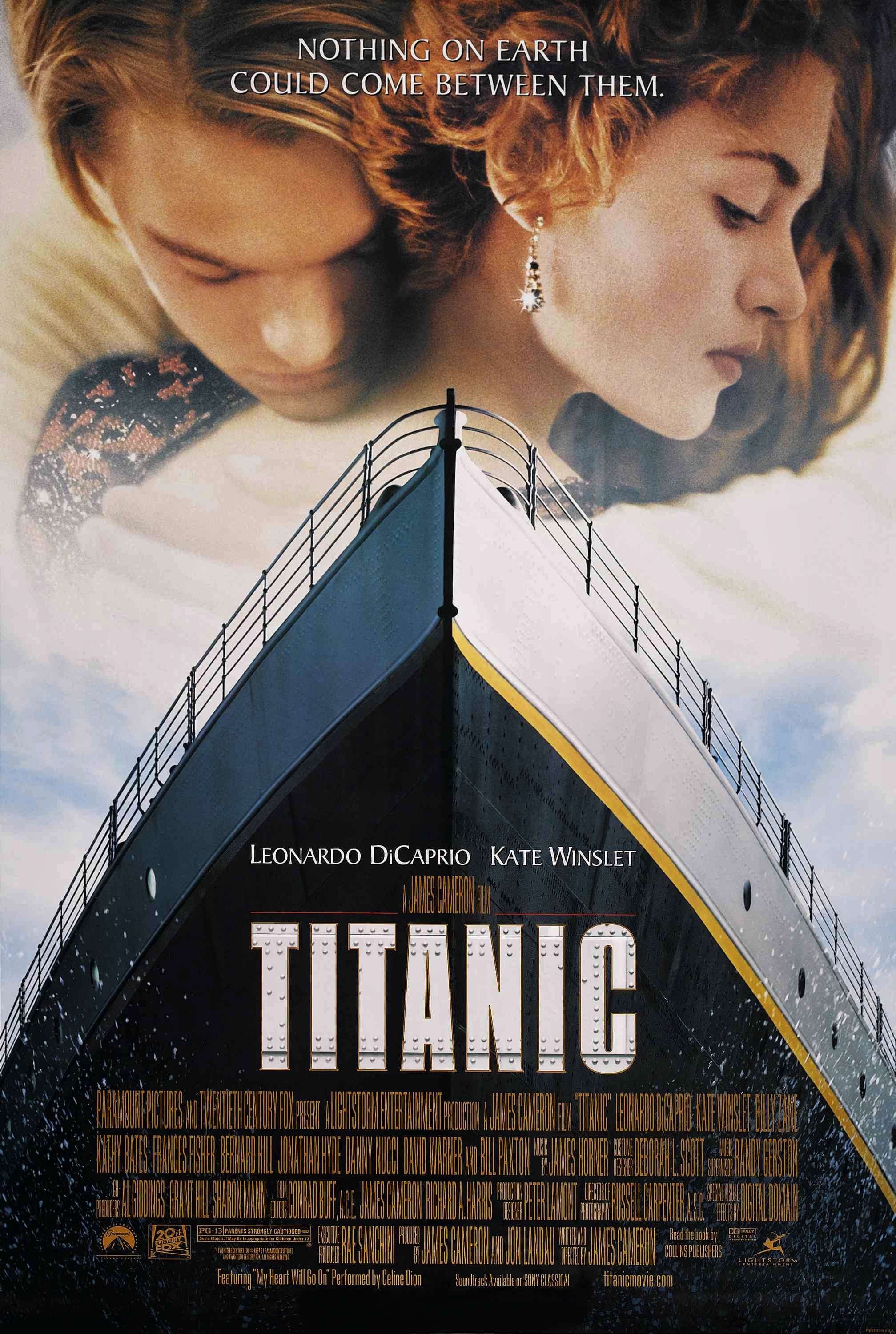
Titanic (1997)

“I’m the King of the World!” – Jack Dawson

titanic_ver2_xxlg

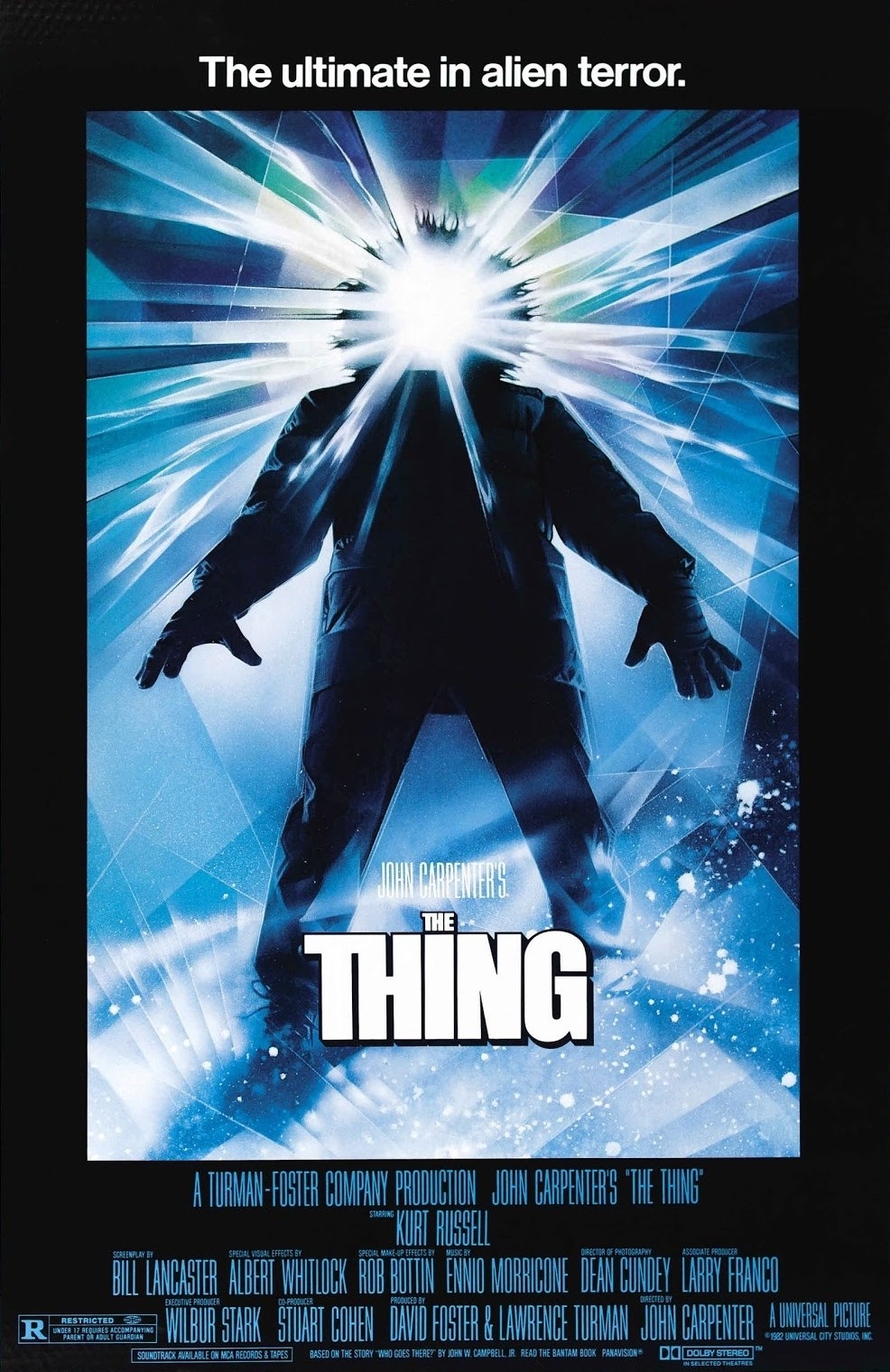
The Thing (1982)

“You Gotta Be Fuckin’ Kidding…” – Palmer

The Thing (1982) Original

The Shining (1980)

“Here’s Johnny!” – Jack Torrance

the_shining-p1092087

Casablanca (1942)

“Here’s Looking at You, Kid.” – Rick Blaine

4908ae10f0e71de36efa4e7ed337c4b9

Toy Story (1995)

“To Infinity and Beyond!” – Buzz Lightyear

toy_story_ver1_xxlg

The Terminator (1984)

“I’ll Be Back.” – The T-800

terminator_xxlg

Trainspotting (1993)

“Choose Life.” – Renton

trainspotting-p230103

Poltergeist (1982)

“They’re Here…” – Carol Anne Freeling

poltergeist_xxlg

Citizen Kane (1941)

“Rosebud…” – Kane

Copyright HAG ?2009

Jurassic Park (1993)

“Welcome… to Jurassic Park.” – John Hammond

jurassic_park_ver2_xxlg

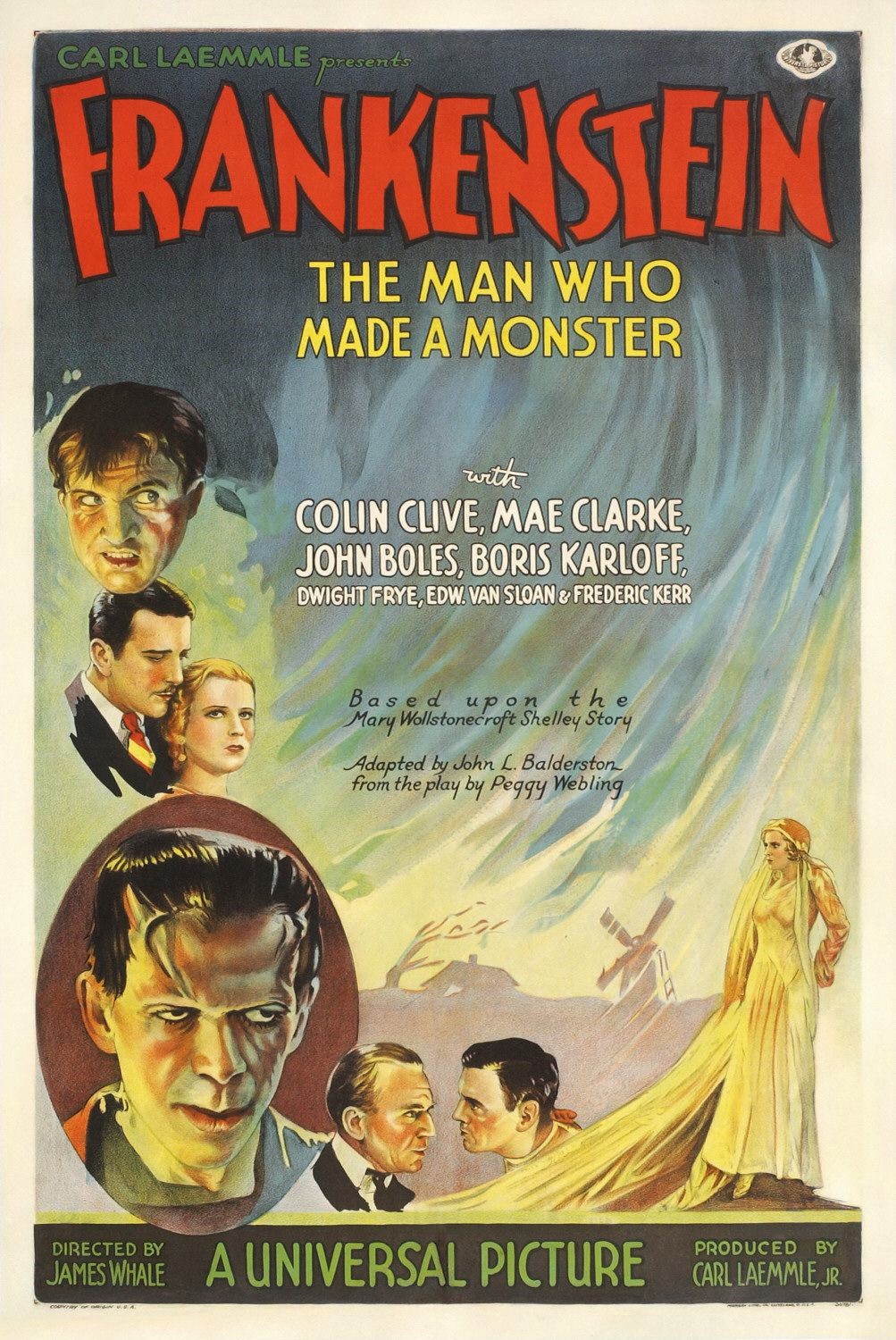
Frankenstein (1931)

“It’s Alive! It’s Alive!” – Dr. Henry Frankenstein

frankenstein_ver2_xlg

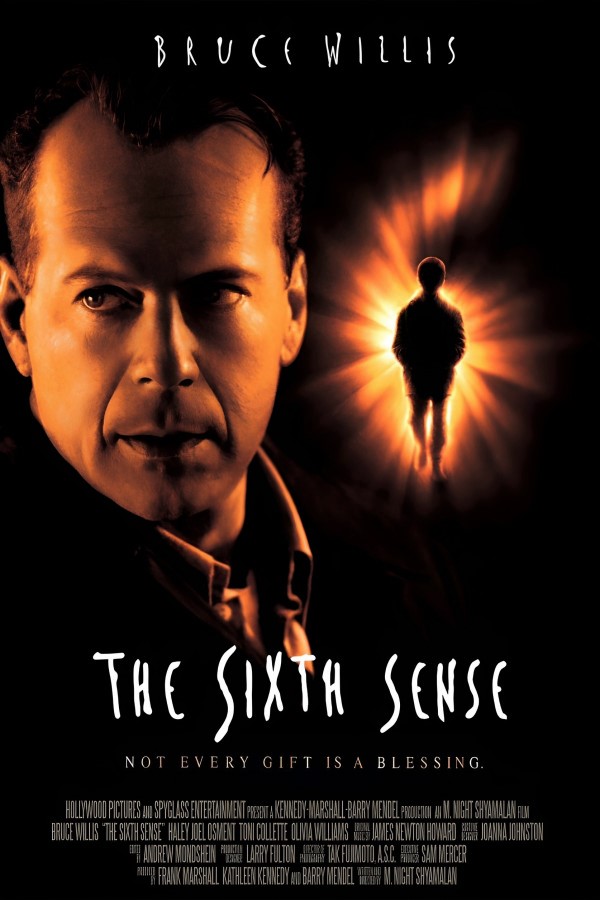
The Sixth Sense (1999)

“I See Dead People…” – Cole Sear

xl_167404_b8ed83fd

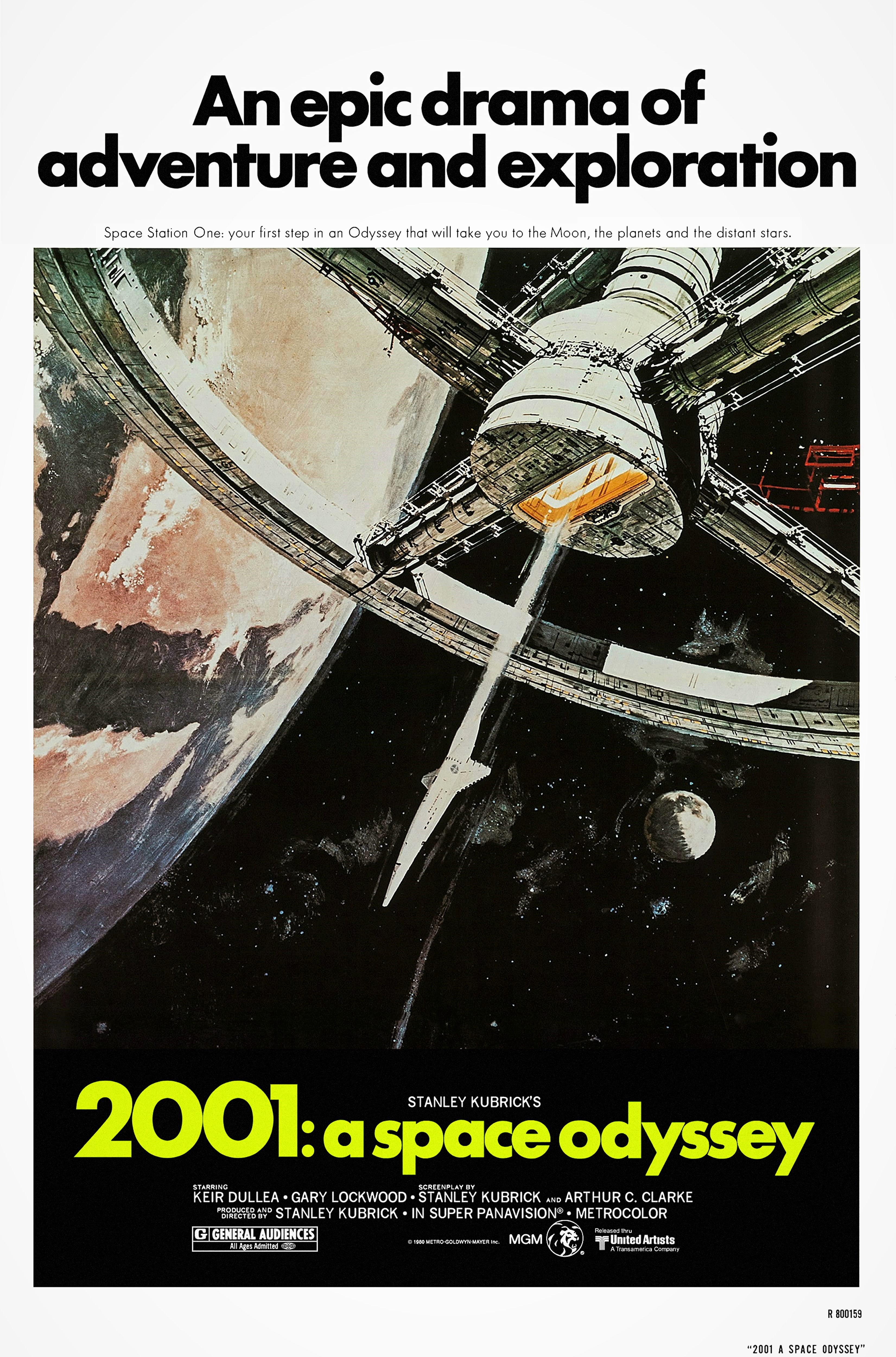
2001: A Space Odyssey (1968)

“I’m Sorry, Dave. I’m Afraid I Can’t Do That.” – HAL 9000

2001_a_space_odyssey-p1600209

The Truman Show (1998)

“You Were Real. That’s What Made You So Good to Watch…” – Cristof

truman_show_ver2_xxlg

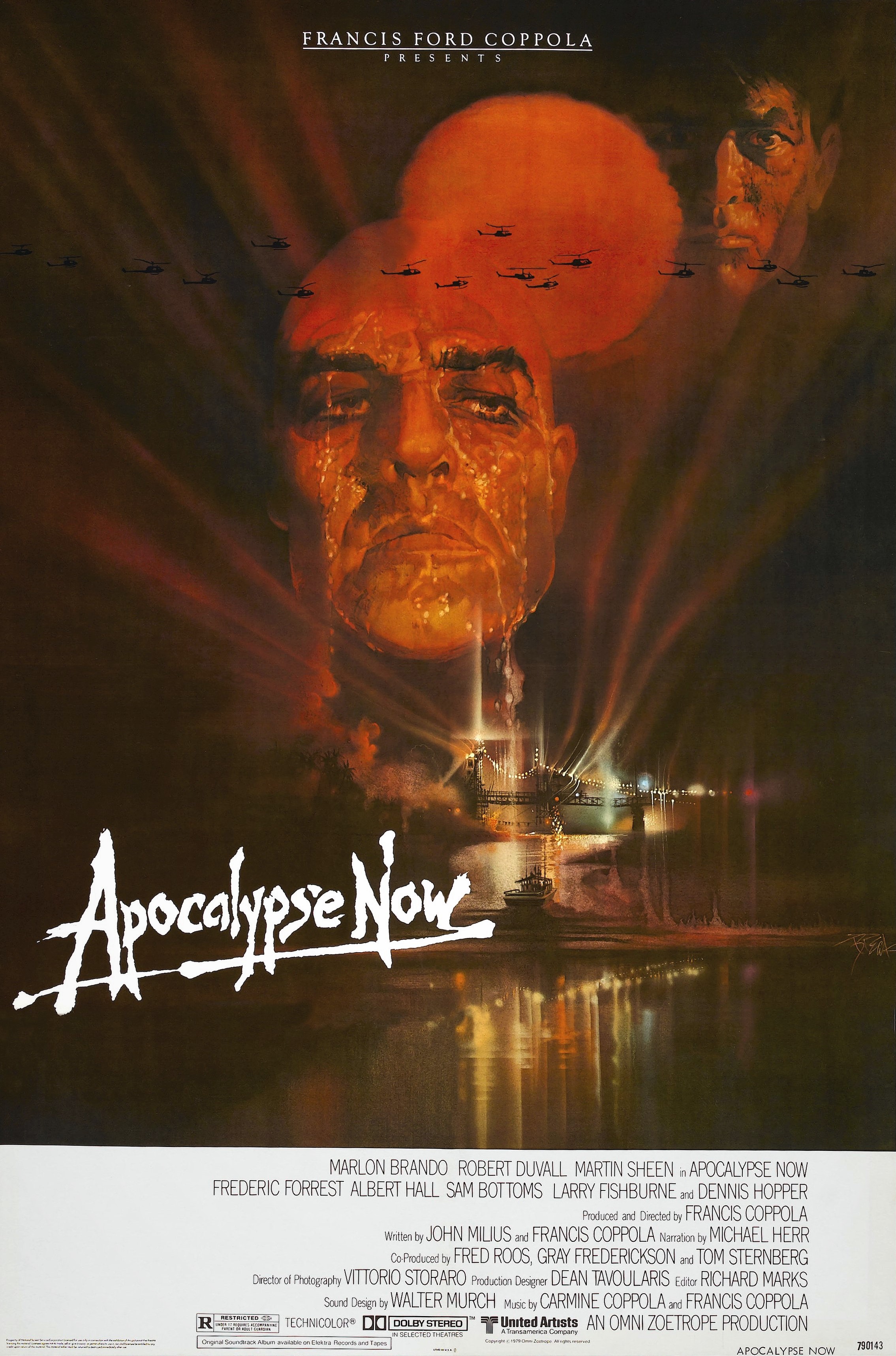
Apocalypse Now (1979)

“I Love the Smell of Napalm in the Morning…” – Robert Duvall

apocalypse_now-p154902

Shaun of the Dead (2004)

“You’ve Got Red on You.” – Various

shaun_of_the_dead_ver2_xxlg

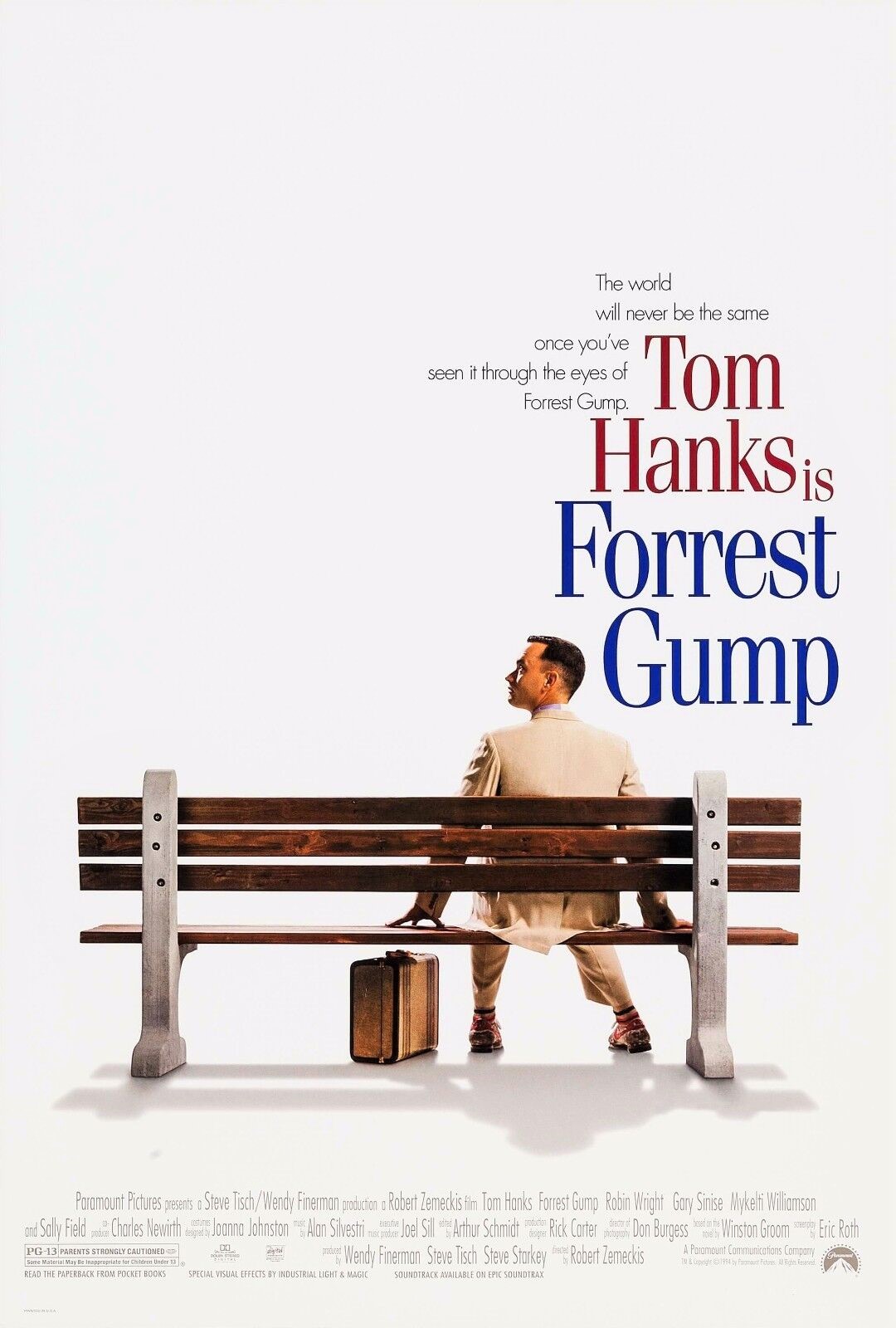
Forrest Gump (1994)

“Mama Always Said Life Was Like a Box of Chocolates. You Never Know What You’re Gonna Get.” – Forrest Gump

s-l1600

Goodfellas (1990)

“As Far Back as I Can Remember, I Always Wanted to Be a Gangster…” – Henry Hill

goodfellas_xxlg

Pulp Fiction (1994)

“You Know What They Call a Quarter Pounder With Cheese in Paris?” – Vincent Vega

pulp_fiction_ver2_xxlg

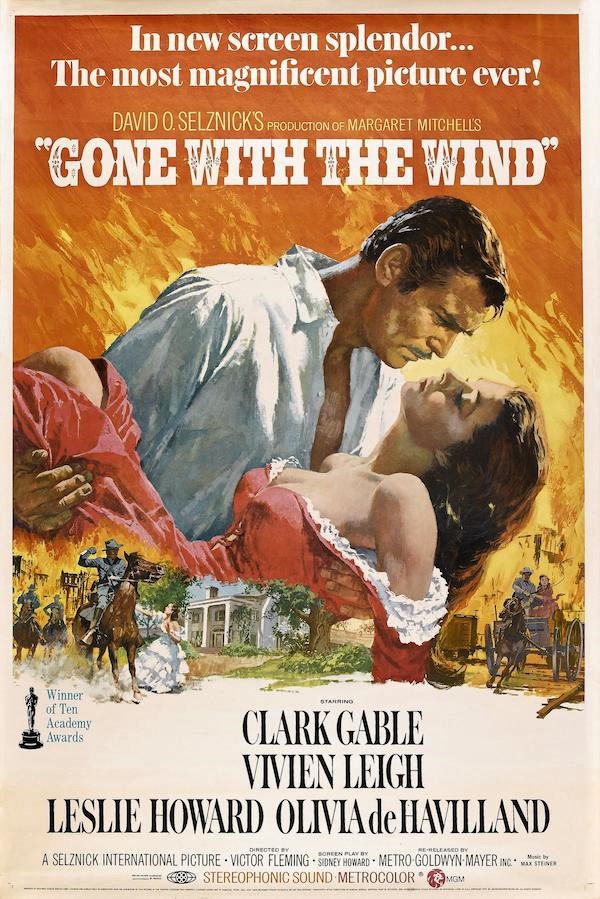
Gone With the Wind (1939)

“Frankly, My Dear, I Don’t Give a Damn…”

xl_31381_035f678b

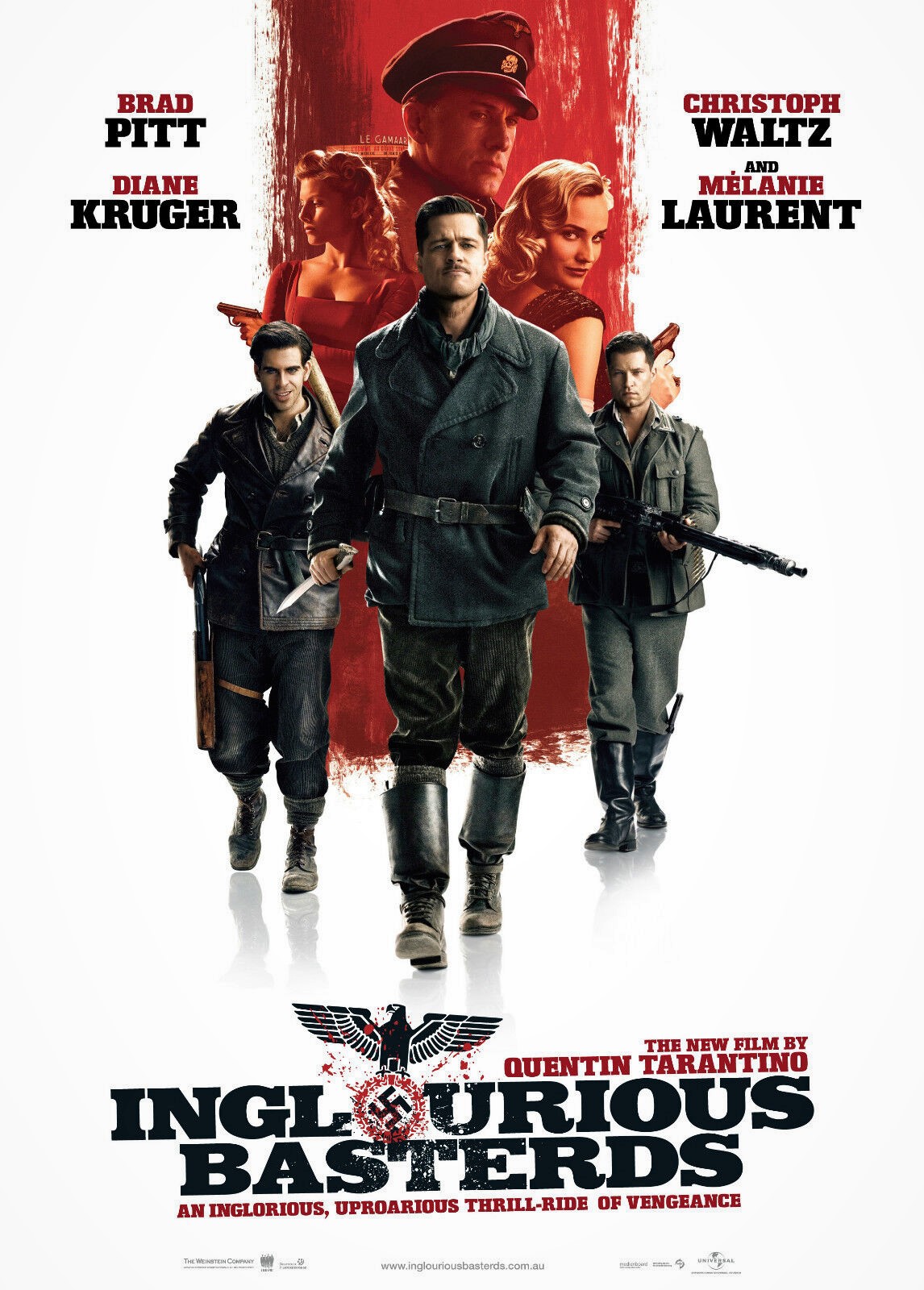
Inglourious Basterds (2009)

“You Probably Heard We Ain’t in the Prisoner-Takin’ Business, We in the Killin’ Nazi Business, and Cousin… Business Is A-Boomin!” – Lt. Aldo Raine

s-l1600

Star Wars: Episode IV – A New Hope (1977)

May the Force Be With You.” – Han Solo

star_wars_iv___a_new_hope___movie_poster_by_nei1b_d5t3cw9-fullview

The Lord of the Rings: The Two Towers (2002)

“My Precious…” – Gollum

Copyright HAG ?2008

Ten Film Facts You Should Know (Part One) – Film List

Cinema has always been full of surprises, particularly when it comes to the creation of certain projects, as fascinating stories often occur during the pre-production, production and post-production stages of iconic films (some intentional, others happy accidents), with many of these happenings eventually making it onto the silver screen or the furthest reaches of the internet, remaining a sheltered piece of film history. So, here are ten film facts you should know to expand your cinephile knowledge and triumph over your family and friends at your next trivia night.

A Ghost Story (2017)

During the production of the indie drama; A Ghost Story, for the prolonged shot in which her character eats a pie, several variations of pies were baked and tested in preparation for the scene. Actress Rooney Mara, a self-confessed picky eater, ultimately opted for a reduced-sugar, gluten-free vegan chocolate pie. Writer-director David Lowery claimed it was delicious, but Mara disagreed, declaring it tasted vile.
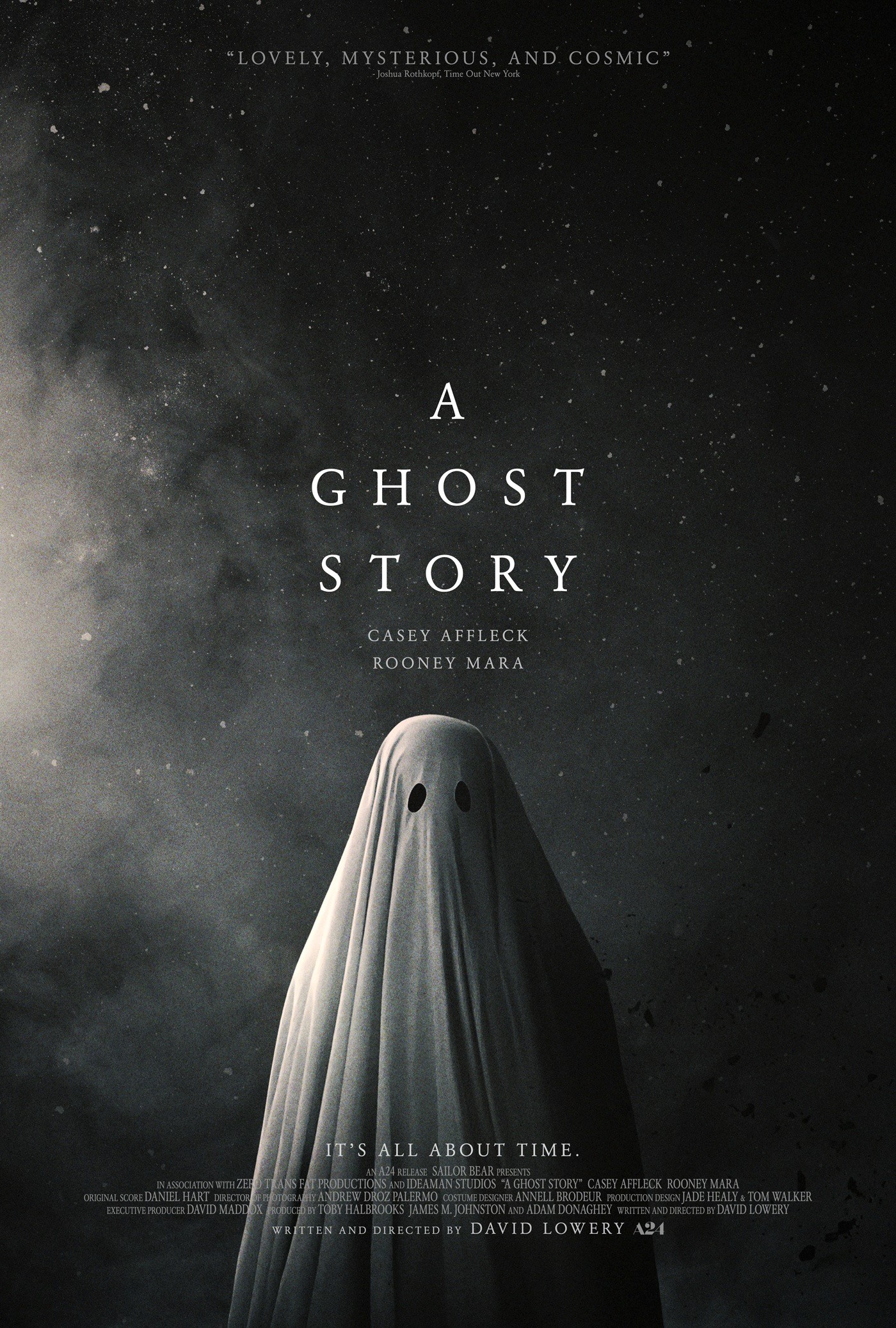
ghost_story_xxlg

Jurassic Park (1993)

Following the end of production on the iconic blockbuster; Jurassic Park, all the cast were given a Velociraptor model, signed by director Steven Spielberg, as a gift. The model looked rather frightening, so actress Ariana Richards positioned her model in her house to startle arriving guests. Actress Laura Dern, however, placed her model in her son’s room near his crib. But, when her son was older and witnessed it looking over him, he grew terrified of the model, forcing Dern to put the Velociraptor model into storage.

jurassic_park_ver2_xxlg

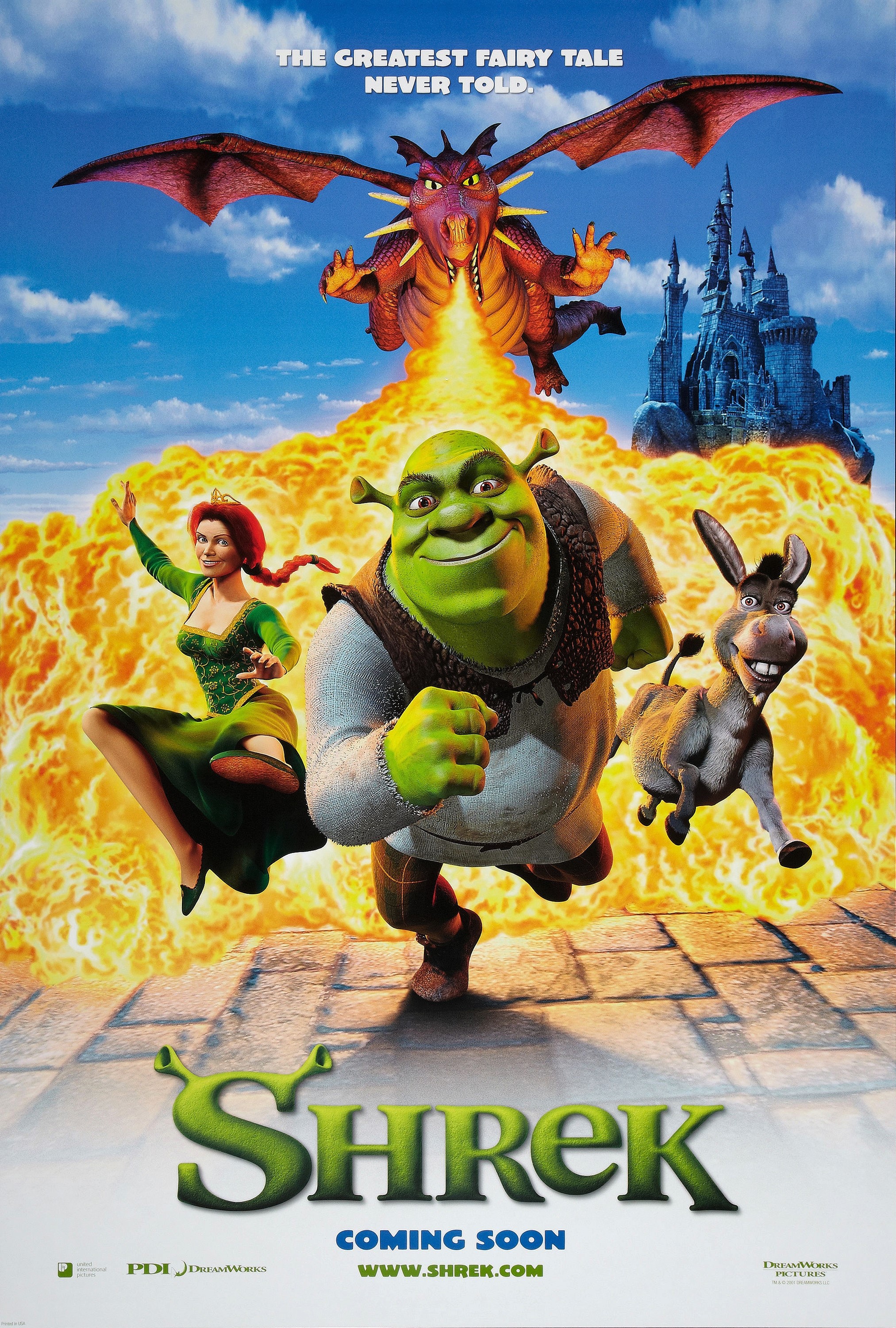
Shrek (2001)

Originally, comedian Chris Farley was cast as the voice of the titular character in the animated smash-hit; Shrek, recording almost all of the character’s dialogue. However, after his sudden death in 1997, the role was given to his then-fellow Saturday Night Live performer, Mike Myers. As such, Shrek’s air quotes in the film are a homage to one of Farley’s most well-known characters, Bennett Brauer, who commonly used air quotes. A story reel featuring a sample of Farley’s recorded dialogue was eventually leaked to the public in 2015.
shrek-p603939

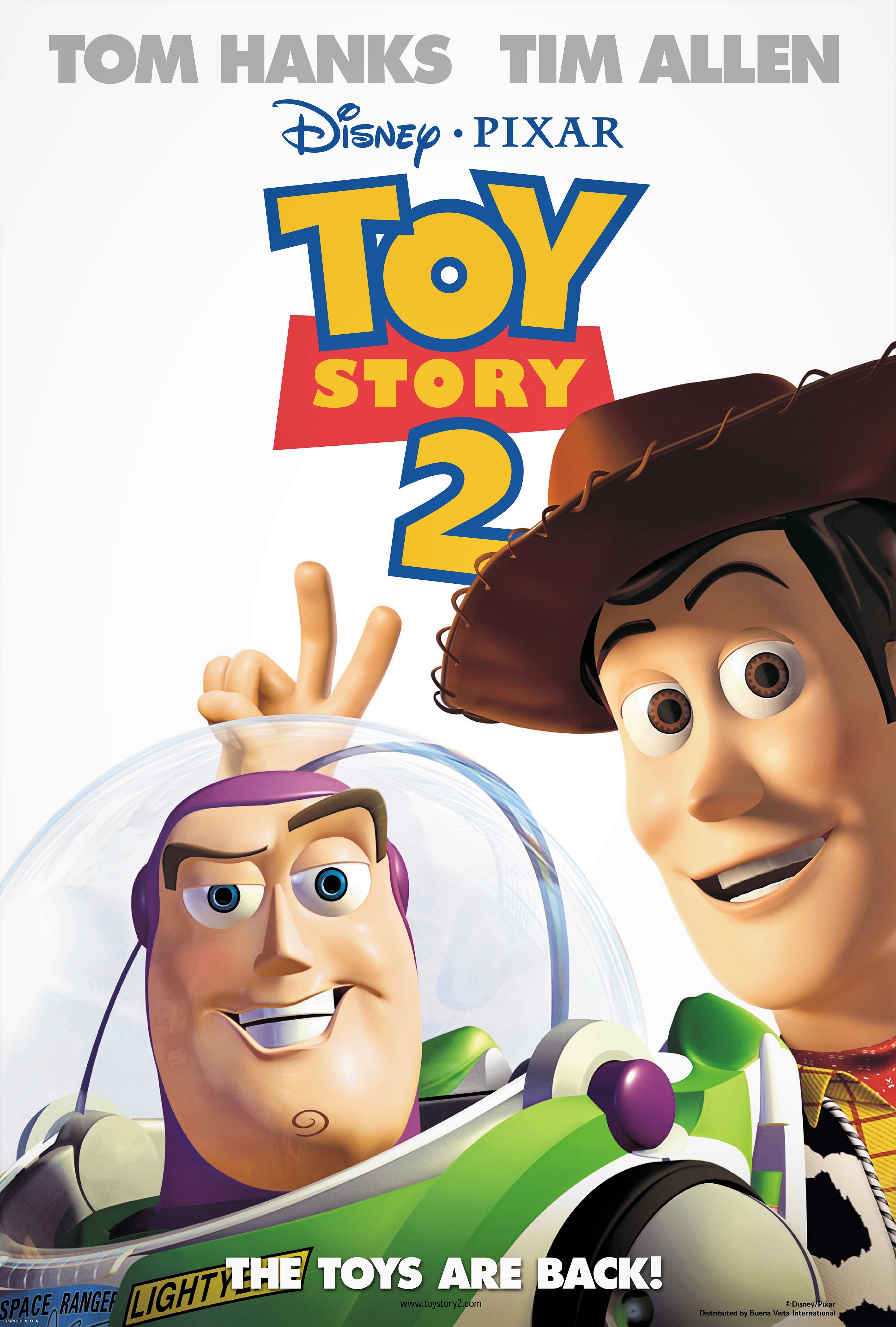
Toy Story 2 (1999)

Whilst working on the sequel to the cherished animated flick; Toy Story, released in 1995, one of the animators accidentally entered the code; “rm *,” which, when entered, deletes everything on the computer as fast as possible. As a result, the team behind Toy Story 2 lost roughly 90% of the film. Fortunately, supervising technical director, Galyn Susman, had recently had a child, so she took a copy of the film home with her so she could work from home, allowing the team to cover the extra copy in blankets and drive it back to Pixar Animation Studios, where they were able to recover the majority of the film.
toy_story_2-p784308

Halloween (1978)

In the original screenplay for the horror classic; Halloween, then-titled; The Babysitter Murders, the events of the story took place over several days. Due to the filmmakers only possessing a budget of around £260,000, however, it was ultimately a budgetary decision to change the screenplay to have everything occur on the same day, reducing the number of costume changes and locations required. Furthermore, it was decided that Halloween, the scariest night of the year, was the perfect night for Michael Myer’s teenage massacre, hence the title change.

halloween-p118793

Pulp Fiction (1994)

Forming an interesting link between two quintessential crime-thrillers, Mr. Blonde, a.k.a. Vic Vega, portrayed by Michael Madsen in 1992’s Reservoir Dogs, is actually the brother of Vincent Vega, portrayed by John Travolta, from Pulp Fiction. At one point, the director of both films, Quentin Tarantino, even had a spin-off in development titled; Double V Vega, which would’ve served as a prequel to both films. However, the film was eventually scrapped because both actors were too old to portray younger versions of themselves.

pulp_fiction_ver2_xxlg

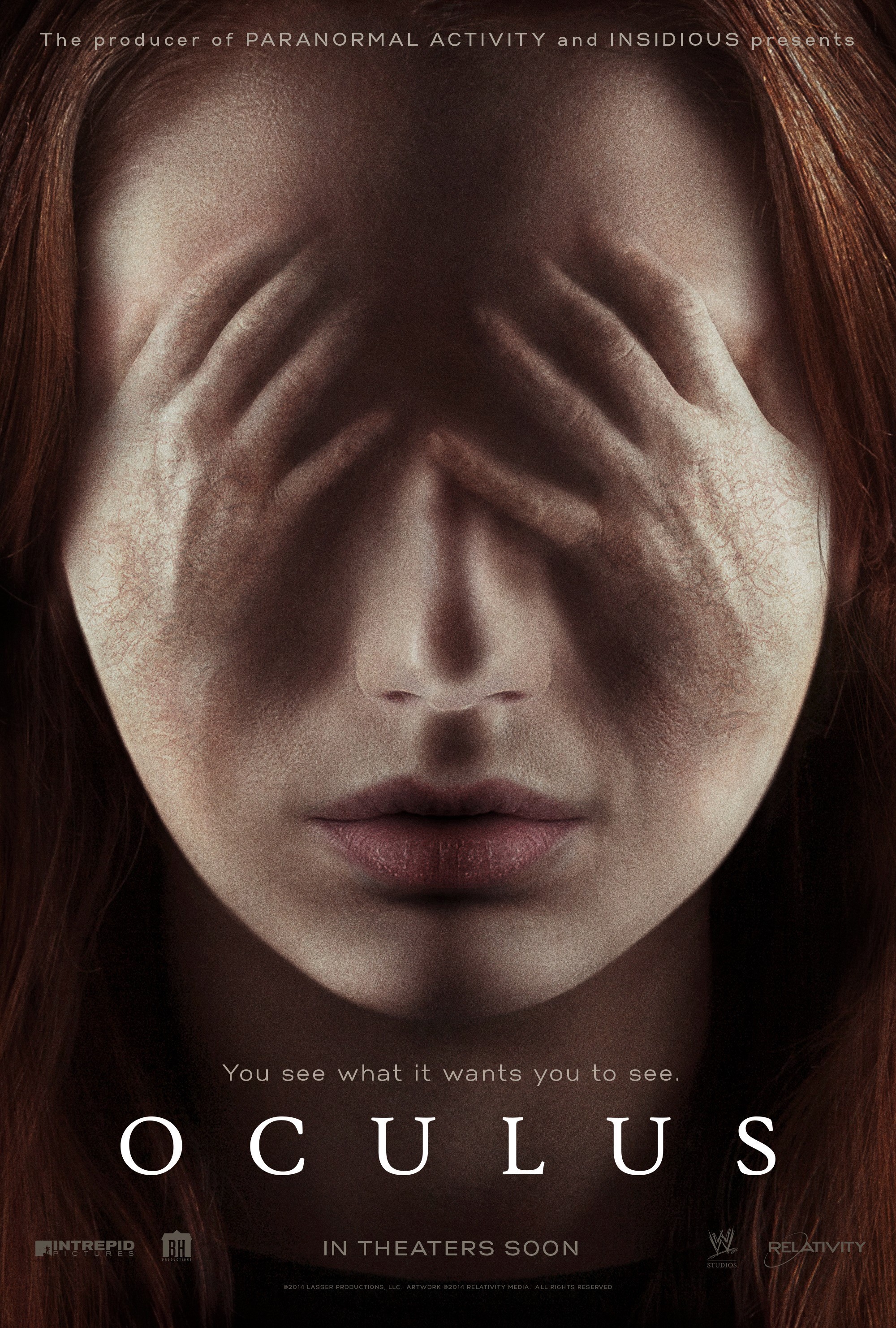
Oculus (2013)

Although the film wasn’t released until 2013, had co-writer and director Mike Flanagan agreed to develop his supernatural horror flick; Oculus, in a found-footage style similar to Paranormal Activity, released in 2007, the film would’ve been released much earlier as a number of production companies were interested in the project, even preparing to back the film as early as 2006. Flanagan, however, refused to do so.
oculus_xxlg

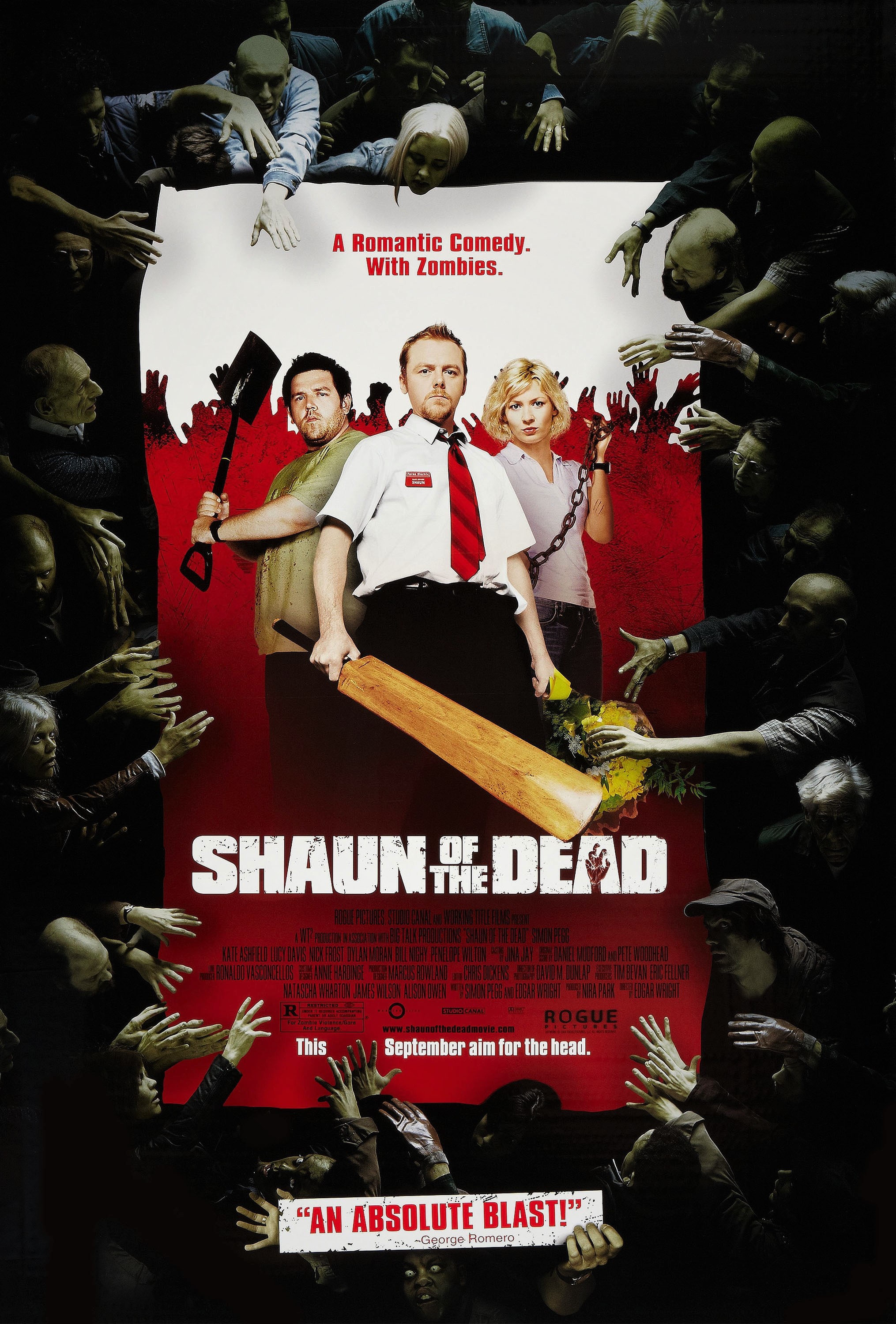
Shaun of the Dead (2004)

After the release of the treasured British horror-comedy; Shaun of the Dead, in 2004, duo Simon Pegg and Edgar Wright considered writing a sequel to the film that would’ve replaced zombies with another monster. But, they ultimately decided against it, as they thought too many characters perished in the original to continue the narrative. The proposed title for this sequel was; From Dusk Till Shaun. Humorously, a mocked-up poster can be seen for the film in Spider-Man: Into the Spider-Verse, released in 2018, a film that takes place in an alternate reality.
shaun_of_the_dead_ver2_xxlg

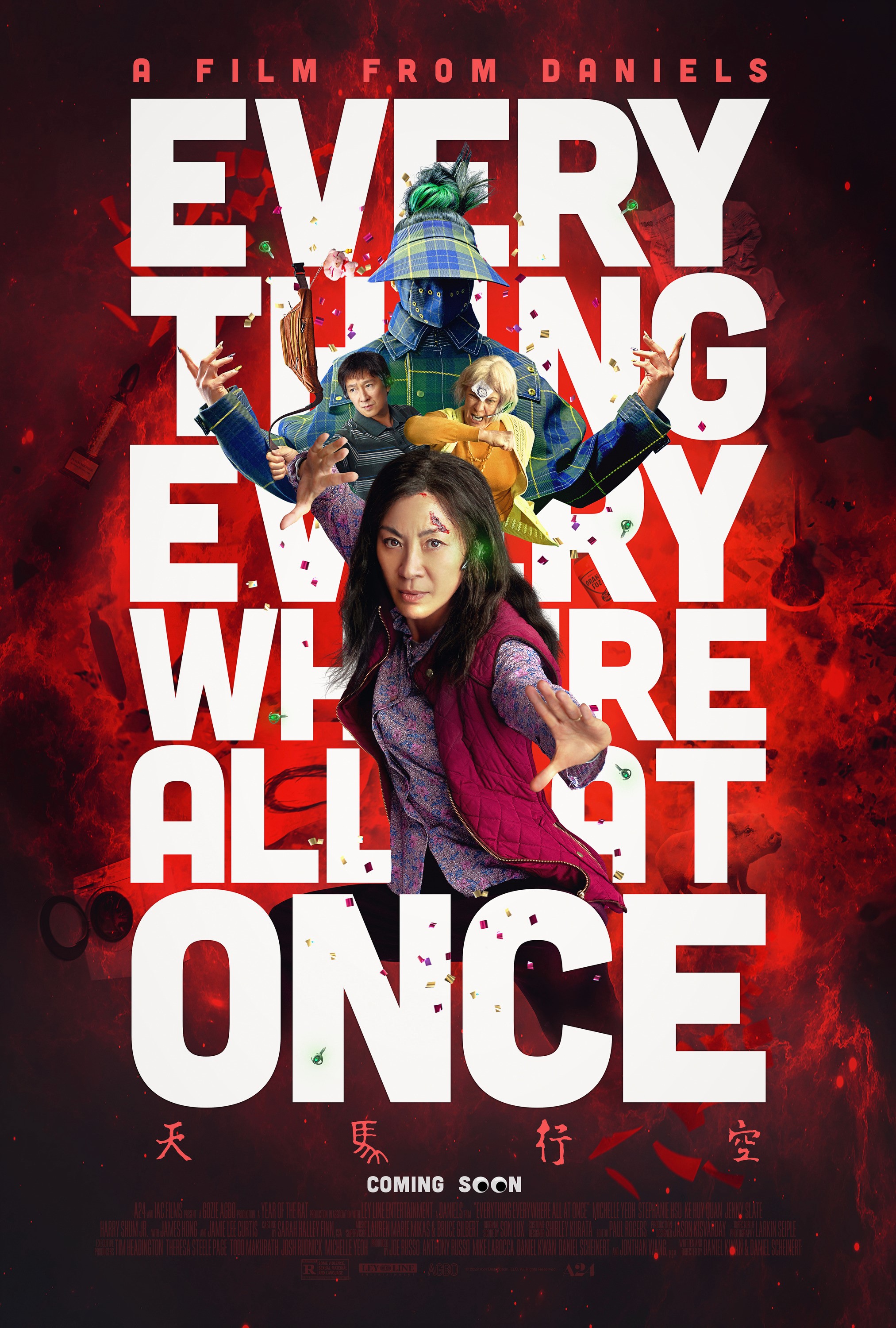
Everything Everywhere All at Once (2022)

All of the visual effects throughout the critically acclaimed, universe-hopping comedy-drama; Everything Everywhere All at Once, were completed by nine people (including the two directors), with most of the visual effects accomplished by a core group of only five individuals. Moreover, none of the visual effects team academically learnt visual effects, they were all friends who simply taught themselves how to create convincing effects with tutorials they found online for free.
everything_everywhere_all_at_once_ver3_xxlg

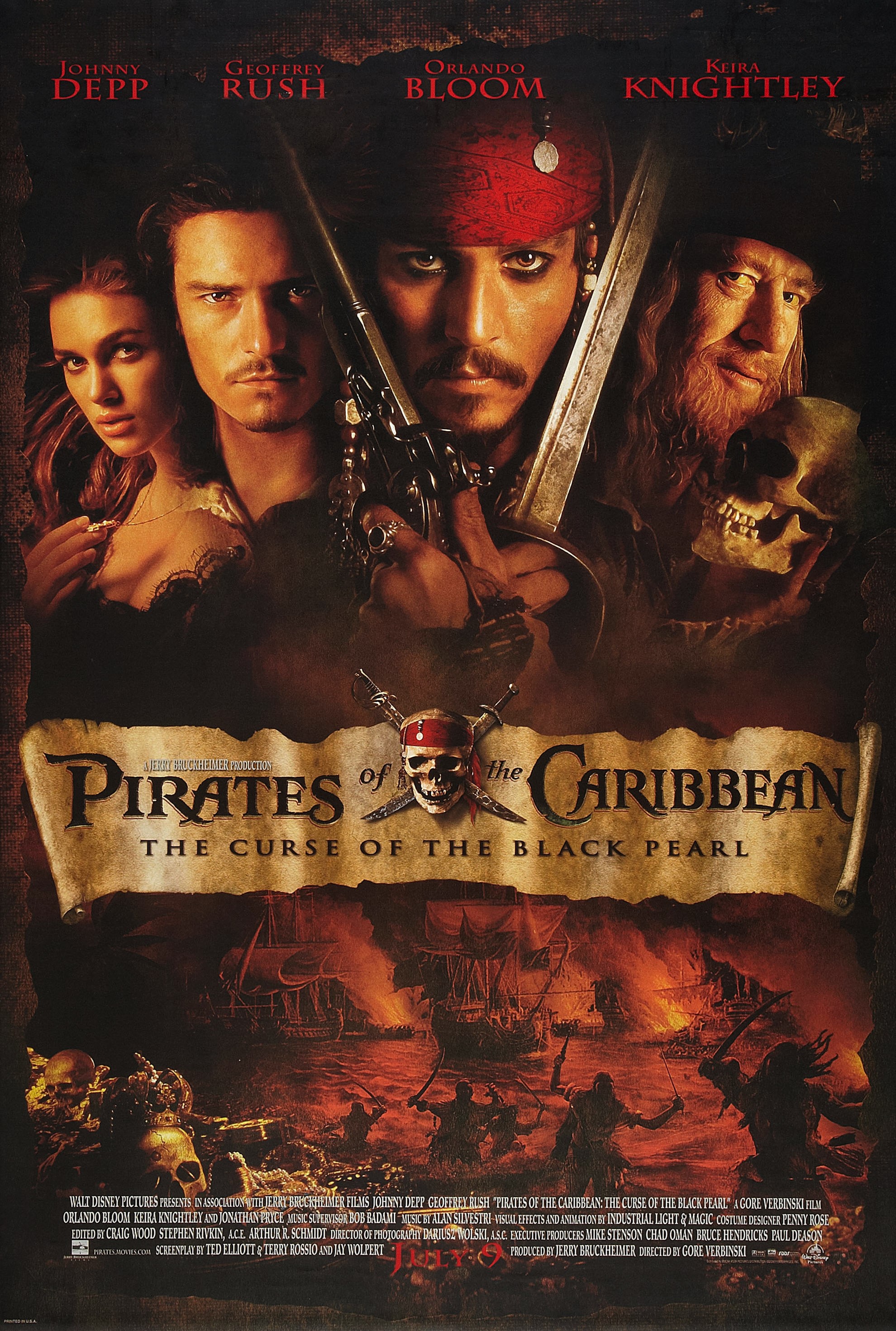
Pirates of the Caribbean: The Curse of the Black Pearl (2003)

In the swashbuckling blockbuster; Pirates of the Caribbean: The Curse of the Black Pearl, Johnny Depp’s beloved character, Captain Jack Sparrow, is shown to have gold teeth, these gold teeth were actually Depp’s idea. However, Depp predicted that the film’s executives would desire fewer gold teeth, so he instructed his dentist to implant more gold teeth in his mouth as a bargaining tool. Jack’s final number of gold teeth in the film was what Depp had envisioned all along for the money-hungry pirate.
pirates_of_the_caribbean_the_curse_of_the_black_pearl-p392846 (1)

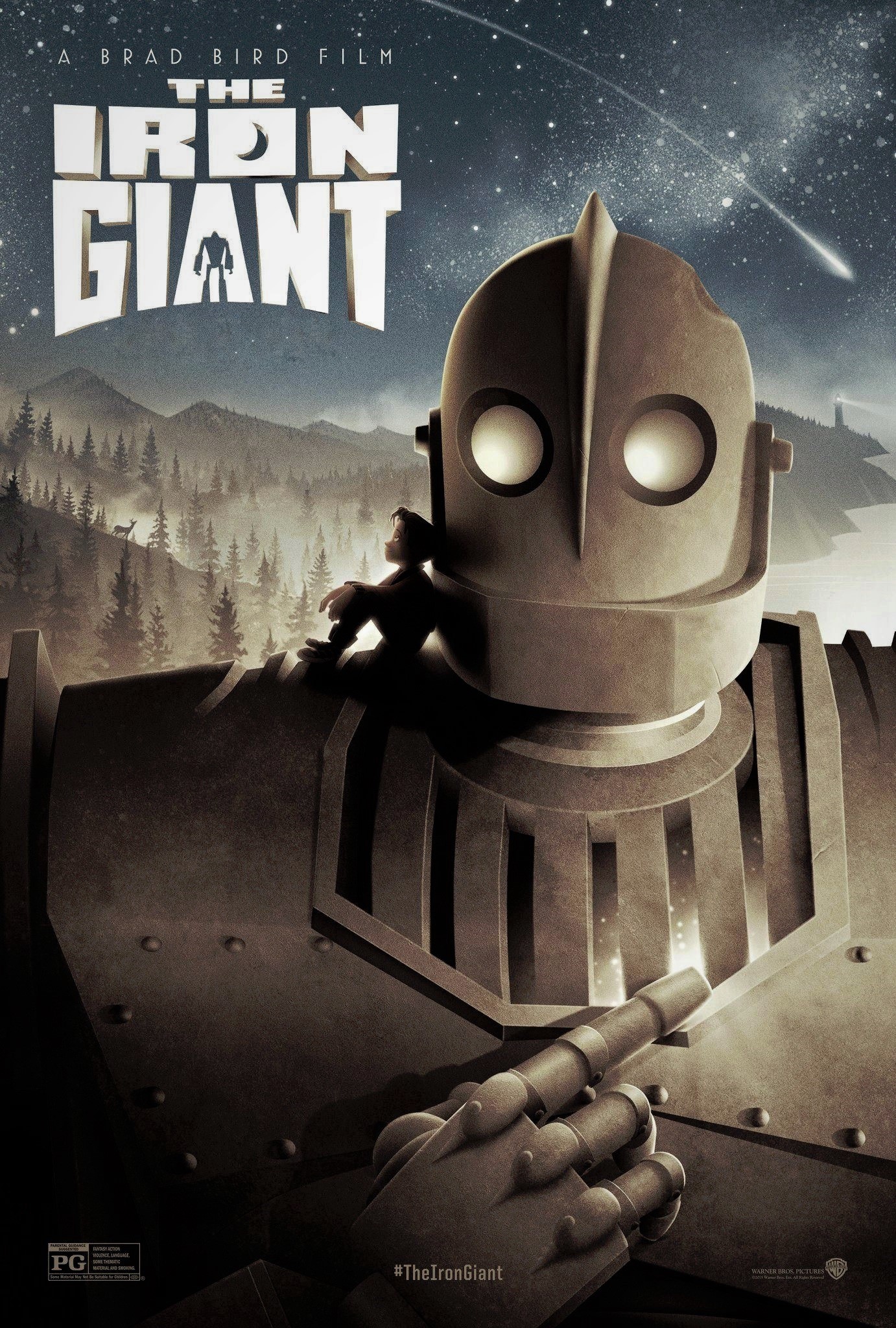
The Iron Giant (1999) – Film Review

“It’s Bad to Kill. Guns Kill. And You Don’t Have to Be a Gun. You Are What You Choose to Be…” – Hogarth Hughes

Partially based on the novel; The Iron Man by Ted Hughes, 1999’s The Iron Giant is an incredible achievement in both storytelling and animation. Tackling ambitious themes and complex animation techniques for the time through its near-seamless blend of hand-drawn and CG animation, The Iron Giant is a captivating and uplifting animated sci-fi adventure with plenty of humour and heart entrenched in its story. And while perhaps not the peak of director Brad Bird’s filmography, with The IncrediblesRatatouille and Mission: Impossible – Ghost Protocol all serving as stiff competition. As far as directorial debuts go, The Iron Giant was undoubtedly a curtain-raiser for Bird and his team.

Plot Summary: When a massive metal automaton, sent from somewhere in the black void of outer space, crash-lands on Earth just outside the small town of Rockwell, Maine. Eleven-year-old, Hogarth Hughes, stumbles across the android and quickly strikes up a friendship with the giant. But, unbeknownst to Hogarth, U.S. government agent, Kent Mansley, has his sights set on finding the extraterrestrial visitor and will stop at nothing to ensure its destruction…

Whilst The Iron Giant bears little resemblance to the novel it’s based upon, the stories behind both the novel and the film’s creation are tragic yet fascinating. As originally, the author of the novel, Ted Hughes, wrote the story as a way of comforting his children after the suicide of their mother, Sylvia Plath. Similarly, Brad Bird was in part inspired to adapt the novel as a memorial to his sister, Susan Bird, emphasising the anti-gun message of the story as she was shot by her estranged husband in a murder-suicide in 1989. His initial pitch was this; “What if a Gun Had a Soul and Didn’t Want to be a Gun?” And even if the title of the adaptation (and subsequently the titular character’s name), was later changed to The Iron Giant to avoid confusion with the renowned comic book character, Iron Man. This underlying theme has always been associated with the character and is weaved into the narrative exceptionally.

The main voice cast of Eli Marienthal, Jennifer Aniston, Harry Connick Jr., and Christopher McDonald all do a fantastic job as the central clump of well-defined characters, portraying them as surprisingly grounded personalities for an animated flick. However, the most significant member of the cast has to be Vin Diesel as the Iron Giant himself. Sharing similarities with his later role as Groot/Baby Groot in the Marvel Cinematic Universe, Diesel only speaks a total of fifty-three words throughout the entire runtime, excluding yells and groans. Yet, even with these limited lines, Diesel provides the enormous android with a suitably weighty voice and plenty of amusing/endearing moments.

On account of The Iron Giant being the first traditionally animated film to feature a principal character that is entirely computer-generated, there are a few scenes where cracks have begun to form in the animation and the animated cinematography. However, for the most part, the visuals on display throughout The Iron Giant are magnificent as the film contains an extensive amount of vibrant and alluring shots that meld both animation techniques. Many of these shots also make superb use of the remote, coastal setting of Rockwell, as well as the 1950s time period.

The original score by the late Michael Kamen is largely superior to a number of other orchestral scores for animated family flicks, with the acclaimed track; No Following, standing as a beautiful yet heart-rending composition that considerably enriches the final act. Further tracks, such as The Eye of the Storm and Souls Don’t Die, are pleasant to listen to and serve their purpose within the story, despite not being particularly memorable.

Another noteworthy aspect of The Iron Giant is how the film takes inspiration from classic sci-fi films of the 1950s. Intentionally playing into many of the staples of the science fiction genre around that time, including the widespread fears of nuclear war and Earth being invaded by creatures from another world. This ’50s inspiration even extends to the character designs with the appearance of the Iron Giant himself, who is instantly recognisable as a result of his atomic-age headpiece. Furthermore, the tentacles that emerge from the Iron Giant’s back during the final act are an unmistakable visual homage to one of the most well-known extraterrestrial films in cinematic history; The War of the Worlds, released in 1953.

In summary, whilst it still saddens me that The Iron Giant was such a box office failure upon its initial release, only grossing around £19 million on an estimated budget of £58 million. I am delighted that the film has gone on to become such a cult classic, predominately through positive word-of-mouth, no less. Releasing on August 6th, 1999, the same day as The Sixth SenseThe Iron Giant was commercially overshadowed immediately out of the gate. Moreover, following the success of Toy Story in 1995, The Iron Giant was released at a time when hand-drawn animation was being superseded by CGI. So much so, that Warner Bros. Pictures was in the process of shutting down its traditional animation division during the film’s production. And yet, The Iron Giant still flourished in spite of all these obstacles, which, in my opinion, is a testament to the efforts of Brad Bird and his masterful team of animators and creatives. Rating: low 8/10.

iron_giant_ver4_xxlg

The Blair Witch Project (1999) – Film Review

Upon its initial release, the original ‘Blair Witch Project’ blew many audiences away with its realistic depiction of found-footage horror, subsequently leading many audience members to believe that the events they were watching on-screen actually took place, making for a truly terrifying experience. However, now, many years after its first appearance, the film’s reputation has significantly altered with both critics and audiences alike, as ‘The Blair Witch Project’ is definitely a film that lies outside of the usual horror clichés.

Plot Summary: When three student filmmakers travel to Burkittsville, Maryland, in attempt to produce a documentary based around the local urban legend of ‘The Blair Witch,’ they mysteriously disappear after traveling into the nearby Black Hills Forest, leaving only their footage behind to be discovered one year later…

Whilst ‘The Blair Witch Project’ wasn’t the original found-footage horror film, with the infamous exploitation flick; ‘Cannibal Holocaust,’ first introducing the horror subgenre in 1980. ‘The Blair Witch Project’ was the first film to popularise the found-footage concept, as this film was at one point in time in the ‘Guinness Book of World Records’ for the largest box-office ratio, as the low-budget film only had a budget of around £45,000 and made back over £189 million, quickly spawning an inconsistent horror franchise despite the film’s only partially complete backstory for its creature and setting.

The three main cast members of Heather Donahue, Joshua Leonard, and Michael C. Williams (who all share their real names with their characters), are all tremendous throughout the film, as while their character’s don’t receive nowhere near as much development as they should considering how much screen-time we spend with them, each one of the actors do give the impression they are becoming more tormented and frustrated the longer they remain in the Black Hills Forest. The main reason the film’s protagonists don’t receive much characterisation, however, is actually due to the film’s production itself, as with the film not focusing very heavily on story, the actors were given no more than a thirty-five page outline of plot points rather than a full screenplay. So, as filming continued, the cast just played out various scenes, only having little knowledge of the mythology behind ‘The Blair Witch’ and improvising the vast majority of their lines.

Practically the entirety of the cinematography by Neal L. Fredericks is exactly what you’d expect from a found-footage horror, featuring an abundance of both shaky and out-of-focus shots, further adding to the idea that just behind the lens is a group of amateur student filmmakers (with some scenes even being shot by the cast themselves). In addition to the hand-held camerawork, the film’s visuals are also quite distinctive when it comes to its visual quality, as throughout the duration of the film, many shots remain incredibly grainy and occasionally even switch to a completely greyscale colour palette, which again, whilst adding to the realism of the film being a no-budget student documentary, does ensure the absence of any genuinely attractive shots.

Although it’s only heard during the film’s atmospheric end credits, ‘The Blair Witch Project’ does actually have an original score composed by Antonio Cora, but obviously being a found-footage horror, the film mostly aims to please with its sound design, as the sounds of crackling leaves and chirping birds are heard continuously. Interestingly, many of the eerie branch-cracking sounds heard at night even being made by the director and his friends simply walking up to the cast’s camp-perimeter and then tossing around twigs, rocks, and branches in various directions.

The main aspect that many will either admire or despise about ‘The Blair Witch Project,’ is its previously mentioned focus on realism and minimalist storytelling, as while the film does utilise its forest setting very effectively throughout the runtime, many who may be expecting a thrilling final act or possibly even a glimpse at ‘The Blair Witch’ herself will be greatly disappointed, as due to the story’s constant emphasis on realism, the film never actually provides any genuine evidence of the supernatural, with many of the film’s tense moments mostly relying on the darkness of the woods or the belligerent quarreling between the characters.

In summary, ‘The Blair Witch Project’ is certainly a fascinating horror film even if it isn’t always a successful one. As, to this day, this found-footage indie flick is a very divisive film for horror fans, with a 86% score on Rotten Tomatoes, the film has the highest-rating of any film that was also nominated for a Razzie Award for Worst Picture. So, even with the cast’s impactful performances and ‘The Blair Witch’ herself being an intriguing urban legend, this is one horror that really depends on your personal taste. For myself, while I find the film far from perfect and considerably less compelling than many other iconic horrors, I can appreciate what this experimental piece of filmmaking (and its marketing) was trying to accomplish, and for that, I feel it’s worth at least one viewing for any fan of the genre. Final Rating: 6/10.
blair_witch_project_ver3_xxlg

Beautiful Shots in Cinema – Film List

Throughout history, there have been many captivating shots in cinema that inventively visualise the stories they are illustrating, thoroughly enthralling the audience in their stories by combing imaginative framing/composition with an attractive colour palette and exceptional lighting. Some shots even go so far as to convey the narrative behind a certain character, item or location merely through a single image, becoming commemorated in the annuals of cinema for decades to come. Here are a few of my personal favourites…

Blade Runner 2049 (2017) – Cinematographer, Roger Deakins

bladerunner042-transformed

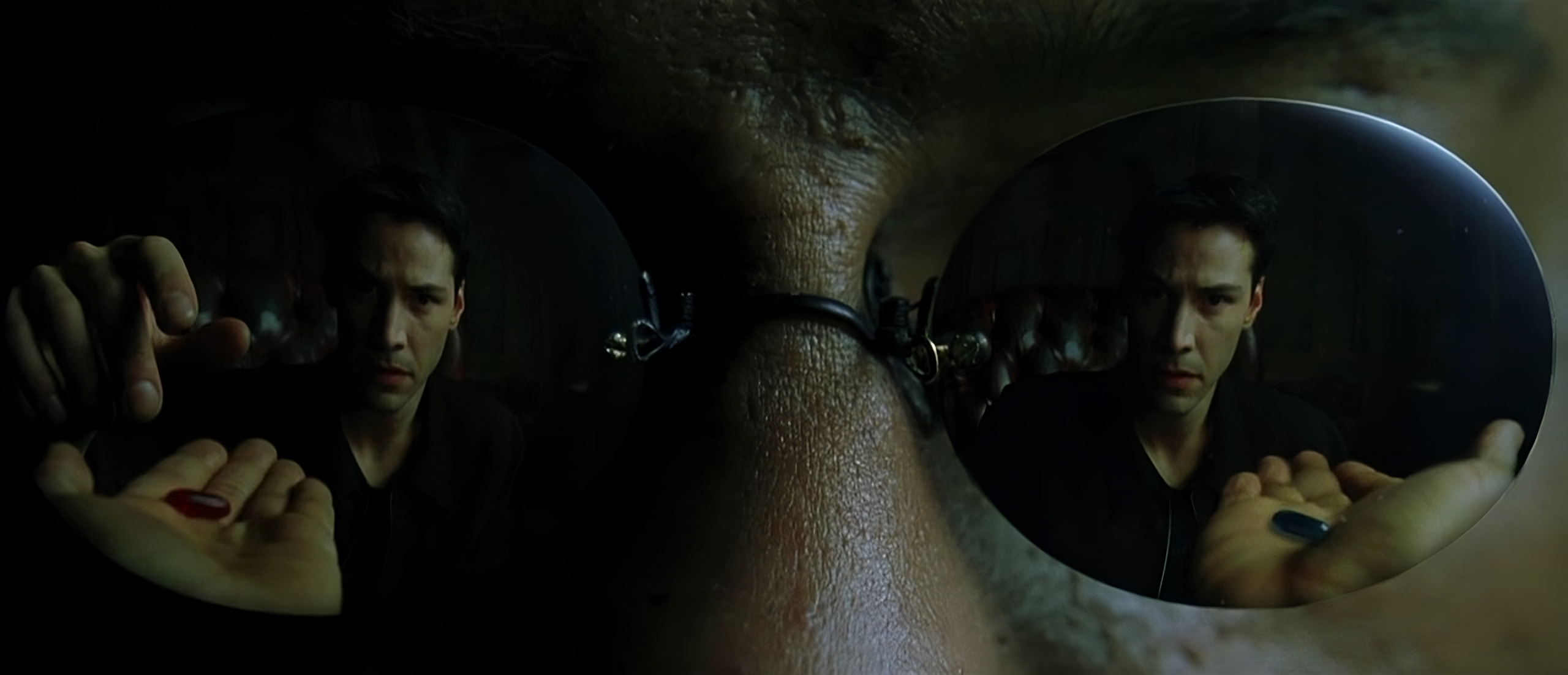
The Matrix (1999) – Cinematographer, Bill Pope

thematrix015-transformed

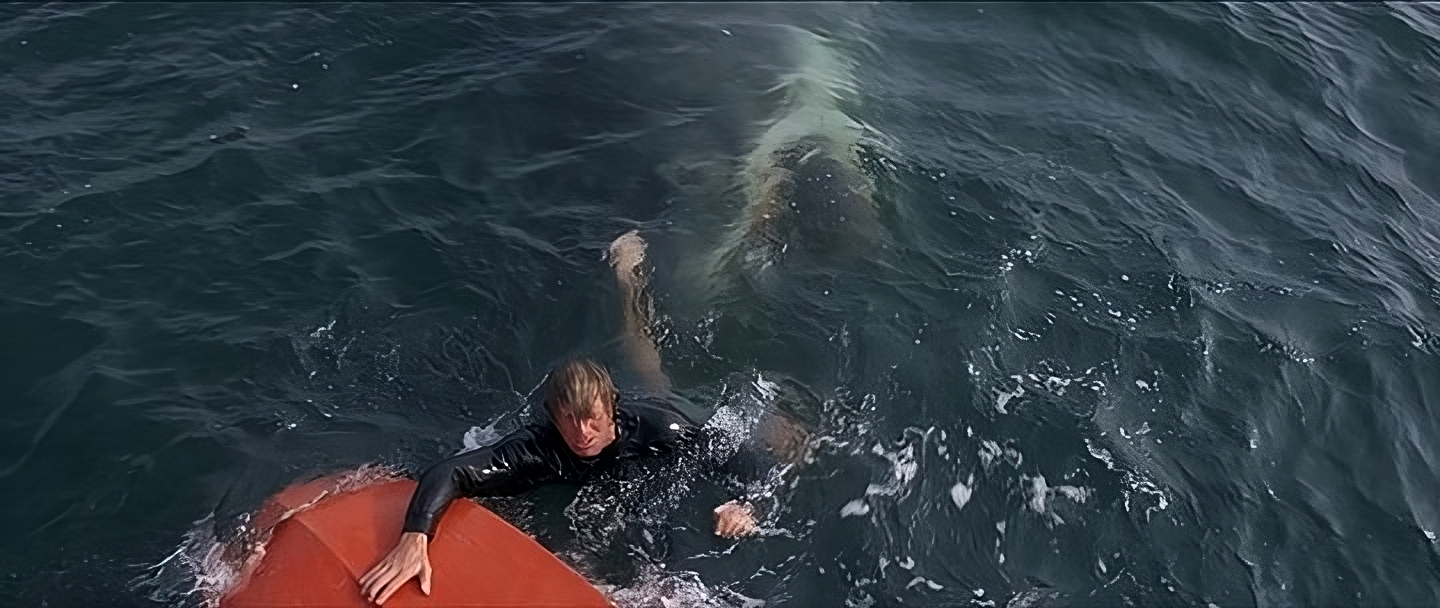
Jaws (1975) Cinematographer, Bill Butler

32_20(537)-transformed

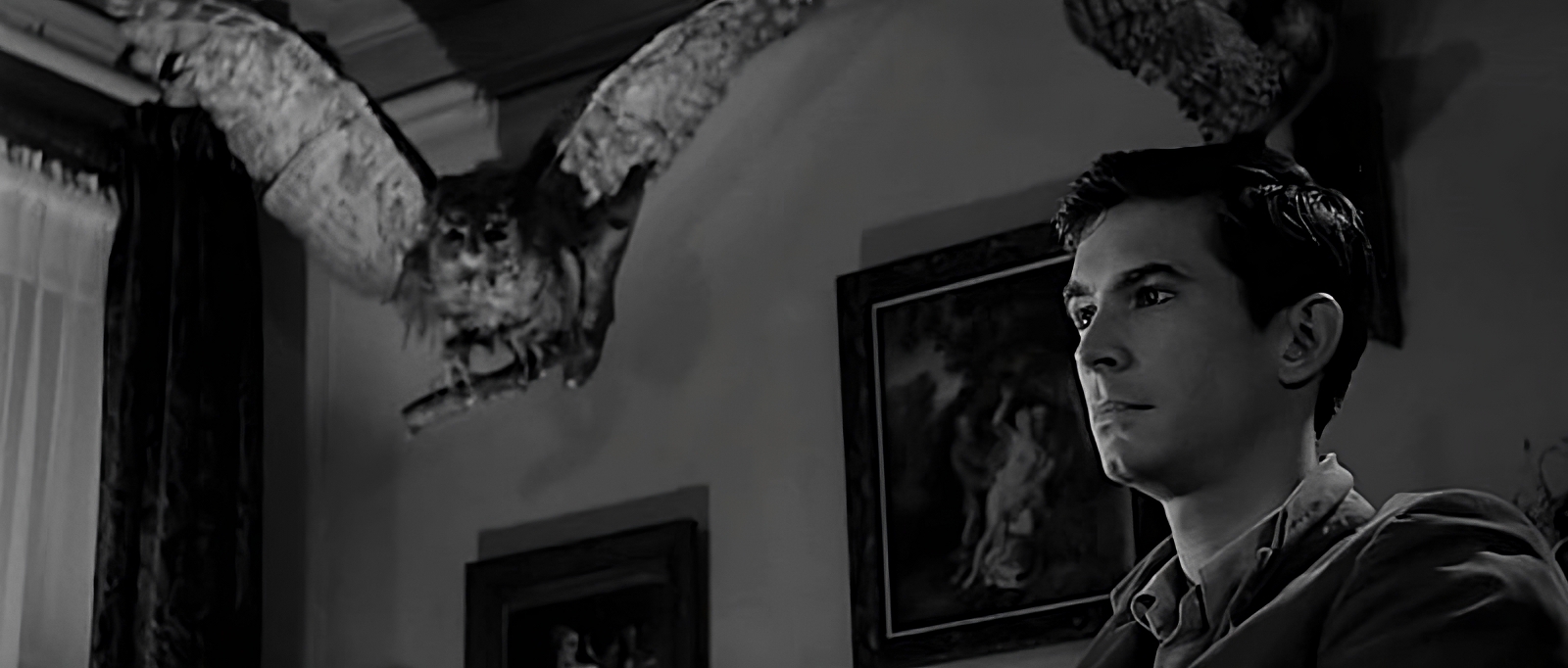
Psycho (1960) – Cinematographer, John L. Russell

original-7442-1438603390-17-transformed

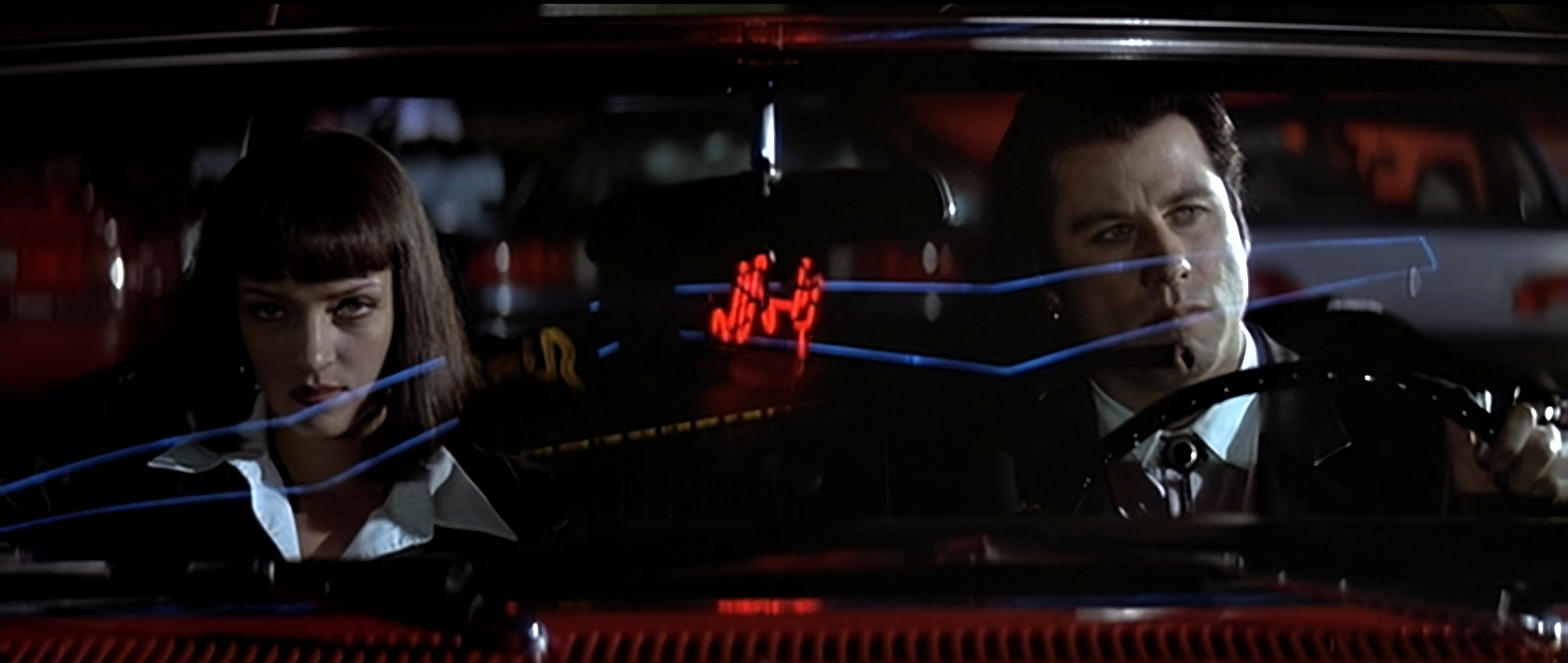
Pulp Fiction (1994) – Cinematographer, Andrzej Sekula

untitled-eBeqJws9A-transformed

Raiders of the Lost Ark (1981) – Cinematographer, Douglas Slocombe

24_20(855)-transformed

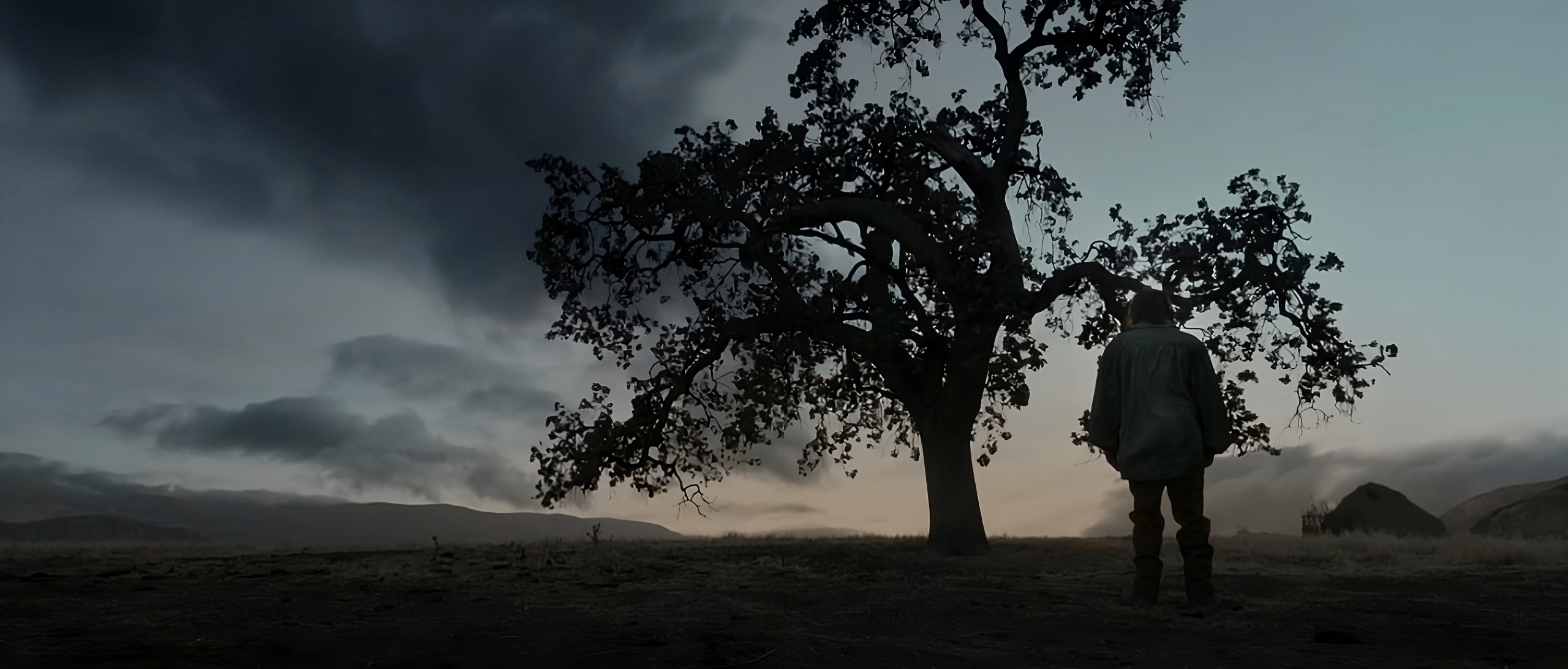
The Revenant (2016) – Cinematographer, Emmanuel Lubezki

revenant018-transformed

American Beauty (1999) – Cinematographer, Conrad Hall

original-7438-1438602110-3-transformed

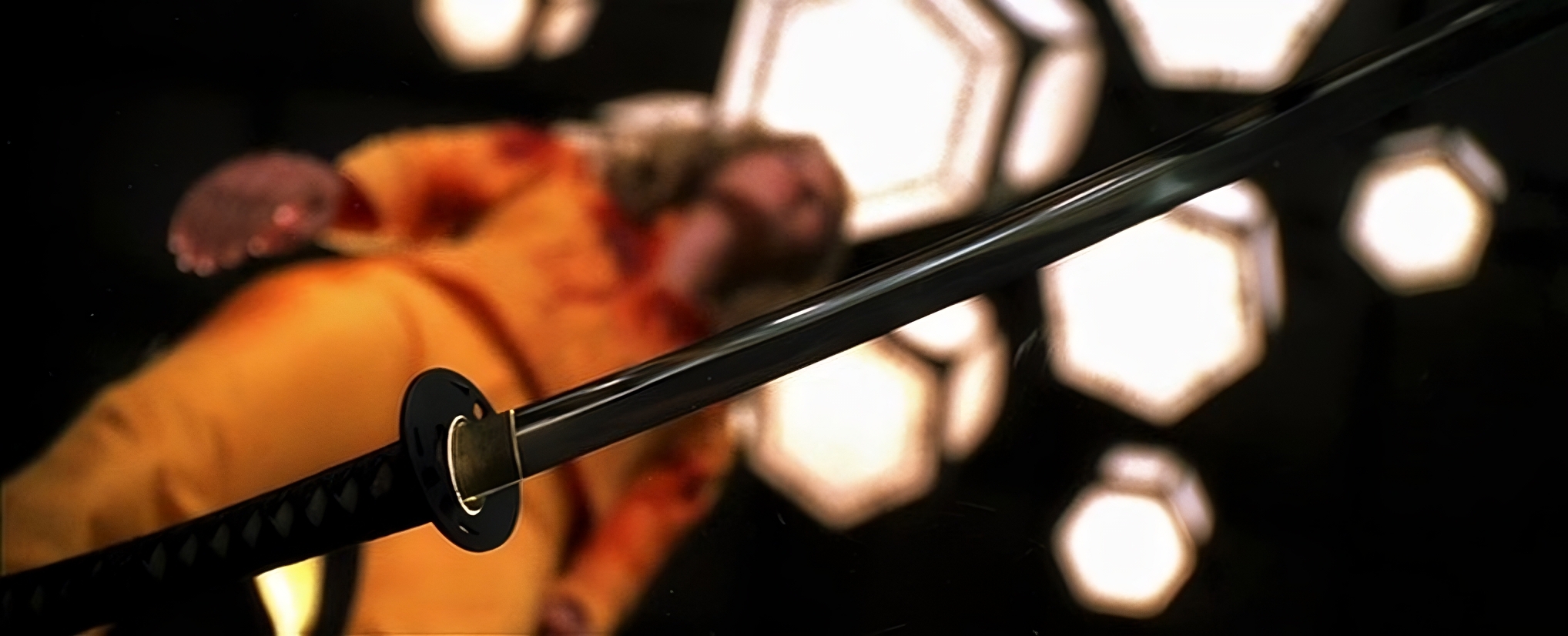
Kill Bill Vol. 1 (2003) – Cinematographer, Robert Richardson

44_20(548)-transformed

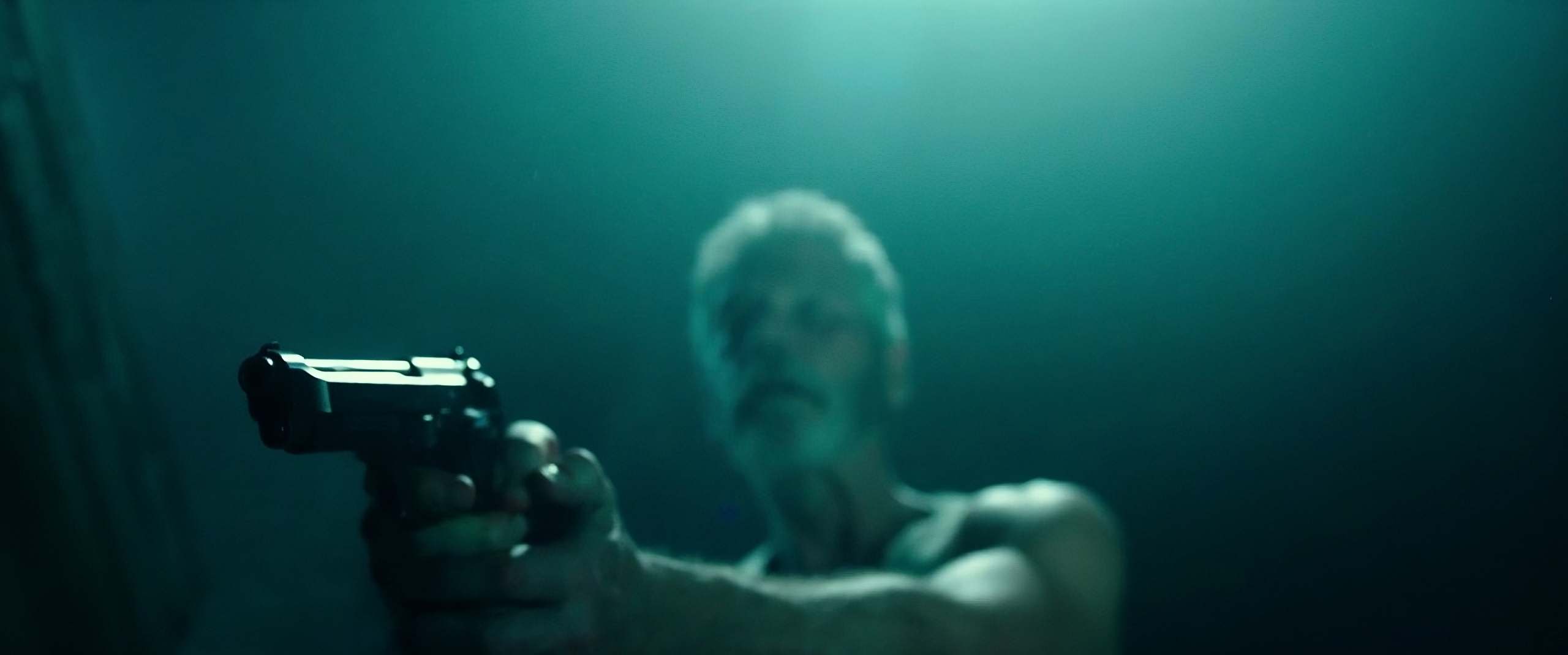
Don’t Breathe (2016) – Cinematographer, Pedro Luque

dontbreathe033-transformed

Guardians of the Galaxy (2014) – Cinematographer, Ben Davis

36_20(436)-transformed

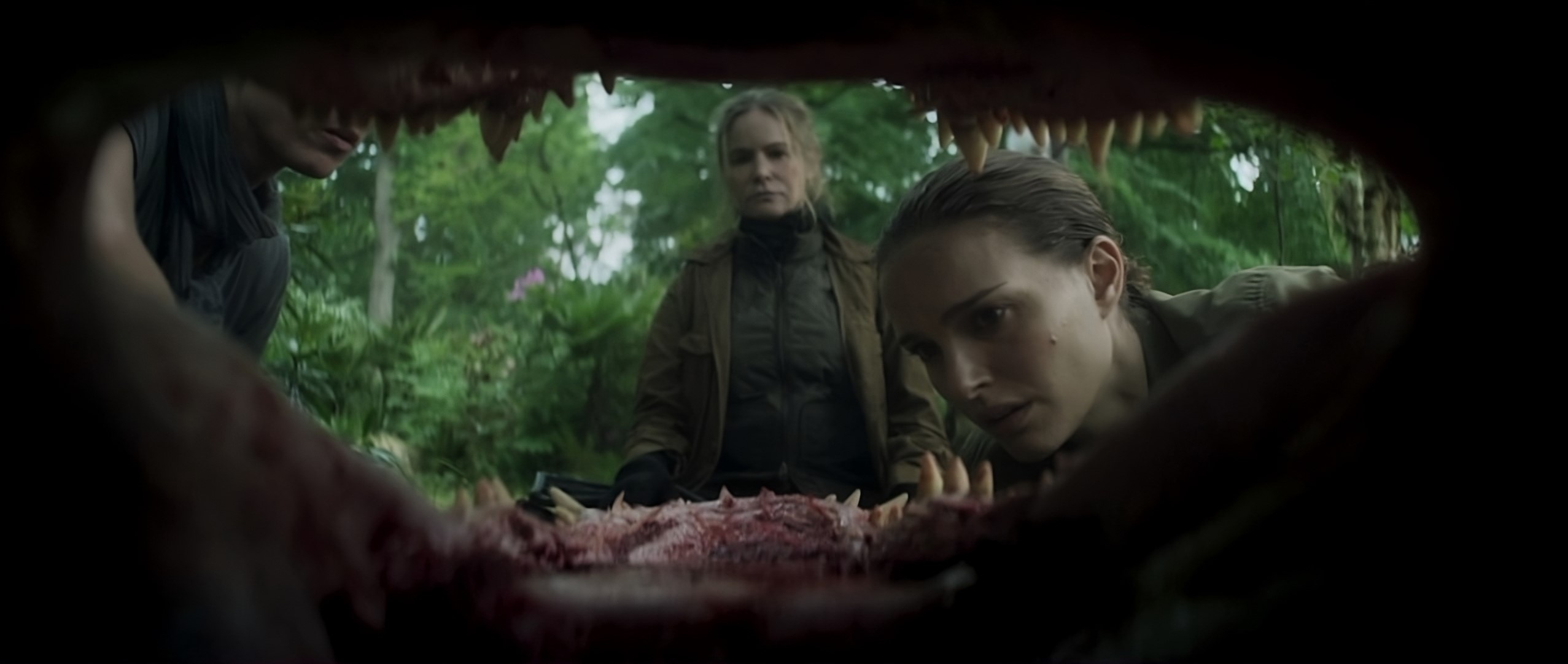
Annihilation (2018) – Cinematographers, Rob Hardy and Robert Hardy

annihilation017-transformed

Interstellar (2014) Cinematographer, Hoyte Van Hoytema

38_20(511)-transformed

American Psycho (2000) Cinematographer, Andrzej Sekuła

59_20(64)-transformed

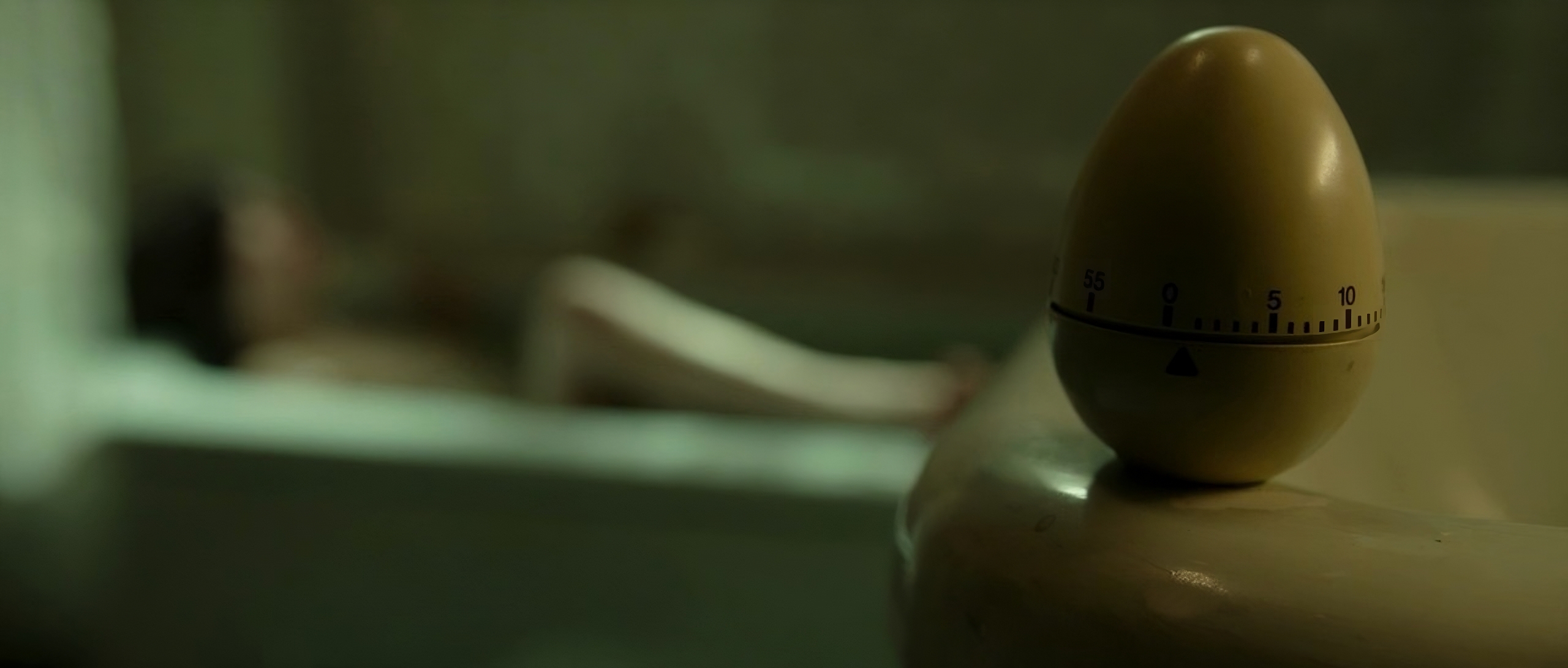
The Shape of Water (2017) Cinematographer, Dan Laustsen

shapeofwater009-transformed

E.T. the Extra-Terrestrial (1982) Cinematographer, Allen Daviau

35_20(358)-transformed (2)

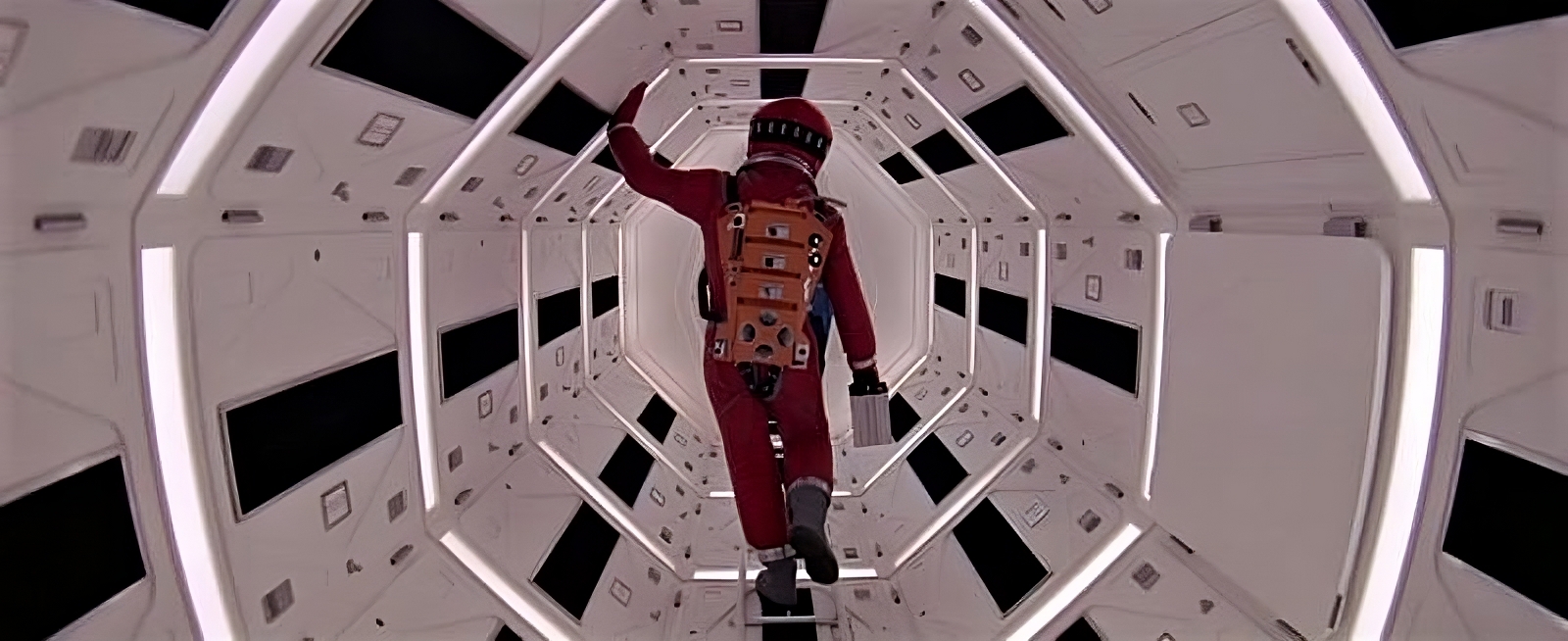
2001: A Space Odyssey (1968) – Cinematographers, Geoffrey Unsworth and John Alcott

original-9572-1438602103-3-transformed

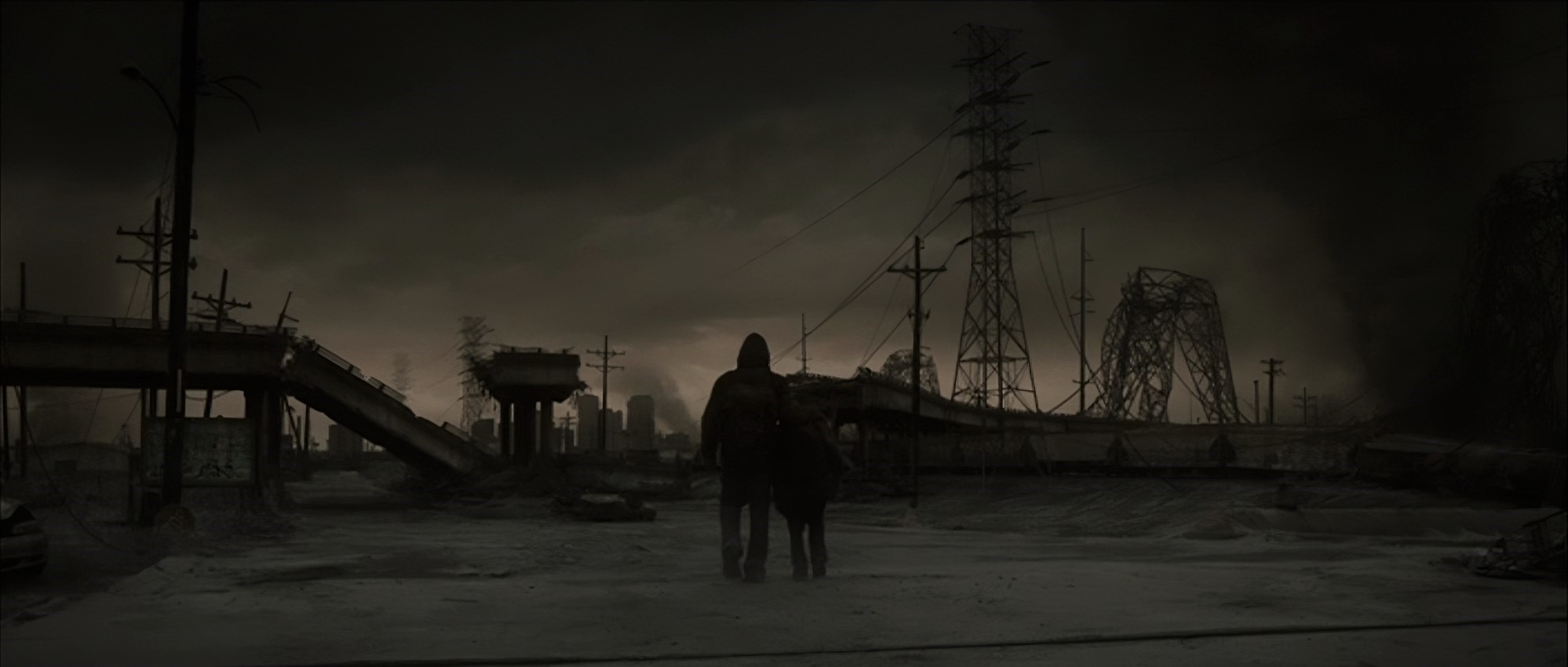
The Road (2009) Cinematographer, Javier Aguirresarobe

30_(1168)-transformed

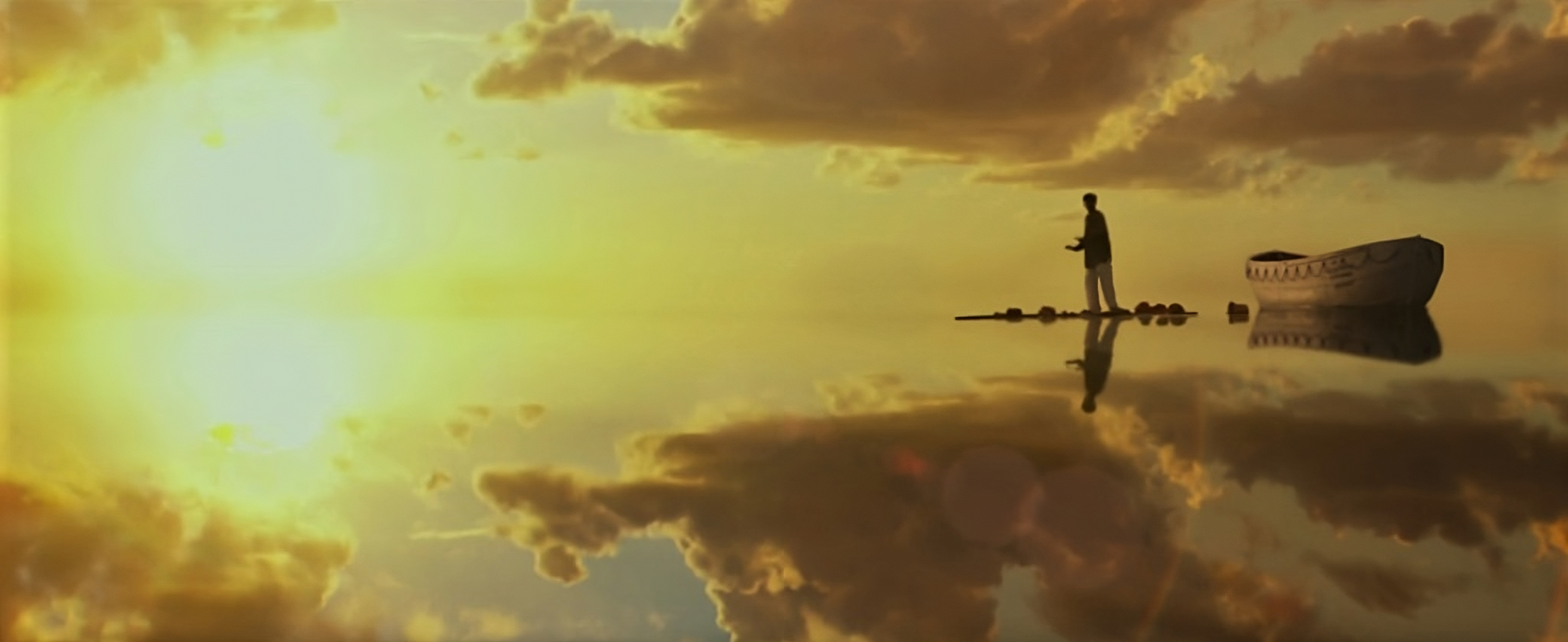
Life of Pi (2012) Cinematographer, Claudio Miranda

untitled2-transformed

Fight Club (1999) Cinematographer, Jeff Cronenweth

original-26729-1438602891-17-transformed

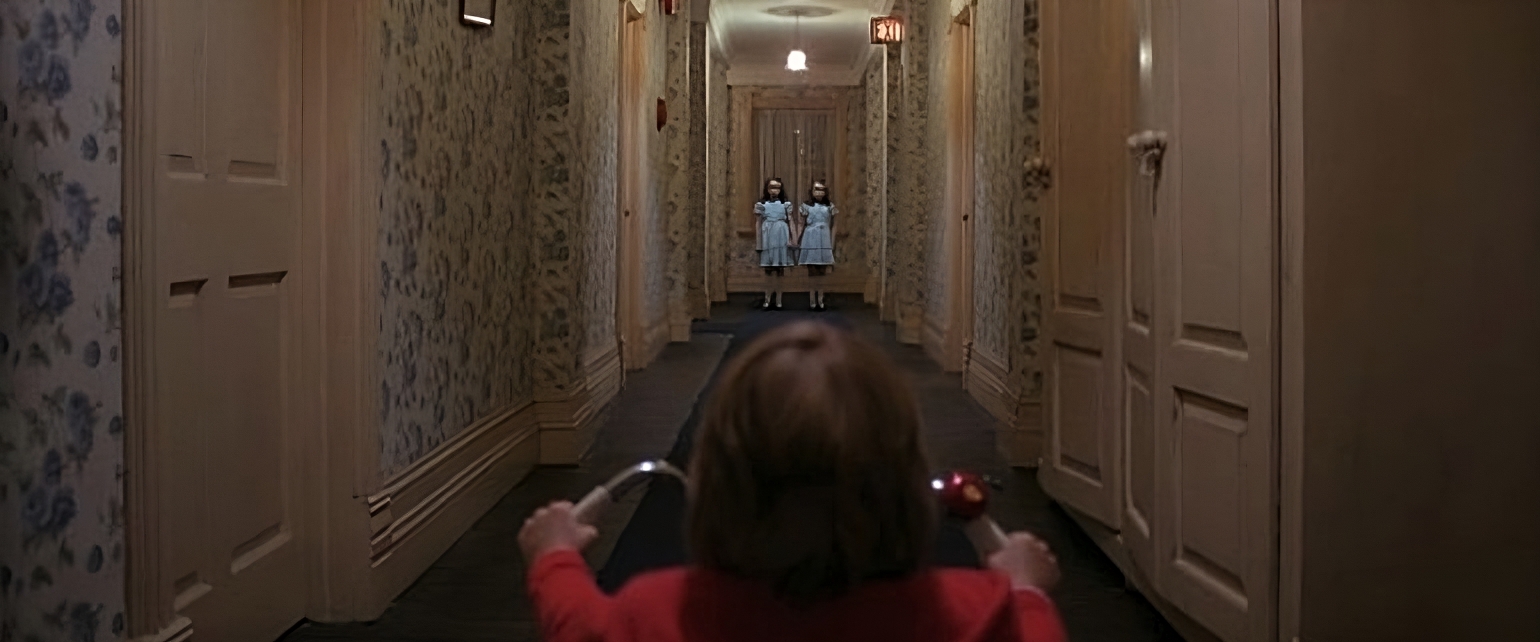
The Shining (1980) – Cinematographers, John Alcott and Martin Kenzie

original-19759-1438607089-3-transformed

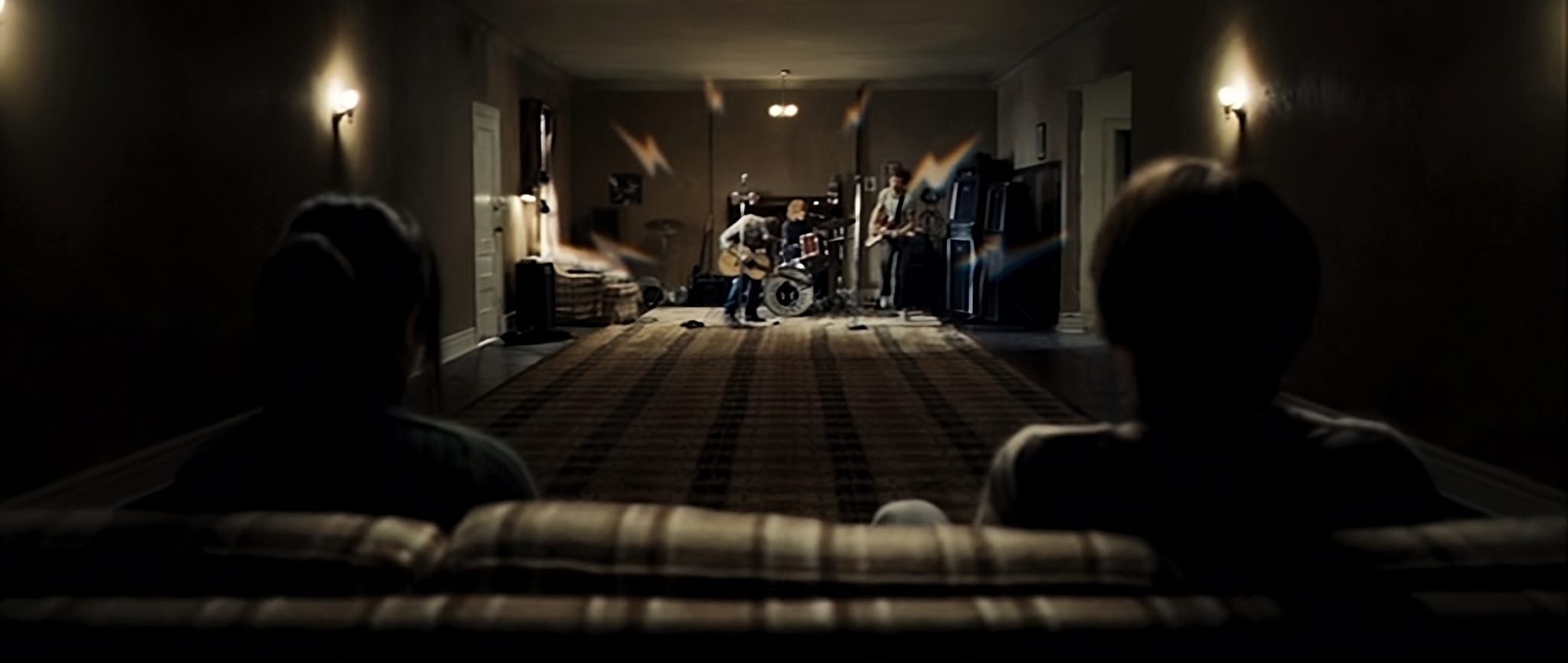
Scott Pilgrim vs. The World (2010) – Cinematographer, Bill Pope

01_20(888)-transformed

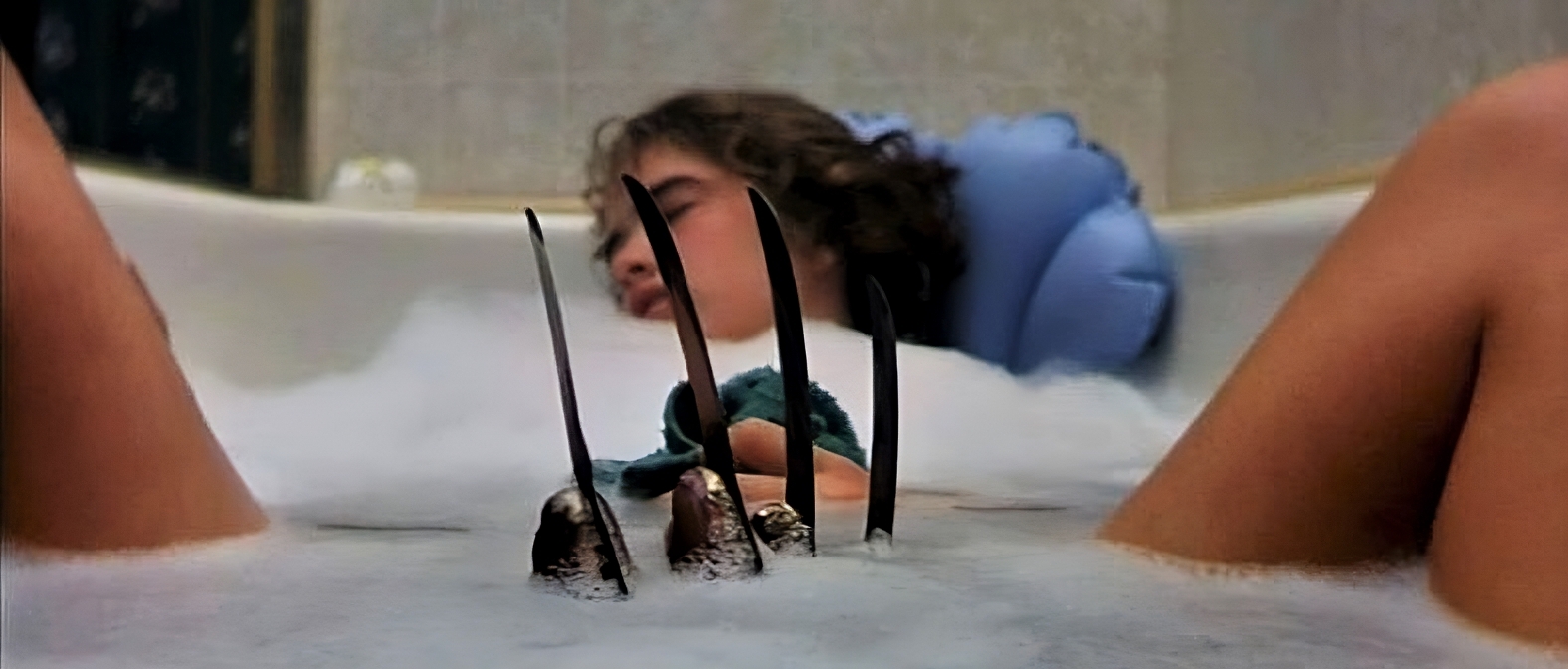
A Nightmare on Elm Street (1984) – Cinematographer, Jacques Haitkin

original-8948-1438603239-3-transformed

The Lord of the Rings: The Fellowship of the Ring (2001) – Cinematographer, Andrew Lesnie

50-most-beautiful-cinematic-shots-17jpg-transformed

Birdman or (The Unexpected Virtue of Ignorance) (2014) – Cinematographer, Emmanuel Lubezki

birdman-670x328-transformed (1)