Wreck-It Ralph (2012) – Film Review

Equally entertaining for both children and parents who will catch the many references to classic arcade games, ‘Wreck-It Ralph’ is a funny, colourful, and exciting adventure from Walt Disney Animation Studios. Directed by Rich Moore, most known for his work on ‘The Simpsons,’ in addition to some other recent Disney flicks. This eight-bit odyssey may not quite match-up to some of the other iconic films Disney has released in its many years of crafting animated stories, yet is still sure to please any video game-enthusiasts in search of a new favourite.

Plot Summary: After many years of being the bad guy and being defeated in his own game day-after-day, ‘Wreck-It Ralph’ longs to be as beloved as his game’s perfect protagonist; ‘Fix-It Felix.’ So, when a modern, first-person sci-fi shooter arrives in his arcade, ‘Ralph’ sees his opportunity for heroism and happiness. But, now, with his game at risk of being put out-of-order due to his disappearance, ‘Ralph’ must quickly return home before it’s game over for everyone…

From the get-go, one of the best elements of ‘Wreck-It Ralph’ has to be its initial concept, as the film portrays the idea of video game characters coming to life in a similar fashion to the ‘Toy Story’ series, but also adds a living virtual world alongside. Interestingly, Disney first began developing an animated film based around a world of video game characters in the 1980s. At that time, the project was titled; ‘High Score,’ it was then changed to ‘Joe Jump’ in the 1990s. Until, in the late 2000s, when the film was finally pushed forward, the first two months of story development focused on ‘Fix-It Felix Jr.’ as the protagonist, which eventually evolved to the film we received in 2012.

John C. Riley and Sarah Silverman lead the cast as the titular character; ‘Wreck-It Ralph,’ and candy-coated racer; ‘Vanellope Von Schweetz,’ superbly, as unlike most animated films, the main group of actors regularly recorded their sessions together in the same room, a situation which led to large amounts of improvising and gave the cast a real sense of chemistry. But, regardless of how much of his dialogue was improvised, ‘Ralph’ still remains, in my opinion, one of the most memorable and likeable characters Disney has created in their more modern animations, mostly due to his design and understandable motivation of wanting to be seen as a hero rather than a villain. Jack McBrayer, Jane Lynch, and Alan Tudyk make up the remainder of the cast, who are all also wonderful within their roles as ‘Fix-It Felix,’ ‘Sergeant Calhoun,’ and ‘King Candy,’ respectively, as each actor plays into whichever type of game they originate from, e.g. intense sci-fi soldier with a overly dramatic backstory or a quirky kart-racer.

An area ‘Wreck-It Ralph’ is lacking, however, it’s on the promise of exploring the many different video game worlds its story implies, as while the film does explore its two signature worlds of ‘Hero’s Duty’ and ‘Sugar Rush’ effectively, ensuring each location feels vastly different in terms of both its design, animated cinematography, and colour palette. The film is limited in how many video games its characters actually explore, which is a shame when considering the many possible adventures it’s different arcade worlds could contain, especially when taking into account the huge number of cameos from video game icons, like ‘Pac-Man,’ ‘Q’bert,’ and ‘Sonic the Hedgehog.’

Although the original score by Henry Jackman is a huge missed opportunity to have a classic eight-bit score to further fit with the video game narrative, the film’s soundtrack still features plenty of great tracks, which just like the film’s visuals, alter depending on which video game world the characters are currently inside, as outside of the generally enjoyable tracks; ‘Wreck-It Ralph’ ‘Life in the Arcade,’ and ‘Messing with the Program,’ the score occasionally gets quite creative, even having an original theme created for the kart-racing game; ‘Sugar Rush’ by J-pop band; ‘AKB48,’ as the fictional video game is supposedly manufactured in Japan.

Whilst the animation itself is visually stunning and brimming with small details as with nearly every animated Disney film, the main flaw ‘Wreck-It Ralph’ suffers from its without a doubt its story structure, as what may throw many viewers off is that the film begins focused entirely on ‘Ralph’ and his journey, before then quickly and drastically changing direction to focus more on ‘Vanellope’ and her desire to become a playable ‘Sugar Rush’ racer, which can be a little jolting when recalling the film’s first act.

In summary, ‘Wreck-It Ralph’ may not always use its signature concept to its best extent, and can often go too far when it comes to some of its immature or video game-related humour. Yet, the film’s delightful characters, gorgeous and distinctive locations and beautiful animation all manage to save the film from its faults. So, despite ‘Wreck-It Ralph’ not going down with audiences as successfully as some other animated Disney flicks, like ‘Frozen’ or ‘Zootropolis,’ for example, I still feel the film is worth grabbing a joystick for, should you get the chance. Final Rating: 7/10.
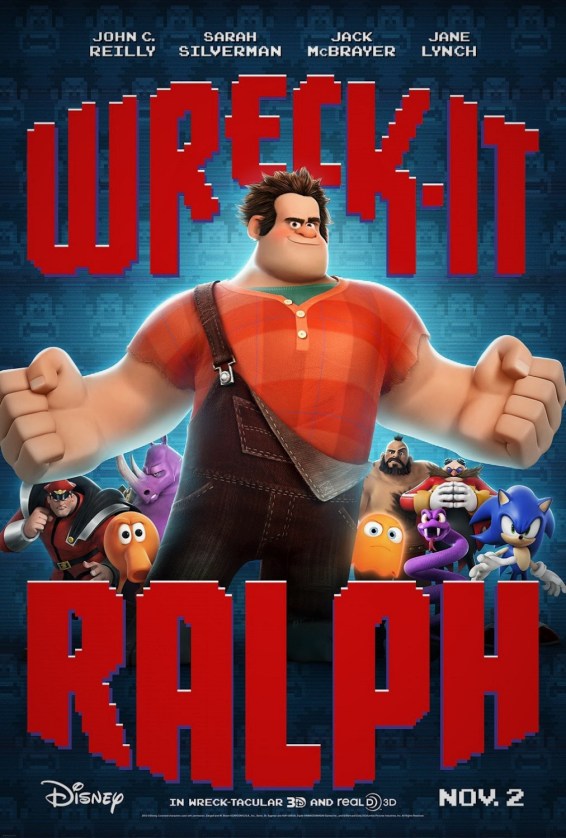
wreckit_ralph_ver6_xlg

Seven Psychopaths (2012) – Film Review

This slick self-aware crime-comedy from writer and director Martin McDonagh (In Bruges, Three Billboards Outside Ebbing, Missouri) may not appeal to everyone as a result of its over-the-top violence and occasionally absurdist tone. Yet, for me, due to its great cast, fantastic writing, and endless list of quotable lines, ‘Seven Psychopaths’ is certainly worth its runtime, and then some, as the film always remains just as entertaining as it is unconventional, even if ‘Seven Psychopaths’ isn’t quite as pristinely crafted as the rest of McDonagh’s work.

Plot Summary: Struggling alcoholic screenwriter, Marty, in the process of writing a screenplay based around seven separate psychopaths, soon becomes inadvertently entangled in the Los Angeles criminal underworld after his oddball friends accidently kidnap a psychopathic gangster’s beloved Shih Tzu…

Filled with plenty of sly, witty, and memorable dialogue throughout, ‘Seven Psychopaths’ constantly uses its clever writing to create an array of stories within the main narrative, as the screenplay writing protagonist; ‘Marty,’ reels off many of his early ideas for different psychos to get his friend’s opinions on them before implementing them into his latest screenplay. The film also uses this structure to engage in plenty of meta humour, as the characters continuously list off various tropes and clichés of similar action and crime flicks, which the film itself actively avoids, resulting in a well-written film. In fact, the screenplay for ‘Seven Psychopaths’ was actually featured in a 2006 blacklist of the ‘most liked’ unmade screenplays of that year, before it was greenlit many years later.

One of the best elements of the film is undeniably its cast, as Colin Farrell, Sam Rockwell and Christopher Walken as ‘Marty,’ ‘Billy,’ and ‘Hans,’ never fail to be hilarious together, as all three of them share some excellent chemistry, portraying their characters as if they’ve been friends for many years before the current story begins. Woody Harrelson and musician Tom Waits both also make an appearance within the film as the mostly intimidating criminal; ‘Charlie,’ and ‘Zachariah,’ one of the psychopaths that inspires ‘Marty’s screenplay, who is constantly creepy and bizarre whenever he is on-screen. Yet, despite the film’s admirable performances and writing, the female characters within the film are noticeably quite poor, as while the main cast do point this out through some sarcastic dialogue, the few female characters that do appear receive barley any development and feel mostly pointless in the long run.

Although ‘Seven Psychopaths’ cinematography is nowhere near as impressive as the camerawork throughout ‘Three Billboards Outside Ebbing, Missouri,’ for example. The cinematography by Ben Davis is serviceable, with the occasional pleasing shot in between many of the more average ones. However, this is where another one of my criticisms comes into play, this being the story’s setting, as whilst I understand the film’s protagonist is a screenplay writer so it links to the idea of building a career in Hollywood. McDonagh’s other films both manage to make exceptional use of their beautiful and distinct locations, which makes the city of Los Angeles, where ‘Seven Psychopaths’ takes place, feel fairly dull in comparison.

The original score by Carter Burwell isn’t overly memorable yet does suitably fit the film, adding tension to scenes where necessary in addition to feeling quite subtle when in contrast to the film’s outrageous self-aware humour, as according to composer Carter Burwell, his intent with the soundtrack revolved more around wanting to create an emphatic ambience for the film rather than just being your standard, generic action score, this is most obvious in the tracks; ‘Zachariah’ and ‘Billy’s Diary,’ my personal favourite tracks.

Personally, although the story works fine without, I would have desired a little more style when it comes to the film’s visual presentation, in particular, in the editing and title graphics, as with the exception of the typewriter text that is utilised to inform the audience of each psychopath from one through to seven, the filmmaking actually displays barley any style throughout. That being said, ‘Seven Psychopaths’ does still feature a number of dark comedic moments similar to the rest of McDonagh’s filmography, displaying a couple of dramatic scenes alongside plenty of extremely graphic deaths.

In summary, ‘Seven Psychopaths’ definitely isn’t the best director Martin McDonagh has to offer, with both ‘In Bruges’ and ‘Three Billboards Outside Ebbing, Missouri’ being far superior films, in my opinion. ‘Seven Psychopaths’ still delivers on a creative plot and some tremendous writing and performances, even in spite of its lack of style and weak female characters. If you’re a fan of this director’s other films, I’d say ‘Seven Psychopaths’ is worth a watch, just don’t have your expectations too high when going in for the first time. Final Rating: 7/10.
seven_psychopaths_xxlg

Maniac (2012) – Film Review

Directed by Franck Khalfoun (P2, I Lived, Amityville: The Awakening) and shot almost entirely through a first-person perspective, 2012’s ‘Maniac’ is a unique and extremely innovative slasher that has been enormously overlooked by fans of modern horror. While the film does admittedly have its issues, the impressive visuals and timid yet creepy performance from Elijah Wood surely make up for most of them, quickly resulting in a discomforting dive into the sadistic mind of a serial killer.

Plot Summary: After working his day job at a mannequin restoration store, the mentally ill and isolated, ‘Frank’ takes to the dark streets of Los Angeles as a serial killer with a fetish for female scalps. But, when a young artist asks him for help with her new exhibition, ‘Frank’s obsessions begin to consume him…

Although it takes a different approach to its story, ‘Maniac’ is actually a remake of the classic 1980 slasher of the same name. However, this is one of the rare occasions where I believe that the remake is possibly an improvement over the original film, as while the ’80s flick does feature plenty of over-the-top gore, the film never manages to elevate itself from being just a fairly straightforward slasher, and although it’s maybe not always successful, the remake does attempt to further develop ‘Frank’ as a character as well as exploring themes of mental health, parental ignorance and identity loss throughout its runtime.

Elijah Wood, best known for his role as ‘Frodo’ in ‘The Lord of the Rings’ series, portrays the serial killer protagonist, ‘Frank,’ as awkward and almost dry at points, making ‘Frank’ feel incredibly deranged when he interacts with other characters. Most notably, the artist and photographer, ‘Anna,’ portrayed by Nora Arnezeder, who is a clear contrast to ‘Frank’ in the way she portrays her simplistic yet likeable and innocent character, completely unaware of ‘Frank’s dark deeds as she grows closer and closer to him. The performances are slightly dragged down by writing throughout the film, however, as although the dialogue is decent for the most part, the film does still have the odd unusual line.

As previously mentioned, the remake of ‘Maniac’ is also shot nearly entirely through P.O.V. shots and it’s this cinematography by Maxime Alexandre that really makes the film stand out from many other slashers. Whilst watching the film, you can’t help but feel the tension as ‘Frank’ goes on dates or has conversations with women who we know will soon meet a gruesome fate, as the audience is fully aware of his sinister intentions, the film almost makes you feel hostage to ‘Frank’s mind. That being said, the film does sometimes take you out of the experience when it leaves the P.O.V. format for a few seconds. While I understand why the film does this (as it’s usually at crucial points within the narrative), I personally feel keeping the audience restricted to looking through ‘Frank’s eyes would’ve made the film more compelling, especially since we don’t even see ‘Frank’s face until twelve minutes into the film.

Serving as a great throwback to the classic ’80s film it’s based on, in addition to adding too many of the film’s best moments. The original score by Robin Coudert (or merely Rob, as he is usually credited) is a slick synth soundtrack. Utilising electronic waves, this underrated score is certainly a high point of the film, with my two favourite tracks; ‘Doll’ and ‘Haunted,’ both being incredibly memorable in their own right, almost feeling as if they were ripped straight from any of the iconic horrors of the 1980s.

Extremely violent and disturbing throughout, ‘Maniac’ truly pulls no punches when delving into the mind of its serial killer, meaning many viewers may be put off by the film’s highly gory deaths and unnerving murder scenes, as ‘Frank’ disposes of his victims with little remorse, dark memories of his mother during childhood fuel his violent actions. This is also where many of the film’s more bizarre moments come into play, as although it may surprise some viewers, ‘Maniac’ is partly an arthouse film as well as a slasher, as the film’s underlying themes as well as ‘Frank’s broken mind is usually displayed visually throughout the film in a variety of ways. Unfortunately, this leads to the film’s weakest aspect, however, as during many of these anomalous scenes, the film’s editing can become quite erratic, sometimes even placing cuts mid-conversation.

In summary, I deeply enjoy ‘Maniac,’ even though the film is quite problematic in some areas, mostly in regard to its unusual editing choices and occasionally lines of strange dialogue. ‘Maniac’s memorable original score, intense violence and, of course, captivating cinematography through its use of P.O.V. The film stands as definitely one of the better horror remakes in recent memory. And, although I probably wouldn’t recommend ‘Maniac’ to everyone, if you’re preferred realm of the horror genre is gory slashers, then this inventive flick is certainly not one to miss. Final Rating: 7/10.
maniac-p797147

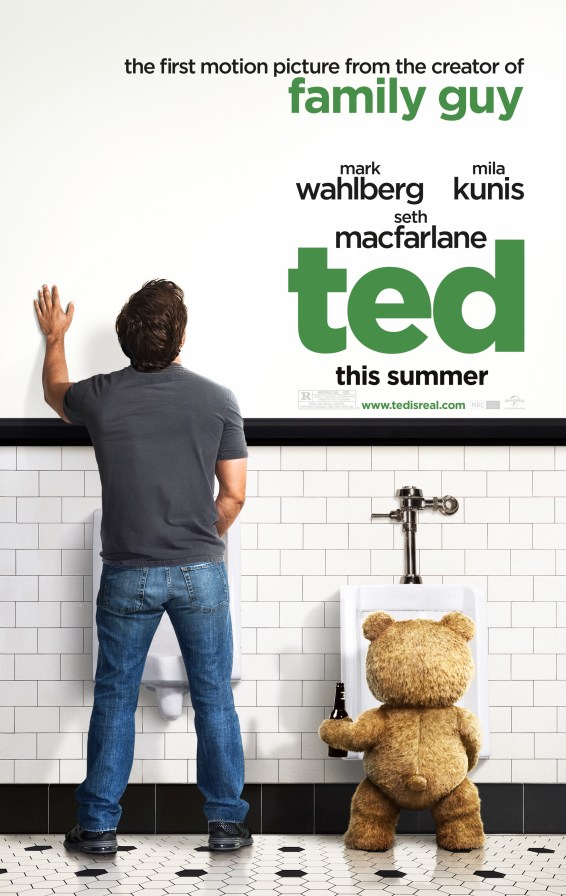
Ted (2012) – Film Review

Written and directed by Seth MacFarlane, the creator of ‘Family Guy,’ ‘American Dad,’ and ‘The Cleveland Show,’ ‘Ted’ is a modern comedy, which takes the childhood desire many had of wishing their teddy bear was alive and gives it an adult comedy spin, and while the film does miss a large number of its jokes. ‘Ted’ is a mostly enjoyable watch through its fun story and entertaining cast, alongside being a pretty strong first outing for MacFarlane’s transition to live-action entertainment.

Plot Summary: When ‘John Bennett’ makes a Christmas miracle occur by bringing his stuffed teddy bear to life, the two grow up together and form a lifelong bond. But, after ‘John’ moves in with his girlfriend; ‘Lori,’ a few years later, he’s forced to choose between them as their relationship is tested…

Though its story is very simple, ‘Ted’ actually balances its comedy and drama surprisingly well, as the film focuses heavily on the rift ‘Ted’ causes between ‘John’ and his girlfriend. Considering MacFarlane’s other work rarely takes itself seriously, the majority of the drama is actually quite effective, as the film does a decent job of keeping the audience invested in its characters. Similar to most modern comedies, the jokes throughout the film do range, however, with some scenes featuring plenty of humorous moments, whilst other scenes can come across as if they are trying far too hard, sometimes even having lines of dialogue which could be seen as a little ‘risky’ (especially if you’re watching the unrated version), but this is pretty familiar ground for MacFarlane.

Mark Wahlberg and Mila Kunis portray the main couple of the film, who do share some decent chemistry and funny moments together, with Mark Wahlberg also doing an excellent job interacting with ‘Ted’ throughout the film considering he is a fully CG character, as ‘Ted’ was brought to life through various teddy bears props on set, in addition to Seth MacFarlane’s movements being mirrored through motion capture. Joel McHale and Giovanni Ribisi also make appearances within the film as ‘Lori’s obnoxious and inappropriate boss; ‘Rex,’ and the film’s antagonist; ‘Donny,’ a shady father who intends to kidnap ‘Ted’ for his son. Both of these characters do have their moments for sure, yet they also both share the same issue of their characters completely disappearing after their purpose to the story is served, which does make the narrative feel a little inconsistent.

The cinematography by Michael Barrett is mostly bland throughout, with film’s focus being placed nearly entirely on its comedic dialogue. Although there is still the occasional appealing shot here and there, it’s nothing overly interesting. However, the CG effects used to create ‘Ted’ are solid for the most part, as despite the few shots where the film is beginning to show its age, the combination of the film’s visual effects and Seth Macfarlane’s very entertaining vocal performance do result in ‘Ted’ becoming a crude yet likeable character.

One of the biggest issues ‘Ted’ suffers from in my opinion is the film’s lack of personality, as a result of the film having little-to-no style, ‘Ted’ sometimes feels too similar to MacFarlane’s other works. This is most noticeable in the original score by Walter Murphy, as the score feels almost identical to the score used throughout FOX’s ‘Family Guy’ series. Whilst this is most likely due to director Seth MacFarlane wanting to work with the same composer as his animated shows, the original score just doesn’t feel even remotely memorable or unique to the film it’s part of.

For me, some of ‘Ted’s funniest moments come from its more absurdist humour, as although the film has plenty of obscure references to celebrities and present-day events similar to kind of humour that’s become rather standard in ‘Family Guy.’ ‘Ted’ is truly at its best in scenes, such as ‘Ted’s Party,’ in which, Sam J. Jones, the actor who portrayed ‘Flash Gordon’ in the 1980 sci-fi classic, begins envisioning ‘Ted’s next door neighbour as the supervillain; ‘Ming the Merciless,’ whilst high on cocaine, or when ‘Ted’ engages in a fist fight with a duck named after actor James Franco, as these moments are usually hilarious simply because of their outlandish nature.

In summary, I think ‘Ted’ is a decently fun comedy flick, as whilst there is definitely room for improvement, Seth Macfarlane does a pretty great job considering this was his directorial debut. And, while I could see many not enjoying ‘Ted’ mostly due to their preference when it comes to humour (or because of its admittedly average filmmaking). I personally feel that ‘Ted’ is Macfarlane’s best film to date, as ‘A Million Ways to Die in the West’ and even this film’s sequel; ‘Ted 2,’ were both very disappointing for me. Although it needs work, I’m sure most will find ‘Ted’ amusing over the course of its runtime. Final Rating: 7/10.

Ted-movie-poster

Moonrise Kingdom (2012) – Film Review

Although it may not quite reach the heights of some of his other work, director Wes Anderson (The Royal Tenenbaums, Fantastic Mr. Fox, The Grand Budapest Hotel) crafts another wonderful story with ‘Moonrise Kingdom,’ as throughout its tight runtime, the film is filled with plenty of heartfelt moments and mature humour all backed up by an effective original score by Alexandre Desplat. Resulting in a very enjoyable comedy/drama, despite Anderson not utilising his style to its best extent.

Plot Summary: On a small island off the coast of New England in the 1960s, a young boy-scout and the eldest daughter of unhappy household fall in love after a few weeks of back and forward letters. Soon inspiring them to run away together, leading various factions of the island to mobilise in search of them…

The story itself is definitely one of the best aspects of ‘Moonrise Kingdom,’ as although the film is brimming with plenty of the usual Wes Anderson style. The film’s story is always so enjoyable to watch, as the film’s two protagonists carry the narrative with great comedic charm and an almost childlike innocence. The dialogue throughout the film is also very well-written, as every character is usually extremely specific about everything they say, leading to many quirky moments.

Initially, the thought of a film lead by two very young actors did concern me, as there has been plenty of films throughout history that have been severely let down when it comes to child actors in important roles. ‘Moonrise Kingdom’ is certainly an exception to this, however, as Jared Gilman and Kara Hayward are both brilliant as the young couple; ‘Sam’ and ‘Suzy,’ as the two have excellent chemistry and perfectly fit the hilarious awkwardness of usual Wes Anderson stories. In addition to the two leads, the supporting cast of Bruce Willis, Edward Norton, Bill Murray, Frances McDormand, Tilda Swinton and Jason Schwartzman, are all fantastic within their various roles. Yet, even with these brilliant performances, the film still does suffer from a mostly pointless adultery subplot, whilst this does provide some characterisation at points, it felt mostly meaningless to me by the time the film’s credits rolled.

The cinematography by Robert D. Yeoman is your standard affair for a Wes Anderson film, having the usual array of very appealing shots, most of which make great use of some of the beautiful natural locations the film’s story takes place within. Also featuring a variety of panning shots and perfect symmetry wherever possible, the cinematography even manages to make an ordinary room look far more interesting purely through it’s framing and use of colour. In spite of this, however, ‘Moonrise Kingdom’ did actually have a smaller budget than some of Anderson’s other flicks, which does result in the film feeling slightly held-back from taking its visuals all of the way.

Whilst fairly simplistic when compared to some of his other scores, the original score by Alexandre Desplat is somewhat unique and does suitably fit the tone of the film pretty well, as ‘Moonrise Kingdom’ attempts to add a more scout-troop feel to further add to the film’s narrative. In particular, with the track; ‘The Heroic Weather-Conditions of the Universe Parts 4-6: Thunder, Lightning and Rain’ (what a mouthful), as this track uses trumpets and horns throughout, almost reflecting how the scouts are woken up by their scoutmaster each morning.

One of the most striking elements of ‘Moonrise Kingdom’ certainly has to be it’s bright colour palette, as the film is constantly dripping with beautifully bright colours. From greens to yellows, to blues, the film is always incredibly vibrant and extremely visually appealing to the eye and, of course, as the film’s tone is already fairly fun and light-hearted, the colour palette doesn’t feel even remotely out-of-place. However, I do feel the film could’ve indulged further into the 1960s time-period, as aside from the occasional mention of the date, or piece of technology, the film never really makes use of the ’60s era its set within.

In summary, ‘Moonrise Kingdom’ is definitely an underappreciated gem in director Wes Anderson’s collection, as although the film does have phenomenal reviews from critics and audiences, alike. I can’t help but the feel the film never gets talked about enough, as ‘Moonrise Kingdom’ has all the unique style of Anderson’s other films alongside a heartfelt story and plenty of memorable scenes/dialogue. Despite not being my personal favourite flick from Wes Anderson, the film is undeniably worth a watch, if you’re a fan of the talented director. Final Rating: 8/10.

moonrise_kingdom_xxlg

Rise of the Guardians (2012) – Film Review

Truly a very underrated DreamWorks flick, in my opinion, ‘Rise of the Guardians’ is a comedic and action-packed animated adventure. Feeling almost like an ‘Avengers’ blockbuster aimed towards a younger audience at points, filled with plenty of heart, emotion and a wonderful original score by Alexandre Desplat, the film is a genuinely an animated hidden gem.

Plot Summary: When an evil spirit known as ‘Pitch’ lays-down the gauntlet to take over the world, the immortal ‘Guardians,’ a.k.a. ‘Santa Claus,’ the ‘Easter Bunny,’ the ‘Tooth Fairy,’ ‘Sandman’ and ‘Jack Frost’ must join forces for the first-time in millennia to protect the hopes, beliefs, and imagination of children all over the world…

‘Rise of the Guardians’ takes a lot of inspiration from the children’s book series; ‘The Guardians of Childhood’ by William Joyce, as the film has a lot of fun with its plot, playing into the over-the-top ideas of its story resulting in many interesting/unique locations and plenty of little jokes between the characters.

The entire cast of Chris Pine, Alec Baldwin, Hugh Jackman and Isla Fisher, are all fantastic as their various characters. Each giving their character a likeable and amusing but not overly irritating personality, I particularly enjoy Hugh Jackman and Alec Baldwin as the ‘Easter Bunny’ and ‘Santa Claus,’ as I feel these characters were definitely given many of the best jokes and moments throughout the film’s runtime, with the actors behind their voices clearly having a lot of fun of portraying them.

Throughout the film, the animated cinematography is fairly decent, as while by no means anything exceptional. The film does make use of many different moving shots, usually having the camera tracking or spinning around the characters/locations to make the film feel like a true spectacle. The original score by Alexandre Desplat is easily one of my favourite elements of the film however, as while this composer has worked on many other brilliant soundtracks in his past, such as ‘The Imitation Game,’ ‘Harry Potter and the Deathly Hallows’ (Part I and II) and ‘The Shape of Water’ just to name a few. I feel this has to be one of his most underrated scores similar to the film itself, as the tone captures all the elements of wonder, amazement and excitement perfectly.

The animation within the film is stunning throughout, everything from the hairs on top of the character’s heads, to the many sand effects for ‘Sandman’s abilities, alongside ‘Jack Frost’s snow/ice effects all look phenomenal. The film is always very beautiful to look at and has a very diverse colour palette, ranging from light blues, to pale greens and dark blacks, making every scene look appealing and always different from the last.

My main issues with the film mostly revolves around its cheesiness, as while the film isn’t only aimed at children and does manage to reach an adult audience most of the time, the film never quite catches the older audience like a Pixar film would for example. There is also a small group of child characters in the film who play a role in the narrative helping the guardians, unfortunately I found these characters quite irritating, as I felt the film played into their ‘childlike nature’ a little too much, luckily, these characters don’t receive too much screen-time.

In summary, ‘Rise of the Guardians’ is one of those great family films that can entertain most children and a fair few adults, while by no means is it one of the best animated films. It’s certainly up there with some of DreamWorks’ other classics, such as ‘Shrek,’ ‘Kung Fu Panda,’ ‘Megamind’ or ‘How to Train Your Dragon,’ for me, as although the film may not be winning an Oscar for best-animated film anytime soon, I still feel it’s still a great watch around Christmas, Easter, or maybe just your standard family film night. Final Rating: 7/10.
rise_of_the_guardians_ver8_xxlg

ParaNorman (2012) – Film Review

From Laika animation studios, the production company behind many beautifully animated stop-motion flicks, such as ‘Coraline,’ ‘The Boxtrolls’ and ‘Kubo and the Two Strings’ to name a few, comes another mostly enjoyable creepy family adventure, thanks mostly to some fantastic stop-motion animation as well as it’s great cast. Even if the film may not be as entertaining as some other films from Laika’s animated line-up.

Plot Summary: Norman Babcock’ is a misunderstood boy who can speak to the dead, but when ‘Norman’s estranged uncle tells him of an important ritual he must perform in order to protect his home town of ‘Blithe Hollow’ from a centuries-old witch’s curse. He must take on ghosts, zombies, and grown-ups in order to stop the curse from destroying everything he’s ever known…

The weakest element of the film for me is, unfortunately, the story, as although the idea of having a young boy who can see ghosts is a decent idea in itself, almost serving as ‘The Sixth Sense’ for families, in a way. The rest of the narrative never reaches the eerie tone of ‘Coraline’ or the fun of ‘Missing Link,’ with the film even attempting to have a few emotional scenes, but most of them fall a little flat, mostly due to never truly having the impact they need. However, the humour throughout the film is mostly decent as whilst not every joke lands, the majority of them do, and the film usually has a range of comedy for all ages, despite a few jokes going on for far too long.

Kodi Smit-McPhee gives a solid performance as ‘Norman Babcock,’ as well as Tucker Albrizzi, Christopher Mintz-Plasse, and John Goodman. However, my personal favourites of the cast have to be Anna Kendrick, and Casey Affleck as ‘Courtney’ and ‘Mitch’ without a doubt, as the two of them portray two weak-minded teenagers helping ‘Norman’ on his paranormal adventure, with ‘Courtney’ clearly having an interest in ‘Mitch’ which he is completely oblivious towards.

Tristan Oliver handles the cinematography throughout ‘ParaNorman,’ which is definitely a weaker element of the film, as the cinematography simply backs-up the animation rather than doing anything incredibly interesting with the shots, there still is the occasional pleasing shot, however, and the cinematography does display many of the miniature sets very well.

The original score by Jon Brion is very reminiscent of classic 1980’s horror flicks, which is suitable considering the film’s opening scene has ‘Norman’ watching an old zombie flick, and while the soundtrack isn’t incredibly memorable on itself, it works well enough in the film to increase some of the comedy and atmosphere when it can, with the track; ‘Zombie Attack in the Eighties,’ being my personal favourite for this exact reason.

Unsurprisingly, the stop-motion animation is phenomenal throughout the film, as every character and every miniature set looks incredible, having a creepy and exaggerated yet still appealing look. All with smooth motions similar to any other animated film, whether animated through CGI or not. In the few short instances where CGI is used within the film, however, it’s normally used to great effect, usually to simply improve the visuals rather than taking the emphasis away from the hand-crafted animation itself. And, in order to generate the film’s 3D effects, the camera was cleverly mounted on a rig, which would take one shot, then slide to a slightly different viewpoint to take another, allowing for more less movement in the figures themselves.

In summary, despite ‘ParaNorman’ not quite managing to craft an incredibly memorable story for the majority of its runtime, I would say I enjoyed myself. As although ‘ParaNorman’ still isn’t my favourite of Laika’s film catalogue, as I personally feel there isn’t many areas the film overly succeeds in. The film is decently entertaining for the most part. Final Rating: 7/10.
paranorman-p660191

Beautiful Shots in Cinema – Film List

Throughout history, there have been many captivating shots in cinema that inventively visualise the stories they are illustrating, thoroughly enthralling the audience in their stories by combing imaginative framing/composition with an attractive colour palette and exceptional lighting. Some shots even go so far as to convey the narrative behind a certain character, item or location merely through a single image, becoming commemorated in the annuals of cinema for decades to come. Here are a few of my personal favourites…

Blade Runner 2049 (2017) – Cinematographer, Roger Deakins

bladerunner042-transformed

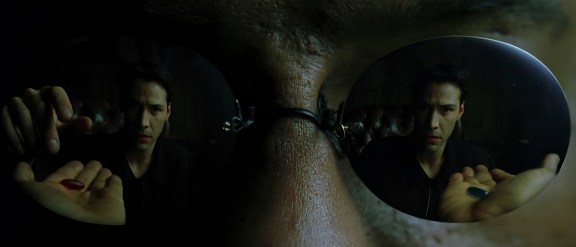
The Matrix (1999) – Cinematographer, Bill Pope

thematrix015-transformed

Jaws (1975) Cinematographer, Bill Butler

32_20(537)-transformed

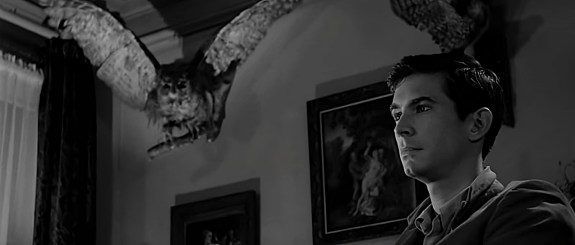
Psycho (1960) – Cinematographer, John L. Russell

original-7442-1438603390-17-transformed

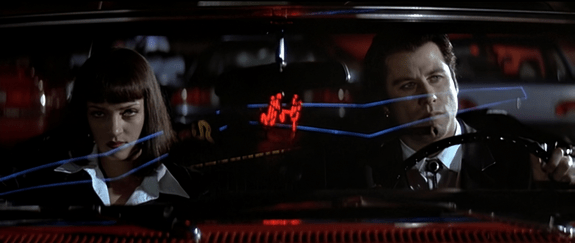
Pulp Fiction (1994) – Cinematographer, Andrzej Sekula

untitled-eBeqJws9A-transformed

Raiders of the Lost Ark (1981) – Cinematographer, Douglas Slocombe

24_20(855)-transformed

The Revenant (2016) – Cinematographer, Emmanuel Lubezki

revenant018-transformed

American Beauty (1999) – Cinematographer, Conrad Hall

original-7438-1438602110-3-transformed

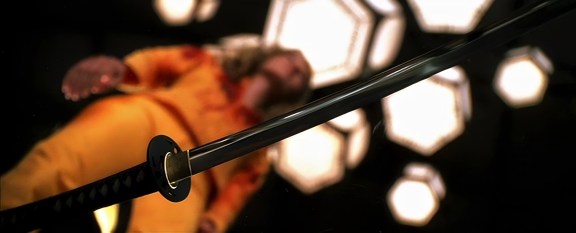
Kill Bill Vol. 1 (2003) – Cinematographer, Robert Richardson

44_20(548)-transformed

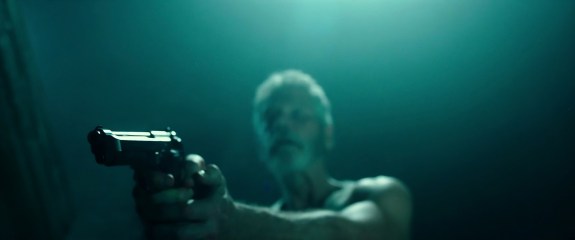
Don’t Breathe (2016) – Cinematographer, Pedro Luque

dontbreathe033-transformed

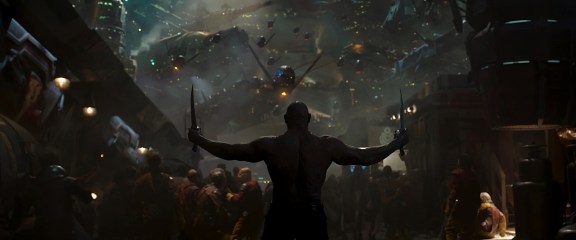
Guardians of the Galaxy (2014) – Cinematographer, Ben Davis

36_20(436)-transformed

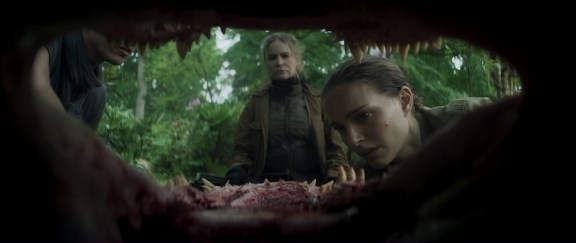
Annihilation (2018) – Cinematographers, Rob Hardy and Robert Hardy

annihilation017-transformed

Interstellar (2014) Cinematographer, Hoyte Van Hoytema

38_20(511)-transformed

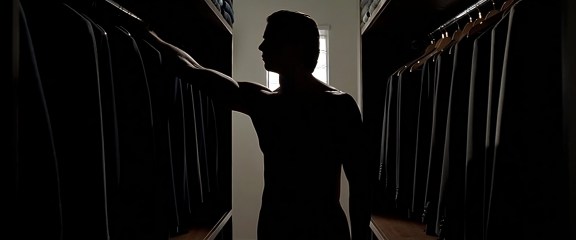
American Psycho (2000) Cinematographer, Andrzej Sekuła

59_20(64)-transformed

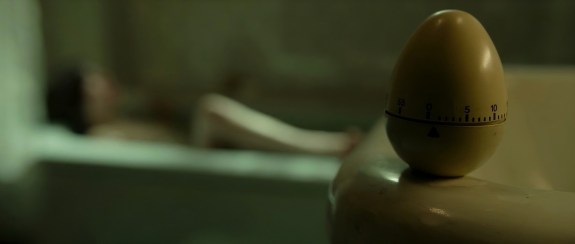
The Shape of Water (2017) Cinematographer, Dan Laustsen

shapeofwater009-transformed

E.T. the Extra-Terrestrial (1982) Cinematographer, Allen Daviau

35_20(358)-transformed (2)

2001: A Space Odyssey (1968) – Cinematographers, Geoffrey Unsworth and John Alcott

original-9572-1438602103-3-transformed

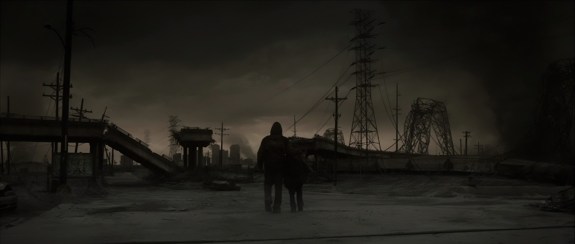
The Road (2009) Cinematographer, Javier Aguirresarobe

30_(1168)-transformed

Life of Pi (2012) Cinematographer, Claudio Miranda

untitled2-transformed

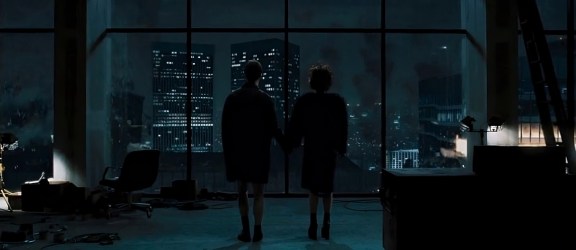
Fight Club (1999) Cinematographer, Jeff Cronenweth

original-26729-1438602891-17-transformed

The Shining (1980) – Cinematographers, John Alcott and Martin Kenzie

original-19759-1438607089-3-transformed

Scott Pilgrim vs. The World (2010) – Cinematographer, Bill Pope

01_20(888)-transformed

A Nightmare on Elm Street (1984) – Cinematographer, Jacques Haitkin

original-8948-1438603239-3-transformed

The Lord of the Rings: The Fellowship of the Ring (2001) – Cinematographer, Andrew Lesnie

50-most-beautiful-cinematic-shots-17jpg-transformed

Birdman or (The Unexpected Virtue of Ignorance) (2014) – Cinematographer, Emmanuel Lubezki

birdman-670x328-transformed (1)

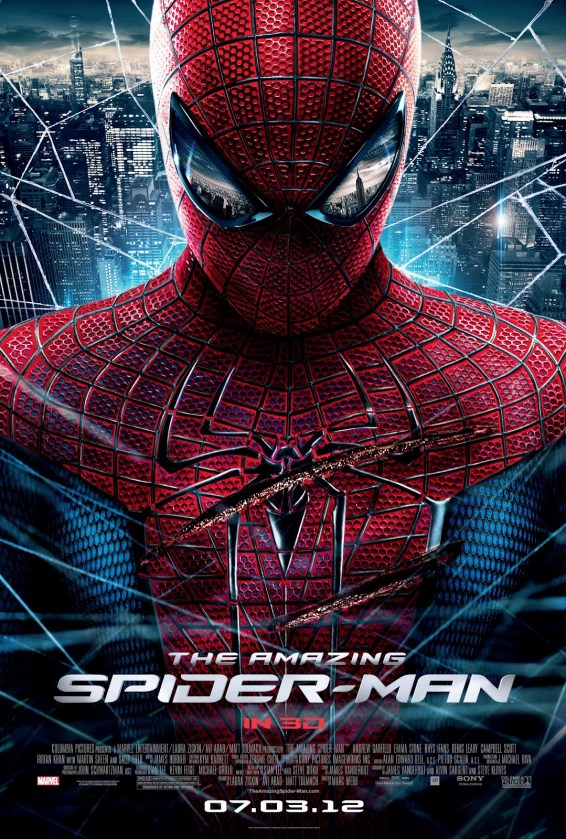
The Amazing Spider-Man (2012) – Film Review

Only five years after the previous ‘Spider-Man’ franchise ended, ‘The Amazing Spider-Man’ attempts to be a fresh and slightly darker reboot of the superhero’s classic origin story yet, sadly, falls pretty flat. Feeling too similar to the previous iteration of the franchise, as well as never really perfecting any of the interesting ideas the film introduces itself.

Plot Summary: When ‘Peter Parker’ is bitten by a genetically altered spider, he gains newfound spider-like powers and ventures-out to solve the mystery of his parent’s mysterious death. Meanwhile, a menacing new threat emerges on the streets of New York City…

Aside from the new focus on his lost parents, the story is far too similar to what we have seen before. Featuring all the classic scenes of ‘Peter’ beating up criminals, making his iconic costume (which now has an unpleasant redesign) and, of course, witnessing his ‘Uncle Ben’s death. This can make the story feel very bland and predictable for the majority of its runtime, if the film was to come out many years after ‘Spider-Man 3,’ then perhaps it wouldn’t have been as bad. But, due to Sony wanting to keep the rights to the Marvel character, a new remake had to be rushed out.

‘Peter Parker’ is this time portrayed by Andrew Garfield (The Social Network, Hacksaw Ridge), and overall, I think he does a decent job here, as while this version of the character isn’t incredibly memorable, he does portray the character as a nervous and awkward yet still likeable teenager, despite looking a little too old for the character’s actual age. The rest of the cast of Emma Stone, Sally Field and Rhys Ifans all do a decent job throughout, but are never really given anything interesting to do when it comes to the story.

The cinematography by John Schwartzman is nothing outstanding, as aside from the unique P.O.V. shots from ‘Spider-Man’s perspective, the cinematography mostly just stays at a consistent level throughout the runtime. However, this is easily redeemed by one of the best elements of the film for me, the great chemistry between Andrew Garfield and Emma Stone, as Stone portrays ‘Gwen Stacy’ (Peter Parker’s first love interest) all of their scenes together are very funny and charming, reminding heavily me of director Mark Webb’s prior film; ‘500 Days of Summer.’

The original score by James Horner is once again nothing amazing, but it does fit the film’s style. Feeling like a classic superhero score, mixed with some more emotional elements, equalling to a pretty varied but not very memorable soundtrack. The majority of the film could be described in this way, however, as many aspects of the film never seem to pass the level of ‘decent,’ which is a real shame, as I think this director and cast have some great potential. But, this simply wasn’t the film for it.

The writing is definitely one of the weakest elements of the film for me, as the film is full of cheesy lines and cliché moments throughout the story. My main issue with the film, however, is the film’s antagonist, the ‘Lizard,’ as his motivation, awful appearance and general lack of an intimidating presence really portray this classic comic book foe in a bad light.

The action sequences throughout the film are nothing really exceptional of note, as although they are decently entertaining, none of them ever manage to become as memorable as anything from the original ‘Spider-Man’ trilogy. My personal favourite most likely being the action scene set in ‘Peter’s high school, as the scene utilises the location very well. It’s also here when we get a great look at the various different CG effects in bright lighting, and I feel overall they look decent.

In summary, although I initially gave this film a lower rating, the actual filmmaking on display here isn’t terrible, and what the film does well such as great chemistry between the lead cast, ‘Spider-Man’s spectacular P.O.V. shots and the occasional entertaining action scene, I simply can’t ignore. Maybe check this one out if you’re a huge fan of the character, if not, you’re not missing out on much. Final Rating: low 5/10.

amazing-spider-man-final-poster

The Woman in Black (2012) – Film Review

Fresh off the success of the final ‘Harry Potter’ instalment, Daniel Radcliffe now takes on a paranormal horror story in this adaptation of the classic British gothic horror novel; ‘The Woman in Black,’ by Susan Hill. Yet, sadly, the film ends up being a pretty lacklustre (and even somewhat boring) experience overall.

Plot Summary: In 1906, a young solicitor travels to a remote village where he discovers the vengeful ghost of a scorned woman is terrorising the locals and stealing their children. But, as he begins to investigate further, he soon uncovers a darker history than he initially thought possible…

Although this type of plot is nothing new for the horror genre, the film does attempt to experiment slightly to engage its audience more through mystery and tension. This is especially clear in the eerie opening stinger, which is probably my favourite scene within the film, but I still personally feel the film doesn’t have quite enough experimentation to stand out that much, as I initially hoped due to its distinct British roots and story based on a successful novel, the film would be somewhat memorable. Unfortunately, the film is mostly quite bland, having a few eerie visuals, but nothing overly exceptional in terms of filmmaking.

Daniel Radcliffe portrays the protagonist of the story, ‘Arthur Kipps,’ very similar to how he has portrayed many of his other characters in the past. Coming across as a mostly likeable character with a little bit of development but nothing extremely major, this is an issue with the majority of the characters, however, which leads me onto the fairly dreadful writing throughout the film, as the film always talks directly to the audience, usually leaving no room for subtlety and coming as mostly cliché and cheesy throughout. Despite the rest of the cast of Ciarán Hinds, Janet McTeer and Liz White, also doing a decent job with what little they are given.

The cinematography by Tim Maurice-Jones is mostly fine throughout the film, having the occasional attractive shot, but never really anything overly interesting. Although I was actually impressed with a variety of the transitions throughout the films, as many of them really utilised the location they were set in very well. Interestingly, many of the music boxes and mechanical toys in the nursery scenes weren’t created for the film, but were genuine antique toys from the time-period, loaned to the production by a collector, which I feel really enhances the film’s set design. However, the film’s original score by Marco Beltrami is sadly also very mediocre, never really becoming very memorable or unique other than the occasional scene where the soundtrack is overly loud and extremely irritating.

Being a modern-day horror film, it’s also probably not much of a surprise that ‘The Women in Black’ is littered with jump-scares, with many of them even being false scares, such as birds appearing out of nowhere, slamming doors and loud screams without a source. All of this adding to the mostly weak atmosphere and many slow scenes, leaving the film with not much to offer beyond its pretty average filmmaking.

One element of the film I did enjoy is the production design, as despite the film definitely not delivering on an eerie atmosphere or well-developed characters, the film does truly feel like it is set in the twentieth century, as every location/set, prop and costume all feel used/lived-in and are very accurate to the story’s time-period. However, I’m personally not an enormous fan of the design of the title character herself, ‘The Woman in Black,’ as even although this may be more of an issue with the novel rather than the film, I find her design simply lacks in many aspects, as every-time she is on-screen she feels very generic and bland for what is attempting to be a tense paranormal horror story.

In summary, ‘The Woman in Black’ didn’t really impress me all that much, as while not completely awful, it felt very similar to 2018’s ‘Winchester,’ to me, as the film does have some great elements, yet gets completely bogged down by its overreliance on jump-scares rather than a creepy atmosphere, alongside a fairly uninteresting story and characters, and is, by the end of its runtime, a lot of wasted potential for a classic British horror. Final Rating: low 4/10.

woman_in_black_ver9_xxlg