Monster Trucks (2016) – Film Review

“I Don’t Know Who’s Driving, Him or Me…” – Tripp

Spawned from the mind of the four-year-old son of Adam Goodman, the then-president of the production company behind the film, Paramount, Monster Trucks is a 2016 family flick harbouring flashes of inspiration yet ultimately lacking in execution. Frequently demonstrating that a wacky storyline and a mashup of creatures and clamorous vehicles don’t necessarily yield a rollicking family film, Monster Trucks goes about its narrative with all the grace of an off-road vehicle steamrolling a row of discarded automobiles, even when it faintly echoes the beloved 1982 sci-fi classic; E.T. the Extra-Terrestrial.

Plot Summary: Looking for a way to escape the mundane town he was born into, high school senior Tripp circumvents the discomfort of his home life by toying away in his local scrapyard, gradually assembling a truck of his own from bits and pieces of scrapped vehicles. But, when an accident at a nearby oil-drilling site displaces strange, subterranean creatures with immense strength and a liking for oil, Tripp believes he’s found his key to getting out of town, unaware that his slimy, tentacled friend is actively being pursued…

Initially set for release on May 29th, 2015, before the date was moved to December 25th, then March 18th, 2016, and finally, January 13th, 2017, after several setbacks. Monster Trucks received middling reviews and poor box office numbers upon its eventual release, with Viacom blaming unspecified failures in its motion picture division for the losses the company suffered in the 3rd quarter of 2016, with reporters later piecing together details in their statement, leading them to believe this film was blamed for the loss. While not strictly underserved as Monster Trucks does possess an abundance of flaws across both its screenplay and filmmaking, director Chris Wedge (Ice Age, Robots, Epic) manages to implement some humorous moments and exciting set pieces here and there, primarily whenever the film fully commits to its bonkers title, having the signature creature, nicknamed; Creech, squeeze himself into Tripp’s turquoise-coloured truck, using his multiple tentacles to propel the vehicle along and even leap over hazards across town.

Although the central cast of Lucas Till, Jane Levy, Rob Lowe, Danny Glover and Holt McCallany deliver adequate performances, their characters are either caricatured or underdeveloped, barring the antagonists, who sufficiently serve their purpose as vile, money-hungry suits eager to profit from the newly discovered creatures through whatever means necessary. This character issue is only made worse by the dialogue, the majority of which is cheesy and blatant, lacking any semblance of subtlety or originality, especially concerning the sour relationship between Tripp and Sheriff Rick, his new stepfather, who continually conveys his unjustified distaste for Tripp.

Whether by design or not, the small, pallid town in North Dakota where Monster Trucks takes place is remarkably dull, meaning the visuals suffer as a result, aside from the odd alluring shot of natural scenery. On a more positive note concerning the visuals, the designs of the many luminescent creatures that appear throughout the runtime are simplistic yet effectively cute and cuddly, resembling various aquatic animals, namely whales and octopi. However, it’s important to mention that one of the reasons the film’s release date was pushed back so drastically was the need to redesign the creatures and thus redo most effects shots, as originally, the creatures appeared more monstrous and less cartoonish. But, after a disastrous test screening, which reportedly frightened a large portion of the juvenile audience (despite the creatures’ friendly demeanour), their appearance was altered to the design seen in the final film. With this setback in mind, the CG effects are well-detailed, if imperfect.

Boasting a handful of decent tracks, if you’re searching for a more bass-friendly soundtrack, Monster Trucks‘ original score is weighty yet occasionally a tad overbearing, in addition to a couple of the song choices, like Home by Phillip Phillips, only adding to the corniness of the film due to their unwavering positivity. The sound design is also filled with much of what you’d expect from a story revolving around large vehicles, with booming engines and scrapyard ambience providing many scenes with an audible thump.

Returning to the faults of the screenplay, much of the humour throughout the runtime is immature, often relying on goofy audio effects and continuous slime gags to obtain a cheap laugh from younger audience members. Older audience members, however, may find something to admire in the film’s handful of truck-centric practical effects, such as the implementation of the five 1950s-era Dodge trucks which were built for the film, including one with its engine in the pickup bed so it could be driven from under the hood, similar to how Creech manoeuvres the vehicle.

In summary, Monster Trucks is an underwhelming film in several ways, making me think it might have been better served should it have been a stylistic animated release rather than a costly live-action one, allowing the film to further play into the central, ludicrous concept of subterranean creatures slithering their way into vehicles to experience the high-octane rush of driving across open fields and country roads, especially when considering Chris Wedge’s prior directing experience in that field. Still, I’m obviously not in the target demographic for this flick, and those who are (e.g. young boys with an affinity for monsters and mayhem) might enjoy this one in the face of its many shortcomings. Rating: 3/10.

Gods of Egypt (2016) – Film Review

“Every Night the Battle Between Chaos and Creation Must Go On. Otherwise, the World Will Be Destroyed…” – Ra

Based on the Egyptian myth; The Contendings of Horus and Set, a mythological tale from the Twentieth Dynasty of Egypt found in the pages of a biblical text, recounting a battle between Horus, a god who takes the form of a falcon, and Set, a sky god, lord of the desert and master of storms, disorder and warfare, Gods of Egypt, released in 2016, is a visually overblown, poorly plotted and needlessly CGI-heavy fantasy blockbuster. Playing fast and loose with its world-building and the Egyptian mythology it’s based upon, Gods of Egypt squanders much of its talented cast and admirable visual effects in exchange for shallow, action-lead spectacle. As a result, the film has largely (and unsurprisingly) been lost to the sands of time, similar to many other lustreless blockbusters of the 2010s.

Plot Summary: In an alternate Ancient Egypt where the world is flat and Egyptian gods live amongst humans, differing from mortals by their tremendous height, golden blood and ability to transform into their animalistic forms, a young thief, Bek, and his beloved girlfriend, Zaya, are attending the coronation of Horus. But, during the ceremony, Horus’ father, Osiris, is murdered by his envious brother, Set, who seizes the throne and declares a new, brutal regime…

Directed by Alex Proyas (The Crow, Dark City, I, Robot), Gods of Egypt is, as of now, Proyas’ most recent directorial effort, as the critical and commercial failure of the film (along with its casting controversy, as the film was criticised for casting predominantly caucasian actors), seriously hindered his reputation. Consequently, he has only directed a couple of short films since. While this is a cruel turn of fate for Proyas, who has demonstrated in the past that he can helm entertaining blockbusters, Gods of Egypt is evidently desultorily directed, frequently lacking polish, dramatic weight, comedic timing and vital fragments of exposition, especially when considering the film’s immense budget of over £110 million.

Ranging from uninspired to cringe-worthy, the performances throughout Gods of Egypt are inconsistent, to say the least, as Nikolaj Coster-Waldau’s valiant Horus lacks the balance of arrogance and self-pity many of his previous performances retain, whilst the performances of Brenton Thwaites, Elodie Yung, Rufus Sewell and the late Chadwick Boseman come across as superficial and exaggerated, further facilitated by their half-baked characterisation. Moreover, as the detestable Set, Gerard Butler struts, growls and bellows like an enraged grizzly bear, possessing none of the self-awareness that could have made such an over-the-top performance more enjoyable.

Primarily shot in the Australian desert, as filming in the Sahara Desert was considered too dangerous, the cinematography by Peter Menzies Jr. occasionally allows for pleasant shots of the desert landscapes and their imposing Egyptian structures. However, many of these shots are often spoilt by the enormous barrage of CGI, making every frame appear glossy and oddly sterile, even during scenes where gigantic crowds are present. Additionally, while terrifyingly indelible creatures are not as frequent in Egyptian mythology as they are in, say, Greek or Norse mythology, Gods of Egypt still features a handful of stately creature designs, namely, the massive, serpentine creature known as Apophis, an Egyptian deity of chaos that is commonly depicted as a snake in Egyptian hieroglyphs.

On another note, it’s fascinating how, despite having no evidence as to what music in Ancient Egypt sounded like, composers have adopted a specific style to depict that location and era, likely beginning with 1954’s The Egyptian, before enduring through dozens of other scores over the years, including Land of the Pharaohs (1955), The Prince of Egypt (1998) and The Mummy (1999). In regard to the orginal score for Gods of Egypt, composer Marco Beltrami weaves several Egyptian-esque themes in and around each other, as the two central deities, Horus and Set, harbour their own motifs, with Horus’ motif sounding valiant, conveying him as the more sympathetic of the two, whilst Set’s motif is far darker and shares many similarities to your more typical ‘villain themes,’ built around intense, descending brass lines. The problem, however, is that all of these tracks aren’t that memorable or unique in spite of their functionality, with most of the score just consisting of staggeringly generic action pieces. 

Due to nearly all of the film heavily utilising visual effects, it’s not surprising that the considerable CG effects implemented throughout the runtime are one of the few shining aspects of Gods of Egypt. Aside from a handful of shots which have aged questionably, most of the visual effects are impressive. In fact, one of the more unusual challenges the visual effects team faced during post-production was placing the cast inside an array of virtual environments, as most of the scenes were shot against a bluescreen. An added complexity came in the form of the size differences between gods and mortals, as the gods stand around nine feet tall, so the visual effects team had to constantly consider these size variations.

In summary, Gods of Egypt is an insipid blockbuster lacking originality, excitement and entertainment value. The film merely meanders through waves of corny dialogue, mind-numbing, CGI-reliant action sequences and a monotonous, drawn-out story brimming with contrivances and the odd interesting concept. Once again proving, alongside other poorly-received blockbusters, such as Justice League (2017), Independence Day: Resurgence (2016) and Transformers: The Last Knight (2017), that an enormous budget doesn’t necessarily yield enormous success. Rating: low 3/10.
gods_of_egypt-p1025720

Outstanding Original Scores in Cinema – Film List

I’ve always considered original scores to be a very underappreciated element of filmmaking, as many audience members rarely seem to take notice of the beautiful and indelible soundtracks that saturate many scenes throughout cinematic history. These scores serve an important purpose in audibly immersing the audience in a narrative via dramatic, unnerving or sorrowful tracks that evoke deep emotion inside them (even if they aren’t aware of it), greatly enhancing the cinematic experience. Here are some of my personal favourites…

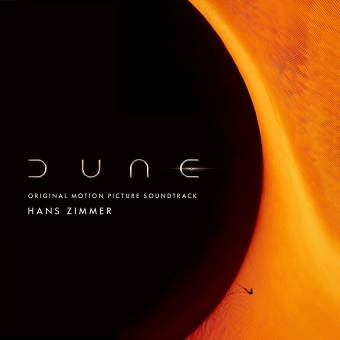
Dune (2021) – Composer, Hanz Zimmer

Favourite Tracks: Herald of the Change, Ripples in the Sand

dune-transformed

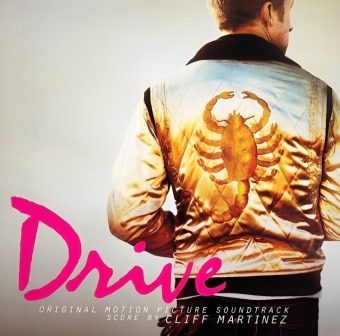
Drive (2011) Composer, Cliff Martinez

Favourite Tracks: I Drive, Bride of Deluxe 

7104jovZ2vL._UF894,1000_QL80_

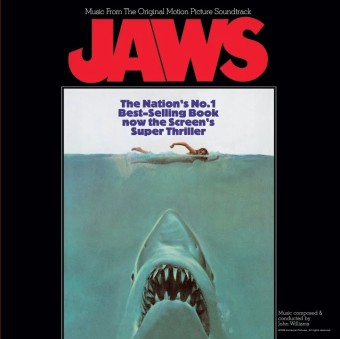
Jaws (1975) Composer, John Williams

Favourite Tracks: Main Title and First Victim, End Titles

maxresdefaulthg

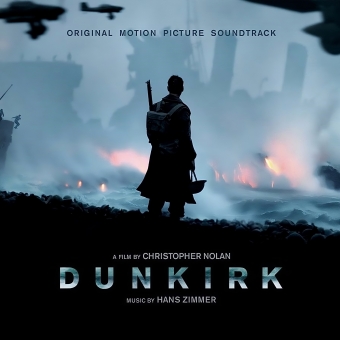
Dunkirk (2016) – Composer, Hanz Zimmer

Favourite Tracks: The Mole, Supermarine

71u3oI1ACRL__UF894_1000_QL80_-transformed

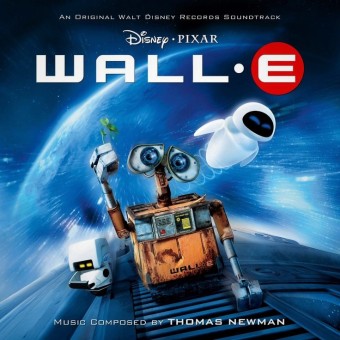
WALL-E (2008) – Composer, Thomas Newman

Favourite Tracks: 72 Degrees and Sunny, Define Dancing

41141af4927588fb34ed6ec6704c0a09--wall-e-animation-movies

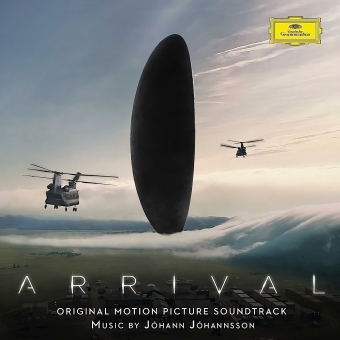
Arrival (2016) – Composer, Jóhann Jóhannsson

Favourite Tracks: ArrivalKangaru

71JNEXMq4HL__UF894_1000_QL80_-transformed

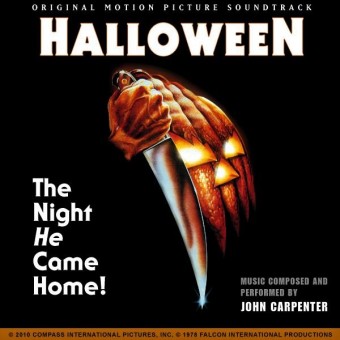
Halloween (1978) – Composer, John Carpenter

Favourite Tracks: Halloween Theme – Main TitleMyer’s House

19192_568986

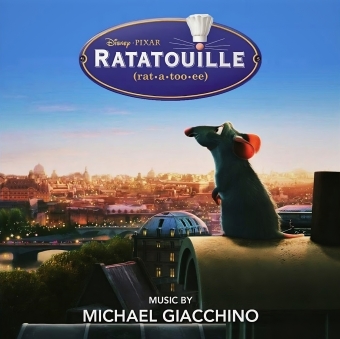
Ratatouille (2007) – Composer, Michael Giacchino

Favourite Tracks: Ratatouille Main ThemeEnd Creditouilles

maxresdefault8-transformed

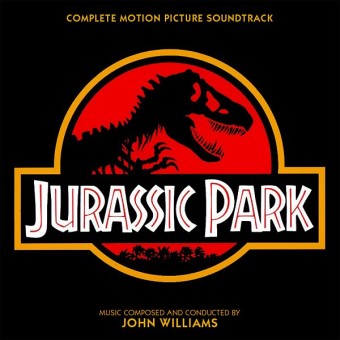
Jurassic Park (1993) – Composer, John Williams

Favourite Tracks: Welcome to Jurassic Park, Journey to the Island

Big-jurassic-park-ost

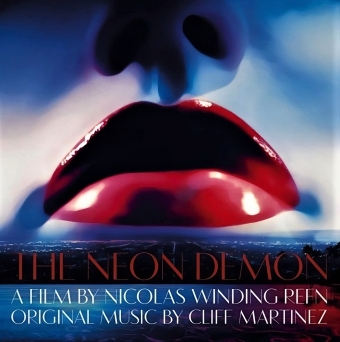
The Neon Demon (2016) – Composer, Cliff Martinez

Favourite Tracks: The Neon Demon, Something’s in My Room

R-8685828-1466596094-8895_jpeg-transformed

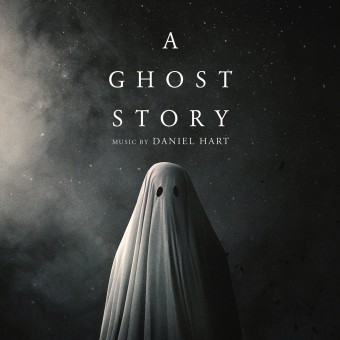
A Ghost Story (2017) – Composer, Daniel Hart

Favourite Tracks: The Secret in the Wall, Safe Safe Safe

cover

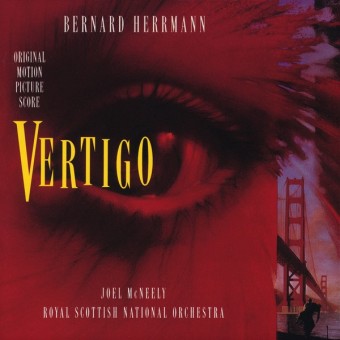
Vertigo (1958) – Composer, Bernard Herrmann

Favourite Tracks: Prelude and Rooftop, Carlotta’s Portrait

R-4321078-1520330009-2401.jpeg

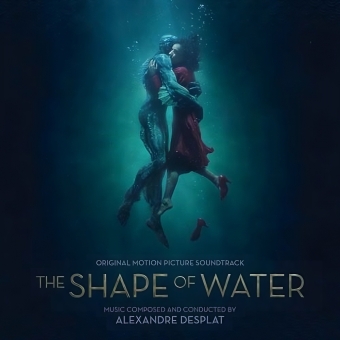
The Shape of Water (2017) – Composer, Alexandre Desplat

Favourite Tracks: The Shape of Water, Elisa’s Theme

The-Shape-of-Water-transformed

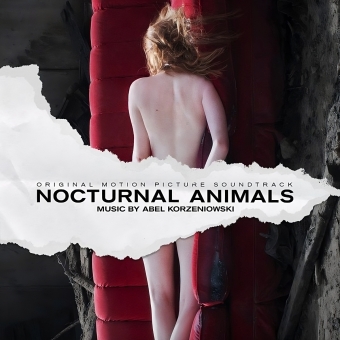
Nocturnal Animals (2016) – Composer, Abel Korzeniowski

Favourite Tracks: Revenge, City Lights

R-9415308-1480173348-9936_jpeg-transformed

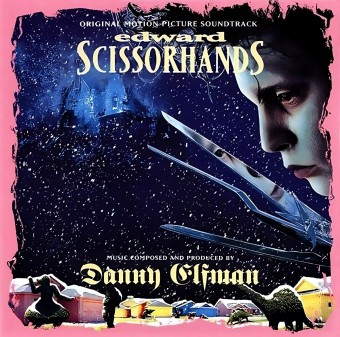
Edward Scissorhands (1990) – Composer, Danny Elfman

Favourite Tracks: StorytimeIce Dance

R-1798552-1466642639-8253_jpeg-transformed

The Social Network (2010) – Composers, Trent Reznor and Atticus Ross

Favourite Tracks: In MotionPainted Sun in Abstract

R-2497693-1296648950.jpeg

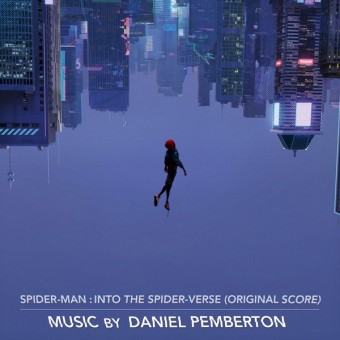
Spider-Man: Into the Spider-Verse (2018) – Composer, Daniel Pemberton

Favourite Tracks: Gimme the GooberSpider-Man Loves You

R-12947391-1545107713-8720.jpeg

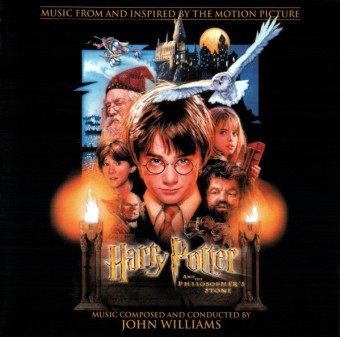
Harry Potter and the Philosopher’s Stone (2001) – Composer, John Williams

Favourite Tracks: Hedwig’s Theme, Diagon Alley and the Gringotts Vault

R-4774683-1638806691-1281

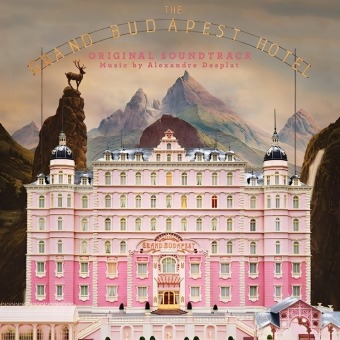
The Grand Budapest Hotel (2014) – Composer, Alexandre Desplat

Favourite Tracks: Mr. Moustafa, Daylight Express to Lutz

81ll9yJG6GL._UF894,1000_QL80_

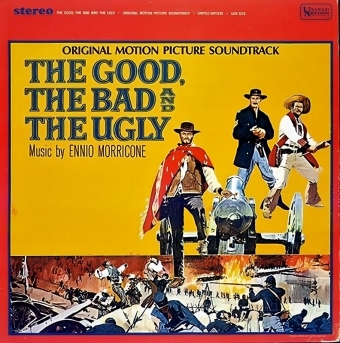
The Good, the Bad and the Ugly (1966) – Composer, Ennio Morricone

Favourite Tracks: The Good, the Bad and the UglyThe Ecstasy of Gold

morricone_goodf-transformed

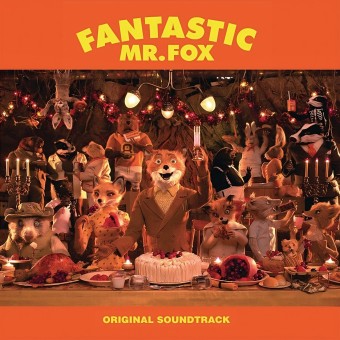
Fantastic Mr. Fox (2009) – Composer, Alexandre Desplat

Favourite Tracks: Mr. Fox in the Fields, Jimmy Squirrel and Co.

ab67616d0000b273b5c2ad0a84a7be36195e1d70-transformed

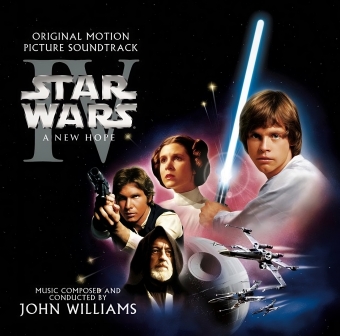
Star Wars: Episode IV – A New Hope (1977) – Composer, John Williams

Favourite Tracks: Main TitleThe Princess Appears

ab67616d0000b27344d5ef063da6fc06df7b1bc1-transformed

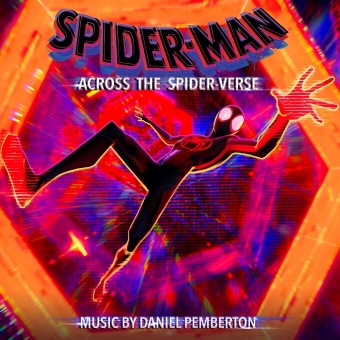
Spider-Man: Across the Spider-Verse (2023) – Composer, Daniel Pemberton

Favourite Tracks: Spider-Woman (Gwen Stacy), Canon Event

1200x1200bf-60-transformed

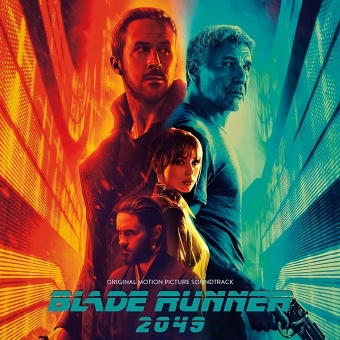
Blade Runner 2049 (2017) – Composers, Hans Zimmer and Benjamin Wallfisch

Favourite Tracks: Tears in the RainBlade Runner

640x640-transformed

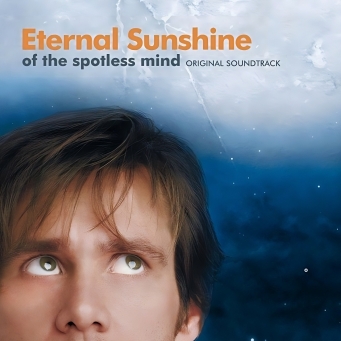
Eternal Sunshine of the Spotless Mind (2004) – Composer, Jon Brion

Favourite Tracks: Theme From Eternal Sunshine of the Spotless Mind, Bookstore

R-9491697-1482136218-5039-transformed

Deepwater Horizon (2016) – Film Review

“I’d Think You Money-Hungry Sons of Bitches Would at Least Be Good at Math…” – Mike Williams

The Deepwater Horizon Oil Spill, commonly referred to as the BP Oil Spill, is, to this day, regarded as one of the widest-reaching environmental disasters in human history. An industrial catastrophe that began on April 20th, 2010, off the coast of the United States in the Gulf of Mexico, the event caused the deaths of eleven oilfield workers and was estimated to have spilt over two hundred and ten million gallons of oil into the ocean, forcing industry giant BP to pay more than $60 billion in criminal and civil penalties, natural resource damages, economic claims and cleanup costs for their reckless corporate culture of cost-cutting and excessive risk-taking. The 2016 cinematic interpretation of this true-to-life tale; Deepwater Horizon, makes effective use of its titular location and subsequent tragedy to deliver a lamentable yet nevertheless gripping thriller, admiring the bravery of those who escaped with their lives whilst never losing sight of the affliction and distress they endured on that faithful day.

Plot Summary: Manned by one hundred and twenty-six workers, the semi-submersible, offshore oil-drilling rig, Deepwater Horizon, operates as usual over the Gulf of Mexico, forty-one miles southeast of the Louisiana Coast. But, before long, chief electronics technician, Mike Williams, and seasoned rig supervisor, Jimmy Harrell, discover that the critical examination of Deepwater Horizon’s cement foundation was bypassed by BP’s frugal executives, consequently inducing a devastating explosion that kills several oilfield workers and traps Mike and his remaining colleagues on the cadaverous rig amidst the flames…

Upon its announcement, many oilfield workers from the Gulf of Mexico were against the production of Deepwater Horizon, declaring that they believed the film would dishonour the men who sadly perished during the event. However, Mike Williams (one of the survivors) thoroughly supported the film, assisting the crew throughout production alongside another survivor, as they felt it was a suitable method of depicting the terrifying circumstances they and the other oilfield workers endured, with the leading intent of director Peter Berg (HancockLone SurvivorPatriots Day) being to make the disaster feel as real as possible for the audience, encapsulating the sensation of workers’ shared dread in 2010.

In keeping with this sense of realism, the dialogue throughout Deepwater Horizon remains authentic to the vocabulary of oilfield workers, repeatedly tossing around the shorthand terminology of the position. Similarly, the screenplay is precise in defining the various components of the oil rig without becoming overwhelmed, making the eventual catastrophe that unfolds appear merited and tangible. Regrettably, however, even with most of the central cast, including Mark Wahlberg, Kurt Russell and Gina Rodriguez, being introduced before they set foot on the rig through an assortment of brief, home-set sequences, the majority of these preliminary scenes only provide insight into their industrial roles along with some clumsy exposition concerning the Deepwater Horizon, conveying that each of the oilfield workers has loved ones, but not much else.

For the production of Deepwater Horizon, an extensive oil rig set was constructed in Chalmette, Louisiana (where filming predominantly took place). One of the largest-scale sets ever built at the time, the rig-inspired set was assembled using over three million pounds of steel in a two-million-gallon water tank. And while this commitment to building an expansive set is indeed impressive, appearing immensely accurate to the actual Deepwater Horizon, the set design is partially hindered by the cinematography by Enrique Chediak, which remains relatively uninspired throughout the runtime, primarily consisting of hand-held mid-shots and the occasional sweeping wide shot of the rig and surrounding ocean.

The third instance composer Steve Jablonsky has collaborated with Peter Berg following 2012’s Battleship and 2013’s Lone Survivor. Berg and Jablonsky’s staple as a director-composer duo seems to be taking sampled mechanical sounds and using them as the cornerstones of each original score. On Battleship, this sound was the whining, clanging cacophony of a medical MRI machine whereas, on Deepwater Horizon, it’s the incessant ping of an active SONAR alongside a combination of electronic tones and instruments. As such, the score lacks melody and harmony, yet successfully creates suspense through tracks like The RigNegative Pressure Test and Cut the Pipe, up to when the rig explodes.

Once the rig does eventually burst into flames, it’s suitably nightmarish as Peter Berg doesn’t attempt to ‘wow’ the audience with impressive visual effects or exhilarating set pieces, but rather never lets the audience forget that this is a man-made disaster, pointing the finger squarely at BP for their monumental mistake and proving that while there may have been some temptation to provide the story with a glossy finish, Berg found a way to present blockbuster-level effects without sacrificing any of the realism or torment of the actual event.

In summary, whilst most disaster flicks are usually guilt-free confections, given that they often centralise on an act of nature and feature destruction so grandiose in appearance that it lessens the impact of the on-screen devastation to the point that the audience can relish in the utter mayhem. Deepwater Horizon takes a drastically different approach to the disaster genre, with its story being based on true events. By embracing this realism, the cataclysm that occurs within the film becomes more immediate and horrifying. And while there are feats of courage here and there, Deepwater Horizon is predominantly presented as a real-world calamity, not a comforting tale of heroism and optimism. Rating: 7/10.

deepwater_horizon_ver7_xxlg

The Forest (2016) – Film Review

“Do Not Stay After Dark.” – Michi

The Aokigahara forest, more commonly known as the “Suicide Forest” or the “Sea of Trees,” is a thirty-five-square-kilometre grove lying at the northwest base of Mount Fuji in Japan. The forest is often cited as the most widespread site for suicide in the country, given that in 2003, over a hundred bodies were discovered in the forest, exceeding the previous record of seventy-eight in 2002. The site became so heavily associated with suicide that a sign at the start of the main trail was later installed to urge suicidal visitors to contact a suicide prevention helpline. So, with all of this notoriety, it was merely a matter of time until a film would utilise the infamous location. Enter, 2016’s The Forest, a supernatural horror flick that sacrifices all of its compelling ideas and despairing real-world setting for cheap, predictable scares and an immensely uninteresting story.

Plot Summary: When orphan, Sara Price, receives a phone call from the Japanese authorities informing her that her twin sister, Jess Price, has disappeared and was last seen heading into the Aokigahara forest, Sara decides to travel to Japan to investigate her sister’s disappearance. But, after entering the notorious forest, accompanied by her Japanese guide, Michi, and American reporter, Aiden, Sara’s investigation begins to send her down a dark path of tormented souls and supernatural occurrences…

Whilst two other films were released before The Forest inspired by Aokigahara, those being; Shawn4Ever in 2012 and The Sea of Trees in 2015, neither film could be considered a horror. And this is what ultimately attracted director Jason Zada (Project Dead Zone) to the project, as Zada was surprised to learn that there had never been a horror film based on the ill-famed site. After discovering that the Aokigahara forest also has a strong association with demons in Japanese mythology, Zada’s interest in the project grew as this information opened the door for a more supernatural narrative. However, the story eventually selected for The Forest is hardly what I’d call engrossing, as while the first act sufficiently sets the story in motion, the narrative quickly devolves into Sara simply meandering through the forest getting sporadically interrupted by blaring jump-scares, many of which are easily foreseen.

Portraying twin sisters; Sara and Jess Price, Natalie Dormer delivers a compelling performance throughout The Forest by lending her acting talents to dual characters. Yet, she is frequently burdened by the screenplay’s lack of characterisation and stale dialogue, which is often as wooden as the trees in the forest. Moreover, the supporting cast of Taylor Kinney, Yukiyoshi Ozawa and Eoin Macken give understandably bland performances as their characters are given next-to-no development and little urgency when it comes to their decisions within the plot.

Since the Japanese government would not allow the filmmakers access to the Aokigahara forest for filming, the Tara National Forest in Serbia served as a suitable stand-in for the location. Aside from the forest itself, however, all of the scenes in Japan were shot on location, and this authenticity does come across on camera. Speaking of the camerawork, the cinematography by Mattias Troelstrup is serviceable, for the most part, as the film makes adequate use of the eerie forest backdrop by implementing a large number of environmental shots, lingering on the calming beauty of the forest in contrast to the tragedies that repeatedly occur within it.

Ominous yet forgettable, the original score by Bear McCreary fits the dreary tone of The Forest appropriately yet lacks anything to make itself distinguishable from other horror scores. Furthermore, whilst there are multiple fast-paced tracks, there is a surprising shortage of slow and moody pieces for a film set in a location like the Aokigahara forest. Nevertheless, I will give McCreary credit for integrating a children’s choir into the score, effectively blending the ghostly juvenile vocals with the rest of the instruments (most notably in the track; Into the Forest), almost as if the choir represents the siren call of the forest.

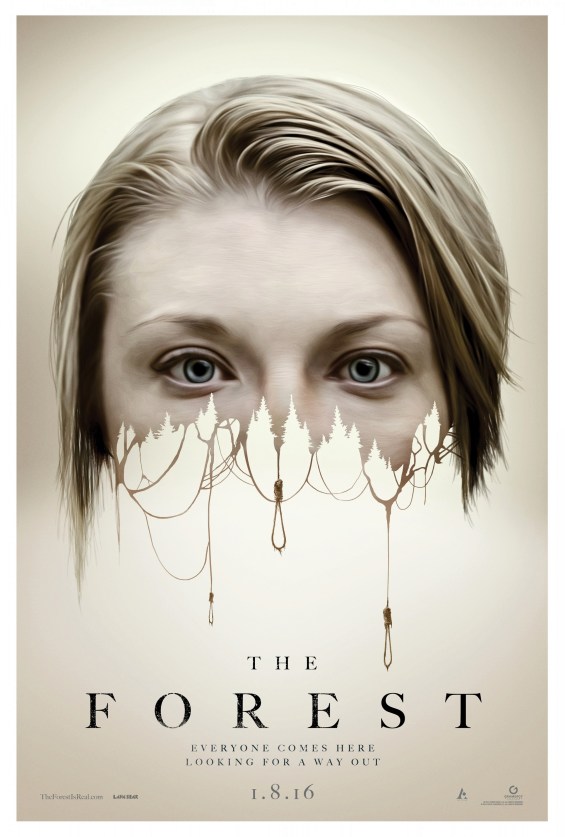
Interestingly, one of the promotional posters for The Forest features the top half of Natalie Dormer’s face with the bottom half removed, the dividing line between them forming a silhouette of treetops and dangling nooses. This imagery carries a clear resemblance to a photograph of an actual suicide victim once found within the Aokigahara forest; a bald man in such a decomposed state that his jaw had fallen off and strips of flesh were hanging from where it had once been. This photograph is also recreated in the film, albeit in a less grotesque form. Fortunately, outside of this scene, The Forest doesn’t contain much blood/gore, which I’d argue was a good decision on behalf of the filmmakers to remain respectful of the families who have lost loved ones to Aokigahara.

In summary, while The Forest offers Natalie Dormer a few chances to showcase her range through a dual role, it isn’t enough to offset the fact that The Forest is just not all that startling or interesting. Of course, these shortcomings could be attributed to Jason Zada being a music video director by trade, harbouring only one other horror flick in his filmography. But, regardless of the cause, it’s unfortunate, as I feel that given the right attention, the Aokigahara forest could make for a phenomenal setting for a minimalist horror, especially if it’s combined with a tasteful narrative that plays upon the site’s infamy. Rating: low 4/10.

forest_xxlg

Sausage Party (2016) – Film Review

“Sausages and Buns, Let’s Party!” – Frank

Directed by Greg Tiernan and Conrad Vernon (The Addams Family, The Addams Family 2) and co-written/produced by Seth Rogen and Evan Goldberg, Sausage Party, released in 2016, is an animated adult comedy with a very specific brand of humour, a brand that I have a strong distaste for. Lazily relying on copious amounts of foul language, sexual imagery and offensive jokes, the potential hilarity of Sausage Party‘s concept is ultimately squandered due to its dreadful execution, giving the impression that this adult-centric animation was written by a group of angsty teenagers.

Plot Summary: Eagerly awaiting the day they will be taken to the Great Beyond by their human deities, Frank the sausage, Brenda the hot dog bun, Sammy Bagel Jr. and the rest of the food items that occupy the shelves of the local supermarket, believe a code that allows them to live blissfully ignorant lives until it’s time to depart their aisle. But, when Frank learns the terrible truth that they will eventually become a human’s dinner, their shared fantasy comes crashing down, forcing the panicked perishables to devise a plan and fight back against their human foes…

An obvious parody of Disney, Pixar and DreamWorks’ animated classics. Co-writer and producer, Seth Rogen, first developed the idea for Sausage Party in 2007 while promoting Superbad and Knocked Up, as interviewers would ask Rogen what his next project would be, to which he jokingly replied; “It’s Called Sausage Party.” Rogen frequently described Sausage Party as a dreary take on family-friendly animated films, stating: “People Like to Project Their Emotions Onto the Things Around Them; Their Toys, Their Cars, Their Pets… So We Thought; ‘What Would It Be Like if Our Food Had Feelings?’ We Very Quickly Realised, That It Would Be Fucked Up.” An ingenious idea, to be sure, even if its execution leaves a lot to be desired.

Featuring the likes of Seth Rogan, Kristen Wiig, Michael Cera, Salma Hayek, Edward Norton, Jonah Hill, Bill Hader, Danny McBride, Paul Rudd and Craig Robinson, among others. Sausage Party possesses an all-star cast to voice its extensive and diverse line of animated characters. As such, the voice acting quickly becomes one of the best aspects of the film as every member of the cast puts their all into the project, despite the repeatedly low-grade dialogue. And whilst none of the characters could be described as well-developed, Brenda does make for an appropriately uptight love interest for Frank, while characters like Teresa Del Taco and Sammy Bagel Jr. are at least memorable for their cartoonish qualities.

The animated cinematography on display throughout Sausage Party is continuously frantic and often difficult to keep track of as a result of its constant movements. The animation itself also isn’t the most visually appealing as many of the characters’ designs (both human and anthropomorphitic food) are overly cartoonish, oddly sensual and repeatedly disproportionate. Still, there is a handful of amusing visual gags throughout the film. For instance, during the scene where Honey Mustard’s outburst causes two shopping trolleys to collide, hurling multiple food items toward the ground. The resulting carnage is a shot-for-shot homage to the opening sequence of 1998’s Saving Private Ryan, with all of the scene’s graphic violence being represented through burst flour bags, squished tomatoes and crumbled biscuits.

When it comes to the original score by Christopher Lennertz and Alan Menken, the soundtrack is serviceable, for the most part, with tracks like ChosenFood Massacre and Magical Sausage all serving their purpose of reinforcing scenes of both horror and humour within the story. However, where the film really shines in terms of music is the opening song; The Great Beyond, composed by Alan Menken, a composer predominantly known for scoring a number of classic animated musicals, including The Little Mermaid (1989) and Beauty and the Beast (1991). Thus, The Great Beyond is very reminiscent of the scores for those films, only with a more satirical edge, thanks to its comical lyrics and profanity.

In addition to the inconsistent quality of the humour, Sausage Party also attempts to integrate the notion of organised religion into its story, as Frank tries to convince his blissed-out companions that they might be heading not for a glorious afterlife, but rather knife-assisted oblivion. Even the Israel/Palestine conflict is riffed upon through the pairing of a lavash and a bagel. Yet, both of these underlying themes are significantly overshadowed by the constant wisecracks and needlessly shocking lines of dialogue. Moreover, the rules of Sausage Party‘s world oftentimes make no sense as many objects that aren’t food come to life, while others seemingly do not. Admittedly, this is more of a nit-pick than a true criticism for an absurdist comedy such as this, but I feel it’s always important for a story and its world to have consistency.

In summary, although Seth Rogen has expressed interest in making a sequel to Sausage Party, along with a number of other animated projects aimed toward older audiences, I have no desire to see any other projects of this nature. Lacking the abundance of laugh-out-loud moments that Rogen and Goldberg have delivered with their better efforts in the comedy genre, such as Pineapple Express (2008) and The Interview (2014), Sausage Party simply exists as a twenty-minute gag that was somehow stretched into a feature-length film, complete with shoddy writing, unpleasant animation and largely lethargic storytelling. Rating: high 3/10.

sausage_party_ver2_xxlg

Wiener-Dog (2016) – Film Review

“Hey, Dad, When Do You Think We Can Let Wiener-Dog Out of Her Cage?” – Remi

A comedy-drama anthology that is far more drama than black comedy, 2016’s Wiener-Dog, written and directed by Todd Solondz (Welcome to the DollhouseHappinessLifetime During War), centres on a series of short, personal stories, all connected by the titular sausage-resembling canine. And while Wiener-Dog certainly has its moments as a mordantly witty tour of the human condition, seen from the low-slung position of an ordinary dachshund, Wiener-Dog‘s distinct combination of bleak storytelling and deadpan humour can make for a very inconsistent viewing experience, especially if you aren’t sure what to expect going in.

Plot Summary: An endearing dachshund, nicknamed, Wiener-Dog, finds itself shuffled from one oddball owner to the next, with each owner’s radically dysfunctional life being, in some way, impacted by the small canine…

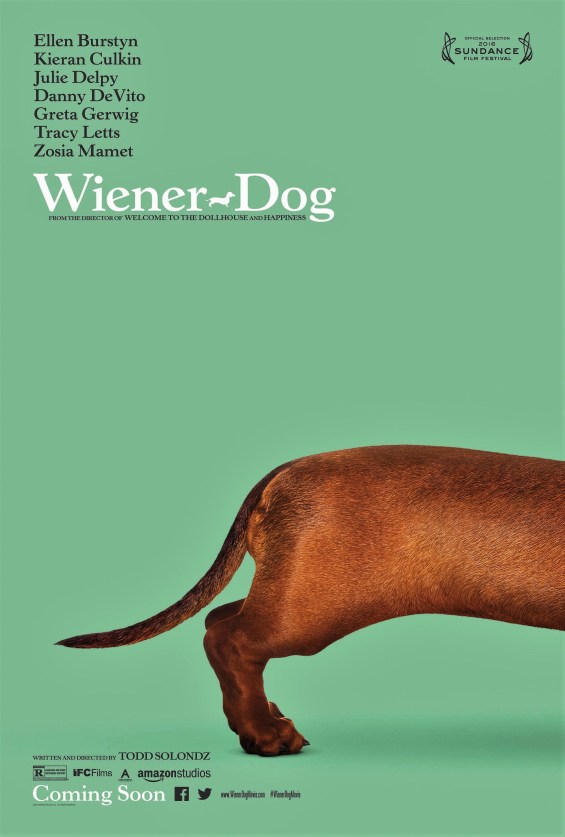
Winning the Best Film Award at the 2017 Milan LongTake Interactive Film Festival, a festival where the films in competition are selected from titles yet unreleased in Italian cinemas, with the winner being chosen by the number of people attending each screening. Wiener-Dog is certainly not a film for everyone as the stories within are actually much dreary in tone than many would expect given the title and/or poster. Moreover, for those going in expecting four straightforward, humourous narratives, Wiener-Dog frequently takes an unusual approach with its stories, with much of the writing being awkward and clunky and each story largely differing in terms of structure. And even though I adore the idea of using a dog as a framing device for an anthology, Wiener-Dog rarely makes use of its central dachshund, nor do any of the stories fully delve into the emotional arcs of their characters even when some of their self-examining journeys are particularly interesting.

Throughout all of the stories, one element that never fails to impress, however, is the cast. From a struggling family to a despondent screenwriter-turned-film school lecturer, every member of the cast brings their all in Wiener-Dog. And although many of the characters don’t receive as much development as they probably should, they do all feel very distinct from one another. For example, in the first story, Julie Delpy and Tracy Letts portray Danny and Dina, an uptight, miserable couple whose young son, Remi, is recovering from cancer. Danny and Dina soon decide to get their son a dog in an attempt to cheer him up, though, this only ends up causing the family more problems. In the next story, Dawn, a veterinarian’s assistant, hopes the dachshund will help her melt the heart of Brandon, whom she knew in school as a notorious bully. The third story introduces us to Dave Schmerz, portrayed by Danny DeVito, a has-been screenwriter now teaching at a film school where the students despise him. The fourth and final story concentrates on a character only ever referred to as Nana, portrayed by Ellen Burstyn, a blind, embittered woman suffering from cancer, who is being visited by her granddaughter, Zoe, and her outrageous abstract artist boyfriend, Fantasy.

For the majority of the runtime, the cinematography by Edward Lachman stands as a model of subtle and elegant compositional skill strained by what are fairly uninteresting locations. And whilst the first two stories have a written transition between them, the latter two stories do not, and instead, we just cut to the dachshund being in a new home, with a new owner, with no explanation given, which is rather jarring. That being said, Wiener-Dog does feature an intermission of sorts halfway through, which becomes a short story in itself; a montage of the dachshund walking through a number of colourful locations brought to life via some less-than-stellar green screen. This amusing sequence somewhat feels inspired by Let’s All Go to the Lobby, officially known as Technicolor Refreshment Trailer No. 1, a 1957 animated musical advertisement that played in American cinemas during intermissions, in which, animated characters that resemble various food items urge the audience to purchase snacks.

The original score by Nathan Larson and James Lavino is serviceable during the few scenes where it’s actually used. As for most of the film, Wiener-Dog chooses to employ excerpts from the classic orchestral piece; Clair de Lune, L. 32, which consistently seems out of place. The previously mentioned intermission is also set to an original tune titled; The Ballad of the Wiener-Dog, which is admittedly quite imaginative despite, once again, seeming misplaced.

With an anthology, some segments are always going to be superior to others. In Wiener-Dog‘s case, it’s the third story that is the best of the bunch, mainly because of DeVito’s terrific world-beaten performance. With that said, the third story does have a shortcoming that plagues many of the segments; it’s ending, which feels rushed and premature. The ending of the final story is also likely to leave many audience members with a bitter taste in their mouths as the climax is unnecessarily mean-spirited, concluding the anthology on an immensely dour note.

In summary, similar to the rest of Todd Solondz’s filmography, Wiener-Dog is a black comedy with much of the comedy removed, leaving just black; a dense residue of callousness as the film rarely dwells on its light-hearted gags or charming moments. Nevertheless, Wiener-Dog is enjoyable in parts, and it’s evident that Solondz had a specific vision for the project when crafting it, perhaps the film is just a little too bleak for its own good. Rating: 4/10.

wiener_dog_xxlg

Hush (2016) – Film Review

“I Can Come in Any Time I Want, and I Can Get You Anytime I Want. But, I’m Not Going To. Not Until It’s Time.” – The Masked Man

Exceptionally gripping in the face of its simplicity, Hush, released in 2016, navigates the bloody waters of the home invasion subgenre to tremendous results. With only five characters and a single location to speak of, the performances and sound design of Hush are both key components in the film’s goal of establishing a disquieting tone, captivating its audience while simultaneously making them dread that the story they are witnessing on-screen could realistically transpire in the most peaceful of surroundings. Certifying Hush as a concise and well-executed horror/thriller, despite the film’s continuous cat-and-mouse pursuits growing a little tiresome by the third act.

Plot Summary: When Maddie, a deaf and mute author, moves to a secluded woodland house in the hope of living a peaceful, solitary life as she writes her second novel, she soon finds her isolated home the target of a deranged, masked killer…

Co-written, directed and edited by Mike Flanagan, this talented director has been the face of modern horror for many years, crafting chilling and original genre pieces, such as Oculus (2013), Before I Wake (2016) and the horror/drama mini-series; The Haunting of Hill House in 2018, in addition to adapting much of Stephen King’s iconic catalogue of horror literature, with 2017’s Gerald’s Game and 2019’s Doctor SleepHush, however, was one of the director’s earlier projects, with Flanagan conceiving the storyline whilst on a dinner date with his co-writer/leading actress Kate Siegel in 2014, not long before the pair married in 2016. To get a better understanding of the film, Siegel and Flanagan even role-played each scene in their house before writing them into the screenplay, enabling them to envision how the characters would react in the face of danger, a method that I feel ultimately paid off.

Although the lead role of Hush seems tailor-made for a hearing-impaired actress, Kate Siegel portrays Maddie divinely as a quick-witted heroine who keeps the audience on her side at all times. Continuously thinking on her feet, overcoming some of the obstacles associated with her disability, and using her hearing impairment to her advantage whenever possible, it’s easy to root for Maddie to triumph over her assailant. John Gallagher Jr. is also stellar as the mysteriously motivated antagonist, a character only ever referred to as the “Masked Man,” who, throughout the runtime, enjoys playing mind games with his victims, receiving some kind of fetishistic pleasure from toying with those he’s about to slaughter. In many ways, the Masked Man shares similarities to the horror icon, Michael Myers, with his motivation for killing never being stated and his costume consisting primarily of an unadorned white mask, which only adds to the character’s intrigue.

Whilst a substantial portion of the cinematography by James Kniest is hand-held, removing the possibility of Hush standing as one of Mike Flanagan’s most visually impressive films. The fluidity of Hush‘s camerawork does allow the audience to follow Maddie as she wanders through her contemporary home, the camera tracking her every movement as she enters and exits various rooms on impulse. However, a major shortcoming of the film’s visuals is certainly it’s lighting, as due to all of the narrative taking place at night, it makes sense that Hush would be quite gloomy lighting-wise. Yet, most shots are seemingly over-lit, considering the characters are supposed to be in a dense woodland area in the dead of night.

At times peaceful, at times aggressive, the original score for Hush, composed by The Newton Brothers, greatly enhances the story at many points as tracks, like MaddieIntruderAgainst the Glass and Crossbow, are all incredibly atmospheric. And, even if the score lacks a predominant track that could be regarded as the film’s theme in years to come, Hush‘s soundtrack still more than serves its purpose, especially when taking into account the film’s reliance on sound as opposed to a non-diegetic score.

Since the protagonist of Hush is both deaf and mute, the film contains less than fifteen minutes of dialogue. Therefore, with a runtime of around eighty-two minutes, Hush harbours more than seventy minutes of screen-time without a single word spoken. This setup provides Mike Flanagan with a perfect opportunity to play with sound in creative ways, removing the audio entirely (except for an ultrasound machine) in some scenes to put the audience into Maddie’s position and deliver a sudden jolt when appropriate, thus, avoiding the common horror cliché of having nonsensical, ear-piercing jump-scares for no apparent reason. Through the sound design, we also learn more regarding Maddie’s character, as she hears the echoing voice of her deceased mother whispering to her. Her voice usually aids Maddie in conjuring up endings for her novels, but, in this case, her mother’s ghostly voice lays out her options on how to approach her current, precarious situation.

In summary, Hush is a sharp, violent and finely-tuned horror/thriller that goes down familiar paths yet with flair and skill, never reinventing the wheel, but proving that the genres it’s drawing from still have firm legs. From the Masked Man toying with Maddie, as he steals her phone and sends pictures to her laptop to Maddie rapidly locking all of her windows and doors before the killer can enter, Hush is undoubtedly a compelling story with an excess of suspenseful moments, its superb sound design only adding to its appeal as the film regularly comes close to being a sensory-deprivation experience. Rating: 7/10.

hush_xxlg

Terrifier (2016) – Film Review

“What? Did You Think He Was Gonna Hack Me up Into Little Pieces or Something?” – Dawn

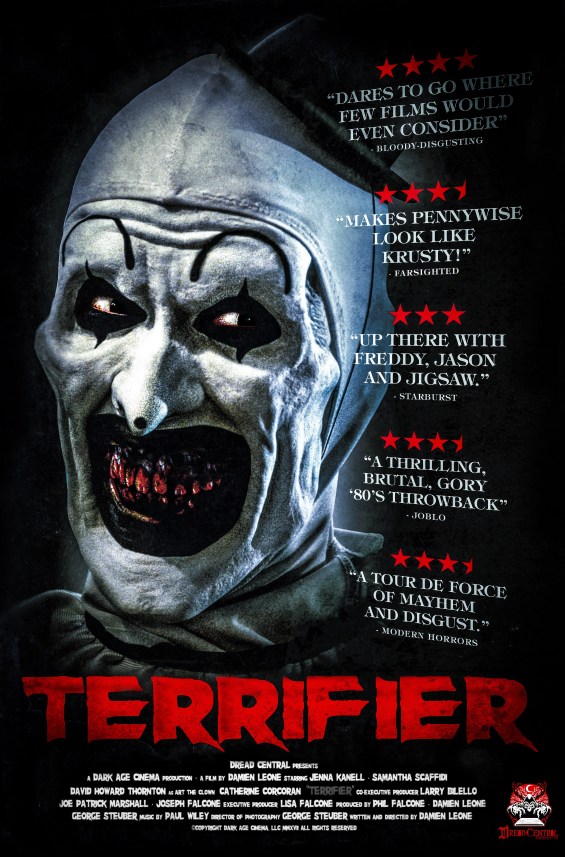
Grisly, taut and seasonally atmospheric, Terrifier, released in 2016, aims to pay homage to the inexpensive slasher flicks of the 1980s, relishing in the same simplistic approach and over-the-top gore that classic horrors like Friday the 13th and Blood Harvest specialised in. And while the film does admittedly fall prey to many of the usual limitations low-budget horrors tend to have, Terrifier is preserved through a genuinely terrifying performance from David Howard Thornton as Art the Clown, in addition to plenty of fantastically gruesome effects and a willingness from writer-director Damien Leone (All Hallows’ EveFrankenstein vs. The Mummy) to push on-screen violence to its limit.

Plot Summary: On Halloween night, Tara Heyes and her best friend, Dawn, find themselves in the wrong place at the wrong time as they become the unfortunate marks of Art the Clown, a demented serial killer with a morbid sense of humour…

With coulrophobia (the name allocated to the fear of clowns) being one of the most common phobias in the world, it makes sense that the horror genre would try to capitalise on this widespread fear of individuals with white face paint, comical horns and oversized shoes. And if there’s one area Terrifier more than thrives in, it’s fully realising this common phobia as Art the Clown is consistently frightening. The film jumps from moments of complete silence as Art stares down his victims to Art violently murdering the poor souls, showering the sadistic clown’s black and white costume with blood. Terrifier isn’t actually Art the Clown’s first appearance, however, as Damien Leone first introduced the character in his second short film, which not only shared the Terrifier title, but is practically the same storyline just condensed into a brief twenty-minute runtime.

Regarding the characters, the conceited Dawn, somewhat sensible Tara Heyes, and loyal sister, Victoria Heyes, portrayed by Catherine Corcoran, Jenna Kanell and Samantha Scaffidi, respectively, all serve an important purpose within the narrative. Yet, the characters themselves never attain a status beyond generic slasher victim, and although each of the actress’ screams of terror sound as suitably realistic as a director could hope for, the delivery of some lines (specifically from the supporting cast) feels rather clunky. But, the true star of the film is undoubtedly David Howard Thornton as Art the Clown, as Thornton ceaselessly stays in character as the psychotic, clown-dressed murderer, portraying Art as a fun-loving mime whose killings involve a combination of predatory sadism and joyful glee. So much so, that Art will make many audience members nervous purely due to his unpredictability, as the character’s manic actions make it almost impossible to predict what he’ll do next.

On a technical level, Terrifier is top-notch considering its thin budget, as whilst the cinematography by George Steuber is far from groundbreaking, the film has a reasonable amount of creative shots, the majority of which are enhanced by the film’s highly saturated colour palette, thin layer of granularity and scenes primarily lit by natural light, providing the film with an authentic low-budget ’80s appeal. And, as previously mentioned, Terrifier does not hold back when it comes to brutality and depravity, certifying the film as one not for the faint of heart as the gore effects are gut-churning and grotesque, with the amount of labour and detail that has gone into each effect being more than deserving of applause, especially when once again acknowledging the film’s budget, which is estimated to have been around £73,000.

The original score by Paul Wiley is a triumphant blend of 2010 and 1980s horror scores, with tracks such as In Pieces and Clown Car standing as daunting and metallic-sounding pieces similar to many modern horror scores, whereas tracks like Kill Horn and the film’s central theme, simply titled; Terrifier Theme, are reminiscent of the original Halloween score in more ways than one, which by no means a poor comparison when it comes to unnerving horror soundtracks.

These connections to past genre films continue further into the film’s visuals as Damien Leone inserts many explicit nods and visual tributes to everything from Psycho (1960) to Hostel (2005) to everything in-between. And, whilst some may not like when a film relies so heavily on pastiche, it never feels overdone in Terrifier, as the film strikes a satisfying balance between throwbacks and unique ideas, occasionally playing with the conventions of slashers by adding some twists to the killer and final girl dynamic, which will most definitely catch some audience members off-guard.

In summary, Terrifier has plenty of entertainment value should you fit into the film’s principal audience as this modern slasher is an unabashed reminder of the bloodthirsty horror films that populated the 1980s, a.k.a. the kind of nasty flicks that were banned during the video-nasty era. The film has its issue, undeniably, most notably with its shortage of interesting characters and often oversimplified story. But, Terrifier does make the most of its foreboding atmosphere and unsettling killer. While watching, it also quickly becomes clear that Damien Leone wants Art the Clown to join the ranks of Jason Voorhees and Michael Myers as a horror icon in the future, which I think is more than feasible given his appearance in Terrifier, so I’d say it really depends on how the horror community feel about the film years down the line. Rating: high 6/10.

terrifier-p1080489

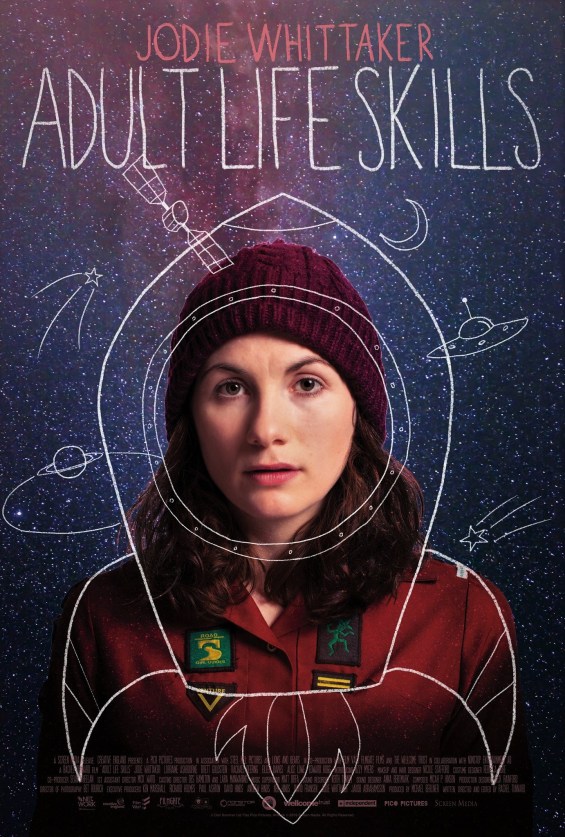
Adult Life Skills (2016) – Film Review

“I Think We Should Get Badges for Adult Life Skills; Changing a Car Tyre, Sewing, Sending Something Back at a Restaurant, Knitting…” – Brendan

Based on the BAFTA-nominated short; Emotional Fusebox, which premiered at the London Film Festival in 2014. 2016’s Adult Life Skills is the directorial debut of writer and director Rachel Tunnard, who was primarily an editor before writing and directing the original short film. And, while Tunnard’s lack of experience in these dual roles is evident, this low-budget coming-of-age comedy-drama hardly breaks new ground in its respective genres. The endearingly quirky story, distinct British charm, and tremendous performance from Jodie Whittaker all make Adult Life Skills well worth a watch.

Plot Summary: Deeply grieving from the death of her twin brother, twenty-nine-year-old Anna spends her days living in her mother’s shed, retreating into herself as she makes videos using homemade props and her thumbs as actors. But, on the eve of her 30th birthday, Anna meets a troubled little boy going through the same life-altering experience she did, a boy who may be the answer to getting her out of her year-long slump…

Originally titled; How to Live Yours (which has a reference in the film via the name of Anna’s website), Adult Life Skills first appeared at a film festival, just as its predecessor did. Only this time around, it was the 2016 Tribeca Film Festival, where Rachel Tunnard quickly won one of the top awards, the Nora Ephron Prize for Best Female Director. Yet, in my opinion, much of the allure of Adult Life Skills comes from its screenplay rather than Tunnard’s direction, as the dialogue is continuously both witty and dramatic, balancing moments of laughs and tears without ever feeling disjointed or unnatural, amplifying the film’s feeling of solace and upbeat tone thanks to its homespun, playful aesthetic.

Jodie Whittaker, who reprises her role from Emotional Fusebox, portrays Anna magnificently, rapidly jumping from one emotion to another as Anna’s method of grieving often manifests in her hiding away from her own life, locking herself inside her mother’s shed as she cherishes her brother’s old clothes and watches videos the pair made together during their younger days. Essentially, Anna is a character whose growth has been stunted by grief, and the story explores this concept of a person growing into adulthood with a piece of their identity personified in a lost sibling. This brilliant idea is only enhanced by Whittaker’s sublime performance. Needless to say, it takes her mother’s grumbling, her grandmother’s wisdom, and her best friend’s guidance to help bring her back into the real world, restoring her life to what it once was, and the supporting cast of Lorraine Ashbourne, Eileen Davies and Rachael Deering all do a great job of bringing these characters to life, despite some of the side characters being woefully underdeveloped.

One advantage Adult Life Skills has over many other British stories is its setting, as the film truly feels as if it couldn’t be set anywhere else. Breaking away from the typical locations where stories within the United Kingdom tend to be set, such as London, or less commonly, Manchester or Birmingham, in exchange for the remote Yorkshire countryside, a unique location that even helps to redeem the film’s overreliance on hand-held techniques when it comes to the cinematography by Bet Rourich, as Yorkshire has more than its fair share of natural beauty, even when the weather is rather gloomy.

Although there is no original score for the film (most likely due to budgetary restrictions), Adult Life Skills features several songs, both well-known and obscure. From Jesus Came to My Birthday Party to You Lost Sight of Me, Champions of the River Nile and Here I Go Again, every song that can be heard throughout the runtime fits the tone remarkably well, never once feeling inappropriate or unsuitable to the specific scene they are featured within.

In addition to being a comedy-drama, Adult Life Skills makes a few (unsuccessful) attempts towards being a romantic-comedy, as one of Anna’s close friends, the soft-spoken estate agent, Brendan, portrayed by Brett Goldstein, persistently speaks to Anna, trying to impress her with his comforting charm and handmade gifts. His efforts are ultimately pointless, however, as Anna’s jaded reactions to his kind gestures are due to Anna believing Brendan is homosexual. And, whilst this misunderstanding does result in a winsome relationship, this subplot suffers due to not being given enough attention, as the story instead places far more emphasis on Anna’s relationship with her mother and the young boy, Clint, who is surprisingly well-portrayed by the then-eight-year-old Ozzy Myers.

In summary, Adult Life Skills is a film that wears its oddball eccentricities on its sleeve, tackling weighty themes of grief, loneliness, and dealing with one’s emotions, while simultaneously maintaining its optimistic outlook. In many ways, Adult Life Skills is an undemanding film for those in need of something ‘comforting’ to watch. An easily watchable comedy-drama that is sure to put a smile on most viewers’ faces, despite its overly familiar ideas. Still, there’s no denying that Jodie Whittaker is the best thing about Adult Life Skills, as whenever the screenplay is lacking, Whittaker appears on-screen with confidence, fleshing out Anna as a sympathetic character and ensuring the audience remains emotionally invested in what is occurring narratively. Rating: low 7/10.

adult_life_skills_ver2_xxlg