Nocturnal Animals (2016) – Film Review

Part thriller, part drama and part literature fever dream, 2016’s ‘Nocturnal Animals’ may not appeal to every viewer, but those it will, it will certainly leave an impression, as this extremely underrated thriller led by some sublime performances from Amy Adams and Jake Gyllenhaal is incredibly dark and compelling from start-to-finish. Directed by former fashion designer turned director Tom Ford (A Single Man) and based on the novel; ‘Tony and Susan’ by Austin Wright, ‘Nocturnal Animals’ may not be flawless in its execution, but it is definitely worth a watch.

Plot Summary: An unhappy and lamenting art curator (Susan Morrow) begins to imagine herself within the pages of a novel manuscript sent to her by her former husband, whose negative associations of their relationship take on a fictionalised violent direction in a symbolic tale of revenge…

Split between two different storylines, one set in the real world and one set within the pages of the fictional crime novel. ‘Nocturnal Animals’ definitely has some changes in tone, as every scene with ‘Susan’ usually focuses on her broken marriage and current lifestyle, which feels very different when compared to the tense revenge story of the novel, and yet, neither of these stories ever feel dull, as they both are engaging for different reasons. Tom Ford also makes brilliant use of this structure, as for those more keen-eyed viewers, there are a variety of visual links between the two narratives, the most obvious of which being how ‘Susan’ imagines her ex-husband; ‘Edward,’ as the father character within the novel, meaning Jake Gyllenhaal takes on two separate roles.

The central cast of Amy Adams, Jake Gyllenhaal, Michael Shannon, Aaron Taylor-Johnson, Isla Fisher, Ellie Bamber and Armie Hammer, are all brilliant throughout the film as everyone one of the film’s characters gets plenty of development, usually all playing a crucial role within the film regardless of whichever storyline they are in. Although Jake Gyllenhaal does a pretty great job taking on two separate roles, the plot of the novel primarily takes place within the Texas desert, meaning the father character, ‘Tony Hastings,’ possesses a Texas accent, and whilst not terrible, it is a little inconsistent. This is quickly redeemed by the stand out performance from Aaron Taylor-Johnson as ‘Ray Marcus,’ however, as this usually vapid actor gives an amazing performance as a redneck delinquent, who is just as intimidating as he is erratic.

Although the cinematography by Seamus McGarvey is nothing extraordinary, there are still plenty of attractive shots throughout the runtime as the film uses its cinematography fairly effectively to create a contrast between the two stories, using an array of wide shots when focusing on the story within the novel adding too many of its tense moments, whereas the majority of the scenes within the real world mostly use a large number of close-ups and mid-shots to add to the film’s drama.

Without a doubt, however, my personal favourite aspect of the film is the original score by Abel Korzeniowski. Utilising an ensemble of violins, the score for ‘Nocturnal Animals’ is very memorable and excellently builds tension throughout the runtime as the soundtrack always remains very beautiful despite also feeling quite haunting. The original score even manages to capture the feeling of loneliness and sadness from ‘Susan’s storyline, with the tracks; ‘A Solitary Women’ and ‘City Lights,’ fitting this idea perfectly, yet neither of these two tracks beat out my personal favourite; ‘Revenge,’ referred to by most as the film’s signature track.

Throughout either of the two plots, the film is also filled with plenty of themes and underlying messages, many of which relate to the idea of expression through art, which does help distract slightly from the main issue I have with ‘Nocturnal Animals,’ this being the editing, although it may be intentional. At points, the editing throughout the film is rather fast-paced, cutting between shots rapidly, sometimes even using jump-cuts during some of the more drawn-out shots. If this style of editing was present continuously throughout the film, then perhaps it wouldn’t have been as noticeable, but as it was only occasionally, I personally found it quite distracting.

In summary, while ‘Nocturnal Animals’ may not be a shining masterpiece, but I do believe this film is very overlooked when it comes to thrillers, as the outstanding performances from the cast mixed in with the array of very tense moments and wonderful original score make for a genuinely gripping and interesting experience. So, whilst some audience members may not completely understand the themes and messages behind the story, I do feel this film will leave an impact on those it does appeal to. Final Rating: 8/10.

nocturnal_animals_ver5_xlg

The Nice Guys (2016) – Film Review

This ’70s throwback to classic buddy-cop comedy films hits all the right marks, as the fantastic chemistry between Russell Crowe and Ryan Gosling alongside the film’s great visuals and hilarious comedic moments, all make ‘The Nice Guys’ certainly worth a watch, whether you are incredibly fond of action-comedies or not, as I feel this humorous flick definitely deserves more attention.

Plot Summary: In 1970s Los Angeles, bumbling private eye; ‘Holland March,’ and muscle-for-hire; ‘Jackson Healy,’ become unlikely partners when they find themselves both looking for a missing woman, named; ‘Amelia,’ following the death of a high-profile porn star. ‘Amelia’s ties to the deceased actress are unclear, but as other members of the porn industry turn up dead, ‘March’ and ‘Healy’s investigation reveals a much bigger conspiracy than the duo could have ever anticipated…

Heavily inspired by action/comedy classics, such as ‘Lethal Weapon’ and ‘Rush Hour,’ ‘The Nice Guys’ is directed by Shane Black (Kiss Kiss Bang Bang, Iron Man 3, The Predator), who clearly brings all his love for this genre to the forefront. As, despite the film doing quite poorly in cinemas upon its initial release, the film is clearly a true passion project for Shane Black, being filled with the director’s usual style and classic witty dialogue from start-to-finish.

Russell Crowe and Ryan Gosling make an excellent pairing as ‘Jackson Healy’ and ‘Holland March’ throughout the film’s story, as both actors have an enormous amount of chemistry with each other and add plenty of humour into the plot through their interactions with their opposite, as well as ‘Holland’s daughter; ‘Holly March,’ portrayed by Angourie Rice, who is very sarcastic and angsty towards many of the other characters (which can become a little irritating after a while). Matthew Bomer, Margaret Qualley, Yaya DaCosta and Keith David also have small roles within the film, and are all decent, despite not being given much screen-time.

Philippe Rousselot handles the cinematography throughout ‘The Nice Guys,’ and although attractive throughout most of the runtime, the variety of shots is probably the weakest aspect of the film just down to elimination. Still, the cinematography does back-up the story very effectively, never taking the audience’s attention away from the mystery unravelling throughout the narrative. I also feel the film’s colour palette could’ve really added to the film’s visual flair more, as the colour palette doesn’t really delve much into the 1970s style aside from the occasional vibrant shot. However, the film does integrate ’70s style in its opening titles which I appreciated, as the Warner Brothers’ logo seen in the beginning of the film is the actual graphic Warner Bros. Pictures used during the 1970s for their films.

The original score by John Ottman and David Buckley fits the film’s style and time-period perfectly, as the soundtrack attempts to replicate the music of the time through its use of trumpets and a drum kit to add to many of the comedic moments and establishing shots, with the tracks; ‘Cars That Drive Themselves’ and ‘P.I. Life,’ being my two personal favourites (in addition to the film’s main theme). Many of the film’s action scenes do slightly weaken the score, however, as anytime the screen is filled with bullets and fist fights, the original score suddenly becomes a lot more generic.

The majority of the jokes throughout the film do land very successfully, in my opinion, as ‘The Nice Guys’ has a pretty wide range of comedy throughout its runtime. From the hilarious and quippy dialogue between the two main protagonists to the parodying of classic action tropes and even a little bit of slapstick thrown in for good measure, all of the comedy throughout the film is pretty inventive and ensures that the film is filled with humour for every kind of viewer.

Despite the film’s main focus being its humour, however, the action throughout the film is actually very well-executed, from a high-speed car chase through to chaotic shoot outs and bare-fist scuffles. ‘The Nice Guys’ nails it’s action scenes just as well as it’s jokes, as each action set piece is always exciting and brilliantly choreographed. My only real criticism of the film is probably it’s length, as I feel the film does go on for slightly too long nearing end of its story.

In summary, it’s a real shame many that audiences had no interest in ‘The Nice Guys,’ as although many would consider buddy-cop action flicks a dead genre similar to westerns. I personally feel we need more films like this, as bringing back these old kinds of stories really makes the film stand out amongst the complete onslaught of modern superhero blockbusters and generic horror scare-fests. So, although I feel a sequel to ‘The Nice Guys’ is very unlikely to ever be made, the mere mention of one as even a possibility still gets me excited to this day, as I would love to see these characters return to the silver screen. Final Rating: 8/10.

nice_guys_ver2_xlg

Hacksaw Ridge (2016) – Film Review

Serving as both an intense war film as well as the real-life biography of Desmond T. Doss, ‘Hacksaw Ridge’ is a respected Oscar-nominated film which deserves much of the praise it receives, as through the stand out performance by Andrew Garfield alongside the attractive cinematography by Simon Duggan and array of tense moments, ‘Hacksaw Ridge’ soon becomes a very emotional and memorable experience for any viewer, whether overly familiar with the war genre or not.

Plot Summary: After volunteering to enlist in the U.S. Army during World War II, American Army Medic Desmond T. Doss, who served during the Battle of Okinawa, refused to kill anyone, despite push-back from his superiors. Soon becoming the first man in American history to receive a Medal of Honor without firing a single shot on the battlefield…

Directed by Mel Gibson (Braveheart, The Passion of the Christ, Apocalypto), ‘Hacksaw Ridge’ is most effective when displaying war at its most brutal, never turning away from displaying the graphic violence and horrific destruction World War II inflicted on many people’s lives, and while the film can sometimes go a little too far when it comes to its gore (feeling a little tasteless and over-the-top at points). I did find ‘Hacksaw Ridge’ more engaging than many similar films within the war genre, and the grim atmosphere the film presents is sure to keep any audience member constantly on the edge-of-their-seat.

The main cast of Andrew Garfield, Teresa Palmer, Hugo Weaving, Rachel Griffiths and Luke Bracey are all phenomenal, with Garfield, in particular, delivering a fantastic performance as Desmond T. Doss. Never failing to portray him as a likeable and brave man thrown into the dark world of war, despite a huge amount of scenes being left on the cutting-room floor as a result of time, which I feel is a shame, as the film isn’t overly long and could’ve benefitted from a few more moments of characterisation. However, ‘Hacksaw Ridge’ also features some extremely peculiar choices when it comes to the supporting cast, as Vince Vaughn and Sam Worthington both portray strict war camp generals early on in the story, which in spite of them both giving fairly decent performances within their roles, I couldn’t help but feel their characters could’ve been better cast.

Although the cinematography by Simon Duggan isn’t anything overly incredible throughout the runtime, the film does have a number of visually pleasing shots, in addition to the film utilising an array of hand-held shots to further the film’s presentation of the uncontrollable chaos of war. Unfortunately, despite not being used heavily throughout the film, the shots involving CGI that we do see could definitely do with some improvement, as the CG effects for the film’s enormous battleships and fiery explosions do look a little unusual when compared to the film’s time-period-accurate battlefront.

The original score by Rupert Gregson-Williams is one of the stronger elements of the film, however, as the soundtrack helps to build tension throughout the story, in addition to being surprisingly memorable. Although, in my opinion, I always felt the score never quite managed to build tension as well as the score for ‘Dunkirk,’ or had the huge emotional impact as the original score from one of the definitive war films; ‘Saving Private Ryan,’ which stopped the soundtrack from reaching the heights it truly could. That being said, the late James Horner was initially attached to the film after being the composer for much of Gibson’s other work. But, after Horner’s untimely death, another composer was brought on before Rupert Gregson-Williams was eventually finalised on, so the film’s soundtrack has been through a very rough-road of development.

One area of the film I feel is fairly underappreciated is the make-up and costume design, as every horrific injury seen throughout the film always appears realistic and looks extremely painful, whilst every costume also feels very accurate to the film’s time-period, almost making the film appear as if the production actually took place during World War II itself. These elements also help make-up for some of the weak writing early on in the film, as whilst the film’s writing isn’t awful by any means, a large amount of the dialogue could be seen as a little cheesy/cliché when it comes to developing the film’s characters.

In summary, ‘Hacksaw Ridge’ is one of those rare films that is both entertaining and distressing, whilst it isn’t quite perfect in its execution, mostly due to its few small issues in regards to its writing, excessive violence and supporting cast. I still feel all of these problems are mostly minor when compared to the remainder of the film, as ‘Hacksaw Ridge’s brilliant war-torn visuals and tense atmosphere on top of the memorable and charismatic performance by Andrew Garfield, leave ‘Hacksaw Ridge’ a captivating biopic I feel many should see at least once. Final Rating: low 8/10.

hacksaw_ridge_xxlg

Beautiful Shots in Cinema – Film List

Throughout history, there have been many captivating shots in cinema that inventively visualise the stories they are illustrating, thoroughly enthralling the audience in their stories by combing imaginative framing/composition with an attractive colour palette and exceptional lighting. Some shots even go so far as to convey the narrative behind a certain character, item or location merely through a single image, becoming commemorated in the annuals of cinema for decades to come. Here are a few of my personal favourites…

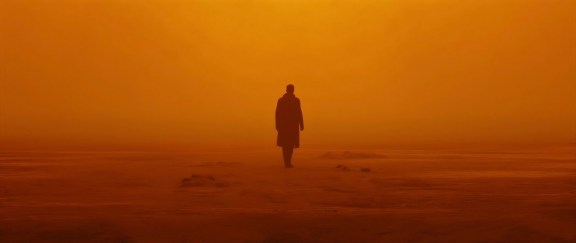
Blade Runner 2049 (2017) – Cinematographer, Roger Deakins

bladerunner042-transformed

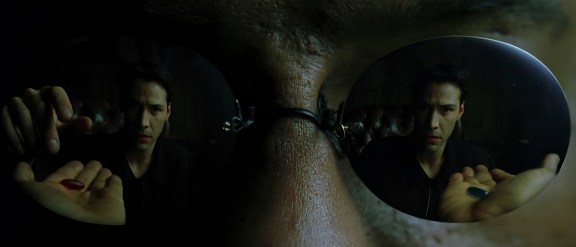
The Matrix (1999) – Cinematographer, Bill Pope

thematrix015-transformed

Jaws (1975) Cinematographer, Bill Butler

32_20(537)-transformed

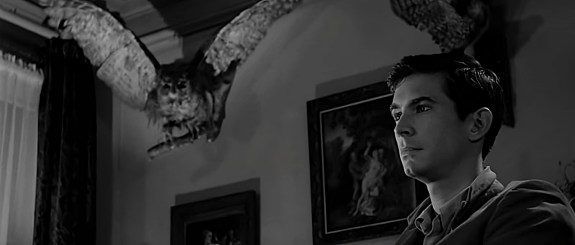
Psycho (1960) – Cinematographer, John L. Russell

original-7442-1438603390-17-transformed

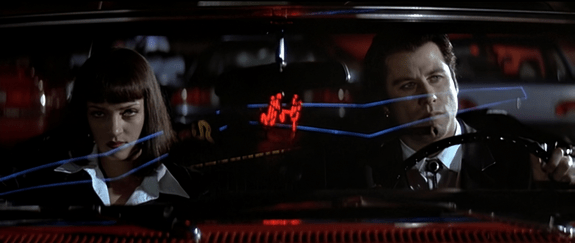
Pulp Fiction (1994) – Cinematographer, Andrzej Sekula

untitled-eBeqJws9A-transformed

Raiders of the Lost Ark (1981) – Cinematographer, Douglas Slocombe

24_20(855)-transformed

The Revenant (2016) – Cinematographer, Emmanuel Lubezki

revenant018-transformed

American Beauty (1999) – Cinematographer, Conrad Hall

original-7438-1438602110-3-transformed

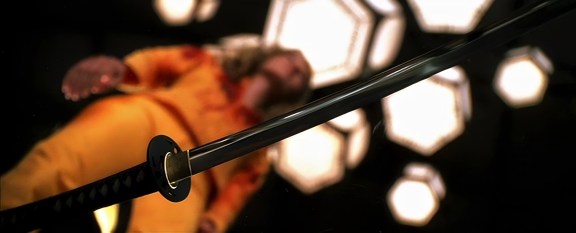
Kill Bill Vol. 1 (2003) – Cinematographer, Robert Richardson

44_20(548)-transformed

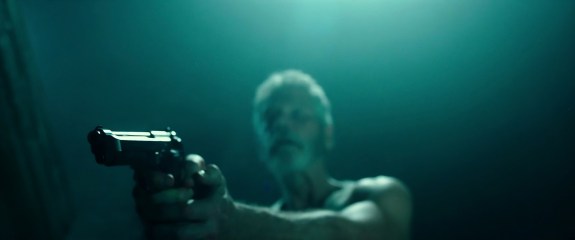
Don’t Breathe (2016) – Cinematographer, Pedro Luque

dontbreathe033-transformed

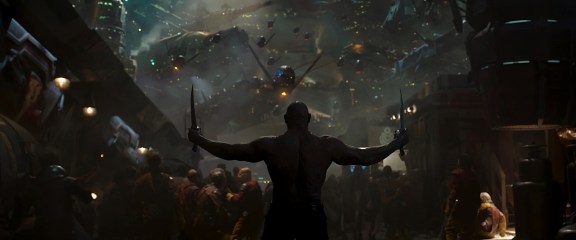
Guardians of the Galaxy (2014) – Cinematographer, Ben Davis

36_20(436)-transformed

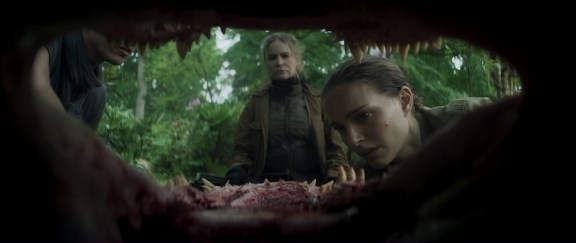
Annihilation (2018) – Cinematographers, Rob Hardy and Robert Hardy

annihilation017-transformed

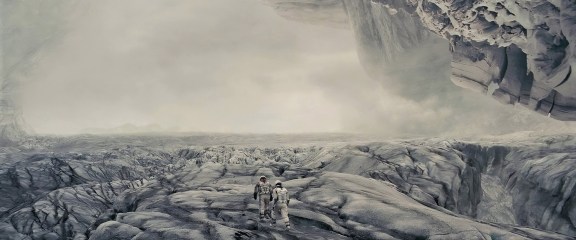
Interstellar (2014) Cinematographer, Hoyte Van Hoytema

38_20(511)-transformed

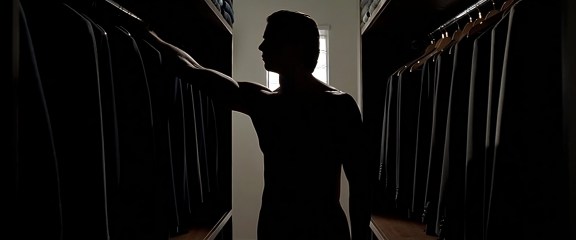
American Psycho (2000) Cinematographer, Andrzej Sekuła

59_20(64)-transformed

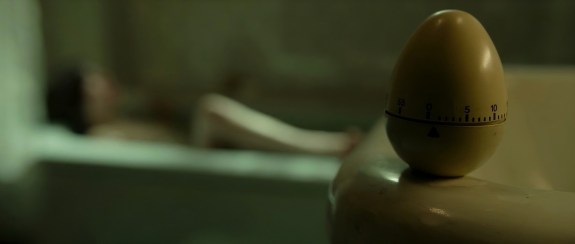
The Shape of Water (2017) Cinematographer, Dan Laustsen

shapeofwater009-transformed

E.T. the Extra-Terrestrial (1982) Cinematographer, Allen Daviau

35_20(358)-transformed (2)

2001: A Space Odyssey (1968) – Cinematographers, Geoffrey Unsworth and John Alcott

original-9572-1438602103-3-transformed

The Road (2009) Cinematographer, Javier Aguirresarobe

30_(1168)-transformed

Life of Pi (2012) Cinematographer, Claudio Miranda

untitled2-transformed

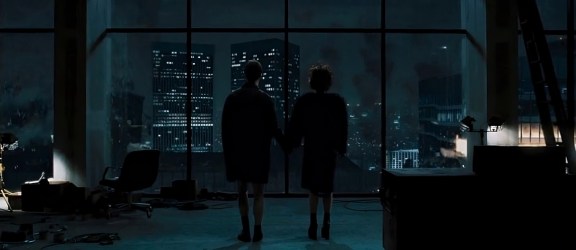
Fight Club (1999) Cinematographer, Jeff Cronenweth

original-26729-1438602891-17-transformed

The Shining (1980) – Cinematographers, John Alcott and Martin Kenzie

original-19759-1438607089-3-transformed

Scott Pilgrim vs. The World (2010) – Cinematographer, Bill Pope

01_20(888)-transformed

A Nightmare on Elm Street (1984) – Cinematographer, Jacques Haitkin

original-8948-1438603239-3-transformed

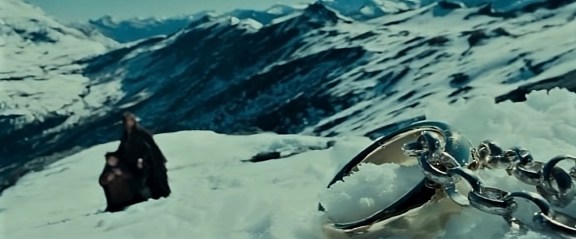
The Lord of the Rings: The Fellowship of the Ring (2001) – Cinematographer, Andrew Lesnie

50-most-beautiful-cinematic-shots-17jpg-transformed

Birdman or (The Unexpected Virtue of Ignorance) (2014) – Cinematographer, Emmanuel Lubezki

birdman-670x328-transformed (1)

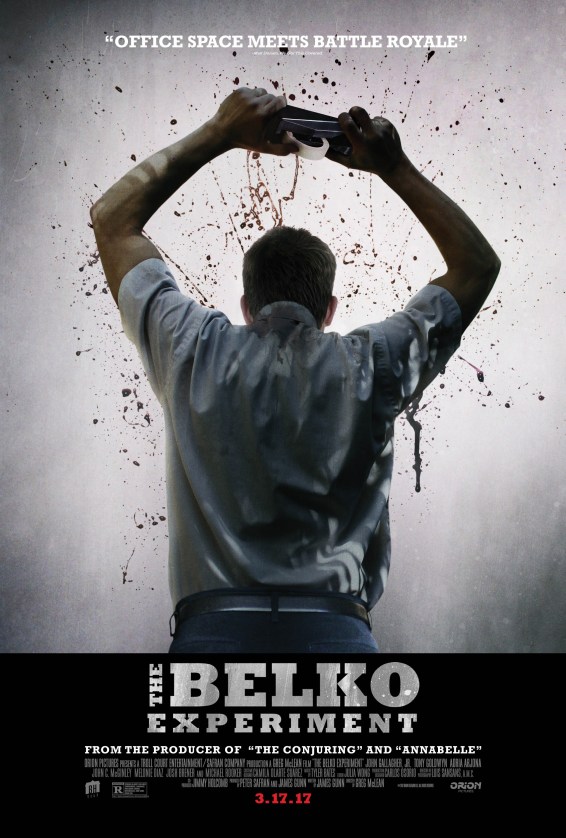
The Belko Experiment (2016) – Film Review

An intense thriller with elements of dark comedy thrown-in for good measure, ‘The Belko Experiment’ is written by ‘Guardians of the Galaxy’ and ‘Slither’ director James Gunn, and directed by Greg McLean (Wolf Creek, Rogue, Jungle). A strange combination which works surprisingly well, in my opinion, as it results in a tense, unique and fast-paced corporate thriller.

Plot Summary: In a twisted social experiment, eighty American employees are locked in their high-rise corporate office building in Bogotá, Colombia, and ordered by an unknown voice coming from the company’s intercom system to participate in a deadly game of kill or be killed. Throwing every employee into a state of panic and a question of morals…

As you can probably guess from a quick pitch of the plot, the film doesn’t hold back from throwing the audience straight into the gory chaos after only about ten to fifteen minutes of screen-time. From here, the film continues to build tension and a dreading atmosphere throughout the remainder of the film. At many points, ‘The Belko Experiment’ also dips its toes into the realm of dark comedy, not too surprising as writer James Gunn was originally set to direct as well. However, when it was time to begin filming, Gunn withdrew, deciding he didn’t want to spend several months working on such a violent film, leaving Greg McLean to bring his screenplay to the big screen.

John Gallagher Jr and Adria Arjona are the main two protagonists of the film, as well as Tony Goldwyn and John C. McGinley as the antagonists, who, are all great in their varied roles, due to there being an entire building worth of employees involved in the story, however, there’s an enormous amount of characters, which, of course, means barley any of characterisation for most of them aside from a couple of lines or the occasional scene.

Whilst the cinematography by Luis David Sansans isn’t any overly impressive, it is decently pleasing throughout the runtime and does manage to show off many of the practical gore effects within the film to their best extent. The same can not be said for the CG effects throughout the film, however, as despite not always being noticeable, there are a few moments where the CGI becomes extremely obvious due to the film’s smaller budget and can take the viewer out of the film for a moment or two. In addition to this, the original score by Tyler Bates is not very memorable or unique despite doing a decent job of building tension throughout the film, as the soundtrack rises and changes over time to fit the more tense and chaotic feel of the narrative. However, the score can also feel a little out-of-place when some of the more comedic scenes come into play, but this issue is also noticeable when it comes to the tone of the film, as despite much of the comedy actually working fairly well, the film sometimes changes from horrific imagery to humour a little too quickly.

One of the main elements of the film is obviously the gory deaths, as the story resolves pretty much completely around the deaths of the various characters, and while the film does have a few memorable moments and kills. I was a little dissatisfied with the variety, as the majority of the characters seem to die simply from gunshots, rather than the film getting creative and making better use of the office location it’s set in, perhaps by having characters use office/everyday equipment and supplies as improvised weapons.

As you may also expect with a violent setup such as this one, ‘The Belko Experiment’ also delivers on plenty of underlying themes and messages. Focusing mostly on how we react as humans to traumatic events and give in to our most primal instincts and selfish desires, and while I do wish these ideas were delved into a little further. They are present throughout the film regardless, and I did find the way the film explored the ideas of human survival pretty interesting. Even my personal favourite scene in the film (which takes place in the main reception of the building) excels at expressing these themes in pretty a brutal way.

In summary, if all you’re searching for on your Saturday night is a bit of gory, comedic excitement with a few underlying themes mixed in good measure. Then, ‘The Belko Experiment’ happily delivers, as the film is an enjoyable thrill-ride with some quick pacing and practical gore effects, regardless of some of its weak characters, CG effects and relatively simplistic story. Although it may not appeal to all, for me, I feel it’s a decent viewing experience. Final Rating: 7/10.

belko_experiment_xxlg

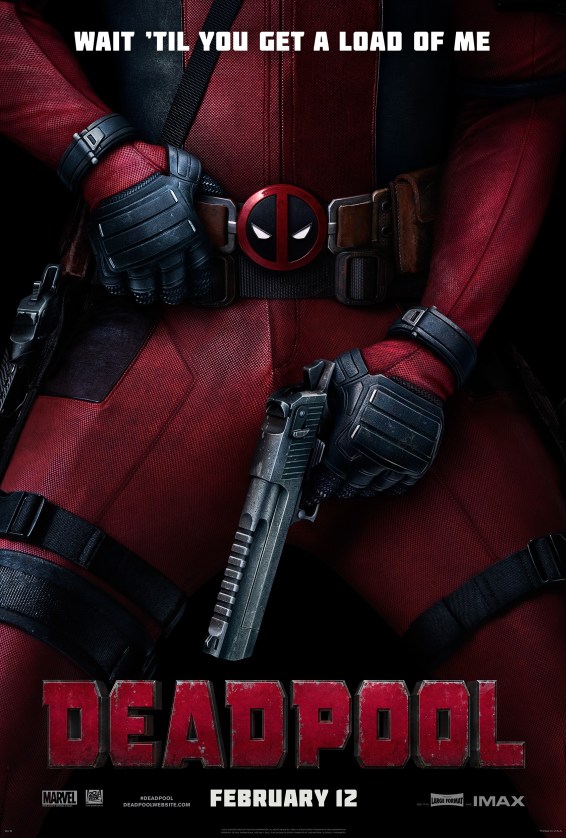
Deadpool (2016) – Film Review

Extremely meta, violent and hilarious from start-to-finish, ‘Deadpool’s first on-screen appearance is exactly what hardcore fans of the character would want from their favourite potty-mouthed anti-hero. Despite being made on a lower budget than the most superhero blockbusters, ‘Deadpool’ still manages to avoid the variety of issues that may come from this by having a ‘different’ kind of appeal for superhero fans.

Plot Summary: After the wisecracking ex-mercenary; ‘Wade Wilson,’ volunteers for an experiment to save his life from cancer, only to awaken superpowered and immortal… but also very ugly, ‘Wade’ begins to track-down the man who ruined his good-looks, and execute his revenge…

Despite the narrative being very simplistic, the story is actually surprisingly engaging. Giving the audience plenty of exciting action scenes, whilst still delivering on a decent romantic subplot between ‘Deadpool’ and his girlfriend, ‘Venessa,’ even managing to give the anti-hero a decent character arc by the end of the runtime.

Morena Baccarin, Ed Skrein, T.J. Miller and Stefan Kapicic are all decent in their respective roles, with Ryan Reynolds, who, portrays the protagonist; ‘Deadpool,’ extremely well, also having a hand in the production process, being a producer on the film as well as having a large impact on the screenplay, and I definitely feel he is a big reason as to why the film works as well as it does, as it’s clear that Reynolds works very well with director Tim Miller, who, I personally know for his work on Netflix’s sci-fi/horror/action anthology series; ‘Love, Death + Robots.’

The cinematography by Ken Seng is nothing spectacular, but it does have its moments. In a similar way to the editing, the cinematography can even be used for a little gag at various points within the film. The original score by ‘Junkie XL’ or Thomas Holkenborg, best known for his work on ‘Mad Max: Fury Road’ and ‘Batman vs. Superman: Dawn of Justice,’ really helps back up the exciting over-the-top tone of the film, combing a rock-like soundtrack with minor, almost dubstep elements, which works perfectly for many of the action scenes throughout the runtime.

The film also delivers on plenty of the meta jokes fans would expect from this character, having many references to Ryan Reynolds past career choices, other characters from the Marvel universe, and even past iterations of ‘Deadpool’ himself, which I really enjoyed. Unfortunately, due to the film’s smaller budget, the film can have some distractingly rough visuals. Having many action scenes with tons of CGI, along with plenty of explosions and gore effects. I found myself sometimes be taken out of the film through the overuse of these visual effects. However, on a more positive note, having a smaller budget than most superhero flicks is also often used for short gag by ‘Deadpool’ himself.

Of course, with a character as loud and over-the-top as ‘Deadpool,’ it’s always possible that not everyone would find the character so likeable and funny, as sometimes the constant bombardment of humour can be overwhelming, and in large doses, I could definitely see ‘Deadpool’ becoming very irritating for some. This is really one of the only complaints I have with the film, however, and after watching this film’s underwhelming sequel; ‘Deadpool 2.’ It’s fair to say I found myself missing the original, mostly for its originality and structure.

In summary, ‘Deadpool’ delivers on what everyone would expect to see from a film like this. It’s not perfect of course, but the film does always manage to be funny, gory and exciting throughout. Not landing every joke of course, but making the audience burst into tears with every joke that it does. Overall, a great comedy/comic book flick, and I really hope films, such as ‘Deadpool,’ ‘Logan’ and ‘The New Mutants’ (should it ever be released), continue to greenlit in upcoming years, as with how oversaturated the superhero genre is today, it could really do with some more variety, now and then. Final Rating: 8/10.

deadpool_ver4_xxlg

Hell or High Water (2016) – Film Review

From the writer of ‘Sicario’ and the director of ‘Starred Up,’ ‘Hell or High Water’ is a tense crime film which feels like more a traditional western on first watch, mostly through its great use of its cast, fantastic original score and classic setting. The film is a heavy slow-burn for the most part, as the story builds up for most of its runtime, eventually leading to its intense climax, which despite being short, does feel satisfying to watch, the entire film overall is truly a brilliant example of a modern-day western.

Plot Summary: A divorced father and his ex-con older brother resort to a desperate scheme in order to save their family’s ranch in West Texas. Robbing as many banks as they can all across the county while remaining one step ahead of the authorities that are hunting them down…

On my first viewing, the film felt very similar to the Coen Brothers’ ‘No Country for Old Men’ (which the film seems heavily inspired by), as the story is very engaging and surprisingly also has a nice blend of dark comedy mixed in with a lot of drama and tension. Not really focusing on action, the film spends more time building up tension and atmosphere. Near the end of the runtime, however, we do see some action, which is relativity well done and does feel very grounded.

Chris Pine, Ben Foster, Jeff Bridges and Gill Birmingham all give fantastic performances here and keep the audience engaged throughout the runtime, which is even more impressive when you look further into their characters, as I personally feel their characters could’ve done with a little more development, as they do get bits and pieces but nothing really major, and the lack of any kind of character arc for Chris Pine’s character; ‘Toby Howard,’ really irritated me. However, the rest of the writing here is pretty great for the majority of the film.

The cinematography by Giles Nuttgens is one of the film’s better aspects, truly utilising the location of Texas for its isolation and beauty. Usually then switching to more chaotic hand-held camera movement during the few action scenes, which I think works effectively. However, I do feel the cinematography could be improved, as there weren’t a large number of shots I was incredibly impressed by throughout the film. Interestingly, even though the story is set in Texas, not a single scene was actually filmed there, aa due to State Legislature removing tax incentives, the film was actually shot in New Mexico.

Nick Cave and Warren Ellis are responsible for the original score, which is possibly my favourite element of the film, really adding to the modern western feel the film is going for, as well as backing up many of the more emotional or tense scenes. The soundtrack here is definitely one of my favourite elements of the film, the film however also makes great use of various songs. Having a variety of country songs play over different scenes throughout the film, quickly setting the tone and establishing the story’s setting early on.

In summary, ‘Hell or High Water’ is a compelling crime thriller and neo-western, for any classic western fan I would say this is a definite watch. As for more casual viewers, I could see the slow-burning pace being a bit of a turn-off, despite it being used to build tension effectively. Backed-up by its great cinematography and original score, the film makes up for its lack of character depth and exciting action in the long run. Final Rating: 8/10.
hell-or-high-water-poster

The Girl With All the Gifts (2016) – Film Review

‘The Girl With All the Gifts’ released in 2016 and based on the novel of the same name by M. R. Carey, is another zombie story, this time attempting to focus more on young children and how they would cope with an infection wiping out all of humanity, as well as leaning more towards the ‘fungus’ side of infections when it comes to some of the film’s visuals and ideas, and while I appreciate the attempt to turn this narrative into a film. I don’t think it was incredibly successful in the long-run.

Plot Summary: In a dystopian future where humanity has been ravaged by a mysterious fungal disease, humanity’s only hope is a small group of hybrid children who crave human flesh while still retaining the ability to think and feel. But when their base is later attacked, a teacher, a scientist and a group of soldiers must embark on a journey of survival with a special young girl…

Directed by Colm McCarthy, the idea of a group of characters going on a dangerous journey is a pretty standard outline for an apocalyptic story, sadly however, ‘The Girl With All the Gifts’ doesn’t manage to improve much on this structure as many of the decisions throughout the film were pretty strange, to say the least, as the film flips back and forward between horror and drama rapidly within some scenes (sometimes even implementing comedy as well). As a result of this, the film’s tone is very inconsistent, and can really take the viewer out of the story at points. Even the name given to the zombie-like creatures within the film; ‘The Hungries,’ I personally found a little too-ridiculous.

Sennia Nanua portrays the main character of the film; ‘Melanie,’ a young girl with the abilities of ‘The Hungries’ that still retains her human mind, and while I think her character is definitely interesting, I don’t feel her performance is up-to-par here. As she was only thirteen during filming, many of the emotional scenes with her feel very unbelievable. Alongside this, there are a variety of scenes with her character acting like a wild animal as her hunger continues to grow, most of which I found unintentionally hilarious. Perhaps if she was a little older when filming began this could’ve been avoided, although the weak writing also doesn’t help. The supporting cast do redeem this somewhat, however, as Gemma Arterton, Paddy Considine and Glenn Close are all fairly excellent within their roles.

The cinematography by Simon Dennis is easily my favourite element of the film, as there are many stunning shots throughout the runtime, as every shot really lends itself to many of the film’s more impactful or beautiful scenes, with the brilliant make-up effects and great set design also adding toward this, which is especially surprising considering the film’s budget, which was actually a lot smaller than many other zombie flicks. This does, unfortunately, affect the CG effects throughout the film, however, as a variety of shots throughout the story have some very out-of-place looking CG visuals.

The wonderful original score by Cristobal Tapia de Veer is another element of the film I also really enjoyed, as the soundtrack is very atmospheric and really adds to many of the tense scenes throughout the film, very similar to the composer’s other scores, with Channel 4’s ‘Utopia’ and Netflix’s ‘Dirk Gently’s Holistic Detective Agency’ being some great examples, with the tracks; ‘Gifted’ and ‘Pandora,’ being my personal favourites purely for how unique they sound. 

In summary, ‘The Girl With All the Gifts’ isn’t the worst zombie film I’ve ever seen, as the story does have some interesting elements and the cinematography and original score are pretty on point throughout the film, but sadly, the poor writing and laughable main performance combined really drag the film down for me. Final Rating: high 5/10

girl_with_all_the_gifts_xxlg

What Happened to Pixar Animation? – Film Discussion

Whatever happened to the beloved animation studio, Pixar Animation?

Pixar Animation used to create some phenomenal animated adventures that the entire family could enjoy, regardless of their age. Mixing brilliant storytelling with beautiful animation and incredibly memorable characters, each film never failed to stand out amongst the rest. Some of the films, like ‘Monsters, Inc.’ or ‘WALL-E,’ for example (two of my personal favourite Pixar films), really got creative with their own narratives and fleshed out their individual worlds. However, in recent years, I’ve noticed a severe downgrade in the quality of their films, as it seems ever since the release of ‘Toy Story 3’ back in 2010, Pixar has had a real reliance on sequels, prequels and spin-offs over original films. While still mostly enjoyable, I have noticed the storytelling, character arcs and world-building all seem to be lacking when compared to their earlier films.

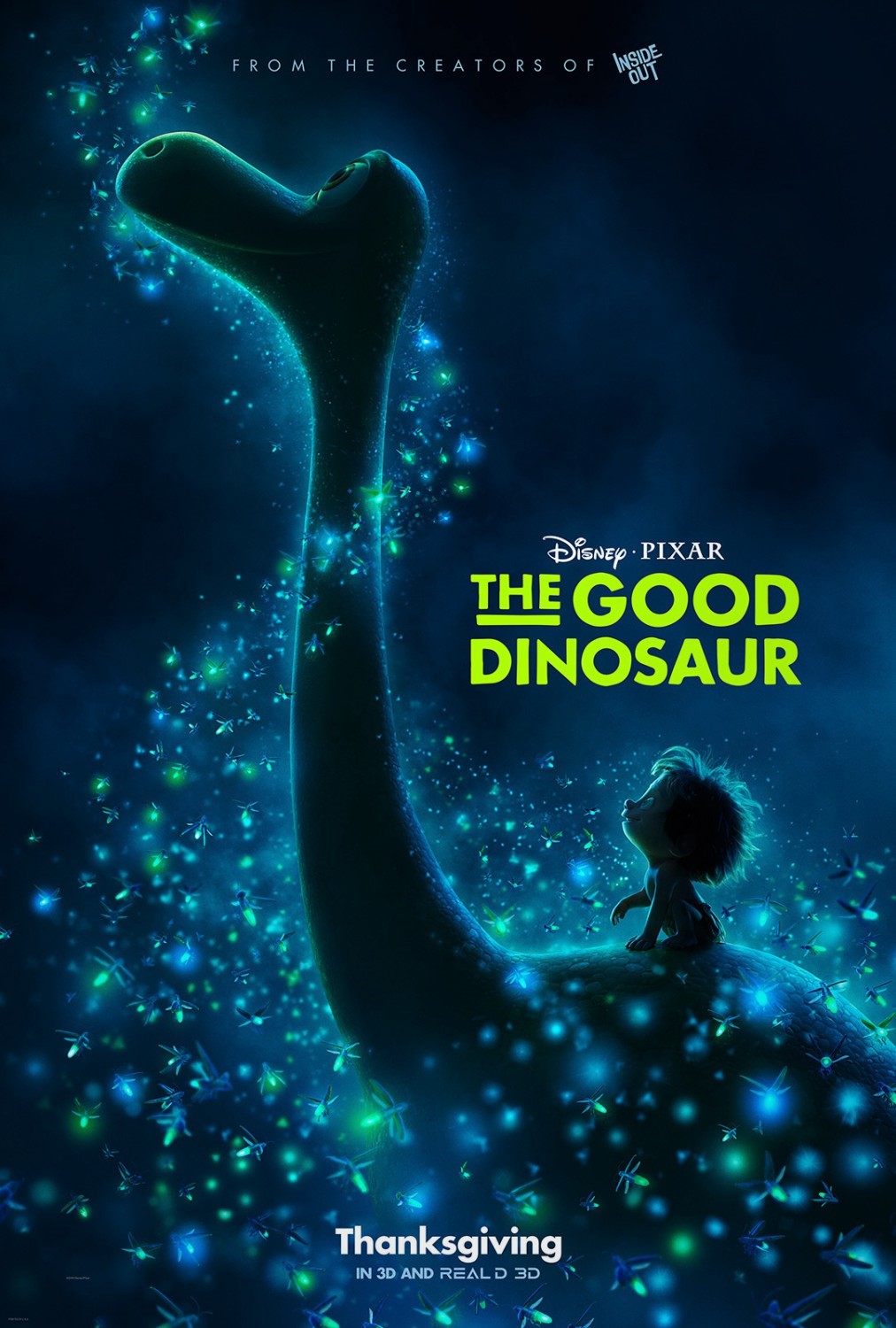
In recent years, films such as ‘The Good Dinosaur,’ ‘Monsters University,’ ‘Brave,’ ‘Finding Dory,’ the ‘Cars’ sequels/spin-offs and, of course, the upcoming ‘Toy Story 4.’ Have all ranged from sub-par through to simply awful, the ‘Cars’ series, of course, being the best example of this as this series has always been Pixar’s black sheep. Never truly having the magic that makes Pixar special, always feeling like more of a cash-grab than anything else. ‘Cars 2’ being the most prominent example of this, as this film is one of Pixar’s only poorly reviewed films to date. The ‘Cars’ series has always felt very immature to me, although I didn’t hate the original film, it’s definitely no one’s favourite. In regard to Pixar’s other sequels; ‘Finding Dory’ and ‘Toy Story 4,’ ‘Finding Dory’ is nothing more than a reskinned ‘Finding Nemo,’ except for a few amusing characters; the film has nothing more really to offer. Despite having fantastic reviews from critics for some reason, the film was never anything other than a massive nostalgia slap for me. As, of now, ‘Toy Story 4’ hasn’t yet been released, but I feel when it does it’ll be another film with great reviews, but with nothing truly memorable about it, as I personally believe the ‘Toy Story’ trilogy concluded so satisfactorily, I don’t truly don’t understand why they feel the need to continue that story other than profit.

‘Monsters University’ is probably my favourite of Pixar’s recent continuations of their old stories, although I don’t think the film reaches the heights of ‘Monsters, Inc.’ due to less originality and a lack of adult themes. I do still think the film is very witty, and it does explore the monster world further. It’s one of the few films I can say where it feels there was true thought put into it, as it doesn’t just lean on the legacy of the previous film. Finally, we come to Pixar’s original films. This being ‘The Good Dinosaur’ and ‘Brave,’ now whilst I don’t think these films are awful per se. They simply just aren’t that memorable. ‘Brave’ has a few amusing moments and an interesting setting, but falls more into classic 2D animated stories at points. As for ‘The Good Dinosaur,’ it’s simply a ‘returning home’ story, with nothing of note at all other than the nice animation. It seems most people agree with me on this one, too, considering it’s very low box office return.

Now, of course, there are some recent exceptions, Pixar’s ‘Inside Out,’ ‘Coco’ and last year’s ‘Incredibles 2,’ which I did enjoy very much. These films proved to me that Pixar still has some great stories in them, although these films aren’t perfect and I wouldn’t rank them as high as the classic Pixar films personally, they definitely show potential. I would love to see more original animated films like this from Pixar. Considering how much money ‘Coco’ made when it was released, it’s clear they still make money just from the Pixar name alone. So, why do they feel the need to rely on sequels? Many people would point to Disney pulling their leg, and although I could believe that. I also think it’s due to Pixar simply becoming uninterested; they now think of themselves as the animation giants the audience believes they are. This means they no longer take risks and are comfortable simply gaining profit from their previous franchises.

This could also be due to a lack of original ideas; of course, Pixar simply feels more comfortable returning to their previous stories. But, considering some of their big competitors such as DreamWorks Animation, Blue Sky Animation, Warner Bros. Animation and Illumination Animation are all still pumping out original films (granted, not all quite to the usual Pixar standard). Films, such as ‘Captain Underpants: The First Epic Movie,’ ‘Ferdinand,’ ‘The Lego Movie’ and ‘Despicable Me’ are all still very enjoyable to watch. Some of these films even made a pretty big box office return, with the ‘Despicable Me’ spin-off; ‘Minions,’ becoming one of the highest-grossing animated films ever, earning over £900 million. Even the company that teamed up with them (that being Disney) are beating them recently when it comes to original animated flicks, with Walt Disney Animation Studios’ ‘Zootopia,’ being one of my favourite films of 2016.

In summary, what happened to Pixar Animation is very clear to me. They simply got lazy, focusing far more on wanting to make a large profit rather than giving their audience new, exciting stories. The company isn’t completely dead; films like ‘Coco’ and ‘Inside Out’ clearly prove there is still talent there. But, with the older writers, directors and animators now backing down from the company so newer faces can arise. I’m concerned that Disney and Pixar executives may continue to push for more sequels, prequels and spin-offs with the knowledge that the films will always make money regardless of their quality. This is mostly why I fear for ‘Toy Story 4,’ as even though I really hope the film is great, I currently have a lot of doubts in my mind about it. Pixar, however, has also recently brought out a trailer for their next film following on from ‘Toy Story 4,’ titled; ‘Onward,’ which does appear to be a completely original story focusing on elements of fantasy and adventure. So, perhaps not all is lost for the iconic animation company just yet, but only time will tell, I suppose.

good_dinosaur_ver3_xlg

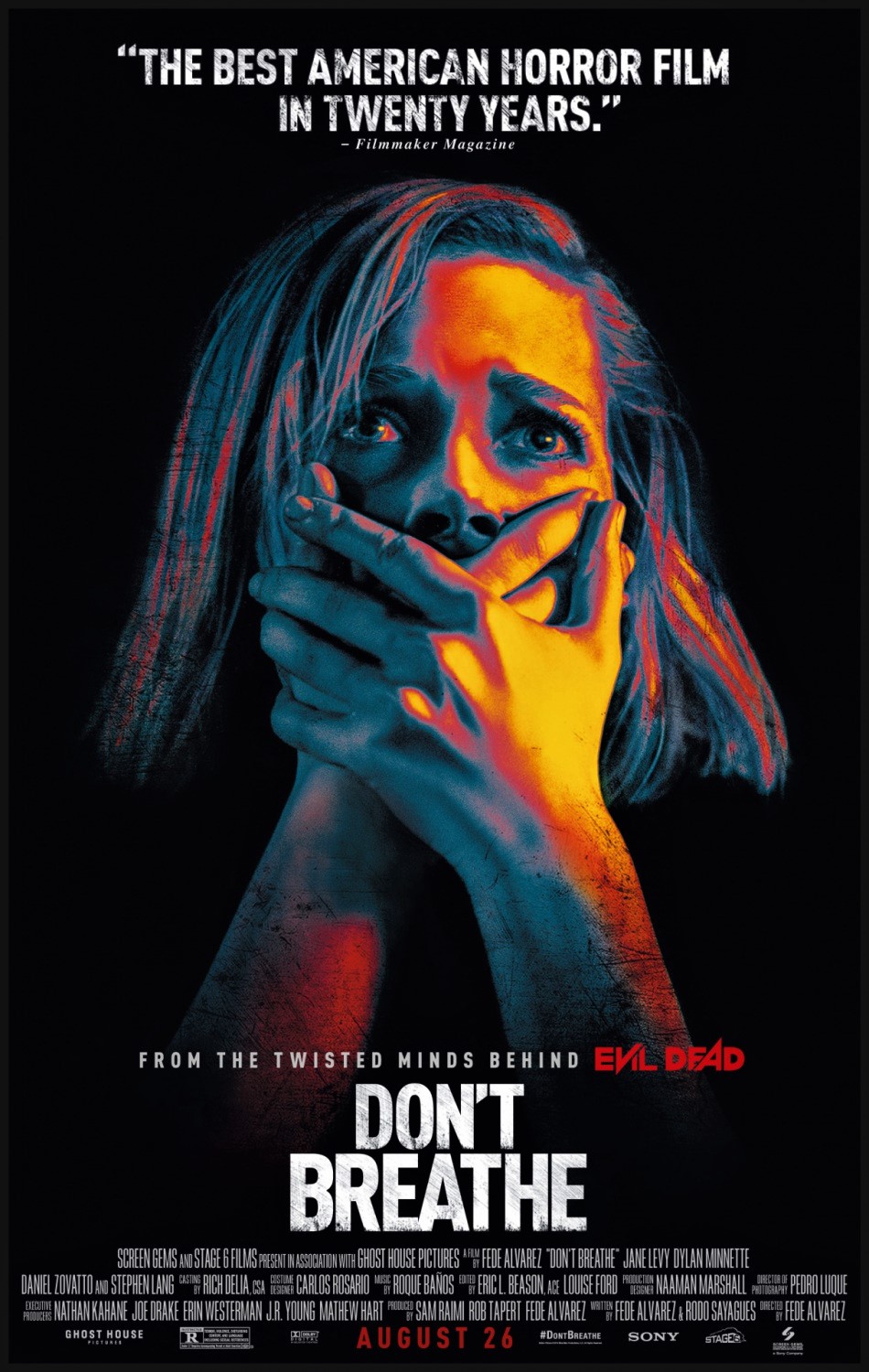
Don’t Breathe (2016) – Film Review

Truly a visual treat when it comes to the film’s lighting and attractive colour palette, ‘Don’t Breathe’ is the second big-screen outing for director Fede Alvarez after he took on the extremely gory ‘Evil Dead’ remake a few years prior. Through its original story, incredibly tense atmosphere, brilliant cast as well as iconic horror director Sam Raimi on board as a producer, ‘Don’t Breathe’ manages to constantly remain both entertaining and thrilling in spite of nearly all its runtime taking place within a single location.

Plot Summary: When a trio of thieves break into an elderly blind man’s home in an attempt to steal the loan given to him as a settlement for his daughter’s death. They soon begin to realise that the old man isn’t as helpless as first seems, leaving the group to find a way out before it’s too late…

This simple yet unique plot is truly ripe for creating tense moments, as the film utilises its main location of the ‘Blind Man’s house to the best of its advantage. Having the trio of characters make their way through the house’s tight corridors and dark rooms with plenty of extremely close encounters with the blind old man. Even having to hold their breath at points so he can’t hear them breathe (as the title of the film implies). Alongside this, ‘The Blind Man’ also has a pet Rottweiler, which lends itself to creating even more intense scenes as the characters get pursed by the vicious canine. Who was actually portrayed by three different dog actors, named; Athos, Astor, and Nomad, respectively.

Stephen Lang, best known for his role as ‘Colonel Miles Quaritch’ in 2009’s ‘Avatar,’ portrays the film’s antagonist only ever known as ‘The Blind Man,’ and does a phenomenal job of it. Giving the audience an almost sympathetic view of the character through his innocent performance early on before then quickly becoming far more unhinged and incredibly intimidating every-time he is on-screen. The rest of the cast of Jane Levy, Dylan Minnette and Daniel Zovatto also give remarkable performances as the young group of thieves, despite their characters only receiving a small amount of characterisation near the beginning of the film.

The cinematography by Pedro Luque is surprisingly inventive throughout, as in addition to the film’s array of visually-pleasing shots. ‘Don’t Breathe’ actually uses its cinematography to allude to moments that come later within the narrative. In particular, in the scene where the trio first break into ‘The Blind Man’s house, as the camera glides through the various different rooms focusing on key objects or areas for reasons that are revealed later down the line. However, the real visual flair of the film is definitely the stunning lighting and colour palette as already mentioned, from dirty blues and greens to overly bright oranges. Each location (whether inside or out) is always given its own distinct appeal, sometimes even replicating what the audience should be feeling at that point, whether that is fear or relief.

Roque Baños, the same composer who previously worked with director Fede Alvarez on the ‘Evil Dead’ remake, returns to work alongside him once again. This time around crafting an original score which is both eerie and memorable, as the score uses metallic bangs and crashes to fit with the story’s location, giving the soundtrack a real personality similar to the film itself. ‘Don’t Breathe’ also uses its score very effectively, only placing it within more fast-paced moments after the tension has already risen, rather than overusing the original score in scenes where silence is mostly required.

When it comes to its runtime, ‘Don’t Breathe’ is actually quite short, as due to the film wanting to keep its viewer on edge throughout nearly the entirety of its narrative, ‘Don’t Breathe’ is cautious not to overstay its welcome, an issue that many horror flicks have suffered from as many horrors in the past have overplayed their concepts, eventually making them far less frightening/interesting by the time the credits roll. That being said, I couldn’t help but feel a few more scenes with our protagonists wouldn’t have gone amiss, as there were actually a number of more character-focused scenes shot for the film before inevitably being cut.

In summary, I deeply enjoy ‘Don’t Breathe,’ as this horror/thriller is, in my opinion, a genuine pleasure to watch every time. As, aside from desiring a little more characterisation for the protagonists, I have very few issues with this one, as Stephen Lang’s sensational performance, in addition to the film’s great visuals and large number of tension-filled moments, leave ‘Don’t Breathe’ one of the most memorable lower-budget horrors made in quite some time, and I personally am really looking forward to seeing what other stories director Fede Alvarez has up his sleeve, horror or not. Final Rating: high 8/10.
dont_breathe_ver4_xlg