Hot Tub Time Machine (2010) – Film Review

Taking heavy inspiration from the smash-hit comedy: ‘The Hangover’ released a year prior, this 2010 comedy revels in its absurdist tone and nonsensical plot right from its earliest scenes, as despite featuring some very dull cinematography and a completely forgettable original score to boot, ‘Hot Tub Time Machine’ does manage to escape some of its flaws due to the unique story and amusing moments it’s ludicrous title would imply.

Plot Summary: When a group of friends impulsively decide to take their low-life pal; ‘Lou,’ back to the ‘Kodiak Valley Ski Resort’ after a potential suicide attempt, a place that was once their hotspot for thriving party-filled weekends. The group soon find themselves being sent back in time to 1986 after a drunken dip into their malfunctioning hot tub, allowing them to relive one of the best weekends of their entire lives…

Although comedy as a genre has always been quite divisive, ‘Hot Tub Time Machine’ is a film that values its comedy over anything else, as the film continuously throws in as many jokes and references as it possibly can throughout its runtime. Most of which do come at the expense of messing with the film’s structure and pacing (regardless of how comical some of them actually are), as the film goes about its narrative mostly by jumping from comedic scene to comedic scene with most of the character’s different shenanigans having minuscule impact on the others, resulting in the film feeling mostly like a collection of individual comedy skits, with little connection between them aside from their numerous riffs on ’80s pop culture.

At a first mention, John Cusack seems like a slightly odd choice for a straight comedy, in my opinion, as the actor while talented (and even quite amusing at points during the film) usually specialises more in dramas, thrillers and occasionally, even romance over comedies. Whereas the rest of the cast of Rob Corddry, Craig Robinson, Clark Duke, Chevy Chase, are all very experienced within the realm of comedy, which is most likely why many of the film’s funniest moments belong to their characters. The film even features a short appearance from a young Sebastian Stan as the angsty teenager; ‘Blaine,’ many years before his breakout role as ‘Bucky Barnes/The Winter Soldier’ in the Marvel Cinematic Universe.

Similar to many other modern comedies, ‘Hot Tub Time Machine’ nearly always places far more of an emphasis on its comedic writing rather than its cinematography, usually resulting in a large majority of the film’s camerawork being fairly bland. In the case of ‘Hot Tub Time Machine’s cinematography by Jack N. Green, this means having a variety of scenes shot through hand-held camera, in addition to a few moments where shots can make some of the rooms within the ski resort feel far more like sets than they should, usually leave a lot to be desired in terms of visuals.

The original score by Christophe Beck is immensely generic (even in spite of it barely being utilised throughout the film). But, while the score’s lack of memorability is a missed opportunity, it certainly isn’t its biggest; as with the film being set within the 1980s, I felt it was a pretty obvious choice to have a synth/rock soundtrack which would meld perfectly with the long list of famed ’80s songs that also populate the film, the most notable of which definitely being; ‘Safety Dance,’ when the group first realise they have arrived in the past.

However, even if ‘Hot Tub Time Machine’ doesn’t always make the most of its time-period, the film does at least have an interesting location, as the ‘Kodiak Valley Ski Resort,’ the temporary home of the music festival; ‘Winterfest ’86,’ allows for plenty of visually pleasing locations when covered in the snow, ice and vibrant coloured lights alike. Yet, sadly, this still doesn’t manage to make up for what is easily the film’s biggest misstep, as whilst I would say ‘Hot Tub Time Machine’ lands more jokes than it misses, the film does overly rely on gross-out humour for sure, having a number of scenes where simply having a character getting covered in urine/faeces (or something even worse) is the entirety of the joke, which obviously fails to do anything other than disgust its audience through its pathetic idea of comedy.

In summary, even though I personally feel that ‘Hot Tub Time Machine’ is far more problematic than many other modern comedies, I appreciate the film’s effort to scale-up the preposterous nature of many other comedies, taking its ridiculous story concept and managing to make it work better then many would initially think. But, just like many other films within this genre, the bland filmmaking on display and simply unnecessary amounts of gross-out humour leave it a very mixed bag for me, with that said, I could still see the film being enjoyable for anyone in search of a raunchy comedy for a Saturday night with friends. Final Rating: 5/10.

hot_tub_time_machine_xlg

The Autopsy of Jane Doe (2016) – Film Review

A twisted and unique indie horror that is certainly not for the squeamish, ‘The Autopsy of Jane Doe’ utilises it’s simple concept and individual location to the best of its ability, immersing its audience into its grim setting almost as if they are performing the autopsy themselves alongside the film’s characters. Whilst the film may still suffer from a couple of the same issues that plague many other modern horrors, ‘The Autopsy of Jane Doe’ manages to overcome most of its faults to evolve into a compelling slice of low-budget horror.

Plot Summary: While investigating the murder of a family, a small-town Sheriff and his team are puzzled with the discovery of a mysterious body buried underneath the crime scene. After bringing the corpse of the unnamed; ‘Jane Doe,’ to family coroners; ‘Tommy’ and ‘Austin Tilden,’ to determine her cause of death, the pair soon discover the corpse is harbouring a dark secret…

Directed by André Øvredal (Troll Hunter, Scary Stories to Tell in the Dark), ‘The Autopsy of Jane Doe’ may be slightly lacking in terms of budget, yet the film always manages to use this to its advantage by setting nearly the entirety of its story within the walls of the ‘Tilden Morgue and Crematorium.’ Through which, the film constantly retains its eerie atmosphere and even a partial feeling of claustrophobia. In addition to also keeping its audience entranced within its narrative through its signature mystery, as the questions of “Who was ‘Jane Doe?” and “How was She Killed?” remains on every viewers’ mind after the opening scene.

The main father and son duo portrayed by Brian Cox and Emile Hirsch both do a great job throughout the film, with the writing also contributing to the film’s engagement as their characters receive a decent amount of characterisation. Easily the most challenging (and respectfully most impressive) performance of the film has to be the ‘corpse’ herself; ‘Jane Doe,’ however, as while there were some prosthetics used during production, it may surprise many to know this role was actually portrayed by actress Olwen Catherine Kelly for the majority of the film, as André Øvredal felt it was necessary to have an actress in the role to help connect to the audience on a human level, eventually leading Kelly to be cast due to her knowledge of yoga, which helped her minimise both her breathing and slight body movements.

The cinematography by Roman Osin is admirable, implementing a number of attractive shots during the runtime. However, the film’s cinematography is still best utilised when it comes to the many gruesome close-ups, as the film never shies away from the “Autopsy” part of its title, displaying nearly every part of the autopsy from the initial exterior examination through to the interior examination, securing this film’s position as not one for the faint of heart when its comes to blood/gore (or nudity for that matter). The lighting throughout ‘The Autopsy of Jane Doe’ also benefits its story, as the film’s array of tense moments are only enhanced as a result of the morgue being shrouded in shadows.

Danny Bensi and Saunder Jurriaans handle the film’s original score, which in spite of its complete lack of memorability does help add to the film’s foreboding tone and blood-curdling atmosphere, as the score feels more like ominous ambience rather than a standard horror score, with the track; ‘Hair Cut,’ being the clearest example of this. The film also places a heavy emphasis on the song; ‘Open Up Your Heart and Let the Sun Shine In,’ a classic ’50s song, which repeatedly plays over the overly static radio within the morgue, resulting in the song quickly becoming one of the film’s creepiest aspects.

Whilst ‘The Autopsy of Jane Doe’ does avoid many of the usual horror clichés, the film, unfortunately, still suffers from the most common problem in horror; jump-scares. Despite relying far more on its atmosphere and occasional chilling visuals to place its audience on edge, the film still feels the need to spread a variety jump-scares throughout its tight runtime. In particular, within the film’s final act, which is when the film loses much of its originality in favour of becoming more generic and predictable.

In summary, ‘The Autopsy of Jane Doe’ is a fairly underrated gem in the realm of modern horror, surpassing many other films that attempt many similar ideas but usually end up feeling quite tasteless, such as the overlooked film; ‘Anatomy,’ from 2000, or the bizarre 2008 indie flick; ‘Deadgirl.’ So, although not completely perfect in its execution, ‘The Autopsy of Jane Doe’ still delivers on its setup of a tense and engrossing tale that also manages to make time for its characters in the process, and even though I personally don’t find Øvredal’s filmography impeccable, I believe this director has talent, and projects like ‘The Autopsy of Jane Doe’ prove he can be a worthy contributor to the horror genre. Final Rating: 7/10.

autopsy_of_jane_doe_xxlg

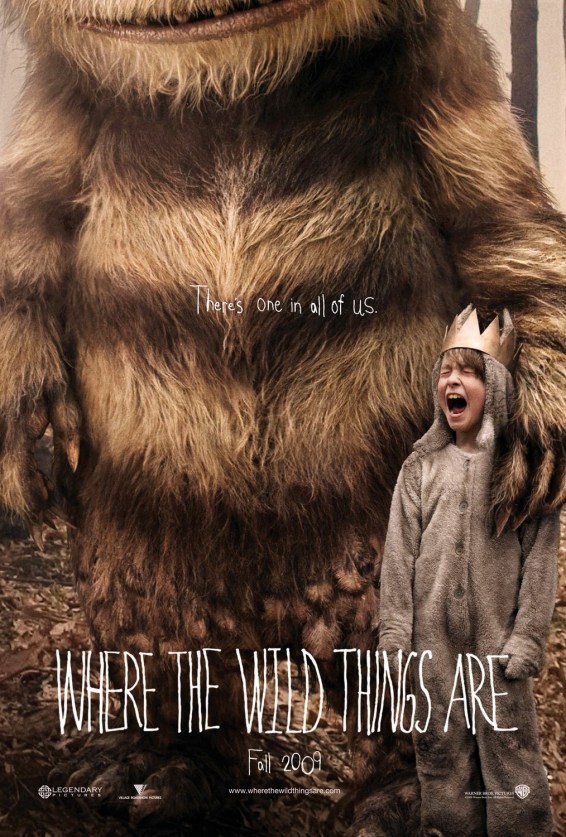
Where the Wild Things Are (2009) – Film Review

Although its themes and ideas may go over many younger viewers’ heads, 2009’s ‘Where the Wild Things Are’ feels like a film that reflects what many felt whilst being a child themselves, as writer-director Spike Jonze (Being John Malkovich, Adaptation, Her) creates a moving, thoughtful, and occasionally even woeful experience that dramatically elevates its original source material. With a charming soundtrack compiled by musician; ‘Karen O,’ and plenty of wonderful creature designs and stunning locations, ‘Where the Wild Things Are’ is truly a unique yet uncompromising film that sends its audience back to the innocent days of childhood.

Plot Summary: Following a fight with his mother and yearning for adventure, young ‘Max’ runs away from home and sails to a mysterious island filled with creatures, who take him in as their king after ‘Max’ makes a promise to solve all their problems…

As previously mentioned, the film adaptation of ‘Where the Wild Things Are’ is a large step-up from the original children’s book it’s based on by Maurice Sendak, as while the classic story of a young boy visiting a land of fantastical creatures in order to escape reality has always been a staple of children’s literature, Jonze manages to deepen the narrative with his adaptation. Having themes of maturity, imagination and balancing one’s own emotions (all of which are presented in a mature and subtle way). In fact, the film’s production company, Warner Bros. Pictures were initially so unhappy with the final film (as it was far less family-friendly than they imagined) that they wanted Jonze to start from scratch. Instead, the two eventually agreed to satisfy both parties by giving the film more time in production.

Max Records leads the cast as the excitable and resentful; ‘Max,’ who gives a genuinely brilliant performance considering the actor’s young age at the time of filming. Alongside him, of course, is the group of creatures portrayed by the voice cast of Lauren Ambrose, Chris Cooper, Catherine O’Hara, Forest Whitaker and Paul Dano, whose voices all match their respective characters flawlessly. It’s the late James Gandolfini as ‘Carol’ who really shines throughout the film, however, having the most memorable design of the all the creatures within the original book, ‘Carol’ serves as a reflection of ‘Max’s childish attributes, from his tantrums to his jealousy and sadness, all of which is given such life through Gandolfini’s performance.

While the film’s colour palette remains fairly vibrant throughout, despite featuring a large amount of beiges and browns, the cinematography by Lance Acord is sadly the weakest aspect of the film. As, ignoring the large array of stunning sunrise and sunset shots, ‘Where the Wild Things Are’ utilises hand-held camera for the majority of its runtime, which when combined with the film’s occasionally chaotic editing can make some scenes feel a little impetuous. Yet, in spite of not having a massive budget, the film’s CG effects do still hold up remarkably well, with all of the facial expressions of the creatures and extensions to many of the island’s locations not seeming even remotely out-of-place.

The film’s soundtrack, compiled by musician; ‘Karen O,’ really benefits the film’s already calming and mature presentation. From the opening track; ‘Igloo,’ through to the more upbeat tracks; ‘Rumpus’ and ‘Sailing Home,’ to even the film’s more lyric-based tracks with ‘All is Love’ and ‘Hideaway.’ The soundtrack for ‘Where the Wild Things Are’ doesn’t feel like a traditional film score in the best possible sense, giving more of an impression of a slow-paced yet beautiful acoustic guitar album, which just like the film itself, is immensely underappreciated.

However, one of my personal favourite elements of the film and certainly the most visually striking has to be the many different designs of the creatures who live on the island, as not only do the designs fit each character’s personality, but every design is also a perfect live-action recreation of the creature’s original appearances within the pages of the book, with all of the creatures being brought to life using enormous and heavily detailed suits from the Jim Henson Company rather than just simply using CGI. The Jim Henson Company are known, of course, for the creation of ‘The Muppets,’ whose familiar charm isn’t lost here.

In summary, ‘Where the Wild Things Are’ is to me, an underrated modern classic, as despite its few flaws, the film surpasses its source material and then some, creating a genuinely gut-wrenching experience at points. Whilst the film has been criticised by some since its release mostly as a result of being seen as too mature and possibly even a little frightening/disturbing for younger viewers. I believe the film gets across a number of important messages for children, and I appreciate the film’s more in depth approach to crafting an imaginative family adventure. So, although Jonze may not have an extensive catalogue of films as a director, the films he has made never cease to impress me, and ‘Where the Wild Things Are’ fits as just another piece of the puzzle. Final Rating: 8/10.

where_the_wild_things_are_xlg

Dawn of the Planet of the Apes (2014) – Film Review

The second outing of the revamped ‘Planet of the Apes’ series and, in my opinion, the best of the most-recent trilogy. ‘Dawn of the Planet of the Apes’ takes place a decade after the previous film, now taking the story into an apocalyptic world where humans and intelligent apes co-exist. Featuring another spectacular performance from Andy Serkis as ‘Caesar’ as well as a much larger role for the vicious ape; ‘Koba,’ this time around (now portrayed by Toby Kebbell), this thrilling and propulsive sci-fi blockbuster is sure to keep its audience glued to the screen.

Plot Summary: Many years after ‘Caesar’s escape from captivity and the outbreak of ‘Simian Flu’ that followed, the clan of intelligent apes and chimps now resident within the Muir Woods just outside a derelict San Francisco. Living a peaceful existence amongst themselves until a group of human survivors journey into their territory in order to find a solution to their colonies’ lack of power, soon leading both sides to consider the possibility of war…

Giving directorial control over to Matt Reeves (The Pallbearer, Cloverfield, Let Me In), Reeves would write and direct both this film and the following entry in the series; ‘War for the Planet of the Apes,’ allowing Reeves to really give a sense of continuity within the story and style (not to say the sequel doesn’t retain continuity from the first film). Yet, what makes this sequel stand out when placed against the first entry in the trilogy is its narrative focus, as ‘Dawn of the Planet of the Apes’ continuously builds tension throughout its runtime, with much of the film leaning on the two species as they balance on the brink of a war that could desolate both parties.

Andy Serkis leads the motion capture cast of apes once again as ‘Caesar,‘ developing his character even further after the first film as ‘Caesar‘ now cares for the clan of apes alongside his newly-found family, and just like the first film, Serkis once again manages to make an animalistic ape a far more interesting and likeable character than would initially seem possible. It’s the criminally underrated actor Toby Kebbell who shines most within the film, however, as the sequel provides the war-mongering ape; ‘Koba,’ with a much larger role, having the ape serve as the film’s main antagonist. In addition to the apes, the film also features a number of human characters, portrayed by Jason Clarke, Keri Russell and Gary Oldman, who are all great in spite of their limited screen-time.

Whilst ‘Rise of the Planet of the Apes’ did feature plenty of attractive shots, Michael Seresin’s cinematography is actually an improvement over the previous entry, as the sequel manages to utilise its dim lighting and the overgrown/dilapidated cityscape of San Francisco to fantastic results. The cinematography also helps add too much of the film’s action, as despite the film only containing two action set pieces, both scenes manage to feel like an excellent payoff to the large amount of build up before them. Yet, personally, I believe one of the most impressive aspects of the film has to be its practical sets, from the overcrowded ‘Human Colony’ to the decrepit streets of San Francisco, nearly all of the film’s sets are breathtaking in both size and detail, with the ‘Ape Village’ being the clearest example of this superb craftsmanship.

Capturing the bleak and ominous tone of the story flawlessly, the original score by Michael Giacchino is also continuously brilliant, and personally, I feel it’s very underrated. As, immediately from the stylish opening sequence which informs the audience of all of the events that have taken place prior to this film, the backing track; ‘Level Plaguing Field,’ really elevates the scene’s emotional impact, with the later tracks; ‘Past Their Primates,’ ‘Along Simian Lines,’ and the 1968 country-rock song; ‘The Weight,’ continuing this trend. 

Although it could go without saying, the visual effects throughout are the film are fantastic, while still perhaps not as pristine as ‘War for the Planet of the Apes’s effects, the CG visuals do still hold up very well since 2014 and contain an immense amount of detail in areas. In fact, the company that created the apes, Weta Digital, were even brought back to bring to life a variety of other animals for the film including deers, horses, and even a grizzly bear, each sharing the same high level of detail.

In summary, ‘Dawn of the Planet of the Apes’ is another remarkable instalment in this new series, upping the stakes and visuals from the previous film alongside continuing the story in a meaningful and entertaining fashion. This science fiction sequel is certainly worth a watch, and whilst I would recommend watching the entire trilogy in order to experience the full story of ‘Caesar’ as a character, if you have limited time or perhaps don’t usually enjoy sci-fi, then I’d say the middle chapter of this ape-led trilogy is truly the most exciting and memorable of the three. Final Rating: 8/10.

dawn_of_the_planet_of_the_apes_ver6_xxlg

To All the Boys I’ve Loved Before (2018) – Film Review

Based on the novel of the same name by Jenny Han and releasing around the same time-frame as many other Netflix teen rom-coms, such as ‘The Kissing Booth,’ ‘Tall Girl’ and ‘Sarah Burgess is a Loser.’ ‘To All the Boys I’ve Loved Before’ may have a fairly formulaic structure in addition to feeling a little cliché at points as it closely follows its source material, but mostly through its charm and great cast, this light-hearted teenage romantic-comedy manages to retain some entertainment value for any admirers of the genre.

Plot Summary: Since she was young, ‘Lara Jean’ has always lacked the confidence to tell any of the boys she liked her true feelings, choosing instead to write them down within individual letters for her eyes only. Until, one day, the letters meant for her alone are publicly released, throwing her life into chaos as her foregoing loves confront her one-by-one…

Although definitely not a must-see for Netflix subscribers, ‘To All the Boys I’ve Loved Before’ does feel like a slight improvement over the other previously mentioned attempts Netflix has made within the realm of romantic flicks. As, while the story is far from original, the film’s basic concept of a teenage girl locking away her thoughts and feelings only for them to eventually be released, is at the very least, a plot that entices some interest into how things will turn out for her in the end, and interestingly, all of the letters seen throughout the film were physically written by Lana Condor herself whilst on set, with the actress writing a total of seven copies for each letter, as ‘Lara’ later tears them up.

This leads into the best aspect of the film for me, Lana Condor’s portrayal of the film’s protagonist; ‘Lara Jean,’ as much of the film’s overall charm is really owed to Condor’s lead performance, as the actress excellently balances ‘Lara’s timidity with her likability without much issue. Noah Centineo also shares quite a large role within the film as ‘Peter,’ one of ‘Lara’s earliest loves, and while Centineo does give a decent performance throughout the film, he does ultimately play the same character he has portrayed countless times before in other rom-coms both before and after, the same also goes for Israel Broussard as another of the ‘Lara’s past love interests.

The cinematography by Michael Fimognari is serviceable, with the film’s thought out editing usually making up for the large number of bland shots through its clever cutting from past to present. The film also tries to implement a little style into its filmmaking by having text and emojis appear on-screen whenever ‘Lara’ is texting, which, unfortunately, is executed sloppily, as whilst I understand what the filmmakers were going for, the final design they chose is quite odd, as rather than having ‘Lara’s phone screen appear beside her, or have text bubbles appear above her head, the text is simply displayed in the same font as the film’s opening titles, which I feel is both distracting and confusing. Bizarrely, the film also contains a few shots of Subway product placement, which are very distracting even if they are fairly minimal.

Expectedly, the original score by Jon Wong is quite forgettable, but does still serve the film’s narrative well. It’s the huge variety of modern pop songs that rule over most of the soundtrack, however, with next to nearly every scene featuring at least one or two different songs, and whilst some scenes do benefit from this, a large majority of the time it does feel as if there is an overabundance of songs thrown into a singular scene.

Yet, the most obvious flaw the film suffers from is the way it utilises its supporting characters, as although the film does remain focused on the life of ‘Lara Jean,’ for the most part, the film also places emphasis on many of ‘Lara’s friends and family, and even though the film tries its best to convince its audience otherwise, many of the supporting characters serve very little purpose to the story, and by the end of the film, are virtually forgotten as most are given no conclusive scene with ‘Lara.’ But, its ‘Lara’s sister and father who I personally found the most obnoxious, as these two characters deliver a large portion of the film’s occasionally cheesy dialogue and cringey humour, as sadly the film does feature plenty of awkward comedic moments in-between its few successful jokes.

In summary, while certainly not as diverting or as original as many other reviews may lead you to believe, ‘To All the Boys I’ve Loved Before’ does still have some value, as the film retains many of the novel’s faults as well as its merits, and in spite of many of its problems, I imagine most fans of upbeat romantic-comedies will be satisfied with the film by its end. If you don’t usually drift towards rom-coms, however, I’d probably suggest you check-out some of the other original films Netflix has to offer. Final Rating: 5/10.

to_all_the_boys_ive_loved_before_xxlg

The Problem with Live-Action Disney Remakes – Film Discussion

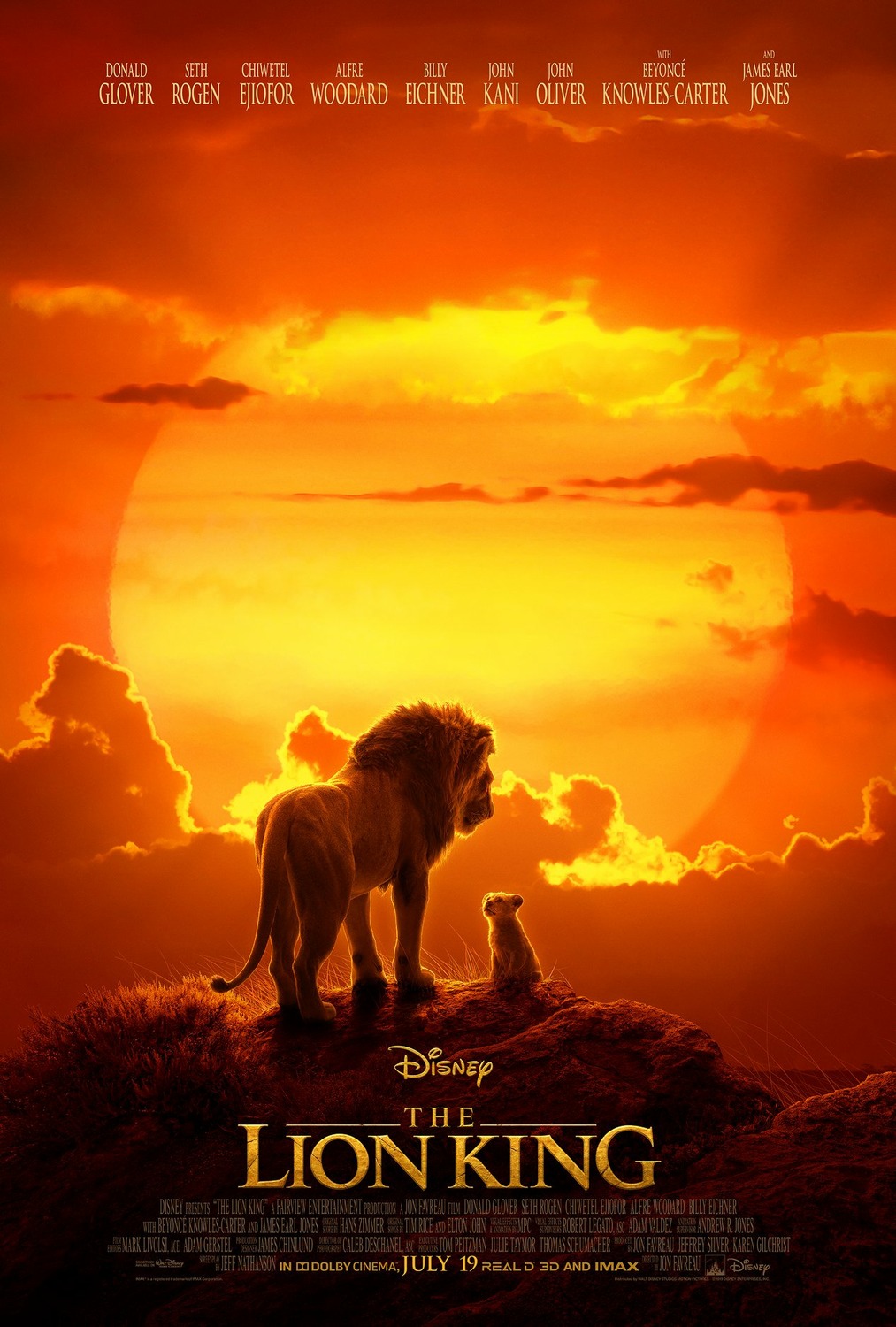
In years recent years, Disney has noticeably been taking quite an aggressive approach to reimagining many of the company’s classic animated adventures into live-action blockbusters, which I personally feel is having a bad influence on the rest of the film industry in more ways than one…

Despite Disney actually began the trend of remaking their classic films all the way back in 2010 with the semi-sequel/remake of ‘Alice in Wonderland,’ directed by Tim Burton. Disney didn’t begin to get truly rampant with its approach until the later successes of ‘Cinderella’ and ‘The Jungle Book’ in 2015 and 2016, respectively, with ‘Beauty and the Beast,’ ‘Dumbo’ and ‘Aladdin’ following not far behind, eventually leading to their most recent releases, that being ‘The Lion King’ and ‘Lady and the Tramp.’ Yet, whilst all of these films did receive mostly positive reviews from both critics and audiences upon their initial release, I personally have never understood why. As, for me, none of these remakes ever manage to really justify their existence, with each new film simply feeling like nothing more than a product, a money machine disguised as a film created purely to rinse profit out of Disney fans who desire to see their childhood classics recreated in a new light and, by this point, I just find it irritating.

Of course, remaking iconic films is nothing new for the film industry, with dreadful remakes, such as ‘RoboCop,’ ‘Ghostbusters’ and ‘Robin Hood,’ all being great examples of how taking a classic film and giving it a sleek modern aesthetic doesn’t automatically make it superior to the original. However, it’s the way Disney goes about executing their remakes that makes them even more frustrating, as even though most reimaginings may not differ too much from the original story, the majority of Disney remakes feel almost identical to their animated counterparts, featuring nearly all of the same scenes and dialogue, now just dragged down by much weaker visuals, vocal performances, and songs. This, in turn, also allows directors and writers to simply borrow material from previous filmmakers without having to innovate much themselves. Another issue I have with Disney converting their animated classics into live-action is that many of the original stories were always envisioned to be animated as they were being written, meaning when transferred into a different style of filmmaking, they usually are forced to rely on enormous amounts of CGI.

Although most audiences seemingly don’t take issue with Disney’s constant remakes, there are still some Disney fans who have spoken out about losing interest in Disney’s future live-action endeavours. In particular, I personally recall many weren’t looking forward to watching the ‘Aladdin’ remake around the time of its release, which I feel is understandable, as just from its trailer alone, it was clear that not only would the film intensely mirror the original, but it was obvious just from a glance that its visuals were also far, far duller, as the remake was lacking in both colour and style. Focusing more on being semi-realistic rather than fully engaging in its elements of fantasy (which, for a narrative revolving around a powerful genie who grants three magical wishes, feels like a huge mistake to me). Whilst the original ‘Aladdin’ may not be the most visually enthralling of Disney’s catalogue of family flicks, the classic style of 2D hand-drawn animation is still very pleasing to look at, even by today’s standards for CG animated films.

It may even surprise some to know that many of these bland remakes were actually directed by talented filmmakers like Jon Favreau and the previously mentioned Tim Burton. Yet, with each new film, every director’s unique style always seems to be stripped away or completely absent, as not only does each remake barely utilise any creative cinematography or editing, relying nearly entirely on CG effects to impress the audience. But usually inventive directors such as Guy Ritchie, who has made phenomenal use of his unique style of editing and humour in the past within his films, like ‘Snatch’ and ‘The Gentlemen,’ suffers as a result of how simply generic and even somewhat boring his reimagining of ‘Aladdin’ is, and while Disney may not be entirely to blame for this, I do believe the company would prefer to keep each remake fairly easy to digest in order to appeal to a wider audience.

In addition to both the visuals and directing, however, the cast of the original animated flicks were also a huge contributing factor to them becoming as beloved as they now are, with not only actors like Robin Williams as the original ‘Genie,’ of course, but also lesser-known actors such as Nathan Lane and Ernie Sabella as ‘Timon’ and ‘Pumbaa,’ to Jodi Benson and Pat Carroll as ‘Ariel’ and ‘Ursula,’ as all these voices not only gave the characters great comedic timing and a distinct tone, but they soon even became an extension of the characters themselves, making them recognisable purely through their voice. Whereas Disney’s newer remakes prefer to just take the much easier approach of simply casting the most relevant actors at the time and throwing them into an iconic role, and whilst actors, like Donald Glover and Chiwetel Ejiofor, will always be superb at their craft, forcing these performers into roles within ‘The Lion King’ simply due to their popularity will always make their vocal performance feel very out-of-place when in comparison with the original film.

The final area I find Disney remakes to be most lacking is the tampering of classic Disney songs, as although I’m personally not an enormous fan of musicals within the realm of live-action, I’ve always enjoyed many of the songs in Disney animated classics. As, not only do I feel these songs add to the characters and the story of each film immensely, but many classic Disney songs also manage to become iconic amongst themselves, with nearly any fan of animation more than likely know all the words to ‘Be Our Guest,’ ‘The Circle of Life,’ and ‘Under the Sea’ (just to name a few). But, when it comes to the remakes, once again, both the original score and songs feel far duller, even in spite of the legendary Hans Zimmer returning for ‘The Lion King’ remake to recreate many of his classic tracks. Still, a few of the reimaginings do at least attempt to throw in some original songs, which unfortunately end up being mostly forgotten due to them being overshadowed by the classic songs audiences are more familiar with.

In summary, it seems the influx of live-action Disney remakes won’t be stopping anytime soon, with ‘The Lion King’ racking in over £1 billion worldwide, Disney will most likely continue this remaking trend until their audience completely loses interest, as reimaginings of ‘Mulan,’ ‘Peter Pan,’ ‘The Little Mermaid,’ ‘Pinocchio,’ The Sword in the Stone’ and ‘Lilo and Stitch,’ as well as many, many more, are already set for release. Whilst the House of Mouse does still have a few original films on the horizon, Disney seems to be heading down a similar path to their paired animation company Pixar, that being one of laziness, relying mostly on their previous stories and franchises for profit rather than creating something new which, in turn, is also encouraging other production companies to do the same. So, if you share my opinion, perhaps sit out Disney’s next live-action release, stay at home, and just relive many of the beautifully animated stories from the past, as I honestly believe many of these films are timeless.

lion_king_ver2_xlg

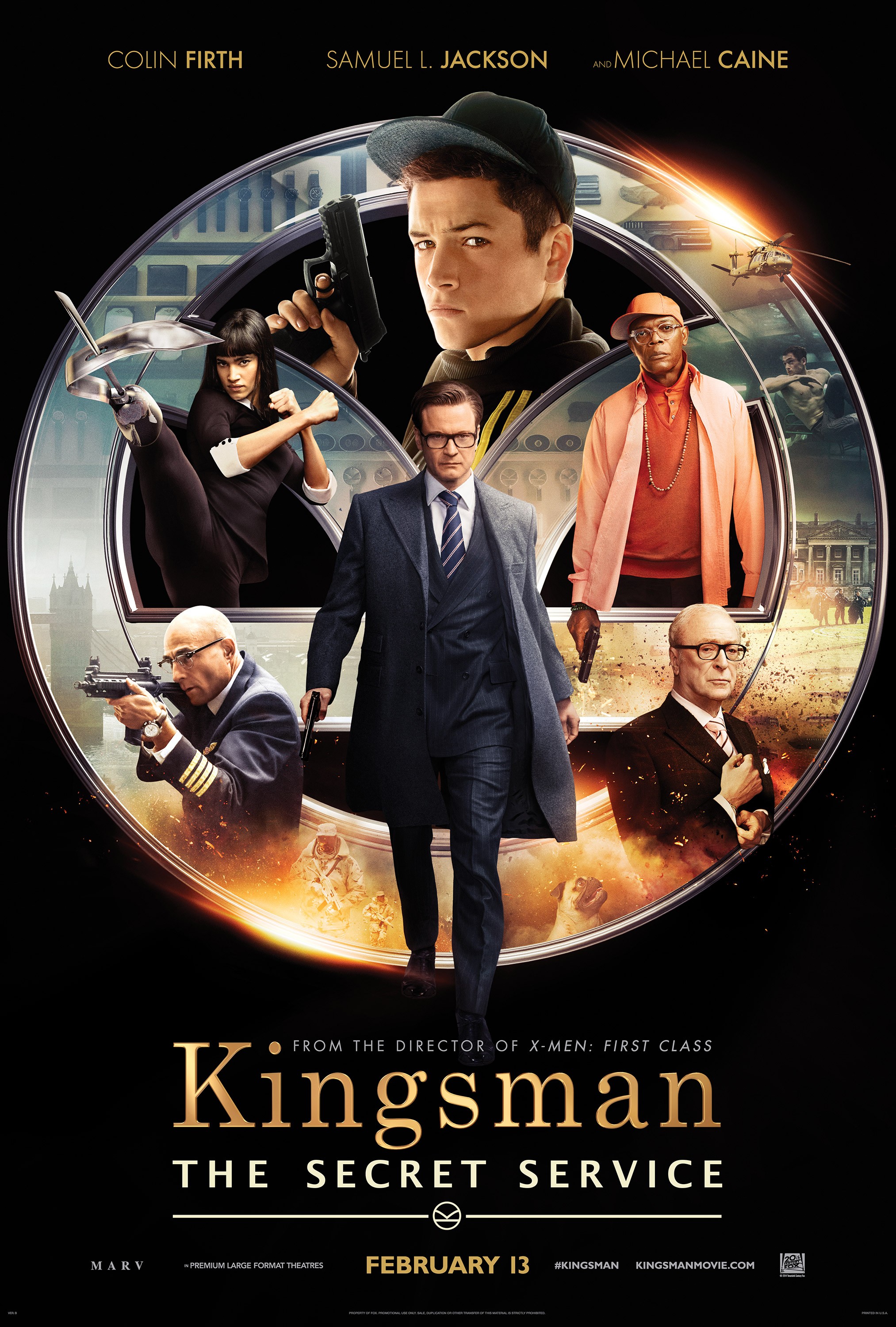
Kingsman: The Secret Service (2015) – Film Review

Matthew Vaughn, critically acclaimed director of ‘Layer Cake,’ ‘Kick-Ass’ and ‘X-Men: First Class,’ tries his hand at another comic book adaptation with ‘Kingsman: The Secret Service.’ Based on the comic book series of the same name by Mark Millar, and serving as a throwback to (and often parody of) classic spy/espionage films, such as the ‘James Bond’ series and ‘The Bourne Saga,’ ‘Kingsman’ very quickly became a beloved franchise after just its first instalment, mostly as a result of its hilarious self-aware moments of humour and exhilarating action set pieces.

Plot Summary: When the British spy organisation; ‘Kingsman,’ recruits an unrefined, but promising London street teen into the agency’s ultra-competitive training program. ‘Eggsy’ begins to follow in his father’s footsteps as he takes part in the organisation’s many dangerous training exercises. All the while, the twisted tech genius; ‘Valentine,’ begins to execute a master plan, which will potentially put the entire world at risk…

Violent, thrilling and fun, the first ‘Kingsman’ film was actually made partly in conjunction with the comic book itself, as director Matthew Vaughn and comic book writer Mark Millar have been good friends for many years since they collaborated previously on ‘Kick-Ass’ in 2010 to great success, prompting them to reunite for ‘Kingsman: The Secret Service.’ Which, aside from a few minor changes, is actually a mostly faithful adaptation of the first entry in the comic book series, alongside also being a superb gateway into the world for any non-fans of the comic series as the film establishes who the ‘Kingsman’ are and what they do, in little time.

Protagonist; ‘Gary Unwin,’ usually going by his nickname; ‘Eggsy,’ is portrayed by Taron Egerton in one of his earliest film roles, who portrays a reckless British teenager very well, becoming an instantly likeable character within only a short amount of screen-time. Its Colin Firth and Samuel L. Jackson, who, both steal the film with their fantastic characters, however, as both actors play completely against their usual type here, with Firth taking on the deadly spy; ‘Harry Hart,’ who rarely even smiles (creating quite a contrast from his usual romantic-comedies), and according to second unit director Bradley James Allan, even did 80% of his own stunts during filming. Whilst Jackson also gives one of his most memorable performances to date as the film’s antagonist; ‘Valentine,’ who, throughout the runtime, retains an aggressive lisp and occasionally childish demeanour, a big leap from much of his previous work.

Although not as outrageously creative as it could’ve been, in my opinion, the film’s cinematography by George Richmond does serve the story very effectively, as many of the film’s over-the-top and exciting action sequences are displayed proudly and clearly without too much use of hand-held camera or excessive editing. During a few scenes, the camera even begins to spin around the characters as they fight, providing the film with a real sense of movement.

The original score by both Henry Jackman and Matthew Margeson has quickly become very beloved, similar to the film itself, and it’s easy to see why, as the film utilises its trumpet-heavy orchestral score to create a soundtrack, which would fit perfectly within a classic espionage series, like ‘The Avengers,’ ‘The Ipcress File’ or ‘The Man From U.N.C.L.E.’ From ‘Manners Maketh Man’ and ‘To Become a Kingsman,’ to especially, ‘Valentine’s theme, which is noticeably more electronic to fit with the tech-savvy character. Nearly every track featured in the original score is both memorable, and usually, also cut in sync with the film’s stylish editing to great effect. 

Needless to say, the aspect that ‘Kingsman’ is most known for is certainly its variety of impressive action sequences, which as already mentioned, do away with the usual overly shaky and chaotic execution of most modern action flicks in favour of more fast-paced and exaggerated fight choreography with plenty of graphic violence to boot. Resulting in many entertaining action sequences, even if they aren’t completely flawless, as the majority of these scenes do, unfortunately, still suffer from their overly heavy usage of CG effects (usually for blood and severed limbs), which I feel does somewhat take away from many of these thrilling moments, even if they are still sure to impress most on their initial viewing.

In summary, while many spy films may be far more focused on delivering more grounded and gritty missions for their audiences these days, ‘Kingsman: The Secret Service’ truly revels in its absurdity. As, in spite of the problems this stirring espionage film faces, it still manages to remain an amusing and exciting experience throughout its runtime, combing its array of phenomenal action set pieces with some outstanding stunts and a now-iconic original score, the first instalment in ‘The Kingsman’ series may have now launched a blockbuster franchise, but for many, I feel it will always remain their favourite part of this continuing story. Final Rating: low 8/10.

kingsman_the_secret_service_ver7_xxlg

The Amazing Spider-Man 2 (2014) – Film Review

Overstuffed with plot lines, characters, and ideas alike, this sequel to the ‘Spider-Man’ reboot from 2012 lacks much of anything to truly get invested in. As, this time around, returning director Marc Webb alongside the long list of Sony producers seem to be far more focused on setting up future sequels and spin-offs for the franchise rather than the current story, resulting in a superhero flick that’s just as muddled and inconsistent as it is forgettable. And, while the film did receive fairly average reviews upon its initial release, I’ve personally always felt ‘The Amazing Spider-Man 2’ is anything but ‘Amazing.’

Plot Summary: Continuing the adventures of the wall-crawler, New York City’s hero is thrown into action once again as he faces his newest threat; ‘Electro,’ whilst also balancing his normal day-to-day life as ‘Peter Parker’ with that of being ‘Spider-Man.’

It’s easy to see that throughout its production, ‘The Amazing Spider-Man 2’ faced the problem of having far too many creative minds involved, as director Mark Webb fought against producers constantly as to what would be featured and explored within the superhero sequel. This is why the film eventually ended up having three separate antagonists, in addition to also focusing on ‘Peter’s various relationships and the surrounding mystery of his parents, which when all combined, make the film feel completely directionless, as the audience is given very little time to become invested in any specific aspect of the story before quickly moving on.

Andrew Garfield and Emma Stone return to their roles of ‘Peter Parker’ and ‘Gwen Stacey’ for the sequel, whos romantic chemistry is still one of the film’s best elements similar to the previous instalment. New to the cast this time, however, is Jamie Foxx, Dane DeHaan and Paul Giamatti, who, all take on various roles as villains from ‘Spider-Man’s iconic rogues’ gallery, with the three portraying ‘Electro,’ ‘Green Goblin’ and ‘The Rhino,’ respectively. Yet, despite all these actors giving some fantastic performances in the past, most of the cast give extremely over-the-top and sometimes even strange performances here, which is only made worse as a result of the film’s large amount of cringey dialogue and absence of a consistent tone.

The film’s decent yet not overly inventive cinematography by Dan Mindel is, unfortunately, also hurt by the erratic editing throughout the film, as whilst not always present, occasionally, the editing does result in quite rapid cuts, with some shots that utilise slow-motion even being cut to when the ones before/afterwards did not, stopping the film from ever obtaining a smooth flow. Of course, although it’s usually a no-brainer when it comes to modern superhero flicks, the film’s CG effects are one of its most impressive and visually pleasing aspects, with many of ‘Electro’s shocking abilities being visualised as if they were ripped straight from the source material.

One of the most bizarre original scores in Zimmer’s catalogue of work, the original score by both him and Pharrell Williams gives the impression it’s made up of a number of different tracks from other unrelated films. As, aside from the signature track; ‘I’m Spider-Man,’ which does suitably feel like a heroic and upbeat theme for the beloved superhero. Many of the other tracks simply don’t mesh together well when they manage to stray away from being generic. However, it’s the infamous track; ‘I’m Electro,’ which certainly feels the most out-of-place, as the track employs electronic dubstep with vocals underneath by Pharrell himself that give voice to ‘Electro’s compulsive thoughts.

‘The Amazing Spider-Man 2’ is even surprisingly poor when it comes to its action, as whilst the film does attempt to be very ‘large-scale’ with its action set pieces, having many of them take place within the centre of New York City (where nearly all of the sequel was actually filmed). Much of the action also heavily relies on slow-motion, cheesy quips/jokes, and CG effects, all of which give the film’s action scenes an insufficiency of tension due to their over-extravagance.

In summary, after ‘The Amazing Spider-Man 2’s release, it’s fair to say that Sony was put into a tough situation. As in spite of the film doing fairly well at the box-office, it was clear that fans had no further interest in seeing Sony’s many planned franchise instalments, eventually leading them to strike a deal with Disney to bring ‘Spider-Man’ into the Marvel Cinematic Universe, now portrayed by actor Tom Holland. Although some may be saddened this version of the iconic web-head will more than likely never return to our screens, other than the comic-accurate suit and great chemistry between Garfield and Stone, I feel this sequel (and rebooted series in general) had very little to offer to begin with, and I’m thankful Marvel is now taking the character in a different direction rather than just regurgitating the same narrative we’ve seen many times before. Final Rating: low 3/10.

amazing_spiderman_two_ver11_xxlg

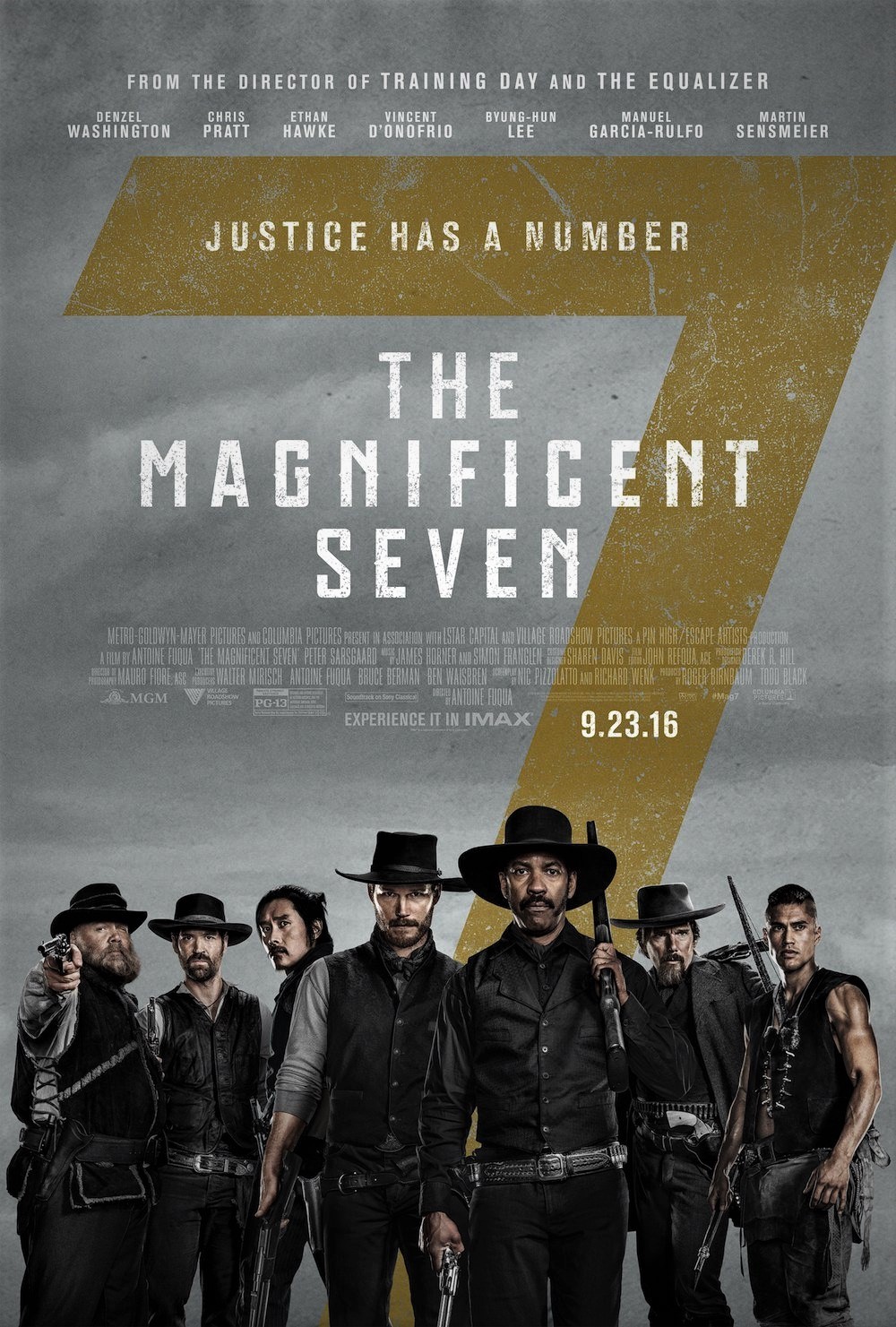
The Magnificent Seven (2016) – Film Review

After taking on a number of successful action flicks in recent years, such as ‘Training Day,’ ‘Olympus Has Fallen’ and ‘The Equalizer,’ director Antonie Fuqua brings this remake of the original 1960s ensemble western to the silver screen. Combining a superb cast with some explosive moments of action and plenty of highly detailed costumes and sets, ‘The Magnificent Seven’ manages to remain an entertaining remake of the beloved western classic despite its few faults.

Plot Summary: In 1897, seven gunmen from a variety of different backgrounds are brought together by a vengeful young widow in an attempt to protect her hometown of ‘Rose Creek’ from the private army of the destructive industrialist, ‘Bartholomew Bogue,’ and his men…

Other than a few changes to the names of its characters, the remake of ‘The Magnificent Seven’ follows a very similar storyline to the original film, which was essentially just a retelling of the iconic Japanese drama; ‘Seven Samurai,’ only now set in the Wild West. As, the remake avoids making any definite changes to the narrative in favour of simply just updating the story for a more modern audience, meaning the film has much faster pacing and more of a focus on creating thrilling action set pieces than the original, which is both a good and a bad thing, as whilst the film does still pay homage to many classic westerns, the film occasionally also adopts many of the issues that plague plenty of modern blockbusters today, the most notable of which being the film’s overabundance of cheesy and predictable dialogue.

Denzel Washington, Chris Pratt, Ethan Hawk, Vincent D’Onofrio, Byung-hun Lee, Manuel Garcia-Rulfo and Martin Sensmeier all give splendid performances as the line-up of ‘The Seven,’ each portraying a different personality and skill set between them. But, of course, similar to many other films lead by a group of characters rather than just a single protagonist. ‘The Magnificent Seven’ suffers from a lack of equal development for its cast as a result of Denzel Washington and Chris Pratt as ‘Chisolm’ and ‘Josh Faraday’ hogging most of the screen-time, with the film’s antagonist; ‘Bartholomew Bogue,’ portrayed by Peter Sarsgaard, also having a deficient intimidating presence when on-screen due to this.

Whilst the film’s cinematography never falls into the category of being exceedingly bland, the cinematography by Mauro Fiore is only above-average, as although the film does feature an array of attractive close-ups and wide shots alongside its many suitably barren locations, the film also has quite a heavy overreliance on shot-reverse-shot for the many conversations between characters. However, a smaller detail that I felt added to the film’s visual appeal (and realism) is definitely its use of nature surrounding/within its various locations, as the film’s main setting of ‘Rose Creek’ is littered with trees and tall grass rather than just continuous desert similar to many other westerns, with some areas of Baton Rouge, Louisiana, where filming took place, even having to be relandscaped to further resemble the Old West.

Being the last film composer James Horner contributed towards before he sadly passed away in an accident in 2015, the original score by him and Simon Franglen does suitably feel like the score of a traditional western for the majority of the film’s runtime. Although there are still a few tracks that feel fairly generic, the soundtrack redeems itself through the great tracks; ‘Rose Creek Oppression’ and ‘Seven Riders,’ in addition to also bringing back the original film’s theme composed by the late Elmer Bernstein for its end credits.

As the remake of ‘The Magnificent Seven’ focuses more on action over anything else (with the entire final act of the film essentially being one long action sequence) a lot of pressure lies on the film to live-up to this intent, which thankfully, it does, as all of the stirring moments throughout the story make fantastic use of their impressive stunt work and subtle CG effects. That being said, nearly all of the action scenes are also distinctly missing an element of both grittiness and violence, which can be fairly distracting. As despite many of ‘Bartholomew Bogue’s guns-for-hire being shot, stabbed and blown-up, blood is barely ever seen, and whilst I understand classic westerns also didn’t really revel in violence, I’ve always seen that as more of a restriction of the time-period rather than just a skimp to lower the film’s age-rating.

In summary, while ‘The Magnificent Seven’ may not fully deliver on the ‘Magnificent’ part of its title, the film is still is an enjoyable throwback to the westerns of old with plenty of exhilarating action set pieces to boot, as even when taking into account all of the remake’s issues and general lack of memorability, I’d still say the film is on the better side of reimagined classics in recent memory and is worth a watch if you’re a true western enthusiast or perhaps just desire to see a remake that doesn’t attempt to simply recreate the original shot-for-shot. Final Rating: 7/10.

magnificent_seven_ver5_xlg

Film Quiz – Test Your Knowledge of Cinema

Do you believe yourself to be a certified cinephile? Test your knowledge of cinema with eighty multiple-choice questions from a number of iconic films, all with varying degrees of difficulty. Available now via this link to Kahoot!

Be sure to challenge your family and friends for the best experience possible.

Link: https://create.kahoot.it/share/joe-baker-reviews-film-quiz/b59322c6-64a1-4bbc-ac79-db83cf6ab3b0