The Perks of Being a Wallflower (2012) – Film Review

Dealing with heavy themes of loneliness, mental health and suicide, ‘The Perks of Being a Wallflower’ may not astonish when it comes to its visuals. Yet, through its strong performances, heartfelt story and well-written screenplay (aside from one or two cliché lines), the film soon becomes a very sincere and captivating adaptation of the acclaimed coming-of-age novel many grew up with when it released in 1999, now being seen as one of the best teenage dramas in recent years.

Plot Summary: Fifteen-year-old; ‘Charlie,’ a socially awkward teenager heading into his first year of high school, used to watching life from the sidelines, ‘Charlie’ soon discovers the joys of friendship, love and music as the free-spirited; ‘Sam,’ and her stepbrother; ‘Patrick,’ open his eyes to the real world. But, when his friends prepare to leave for college after graduating high school, ‘Charlie’s inner sadness threatens to shatter his newly-found confidence…

In a rare scenario, the film adaptation of ‘The Perks of Being a Wallflower’ is not only based on the novel of the same name by Stephen Chbosky, but is actually written and directed by Chbosky himself. As, originally, beloved writer-director John Hughes, the comic genius behind; ‘The Breakfast Club’ and ‘Sixteen Candles,’ amongst many other ’80s teen flicks, was intended to direct the adaptation, initially wanting to make the film into more of a dark comedy with Shia LaBeouf set to play ‘Charlie,’ Kirsten Dunst as ‘Sam,’ and Patrick Fugit as ‘Patrick.’ But, with Hughes sudden death in 2009 stalling the project, his screenplay was eventually scrapped as he’d not completed it before his passing, leaving Chbosky to take the reins.

Throughout the entirety of the film, the central trio of friends are portrayed wonderfully by Logan Lerman, Ezra Miller and Emma Watson, in one of her first roles following the end of the ‘Harry Potter’ series, as each member of the young cast display plenty of range with their respective characters receiving an almost absurd amount of characterisation alongside, resulting in all three of the central protagonists soon forming a real bond with the audience through their lovable yet realistic portrayals of high school teenagers. Well-known comedy actor Paul Rudd also appears within the film as ‘Mr. Anderson,’ using his natural charisma to portray a genuinely kind-hearted teacher, guiding ‘Charlie’ to what he believes is his future career as a writer.

The film’s cinematography by Andrew Dunn is noticeably where the filmmaking dips in quality, as despite the camerawork occasionally allowing for some interesting framing, such as when ‘Charlie’ is framed alone with only bare walls surrounding him, visually presenting him as an outcast due to his anxiety when interacting with others. Most of the film’s cinematography feels fairly mundane, with the colour palette, in particular, seeming very confined, always utilising quite warm/calming colours regardless of what’s happening within the narrative. With that said, near the end of the runtime, the film does manage to impress with its editing as ‘Charlie’ begins to suffer from a panic-attack, represented through the film cutting rapidly between an array of previous scenes, ensuring a feeling of being overwhelmed within any viewer whilst watching. 

From iconic songs, such as: ‘Heroes’ and ‘Come on Eileen,’ to the beautifully somber original score by Michael Brook. The entire soundtrack for ‘The Perks of Being a Wallflower’ is both graceful and immensely underappreciated, capturing the film’s many alternating tones, whether that’s its unrelenting isolation, or its upbeat bliss. But, my personal two favourite tracks have to be ‘Charlie’s First Kiss’ and ‘Shard,’ a pair of tracks that are both truly touching pieces of music, evoking emotion in any listener in spite of their simplicity.

Another aspect of the film I adore is how it represents high school, as while many coming-of-age flicks usually lean into the idea of high school being an often chaotic, but satisfying experience, ‘The Perks of Being a Wallflower’ never glorifies school, refusing to represent it as either a positive or negative place. This all backed up, of course, by the story’s interesting themes which the film handles with care, never overemphasising it’s concepts in a similar fashion to the source material. Also, in line with the original novel is the film’s nostalgic 1990s setting. Yet, with the exception of the numerous mix-tapes the characters listen to, you’d be forgiven for being unaware that the film even takes place within this time-period, as it’s never mentioned nor plays into the film’s style.

In summary, ‘The Perks of Being a Wallflower’ is deserving of the praise it receives, as while the film’s uninspired cinematography does leave some room for improvement, for a directorial debut, Stephen Chbosky really knocks it out of the park here, with some brilliant performances and very underrated original score, the film is truly an adaptation to be admired. And, regardless of whatever time-period its story is set within, many of its themes/messages are timeless, and I personally believe this is what any other films focusing on troubled teenage characters should strive to be. Final Rating: 8/10.

perks_of_being_a_wallflower_xxlg

Scary Stories to Tell in the Dark (2019) – Film Review

Based on the controversial 1980s children’s book series of the same name, written by Alvin Schwartz and nightmarishly illustrated by Stephen Gammell. The film adaptation of ‘Scary Stories to Tell in the Dark’ directed by André Øvredal and co-written/produced by Guillermo del Toro, takes a very different approach than what many may expect when considering its source material, as the film ditches the book’s original anthology structure in favour of a more interconnected story to mixed results.

Plot Summary: On Halloween night, 1968, a group of childhood friends daringly enter the abandoned home of ‘The Bellows’ family, whose shadow has loomed over the small town of Mill Valley for generations as a result of the notorious murder of ‘Sarah Bellows,’ who turned her tortured life into a book of scary stories many years ago. But, these terrifying tales soon have a way of becoming all too real when the reclusive ‘Stella’ decides to take ‘Sarah’s story-filled journal home…

Clearly inspired by Stephen King’s classic novel; ‘It,’ ‘Scary Stories to Tell in the Dark’ takes the now-popular route of focusing on a younger cast, capturing that classic spirit of childhood adventure mixed with plenty of light-horror, but rather than setting the film in the hackneyed time-period of the 1980s, the film actually chooses to set it’s story near the end of the 1960s, which I feel helped the film stand out amongst the ‘It’ remake and it’s many similar incarnations. However, since its release, ‘Scary Stories’ has received plenty of criticism for its underwhelming horror, despite this being a completely intentional decision on behalf of the filmmakers, ensuring the film as a first step into the horror genre for younger audiences, never displaying too much violence or overly intense scares, not too dissimilar to the book series itself.

Zoe Margaret Colletti, Michael Garza, Austin Zajur, Natalie Ganzhorn, Gabriel Rush, and Austin Abrams portray the main group of friends and all do a decent job, as while their individual characters don’t exactly break new ground, they are likeable enough and have their inklings of both personality and humour. Contortionist Troy James, who once appeared on ‘America’s Got Talent,’ also appears in the film as one of the monsters, known as ‘The Jangly Man.’ Who, aside from having some CGI-enhanced facial expressions, actually performed all of his impressively unnatural body movements himself, including walking backwards, twisting his torso and crawling upside-down.

Roman Osin’s cinematography does remain visually interesting for the majority of the runtime, having plenty of creative shots with an effective implementation of colour alongside. But, it’s the film’s monsters that are unquestionably the best aspect of this adaptation, as the film takes the horrifying and abstract illustrations of Stephen Gammell and melds them into live-action flawlessly. So much so, that even in spite of each creature’s very limited screen-time, every monster manages to be quite memorable in its own right, from ‘The Pale Lady’ to ‘The Big Toe’ to the dilapidated poster-child scarecrow; ‘Harold,’ all of which were brought to life through prosthetic make-up and convincing practical costumes, rather than just CGI.

The original score by Marco Beltrami and Anna Drubich is a fairly average horror score, yet does still serve the story well for what it has too, even if most of the tracks aren’t worth looking-up afterwards. But, it’s also within the main score that there a small nod towards the original book series, as one of the tracks that plays throughout the film is titled; ‘The Hearse Song,’ which is actually a short song from the book series’ first entry.

As previously mentioned, the main creative decision that seems very peculiar to me is that the film adaptation of ‘Scary Stories to Tell in the Dark’ is not an anthology film, despite the books the film is based on focusing entirely on different characters/monsters with each new story. Instead, the writers chose to create an original story based-around the depraved spirit of ‘Sarah Bellows’ bringing the stories within her book to life, which was apparently done in order to stop one of the stories from overshadowing the rest, according to Guillermo del Toro. Yet, I personally feel that this makes the film less entertaining, as many of the story’s concepts and creatures feel underutilised, due to this overarching (and occasionally corny) narrative, even if the main story does borrow some of its ideas from other unused tales within the books series.

In summary, ‘Scary Stories to Tell in the Dark’ does triumph in its goal of crafting a horror more accessible for younger audiences, as I could see this film appealing to many young audience members in search of a gateway into the horror genre. If you are already a veteran within the genre, however, then I feel ‘Scary Stories’ will more than likely disappoint, as the film’s many cliché story-beats and lack of any gore or truly tense moments does result in this adaptation becoming a mostly forgettable horror flick with the exception of its many unique creature designs. Final Rating: 5/10.

scary_stories_to_tell_in_the_dark_xxlg

Edge of Tomorrow (2014) – Film Review

Exceeding expectations in more ways than one and combining the star-power of both Tom Cruise and Emily Blunt, ‘Edge of Tomorrow’ is an explosive summer blockbuster which reimagines the comedy classic; ‘Groundhog Day,’ into a thrilling sci-fi flick to fantastic results. Directed by Doug Liman (Swingers, The Bourne Identity, American Made) and based on the Japanese manga; ‘All You Need is Kill’ by Hiroshi Sakurazaka, ‘Edge of Tomorrow’ or ‘Live Die Repeat,’ as it’s now commonly dubbed, manages to succeed in nearly every aspect an exciting science fiction film would need to.

Plot Summary: When an alien race invades Earth and releases an unrelenting assault unbeatable by any military unit in the world. ‘Major William Cage,’ an officer who has never seen a day of combat, is unceremoniously dropped into the frontline. Getting killed within minutes, ‘Cage’ now finds himself thrown into a time-loop forcing him to live out the same battle over-and-over again. But, with each reset, ‘Cage’ learns to defend himself with the help of Special Forces soldier; ‘Rita Vrataski,’ who, together, hatch a plan to defeat the creatures, permanently…

Taking inspiration from sci-fi war epics, such as ‘Aliens,’ ‘Starship Troopers,’ and ‘Independence Day,’ in addition to the previously mentioned; ‘Groundhog Day.’ ‘Edge of Tomorrow’ may have initially had disappointing box-office returns when it released in 2014, but mostly through word-of-mouth, the film has since continued on to become a modern science fiction classic, keeping itself distinct through its signature ‘resetting the day’ idea and couple of amusing moments in between its action-packed story.

For a large majority of the film, Tom Cruise actively plays against his usual type, as ‘Major William Cage’ is essentially the complete opposite of his character; ‘Ethan Hunt,’ from the ‘Mission Impossible’ franchise, with most of the character’s screen-time being spent dying continuously in horrific (yet also somewhat comedic) ways, alongside his genuinely cowardly and untrained demeanour. Cruise also bounces off his co-star Emily Blunt very well throughout the film, with Blunt portraying the complete opposite of Cruise’s character as ‘Rita Vrataski,’ a hard-as-nails soldier, who is a skilled as they come. And, whilst a romantic subplot can sometimes derail a film’s story, ‘Edge of Tomorrow’ manages to pull its off, mostly due to the chemistry between its heroic duo.

Although the film’s cinematography by Dion Beebe does heavily rely on hand-held camerawork, this hand-held approach does remarkably add to many scenes within the film. Replicating the chaos of the constant war that surrounds ‘Cage’ as he tries different tactics in an attempt to survive on the battlefront, not to say that the cinematography doesn’t still allow for the occasional attractive shot, however. Much of the film’s CG visuals are also up-to-par, excluding the ‘Exo-Suits,’ of course, which are actually practical costumes for the most part. This was done so the suits would appear more real to the audience, which does stop the film from feeling too CGI-heavy during many of the film’s action sequences, even if the suits did weigh between eighty-five to ninety-pounds on set.

The original score by Christophe Beck is certainly no where near as memorable as the film itself, being a mostly typical soundtrack for a action blockbuster with little charm or even a slight sci-fi twist to help the score stand out. This, unfortunately, even applies to the best track of the score; ‘Solo Flight,’ which does at least utilise what sounds like metal-clanging audio effects to add a little more impact wherever it can.

The film’s main issues mostly revolve around two particular areas, firstly, the designs of the alien creatures known as ‘Mimics,’ as whilst the CG effects that bring the creatures to life do look superb, the creatures feel a little too similar to video game enemies, as their different breeds are only distinct by colour, being either red or blue, with the remainder of their design being almost identical. While this is slightly redeemed by their unique sound design, it can become difficult to even tell the creatures apart when they are in large groups. My other complaint with the film is with its final act, as whilst the narrative throughout most of the runtime remains engaging and rousing. The film’s final portion ends up becoming a little more generic after losing its signature time-looping concept.

In summary, since even my first viewing of ‘Edge of Tomorrow’ I’ve always been impressed by this science fiction flick, as while the film isn’t flawless and does still suffer from its cloned creature designs and weak final act. ‘Edge of Tomorrow’ is still a far more enjoyable and enthralling sci-fi than many may initially think. Even though the film didn’t thrive at the box-office on its release, it seems with its recent change in marketing to “Live Die Repeat,” many more sci-fi fanatics have now stumbled across this underrated gem, and with a blockbuster as riveting and surprisingly clever as this one is, I feel it can always be praised further. Final Rating: low 8/10.

rFSStxPT5CBiDWUotReCvRXltQk

The Hunger Games (2012) – Film Review

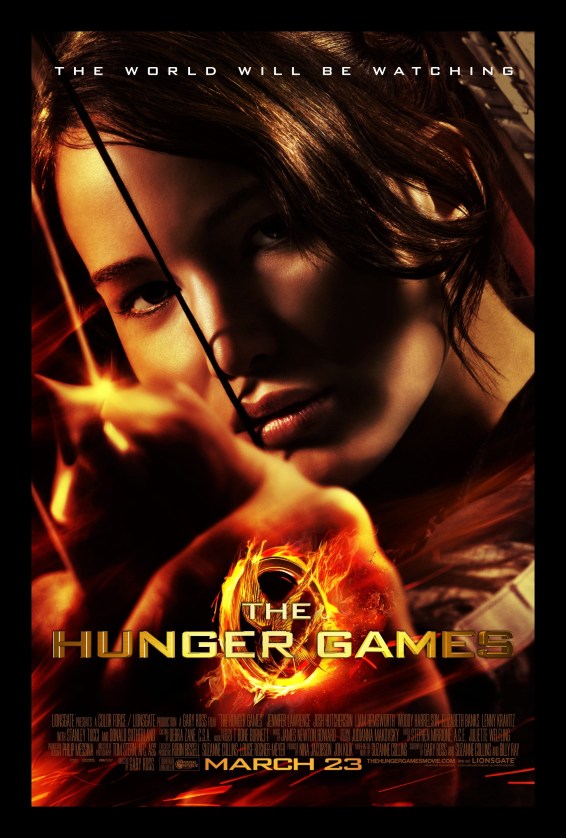
While nowadays ‘The Hunger Games’ may be known as an iconic blockbuster franchise, there was a time when most were unfamiliar with ‘Katniss’ and the sovereign state of ‘Panem.’ That until the first adaptation of the novel series by Suzanne Collins was released in 2012, kicking-off a new film franchise which would receive bigger and bigger budgets with each entry. Yet, even with all this success, this science fiction series has always had more issues than most care to admit, which is mostly why I’ve never found as much enjoyment in this franchise as many others.

Plot Summary: In a dystopian future, ‘Katniss Everdeen’ volunteers to take her younger sister’s place in ‘The Hunger Games,’ a televised competition in which two teenagers from each of the twelve districts are chosen at random to fight to the death in a forest arena. Now, ‘Katniss’ and her male counterpart; ‘Peeta,’ find themselves pitted against larger, more fearsome opponents, some of whom have been training their entire lives for this moment…

Alongside the ‘Harry Potter’ series, ‘The Hunger Games’ is one of the main films responsible for creating the rise of teen adaptations in recent years, such as ‘Divergent,’ ‘The Maze Runner,’ ‘Ender’s Game’ and ‘The Host,’ just to name a few. However, similar to many of these other franchises, ‘The Hunger Games’ has always suffered, in my opinion, from attempting too much at one time, as whilst the world the story takes place within is certainly interesting, many ideas and elements feel fairly undercooked or even completely unexplored due to a lack of time, in particular, the aspect of ‘Districts’ within the story, or even the centric “Hunger” part of the film’s title, which along with the many intriguing side characters, is barely developed during the runtime.

Mostly known for her work on indie films at the time, Jennifer Lawrence leads the cast as ‘Katniss Everdeen,’ and while many of the performances she has given throughout her career do tend to flip-flop in quality. She is mostly solid in her role as the film’s protagonist, serving as a likeable character through her actions in addition to also being a strong female icon for young girls. The rest of the cast of Josh Hutcherson, Woody Harrelson, Elizabeth Banks and Liam Hemsworth all give passable performances, despite not being given much to do in this first entry of the series aside from support ‘Katniss.’

The cinematography by Tom Stern is definitely the weakest element of the film, being almost chaotic at points, the cinematography relies nearly entirely on hand-held camerawork. Almost giving the impression the filmmakers had some kind of a phobia of utilising tripods, as aside from the initial moment of ‘Katniss’ entering ‘The Hunger Games,’ I felt the hand-held approach was very necessary, and resulted in plenty of shots losing their alluring potential. Although not often, occasionally, the cinematography even slips in-and-out of focus mid-scene, which alongside the CG effects (which also range drastically throughout the film), can be quite distracting.

Despite James Newton Howard’s original score not becoming as iconic or as beloved as many other signature scores from blockbuster franchises, like ‘Star Wars,’ ‘Jurassic Park’ or the previously mentioned; ‘Harry Potter’ series. Tracks such as ‘The Hunger Games,’ ‘Entering the Capital’ and ‘Rue’s Farewell,’ all serve the narrative well, adding to the drama and tension throughout the film, even if they aren’t some of the most distinctive tracks this talented composer has to offer.

Although ‘The Hunger Games’ doesn’t develop its world as much as I would’ve have personally preferred, there is one detail I did admire within the world of the film. This being the visual contrast between the poverty-stricken and starving ‘District 12’ and the wealthy and futuristic ‘Capitol,’ even if this more futuristic setting allows for more outlandish sci-fi dangers like genetically-engineered hornets and dogs. This alternate version of Earth even plays into the costume design within the film, as many of the wealthy citizens of ‘The Capitol’ wear colourful (and even bizarre) suits, dresses, hats and/or make-up, which excellently displays the difference in opulence throughout the film’s fictional world, purely through clothing.

In summary, ‘The Hunger Games’ does have its entertainment value here-and-there, but just like many other blockbuster franchises, I feel many hardcore fans of the novels and films alike do seem to overlook the flaws this adaptation and its sequels have. From its cheesy and predictable dialogue, to its unexplored story aspects and its absence of both realistic violence and innovative filmmaking. ‘The Hunger Games’ is certainly not the worst sci-fi adaptations has to offer, but it’s still far from the best. If you’re a passionate fan of the novels then I’m sure you’ll thoroughly enjoy this adaptation, but if your just looking for an exciting science fiction flick, maybe look towards some older franchises or possibly even the gruesome Japanese thriller; ‘Battle Royale,’ which shares many of the same ideas. Final Rating: 5/10.

hunger_games_ver24_xxlg

Where the Wild Things Are (2009) – Film Review

Although its themes and ideas may go over many younger viewers’ heads, 2009’s ‘Where the Wild Things Are’ feels like a film that reflects what many felt whilst being a child themselves, as writer-director Spike Jonze (Being John Malkovich, Adaptation, Her) creates a moving, thoughtful, and occasionally even woeful experience that dramatically elevates its original source material. With a charming soundtrack compiled by musician; ‘Karen O,’ and plenty of wonderful creature designs and stunning locations, ‘Where the Wild Things Are’ is truly a unique yet uncompromising film that sends its audience back to the innocent days of childhood.

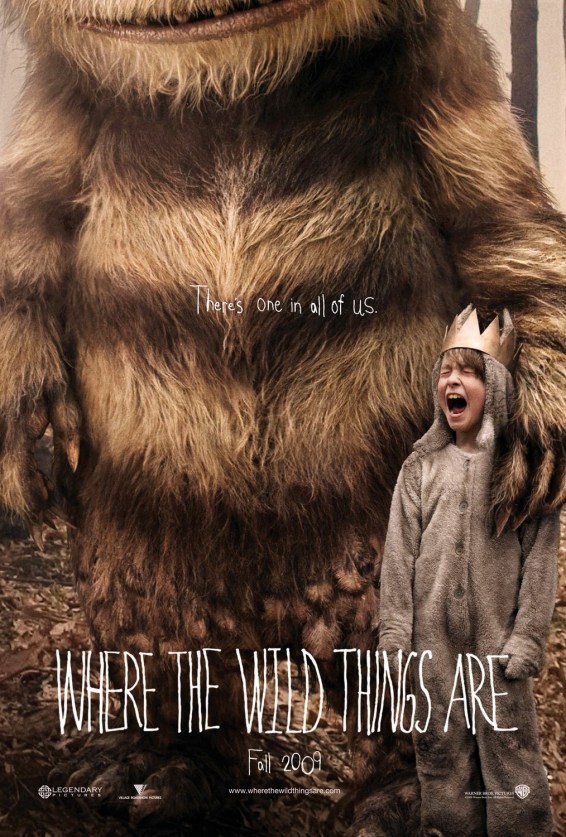
Plot Summary: Following a fight with his mother and yearning for adventure, young ‘Max’ runs away from home and sails to a mysterious island filled with creatures, who take him in as their king after ‘Max’ makes a promise to solve all their problems…

As previously mentioned, the film adaptation of ‘Where the Wild Things Are’ is a large step-up from the original children’s book it’s based on by Maurice Sendak, as while the classic story of a young boy visiting a land of fantastical creatures in order to escape reality has always been a staple of children’s literature, Jonze manages to deepen the narrative with his adaptation. Having themes of maturity, imagination and balancing one’s own emotions (all of which are presented in a mature and subtle way). In fact, the film’s production company, Warner Bros. Pictures were initially so unhappy with the final film (as it was far less family-friendly than they imagined) that they wanted Jonze to start from scratch. Instead, the two eventually agreed to satisfy both parties by giving the film more time in production.

Max Records leads the cast as the excitable and resentful; ‘Max,’ who gives a genuinely brilliant performance considering the actor’s young age at the time of filming. Alongside him, of course, is the group of creatures portrayed by the voice cast of Lauren Ambrose, Chris Cooper, Catherine O’Hara, Forest Whitaker and Paul Dano, whose voices all match their respective characters flawlessly. It’s the late James Gandolfini as ‘Carol’ who really shines throughout the film, however, having the most memorable design of the all the creatures within the original book, ‘Carol’ serves as a reflection of ‘Max’s childish attributes, from his tantrums to his jealousy and sadness, all of which is given such life through Gandolfini’s performance.

While the film’s colour palette remains fairly vibrant throughout, despite featuring a large amount of beiges and browns, the cinematography by Lance Acord is sadly the weakest aspect of the film. As, ignoring the large array of stunning sunrise and sunset shots, ‘Where the Wild Things Are’ utilises hand-held camera for the majority of its runtime, which when combined with the film’s occasionally chaotic editing can make some scenes feel a little impetuous. Yet, in spite of not having a massive budget, the film’s CG effects do still hold up remarkably well, with all of the facial expressions of the creatures and extensions to many of the island’s locations not seeming even remotely out-of-place.

The film’s soundtrack, compiled by musician; ‘Karen O,’ really benefits the film’s already calming and mature presentation. From the opening track; ‘Igloo,’ through to the more upbeat tracks; ‘Rumpus’ and ‘Sailing Home,’ to even the film’s more lyric-based tracks with ‘All is Love’ and ‘Hideaway.’ The soundtrack for ‘Where the Wild Things Are’ doesn’t feel like a traditional film score in the best possible sense, giving more of an impression of a slow-paced yet beautiful acoustic guitar album, which just like the film itself, is immensely underappreciated.

However, one of my personal favourite elements of the film and certainly the most visually striking has to be the many different designs of the creatures who live on the island, as not only do the designs fit each character’s personality, but every design is also a perfect live-action recreation of the creature’s original appearances within the pages of the book, with all of the creatures being brought to life using enormous and heavily detailed suits from the Jim Henson Company rather than just simply using CGI. The Jim Henson Company are known, of course, for the creation of ‘The Muppets,’ whose familiar charm isn’t lost here.

In summary, ‘Where the Wild Things Are’ is to me, an underrated modern classic, as despite its few flaws, the film surpasses its source material and then some, creating a genuinely gut-wrenching experience at points. Whilst the film has been criticised by some since its release mostly as a result of being seen as too mature and possibly even a little frightening/disturbing for younger viewers. I believe the film gets across a number of important messages for children, and I appreciate the film’s more in depth approach to crafting an imaginative family adventure. So, although Jonze may not have an extensive catalogue of films as a director, the films he has made never cease to impress me, and ‘Where the Wild Things Are’ fits as just another piece of the puzzle. Final Rating: 8/10.

where_the_wild_things_are_xlg

To All the Boys I’ve Loved Before (2018) – Film Review

Based on the novel of the same name by Jenny Han and releasing around the same time-frame as many other Netflix teen rom-coms, such as ‘The Kissing Booth,’ ‘Tall Girl’ and ‘Sarah Burgess is a Loser.’ ‘To All the Boys I’ve Loved Before’ may have a fairly formulaic structure in addition to feeling a little cliché at points as it closely follows its source material, but mostly through its charm and great cast, this light-hearted teenage romantic-comedy manages to retain some entertainment value for any admirers of the genre.

Plot Summary: Since she was young, ‘Lara Jean’ has always lacked the confidence to tell any of the boys she liked her true feelings, choosing instead to write them down within individual letters for her eyes only. Until, one day, the letters meant for her alone are publicly released, throwing her life into chaos as her foregoing loves confront her one-by-one…

Although definitely not a must-see for Netflix subscribers, ‘To All the Boys I’ve Loved Before’ does feel like a slight improvement over the other previously mentioned attempts Netflix has made within the realm of romantic flicks. As, while the story is far from original, the film’s basic concept of a teenage girl locking away her thoughts and feelings only for them to eventually be released, is at the very least, a plot that entices some interest into how things will turn out for her in the end, and interestingly, all of the letters seen throughout the film were physically written by Lana Condor herself whilst on set, with the actress writing a total of seven copies for each letter, as ‘Lara’ later tears them up.

This leads into the best aspect of the film for me, Lana Condor’s portrayal of the film’s protagonist; ‘Lara Jean,’ as much of the film’s overall charm is really owed to Condor’s lead performance, as the actress excellently balances ‘Lara’s timidity with her likability without much issue. Noah Centineo also shares quite a large role within the film as ‘Peter,’ one of ‘Lara’s earliest loves, and while Centineo does give a decent performance throughout the film, he does ultimately play the same character he has portrayed countless times before in other rom-coms both before and after, the same also goes for Israel Broussard as another of the ‘Lara’s past love interests.

The cinematography by Michael Fimognari is serviceable, with the film’s thought out editing usually making up for the large number of bland shots through its clever cutting from past to present. The film also tries to implement a little style into its filmmaking by having text and emojis appear on-screen whenever ‘Lara’ is texting, which, unfortunately, is executed sloppily, as whilst I understand what the filmmakers were going for, the final design they chose is quite odd, as rather than having ‘Lara’s phone screen appear beside her, or have text bubbles appear above her head, the text is simply displayed in the same font as the film’s opening titles, which I feel is both distracting and confusing. Bizarrely, the film also contains a few shots of Subway product placement, which are very distracting even if they are fairly minimal.

Expectedly, the original score by Jon Wong is quite forgettable, but does still serve the film’s narrative well. It’s the huge variety of modern pop songs that rule over most of the soundtrack, however, with next to nearly every scene featuring at least one or two different songs, and whilst some scenes do benefit from this, a large majority of the time it does feel as if there is an overabundance of songs thrown into a singular scene.

Yet, the most obvious flaw the film suffers from is the way it utilises its supporting characters, as although the film does remain focused on the life of ‘Lara Jean,’ for the most part, the film also places emphasis on many of ‘Lara’s friends and family, and even though the film tries its best to convince its audience otherwise, many of the supporting characters serve very little purpose to the story, and by the end of the film, are virtually forgotten as most are given no conclusive scene with ‘Lara.’ But, its ‘Lara’s sister and father who I personally found the most obnoxious, as these two characters deliver a large portion of the film’s occasionally cheesy dialogue and cringey humour, as sadly the film does feature plenty of awkward comedic moments in-between its few successful jokes.

In summary, while certainly not as diverting or as original as many other reviews may lead you to believe, ‘To All the Boys I’ve Loved Before’ does still have some value, as the film retains many of the novel’s faults as well as its merits, and in spite of many of its problems, I imagine most fans of upbeat romantic-comedies will be satisfied with the film by its end. If you don’t usually drift towards rom-coms, however, I’d probably suggest you check-out some of the other original films Netflix has to offer. Final Rating: 5/10.

to_all_the_boys_ive_loved_before_xxlg

Kingsman: The Secret Service (2015) – Film Review

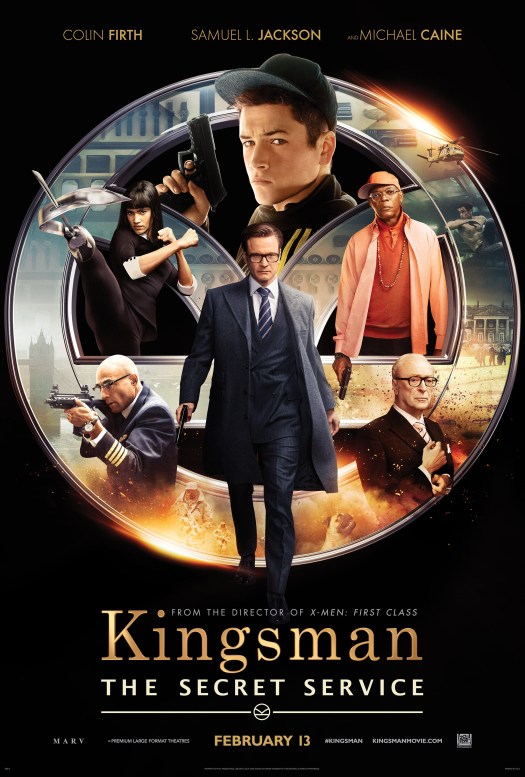
Matthew Vaughn, critically acclaimed director of ‘Layer Cake,’ ‘Kick-Ass’ and ‘X-Men: First Class,’ tries his hand at another comic book adaptation with ‘Kingsman: The Secret Service.’ Based on the comic book series of the same name by Mark Millar, and serving as a throwback to (and often parody of) classic spy/espionage films, such as the ‘James Bond’ series and ‘The Bourne Saga,’ ‘Kingsman’ very quickly became a beloved franchise after just its first instalment, mostly as a result of its hilarious self-aware moments of humour and exhilarating action set pieces.

Plot Summary: When the British spy organisation; ‘Kingsman,’ recruits an unrefined, but promising London street teen into the agency’s ultra-competitive training program. ‘Eggsy’ begins to follow in his father’s footsteps as he takes part in the organisation’s many dangerous training exercises. All the while, the twisted tech genius; ‘Valentine,’ begins to execute a master plan, which will potentially put the entire world at risk…

Violent, thrilling and fun, the first ‘Kingsman’ film was actually made partly in conjunction with the comic book itself, as director Matthew Vaughn and comic book writer Mark Millar have been good friends for many years since they collaborated previously on ‘Kick-Ass’ in 2010 to great success, prompting them to reunite for ‘Kingsman: The Secret Service.’ Which, aside from a few minor changes, is actually a mostly faithful adaptation of the first entry in the comic book series, alongside also being a superb gateway into the world for any non-fans of the comic series as the film establishes who the ‘Kingsman’ are and what they do, in little time.

Protagonist; ‘Gary Unwin,’ usually going by his nickname; ‘Eggsy,’ is portrayed by Taron Egerton in one of his earliest film roles, who portrays a reckless British teenager very well, becoming an instantly likeable character within only a short amount of screen-time. Its Colin Firth and Samuel L. Jackson, who, both steal the film with their fantastic characters, however, as both actors play completely against their usual type here, with Firth taking on the deadly spy; ‘Harry Hart,’ who rarely even smiles (creating quite a contrast from his usual romantic-comedies), and according to second unit director Bradley James Allan, even did 80% of his own stunts during filming. Whilst Jackson also gives one of his most memorable performances to date as the film’s antagonist; ‘Valentine,’ who, throughout the runtime, retains an aggressive lisp and occasionally childish demeanour, a big leap from much of his previous work.

Although not as outrageously creative as it could’ve been, in my opinion, the film’s cinematography by George Richmond does serve the story very effectively, as many of the film’s over-the-top and exciting action sequences are displayed proudly and clearly without too much use of hand-held camera or excessive editing. During a few scenes, the camera even begins to spin around the characters as they fight, providing the film with a real sense of movement.

The original score by both Henry Jackman and Matthew Margeson has quickly become very beloved, similar to the film itself, and it’s easy to see why, as the film utilises its trumpet-heavy orchestral score to create a soundtrack, which would fit perfectly within a classic espionage series, like ‘The Avengers,’ ‘The Ipcress File’ or ‘The Man From U.N.C.L.E.’ From ‘Manners Maketh Man’ and ‘To Become a Kingsman,’ to especially, ‘Valentine’s theme, which is noticeably more electronic to fit with the tech-savvy character. Nearly every track featured in the original score is both memorable, and usually, also cut in sync with the film’s stylish editing to great effect. 

Needless to say, the aspect that ‘Kingsman’ is most known for is certainly its variety of impressive action sequences, which as already mentioned, do away with the usual overly shaky and chaotic execution of most modern action flicks in favour of more fast-paced and exaggerated fight choreography with plenty of graphic violence to boot. Resulting in many entertaining action sequences, even if they aren’t completely flawless, as the majority of these scenes do, unfortunately, still suffer from their overly heavy usage of CG effects (usually for blood and severed limbs), which I feel does somewhat take away from many of these thrilling moments, even if they are still sure to impress most on their initial viewing.

In summary, while many spy films may be far more focused on delivering more grounded and gritty missions for their audiences these days, ‘Kingsman: The Secret Service’ truly revels in its absurdity. As, in spite of the problems this stirring espionage film faces, it still manages to remain an amusing and exciting experience throughout its runtime, combing its array of phenomenal action set pieces with some outstanding stunts and a now-iconic original score, the first instalment in ‘The Kingsman’ series may have now launched a blockbuster franchise, but for many, I feel it will always remain their favourite part of this continuing story. Final Rating: low 8/10.

kingsman_the_secret_service_ver7_xxlg

The Amazing Spider-Man 2 (2014) – Film Review

Overstuffed with plot lines, characters, and ideas alike, this sequel to the ‘Spider-Man’ reboot from 2012 lacks much of anything to truly get invested in. As, this time around, returning director Marc Webb alongside the long list of Sony producers seem to be far more focused on setting up future sequels and spin-offs for the franchise rather than the current story, resulting in a superhero flick that’s just as muddled and inconsistent as it is forgettable. And, while the film did receive fairly average reviews upon its initial release, I’ve personally always felt ‘The Amazing Spider-Man 2’ is anything but ‘Amazing.’

Plot Summary: Continuing the adventures of the wall-crawler, New York City’s hero is thrown into action once again as he faces his newest threat; ‘Electro,’ whilst also balancing his normal day-to-day life as ‘Peter Parker’ with that of being ‘Spider-Man.’

It’s easy to see that throughout its production, ‘The Amazing Spider-Man 2’ faced the problem of having far too many creative minds involved, as director Mark Webb fought against producers constantly as to what would be featured and explored within the superhero sequel. This is why the film eventually ended up having three separate antagonists, in addition to also focusing on ‘Peter’s various relationships and the surrounding mystery of his parents, which when all combined, make the film feel completely directionless, as the audience is given very little time to become invested in any specific aspect of the story before quickly moving on.

Andrew Garfield and Emma Stone return to their roles of ‘Peter Parker’ and ‘Gwen Stacey’ for the sequel, whos romantic chemistry is still one of the film’s best elements similar to the previous instalment. New to the cast this time, however, is Jamie Foxx, Dane DeHaan and Paul Giamatti, who, all take on various roles as villains from ‘Spider-Man’s iconic rogues’ gallery, with the three portraying ‘Electro,’ ‘Green Goblin’ and ‘The Rhino,’ respectively. Yet, despite all these actors giving some fantastic performances in the past, most of the cast give extremely over-the-top and sometimes even strange performances here, which is only made worse as a result of the film’s large amount of cringey dialogue and absence of a consistent tone.

The film’s decent yet not overly inventive cinematography by Dan Mindel is, unfortunately, also hurt by the erratic editing throughout the film, as whilst not always present, occasionally, the editing does result in quite rapid cuts, with some shots that utilise slow-motion even being cut to when the ones before/afterwards did not, stopping the film from ever obtaining a smooth flow. Of course, although it’s usually a no-brainer when it comes to modern superhero flicks, the film’s CG effects are one of its most impressive and visually pleasing aspects, with many of ‘Electro’s shocking abilities being visualised as if they were ripped straight from the source material.

One of the most bizarre original scores in Zimmer’s catalogue of work, the original score by both him and Pharrell Williams gives the impression it’s made up of a number of different tracks from other unrelated films. As, aside from the signature track; ‘I’m Spider-Man,’ which does suitably feel like a heroic and upbeat theme for the beloved superhero. Many of the other tracks simply don’t mesh together well when they manage to stray away from being generic. However, it’s the infamous track; ‘I’m Electro,’ which certainly feels the most out-of-place, as the track employs electronic dubstep with vocals underneath by Pharrell himself that give voice to ‘Electro’s compulsive thoughts.

‘The Amazing Spider-Man 2’ is even surprisingly poor when it comes to its action, as whilst the film does attempt to be very ‘large-scale’ with its action set pieces, having many of them take place within the centre of New York City (where nearly all of the sequel was actually filmed). Much of the action also heavily relies on slow-motion, cheesy quips/jokes, and CG effects, all of which give the film’s action scenes an insufficiency of tension due to their over-extravagance.

In summary, after ‘The Amazing Spider-Man 2’s release, it’s fair to say that Sony was put into a tough situation. As in spite of the film doing fairly well at the box-office, it was clear that fans had no further interest in seeing Sony’s many planned franchise instalments, eventually leading them to strike a deal with Disney to bring ‘Spider-Man’ into the Marvel Cinematic Universe, now portrayed by actor Tom Holland. Although some may be saddened this version of the iconic web-head will more than likely never return to our screens, other than the comic-accurate suit and great chemistry between Garfield and Stone, I feel this sequel (and rebooted series in general) had very little to offer to begin with, and I’m thankful Marvel is now taking the character in a different direction rather than just regurgitating the same narrative we’ve seen many times before. Final Rating: low 3/10.

amazing_spiderman_two_ver11_xxlg

Hidden Figures (2016) – Film Review

Based on the book of the same name by Margot Lee Shetterly, the film adaptation of ‘Hidden Figures’ serves as a compelling and entertaining delve into the past as it tells the true story of the mostly unknown women who helped push forward the space program. Through its brilliant performances from Taraji P. Henson and Kevin Costner (among the rest of the cast) alongside its magnificent writing, the film manages to keep its audience constantly invested in spite of its occasionally bland filmmaking.

Plot Summary: Katherine G. Johnson, Dorothy Vaughan, and Mary Jackson, three brilliant African-American women working at NASA during the 1960s cross all race and gender barriers within their workplace to follow their dreams and inspire generations, serving as the brain force to help send astronaut; John Glenn, into Earth’s orbit…

Despite focusing on three separate stories of three independent women, ‘Hidden Figures’ never feels unfocused, as each of the three protagonists receive a decent amount of development as well as at least one or more memorable scenes between them, as the film displays its main theme of female and Black empowerment proudly, without ever becoming overly cliché as it avoids many of the over-done tropes that other films built around the racist barriers of the ’60s can begin to rely on. For example, the film’s opening scene in which the trio of women are confronted by a white police officer, as this moment could’ve easily felt like overly familiar ground should it have been handled poorly, yet aside from some inappropriate stereotyping at first, the scene actually results in the three of them heading to NASA without any horrific racial ridiculing.

The three protagonists, portrayed by Taraji P. Henson, Octavia Spencer and Janelle Monáe, are all excellent throughout the film, as each of them remains determined and outgoing, despite the world’s many attempts to drag them down, always fighting against the unfair judgement of them simply for the way they look, repeatedly with a lack of preachy dialogue. Alongside them, the supporting cast of Kevin Costner, Jim Parsons, Kirsten Dunst, and Mahershala Ali are all great even if some of their characters are a little underutilised within the narrative. One of the reasons the performances within the film are as accurate as they are is, due to some of the cast actually being given the opportunity to meet with the story’s icons before production began. Most notably, Taraji P. Henson met with the real Katherine Johnson (who was ninety-eight years old at the time) after she signed onto the project.

The cinematography by Mandy Walker is serviceable overall, as while the film features a good number of attractive shots, they are dragged down by its many mundane ones. However, ‘Hidden Figures’ does actually make effective yet subtle use of colour throughout its runtime, as the film’s colour palette constantly reflects the mood within each scene, with many of the sets at NASA where calculations and preparations take place utilising mostly pure whites, greys, and silvers, which creates a sharp contrast to the warm/inviting colours of the ladies’ homes.

Hans Zimmer and Benjamin Wallfisch handle the original score for the film, which is an incredibly mixed bag. As, whilst the score does feature some decent tracks. such as ‘Katherine,’ ‘Mission Control,’ and ‘Hidden Figures,’ the soundtrack also features a number of pop songs by Pharrell Williams, which don’t fit the tone of the film or the story’s time-period. Usually resulting in it feeling very forced and sometimes even taking away from the film’s dramatic moments. This is most likely a result of Pharrell Williams overseeing all aspects of the film’s soundtrack, which I personally feel is a huge misstep as his style of music truly isn’t at all suited for a drama such as this.

In addition to portraying the female heroes of the real-life story as accurately as possible, the film also makes substantial use of its time period, as to keep the audience up-to-date with what knowledge the American public had at the time, ‘Hidden Figures’ occasionally cuts away to archive footage of rocket testings or then-president John F. Kennedy making public announcements, both of which are surprisingly effective despite not being used continuously. Personally, however, I still would’ve preferred a bigger presence of songs from the 1960s rather than the constant barrage of pop songs the film contains, as mentioned previously.

In summary, I feel ‘Hidden Figures’ is an important film many should experience, as whilst there has been an array of films based around the misogynistic/racist nature of the 1950s/1960s, ‘Hidden Figures’ is for sure a stand out through its engaging and thought-provoking narrative. Although films, like ‘Do the Right Thing’ and ‘BlacKkKlansman’ may be slightly more powerful with their message(s), I feel ‘Hidden Figures’ is fairly underrated when it comes to historical dramas, as the film is simultaneously both informing and touching. Final Rating: 7/10.

hidden_figures_ver2_xxlg

Tangled (2010) – Film Review

Disney’s first CG animated fairytale is both incredibly funny and heartwarming, as ‘Tangled’ brings to life the well-known fairy princess; ‘Rapunzel,’ now updated for a new generation of children. Through some beautiful animation, wonderful original songs and an incredibly vibrant colour palette. ‘Tangled’ feels almost as if it’s an enchanting classic restored from Disney’s golden age of animation, despite its few small problems here and there.

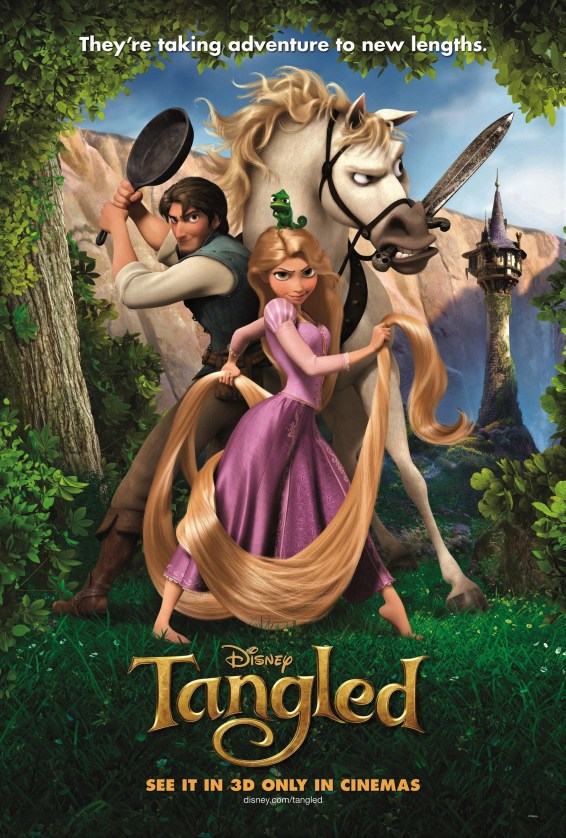
Plot Summary: When the ‘Kingdom of Corona’s most-wanted and most charming bandit: ‘Flynn Rider’ hides out in a mysterious tower, he’s taken hostage by ‘Rapunzel,’ a feisty tower-bound teen with magical golden hair. Eventually leading the two of them to strike a deal so ‘Rapunzel’ can achieve her long-desired dream of seeing the annual release of the kingdom’s lanterns…

Heavily praised since its release, ‘Tangled’ was created by Walt Disney Animation Studios, which have produced a variety of fantastic animated films in recent days. Releasing films such as: ‘Bolt,’ ‘Zootropolis,’ ‘Wreck-It Ralph’, ‘Moana’ and, of course, the smash-hit; ‘Frozen,’ in 2013. Many of which even beginning to surpass Disney’s other animation company over time, this obviously being Pixar, who now seem to be far more focused on creating constant sequels, prequels and spin-offs rather than original stories.

Mandy Moore and Zachary Levi bounce extremely well off of each other as ‘Rapunzel’ and ‘Flynn Rider,’ with both the characters having plenty of amusing moments in addition to some surprisingly great chemistry (considering they are fully animated). The cast also features Donna Murphy as ‘Mother Gothel’ and Ron Perlman as one of the ‘Stabbington Brothers’ (a.k.a. The antagonists of the film), and although neither of these two villains ever become quite as memorable or as iconic as some other Disney antagonists. They do serve their roles within the story effectively and are intimidating enough. During the story, ‘Rapunzel’ also receives a character arc, growing as a character to become more confident and independent as the runtime continues on, which I feel is not only executed well, but also gets across an important message for children.

Featuring an array of stunning wide shots, the animated cinematography throughout ‘Tangled’ is decent overall. While nothing overly imaginative, the animated cinematography works really well for many of the film’s fast-paced action sequences. The animated cinematography is also improved by the film’s incredibly colourful visuals, as many scenes throughout the film are dripping with bright colours and magnificent lighting. Some of the colouring of character’s clothing even reflect their personalities, as ‘Rapunzel’ wears purple, a colour often associated with royalty and ‘Flynn’ wears blue and white, colours that often stand for goodness. Whereas ‘Mother Gothel’ wears red, a colour that usually symbolises evil.

The original score by Alan Menken is certainly the weakest element of the film, as ignoring the actual songs within the film, most notably; ‘When Will My Life Begin’ and ‘I See the Light.’ The score is mostly generic and little bland at points when it comes to animated flicks, as I feel the soundtrack could’ve been greatly improved if the score would’ve embraced the more fantasy-esque aspects of its narrative. Occasionally, the film can also over-rely on musical cues, as during a number of scenes the film feels the need to accompany every action or piece of humour with a trumpet cue, which feels nothing but unnecessary throughout.

Being many years on from the film’s initial release, it’s inevitable that the film’s animation would begin to age. However, although a couple of the close-ups on character’s faces may look a little outdated. ‘Tangled’s animation predominantly holds-up well since 2010. In particular, the CG effects on ‘Rapunzel’s long hair, which still look marvellous even today. The film’s humour is also fairly excellent, as the film has a large amount of range when it comes to its jokes, usually having plenty of comedic moments that will appeal to older viewers as well as young children. ‘Tangled’ also gets some great comedic moments out of its horse character; ‘Maximus,’ who, quickly ends up becoming one of the film’s greatest characters through his constant drive to catch ‘Flynn Rider,’ with many of his movements being presented as if he is a large dog or even a human.

In summary, although it may not be one of Disney’s best, ‘Tangled’ is still very enjoyable from start-to-finish. Despite its sometimes overly fast pacing and slightly dated animation, the film has more than enough to please families, with some likeable protagonists, plenty of memorable songs and an overall joyful and adventurous tone. ‘Tangled’ is, in my opinion, on the upper level of fantastical family films, and whilst some may feel the film is aimed more towards one gender with its story being based around a fairy princess, I’d argue otherwise. Final Rating: 8/10.

tangled_ver3_xxlg