A Monster Calls (2016) – Film Review

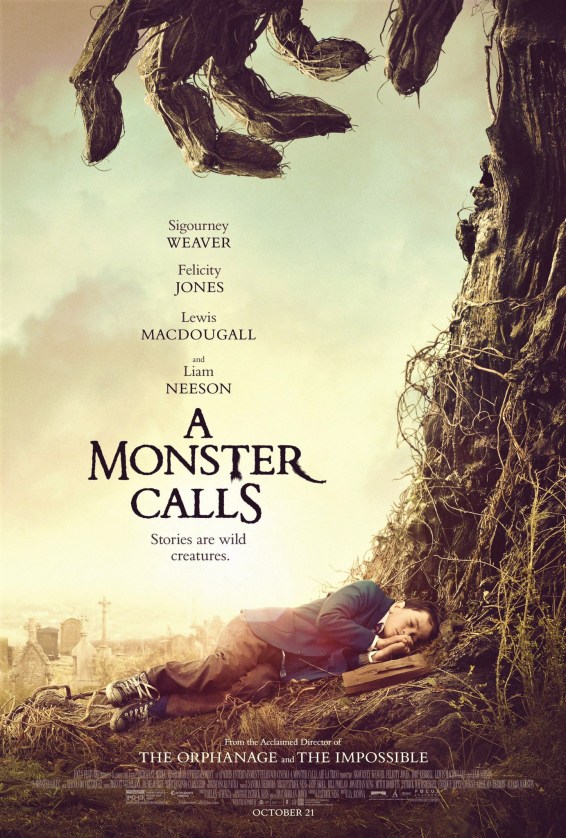
Based on the novel of the same name by Patrick Ness and directed by J. A. Bayona (The Orphanage, The Impossible, Jurassic World: Fallen Kingdom), 2016’s ‘A Monster Calls’ is far from being the simplistic creature-feature its title may imply. Instead, this imaginative and soul-stirring drama balances its mature themes and fairytale-esque elements to deliver an engrossing and incredibly moving story, which despite its many positive reviews, has mostly gone unmentioned by many film fanatics since its initial release.

Plot Summary: After realising his mother is dying from terminal cancer, twelve-year-old ‘Conor O’Malley’ struggles to accept that he soon may have to live in a world without his caring mum. Until, later that night, when ‘Conor’ is visited by a tree-like monster in what he believes to be a dream, ‘Conor’ sees an opportunity to save his mother as the creature tells the boy he will heal her after he listens to his three stories…

Focusing on heavy themes of family and loss, the film adaptation of ‘A Monster Calls’ follows its source material very closely, with only a few small differences. One of these alterations being some additional scenes that were written exclusively for the film, including one scene that takes place immediately after the ending of the novel. But, with the original author Patrick Ness writing the film’s screenplay, this accuracy shouldn’t be too surprising. However, interestingly, it wasn’t Ness who originated the story, as the novel was actually started by Siobhan Dowd, who, sadly left it unfinished after her death, leaving Ness to complete the novel in 2011, yet Dowd is still credited as the creator of the original idea during the film’s end credits.

While the film’s supporting cast of Felicity Jones, Sigourney Weaver, Toby Kebbell, and Liam Neeson as the voice of ‘The Monster,’ are all superb in their various roles, its Lewis MacDougall who takes on the lead role as ‘Conor’, which is by no means an easy feat considering his age, as ‘Conor’ is a fairly complex character, being a young boy dealing with a very difficult situation he doesn’t fully understand, unwilling to accept that is mother is in constant pain, and more than likely, won’t be able to recover from her sickness. ‘Conor’s young age also makes his outbursts of rage and sorrow more understandable, as nearly every viewer can probably recall the difficulty of attempting to control their emotions when they themselves were a child. The now-sought-after actor Tom Holland also has a small role in the film, as Holland actually served as the stand in for ‘The Monster’ on set, following his previous collaboration with Bayona on ‘The Impossible’ in 2012.

The film’s cinematography by Oscar Faura not only manages to capture the true scale of ‘The Monster’ at many points, but also allows for a large array of visually appealing shots, effectively utilising everything from extreme close-ups to aerial wide shots to increase the film’s spectacle. The film’s CG effects aren’t quite as impeccable, however, as there are a noticeable amount of CGI-heavy moments which have suffered (if only slightly) from the film’s age.

Although the story of ‘A Monster Calls’ is very powerful on itself, there is no denying it is greatly elevated by Fernando Velázquez’s original score, as many of the film’s accompanying tracks, such as ‘Dad Arrives’, ‘Big Dreams’, ‘The Truth,’ and certainly the film’s final track; ‘End Credits’, all massively help to evoke emotion in the viewer, inevitably adding up to the film’s gut-wrenching conclusion. Any fans of Bayona’s early filmography are also sure to enjoy the film’s quick throwback to the director’s horror roots, as the score becomes quite dread-inducing during the first scene with ‘The Monster,’ as ‘Conor’ is unsure of the creature’s intentions.

But, without a doubt the most impressive aspect of this adaptation has to be ‘The Monster’s stories, as every time ‘The Monster’ tells ‘Conor’ these fantastical tales, the film takes a dramatic shift from live-action into animation, bringing its stories to life through water-coloured drawings and sketches, which not only plays into ‘Conor’ and his mother’s flair for artistry, but these sequences are also when the film is at its most creative, having the camera fly through splurges of paint and water, engulfing the viewer in an array of magnificent colours and locations alike.

In summary, ‘A Monster Calls’ is truly a touching and prodigious film. Whilst perhaps not completely flawless in its execution, mostly due to its unexplored side characters and occasional piece of hand-held camerawork, I feel most would find it impossible to not relate to the story in someway, as it’s sublime performances, enchanting visuals, and beautiful original score all serve their purpose of complimenting the film’s narrative, which is just as captivating as it’s novel counterpart. And, for me, ‘A Monster Calls’ still reigns as my personal favourite film from J. A. Bayona, and I’m positive the film became (and will continue to be) a showcase for Patrick Ness as a talented screenwriter. Final Rating: 8/10.
monster_calls_xxlg

Jojo Rabbit (2019) – Film Review

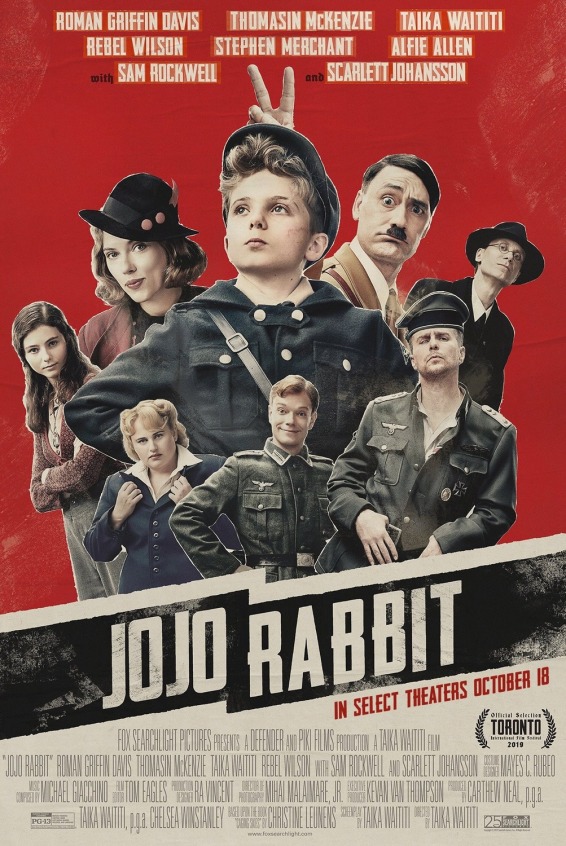
From Taika Waititi, the now-esteemed comedy director behind modern comedy classics, like ‘What We Do in the Shadows,’ ‘Hunt for the Wilderpeople,’ and ‘Thor: Ragnarok,’ comes a beautifully crafted war film with a strangely pleasant sense of humour, as ‘Jojo Rabbit’ really stands out within the war genre for being one of the first films set during World War II to be an anti-hate satire, telling it’s heartwarming and optimistic story in an amusing yet respectful fashion. Soon cementing itself as one of the most noteworthy releases of 2019.

Plot Summary: Nearing the end of the Second World War, a lonely German boy named: ‘Jojo’ aspires to be a Nazi, hoping to one day fight on the frontline. But, ‘Jojo’ soon finds his worldview turned upside-down when he discovers his mother is hiding a young Jewish girl in their attic. Aided only by his idiotic imaginary friend, who takes the form of ‘Adolf Hitler,’ ‘Jojo’ must confront the unexpected guest in his home, and in doing so, confront his blind nationalism…

Partly based on the novel; ‘Caging Skies’ by Christine Leunens, the screenplay for ‘Jojo Rabbit’ was actually written back in 2011, putting it in-between ‘Boy,’ released in 2010, and ‘What We Do in the Shadows,’ released in 2014, in the chronology of Taika Waititi-penned films. And, while ‘Jojo Rabbit’ is certainly one of Waititi’s finest films to-date, it is also one of his most controversial, as whilst I personally feel the film goes about its comedy in a tasteful manner, never undercutting the story’s message and mostly just poking-fun at ridiculous Nazi protocols and beliefs. ‘Jojo Rabbit’ did receive plenty of flack from critics as soon as it was even announced the film would contain any kind of humour, which I find quite unfair on behalf of the film, as it’s clear to me that the humour is crucial in what the story is trying to accomplish.

The young and impressive Roman Griffin Davis leads the cast excellently as ‘Jojo,’ portraying the young boy as simply a regular kid who has a fascination with this ideology the Nazis are fighting for, even though he has little understanding of it nor its horrific consequences. Then there is Thomasin McKenzie, who portrays the opposite side of this, as her character; ‘Elsa,’ is a resourceful and intelligent Jewish girl who attempts to open ‘Jojo’s eyes to the real-world, rather than the warped-reality his fellow Nazis have burned into him. Scarlett Johansson is also fantastic in the film as ‘Jojo’s mother, ‘Rosie,’ having the most consistent German accent of the cast by far. But, it’s the director himself, Taika Waititi, who takes the short straw portraying the infamous Adolf Hitler, or at least ‘Jojo’s imaginary interpretation of him, as ‘Hitler’ is always presented in a very discriminating way, with Waititi portraying the dictator like a complete tool, only ever having as much information and maturity as ‘Jojo’ does, and occasionally, even less so.

Oppose to many other war films, ‘Jojo Rabbit’ features a very vibrant colour palette, as Waititi actually discovered through much of his research that Germany during World War II was both colourful and fashionable, and was interested in shying away from war films only ever displaying World War II as dark and dreary. So, through this, as well as the fairly creative cinematography by Mihai Malaimare, ‘Jojo’s small town is presented as a seemingly celebratory place with stylishly dressed citizens. Almost as if the town is trying to ignore the impending threat, only semi-aware that the Third Reich is crumbling beneath them.

The film’s original score by Michael Giacchino is another wonderful effort from the composer, as the score features a number of memorable tracks, from ‘Jojo’s Theme’ to ‘A Butterfly’s Wings,’ and ‘Rosie’s Nocturne.’ In many ways, the score for ‘Jojo Rabbit’ almost sounds as if it’s a military march composed by a group of children, which works perfectly considering the film’s story is told through a child’s perspective. Furthermore, the original score also utilises German vocals to more accurately fit with the story’s setting.

Although the supporting cast of Archie Yates, Rebel Wilson, Stephen Merchant, and Alfie Allen are all brilliant within the film, I really do wish their characters were featured more throughout the narrative. As, aside from Sam Rockwell’s ‘Captain Klenzendorf,’ who receives a respectable amount of screen-time, many of the story’s side characters are seemingly only in the film for the sake of a couple of humorous scenes, which is unfortunate, as every member of the cast portrays their Nazi characters as hilariously over-the-top as possible.

In summary, ‘Jojo Rabbit’ isn’t only another extraordinary entry into Taika Waititi’s catalogue of comedy flicks. But, I’d argue it’s his best project thus far, a daring and charming film that simultaneously explores the horrors of war, yet also the compassion in people. And, while the film may not be for everyone, with many reviews clearly indicating how divisive the film is with its implementation of comedy, I feel the film juggles its humour and emotional moments immensely well, with its remarkable original score and bright colour palette only helping the film stand further out from the crowd. Final Rating: 8/10.

jojo_rabbit_ver2_xlg

How to Train Your Dragon (2010) – Film Review

One of the highest-regarded films from DreamWorks Animation, 2010’s ‘How to Train Your Dragon’ is successful in nearly every regard as an animated feature, making many changes to its original source material (all of which for the better), to excel as a brilliant piece of family-focused storytelling. With plenty of memorable characters, exhilarating action sequences and an outstanding original score by John Powell, ‘How to Train Your Dragon’ would soon go on to become one of DreamWorks’ most recognisable and profitable franchises for good reason.

Plot Summary: On the island of ‘Berk,’ ‘Hiccup,’ the frail son of the Viking Chief, aspires to hunt dragons and keep his home safe like the rest of his clan, earning the respect of his fellow Vikings. But, after injuring a ‘Night Fury,’ one of the rarest and most powerful dragons known to exist, ‘Hiccup’ forms an unlikely friendship with the creature, soon realising that dragons aren’t at all what Vikings believe them to be…

The first film to be directed by duo Chris Sanders and Dean DeBlois since the Disney animated classic; ‘Lilo and Stitch,’ in 2002. The film adaptation of ‘How to Train Your Dragon’ makes many alterations to the story seen in the original children’s book. As, firstly, ‘Hiccup’ does not have a love interest, and the now-iconic DreamWorks character; ‘Toothless,’ is about the size of the ‘Terrible Terror’ dragon breed, his skin is also green and red, not black. Furthermore, ‘Toothless’ gets his name when ‘Hiccup’ first finds him with no teeth. But, the film’s producers decided, with the approval of author Cressida Cowell, that it would be more cinematic to make ‘Toothless’ large enough to be ridden as a flying mount. As such, ‘Toothless’ was completely redesigned as a rare ‘Night Fury,’ a highly intelligent breed of dragon evolved for speed and stealth with teeth that retract into their jaw when shooting a fiery pulse.

Protagonist; ‘Hiccup,’ is portrayed by Jay Baruchel, a fairly under-the-radar actor. But, similar to his character in ‘The Sorcerer’s Apprentice’ from 2011, Baruchel suits a nervous character, like ‘Hiccup,’ extremely well due to his naturally anxious voice, making for a likeable yet never vexatious protagonist. Gerard Butler as ‘Hiccup’s father; ‘Stoick,’ is another member of the cast who naturally fits his character, as Butler’s rough Scottish accent melds with the hefty Viking’s design perfectly. The film also features a great ensemble cast for the other young dragon recruits through America Ferrera, Jonah Hill, Christopher Mintz-Plasse, T.J. Miller and Kristen Wiig, who together provide many of the film’s comedic moments.

The animated cinematography throughout ‘How to Train Your Dragon’ is superior to a number of other animated flicks when put in comparison, as the film continuously features beautiful visuals. The most obvious being within the scene; ‘First Flight,’ in which, ‘Hiccup’ hops aboard ‘Toothless’ for the first-time as they soar across the stunning land of ‘Berk,’ breezing over acres of forest and past/through cliffs, all while being tracked by the camera. Interestingly, many of these dragon-flying moments are also inspired by combat and aerobatic aircrafts, as ‘Toothless’ performs many aerobatic maneuvers and combinations, such as a ‘Loop and Snap.’

Nominated for an Oscar at one point-in-time, the original score by John Powell is truly sensational, a majestic score that occasionally even utilises bagpipes in order to further fit with the film’s Scottish setting (which is alluded to by the many Scottish accents). And, while Powell has always been known for creating phenomenal scores for animated flicks, with ‘Ice Age,’ ‘Kung Fu Panda’ and ‘Horton Hears a Who!,’ being just some of his sublime work, the soundtrack for:’How to Train Your Dragon’ is by far some of his best, with the tracks; ‘This is Berk’ and ‘Forbidden Friendship,’ becoming some of the most notable tracks in all animation.

The animation itself has begun to show its age in a handful of shots since the film’s initial release, but as a result of the film’s many wonderful designs, usually in relation to its dragons, which display different abilities, colours, horns and skin-tones for each breed, the film manages to redeem any shot that feels at all dated. These pleasant designs also help distract from the film’s overly fast pacing, as whilst I understand that younger viewers may have shorter attention spans, the film can sometimes feel as if its rushing through one scene to quickly get to the next.

In summary, although I possess the quite controversial opinion of disliking the sequels to ‘How to Train Your Dragon,’ as I personally find them much more generic and by-the-numbers in terms of their storylines, especially when compared to the original, the first of the series is still one of DreamWorks’ best efforts, and I’d even argue is on the level of beating out their previous fantasy franchise; ‘Shrek,’ in regard to its characters, creatures and world-building. So, even if you don’t enjoy animated/family films, perhaps ‘How to Train Your Dragon’ will sway you into the genre just as it does with its wondrous story. Final Rating: 8/10.

how-to-train-dragon-poster1

The Perks of Being a Wallflower (2012) – Film Review

Dealing with heavy themes of loneliness, mental health and suicide, ‘The Perks of Being a Wallflower’ may not astonish when it comes to its visuals. Yet, through its strong performances, heartfelt story and well-written screenplay (aside from one or two cliché lines), the film soon becomes a very sincere and captivating adaptation of the acclaimed coming-of-age novel many grew up with when it released in 1999, now being seen as one of the best teenage dramas in recent years.

Plot Summary: Fifteen-year-old; ‘Charlie,’ a socially awkward teenager heading into his first year of high school, used to watching life from the sidelines, ‘Charlie’ soon discovers the joys of friendship, love and music as the free-spirited; ‘Sam,’ and her stepbrother; ‘Patrick,’ open his eyes to the real world. But, when his friends prepare to leave for college after graduating high school, ‘Charlie’s inner sadness threatens to shatter his newly-found confidence…

In a rare scenario, the film adaptation of ‘The Perks of Being a Wallflower’ is not only based on the novel of the same name by Stephen Chbosky, but is actually written and directed by Chbosky himself. As, originally, beloved writer-director John Hughes, the comic genius behind; ‘The Breakfast Club’ and ‘Sixteen Candles,’ amongst many other ’80s teen flicks, was intended to direct the adaptation, initially wanting to make the film into more of a dark comedy with Shia LaBeouf set to play ‘Charlie,’ Kirsten Dunst as ‘Sam,’ and Patrick Fugit as ‘Patrick.’ But, with Hughes sudden death in 2009 stalling the project, his screenplay was eventually scrapped as he’d not completed it before his passing, leaving Chbosky to take the reins.

Throughout the entirety of the film, the central trio of friends are portrayed wonderfully by Logan Lerman, Ezra Miller and Emma Watson, in one of her first roles following the end of the ‘Harry Potter’ series, as each member of the young cast display plenty of range with their respective characters receiving an almost absurd amount of characterisation alongside, resulting in all three of the central protagonists soon forming a real bond with the audience through their lovable yet realistic portrayals of high school teenagers. Well-known comedy actor Paul Rudd also appears within the film as ‘Mr. Anderson,’ using his natural charisma to portray a genuinely kind-hearted teacher, guiding ‘Charlie’ to what he believes is his future career as a writer.

The film’s cinematography by Andrew Dunn is noticeably where the filmmaking dips in quality, as despite the camerawork occasionally allowing for some interesting framing, such as when ‘Charlie’ is framed alone with only bare walls surrounding him, visually presenting him as an outcast due to his anxiety when interacting with others. Most of the film’s cinematography feels fairly mundane, with the colour palette, in particular, seeming very confined, always utilising quite warm/calming colours regardless of what’s happening within the narrative. With that said, near the end of the runtime, the film does manage to impress with its editing as ‘Charlie’ begins to suffer from a panic-attack, represented through the film cutting rapidly between an array of previous scenes, ensuring a feeling of being overwhelmed within any viewer whilst watching. 

From iconic songs, such as: ‘Heroes’ and ‘Come on Eileen,’ to the beautifully somber original score by Michael Brook. The entire soundtrack for ‘The Perks of Being a Wallflower’ is both graceful and immensely underappreciated, capturing the film’s many alternating tones, whether that’s its unrelenting isolation, or its upbeat bliss. But, my personal two favourite tracks have to be ‘Charlie’s First Kiss’ and ‘Shard,’ a pair of tracks that are both truly touching pieces of music, evoking emotion in any listener in spite of their simplicity.

Another aspect of the film I adore is how it represents high school, as while many coming-of-age flicks usually lean into the idea of high school being an often chaotic, but satisfying experience, ‘The Perks of Being a Wallflower’ never glorifies school, refusing to represent it as either a positive or negative place. This all backed up, of course, by the story’s interesting themes which the film handles with care, never overemphasising it’s concepts in a similar fashion to the source material. Also, in line with the original novel is the film’s nostalgic 1990s setting. Yet, with the exception of the numerous mix-tapes the characters listen to, you’d be forgiven for being unaware that the film even takes place within this time-period, as it’s never mentioned nor plays into the film’s style.

In summary, ‘The Perks of Being a Wallflower’ is deserving of the praise it receives, as while the film’s uninspired cinematography does leave some room for improvement, for a directorial debut, Stephen Chbosky really knocks it out of the park here, with some brilliant performances and very underrated original score, the film is truly an adaptation to be admired. And, regardless of whatever time-period its story is set within, many of its themes/messages are timeless, and I personally believe this is what any other films focusing on troubled teenage characters should strive to be. Final Rating: 8/10.

perks_of_being_a_wallflower_xxlg

The Babadook (2014) – Film Review

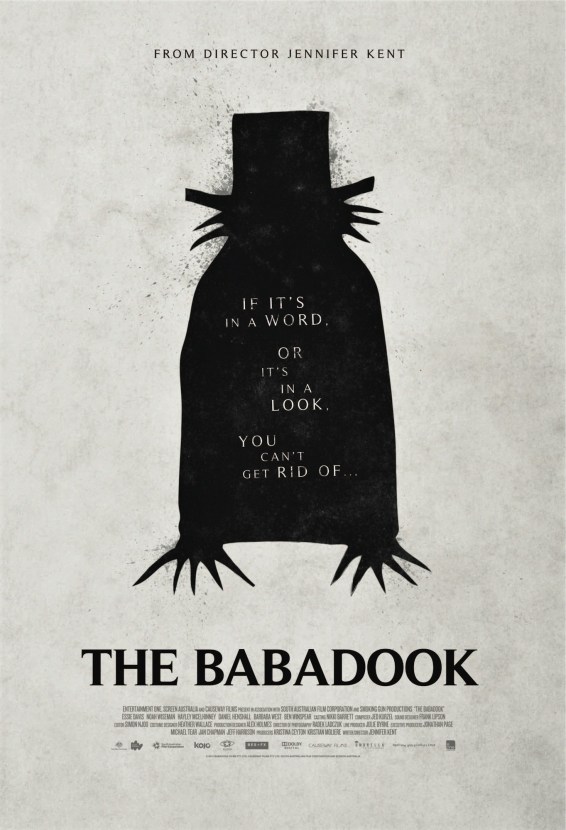
Surreal, engrossing and truly terrifying during some scenes, ‘The Babadook’ is, in my opinion, one of the best modern horrors released in quite some time. Through its excellent filmmaking, astounding performances and horrifying yet also intriguing creature, ‘The Babadook’ attempts to do something different with its horror, going about its story with far more depth than many other films within its genre, soon becoming an experience that’s just as immersive as it is disturbing for anyone who stumbles upon it.

Plot Summary: Following the sudden death of her husband in a car crash, the now-widow; ‘Amelia,’ struggles to cope as a single mother, as her son’s chaotic behaviour and constant paranoia of monsters makes her friends become distant and even her sanity begin to fade. Until, one night, after the pair read a mysterious pop-up book, titled; ‘Mister Babadook,’ they soon discover a malevolent creature has manifested itself into the dark corners of their home…

Directed by Jennifer Kent (The Nightingale), ‘The Babadook’ is a horror film that has much more to offer beneath its surface, with themes of family, grief and trauma throughout. Based on the short film; ‘Monster,’ also directed by Jennifer Kent, ‘The Babadook’ actually takes much of its inspiration from one of Kent’s real-world friends, a single mother whose son was traumatised by a monstrous figure he thought he saw everywhere in the house. So, Kent imagined a scenario in which this creature was real, eventually leading her to create her short film, before then wanting to expand on the idea further.

The main area ‘The Babadook’ excels where most modern horrors fail is the characters. Only featuring a main cast of two terrific actors, Essie Davis and Noah Wiseman, with Wiseman only being six-years-old at the time of filming. The mother and son of the film are both compelling characters for very different reasons, as the mother ‘Amelia’ struggles to cope as a single parent. Alienating her friends/colleagues and becoming more lonely and sexually frustrated as time passes, mostly due to her son; ‘Samuel,’ who continuously struggles with anxiety and the absence of a real father, which makes it challenging for him to mix with other children. This all adding up to making the film just as effective as a family drama as it is a supernatural horror.

Although Radek Ladczuk’s cinematography isn’t quite as impressive as the film’s magnificent editing, which allows for plenty of quick visual storytelling and gives the film a level of style that I didn’t expect. ‘The Babadook’ does still feature a number of stunning shots, which are enormously enhanced by the film’s dread-inducing lighting. As, not too dissimilar to the horror flick; ‘Lights Out,’ from 2016, ‘The Babadook’ himself only appears within the shadows. So, with nearly the entire runtime being set within a dark run-down house (usually also at night), the creature could be lurking within any shot, and occasionally, even is…

Slightly fairytale-esque in parts, the original score by Jed Kurzel may not be a stand out horror score up there with the likes of ‘Halloween’ or the original ‘Psycho.’ But, the score is still a fair amount more creative than many other modern horror scores, with tracks, such as ‘Trippy Television’ and ‘It’s Only a Story,’ giving the film a very dream-like quality, sounding almost as if they were composed for a Tim Burton-penned project at points. That is before the soundtrack becomes a little more of the standard horror affair with tracks, like ‘The Playground’ and ‘Re-Writing the Story,’ despite these tracks still helping to build tension throughout.

Immensely creepy throughout the film, ‘The Babadook’ himself is a very memorable and frightening presence in spite of his somewhat goofy moniker, as every one of his appearances is always elevated by his bone-chilling sound design, which is very uncanny in a similar fashion to the original score. The only major issue I take with the film is the lack of encounters the characters actually have with the creature, as while many of his scenes are extremely well-executed, ‘Mister Babadook’ just doesn’t have quite enough screen-time for me. However, this problem also extends to nearly all of the film’s side characters, as ‘Claire,’ ‘Robbie’ and ‘Mrs. Roach,’ all feel underutilised within the narrative, even though the story’s main focus is very clearly the mother and son relationship.

In summary, ‘The Babadook’ is a brilliantly crafted horror, mostly as a result of its atmospheric cinematography/lighting and masterful editing, alongside its great performances and array of tension-filled moments. Whilst perhaps not for every horror addict, due to its sparse amount of jump-scares and very low body count. Jennifer Kent’s directorial debut is certainly a horror flick I’d recommend to most, and considering Kent has stated that the film will never receive a sequel, it’s clear the film was a true passion project that won’t fall into the trap that many successful horrors do of milking themselves into an over-blown franchise. Final Rating: 8/10.

babadook_xxlg

Edge of Tomorrow (2014) – Film Review

Exceeding expectations in more ways than one and combining the star-power of both Tom Cruise and Emily Blunt, ‘Edge of Tomorrow’ is an explosive summer blockbuster which reimagines the comedy classic; ‘Groundhog Day,’ into a thrilling sci-fi flick to fantastic results. Directed by Doug Liman (Swingers, The Bourne Identity, American Made) and based on the Japanese manga; ‘All You Need is Kill’ by Hiroshi Sakurazaka, ‘Edge of Tomorrow’ or ‘Live Die Repeat,’ as it’s now commonly dubbed, manages to succeed in nearly every aspect an exciting science fiction film would need to.

Plot Summary: When an alien race invades Earth and releases an unrelenting assault unbeatable by any military unit in the world. ‘Major William Cage,’ an officer who has never seen a day of combat, is unceremoniously dropped into the frontline. Getting killed within minutes, ‘Cage’ now finds himself thrown into a time-loop forcing him to live out the same battle over-and-over again. But, with each reset, ‘Cage’ learns to defend himself with the help of Special Forces soldier; ‘Rita Vrataski,’ who, together, hatch a plan to defeat the creatures, permanently…

Taking inspiration from sci-fi war epics, such as ‘Aliens,’ ‘Starship Troopers,’ and ‘Independence Day,’ in addition to the previously mentioned; ‘Groundhog Day.’ ‘Edge of Tomorrow’ may have initially had disappointing box-office returns when it released in 2014, but mostly through word-of-mouth, the film has since continued on to become a modern science fiction classic, keeping itself distinct through its signature ‘resetting the day’ idea and couple of amusing moments in between its action-packed story.

For a large majority of the film, Tom Cruise actively plays against his usual type, as ‘Major William Cage’ is essentially the complete opposite of his character; ‘Ethan Hunt,’ from the ‘Mission Impossible’ franchise, with most of the character’s screen-time being spent dying continuously in horrific (yet also somewhat comedic) ways, alongside his genuinely cowardly and untrained demeanour. Cruise also bounces off his co-star Emily Blunt very well throughout the film, with Blunt portraying the complete opposite of Cruise’s character as ‘Rita Vrataski,’ a hard-as-nails soldier, who is a skilled as they come. And, whilst a romantic subplot can sometimes derail a film’s story, ‘Edge of Tomorrow’ manages to pull its off, mostly due to the chemistry between its heroic duo.

Although the film’s cinematography by Dion Beebe does heavily rely on hand-held camerawork, this hand-held approach does remarkably add to many scenes within the film. Replicating the chaos of the constant war that surrounds ‘Cage’ as he tries different tactics in an attempt to survive on the battlefront, not to say that the cinematography doesn’t still allow for the occasional attractive shot, however. Much of the film’s CG visuals are also up-to-par, excluding the ‘Exo-Suits,’ of course, which are actually practical costumes for the most part. This was done so the suits would appear more real to the audience, which does stop the film from feeling too CGI-heavy during many of the film’s action sequences, even if the suits did weigh between eighty-five to ninety-pounds on set.

The original score by Christophe Beck is certainly no where near as memorable as the film itself, being a mostly typical soundtrack for a action blockbuster with little charm or even a slight sci-fi twist to help the score stand out. This, unfortunately, even applies to the best track of the score; ‘Solo Flight,’ which does at least utilise what sounds like metal-clanging audio effects to add a little more impact wherever it can.

The film’s main issues mostly revolve around two particular areas, firstly, the designs of the alien creatures known as ‘Mimics,’ as whilst the CG effects that bring the creatures to life do look superb, the creatures feel a little too similar to video game enemies, as their different breeds are only distinct by colour, being either red or blue, with the remainder of their design being almost identical. While this is slightly redeemed by their unique sound design, it can become difficult to even tell the creatures apart when they are in large groups. My other complaint with the film is with its final act, as whilst the narrative throughout most of the runtime remains engaging and rousing. The film’s final portion ends up becoming a little more generic after losing its signature time-looping concept.

In summary, since even my first viewing of ‘Edge of Tomorrow’ I’ve always been impressed by this science fiction flick, as while the film isn’t flawless and does still suffer from its cloned creature designs and weak final act. ‘Edge of Tomorrow’ is still a far more enjoyable and enthralling sci-fi than many may initially think. Even though the film didn’t thrive at the box-office on its release, it seems with its recent change in marketing to “Live Die Repeat,” many more sci-fi fanatics have now stumbled across this underrated gem, and with a blockbuster as riveting and surprisingly clever as this one is, I feel it can always be praised further. Final Rating: low 8/10.

rFSStxPT5CBiDWUotReCvRXltQk

Where the Wild Things Are (2009) – Film Review

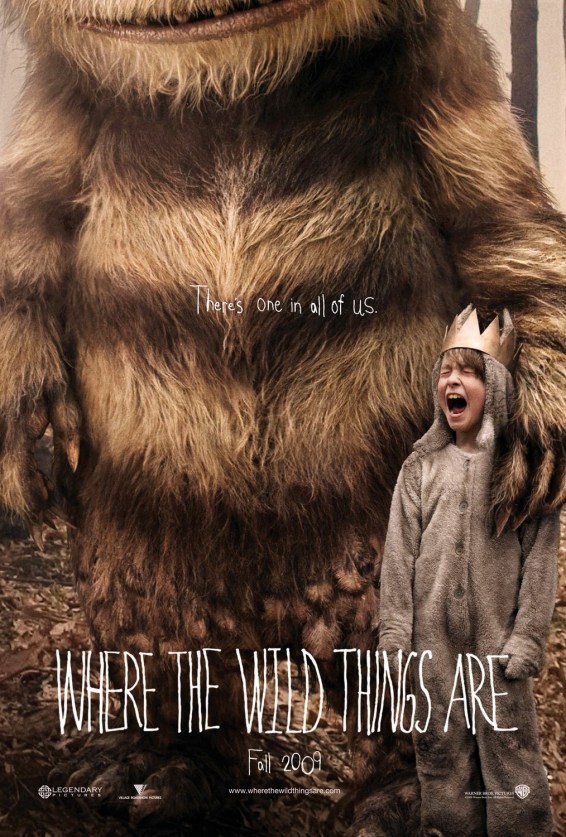
Although its themes and ideas may go over many younger viewers’ heads, 2009’s ‘Where the Wild Things Are’ feels like a film that reflects what many felt whilst being a child themselves, as writer-director Spike Jonze (Being John Malkovich, Adaptation, Her) creates a moving, thoughtful, and occasionally even woeful experience that dramatically elevates its original source material. With a charming soundtrack compiled by musician; ‘Karen O,’ and plenty of wonderful creature designs and stunning locations, ‘Where the Wild Things Are’ is truly a unique yet uncompromising film that sends its audience back to the innocent days of childhood.

Plot Summary: Following a fight with his mother and yearning for adventure, young ‘Max’ runs away from home and sails to a mysterious island filled with creatures, who take him in as their king after ‘Max’ makes a promise to solve all their problems…

As previously mentioned, the film adaptation of ‘Where the Wild Things Are’ is a large step-up from the original children’s book it’s based on by Maurice Sendak, as while the classic story of a young boy visiting a land of fantastical creatures in order to escape reality has always been a staple of children’s literature, Jonze manages to deepen the narrative with his adaptation. Having themes of maturity, imagination and balancing one’s own emotions (all of which are presented in a mature and subtle way). In fact, the film’s production company, Warner Bros. Pictures were initially so unhappy with the final film (as it was far less family-friendly than they imagined) that they wanted Jonze to start from scratch. Instead, the two eventually agreed to satisfy both parties by giving the film more time in production.

Max Records leads the cast as the excitable and resentful; ‘Max,’ who gives a genuinely brilliant performance considering the actor’s young age at the time of filming. Alongside him, of course, is the group of creatures portrayed by the voice cast of Lauren Ambrose, Chris Cooper, Catherine O’Hara, Forest Whitaker and Paul Dano, whose voices all match their respective characters flawlessly. It’s the late James Gandolfini as ‘Carol’ who really shines throughout the film, however, having the most memorable design of the all the creatures within the original book, ‘Carol’ serves as a reflection of ‘Max’s childish attributes, from his tantrums to his jealousy and sadness, all of which is given such life through Gandolfini’s performance.

While the film’s colour palette remains fairly vibrant throughout, despite featuring a large amount of beiges and browns, the cinematography by Lance Acord is sadly the weakest aspect of the film. As, ignoring the large array of stunning sunrise and sunset shots, ‘Where the Wild Things Are’ utilises hand-held camera for the majority of its runtime, which when combined with the film’s occasionally chaotic editing can make some scenes feel a little impetuous. Yet, in spite of not having a massive budget, the film’s CG effects do still hold up remarkably well, with all of the facial expressions of the creatures and extensions to many of the island’s locations not seeming even remotely out-of-place.

The film’s soundtrack, compiled by musician; ‘Karen O,’ really benefits the film’s already calming and mature presentation. From the opening track; ‘Igloo,’ through to the more upbeat tracks; ‘Rumpus’ and ‘Sailing Home,’ to even the film’s more lyric-based tracks with ‘All is Love’ and ‘Hideaway.’ The soundtrack for ‘Where the Wild Things Are’ doesn’t feel like a traditional film score in the best possible sense, giving more of an impression of a slow-paced yet beautiful acoustic guitar album, which just like the film itself, is immensely underappreciated.

However, one of my personal favourite elements of the film and certainly the most visually striking has to be the many different designs of the creatures who live on the island, as not only do the designs fit each character’s personality, but every design is also a perfect live-action recreation of the creature’s original appearances within the pages of the book, with all of the creatures being brought to life using enormous and heavily detailed suits from the Jim Henson Company rather than just simply using CGI. The Jim Henson Company are known, of course, for the creation of ‘The Muppets,’ whose familiar charm isn’t lost here.

In summary, ‘Where the Wild Things Are’ is to me, an underrated modern classic, as despite its few flaws, the film surpasses its source material and then some, creating a genuinely gut-wrenching experience at points. Whilst the film has been criticised by some since its release mostly as a result of being seen as too mature and possibly even a little frightening/disturbing for younger viewers. I believe the film gets across a number of important messages for children, and I appreciate the film’s more in depth approach to crafting an imaginative family adventure. So, although Jonze may not have an extensive catalogue of films as a director, the films he has made never cease to impress me, and ‘Where the Wild Things Are’ fits as just another piece of the puzzle. Final Rating: 8/10.

where_the_wild_things_are_xlg

Dawn of the Planet of the Apes (2014) – Film Review

The second outing of the revamped ‘Planet of the Apes’ series and, in my opinion, the best of the most-recent trilogy. ‘Dawn of the Planet of the Apes’ takes place a decade after the previous film, now taking the story into an apocalyptic world where humans and intelligent apes co-exist. Featuring another spectacular performance from Andy Serkis as ‘Caesar’ as well as a much larger role for the vicious ape; ‘Koba,’ this time around (now portrayed by Toby Kebbell), this thrilling and propulsive sci-fi blockbuster is sure to keep its audience glued to the screen.

Plot Summary: Many years after ‘Caesar’s escape from captivity and the outbreak of ‘Simian Flu’ that followed, the clan of intelligent apes and chimps now resident within the Muir Woods just outside a derelict San Francisco. Living a peaceful existence amongst themselves until a group of human survivors journey into their territory in order to find a solution to their colonies’ lack of power, soon leading both sides to consider the possibility of war…

Giving directorial control over to Matt Reeves (The Pallbearer, Cloverfield, Let Me In), Reeves would write and direct both this film and the following entry in the series; ‘War for the Planet of the Apes,’ allowing Reeves to really give a sense of continuity within the story and style (not to say the sequel doesn’t retain continuity from the first film). Yet, what makes this sequel stand out when placed against the first entry in the trilogy is its narrative focus, as ‘Dawn of the Planet of the Apes’ continuously builds tension throughout its runtime, with much of the film leaning on the two species as they balance on the brink of a war that could desolate both parties.

Andy Serkis leads the motion capture cast of apes once again as ‘Caesar,‘ developing his character even further after the first film as ‘Caesar‘ now cares for the clan of apes alongside his newly-found family, and just like the first film, Serkis once again manages to make an animalistic ape a far more interesting and likeable character than would initially seem possible. It’s the criminally underrated actor Toby Kebbell who shines most within the film, however, as the sequel provides the war-mongering ape; ‘Koba,’ with a much larger role, having the ape serve as the film’s main antagonist. In addition to the apes, the film also features a number of human characters, portrayed by Jason Clarke, Keri Russell and Gary Oldman, who are all great in spite of their limited screen-time.

Whilst ‘Rise of the Planet of the Apes’ did feature plenty of attractive shots, Michael Seresin’s cinematography is actually an improvement over the previous entry, as the sequel manages to utilise its dim lighting and the overgrown/dilapidated cityscape of San Francisco to fantastic results. The cinematography also helps add too much of the film’s action, as despite the film only containing two action set pieces, both scenes manage to feel like an excellent payoff to the large amount of build up before them. Yet, personally, I believe one of the most impressive aspects of the film has to be its practical sets, from the overcrowded ‘Human Colony’ to the decrepit streets of San Francisco, nearly all of the film’s sets are breathtaking in both size and detail, with the ‘Ape Village’ being the clearest example of this superb craftsmanship.

Capturing the bleak and ominous tone of the story flawlessly, the original score by Michael Giacchino is also continuously brilliant, and personally, I feel it’s very underrated. As, immediately from the stylish opening sequence which informs the audience of all of the events that have taken place prior to this film, the backing track; ‘Level Plaguing Field,’ really elevates the scene’s emotional impact, with the later tracks; ‘Past Their Primates,’ ‘Along Simian Lines,’ and the 1968 country-rock song; ‘The Weight,’ continuing this trend. 

Although it could go without saying, the visual effects throughout are the film are fantastic, while still perhaps not as pristine as ‘War for the Planet of the Apes’s effects, the CG visuals do still hold up very well since 2014 and contain an immense amount of detail in areas. In fact, the company that created the apes, Weta Digital, were even brought back to bring to life a variety of other animals for the film including deers, horses, and even a grizzly bear, each sharing the same high level of detail.

In summary, ‘Dawn of the Planet of the Apes’ is another remarkable instalment in this new series, upping the stakes and visuals from the previous film alongside continuing the story in a meaningful and entertaining fashion. This science fiction sequel is certainly worth a watch, and whilst I would recommend watching the entire trilogy in order to experience the full story of ‘Caesar’ as a character, if you have limited time or perhaps don’t usually enjoy sci-fi, then I’d say the middle chapter of this ape-led trilogy is truly the most exciting and memorable of the three. Final Rating: 8/10.

dawn_of_the_planet_of_the_apes_ver6_xxlg

Kingsman: The Secret Service (2015) – Film Review

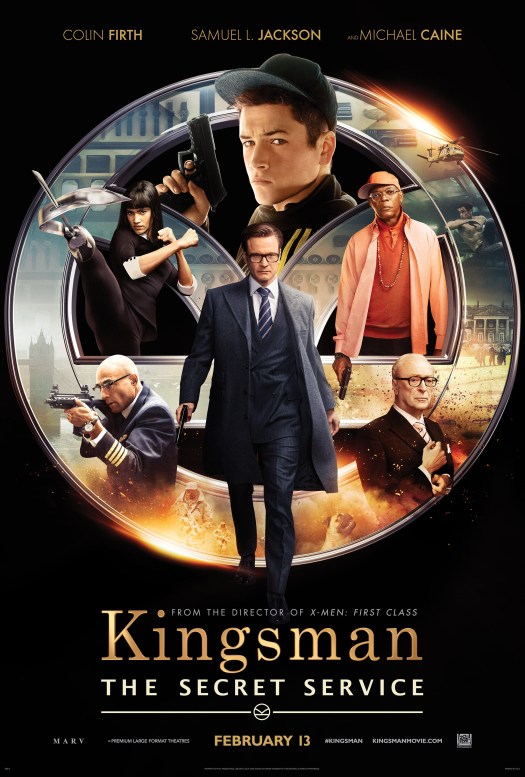
Matthew Vaughn, critically acclaimed director of ‘Layer Cake,’ ‘Kick-Ass’ and ‘X-Men: First Class,’ tries his hand at another comic book adaptation with ‘Kingsman: The Secret Service.’ Based on the comic book series of the same name by Mark Millar, and serving as a throwback to (and often parody of) classic spy/espionage films, such as the ‘James Bond’ series and ‘The Bourne Saga,’ ‘Kingsman’ very quickly became a beloved franchise after just its first instalment, mostly as a result of its hilarious self-aware moments of humour and exhilarating action set pieces.

Plot Summary: When the British spy organisation; ‘Kingsman,’ recruits an unrefined, but promising London street teen into the agency’s ultra-competitive training program. ‘Eggsy’ begins to follow in his father’s footsteps as he takes part in the organisation’s many dangerous training exercises. All the while, the twisted tech genius; ‘Valentine,’ begins to execute a master plan, which will potentially put the entire world at risk…

Violent, thrilling and fun, the first ‘Kingsman’ film was actually made partly in conjunction with the comic book itself, as director Matthew Vaughn and comic book writer Mark Millar have been good friends for many years since they collaborated previously on ‘Kick-Ass’ in 2010 to great success, prompting them to reunite for ‘Kingsman: The Secret Service.’ Which, aside from a few minor changes, is actually a mostly faithful adaptation of the first entry in the comic book series, alongside also being a superb gateway into the world for any non-fans of the comic series as the film establishes who the ‘Kingsman’ are and what they do, in little time.

Protagonist; ‘Gary Unwin,’ usually going by his nickname; ‘Eggsy,’ is portrayed by Taron Egerton in one of his earliest film roles, who portrays a reckless British teenager very well, becoming an instantly likeable character within only a short amount of screen-time. Its Colin Firth and Samuel L. Jackson, who, both steal the film with their fantastic characters, however, as both actors play completely against their usual type here, with Firth taking on the deadly spy; ‘Harry Hart,’ who rarely even smiles (creating quite a contrast from his usual romantic-comedies), and according to second unit director Bradley James Allan, even did 80% of his own stunts during filming. Whilst Jackson also gives one of his most memorable performances to date as the film’s antagonist; ‘Valentine,’ who, throughout the runtime, retains an aggressive lisp and occasionally childish demeanour, a big leap from much of his previous work.

Although not as outrageously creative as it could’ve been, in my opinion, the film’s cinematography by George Richmond does serve the story very effectively, as many of the film’s over-the-top and exciting action sequences are displayed proudly and clearly without too much use of hand-held camera or excessive editing. During a few scenes, the camera even begins to spin around the characters as they fight, providing the film with a real sense of movement.

The original score by both Henry Jackman and Matthew Margeson has quickly become very beloved, similar to the film itself, and it’s easy to see why, as the film utilises its trumpet-heavy orchestral score to create a soundtrack, which would fit perfectly within a classic espionage series, like ‘The Avengers,’ ‘The Ipcress File’ or ‘The Man From U.N.C.L.E.’ From ‘Manners Maketh Man’ and ‘To Become a Kingsman,’ to especially, ‘Valentine’s theme, which is noticeably more electronic to fit with the tech-savvy character. Nearly every track featured in the original score is both memorable, and usually, also cut in sync with the film’s stylish editing to great effect. 

Needless to say, the aspect that ‘Kingsman’ is most known for is certainly its variety of impressive action sequences, which as already mentioned, do away with the usual overly shaky and chaotic execution of most modern action flicks in favour of more fast-paced and exaggerated fight choreography with plenty of graphic violence to boot. Resulting in many entertaining action sequences, even if they aren’t completely flawless, as the majority of these scenes do, unfortunately, still suffer from their overly heavy usage of CG effects (usually for blood and severed limbs), which I feel does somewhat take away from many of these thrilling moments, even if they are still sure to impress most on their initial viewing.

In summary, while many spy films may be far more focused on delivering more grounded and gritty missions for their audiences these days, ‘Kingsman: The Secret Service’ truly revels in its absurdity. As, in spite of the problems this stirring espionage film faces, it still manages to remain an amusing and exciting experience throughout its runtime, combing its array of phenomenal action set pieces with some outstanding stunts and a now-iconic original score, the first instalment in ‘The Kingsman’ series may have now launched a blockbuster franchise, but for many, I feel it will always remain their favourite part of this continuing story. Final Rating: low 8/10.

kingsman_the_secret_service_ver7_xxlg

Crazy, Stupid, Love (2011) – Film Review

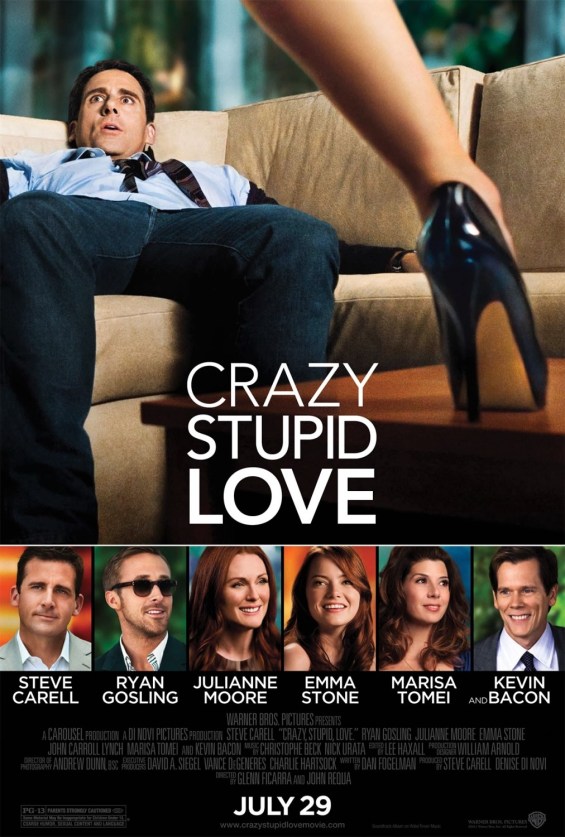
An unexpectedly memorable romantic-comedy from 2011, ‘Crazy, Stupid, Love’ tells an engaging and touching story of a selection of good-hearted people finding love in their lives and experiencing the many hardships that come along with it, and although romance has always been one of the lesser-interesting genres of film for me personally, ‘Crazy, Stupid, Love’ almost acknowledges what kind of film it is. Always taking a simple yet effective approach to its filmmaking and placing its well-written characters and narrative before anything else.

Plot Summary: When middle-aged husband; ‘Cal Weaver,’ discovers that his wife has had an affair with one of her co-workers, his perfect life quickly begins to unravel. But, after encountering the handsome womaniser; ‘Jacob,’ in a bar, ‘Cal’ is soon taken on as his wingman and protégé as he opens ‘Cal’s eyes to the many opportunities that lie before him…

Directed by Glenn Ficarra and John Requa (I Love You Phillip Morris, Focus, Whiskey Tango Foxtrot) and written by Dan Fogelman, ‘Crazy, Stupid, Love’ actually has a fairly strong screenplay for a rom-com, and although this shouldn’t be too surprising considering Fogelman has written a number of superb animated Disney/Pixar flicks in the past, such as ‘Bolt,’ ‘Cars’ and ‘Tangled,’ before later moving on to more adult-focused comedies with ‘Last Vegas’ and ‘The Guilt Trip.’ ‘Crazy, Stupid, Love’ only features a handful of characters, with everyone of them receiving a decent amount of characterisation and becoming quite likeable over the course of the runtime. The film even manages to feature a couple of unexpected reveals later on within the story, which only further elevates the film’s screenplay.

The all-star cast of Ryan Gosling, Julianne Moore, Emma Stone and Marisa Tomei are all brilliant in their respective roles, but of course, with three Oscar-winners as well as two Oscar-nominees among them, this isn’t much of a shock. It’s the film’s protagonist; ‘Cal,’ portrayed by Steve Carell that is the obvious stand out though, as ‘Crazy, Stupid, Love’ was actually one of the first films that Carell put aside his usual goofball schtick in exchange for a more grounded character, as he portrays a miserable divorcee now with little direction in his life, before his eventual transformation into an ego-driven womaniser similar to ‘Jason’ himself. However, on the opposite side of this, Kevin Bacon as ‘David Lindhagen’ (a.k.a. The romantic rival) is the obvious weak link of the cast, as aside from only two shorts scenes, his character and the threat that he poses to ‘Cal’s ruptured marriage is barely utilised, making his inclusion in the story feel quite pointless.

The cinematography by Andrew Dunn never displays anything that will leave the viewer in awe, yet does still feel like a slight step-up from the usual bland camera work of many other romantic-comedies. The cinematography truly reaches its peak in the scene: ‘Great Dress,’ however, in which, ‘Cal’ (now with his newly found manhood) flirts with various different women on a number of different nights, all the while the camera gently glides through the bar displaying the passage of time through ‘Cal’s large wardrobe of stylish outfits.

Christophe Beck and Nick Urata take on the original score for the film, which, for the most part, does suitably back up the film’s story and displays a large amount of range in regards to instruments that are used, despite the score overall being far from astonishing. Yet, bizarrely, the film’s soundtrack was never officially released by production company Warner Bros. Pictures, resulting in many fans of the film having to create their own playlists on Spotify/Apple Music, etc., to bring together the film’s many recognisable songs once again.

Although ‘Crazy, Stupid, Love’ does primarily focus on its aspects of romance and comedy, the film also handles its drama fairly well. Never interrupting any of its more serious moments with scenes of over-the-top humour, most of which usually coming from the film’s main subplot which focuses on ‘Cal’s son; ‘Robbie,’ as he lusts after his older babysitter. Occasionally, the film also indulges in a variety of more self-aware jokes, as the film references some of the many overdone clichés that infest films, like ‘Notting Hill’ and ‘Love Actually,’ through its dialogue, e.g. an immediate rainstorm after a heartbreaking argument/break up.

In summary, ‘Crazy, Stupid, Love’ is more than successful in its attempt to craft an emotional and amusing story even in spite of the little innovation the film displays when it comes to its cinematography or original score, as the film’s upbeat approach to its tight plot leaves it an enjoyable flick that fully embraces what genre it’s only a small piece of, serving as somewhat of a homage alongside remaining quite a leisurely watch itself. So, whether you usually drift towards this genre or not, I feel most viewers would struggle to dislike ‘Crazy, Stupid, Love’, as simply put, the film is just a delightful experience to sit through. Final Rating: 8/10.

crazy_stupid_love_xlg