Hot Tub Time Machine (2010) – Film Review

Taking heavy inspiration from the smash-hit comedy: ‘The Hangover’ released a year prior, this 2010 comedy revels in its absurdist tone and nonsensical plot right from its earliest scenes, as despite featuring some very dull cinematography and a completely forgettable original score to boot, ‘Hot Tub Time Machine’ does manage to escape some of its flaws due to the unique story and amusing moments it’s ludicrous title would imply.

Plot Summary: When a group of friends impulsively decide to take their low-life pal; ‘Lou,’ back to the ‘Kodiak Valley Ski Resort’ after a potential suicide attempt, a place that was once their hotspot for thriving party-filled weekends. The group soon find themselves being sent back in time to 1986 after a drunken dip into their malfunctioning hot tub, allowing them to relive one of the best weekends of their entire lives…

Although comedy as a genre has always been quite divisive, ‘Hot Tub Time Machine’ is a film that values its comedy over anything else, as the film continuously throws in as many jokes and references as it possibly can throughout its runtime. Most of which do come at the expense of messing with the film’s structure and pacing (regardless of how comical some of them actually are), as the film goes about its narrative mostly by jumping from comedic scene to comedic scene with most of the character’s different shenanigans having minuscule impact on the others, resulting in the film feeling mostly like a collection of individual comedy skits, with little connection between them aside from their numerous riffs on ’80s pop culture.

At a first mention, John Cusack seems like a slightly odd choice for a straight comedy, in my opinion, as the actor while talented (and even quite amusing at points during the film) usually specialises more in dramas, thrillers and occasionally, even romance over comedies. Whereas the rest of the cast of Rob Corddry, Craig Robinson, Clark Duke, Chevy Chase, are all very experienced within the realm of comedy, which is most likely why many of the film’s funniest moments belong to their characters. The film even features a short appearance from a young Sebastian Stan as the angsty teenager; ‘Blaine,’ many years before his breakout role as ‘Bucky Barnes/The Winter Soldier’ in the Marvel Cinematic Universe.

Similar to many other modern comedies, ‘Hot Tub Time Machine’ nearly always places far more of an emphasis on its comedic writing rather than its cinematography, usually resulting in a large majority of the film’s camerawork being fairly bland. In the case of ‘Hot Tub Time Machine’s cinematography by Jack N. Green, this means having a variety of scenes shot through hand-held camera, in addition to a few moments where shots can make some of the rooms within the ski resort feel far more like sets than they should, usually leave a lot to be desired in terms of visuals.

The original score by Christophe Beck is immensely generic (even in spite of it barely being utilised throughout the film). But, while the score’s lack of memorability is a missed opportunity, it certainly isn’t its biggest; as with the film being set within the 1980s, I felt it was a pretty obvious choice to have a synth/rock soundtrack which would meld perfectly with the long list of famed ’80s songs that also populate the film, the most notable of which definitely being; ‘Safety Dance,’ when the group first realise they have arrived in the past.

However, even if ‘Hot Tub Time Machine’ doesn’t always make the most of its time-period, the film does at least have an interesting location, as the ‘Kodiak Valley Ski Resort,’ the temporary home of the music festival; ‘Winterfest ’86,’ allows for plenty of visually pleasing locations when covered in the snow, ice and vibrant coloured lights alike. Yet, sadly, this still doesn’t manage to make up for what is easily the film’s biggest misstep, as whilst I would say ‘Hot Tub Time Machine’ lands more jokes than it misses, the film does overly rely on gross-out humour for sure, having a number of scenes where simply having a character getting covered in urine/faeces (or something even worse) is the entirety of the joke, which obviously fails to do anything other than disgust its audience through its pathetic idea of comedy.

In summary, even though I personally feel that ‘Hot Tub Time Machine’ is far more problematic than many other modern comedies, I appreciate the film’s effort to scale-up the preposterous nature of many other comedies, taking its ridiculous story concept and managing to make it work better then many would initially think. But, just like many other films within this genre, the bland filmmaking on display and simply unnecessary amounts of gross-out humour leave it a very mixed bag for me, with that said, I could still see the film being enjoyable for anyone in search of a raunchy comedy for a Saturday night with friends. Final Rating: 5/10.

hot_tub_time_machine_xlg

The Problem with Live-Action Disney Remakes – Film Discussion

In years recent years, Disney has noticeably been taking quite an aggressive approach to reimagining many of the company’s classic animated adventures into live-action blockbusters, which I personally feel is having a bad influence on the rest of the film industry in more ways than one…

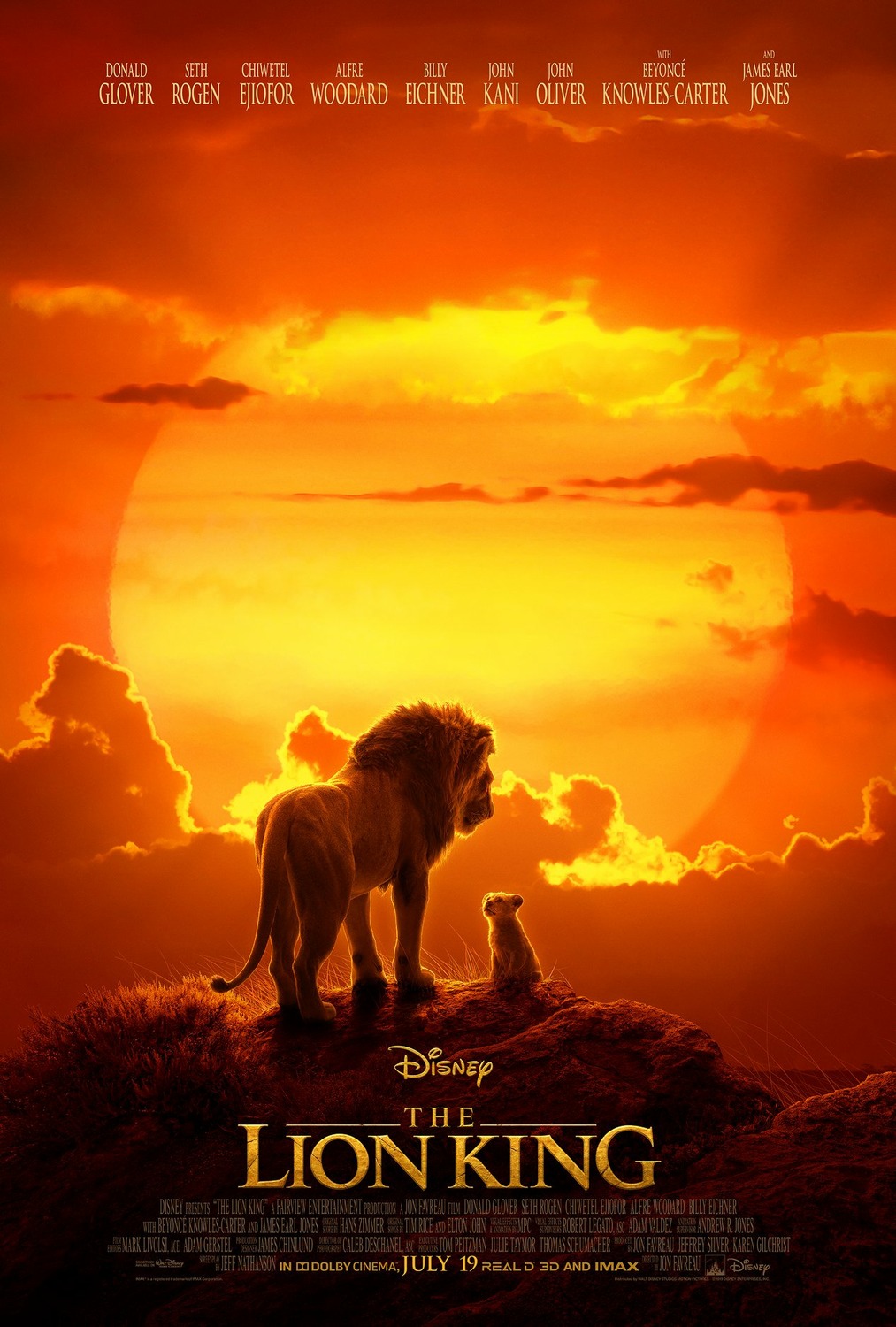
Despite Disney actually began the trend of remaking their classic films all the way back in 2010 with the semi-sequel/remake of ‘Alice in Wonderland,’ directed by Tim Burton. Disney didn’t begin to get truly rampant with its approach until the later successes of ‘Cinderella’ and ‘The Jungle Book’ in 2015 and 2016, respectively, with ‘Beauty and the Beast,’ ‘Dumbo’ and ‘Aladdin’ following not far behind, eventually leading to their most recent releases, that being ‘The Lion King’ and ‘Lady and the Tramp.’ Yet, whilst all of these films did receive mostly positive reviews from both critics and audiences upon their initial release, I personally have never understood why. As, for me, none of these remakes ever manage to really justify their existence, with each new film simply feeling like nothing more than a product, a money machine disguised as a film created purely to rinse profit out of Disney fans who desire to see their childhood classics recreated in a new light and, by this point, I just find it irritating.

Of course, remaking iconic films is nothing new for the film industry, with dreadful remakes, such as ‘RoboCop,’ ‘Ghostbusters’ and ‘Robin Hood,’ all being great examples of how taking a classic film and giving it a sleek modern aesthetic doesn’t automatically make it superior to the original. However, it’s the way Disney goes about executing their remakes that makes them even more frustrating, as even though most reimaginings may not differ too much from the original story, the majority of Disney remakes feel almost identical to their animated counterparts, featuring nearly all of the same scenes and dialogue, now just dragged down by much weaker visuals, vocal performances, and songs. This, in turn, also allows directors and writers to simply borrow material from previous filmmakers without having to innovate much themselves. Another issue I have with Disney converting their animated classics into live-action is that many of the original stories were always envisioned to be animated as they were being written, meaning when transferred into a different style of filmmaking, they usually are forced to rely on enormous amounts of CGI.

Although most audiences seemingly don’t take issue with Disney’s constant remakes, there are still some Disney fans who have spoken out about losing interest in Disney’s future live-action endeavours. In particular, I personally recall many weren’t looking forward to watching the ‘Aladdin’ remake around the time of its release, which I feel is understandable, as just from its trailer alone, it was clear that not only would the film intensely mirror the original, but it was obvious just from a glance that its visuals were also far, far duller, as the remake was lacking in both colour and style. Focusing more on being semi-realistic rather than fully engaging in its elements of fantasy (which, for a narrative revolving around a powerful genie who grants three magical wishes, feels like a huge mistake to me). Whilst the original ‘Aladdin’ may not be the most visually enthralling of Disney’s catalogue of family flicks, the classic style of 2D hand-drawn animation is still very pleasing to look at, even by today’s standards for CG animated films.

It may even surprise some to know that many of these bland remakes were actually directed by talented filmmakers like Jon Favreau and the previously mentioned Tim Burton. Yet, with each new film, every director’s unique style always seems to be stripped away or completely absent, as not only does each remake barely utilise any creative cinematography or editing, relying nearly entirely on CG effects to impress the audience. But usually inventive directors such as Guy Ritchie, who has made phenomenal use of his unique style of editing and humour in the past within his films, like ‘Snatch’ and ‘The Gentlemen,’ suffers as a result of how simply generic and even somewhat boring his reimagining of ‘Aladdin’ is, and while Disney may not be entirely to blame for this, I do believe the company would prefer to keep each remake fairly easy to digest in order to appeal to a wider audience.

In addition to both the visuals and directing, however, the cast of the original animated flicks were also a huge contributing factor to them becoming as beloved as they now are, with not only actors like Robin Williams as the original ‘Genie,’ of course, but also lesser-known actors such as Nathan Lane and Ernie Sabella as ‘Timon’ and ‘Pumbaa,’ to Jodi Benson and Pat Carroll as ‘Ariel’ and ‘Ursula,’ as all these voices not only gave the characters great comedic timing and a distinct tone, but they soon even became an extension of the characters themselves, making them recognisable purely through their voice. Whereas Disney’s newer remakes prefer to just take the much easier approach of simply casting the most relevant actors at the time and throwing them into an iconic role, and whilst actors, like Donald Glover and Chiwetel Ejiofor, will always be superb at their craft, forcing these performers into roles within ‘The Lion King’ simply due to their popularity will always make their vocal performance feel very out-of-place when in comparison with the original film.

The final area I find Disney remakes to be most lacking is the tampering of classic Disney songs, as although I’m personally not an enormous fan of musicals within the realm of live-action, I’ve always enjoyed many of the songs in Disney animated classics. As, not only do I feel these songs add to the characters and the story of each film immensely, but many classic Disney songs also manage to become iconic amongst themselves, with nearly any fan of animation more than likely know all the words to ‘Be Our Guest,’ ‘The Circle of Life,’ and ‘Under the Sea’ (just to name a few). But, when it comes to the remakes, once again, both the original score and songs feel far duller, even in spite of the legendary Hans Zimmer returning for ‘The Lion King’ remake to recreate many of his classic tracks. Still, a few of the reimaginings do at least attempt to throw in some original songs, which unfortunately end up being mostly forgotten due to them being overshadowed by the classic songs audiences are more familiar with.

In summary, it seems the influx of live-action Disney remakes won’t be stopping anytime soon, with ‘The Lion King’ racking in over £1 billion worldwide, Disney will most likely continue this remaking trend until their audience completely loses interest, as reimaginings of ‘Mulan,’ ‘Peter Pan,’ ‘The Little Mermaid,’ ‘Pinocchio,’ The Sword in the Stone’ and ‘Lilo and Stitch,’ as well as many, many more, are already set for release. Whilst the House of Mouse does still have a few original films on the horizon, Disney seems to be heading down a similar path to their paired animation company Pixar, that being one of laziness, relying mostly on their previous stories and franchises for profit rather than creating something new which, in turn, is also encouraging other production companies to do the same. So, if you share my opinion, perhaps sit out Disney’s next live-action release, stay at home, and just relive many of the beautifully animated stories from the past, as I honestly believe many of these films are timeless.

lion_king_ver2_xlg

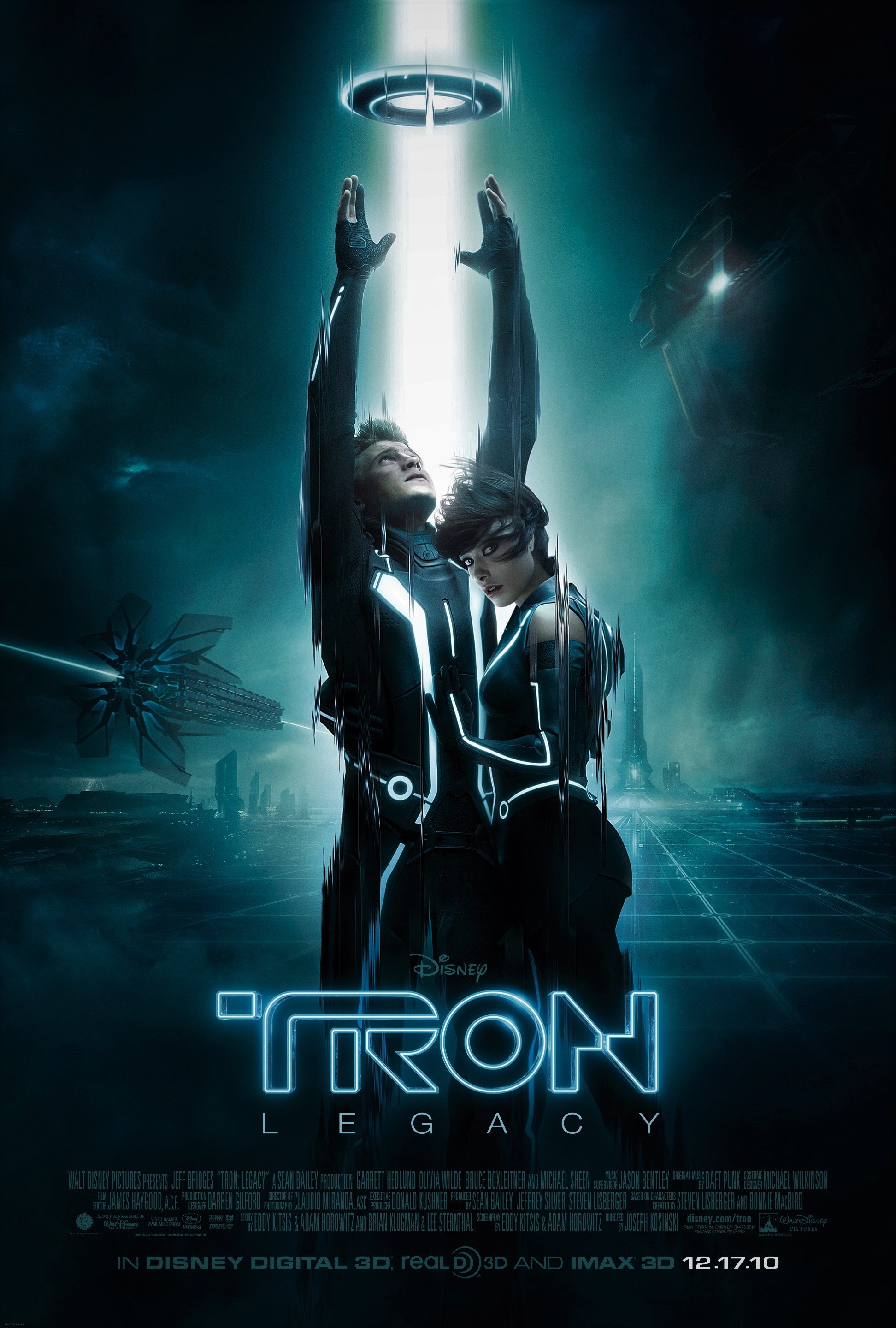
Tron: Legacy (2010) – Film Review

Although Disney has had more than enough success when it comes to its animated filmography, the iconic production company has seemingly always struggled with its live-action endeavours, as aside from the ‘Pirates of the Caribbean’ franchise, many of Disney’s attempts to kick off a live-action film series, such as ‘John Carter,’ ‘The Sorcerer’s Apprentice’ and ‘Tomorrowland,’ have all been relative flops (with the exception of their remakes of animated classics). ‘Tron: Legacy,’ the action-packed sequel to the groundbreaking cult sci-fi hit; ‘Tron,’ from 1982, is a slight improvement in this area, yet still results in a film more focused on style-over-substance.

Plot Summary: After the tech-savvy and rebellious; ‘Sam Flynn,’ begins looking into his father’s disappearance, he soon finds himself pulled into the digital world of ‘The Grid,’ where he discovers his father has been trapped for over twenty years. All the while, his father’s malevolent program; ‘CLU,’ who rules ‘The Grid,’ plans to prevent the pair’s escape and take the real world for himself…

Being set in a virtual world, nearly every scene within ‘Tron: Legacy’ takes place in fully CG locations, and although most of the film’s CG effects do hold up well and are visually appealing. The digital world of ‘The Grid’ does begin to feel quite unvaried after a point, as whilst it may look unique at first glance, the illuminated buildings and vehicles throughout the city of ‘Tron’ feel fairly repetitive, despite the film’s variety of different locations. In fact, it’s the film’s CG visuals that actually made ‘Tron: Legacy’ the most expensive film ever made by a first-time director at the time of its release, with the costume budget alone costing over £10 million.

Garrett Hudlund portrays the film’s protagonist; ‘Sam,’ alongside the supporting cast of Jeff Bridges, Olivia Wilde, and even Michael Sheen in a small role. They all give decent performances despite their dull characters, as ‘Tron: Legacy’s story and characters follow many of the same story beats as any other sci-fi adventure. However, easily the worst element of the film when it comes to its characters is the film’s antagonist. Known only as ‘CLU,’ a corrupt program created by Jeff Bridges’ character; ‘Kevin Flynn,’ as a digital copy of himself, this villain not only suffers from a barely developed motivation, but due to him being a program which doesn’t age, the film utilises CGI to make Jeff Bridges appear a similar age to that of his in the original film, which is one of the few CG effects that hasn’t aged well, appearing almost laughably bad at points.

Claudio Miranda handles the cinematography throughout ‘Tron: Legacy,’ and although the film definitely puts far more of an emphasis on its CG effects than its cinematography, there are still a fair amount of interesting shots including plenty of stunning wide shots to display the true scale of the digital world. The cinematography also makes great use of the film’s few sleek futuristic sets despite their very limited screen-time, most notably, ‘Flynn’s Safehouse,’ located on the edge of ‘The Grid.’

The original score for the film is actually composed by the techno band, ‘Daft Punk,’ whose type of music does suitably fit the sci-fi genre, and whilst some tracks do feel a little too similar to an actual techno album, in my opinion. For the most part, the soundtrack does back up the film’s narrative and adventurous tone very effectively. ‘Daft Punk’ themselves even make a short cameo within the film as a pair of DJs in the ‘End of Line’ nightclub, wearing their iconic helmets as they play one of the film’s most memorable tracks, which share the same title as the club itself.

Another great aspect of ‘Tron: Legacy’ is certainly its action set pieces, as although many of the action scenes throughout the film aren’t anything incredibly inventive. The original ‘Tron’ did introduce the creative concepts of ‘Identity/Light Disks’ and ‘Light Cycles,’ both of which return in the sequel and result in plenty of thrilling and fast-paced action sequences as ‘Sam’ is thrown into an array of gladiator-esque challenges near the beginning of the film. The various costumes worn by the characters who live within ‘The Grid’ are also worth a quick mention, as most of the characters wear a ‘Light Suit,’ which usually features fluorescent-like glowing strips that illuminate each suit in a range of colours, which never fails to be visually striking.

In summary, ‘Tron: Legacy’ is by no means a terrible film, and when it comes to Disney’s other ventures into live-action, ‘Tron: Legacy’ could even be seen as a success by some. But, with its fairly paint-by-numbers story, bland characters and an onslaught of over-done clichés, this sci-fi sequel ends up becoming more of a display for its impressive CG visuals and electronic original score rather than an exhilarating sci-fi odyssey. If you’re a fan of the original ‘Tron’ I feel you will surely enjoy this follow-up. If not, maybe look elsewhere for your fill of original science fiction. Final Rating: 6/10.

tron_legacy_ver11_xxlg

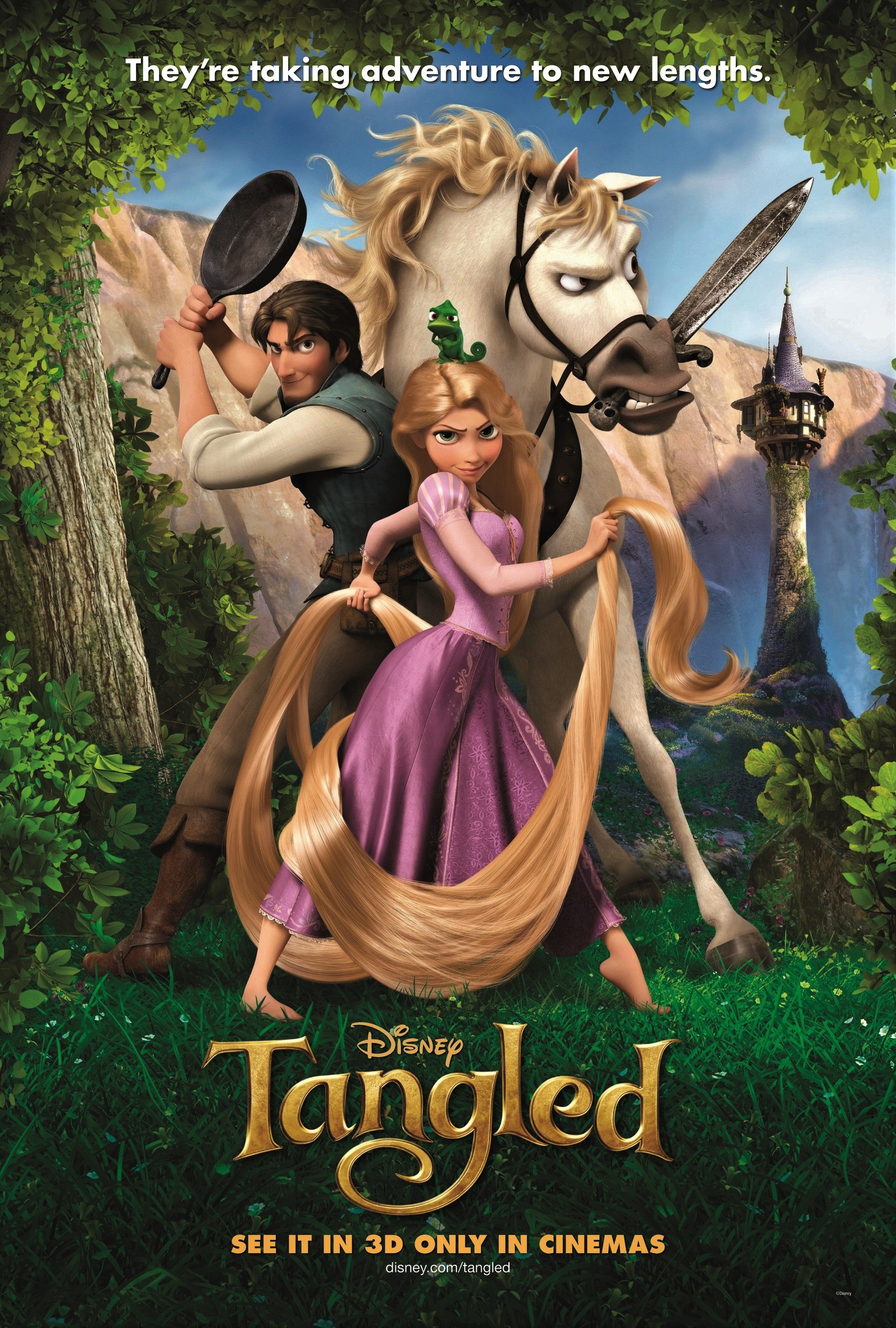
Tangled (2010) – Film Review

Disney’s first CG animated fairytale is both incredibly funny and heartwarming, as ‘Tangled’ brings to life the well-known fairy princess; ‘Rapunzel,’ now updated for a new generation of children. Through some beautiful animation, wonderful original songs and an incredibly vibrant colour palette. ‘Tangled’ feels almost as if it’s an enchanting classic restored from Disney’s golden age of animation, despite its few small problems here and there.

Plot Summary: When the ‘Kingdom of Corona’s most-wanted and most charming bandit: ‘Flynn Rider’ hides out in a mysterious tower, he’s taken hostage by ‘Rapunzel,’ a feisty tower-bound teen with magical golden hair. Eventually leading the two of them to strike a deal so ‘Rapunzel’ can achieve her long-desired dream of seeing the annual release of the kingdom’s lanterns…

Heavily praised since its release, ‘Tangled’ was created by Walt Disney Animation Studios, which have produced a variety of fantastic animated films in recent days. Releasing films such as: ‘Bolt,’ ‘Zootropolis,’ ‘Wreck-It Ralph’, ‘Moana’ and, of course, the smash-hit; ‘Frozen,’ in 2013. Many of which even beginning to surpass Disney’s other animation company over time, this obviously being Pixar, who now seem to be far more focused on creating constant sequels, prequels and spin-offs rather than original stories.

Mandy Moore and Zachary Levi bounce extremely well off of each other as ‘Rapunzel’ and ‘Flynn Rider,’ with both the characters having plenty of amusing moments in addition to some surprisingly great chemistry (considering they are fully animated). The cast also features Donna Murphy as ‘Mother Gothel’ and Ron Perlman as one of the ‘Stabbington Brothers’ (a.k.a. The antagonists of the film), and although neither of these two villains ever become quite as memorable or as iconic as some other Disney antagonists. They do serve their roles within the story effectively and are intimidating enough. During the story, ‘Rapunzel’ also receives a character arc, growing as a character to become more confident and independent as the runtime continues on, which I feel is not only executed well, but also gets across an important message for children.

Featuring an array of stunning wide shots, the animated cinematography throughout ‘Tangled’ is decent overall. While nothing overly imaginative, the animated cinematography works really well for many of the film’s fast-paced action sequences. The animated cinematography is also improved by the film’s incredibly colourful visuals, as many scenes throughout the film are dripping with bright colours and magnificent lighting. Some of the colouring of character’s clothing even reflect their personalities, as ‘Rapunzel’ wears purple, a colour often associated with royalty and ‘Flynn’ wears blue and white, colours that often stand for goodness. Whereas ‘Mother Gothel’ wears red, a colour that usually symbolises evil.

The original score by Alan Menken is certainly the weakest element of the film, as ignoring the actual songs within the film, most notably; ‘When Will My Life Begin’ and ‘I See the Light.’ The score is mostly generic and little bland at points when it comes to animated flicks, as I feel the soundtrack could’ve been greatly improved if the score would’ve embraced the more fantasy-esque aspects of its narrative. Occasionally, the film can also over-rely on musical cues, as during a number of scenes the film feels the need to accompany every action or piece of humour with a trumpet cue, which feels nothing but unnecessary throughout.

Being many years on from the film’s initial release, it’s inevitable that the film’s animation would begin to age. However, although a couple of the close-ups on character’s faces may look a little outdated. ‘Tangled’s animation predominantly holds-up well since 2010. In particular, the CG effects on ‘Rapunzel’s long hair, which still look marvellous even today. The film’s humour is also fairly excellent, as the film has a large amount of range when it comes to its jokes, usually having plenty of comedic moments that will appeal to older viewers as well as young children. ‘Tangled’ also gets some great comedic moments out of its horse character; ‘Maximus,’ who, quickly ends up becoming one of the film’s greatest characters through his constant drive to catch ‘Flynn Rider,’ with many of his movements being presented as if he is a large dog or even a human.

In summary, although it may not be one of Disney’s best, ‘Tangled’ is still very enjoyable from start-to-finish. Despite its sometimes overly fast pacing and slightly dated animation, the film has more than enough to please families, with some likeable protagonists, plenty of memorable songs and an overall joyful and adventurous tone. ‘Tangled’ is, in my opinion, on the upper level of fantastical family films, and whilst some may feel the film is aimed more towards one gender with its story being based around a fairy princess, I’d argue otherwise. Final Rating: 8/10.

tangled_ver3_xxlg

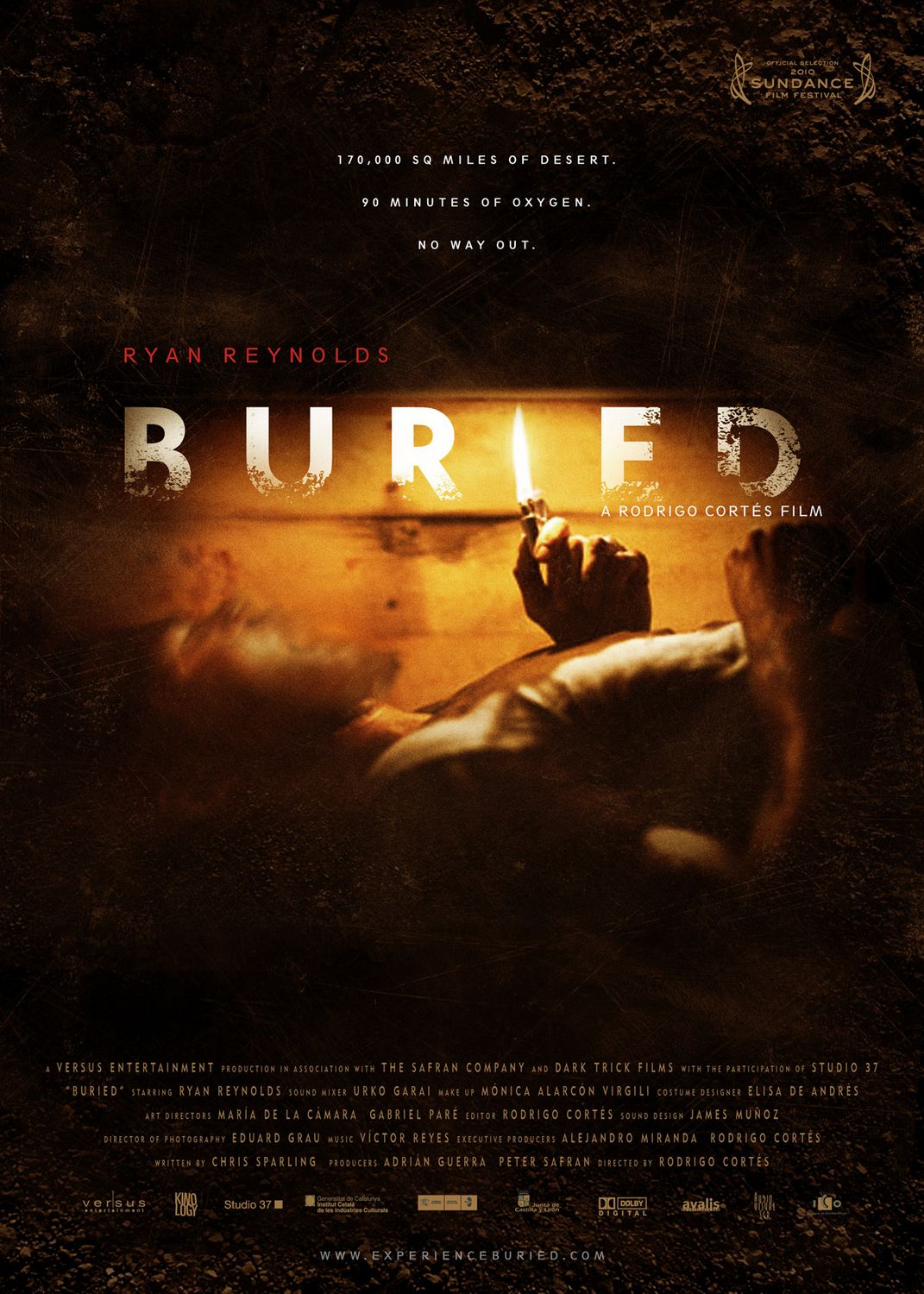
Buried (2010) – Film Review

Ryan Reynolds impressively carries an entire film on his shoulders with ‘Buried,’ as this fast-paced and extremely tense thriller focuses entirely on a single character trapped within an enclosed space, building up a tension-filled atmosphere and displaying constant filmmaking talent throughout (especially since the film was shot in only seven days). ‘Buried’ manages to keep its audience on constant edge as we experience this terrifying event right alongside our protagonist.

Plot Summary: ‘Paul Conroy,’ a U.S. truck driver currently working in Iraq, wakes up to find he is buried alive inside a wooden coffin after being attacked by terrorists, with only a cigarette lighter and a phone by his side, it’s a race against time for him to contact whoever he can and escape before it’s too late…

In concept, ‘Buried’ is truly a brilliant idea for a low-budget flick, as the entire film takes place within a single location with only the protagonist ever being psychically seen on-screen, the film never breaks from its tension or narrative, with not even a single shot outside of the coffin itself, and yet, the film never fails at keeping those watching glued to the screen, as after the admittedly fairly cheesy opening title sequence, the film never seems to slows down, almost refusing to give the viewer a moment to breathe as ‘Paul’ is faced with one difficult task after the next.

As already mentioned, Ryan Reynolds is the only member of the cast to physically appear on-screen, meaning he has the monumental task of delivering a very emotional and gripping performance to keep the audience engaged, which, thankfully, he does a phenomenal job of, as throughout the film’s tight runtime the actor going against his usual comedic casting to mostly excellent results. ‘Buried’ even manages to give the protagonist some characterisation through his various phone conversations with the other characters, adding the film’s compelling story even further. The various characters who appear as voices through ‘Paul’s phone consist of his wife; ‘Linda Conroy,’ portrayed by Samantha, Mathis alongside José Luis García Pérez, Ivana Miño, Robert Paterson and Stephen Tobolowsky, who give the best performances possible even with their limiting roles.

The cinematography by Eduard Grau has a surprising amount of range, despite the extremely restrictive location, as the majority of shots get uncomfortably close to ‘Paul’s face, almost placing the viewer in the position of the protagonist themselves, pretty much ensuring a feeling of claustrophobia by the film’s end. The film’s dim lighting also adds to its uncomfortable nature, as ‘Paul’ only has a cigarette lighter and small glow stick by his side, the film consists entirely of bright orange and green colour palette, alongside the occasional glow of blue from ‘Paul’s phone. That is, at least when the screen isn’t covered in complete darkness. Another small detail I appreciate about ‘Buried’ is how ‘Paul’ being underground is displayed, as when shots pull outwards from ‘Paul’ within the coffin, nothing but total blackness is shown around him, really emphasising the true loneliness and desperation he feels in his situation.

Victor Reyes handles the original score for the film, and whilst the soundtrack is decent is some scenes where it is used quite subtly, the score is sadly one of the film’s worst aspects, as the original score for ‘Buried’ is usually very generic and feels almost a little too over-the-top for a film as subdued and relentless as this one. Personally, I actually think the film would’ve been improved if more focus was placed on the film’s solid sound design rather than its weak soundtrack.

The film also has some strange editing choices during its runtime, as although not present continuously throughout the film. Many scenes do have short moments where the editing becomes rather erratic, sometimes having shots which quickly close in on ‘Paul’s face as he looks upwards, and whilst I understand this may have been done to add to the film’s tension-building, I feel it only really takes away from it in the long-run.

In summary, I feel ‘Buried’ is a film you can truly immerse yourself in, as this film makes such outstanding use out of its simplistic yet effective script and small budget. Although the film does suffer from an excessive original score and some bizarre editing choices, the remainder of film’s execution alongside Ryan Reynold’s tremendous performance is really something to admire, making an already compelling story even more interesting. If you’re a fan of thrillers in particular, then I’m sure you’ll thoroughly enjoy this inventive indie flick. Final Rating: 8/10.

buried_xlg

Clash of the Titans (2010) – Film Review

In this modern remake of the 1981 classic, ‘Perseus’ takes on a variety of gods and monsters in this somewhat fun, yet still very generic and sometimes even over-the-top reimagining of the original story. As, this time around, director Louis Leterrier (The Transporter, The Incredible Hulk, Now You See Me) focuses more on action set pieces and enormous CG spectacle than ever before.

Plot Summary: When ‘Perseus,’ the demigod son of ‘Zeus,’ finds himself caught in the middle of a war between gods and mortals, in which, his mortal family are killed, he gathers a war band to help him conquer the mighty ‘Kraken,’ ‘Medusa,’ and ‘Hades,’ malevolent God of the underworld…

Going off of the negative reviews from both critics and audiences, I wasn’t expecting much from ‘Clash of the Titans’ on my initial watch. However, I was surprised to find the film is mostly entertaining, as although there isn’t much substance to this remake, I still find it to be a somewhat exciting action flick, having plenty of creatures and adventure throughout its runtime, despite its various flaws. But, this may also be due to my fondness for Greek mythology, as I’ve had an interest in this area of fantastical legends/history since I was very young.

Although there aren’t any particular stand outs when it comes to the cast, Gemma Arterton, Liam Neeson, Ralph Fiennes, Mads Mikkelsen, and Jason Flemyng all do a decent job throughout the film. Sam Worthington, who, portrays the protagonist ‘Perseus,’ I personally found to be one of the weakest elements of the film, however, as despite him having a number of large roles in huge blockbusters, such as ‘Avatar’ and ‘Terminator: Salvation,’ in the past, he has always seemed extremely bland to me, never really coming across as anything other than a generic action hero with minimal charisma, and ‘Clash of the Titans’ is, unfortunately, no exception to this. 

The cinematography by Peter Menzies Jr. is also quite bland, as although I do appreciate the lack of incredibly shaky hand-held shots during many of the action scenes. Many of the shots throughout the film are usually very standard, as the cinematography never really attempts to enhance the visuals or make use of the story’s impressive and unique locations (aside from the occasional wide shot).

One very bizarre element of the film is definitely the original score by Ramin Djawadi, as although some tracks sound perfect for a fantasy epic such as this one. Other tracks almost sound as if they’ve been performed by a rock band, making them feel incredibly out-of-place within the film’s time-period. Yet, the film’s soundtrack actually does work quite well in my personal favourite scene of the film, as the scene set within ‘Medusa’s lair uses the score to build tension and atmosphere surprisingly well.

The CG effects throughout ‘Clash of the Titans’ are definitely one of the film’s better aspects, as regardless of whether it’s being used for creatures, Gods or locations, the visual effects always look great. However, this is also partially due to the designs of many of the creatures within the film, as the designs manage to perfectly blend the appearance of modern-day monsters mixed with classic Greek mythology. This also lends itself effectively to many of the various action scenes throughout the film (this obviously being the film’s main draw) as the action throughout the narrative is mostly pretty solid, making great use of the various different creatures abilities and always placing ‘Perseus’ in different dangerous scenarios.

In summary, I personally found ‘Clash of the Titans’ fairly entertaining for what it was, which is essentially is nothing more than your usual action blockbuster with some Greek mythology thrown in for good measure, as while the film is successful for what it sets out to do, the film does fall flat in many other areas, from Sam Worthington’s rather dull performance, to some of the weak writing and occasionally unusual original score, I feel only people truly interested in Greek mythology could get something out of this one. But, with all that in mind, ‘Clash of the Titans’ still isn’t the worst remake I’ve ever seen. Final Rating: 5/10.

clash_of_the_titans_ver4_xxlg

Beautiful Shots in Cinema – Film List

Throughout history, there have been many captivating shots in cinema that inventively visualise the stories they are illustrating, thoroughly enthralling the audience in their stories by combing imaginative framing/composition with an attractive colour palette and exceptional lighting. Some shots even go so far as to convey the narrative behind a certain character, item or location merely through a single image, becoming commemorated in the annuals of cinema for decades to come. Here are a few of my personal favourites…

Blade Runner 2049 (2017) – Cinematographer, Roger Deakins

bladerunner042-transformed

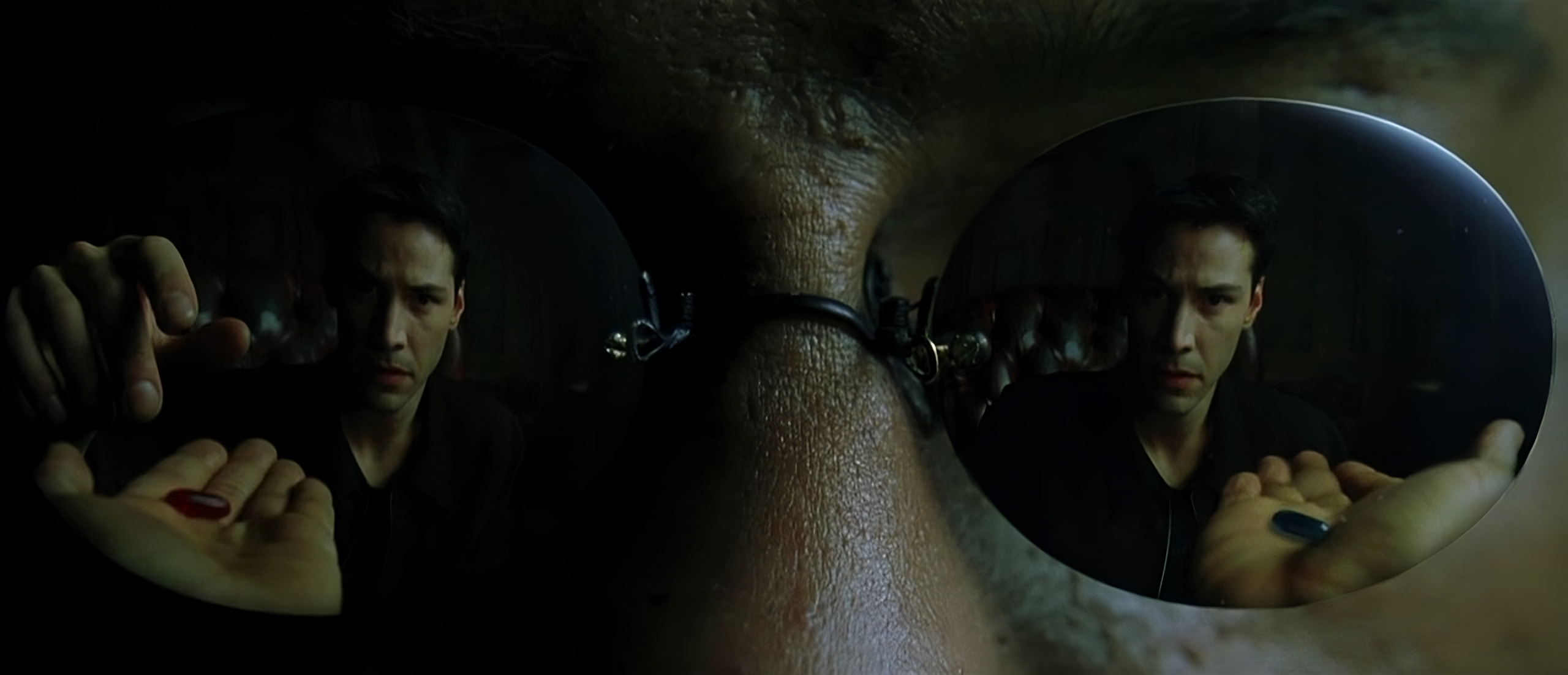
The Matrix (1999) – Cinematographer, Bill Pope

thematrix015-transformed

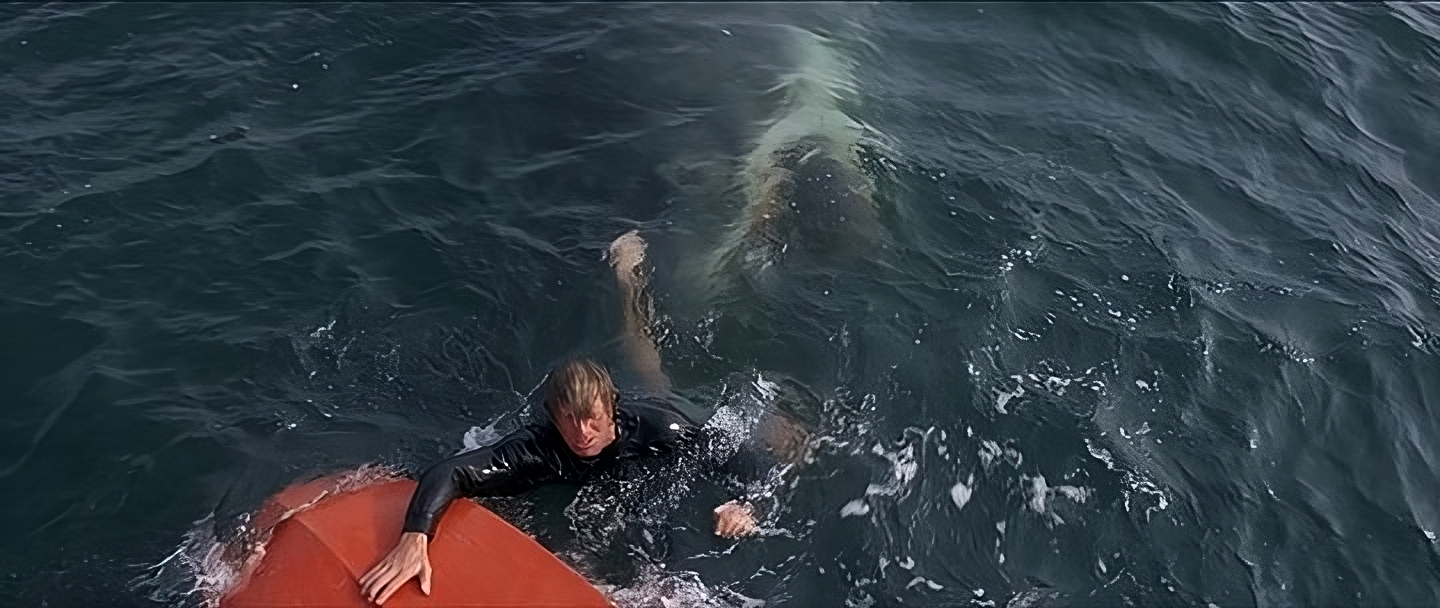
Jaws (1975) Cinematographer, Bill Butler

32_20(537)-transformed

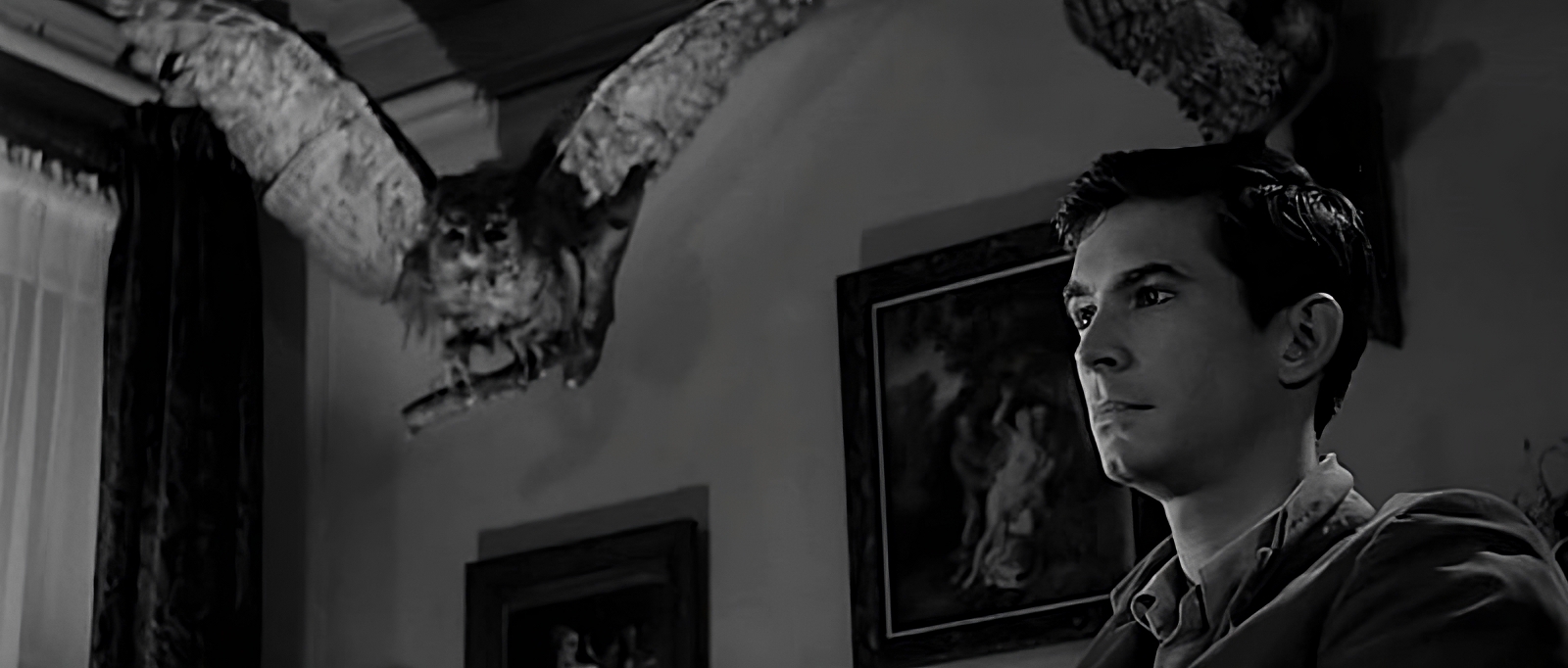
Psycho (1960) – Cinematographer, John L. Russell

original-7442-1438603390-17-transformed

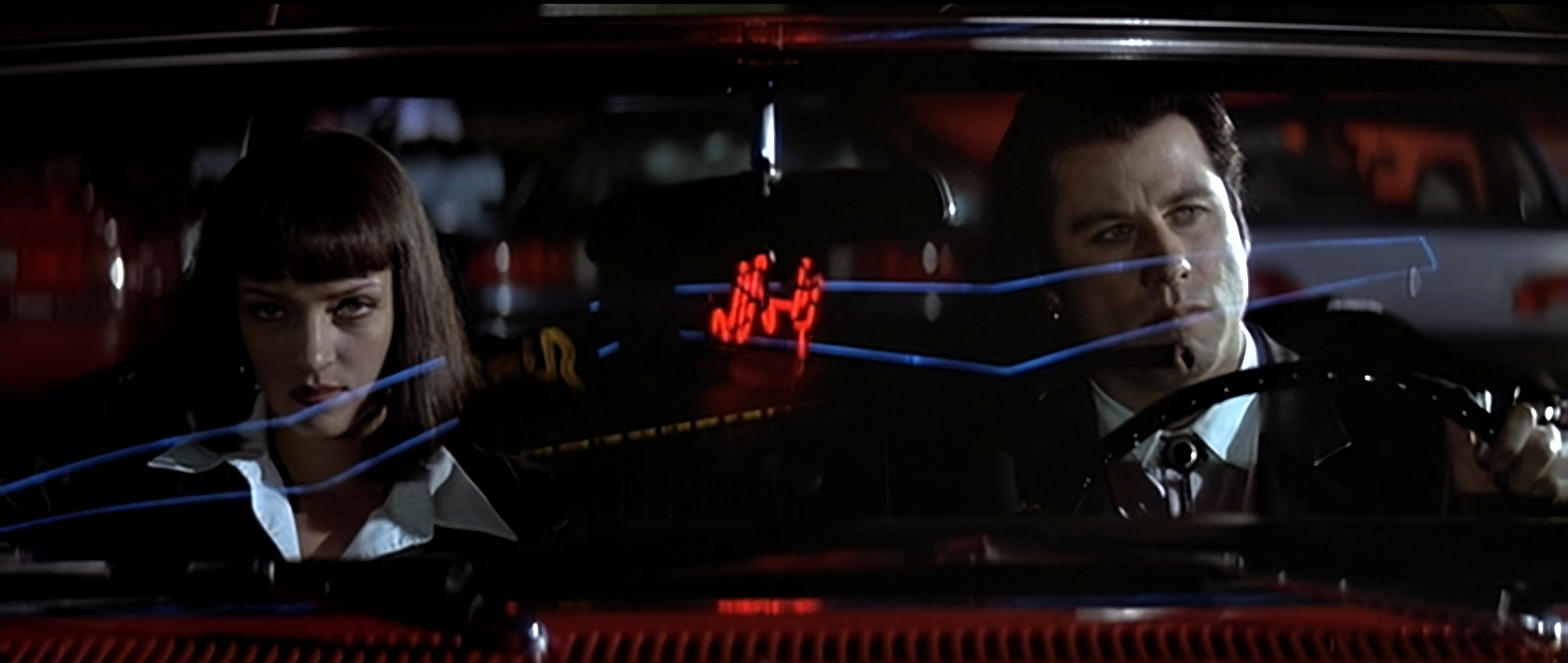
Pulp Fiction (1994) – Cinematographer, Andrzej Sekula

untitled-eBeqJws9A-transformed

Raiders of the Lost Ark (1981) – Cinematographer, Douglas Slocombe

24_20(855)-transformed

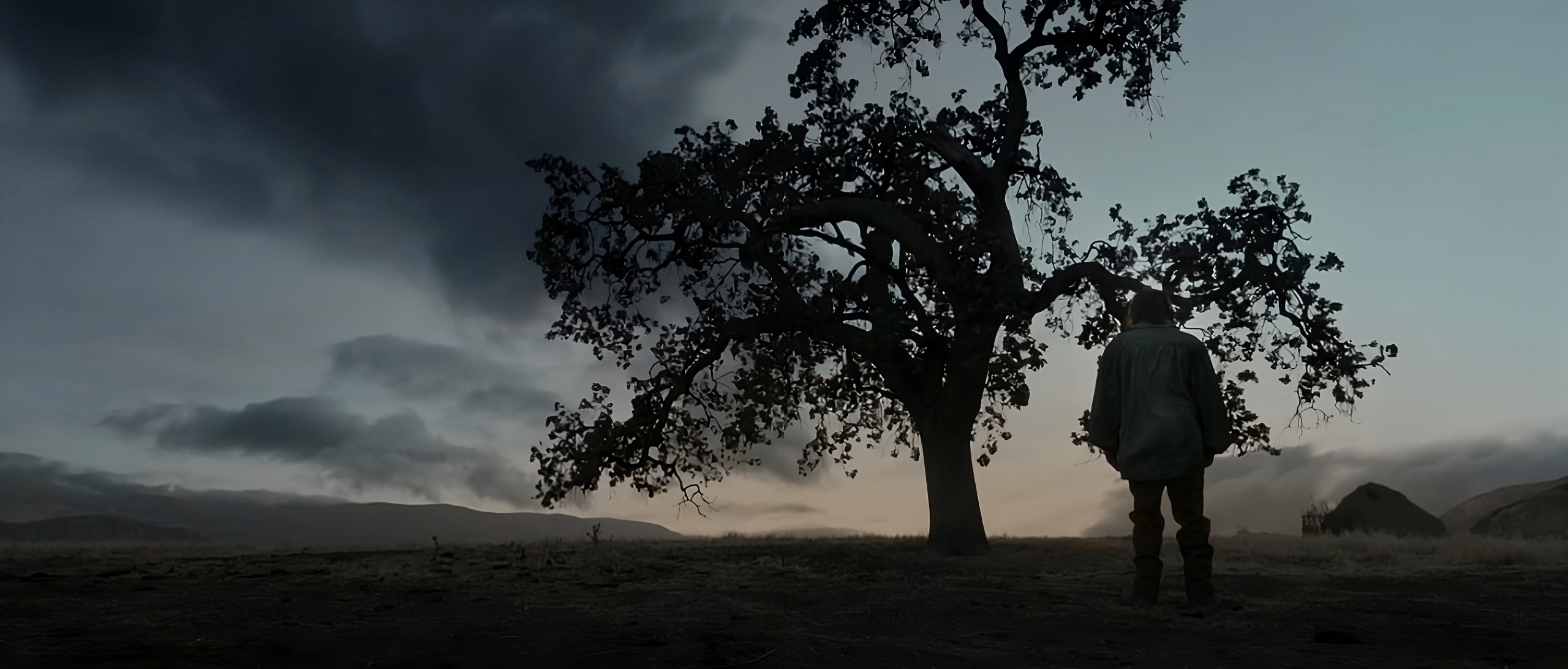
The Revenant (2016) – Cinematographer, Emmanuel Lubezki

revenant018-transformed

American Beauty (1999) – Cinematographer, Conrad Hall

original-7438-1438602110-3-transformed

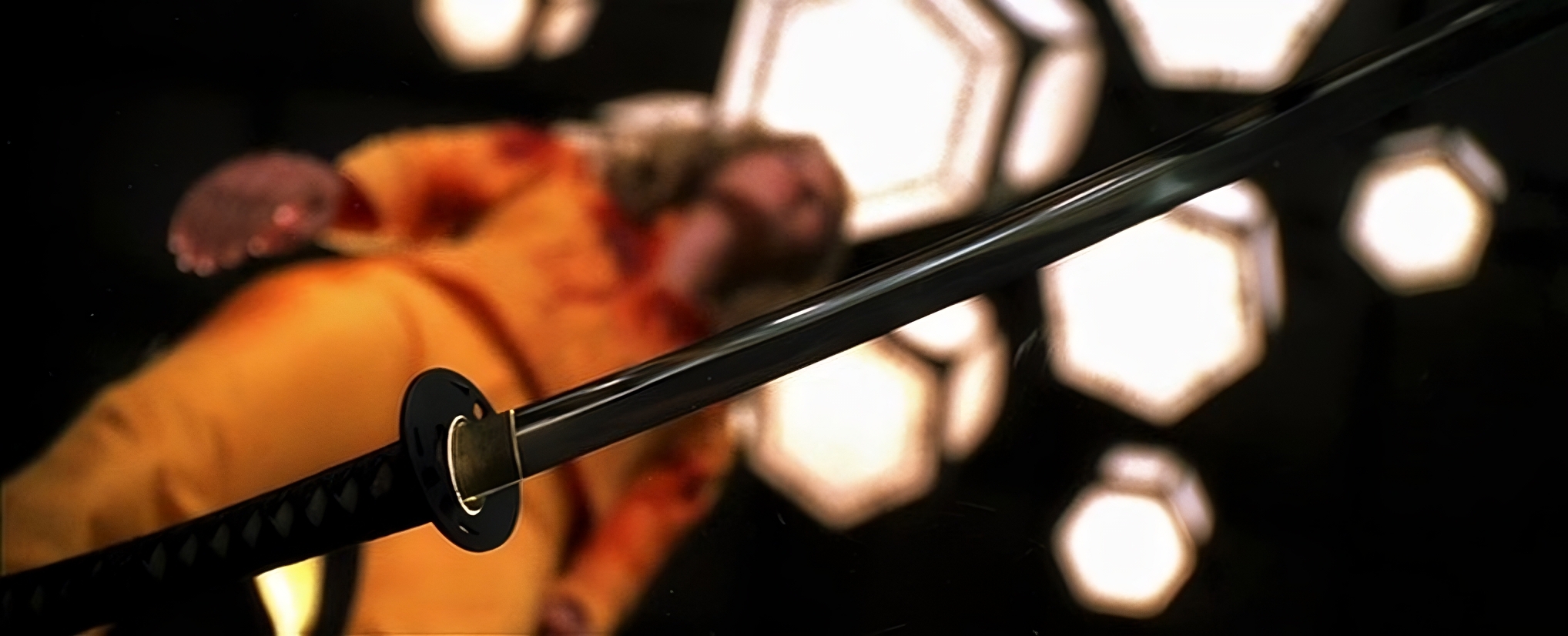
Kill Bill Vol. 1 (2003) – Cinematographer, Robert Richardson

44_20(548)-transformed

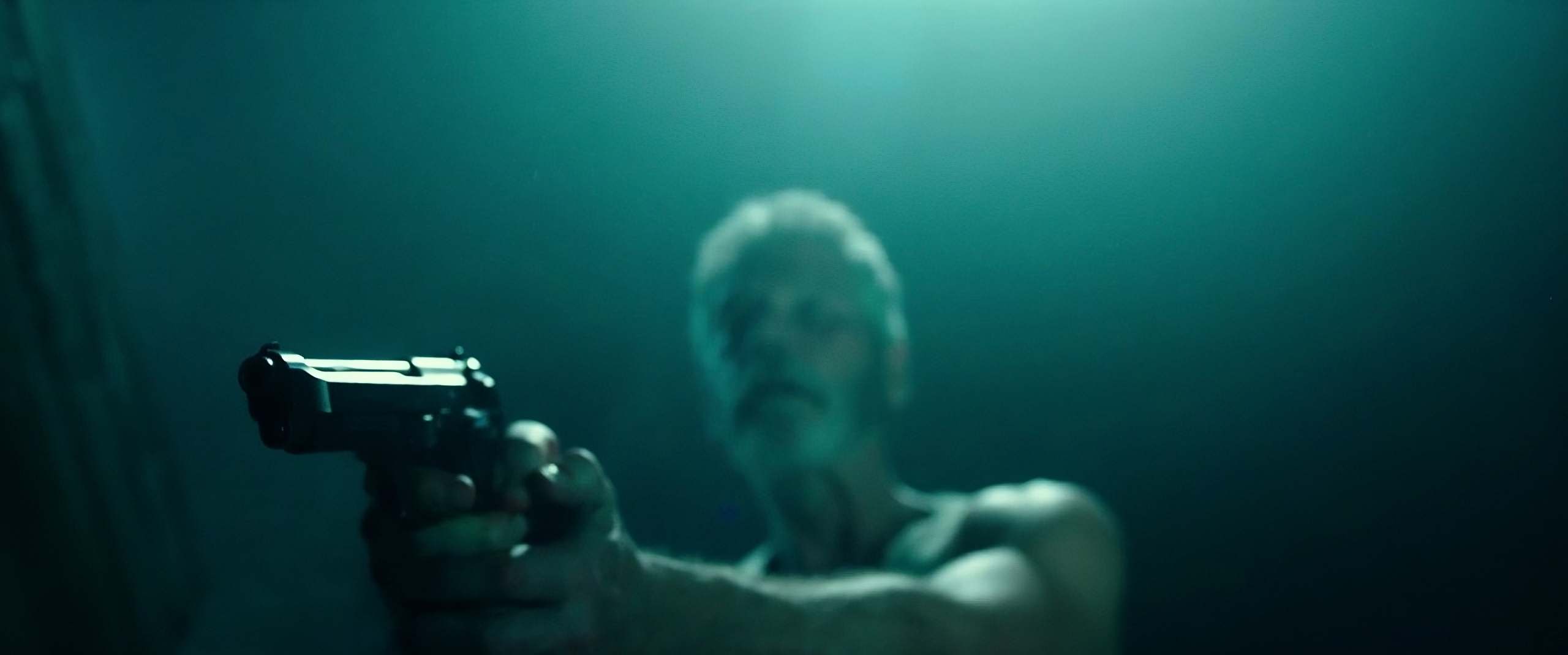
Don’t Breathe (2016) – Cinematographer, Pedro Luque

dontbreathe033-transformed

Guardians of the Galaxy (2014) – Cinematographer, Ben Davis

36_20(436)-transformed

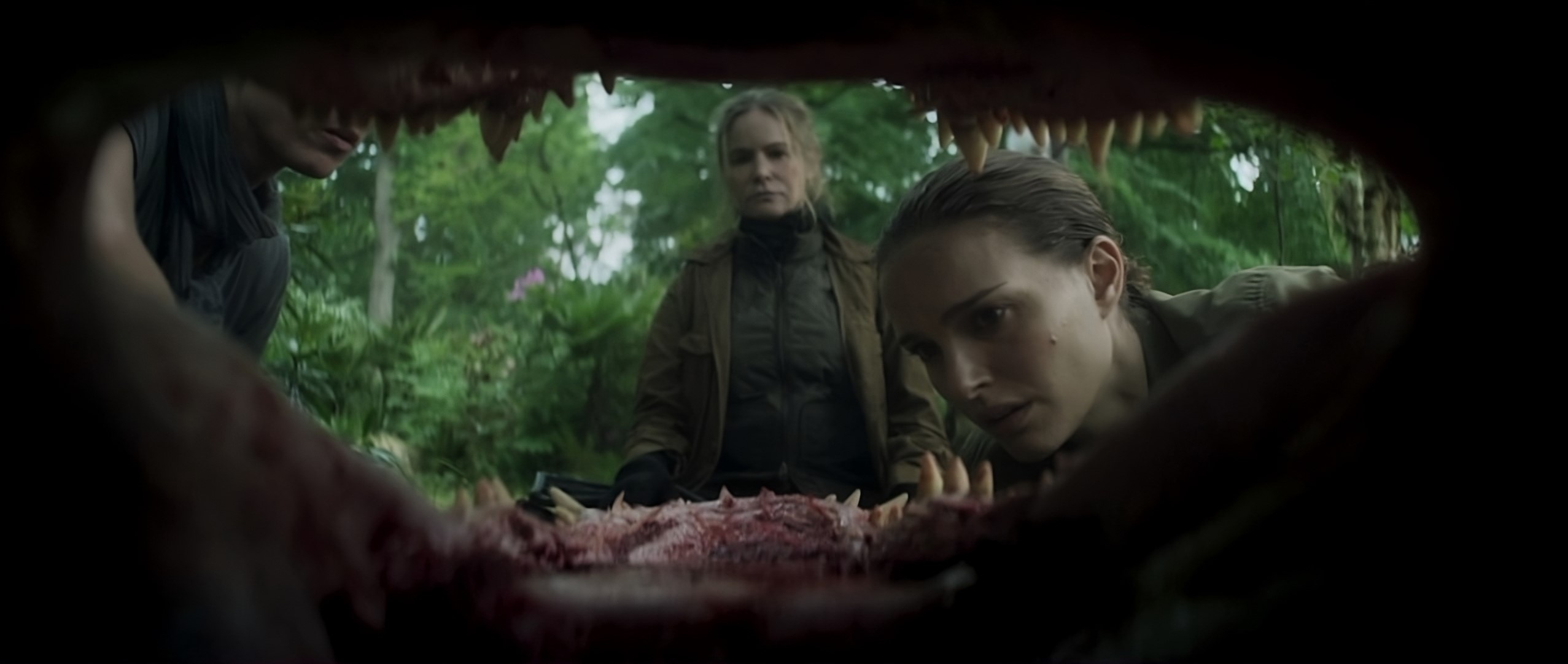
Annihilation (2018) – Cinematographers, Rob Hardy and Robert Hardy

annihilation017-transformed

Interstellar (2014) Cinematographer, Hoyte Van Hoytema

38_20(511)-transformed

American Psycho (2000) Cinematographer, Andrzej Sekuła

59_20(64)-transformed

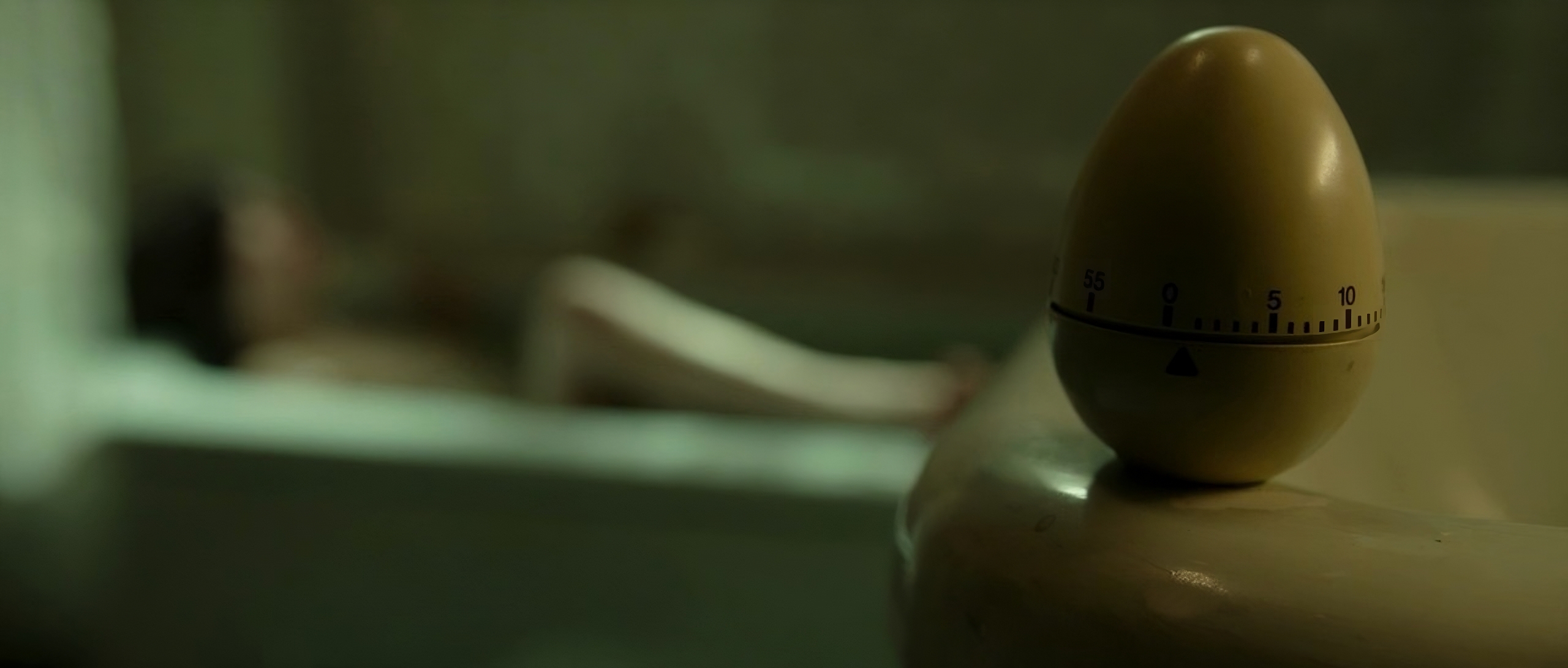
The Shape of Water (2017) Cinematographer, Dan Laustsen

shapeofwater009-transformed

E.T. the Extra-Terrestrial (1982) Cinematographer, Allen Daviau

35_20(358)-transformed (2)

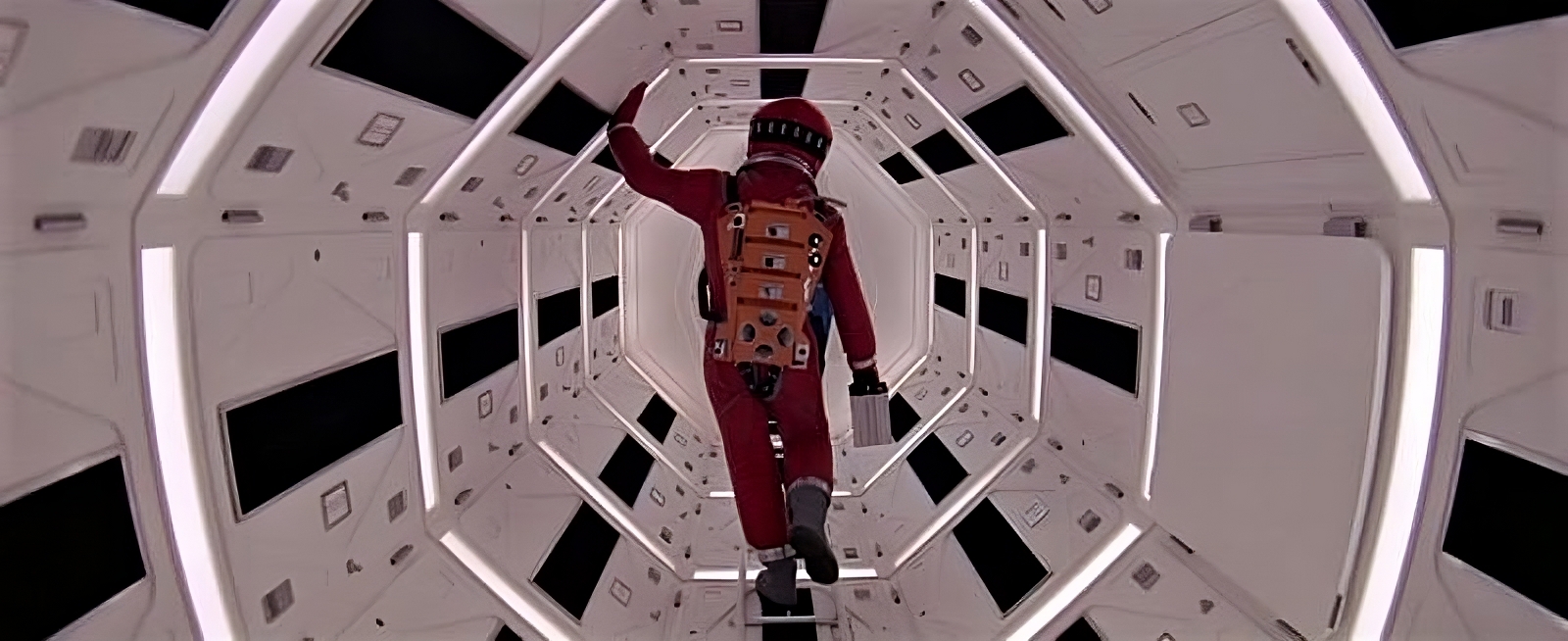
2001: A Space Odyssey (1968) – Cinematographers, Geoffrey Unsworth and John Alcott

original-9572-1438602103-3-transformed

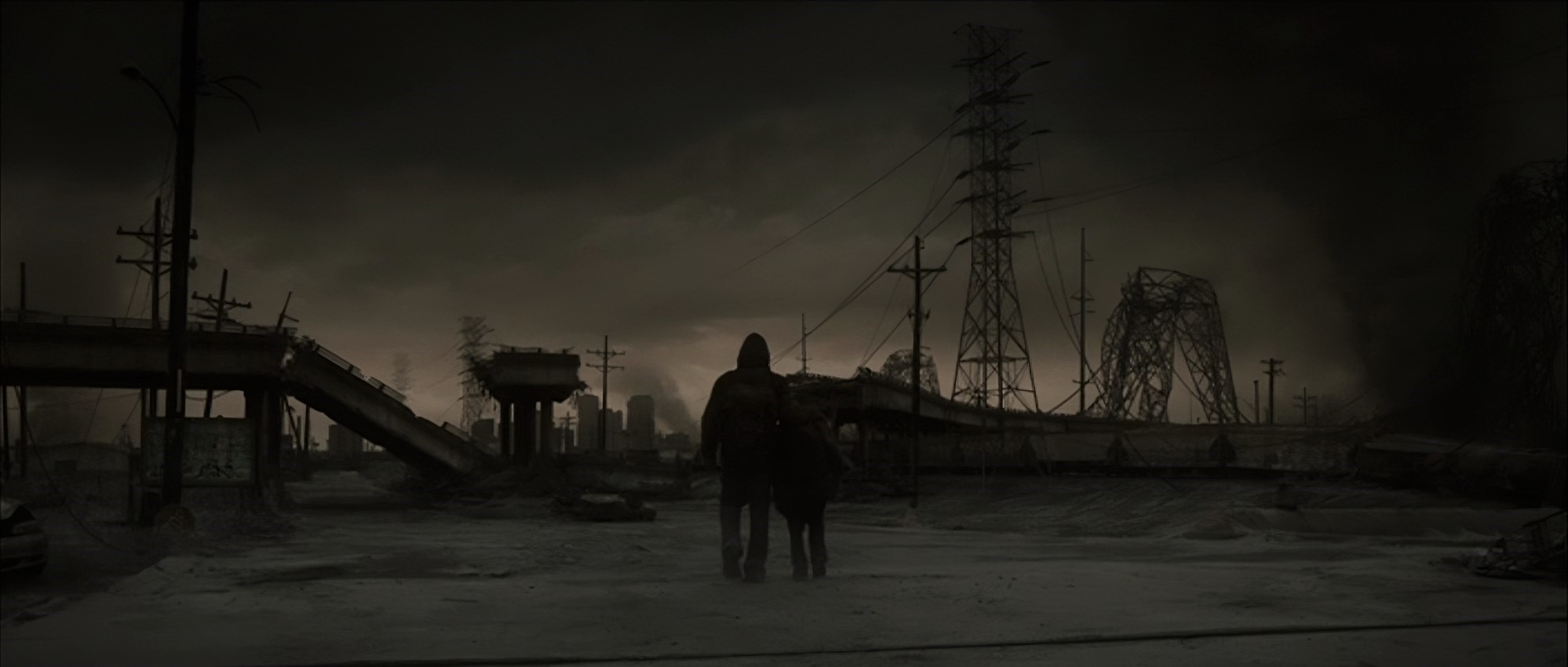
The Road (2009) Cinematographer, Javier Aguirresarobe

30_(1168)-transformed

Life of Pi (2012) Cinematographer, Claudio Miranda

untitled2-transformed

Fight Club (1999) Cinematographer, Jeff Cronenweth

original-26729-1438602891-17-transformed

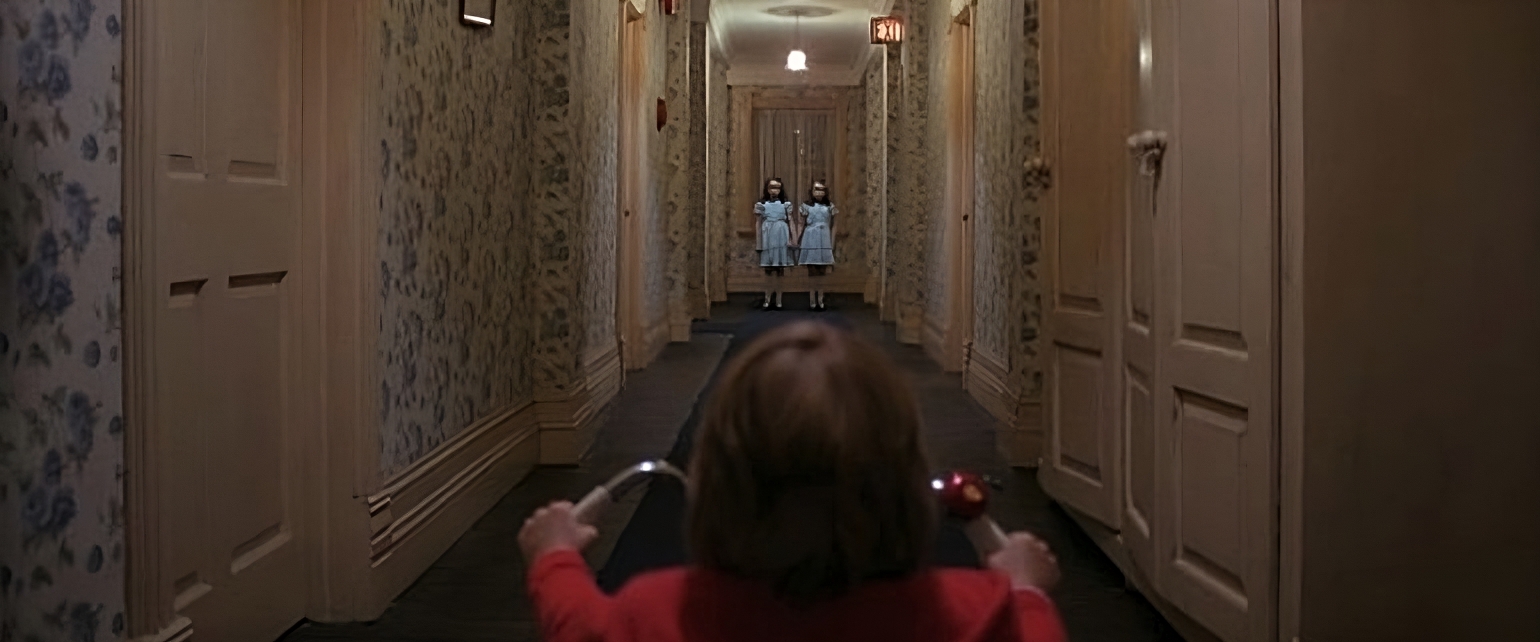
The Shining (1980) – Cinematographers, John Alcott and Martin Kenzie

original-19759-1438607089-3-transformed

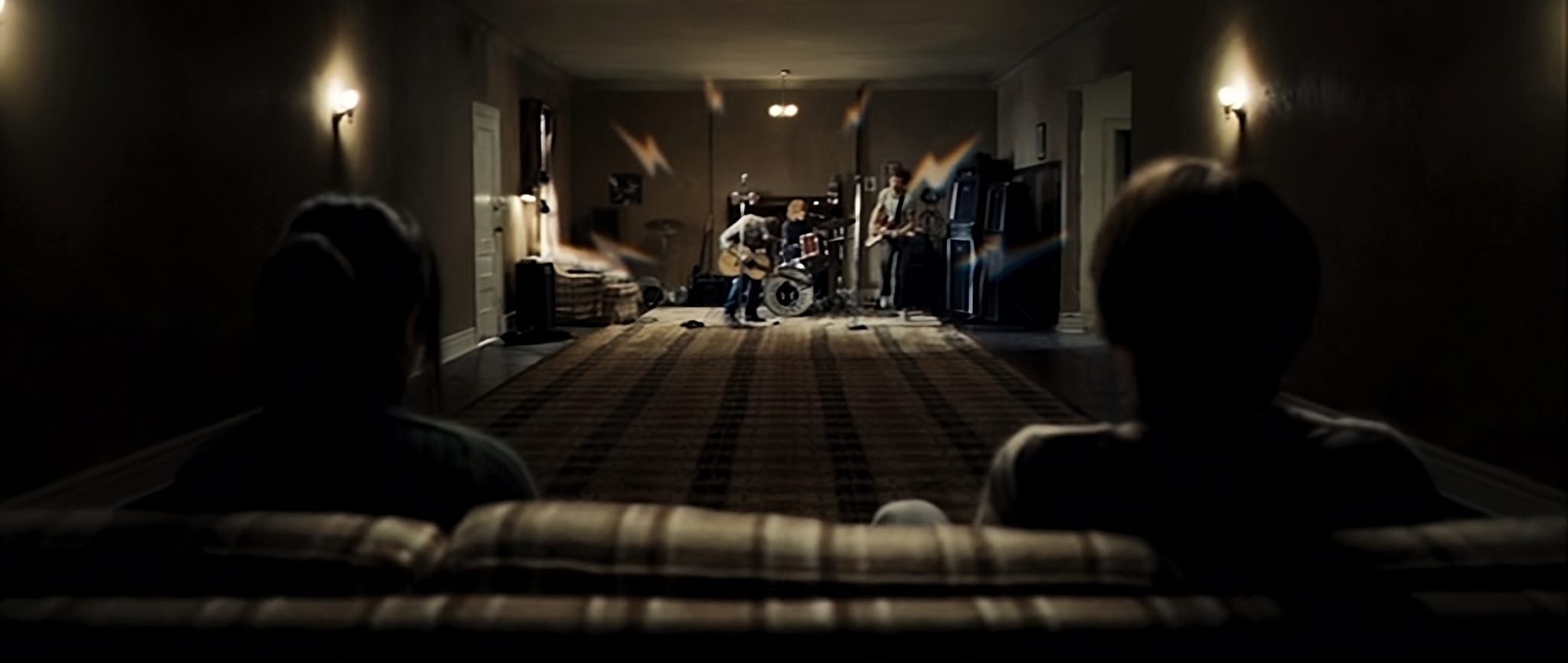
Scott Pilgrim vs. The World (2010) – Cinematographer, Bill Pope

01_20(888)-transformed

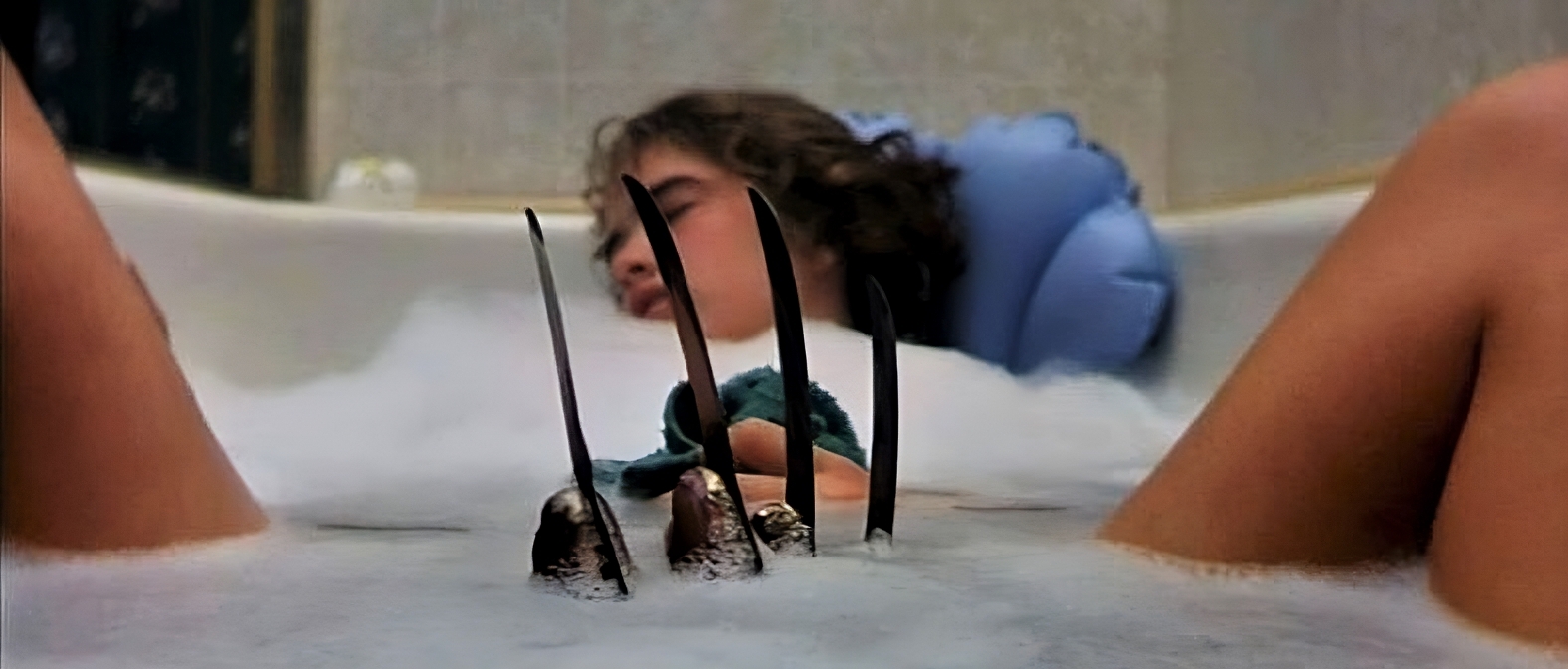
A Nightmare on Elm Street (1984) – Cinematographer, Jacques Haitkin

original-8948-1438603239-3-transformed

The Lord of the Rings: The Fellowship of the Ring (2001) – Cinematographer, Andrew Lesnie

50-most-beautiful-cinematic-shots-17jpg-transformed

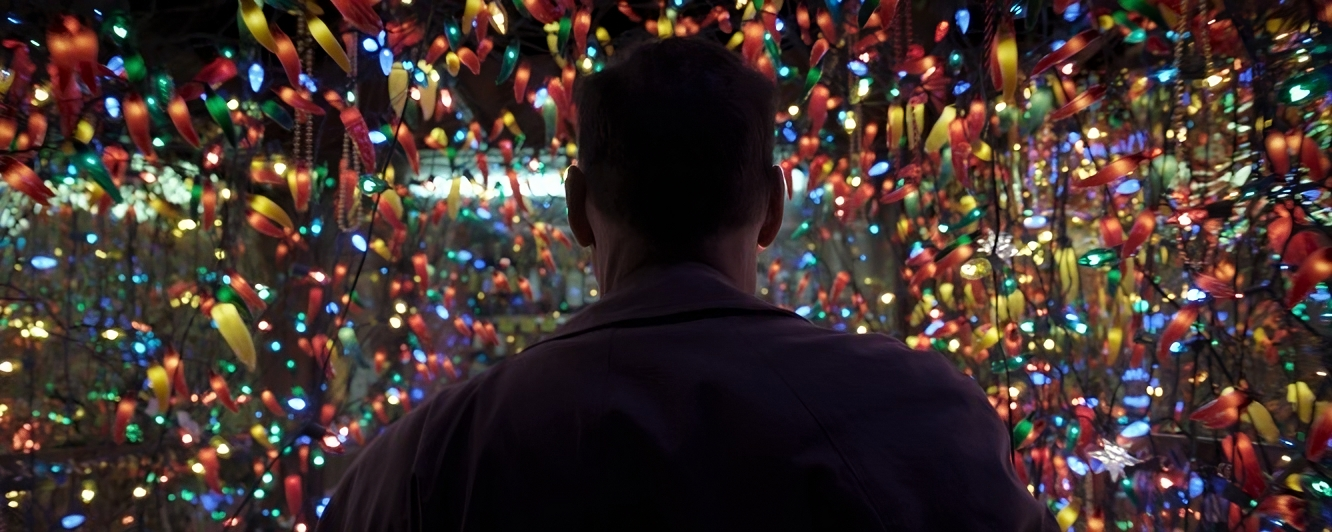
Birdman or (The Unexpected Virtue of Ignorance) (2014) – Cinematographer, Emmanuel Lubezki

birdman-670x328-transformed (1)

Scott Pilgrim vs. The World (2010) – Film Review

One of my all-time favourite films, my favourite Edgar Wright flick, and a film I’d always recommend to any film fan. ‘Scott Pilgrim vs. The World’ is a super stylised, incredibly fun action-comedy, utilising some great CG effects along with brilliant editing and writing, I honestly can’t see anyone not enjoying this well-crafted piece of filmmaking.

Plot Summary: ‘Scott Pilgrim,’ an unemployed twenty-three-year-old gamer in a going nowhere garage rock band, while dating an underage seventeen-year-old high school girl; ‘Knives Chau,’ he comes across the girl of his dreams. That is, until he discovers that he must defeat her seven evil exes in order to win her heart…

This over-the-top concept for a narrative is taken from the comic book series of the same name, and provides an insanely fun, hilarious and surprisingly emotional story. Edgar Wright truly directs the film with all his creativity and charm, using the ‘comic book nature’ of the story to its full advantage, with every scene usually containing many visual jokes or comic book like effects, mostly inspired by ‘Scott’s eternal love for video games, music and comic books.

Speaking of ‘Scott Pilgrim,’ he is portrayed expertly here by Michael Cera, coming across as awkward, funny and charismatic from beginning to end. The rest of the cast are also fantastic, however, with Mary Elizabeth Winstead, Kieran Kyle Culkin, Ellen Wong and Jason Schwartzman all being great within their roles. Truly giving life to their characters, and bringing Edgar Wright’s dialogue to another level. I also personally enjoyed Chris Evans as ‘Lucas Lee’ (the second evil ex), as he always manages to get an enormous laugh out of me every watch, but this isn’t to say all of the evil exes aren’t given their own distinct personalities and fighting styles.

The cinematography by Bill Pope is very well done throughout the film’s runtime and greatly adds to the already impressive editing style. Once again similar to the CG effects, the cinematography and editing are also used for comedy many times throughout the film. Many techniques like these really help the film feel fresh and really fit with the tone, ‘Scott Pilgrim vs. The World’ also has the usual bright colour palette to be expected from this director, this also backs up the tone very well and feels reminiscent of the comic book series in a few shots.

Although the original score by Nigel Godrich is heavily overshadowed by a great choice of songs, very similar to Edgar Wright’s other film; ‘Baby Driver,’ every piece of music whether created by the band within the story or not, always seems to fit the scene very well and fits with ‘Scott’s passion for music.

The action scenes are also extremely well-executed throughout the film, utilising stunts very well mixed in with some nice effects. All alongside the interesting locations used throughout the story, as the film also does a great job of combining music with visuals, both in and out of the various action sequences during the runtime.

If I had to give any criticism of this film it would most likely be the reincorporation throughout the story, as some characters/ideas do sometimes appear and then never appear again within the story, can make the film feel a little jolted at times, this along with the pretty quick pacing, the film can sometimes feel a little overwhelming. However, as the story is based on multiple different comic book issues with a similar story structure, I wouldn’t say it’s an enormous problem and can be overlooked.

In summary, ‘Scott Pilgrim vs. The World’ is the pinnacle of a stylised film, in my opinion, making great use of all elements of filmmaking to create a truly incredible experience, along with the enjoyable story and likeable developed characters, there really isn’t much to dislike about ‘Scott Pilgrim.’ Personally, I adore this film to pieces and would always recommend giving it a watch. Final Rating: 9/10.

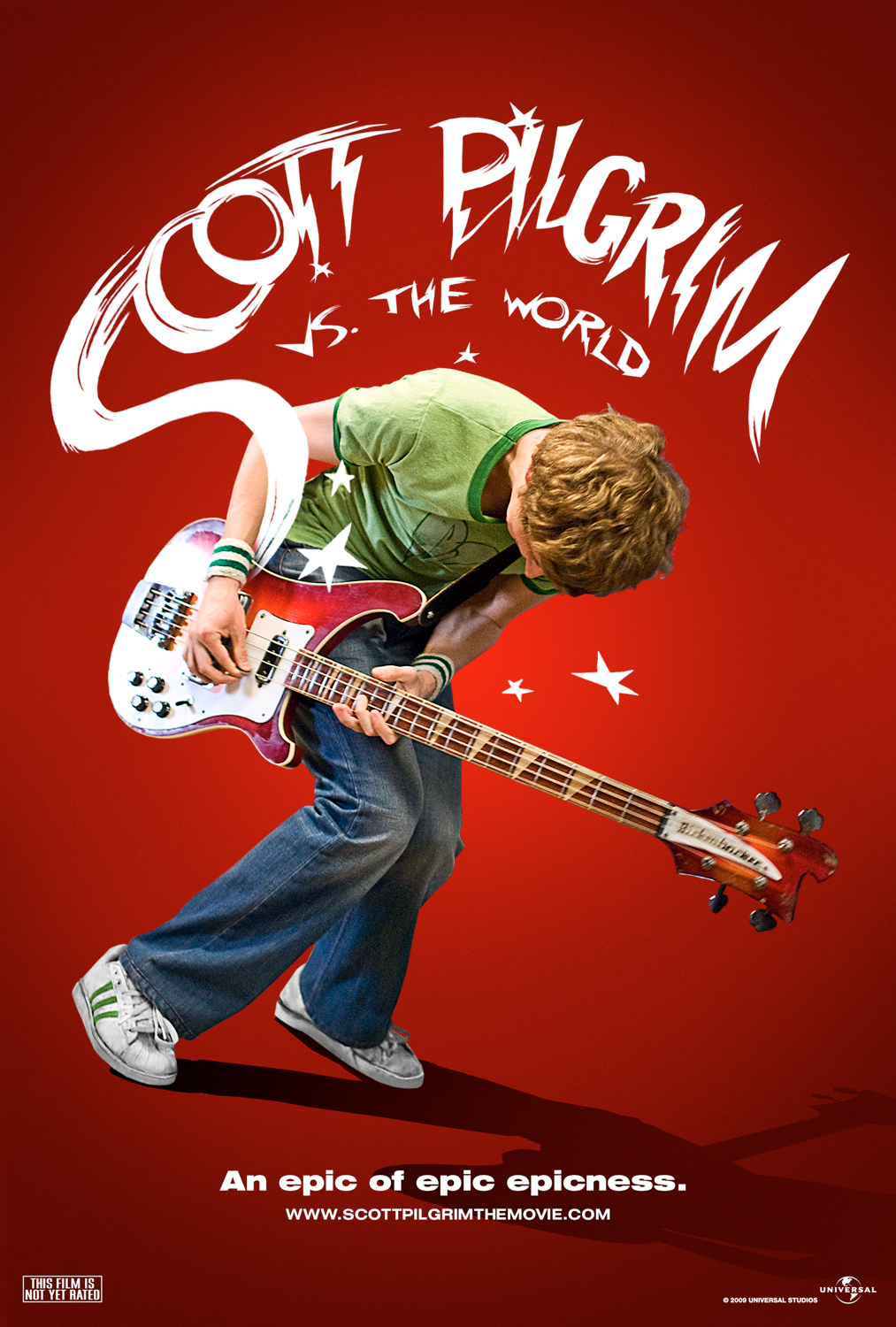
scott_pilgrim_vs_the_world_teaser_poster_01

What Happened to Pixar Animation? – Film Discussion

Whatever happened to the beloved animation studio, Pixar Animation?

Pixar Animation used to create some phenomenal animated adventures that the entire family could enjoy, regardless of their age. Mixing brilliant storytelling with beautiful animation and incredibly memorable characters, each film never failed to stand out amongst the rest. Some of the films, like ‘Monsters, Inc.’ or ‘WALL-E,’ for example (two of my personal favourite Pixar films), really got creative with their own narratives and fleshed out their individual worlds. However, in recent years, I’ve noticed a severe downgrade in the quality of their films, as it seems ever since the release of ‘Toy Story 3’ back in 2010, Pixar has had a real reliance on sequels, prequels and spin-offs over original films. While still mostly enjoyable, I have noticed the storytelling, character arcs and world-building all seem to be lacking when compared to their earlier films.

In recent years, films such as ‘The Good Dinosaur,’ ‘Monsters University,’ ‘Brave,’ ‘Finding Dory,’ the ‘Cars’ sequels/spin-offs and, of course, the upcoming ‘Toy Story 4.’ Have all ranged from sub-par through to simply awful, the ‘Cars’ series, of course, being the best example of this as this series has always been Pixar’s black sheep. Never truly having the magic that makes Pixar special, always feeling like more of a cash-grab than anything else. ‘Cars 2’ being the most prominent example of this, as this film is one of Pixar’s only poorly reviewed films to date. The ‘Cars’ series has always felt very immature to me, although I didn’t hate the original film, it’s definitely no one’s favourite. In regard to Pixar’s other sequels; ‘Finding Dory’ and ‘Toy Story 4,’ ‘Finding Dory’ is nothing more than a reskinned ‘Finding Nemo,’ except for a few amusing characters; the film has nothing more really to offer. Despite having fantastic reviews from critics for some reason, the film was never anything other than a massive nostalgia slap for me. As, of now, ‘Toy Story 4’ hasn’t yet been released, but I feel when it does it’ll be another film with great reviews, but with nothing truly memorable about it, as I personally believe the ‘Toy Story’ trilogy concluded so satisfactorily, I don’t truly don’t understand why they feel the need to continue that story other than profit.

‘Monsters University’ is probably my favourite of Pixar’s recent continuations of their old stories, although I don’t think the film reaches the heights of ‘Monsters, Inc.’ due to less originality and a lack of adult themes. I do still think the film is very witty, and it does explore the monster world further. It’s one of the few films I can say where it feels there was true thought put into it, as it doesn’t just lean on the legacy of the previous film. Finally, we come to Pixar’s original films. This being ‘The Good Dinosaur’ and ‘Brave,’ now whilst I don’t think these films are awful per se. They simply just aren’t that memorable. ‘Brave’ has a few amusing moments and an interesting setting, but falls more into classic 2D animated stories at points. As for ‘The Good Dinosaur,’ it’s simply a ‘returning home’ story, with nothing of note at all other than the nice animation. It seems most people agree with me on this one, too, considering it’s very low box office return.

Now, of course, there are some recent exceptions, Pixar’s ‘Inside Out,’ ‘Coco’ and last year’s ‘Incredibles 2,’ which I did enjoy very much. These films proved to me that Pixar still has some great stories in them, although these films aren’t perfect and I wouldn’t rank them as high as the classic Pixar films personally, they definitely show potential. I would love to see more original animated films like this from Pixar. Considering how much money ‘Coco’ made when it was released, it’s clear they still make money just from the Pixar name alone. So, why do they feel the need to rely on sequels? Many people would point to Disney pulling their leg, and although I could believe that. I also think it’s due to Pixar simply becoming uninterested; they now think of themselves as the animation giants the audience believes they are. This means they no longer take risks and are comfortable simply gaining profit from their previous franchises.

This could also be due to a lack of original ideas; of course, Pixar simply feels more comfortable returning to their previous stories. But, considering some of their big competitors such as DreamWorks Animation, Blue Sky Animation, Warner Bros. Animation and Illumination Animation are all still pumping out original films (granted, not all quite to the usual Pixar standard). Films, such as ‘Captain Underpants: The First Epic Movie,’ ‘Ferdinand,’ ‘The Lego Movie’ and ‘Despicable Me’ are all still very enjoyable to watch. Some of these films even made a pretty big box office return, with the ‘Despicable Me’ spin-off; ‘Minions,’ becoming one of the highest-grossing animated films ever, earning over £900 million. Even the company that teamed up with them (that being Disney) are beating them recently when it comes to original animated flicks, with Walt Disney Animation Studios’ ‘Zootopia,’ being one of my favourite films of 2016.

In summary, what happened to Pixar Animation is very clear to me. They simply got lazy, focusing far more on wanting to make a large profit rather than giving their audience new, exciting stories. The company isn’t completely dead; films like ‘Coco’ and ‘Inside Out’ clearly prove there is still talent there. But, with the older writers, directors and animators now backing down from the company so newer faces can arise. I’m concerned that Disney and Pixar executives may continue to push for more sequels, prequels and spin-offs with the knowledge that the films will always make money regardless of their quality. This is mostly why I fear for ‘Toy Story 4,’ as even though I really hope the film is great, I currently have a lot of doubts in my mind about it. Pixar, however, has also recently brought out a trailer for their next film following on from ‘Toy Story 4,’ titled; ‘Onward,’ which does appear to be a completely original story focusing on elements of fantasy and adventure. So, perhaps not all is lost for the iconic animation company just yet, but only time will tell, I suppose.

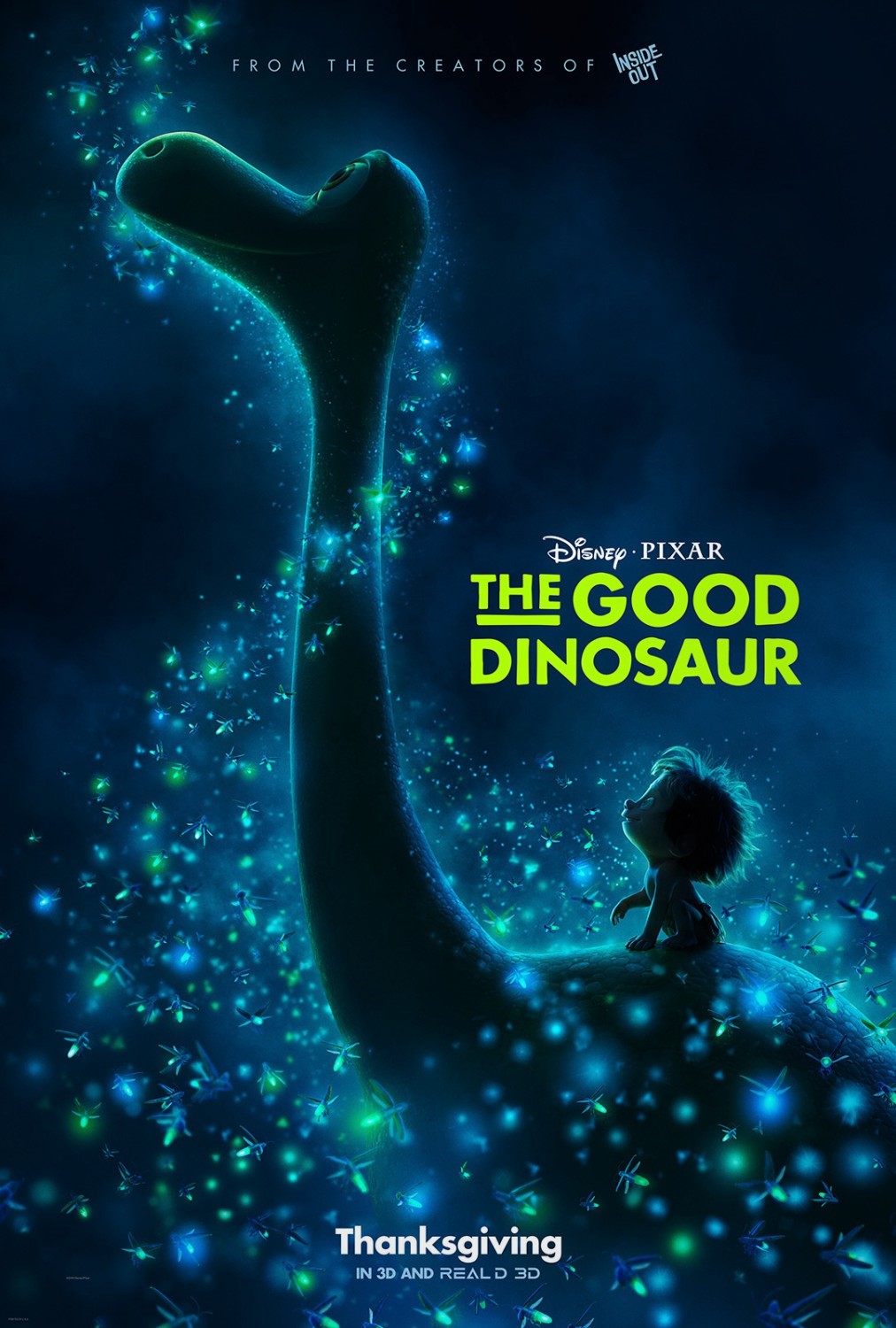
good_dinosaur_ver3_xlg

A Nightmare on Elm Street (2010) – Film Review

This modern remake of the classic Wes Craven horror flick; ‘A Nightmare on Elm Street,’ unfortunately lacks any of the charm or creativity of the original as Samuel Bayer’s bland direction and Jackie Earle Haley’s eerie but not incredibly memorable portrayal of the beloved horror icon leaves much to be desired.

Plot Summary: A group of suburban teenagers all share one common bond, they are all being stalked by ‘Freddy Krueger,’ a horribly disfigured killer who hunts them in their dreams. As long as they stay awake, they stay alive…

Whilst the film definitely isn’t the worst remake I’ve seen in recent years, it most certainly is one of the most forgettable, as the film never really does anything interesting of note to give a reason for its existence (other than the production company wanting to make a large profit of course), as everything from the cinematography, to the acting, to even some of the CG effects, all come across as something from your average, low-budget slasher.

As mentioned previously, Jackie Earle Haley’s version of the ‘Freddy Kruger’ character is most certainly one of the better elements of the film. Although definitely not as memorable as the original (as Robert Englund will always be the true nightmare, in my opinion), Jackie does a respectable job of delivering his own take on the iconic character, making him more menacing and extremely creepy when on-screen as opposed to constantly cracking jokes. Freddy does still make the occasional quip every so often, however. The rest of the cast aren’t as quite as entertaining due to their limited direction and weak characterisation (as well as the poor screenplay), meaning Rooney Mara, Kyle Gallner and Katie Cassidy have very little to work with.

The film’s cinematography by Jeff Cutter is generally passable, as while not as impressive as his work on ’10 Cloverfield Lane,’ for example, is it most certainly not painful to look at throughout most of the runtime. However, one aspect of the film that is visually repellent, is the horrific colour palette the film goes for, as the film utilises an oversaturated blue and orange colour palette similar to that of a Michael Bay blockbuster, which doesn’t fit with the style or tone of the film at all.

Even the original score composed for the film by Steve Jablonsky, is a remarkably bland horror soundtrack with nothing really interesting about it, even with the classic “Elm Street Jingle,” in the background, the score really doesn’t add anything to the already boring atmosphere. The only element truly fresh to this remake is the enormous amount of jump-scares throughout the narrative, which is pretty much to be expected from any modern horror, nowadays.

As technology and filmmaking techniques have greatly evolved since the release of the original ‘Elm Street’ film in 1984, I was really expecting the film to get extremely creative with the ways ‘Freddy Kruger’ can invade people’s dreams and slaughter them, similar to the way they did within the sequels to the original film over the years. Sadly, the film pretty much recreates many of the iconic scenes from the original film almost exactly, without much thought or creative effort put into it. I did personally enjoy the new look for ‘Freddy’ though if I had to focus on a positive element of the film.

In summary, I was very disappointed with this remake, even after going in initially with very humble expectations, as aside from a few interesting CG effects here and there, the film simply isn’t memorable in the slightest. Employing the ‘A Nightmare on Elm Street’ title without understanding what actually made it such a popular and iconic franchise in the first place, leaving the film feeling like nothing more than a lethargic cash grab. Final Rating: low 3/10.

a-nightmare-on-elm-street-2010