Chef (2014) – Film Review

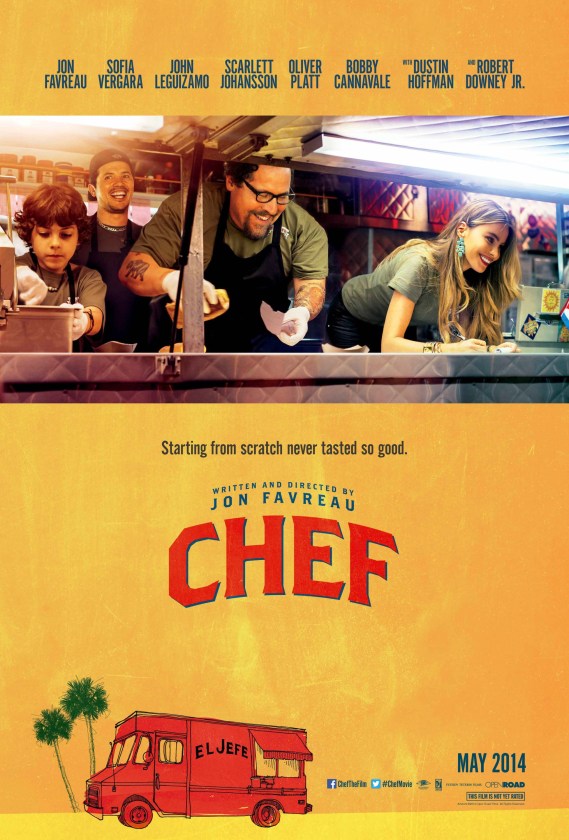
Even after working in blockbuster franchises, such as ‘Star Wars’ and the Marvel Cinematic Universe, director Jon Favreau (Zathura, Iron Man, The Lion King) crafts one of his finest films to date with this clear passion project. Being obsessed with food and cooking in his spare time, Favreau puts his kitchen knowledge to perfect use as his film ‘Chef’ focuses on the story of a middle-aged man taking his wonderful tastes across America, and whilst fairly simplistic, this lower-budget flick still manages to remain a charming comedy-drama from beginning to end.

Plot Summary: ‘Carl Casper,’ an acclaimed chef with a family life that seems as decaying as his artistic freedom. But, after being fired from his restaurant job due to an aggressive confrontation with a snarky food critic, ‘Carl’ decides to travel across America selling his own dishes in a second-hand taco truck…

Although not directly based on a true story per se, ‘Chef’ does take inspiration from plenty of real-world figures, in addition to Jon Favreau’s own history in cuisine. The main source of inspiration for the film, however, was the professional food truck chef Roy Choi. Who, actually agreed to give Favreau further chef training for the film under the exception he agreed to present a truly authentic portrayal of the life of a chef, and considering the film’s focus on ‘Carl’s struggling funds and the impact the cynical words of food critics can have, I feel the director certainly succeeded.

Jon Favreau portrays ‘Carl’ superbly throughout the film, giving the protagonist a decent amount of range despite him never receiving an enormous amount of characterisation. The rest of the cast of John Leguizamo, Emjay Anthony, and Sofía Vergara, as well as Scarlett Johansson and Dustin Hoffman for a short period, are all decent within their respective roles, with Robert Downey Jr. even making a short appearance in the film as ‘Marvin’, which interestingly he agreed to do for free as a favour to Favreau for the decision he made to cast him as ‘Tony Stark,’ a.k.a. ‘Iron Man,’ years earlier, which most now believe to be his most iconic role.

While ‘Chef’ does have a fairly bright colour palette, the cinematography by Kramer Morgenthau is ultimately nothing above average, as while the film does have some interesting shots, they’re fairly infrequent throughout. However, this is with the exception of the many close-ups of the food itself, as ‘Chef’ does a superb job at making the audience’s mouth water through the delicious food it presents, as the film features a variety of both very creative and tasty-looking dishes. The film even manages to contain a little stylistic flair with Twitter being represented by animated blue birds which flutter into the sky whenever a character tweets, which actually plays into the story quite well.

The original score by Lyle Workman isn’t anything overly memorable, but the soundtrack’s Mexican feel does back up the film’s story effectively and really fits with many of the locations the food truck stops at as ‘Carl’ travels across the states of America. ‘Chef’ also utilises a huge range of iconic songs throughout its runtime, most of which also stick to the film’s Mexican aesthetic. From ‘I Like It Like That’ to ‘Lucky Man’ and even ‘Sexual Healing,’ the film’s lengthy list of songs really adds to its predominantly upbeat tone.

Unfortunately, ‘Chef’ is mostly dragged down by its overall emotional depth, as although the film is usually entertaining and engaging throughout, the film sometimes lacks the real emotional weight a drama needs, as ‘Carl’s rough relationship with his ex-wife receives little-to-no development, with most of the narrative’s focus being placed on ‘Carl’ reconnecting with his son, ‘Percy,’ which mostly makes for amusing and somewhat relatable scenes rather than any real dramatic moments. Whilst it doesn’t hurt the film really, some characters throughout ‘Chef’ also seem to disappear without a trace, in particular, the character; ‘Jen,’ portrayed by Amy Sedaris, who on ly appears in a single scene and has virtually no impact on the plot, which comes across as a little odd.

In summary, while there are definitely more memorable comedy-dramas out there, ‘Chef’ delivers on what it sets out to do, featuring some likeable characters portrayed by its great cast, alongside its fantastic soundtrack and scrumptious-looking food, the film is truly a treat whether your an expert in the kitchen yourself or not. It is a shame the film’s more dramatic side doesn’t fully deliver, as I do genuinely feel ‘Chef’ is a perfect example of Favreau’s filmmaking/acting talent outside of any franchise. Final Rating: low 8/10.
chef_xxlg

Lucy (2014) – Film Review

Luc Besson, the iconic director behind ‘Léon: The Professional,’ ‘The Fifth Element’ and ‘Valerian and the City of a Thousand Planets,’ returns to the sci-fi genre with ‘Lucy,’ a very strange and original science fiction thriller focusing on a young woman whose intellect begins to evolve after being kidnapped, eventually transforming her into something more than human. Although this interesting plot does feel like a departure from what we usually expect within this genre, I personally feel this doesn’t always work within the film’s favour.

Plot Summary: After a young woman (Lucy) gets accidentally caught in a drug deal, she is captured and taken to the feet of a powerful drug lord. Before long, she finds herself a victim of illegal drug trafficking, in which an experimental synthetic drug is implanted inside her lower abdomen to transport it into Europe. But, when the blue chemical leaks into her bloodstream, she turns the tables on her captors and transforms into a merciless creature that has evolved beyond human logic…

Even though the narrative of ‘Lucy’ is definitely a unique one, I personally feel the film doesn’t explore its various ideas and concepts as effectively as it could, as ‘Lucy’ introduces a number of interesting elements when it comes to human evolution, usually without ever fully releasing them. The film does still manage to contain plenty of astonishing and colourful visuals as well as a few memorable scenes throughout its runtime, yet it simply isn’t enough to save the film from the issues that litter its story, despite the film’s screenplay being in development for over nine years.

The film’s protagonist ‘Lucy’ is portrayed fairly well by Scarlett Johansson, as she gives a very robotic and cold performance throughout the film the more intelligent her character becomes. However, the character of ‘Lucy’ is actually one of the film’s biggest missteps, as throughout the narrative, ‘Lucy’ always feels incredibly underdeveloped, as we barely spend any time with her before she begins to evolve after being contaminated with the chemical. Meaning she quickly turns into a calculating killing machine without emotion, as a result of this, it’s extremely difficult to connect with her, or even like her, as we are given very little characterisation before her change. The supporting cast of Morgan Freeman, Amr Waked, and Pilou Asbæk are all decent, with the exception of Min-sik Choi as the film’s antagonist, ‘Mr. Jang,’ who actually gives the brutal drug lord a very intimidating presence despite his limited screen-time.

Thierry Arbogast’s cinematography unfortunately, doesn’t really reflect the film’s many creative CG effects, as although the film does contain the occasional pleasing shot, they are simply too few and far between, with an strong overreliance on shot-reverse-shot during many scenes. ‘Lucy’ also contains some fairly unusual editing, as the film constantly cuts away to symbolic images of animals, the environment, populated cities and cells materialising, etc. And, even though this does give the film some style, it also makes some scenes come across as unintentionally comedic.

The original score by Eric Serra, plays very well into the film’s story, as this fitting techno score alters over the course of the film, with tracks such as ‘First Cells’ and ‘Taipei Airport,’ feeling very unique, not too different from the film’s story itself. My personal favourite track has to be ‘Flickering Through Time,’ however, as this beautiful yet haunting piece plays over one of the film’s most memorable and effective scenes as ‘Lucy’ soars through time.

Although the CG effects do range in quality throughout the film, ‘Lucy’ does get very inventive with its visuals when it comes to its CGI, as the film features an array of colourful and trippy CG effects the further ‘Lucy’ evolves, which does help redeem ‘Lucy’s lack of scientific accuracy (which the film has actually been heavily criticised for since its release). As whilst I personally don’t feel being less-accurate to real-world science is a problem when it comes to science fiction. ‘Lucy’ rests a large amount of its story on the idea that humans only use 10% of their brains, which has actually been debunked by neurological scientists many times over, as humans typically use about 10%-12% of their brains at a time.

In summary, whilst I’m sure ‘Lucy’ had the potential to be an eccentric and original sci-fi flick at one point in time, the film’s cons simply outweigh its pros, in my opinion. From its cheesy dialogue through to its poor editing choices and flawed story, ‘Lucy’ feels almost as if it gets bogged-down by itself, almost becoming a little too pretentious for its own good. While I do appreciate the film’s more ‘out there’ story and great original score, I’d recommend you stick to ‘The Fifth Element’ for your fill of a Luc Besson sci-fi. Final Rating: 4/10.

lucy_xxlg

Snowpiercer (2014) – Film Review

One of my favourite sci-fi films from this past decade, 2014’s ‘Snowpiercer’ is constantly engaging, rousing and gritty throughout both its original plot and exploration of the interesting world its story takes place within, as the film chooses to explore the worst of humanity through some gorgeous cinematography by Kyung-pyo Hong and some truly brilliant writing. Making ‘Snowpiercer,’ a superb science fiction thriller, all under the genius hand of director Bong Joon-Ho, who, recently gained a large amount of traction through his Oscar-winning flick; ‘Parasite.’

Plot Summary: In a future where a failed climate change experiment has killed all life except for the lucky few who boarded the ‘Snowpiercer,’ a train that travels around the globe, a new class system begins to emerge on board as ‘Curtis’ leads a revolution with the train’s lower-class citizens…

Despite director Bong Joon-Ho (Memories of Murder, The Host, Okja) usually sticking to this style, the very bleak tone of ‘Snowpiercer’ may leave many audience members in a depressing mindset long after their initial viewing, as the film deals with a variety of themes such as poverty, social class and survivalism, all portrayed in a dark and negative fashion. However, in spite of this, the film never fails to still be very entertaining and thrilling, mostly as a result of its fairly quick pacing and exhilarating action sequences. Although it may surprise many, ‘Snowpiercer’ also takes heavy inspiration from the French graphic novel; ‘Le Transperceneige’ by Jacques Lob, with the two stories sharing many similarities and many differences throughout their respective mediums.

Chris Evans, Jamie Bell, Tilda Swinton, Song Kang-ho, Octavia Spencer, John Hurt and Ed Harris are all fantastic throughout the film within their various roles, especially Tilda Swinton as the villainous and oppressive; ‘Manson’ (who completely nails many of the film’s most memorable lines). In addition to this, the film’s characters also get plenty of development throughout the narrative, to be specific, the film’s protagonist; ‘Curtis,’ as this character becomes far more tragic nearing the end of the film, eventually leading him to devolve from what we would usually expect to see from our main character.

The cinematography by Kyung-pyo Hong is pretty creative and visually impressive throughout the majority of the runtime, as the film’s cinematography backs up it’s story and drama very effectively. The film’s colour palette also plays into this, as the dirty greys, greens and blacks of the train’s tail all further display the contrast between the wealth of the different people on board. Of course, due to the film also being packed with a large number of action scenes, the cinematography does become slightly shakier during many of these moments, yet it is still clear what is happening throughout. One of these scenes in particular, known as ‘The Tunnel,’ I found extremely inventive, as this entire scene takes place in total darkness, with night-vision being utilised exceptionally well, shot without any additional lighting, according to director Bong Joon-Ho.

Although a little uninspired during some of the action scenes, the original score by Marco Beltrami does fit the story perfectly throughout most of the film. Especially when it comes to tracks, such as ‘This is the End’ or ‘Yona’s Theme,’ as the soundtrack matches the bleak tone of the film extremely well. The score also helps to add more impact to many of the more shocking moments within the story, as at multiple points during the narrative, the film reveals certain aspects of this twisted train society which really deepens film’s world.

As the film is set entirely within the futuristic train, the film does do a surprisingly excellent job of the keeping the film’s set pieces unique through the sheer variety of sets on display, as the film takes the audience from the dirty tail of the train, through to a classroom, a nightclub, and, eventually, even a spar, further emphasising ‘Snowpiercer’s underlying themes of social class. Another element of the film I adore is Joon-Ho’s focus on small details, as the film always alludes to smaller aspects of the story or characters which aren’t fully delved into, only hinted at. Despite all of this, however, ‘Snowpiercer’ isn’t totally flawless, as the film does become a little cheesy at points, mostly due to the occasional editing choice or line of dialogue, but this is very rare.

In summary, even though ‘Snowpiercer’ isn’t the best modern sci-fi to date, I personally don’t think the film is far off, from its creative ideas through to its beautiful cinematography and great original score. The film easily overcomes its few cheesy moments and slightly dated CG effects here and there, with a few tiny changes, I honestly believe that this exciting sci-fi flick could be up there with the likes of ‘Arrival’ or ‘Ex_Machina,’ when it comes to modern science fiction. Final Rating: 8/10.

snowpiercer_ver27_xlg

Ex_Machina (2014) – Film Review

One of my all-time favourite science fiction films, and a truly incredible A.I.-centric story, ‘Ex_Machina’ is directed by Alex Garland, the director of ‘Annihilation,’ another sci-fi film that I absolutely adore, as the film combines some stunning cinematography and visual effects alongside a smart, original and thought-provoking story that any film fan is sure to adore from beginning to end.

Plot Summary: After the young programmer, Caleb, is invited to participate in a groundbreaking experiment involving artificial intelligence by evaluating human qualities in the subject, he soon discovers not everything is as it first appears…

The majority of the film takes place within ‘Nathan’s home, and the film uses this to its best advantage, as every set for each room of the house always feels as if it’s attempting to be comforting, yet always feels very isolated, cold and sleek at the same time. The entire film also has a great flair for feeling futuristic yet still grounded. However, easily one of the best elements of the film for me has to be the visual effects, as the film actually won an Oscar for its effects back in 2016, and it’s easy to see why, as there are so many amazing shots within the film that are very well-crafted, combining sets with CG effects and blending them brilliantly.

Whilst all the style is great throughout the film, it shouldn’t take your attention from the excellent performances on display here, as Domhnall Gleeson, Alicia Vikander, and especially Oscar Isaac, all bring their ‘A’ game to the film as the entire cast has a lot of chemistry with each other, and their performances only elevate the tension-filled scenes throughout the film, not to mention their characters are given a decent amount of depth or thought they definitely could be explored further.

The stunning cinematography by Rob Hardy makes use of a variety of different shots, having the camera constantly in motion at various points throughout the runtime. Always being quite slow yet still very appealing to the eye, with the original score by Geoff Barrow and Ben Salisbury also contributing to the film, as the score manages to be both extremely eerie yet also very beautiful, all whilst sticking to a classic science fiction-type soundtrack.

The writing is also another element of the film that cannot be ignored, as each line of dialogue feels both real and fits the film perfectly. Without ever losing the audience along the way, if I had to give any criticisms of the film, however, as already mentioned it would be the character writing. Although the characters do get some development as the film goes on, we are never given anything that truly makes us invested in them, only bits and pieces. If the characters were developed further throughout the story, I do feel this would’ve made the film a little more engaging.

In summary, I still adore ‘Ex_Machina,’ as not only is the film gorgeous to look at as well as being a smart sci-fi-thriller, which really isn’t afraid to delve further into the world of A.I. no matter how dark it may become. If I had to express my criticisms of the film, it’s simply the overall lack of characterisation, and perhaps the conclusion to the film (although this may be just my personal opinion) as I personally found it slightly unsatisfying and a little out of character for some of them. Still, I highly recommend this one, and I really can’t wait to see what Alex Garland does for his next project. Final Rating: 9/10.

ex_machina_xxlg

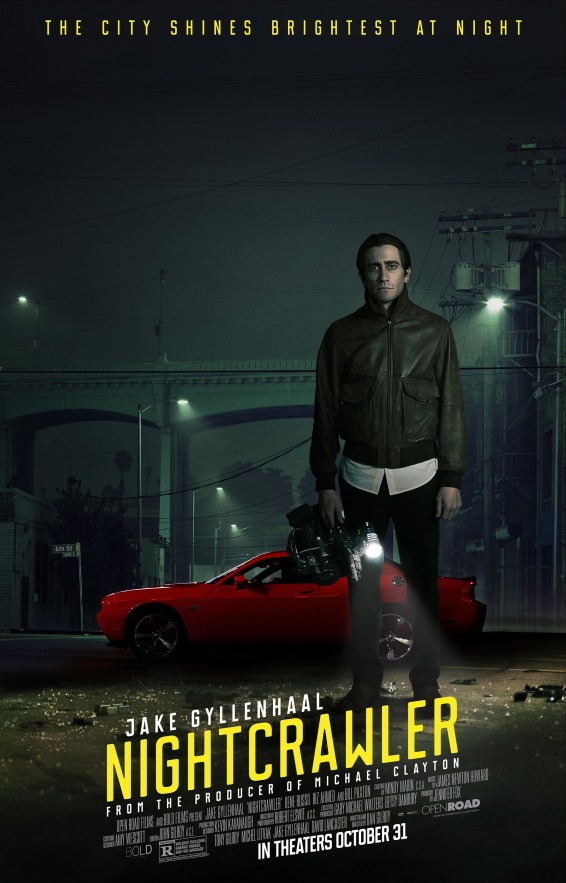
Nightcrawler (2014) – Film Review

Held up by an incredible performance from Jake Gyllenhaal, ‘Nightcrawler’ is a visually beautiful and very tense thriller from director Dan Gilroy (Roman J. Israel Esq, Velvet Buzzsaw), focusing on the dangerous life of a freelance journalist who ends up falling deeper and deeper into a world of greed and accomplishment. Gripping from start-to-finish (as well as being one of my personal all-time favourite films), ‘Nightcrawler’ is truly an amazing experience any film fan is sure to enjoy.

Plot Summary: When ‘Louis Bloom,’ a con-man desperate for work, muscles his way into the world of Los Angeles crime journalism, he blurs the line between observer and participant to become the star of his own story, determined to rise to the top regardless of competition, or even morals…

Being shot over the course of twenty-eight nights, the film does a brilliant job of blending a narrative of what the life for a freelance journalist is actually like, as well as focusing on the more personal story of ‘Louis’ at the same time, with both of them fitting the dark tone of the film extremely well. This alongside the exploration of the city of Los Angeles gives the film a great personality, as the film explores every seedy corner of the city, always using real locations over any visual effects, unlike many other films nowadays.

Jake Gyllenhaal also gives one of the best performances of his career here, portraying ‘Louis Bloom’ as a creepy, sly and selfish character who excels at his work, yet despite being mostly unlikeable. He still manages to be an engaging protagonist mostly through his charisma and intelligence, even as he descends further and further down the line. Gyllenhaal even went to the extent of losing over twenty-pounds for the role, which was actually Gyllenhaal’s own idea, as he visualised ‘Louis’ as a hungry coyote. Riz Ahmed also appears in the film as ‘Rick,’ ‘Louis’ underpaid and underappreciated partner who serves as almost his complete opposite in many different ways. These two alongside the supporting cast of Rene Russolate and the late Bill Paxton are all brilliant throughout the film, never failing to impress within their respective roles.

The cinematography by Robert Elswit is some of the best cinematography I’ve seen in a film in a long time, utilising an enormous amount of varied shots, including a large amount of wide and mid-shots, which are always a joy to see, with the film always using its cinematography to increase the amount of tension or drama that’s on-screen. The film also makes great use of it’s dark blue and orange colour palette as well as large amounts of street lighting, which both definitely help give the film a distinct visual flair and make many of the bright colours stand out amongst the darkness of Los Angeles late at night.

This is also backed up by the calming and yet also eerie original score by James Newton Howard, and while perhaps not incredibly memorable on itself, I do like this composer for much of his previous work (The Sixth Sense, King Kong, I Am Legend) and the soundtrack here does back up the film pretty well for the majority of its runtime, aside from the occasional track which can come across as slightly cliché.

Another element of the film I really enjoy is it’s grasp on realism, as although I’m no expert in regards to the world of crime journalism. The film never really seems to go beyond believability within its story, even when the story begins to enter more dangerous territory for its characters. One element of the film that didn’t really exceed my expectations, however, was the film’s editing, as although the editing throughout the film is decent, I was never overly impressed by it, as I always felt it was one of the few areas of the film which could’ve been slightly improved.

In summary, ‘Nightcrawler’ still retains it’s spot on my list of favourites, with its outstanding cinematography in addition to the pretty fantastic original score and performances throughout. The film has a lot to offer, and I’m still thrilled the film came out as well as I did, due to both its filmmaking and it’s appeal, I’d absolutely recommend anyone give ‘Nightcrawler’ a watch. Final Rating: 9/10.

nightcrawler_ver4_xxlg

Beautiful Shots in Cinema – Film List

Throughout history, there have been many captivating shots in cinema that inventively visualise the stories they are illustrating, thoroughly enthralling the audience in their stories by combing imaginative framing/composition with an attractive colour palette and exceptional lighting. Some shots even go so far as to convey the narrative behind a certain character, item or location merely through a single image, becoming commemorated in the annuals of cinema for decades to come. Here are a few of my personal favourites…

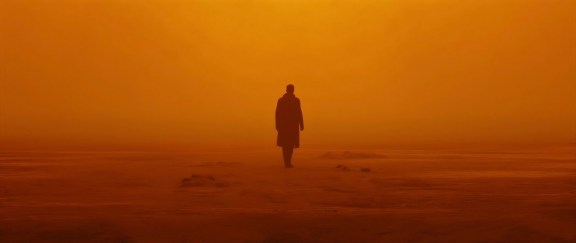
Blade Runner 2049 (2017) – Cinematographer, Roger Deakins

bladerunner042-transformed

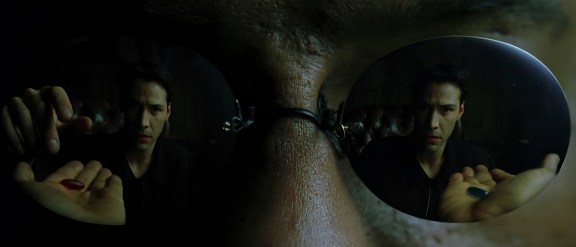
The Matrix (1999) – Cinematographer, Bill Pope

thematrix015-transformed

Jaws (1975) Cinematographer, Bill Butler

32_20(537)-transformed

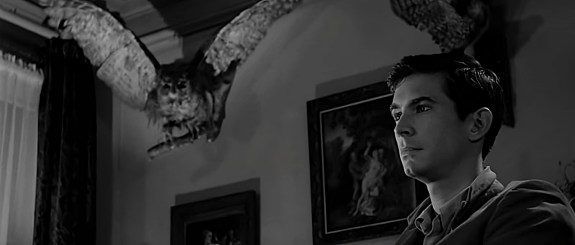
Psycho (1960) – Cinematographer, John L. Russell

original-7442-1438603390-17-transformed

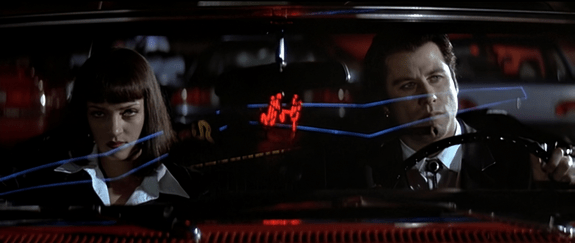
Pulp Fiction (1994) – Cinematographer, Andrzej Sekula

untitled-eBeqJws9A-transformed

Raiders of the Lost Ark (1981) – Cinematographer, Douglas Slocombe

24_20(855)-transformed

The Revenant (2016) – Cinematographer, Emmanuel Lubezki

revenant018-transformed

American Beauty (1999) – Cinematographer, Conrad Hall

original-7438-1438602110-3-transformed

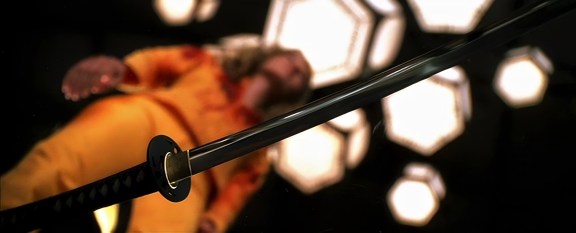
Kill Bill Vol. 1 (2003) – Cinematographer, Robert Richardson

44_20(548)-transformed

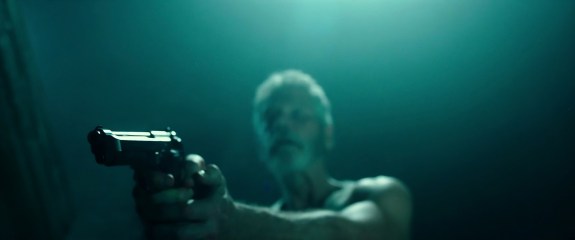
Don’t Breathe (2016) – Cinematographer, Pedro Luque

dontbreathe033-transformed

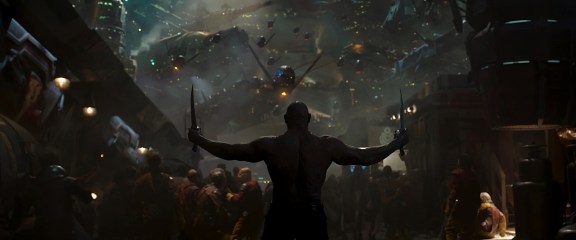
Guardians of the Galaxy (2014) – Cinematographer, Ben Davis

36_20(436)-transformed

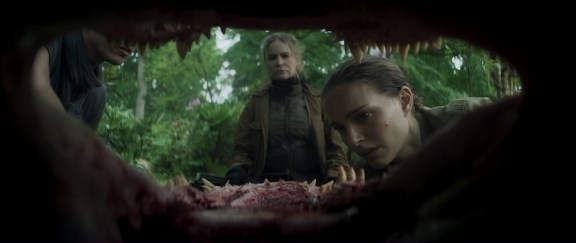
Annihilation (2018) – Cinematographers, Rob Hardy and Robert Hardy

annihilation017-transformed

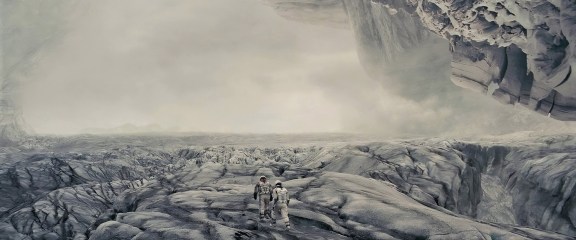
Interstellar (2014) Cinematographer, Hoyte Van Hoytema

38_20(511)-transformed

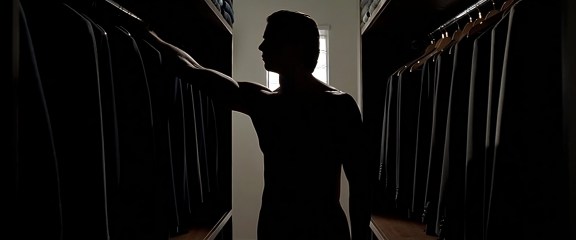
American Psycho (2000) Cinematographer, Andrzej Sekuła

59_20(64)-transformed

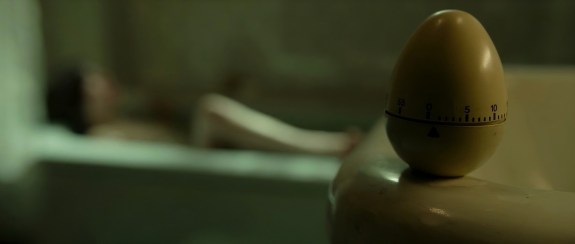
The Shape of Water (2017) Cinematographer, Dan Laustsen

shapeofwater009-transformed

E.T. the Extra-Terrestrial (1982) Cinematographer, Allen Daviau

35_20(358)-transformed (2)

2001: A Space Odyssey (1968) – Cinematographers, Geoffrey Unsworth and John Alcott

original-9572-1438602103-3-transformed

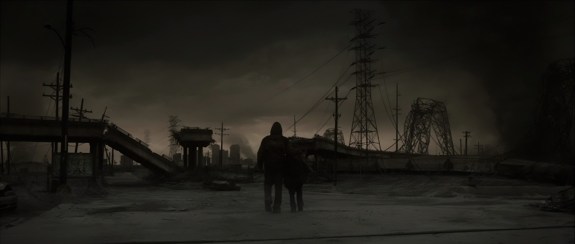
The Road (2009) Cinematographer, Javier Aguirresarobe

30_(1168)-transformed

Life of Pi (2012) Cinematographer, Claudio Miranda

untitled2-transformed

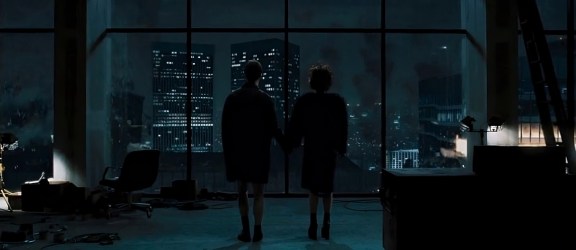
Fight Club (1999) Cinematographer, Jeff Cronenweth

original-26729-1438602891-17-transformed

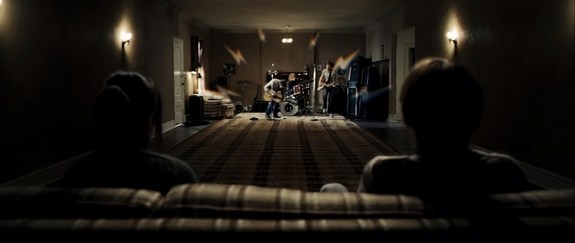
The Shining (1980) – Cinematographers, John Alcott and Martin Kenzie

original-19759-1438607089-3-transformed

Scott Pilgrim vs. The World (2010) – Cinematographer, Bill Pope

01_20(888)-transformed

A Nightmare on Elm Street (1984) – Cinematographer, Jacques Haitkin

original-8948-1438603239-3-transformed

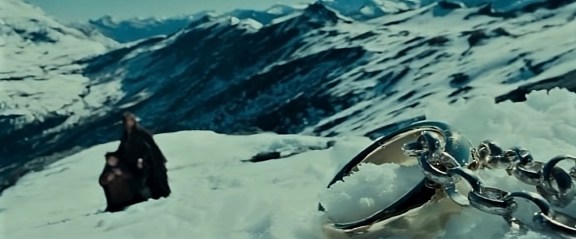
The Lord of the Rings: The Fellowship of the Ring (2001) – Cinematographer, Andrew Lesnie

50-most-beautiful-cinematic-shots-17jpg-transformed

Birdman or (The Unexpected Virtue of Ignorance) (2014) – Cinematographer, Emmanuel Lubezki

birdman-670x328-transformed (1)

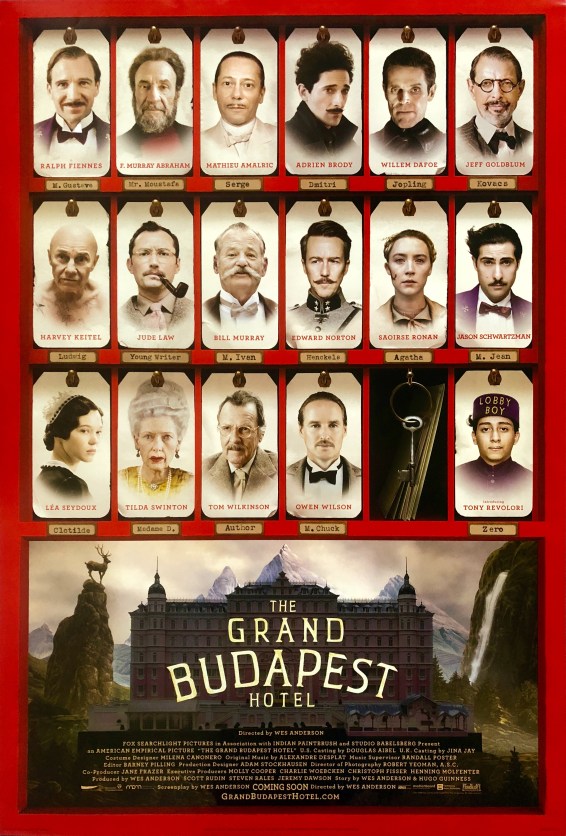
The Grand Budapest Hotel (2014) – Film Review

Wes Anderson’s visually spectacular tale of murder, elegance and crime is far more light-hearted than I was initially expecting. Utilising a bright colour palette, unique cinematography and a wonderful score by Alexandre Desplat, the film brings all the usual elements of Wes Anderson’s style that I adore, especially coming straight off the back of Anderson’s animated flicks.

Plot Summary: ‘Gustave H,’ a concierge of the legendary ‘Grand Budapest Hotel,’ alongside his new lobby boy, ‘Zero.’ Embark on a dangerous journey following a mysterious murder and the disappearance of a priceless Renaissance painting, soon leading them into the middle of a feud over an enormous family fortune…

The film definitely does have a particular artistic flair which his animated flicks do not carry, as in nearly every wide shot in the film we are greeted with what almost looks like a painting. These paintings are almost used as backdrops throughout the film, and blend seamlessly with the bright pale colour palette of the film. Even with this colour palette and mostly upbeat tone, however, the film is not afraid to dive into darker territory if needed in order to serve the story.

In addition to his style, Anderson also does a brilliant job when it comes to the writing, as the film is gushing with hilarious and memorable lines throughout. Many of the comedic lines caught me completely off-guard, with some of the humour being extremely dark. But, with a cast this large and talented, you’re almost guaranteed to get comedic gold. In particular, I really enjoyed the performances by Ralph Fiennes, Bill Murray and Willem Dafoe, who you could really tell they enjoyed their time on-set.

Robert D. Yeoman handles the cinematography within the film, which is, of course, brilliant, as not only does it contain the usual style expected from Anderson, but the cinematography even backs-up the narrative of the film, as many characters within the story feel isolated, and as a result are framed completely alone. But, pretty much all the cinematography throughout the runtime is fantastic. The original score by Alexandre Desplat is also a great aspect of the film, as he creates a very memorable soundtrack here which fits the tone of the film perfectly and really backs up many of the comedic scenes, with the tracks; ‘Mr. Moustafa’ and ‘The Cold-Blooded Murder of Deputy Vilmos Kovacs,’ being my personal favourites.

For the most part, the protagonists of the film are well-written, we understand who they are within the early stages of the story. Yet, as the story continues along, we continue to learn more about them. However, if I had to point out a flaw in the film it’s definitely the antagonists of the film, Willem Dafoe does an excellent job as the deadly hitman, whilst Adrien Brody also does a decent job as his boss. Beyond that, however, the characters are very flat and are given little to no development throughout the film.

Wes Anderson once again also pays serious attention to detail, as in many shots there’s always small hidden gags or visual references hidden away to spot. The filmmaking itself is also used for a lot of visual storytelling, e.g. the lonely characters and their framing within the shots, as already mentioned.

In summary, I was very impressed with ‘The Grand Budapest Hotel,’ as aside from the issue I have with the antagonists of the narrative, the film succeeds in nearly every category for me, and was a very enjoyable watch throughout. Combining Wes Anderson’s great visual style with a brilliant main and supporting cast as well as many comedic moments, the film is certainly worth a watch, and it’s fair to say that Wes Anderson will always have a viewer in me going forward in his career. Final Rating: 9/10.

IMG_3176

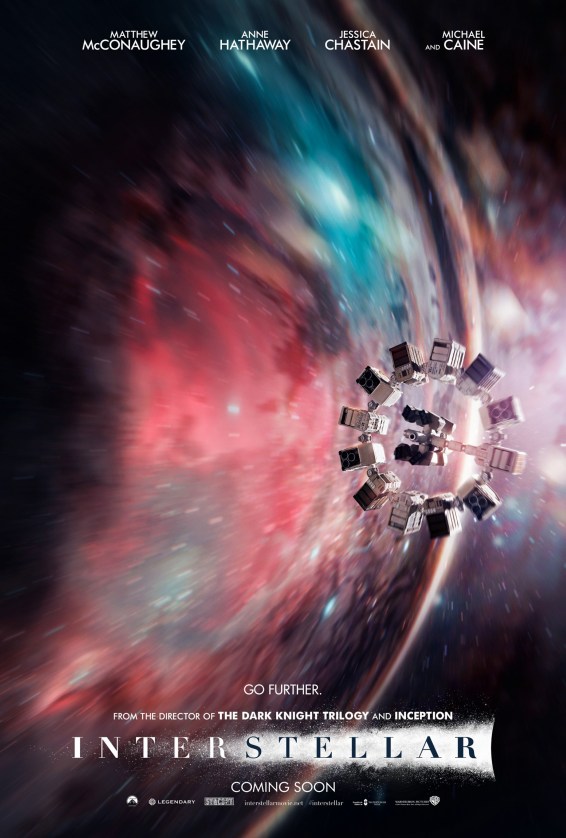
Interstellar (2014) – Film Review

Critically-acclaimed director Christopher Nolan (Inception, Memento, The Dark Knight) tries his hand at the sci-fi genre for the first time with ‘Interstellar,’ as the beautiful cinematography by Hoyte Van Hoytema and an incredible score by Hans Zimmer all lend themselves to this story of mankind venturing to another galaxy in search of a new world for our species, and although not perfect, the film is pretty entertaining overall.

Plot Summary: When Earth’s future is being riddled with disasters, famines, and droughts. There is only one way to ensure mankind’s survival, interstellar travel, as a newly discovered wormhole in the far reaches of our solar system allows a small crew to venture where no one has gone before…

Nearly every visual throughout the film is stunning, as along with the gorgeous cinematography, lighting and CG effects. The film really nails the shots within space perfectly, making many scenes look as if a majority of their shots had been taken straight from a NASA satellite, even integrating a great blend of colour and darkness. Many of the planets the crew visit throughout the narrative, however, although very cinematic, never really looked ‘otherworldly.’ Usually looking more like an attractive screen-saver, and although colours are used, it’s definitely a very contained colour palette when it comes to the planets. Many of the interior spaceship sets are also very striking in their appearance, hitting a great mix of modern-day and futuristic/high-tech technology.

Matthew McConaughey portrays ‘Cooper,’ the protagonist of the film, and as per usual, he does a great job within the film as a father who wants nothing but a great future for his children, and although none of the characters get much development throughout the story, Anne Hathaway, Jessica Chastain, Michael Caine (and even Matt Damon with his short appearance) all raise the bar high for the level of acting on display.

As already mentioned, the cinematography by Hoyte Van Hoytema is fantastic throughout, having slow-panning shots along with a variety of still shots for character scenes. All of this is being backed up by the unbelievable score by Hans Zimmer, legendary composer for films, such as ‘Pirates of the Caribbean,’ ‘Gladiator’ and ‘The Lion King,’ as well as a few other Christopher Nolan films alongside this one, his calming, unique and very science fiction-like soundtrack really lend themselves to many of the impressive shots within space. In particular, the track; ‘Cornfield Chase,’ a wonderful track which has since become one of the composer’s most beloved pieces of work.

Easily the best scene of the film for me was near the ending, as it’s around the conclusion of the film that we get some of the most amazing visuals combined with an extremely emotional moment, as a character undergoes a realisation and the film goes full circle, connecting itself back to some of the film’s early scenes. This climax really gives us some payoff for everything we’ve watched, it doesn’t quite make up for the long runtime, in my opinion, but it’s still somewhat satisfying.

One of my biggest issues with the story and the film in general really, is the extremely slow pacing, as although it’s not boring to watch it by any means. The film does move along at a very slow pace, as I found in particular the first thirty minutes of the film can really drag on a first watch, as the story gets development only in small pieces. This is when the writing by Christopher Nolan and his brother is put to great display, however, as we learn many small details about the characters and world of the film which come back into relevance later.

In summary, I wasn’t massively impressed with Christopher Nolan’s first sci-fi outing, although I was entertained for the most part whilst watching, and the visuals and music were a joy to experience. The long runtime and slow build-up stops the film from being super rewatchable for me, as it never becomes as memorable as ‘Inception,’ ‘The Prestige’ or ‘Dunkirk’ through its story and characters. The film was still very well made, and I do feel Nolan would benefit from a stronger story in the future should he chose to return to the sci-fi genre. Final Rating: low 7/10.

interstellar_ver4_xxlg

What Happened to Pixar Animation? – Film Discussion

Whatever happened to the beloved animation studio, Pixar Animation?

Pixar Animation used to create some phenomenal animated adventures that the entire family could enjoy, regardless of their age. Mixing brilliant storytelling with beautiful animation and incredibly memorable characters, each film never failed to stand out amongst the rest. Some of the films, like ‘Monsters, Inc.’ or ‘WALL-E,’ for example (two of my personal favourite Pixar films), really got creative with their own narratives and fleshed out their individual worlds. However, in recent years, I’ve noticed a severe downgrade in the quality of their films, as it seems ever since the release of ‘Toy Story 3’ back in 2010, Pixar has had a real reliance on sequels, prequels and spin-offs over original films. While still mostly enjoyable, I have noticed the storytelling, character arcs and world-building all seem to be lacking when compared to their earlier films.

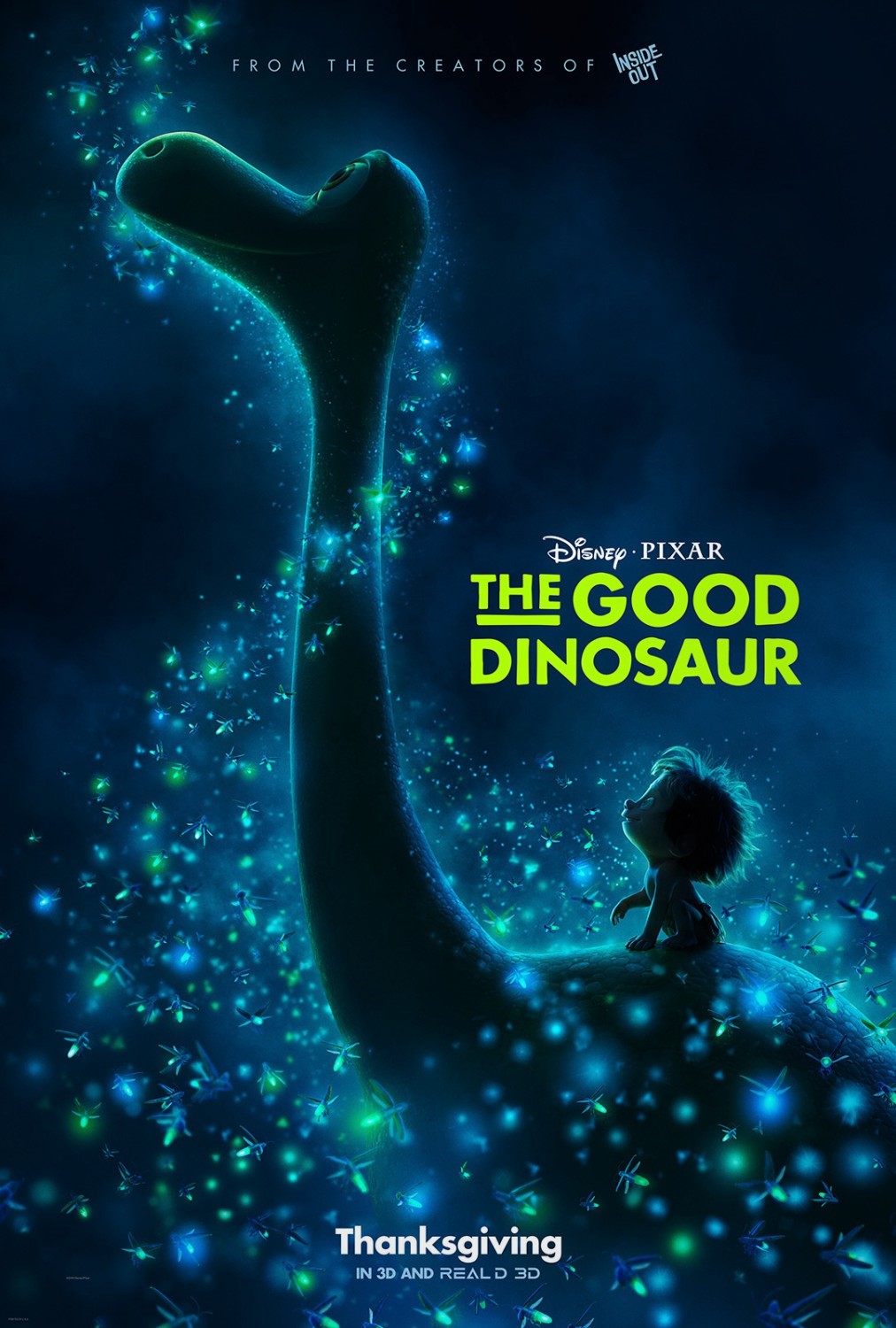
In recent years, films such as ‘The Good Dinosaur,’ ‘Monsters University,’ ‘Brave,’ ‘Finding Dory,’ the ‘Cars’ sequels/spin-offs and, of course, the upcoming ‘Toy Story 4.’ Have all ranged from sub-par through to simply awful, the ‘Cars’ series, of course, being the best example of this as this series has always been Pixar’s black sheep. Never truly having the magic that makes Pixar special, always feeling like more of a cash-grab than anything else. ‘Cars 2’ being the most prominent example of this, as this film is one of Pixar’s only poorly reviewed films to date. The ‘Cars’ series has always felt very immature to me, although I didn’t hate the original film, it’s definitely no one’s favourite. In regard to Pixar’s other sequels; ‘Finding Dory’ and ‘Toy Story 4,’ ‘Finding Dory’ is nothing more than a reskinned ‘Finding Nemo,’ except for a few amusing characters; the film has nothing more really to offer. Despite having fantastic reviews from critics for some reason, the film was never anything other than a massive nostalgia slap for me. As, of now, ‘Toy Story 4’ hasn’t yet been released, but I feel when it does it’ll be another film with great reviews, but with nothing truly memorable about it, as I personally believe the ‘Toy Story’ trilogy concluded so satisfactorily, I don’t truly don’t understand why they feel the need to continue that story other than profit.

‘Monsters University’ is probably my favourite of Pixar’s recent continuations of their old stories, although I don’t think the film reaches the heights of ‘Monsters, Inc.’ due to less originality and a lack of adult themes. I do still think the film is very witty, and it does explore the monster world further. It’s one of the few films I can say where it feels there was true thought put into it, as it doesn’t just lean on the legacy of the previous film. Finally, we come to Pixar’s original films. This being ‘The Good Dinosaur’ and ‘Brave,’ now whilst I don’t think these films are awful per se. They simply just aren’t that memorable. ‘Brave’ has a few amusing moments and an interesting setting, but falls more into classic 2D animated stories at points. As for ‘The Good Dinosaur,’ it’s simply a ‘returning home’ story, with nothing of note at all other than the nice animation. It seems most people agree with me on this one, too, considering it’s very low box office return.

Now, of course, there are some recent exceptions, Pixar’s ‘Inside Out,’ ‘Coco’ and last year’s ‘Incredibles 2,’ which I did enjoy very much. These films proved to me that Pixar still has some great stories in them, although these films aren’t perfect and I wouldn’t rank them as high as the classic Pixar films personally, they definitely show potential. I would love to see more original animated films like this from Pixar. Considering how much money ‘Coco’ made when it was released, it’s clear they still make money just from the Pixar name alone. So, why do they feel the need to rely on sequels? Many people would point to Disney pulling their leg, and although I could believe that. I also think it’s due to Pixar simply becoming uninterested; they now think of themselves as the animation giants the audience believes they are. This means they no longer take risks and are comfortable simply gaining profit from their previous franchises.

This could also be due to a lack of original ideas; of course, Pixar simply feels more comfortable returning to their previous stories. But, considering some of their big competitors such as DreamWorks Animation, Blue Sky Animation, Warner Bros. Animation and Illumination Animation are all still pumping out original films (granted, not all quite to the usual Pixar standard). Films, such as ‘Captain Underpants: The First Epic Movie,’ ‘Ferdinand,’ ‘The Lego Movie’ and ‘Despicable Me’ are all still very enjoyable to watch. Some of these films even made a pretty big box office return, with the ‘Despicable Me’ spin-off; ‘Minions,’ becoming one of the highest-grossing animated films ever, earning over £900 million. Even the company that teamed up with them (that being Disney) are beating them recently when it comes to original animated flicks, with Walt Disney Animation Studios’ ‘Zootopia,’ being one of my favourite films of 2016.

In summary, what happened to Pixar Animation is very clear to me. They simply got lazy, focusing far more on wanting to make a large profit rather than giving their audience new, exciting stories. The company isn’t completely dead; films like ‘Coco’ and ‘Inside Out’ clearly prove there is still talent there. But, with the older writers, directors and animators now backing down from the company so newer faces can arise. I’m concerned that Disney and Pixar executives may continue to push for more sequels, prequels and spin-offs with the knowledge that the films will always make money regardless of their quality. This is mostly why I fear for ‘Toy Story 4,’ as even though I really hope the film is great, I currently have a lot of doubts in my mind about it. Pixar, however, has also recently brought out a trailer for their next film following on from ‘Toy Story 4,’ titled; ‘Onward,’ which does appear to be a completely original story focusing on elements of fantasy and adventure. So, perhaps not all is lost for the iconic animation company just yet, but only time will tell, I suppose.

good_dinosaur_ver3_xlg

Godzilla (2014) – Film Review

‘Godzilla’ has always been an interesting franchise to me, with the Japanese film series spanning over sixty years and introducing new directors, new production teams and new foes for the gigantic lizard to face time after time, with the franchise even devolving into more of a self-parody nearing the end of it’s run, ‘The King of Monsters’ was still (and probably always will be) immensely popular. So, of course, it was only a matter of time until America decided to once again try their hand at the iconic monster franchise.

Plot Summary: When scientists discover a giant ancient spore underneath the Philippines, they decide to preserve it for research for fifteen years until it eventually hatches. Now, with malevolent creatures from the inside threatening the existence of all of mankind, another ancient creature known only as ‘Godzilla,’ rises from the depths of the ocean to restore balance to nature once again…

America first attempted a ‘Godzilla’ film back in 1998, with many feeling the film differed far too much from the original source material. Featuring an awful redesign for the classic monster and no actual antagonist for him to face. Now, returning back to the classic formula but with a more grounded tone and some fresh creature designs, director Gareth Edwards (Monsters, Rogue One: A Star Wars Story) does a mostly solid job with this remake, even if the film can sometimes focus far too much on the humans and other creatures within the story then ‘Godzilla’ himself.

Although much of the narrative focuses on the ‘Ford’ family, portrayed by Aaron-Taylor Johnson, Elizabeth Olsen, Carson Bolde, Bryan Cranston, and Juliette Binoche. With all the cast doing a decent job (Cranston being the obvious stand out with a few amazing scenes showcasing his true talent) their characters are given very little development, as although I do believe the human characters are an important element to break up the constant chaos from the massive monsters, the entire family of characters could have definitely used more characterisation when it comes to the writing.

However, in addition to the fantastic use of CGI throughout the film, the cinematography by Seamus McGarvey is actually pretty great, as while there are a few bland shots throughout the film, the majority of the shots involving the giant creatures are used to great effect, with an enormous amount of wide shots showcasing the creature’s true scale. Whilst the original score by Alexandre Desplat is also pretty effective, as although it’s nothing incredibly memorable by itself, it’s still very effective, backing up both the film’s exciting action, as well as some of its more unnerving, eerie and emotional scenes.

My primary issues are in relation to the film’s general pacing and diminutive amount of action set pieces throughout the runtime as although I usually have no issue with story or character moments over action when it comes to your average blockbuster, the film does build up a large amount of excitement towards the final battle between the monsters for a large portion of the narrative. Even cutting away from some action scenes to tease the audience early on in the film, and although the final confrontation is entertaining, I wouldn’t say it makes up for the amount of time it makes its audience wait.

In summary, despite its flaws, I actually quite enjoy ‘Godzilla,’ as although it’s by no means perfect and I do hope the inevitable sequel improves upon many of its flaws. The film is still engaging enough throughout to keep its audience engaged, despite its lack of action and rather weak characterisation. The film’s brilliant visuals and surprising grasp on realism during many scenes are probably enough to elevate this monster flick for most. Final Rating: 7/10.

Godzilla 2014 movie poster large malaysia release