Free Fire (2017) – Film Review

An interesting film for sure, ‘Free Fire’ directed by Ben Wheatley (Kill List, Sightseers, High-Rise), thrusts it’s audience straight into a world of blood, bullets, and amusing quips. Setting the entire story in one single location, which truly helps the film in setting itself apart from other films within its genre, and I really do appreciate the effort that went into this film in order for it to be as entertaining as it is, and whilst not perfect, the film is still mostly entertaining and amusing throughout.

Plot Summary: In an abandoned Boston warehouse in 1978, a small-scale arms deal goes awry, turning the warehouse into a chaotic fight for survival with bullets flying in every direction…

As the film is set in the 1970s, the film is littered with ’70s style. Everything from the costumes, to the original score, to even the colour palette gives fit extremely well with the film’s tone. It’s clear from the style of the film and the witty dialogue that director Ben Wheatley was obviously inspired by early Quentin Tarantino and Martin Scorsese films, which makes complete sense as crime seems to be his go-to genre for the most part.

The entire cast here are all doing a great job of fitting film’s tone, as although there are a few comedically dark moments, the film is mostly light-hearted, as the cast’s performances back up this tone very well, giving the film an over-the-top and comedic outlook on the situation. I also enjoyed the sound design for the weapons in this picture, as I felt like each gunshot actually had an impact, not just that the actors were playing with props. I would say Armie Hammer as ‘Ord’ as well as Cillian Murphy as ‘Chris’ were easily my personal favourites of the cast, as I always found myself enjoying their very charismatic and cocky personas throughout the runtime.

Despite it being nothing amazing, the cinematography by Laurie Rose is decent enough throughout the majority of the film. Although I do believe there is a bit too much of a reliance of a hand-held camera at points, as I feel a still shot would be welcome more than a few times and as already mentioned, the original score by Geoff Barrow backs up that time-period very well. However, the soundtrack itself is pretty forgettable outside the rest of the film.

The best compliment I can give this film is without a doubt the writing, as even though the characters get barely any development throughout the narrative (relying mostly on the actor’s charismatic performances) the writing never fails to implement humour, or extremely tense scenarios nearing the end of the film. This is a shame, however, as I do feel a character arc would have worked very effectively for one of the greedy, egotistical characters on display.

In summary, I would say I enjoyed ‘Free Fire.’ The film definitely isn’t perfect due to its weak characterisation, overreliance on hand-held shots and maybe a few missed jokes here and there. But, still an enjoyable watch, and a nice 1970s throwback, nevertheless, plus the original concept of the narrative always intrigued me, and must be appreciated for its creativity alone. Final Rating: 6/10.

free_fire_ver18_xlg

Wish Upon (2017) – Film Review

A hilariously awful attempt at horror, ‘Wish Upon’ comes to us from director John R. Leonetti, mostly known for his cinematography on the first two ‘Insidious’ films as well as the first entry in ‘The Conjuring’ series. With him now recently delving his hand into directing, working on films such as ‘Annabelle,’ ‘The Silence’ and obviously ‘Wish Upon.’ However, after watching all of these films, I think I would really rather he just stick to cinematography from now on.

Plot Summary: When teenager Clare Shannon discovers an old music box that carries strange abilities and can grant her any wish she desires, she believes all her dreams have come true. That is until, she realises that there is a deadly price for each one…

Although the film’s plot does take inspiration from W.W. Jacobs’ iconic short story; ‘The Monkey Paw,’ ‘Wish Upon’ itself rarely feels like an actual horror film. Of course, the fact that the film has little-to-no atmosphere as well as an enormous amount of weak jump-scares throughout, it’s very clear that this film was clearly meant to pander towards horror-loving teenagers. ‘Wish Upon’ is truly one of the least tense horrors I’ve watched in a very long time, even being unintentionally hilarious at various points.

This is also one of the few films where I can safely say that every character in the film is not only poorly portrayed, but also incredibly stupid. As the entire cast of Ki Hong Lee, Sydney Park, Shannon Purser and, of course, Joey King as the protagonist, ‘Clare Shannon.’ All make ridiculous decisions throughout the entire runtime, in addition to never really acting very intensely to anything, no matter what it may be. The writing also doesn’t help, however, as none of the characters in the film talk like actual teenagers, and the screenplay is full of incredibly cringey, cliché and cheesy lines.

All of the cinematography throughout the film by Michael Galbraith is very bland and uninspired. Normally using just simple shots without any attempt to integrate any creepy elements into them. The lighting also doesn’t help, however, as most of the film looks like a cheaply made for TV film due to being very bright and clear throughout.

The original score by ‘tomandandy’ is your usual horror affair, with nothing really interesting or particularly memorable of note about it. However, the choice of songs throughout the film is memorable for all the wrong reasons, as the film chooses to use terrible pop music at various points during the film, which comes completely out of nowhere and ruins whatever little tension or atmosphere the film had up to that point, making the film feel almost like more of a teen comedy than a horror. Simply due to how distracting it is, this was easily the worst element of the film for me.

Only a very small detail, but I feel the only aspect of the film I actually enjoyed is the music box itself, having a very creepy and unique ancient Chinese design. It’s clear the filmmakers were trying hard to make the item iconic in its own right. Whilst obviously not truly successful with this, I still like its design, and the eerie tune that it plays as a horrific event unfolds, the film also has a very surreal and entertaining end title sequence, but this obviously adds very little to the film overall.

In summary, ‘Wish Upon’ is a true mess of a horror film, everything from the writing to the cinematography to the original score is either very poorly done or extremely dull and generic. Often coming across as unintentionally hilarious and lacking any truly terrifying scenes, ‘Wish Upon’ is far beyond saving. But, at the very least, the film does have plenty of memorable moments if you decided to watch it with some friends for a laugh. Final Rating: high 1/10.

wish_upon_xxlg

Beautiful Shots in Cinema – Film List

Throughout history, there have been many captivating shots in cinema that inventively visualise the stories they are illustrating, thoroughly enthralling the audience in their stories by combing imaginative framing/composition with an attractive colour palette and exceptional lighting. Some shots even go so far as to convey the narrative behind a certain character, item or location merely through a single image, becoming commemorated in the annuals of cinema for decades to come. Here are a few of my personal favourites…

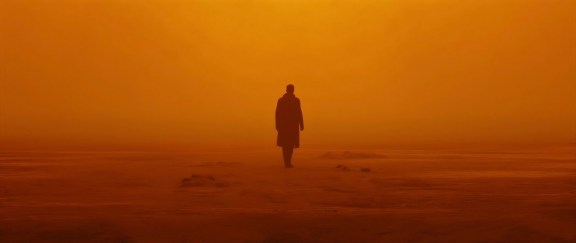
Blade Runner 2049 (2017) – Cinematographer, Roger Deakins

bladerunner042-transformed

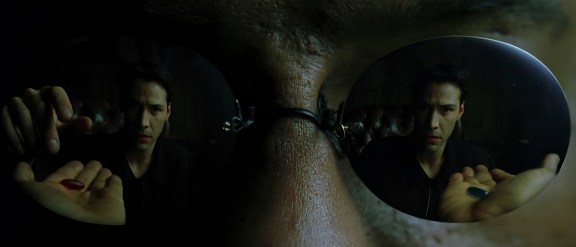
The Matrix (1999) – Cinematographer, Bill Pope

thematrix015-transformed

Jaws (1975) Cinematographer, Bill Butler

32_20(537)-transformed

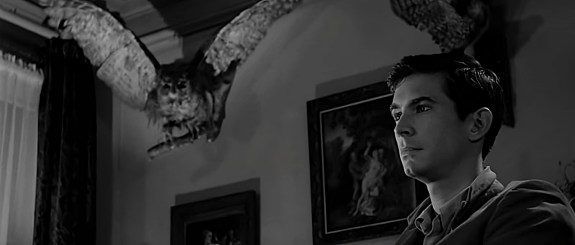
Psycho (1960) – Cinematographer, John L. Russell

original-7442-1438603390-17-transformed

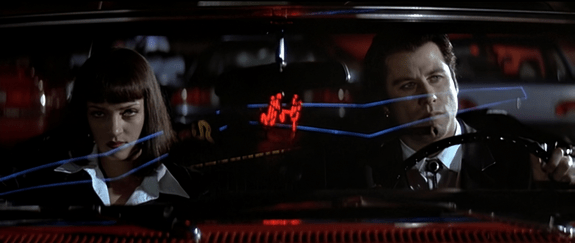
Pulp Fiction (1994) – Cinematographer, Andrzej Sekula

untitled-eBeqJws9A-transformed

Raiders of the Lost Ark (1981) – Cinematographer, Douglas Slocombe

24_20(855)-transformed

The Revenant (2016) – Cinematographer, Emmanuel Lubezki

revenant018-transformed

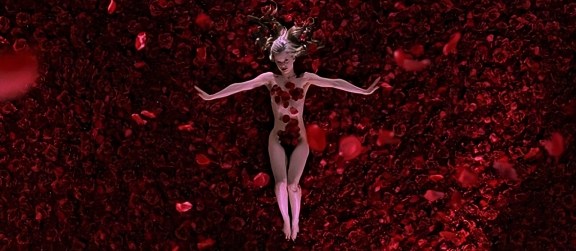
American Beauty (1999) – Cinematographer, Conrad Hall

original-7438-1438602110-3-transformed

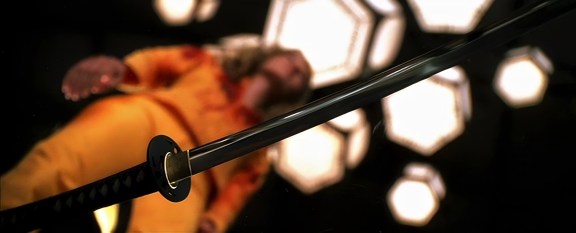
Kill Bill Vol. 1 (2003) – Cinematographer, Robert Richardson

44_20(548)-transformed

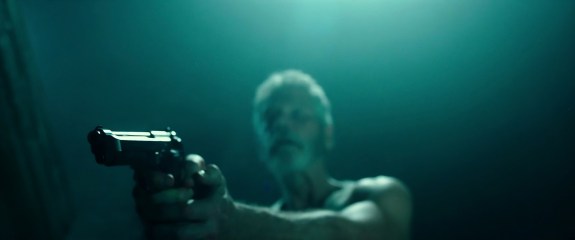
Don’t Breathe (2016) – Cinematographer, Pedro Luque

dontbreathe033-transformed

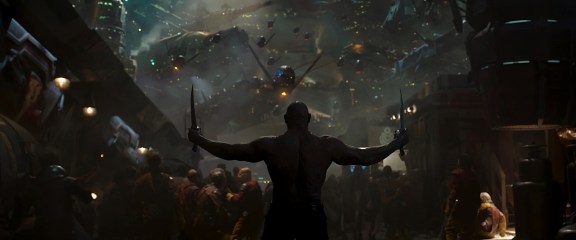
Guardians of the Galaxy (2014) – Cinematographer, Ben Davis

36_20(436)-transformed

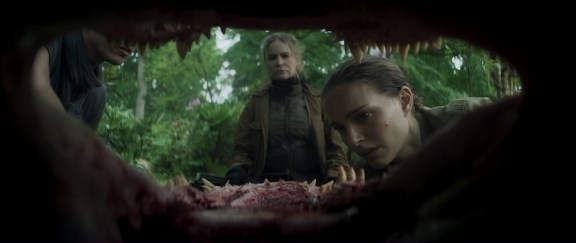
Annihilation (2018) – Cinematographers, Rob Hardy and Robert Hardy

annihilation017-transformed

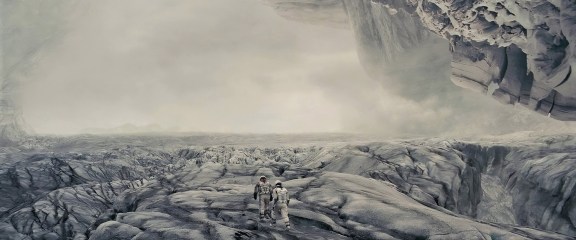
Interstellar (2014) Cinematographer, Hoyte Van Hoytema

38_20(511)-transformed

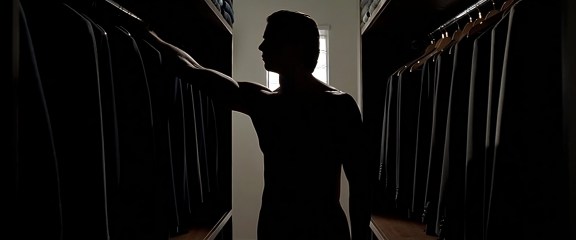
American Psycho (2000) Cinematographer, Andrzej Sekuła

59_20(64)-transformed

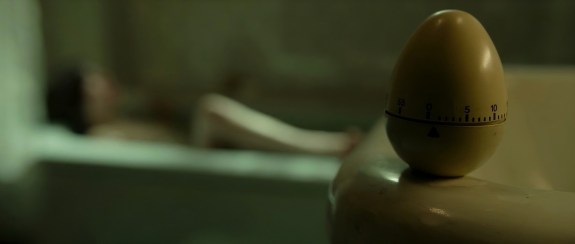
The Shape of Water (2017) Cinematographer, Dan Laustsen

shapeofwater009-transformed

E.T. the Extra-Terrestrial (1982) Cinematographer, Allen Daviau

35_20(358)-transformed (2)

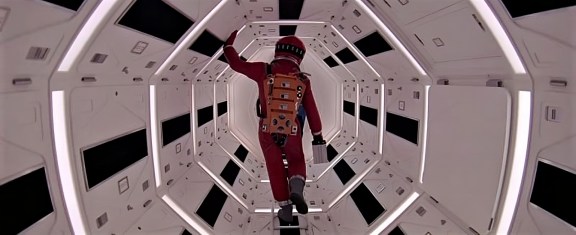
2001: A Space Odyssey (1968) – Cinematographers, Geoffrey Unsworth and John Alcott

original-9572-1438602103-3-transformed

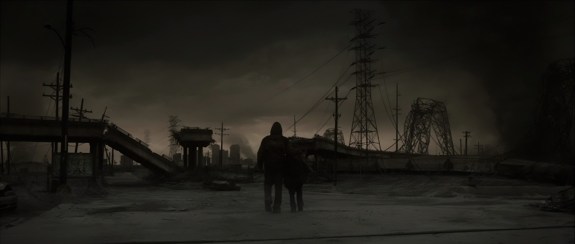
The Road (2009) Cinematographer, Javier Aguirresarobe

30_(1168)-transformed

Life of Pi (2012) Cinematographer, Claudio Miranda

untitled2-transformed

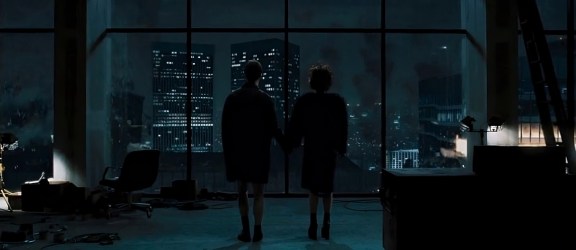
Fight Club (1999) Cinematographer, Jeff Cronenweth

original-26729-1438602891-17-transformed

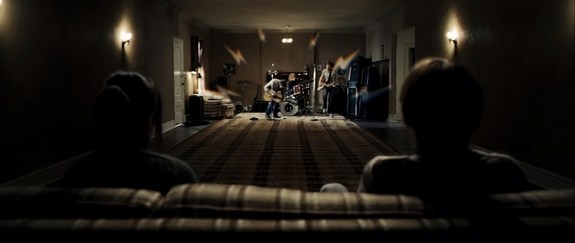
The Shining (1980) – Cinematographers, John Alcott and Martin Kenzie

original-19759-1438607089-3-transformed

Scott Pilgrim vs. The World (2010) – Cinematographer, Bill Pope

01_20(888)-transformed

A Nightmare on Elm Street (1984) – Cinematographer, Jacques Haitkin

original-8948-1438603239-3-transformed

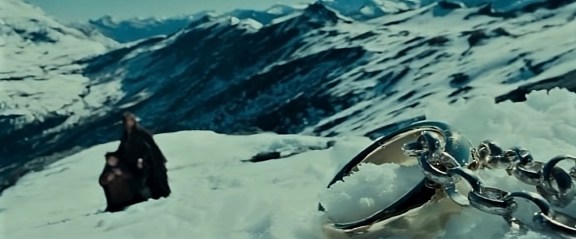
The Lord of the Rings: The Fellowship of the Ring (2001) – Cinematographer, Andrew Lesnie

50-most-beautiful-cinematic-shots-17jpg-transformed

Birdman or (The Unexpected Virtue of Ignorance) (2014) – Cinematographer, Emmanuel Lubezki

birdman-670x328-transformed (1)

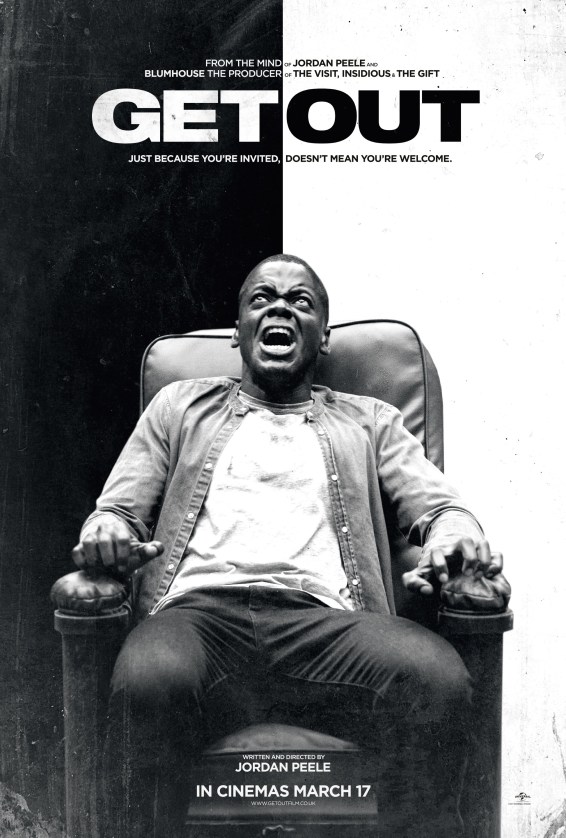
Get Out (2017) – Film Review

Actor and comedian Jordan Peele tests his hand at directing for the first time with this intelligent thriller, as ‘Get Out’ utilises its original story and some great performances to become a definite step-up from Blumhouse Productions’ usual standard for films. However, although many viewers think this film is phenomenal throughout it’s most of its runtime, I personally don’t agree, as I actually feel there is more than a few areas in need of some improvement.

Plot Summary: When a young African-American man visits his white girlfriend’s parents for the weekend, his simmering uneasiness about their reception of him eventually reaches an extreme boiling point. Leading ‘Chris’ to believe more sinister forces may be at work…

As already mentioned, the film’s narrative is original, and any regardless of quality, I always appreciate originality when it comes to storytelling. Despite ‘Get Out’ being initially pitched and advertised a horror, however, the film is really anything but, as the film actually has many inclines of comedy mixed-in with some tension-filled moments here and there, and although the film is entertaining, ‘Get Out’ never really manages to build-up an eerie atmosphere or becomes particularly creepy, which is why I believe that the film is now classed as a thriller rather than a horror by most.

The best aspect of the film for me is by far the performances by the cast, as Daniel Kaluuya, Allison Williams, Bradley Whitford, and Catherine Keener are all exceptional throughout, with Daniel Kaluuya as the protagonist; ‘Chris Washington,’ in particular, really keeping me engaged, as he delivers a very ranged performance, managing to portray a very likeable and realistic character within only a short period of time. Unfortunately, not all of the supporting cast quite level-up to this standard.

The cinematography by Toby Oliver is a decent throughout the film, as although there are plenty of attractive shots (most of which make great use of the large open spaces the majority of the story takes place in (especially in the opening scene of the film, which is executed perfectly). There are also a variety of fairly bland shots, this may also be due to the film’s colour palette, however, as throughout the film the use of a very restrictive colour palette results in the film feeling a little visually dull, rather than using its colours to play into its story or genre.

Personally, the weakest element of the film for me is the original score by Michael Abels, as the entire soundtrack itself feels very unusual, and although unique, it usually comes off as incredibly distracting throughout many scenes within the film. Using an orchestra as well as vocals, the score attempts to reflect some of the more surreal scenes nearing the end of the film, and although I appreciate the attempt, I simply don’t think it works, with the track; ‘Sikiliza Kwa Wahenga,’ feeling particularly out-of-place as a result of its bizarre lyrics.

Although the original score may be lacking, the writing throughout the film is brilliant throughout, as writer and director Jordan Peele balances the screenplay’s comedy and horror, in addition to building-up an engaging mystery throughout the story, as every piece of dialogue contains many subtle clues and hidden meanings which come into play later in the narrative. Of course, with a plot such as this one, there is also an enormous amount of themes and social commentary underneath the story itself, and while I did find the majority of the film’s ideas very interesting and thought-provoking, I also found that some of the themes of racism and social issues can often overshadow the film’s main story.

In summary, ‘Get Out’ is a decent thriller, as despite the fact that the performances and writing on display throughout the film is definitely impressive, I still feel the lack of an eerie atmosphere in addition to a suitable original score for the film’s tone really hurt the film. Regardless of this, ‘Get Out’ is still a thriller will plenty of entertainment value, while nothing absolutely amazing, the film definitely has its moments, and I would say the film is a solid watch if you enjoy the occasional thriller. Final Rating: 7/10.

get_out_ver4_xxlg

Colossal (2017) – Film Review

Nowadays, it’s common to hear complaints about the lack of originality in cinema, and when you’re staring-up at a marquee filled with countless sequels, prequels, spin-offs and reboots, it’s hard to argue otherwise. But, that originality hasn’t gone away entirely; you just have to know where to look. Case in point‘Colossal’ from 2017. An unusual film that I can say with confidence isn’t for everyone, ‘Colossal’ is a charming comedy-drama from director Nacho Vigalondo (Time Crimes, V/H/S: Viral – Segment: Parallel Monsters, Pooka!) that combines some phenomenal performances from Anne Hathaway and Jason Sudeikis with a superb visual flair. All coming together to create a memorable and very amusing indie flick.

Plot Summary: When ‘Gloria,’ an out-of-work party girl, is forced to leave her life in New York City and move back to her small hometown to continue her directionless drinking streak. Meanwhile, reports surface of a giant creature destroying the city of Seoul in South Korea at the other side of the world, with ‘Gloria’ gradually coming to the realisation that she is somehow connected to this strange phenomenon…

Although the narrative of the film leans heavily on the mystery of how the monster and ‘Gloria’ are connected. An element of the writing I really enjoyed is that none of the characters are treated like a fool, it doesn’t take our protagonist long to figure out the truth nor does it take her long to convince other people of it. Every decision made by the characters is understandable and realistic within reason. Despite also being an unlikeable character for a large majority of the film, Anne Hathaway manages to keep her character interesting and likeable enough for the audience.

As previously mentioned, the performances here are outstanding, both from Anne Hathaway and Jason Sudeikis, and although he doesn’t appear much throughout the film Dan Stevens is also decent. All the cast have great comedic timing and genuinely excellent chemistry, and along with the film’s well-balanced tone can quickly change to very dramatic. Tim Blake Nelson and Austin Stowell also have small roles in the film, and despite also not having too much screen-time, they are very memorable as ‘Oscar’s close friends.

The cinematography by Eric Kress gives the film a nice visual appeal. Alongside the colour palette consisting mostly of dark blues, greens and purples, in addition to a few brighter blues and yellows. The film really just has a nice look overall, without being too colourful or obnoxious. Any scene containing the giant monster are obviously scenes which use large amounts of CGI, and despite not having a huge budget. Every one of these scenes is fantastic, truly showing off the enormous scale of the creature and it’s trail of destruction to the fullest extent.

The weakest element of the film for me is the original score by Bear McCreary, although I usually enjoy this composer’s soundtracks, creating memorable scores, such as ’10 Cloverfield Lane’ and AMC’s ‘The Walking Dead’ (including the now-iconic opening theme). This score just feels somewhat lacking in comparison, while not particularly bad, the soundtrack simply lacks any character or originality. Aside from sounding somewhat similar to a classic monster score at points similar to ‘Godzilla,’ for example.

In summary, ‘Colossal’ is the perfect comedy-drama, in my opinion, balancing great performances with an original story and some brilliantly executed emotional/funny scenes. The film is extremely enjoyable all the way through, keeps us a decent pace and doesn’t overstay its welcome, yet still leaves the audience satisfied. The film really just has a great personality to it, and is filled with plenty of memorable scenes throughout its tight runtime. So, I’d say definitely check this one out if it sounds like something you’d be interested in. Final Rating: 8/10.

colossal-2017-movie-poster

What Happened to Pixar Animation? – Film Discussion

Whatever happened to the beloved animation studio, Pixar Animation?

Pixar Animation used to create some phenomenal animated adventures that the entire family could enjoy, regardless of their age. Mixing brilliant storytelling with beautiful animation and incredibly memorable characters, each film never failed to stand out amongst the rest. Some of the films, like ‘Monsters, Inc.’ or ‘WALL-E,’ for example (two of my personal favourite Pixar films), really got creative with their own narratives and fleshed out their individual worlds. However, in recent years, I’ve noticed a severe downgrade in the quality of their films, as it seems ever since the release of ‘Toy Story 3’ back in 2010, Pixar has had a real reliance on sequels, prequels and spin-offs over original films. While still mostly enjoyable, I have noticed the storytelling, character arcs and world-building all seem to be lacking when compared to their earlier films.

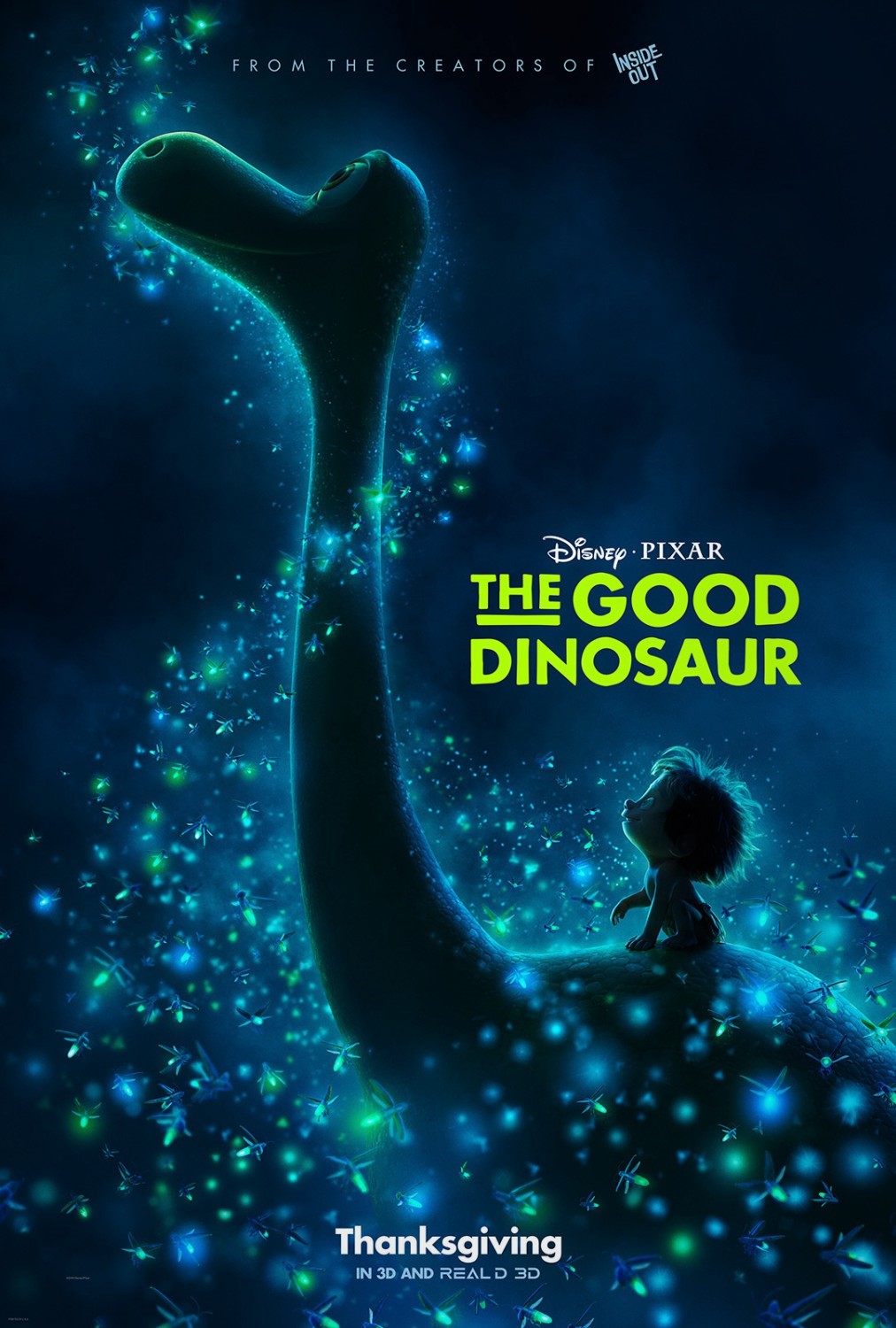
In recent years, films such as ‘The Good Dinosaur,’ ‘Monsters University,’ ‘Brave,’ ‘Finding Dory,’ the ‘Cars’ sequels/spin-offs and, of course, the upcoming ‘Toy Story 4.’ Have all ranged from sub-par through to simply awful, the ‘Cars’ series, of course, being the best example of this as this series has always been Pixar’s black sheep. Never truly having the magic that makes Pixar special, always feeling like more of a cash-grab than anything else. ‘Cars 2’ being the most prominent example of this, as this film is one of Pixar’s only poorly reviewed films to date. The ‘Cars’ series has always felt very immature to me, although I didn’t hate the original film, it’s definitely no one’s favourite. In regard to Pixar’s other sequels; ‘Finding Dory’ and ‘Toy Story 4,’ ‘Finding Dory’ is nothing more than a reskinned ‘Finding Nemo,’ except for a few amusing characters; the film has nothing more really to offer. Despite having fantastic reviews from critics for some reason, the film was never anything other than a massive nostalgia slap for me. As, of now, ‘Toy Story 4’ hasn’t yet been released, but I feel when it does it’ll be another film with great reviews, but with nothing truly memorable about it, as I personally believe the ‘Toy Story’ trilogy concluded so satisfactorily, I don’t truly don’t understand why they feel the need to continue that story other than profit.

‘Monsters University’ is probably my favourite of Pixar’s recent continuations of their old stories, although I don’t think the film reaches the heights of ‘Monsters, Inc.’ due to less originality and a lack of adult themes. I do still think the film is very witty, and it does explore the monster world further. It’s one of the few films I can say where it feels there was true thought put into it, as it doesn’t just lean on the legacy of the previous film. Finally, we come to Pixar’s original films. This being ‘The Good Dinosaur’ and ‘Brave,’ now whilst I don’t think these films are awful per se. They simply just aren’t that memorable. ‘Brave’ has a few amusing moments and an interesting setting, but falls more into classic 2D animated stories at points. As for ‘The Good Dinosaur,’ it’s simply a ‘returning home’ story, with nothing of note at all other than the nice animation. It seems most people agree with me on this one, too, considering it’s very low box office return.

Now, of course, there are some recent exceptions, Pixar’s ‘Inside Out,’ ‘Coco’ and last year’s ‘Incredibles 2,’ which I did enjoy very much. These films proved to me that Pixar still has some great stories in them, although these films aren’t perfect and I wouldn’t rank them as high as the classic Pixar films personally, they definitely show potential. I would love to see more original animated films like this from Pixar. Considering how much money ‘Coco’ made when it was released, it’s clear they still make money just from the Pixar name alone. So, why do they feel the need to rely on sequels? Many people would point to Disney pulling their leg, and although I could believe that. I also think it’s due to Pixar simply becoming uninterested; they now think of themselves as the animation giants the audience believes they are. This means they no longer take risks and are comfortable simply gaining profit from their previous franchises.

This could also be due to a lack of original ideas; of course, Pixar simply feels more comfortable returning to their previous stories. But, considering some of their big competitors such as DreamWorks Animation, Blue Sky Animation, Warner Bros. Animation and Illumination Animation are all still pumping out original films (granted, not all quite to the usual Pixar standard). Films, such as ‘Captain Underpants: The First Epic Movie,’ ‘Ferdinand,’ ‘The Lego Movie’ and ‘Despicable Me’ are all still very enjoyable to watch. Some of these films even made a pretty big box office return, with the ‘Despicable Me’ spin-off; ‘Minions,’ becoming one of the highest-grossing animated films ever, earning over £900 million. Even the company that teamed up with them (that being Disney) are beating them recently when it comes to original animated flicks, with Walt Disney Animation Studios’ ‘Zootopia,’ being one of my favourite films of 2016.

In summary, what happened to Pixar Animation is very clear to me. They simply got lazy, focusing far more on wanting to make a large profit rather than giving their audience new, exciting stories. The company isn’t completely dead; films like ‘Coco’ and ‘Inside Out’ clearly prove there is still talent there. But, with the older writers, directors and animators now backing down from the company so newer faces can arise. I’m concerned that Disney and Pixar executives may continue to push for more sequels, prequels and spin-offs with the knowledge that the films will always make money regardless of their quality. This is mostly why I fear for ‘Toy Story 4,’ as even though I really hope the film is great, I currently have a lot of doubts in my mind about it. Pixar, however, has also recently brought out a trailer for their next film following on from ‘Toy Story 4,’ titled; ‘Onward,’ which does appear to be a completely original story focusing on elements of fantasy and adventure. So, perhaps not all is lost for the iconic animation company just yet, but only time will tell, I suppose.
good_dinosaur_ver3_xlg

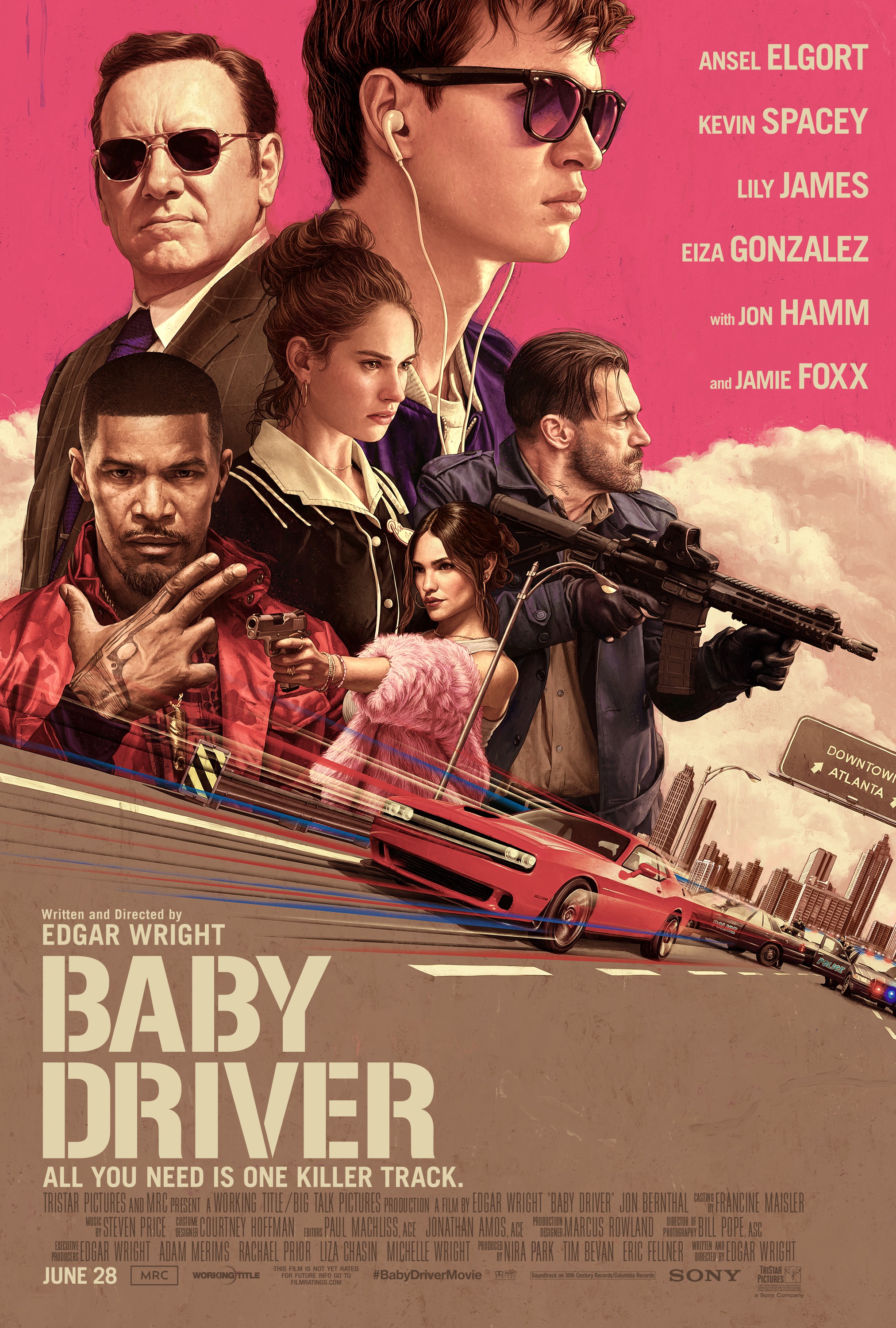
Baby Driver (2017) – Film Review

Beloved British action-comedy writer-director Edgar Wright (Shaun of the Dead, Hot Fuzz, Scott Pilgrim vs. The World) returns to the silver screen for another colourful and exciting masterpiece of filmmaking. As one of my all-time favourite directors, writes and directs another wonderfully crafted story, in this fast-paced and pretty thrilling crime flick.

Plot Summary: A talented young getaway driver (Baby), who uses music to drown-out the criminal world around him. Soon meets the girl of his dreams at a local diner, seeing it as his opportunity to ditch his criminal life and make a clean getaway. But, he must face the music when a doomed heist threatens his life, his love and his freedom…

As the story would imply, we spend a large portion of the film listening to our protagonist’s playlist just as he does, as nearly every scene with the playlist is timed exactly to the music, every tap, bang and screech. Whatever the location or character, the film never fails to make use of the catchy songs within the narrative, this is also where I have to mention the outstanding editing, as the film is always in sync with the songs, even through it’s cuts to other shots or scenes. The editing is always fast, fluid and perfectly on time, every time.

The film never really fails at being engaging for the audience due to the combination of the brilliant writing and acting, with the main cast portrayed well by Ansel Elgort and Kevin Spacey. However, my personal favourite of the cast has to be John Hamm as ‘Buddy,’ who is funny, charming and menacing throughout. This is unfortunately where my one criticisms of the film comes in, however, as Lily James’ character; ‘Debora,’ although likeable, is given little-to-no development throughout the story, and by the end of the film is nothing more than a bland love interest.

Feeling like a classic Edgar Wright project throughout the runtime, the film always uses a bright colour palette alongside the effective cinematography by Bill Pop, allowing the film to really leap-off the screen. This is also in credit to the brilliant stunts within the film however, as most of the driving in the film was done completely practically, with the main protagonist of the film; ‘Baby,’ even listening to the songs we as the audience hear during many of the scenes for the majority of his time on set.

As perfected as the editing felt whilst watching, the sound design was also extremely on-point. Nothing in regards to audio editing ever felt jolted or out-of-place, as each cut matches up perfectly with the last and works extremely well with the chosen songs, each audio effect always fitting into the scene no matter the location. Usually not a thing of note in these reviews, but this film did it so well I had to mention it. In addition to this, despite not using an original score for the majority of the film due to the huge list of iconic songs chosen, the original score by Steven Price is decent, despite not being very memorable.

In usual Edgar Wright fashion, the film is also crammed with various little hidden visual cues and jokes, many of these are just small things such as having the lyrics of the song ‘Baby’ is listening to spray-painted on the walls behind him. This may not seem like much, but the little details throughout clearly display that the director clearly has a deep passion for the film and has a keen-eye for attention to detail.

In summary, while ‘Baby Driver’ has always hit me as a more upbeat version of ‘Drive’ from 2011, Wright’s fast-paced crime flick is still an extremely well-executed film, having the usual creative flair we’ve come to expect from this director, in addition to an engaging story, fantastic editing and some brilliant songs chosen throughout. And with such high-fueled fun on display, how could you not love ‘Baby Driver?’ Final Rating: high 8/10.

baby_driver_ver2_xxlg

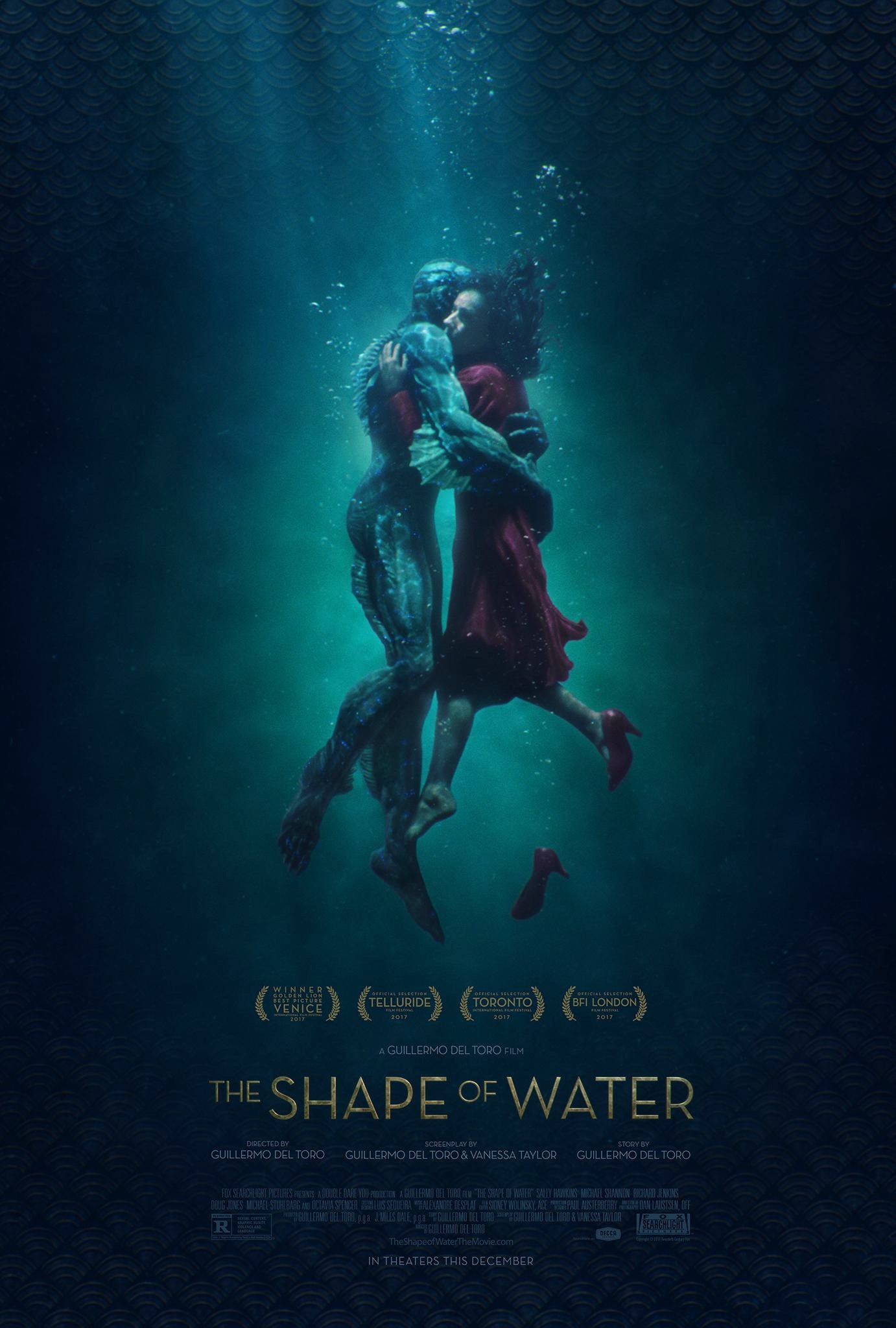
The Shape of Water (2017) – Film Review

Without question one of my favourite films from director Guillermo del Toro (Hellboy, Pacific Rim, Crimson Peak), ‘The Shape of Water’ is for sure not a film that everyone will enjoy, but for those who do, this strange story of a woman falling in love with an otherworldly fish creature inspired by the horror classic; ‘Creature from the Black Lagoon,’ will truly push visuals and storytelling to their limits. Combining some outstanding cinematography with stunning make-up effects and plenty of absorbing performances from Sally Hawkins, Doug Jones and Michael Shannon, all equalling to one truly incredible cinematic experience.

Plot Summary: In the midst of the 1960s, inside a high-security government facility, lonely cleaner, ‘Elisa,’ is trapped in a life of silence and isolation, stuck in a familiar and mundane routine. But, when the facility she works within captures a mysterious fish creature in order to study its unique physiology, ‘Elisa’s life changes forever as she becomes more and more attached to the creature…

‘The Shape of Water’ is undoubtedly a Guillermo del Toro film through and through, as with another director at the helm, I could definitely see this film not working, as the completely bazaar plot is no doubt an instant turn-off for some viewers. But, del Toro truly brings his ‘A’ game here, bringing every inch of his creativity and passion to the film. And, as such, the film is an absolute pleasure to watch from beginning-to-end, which is even more impressive considering both of the film’s protagonists, a.k.a. ‘Elisa’ and ‘The Amphibian Man,’ are completely mute for the entirety of the runtime. In fact, one of Octavia Spencer’s favourite things about the film was that by the main couple being mute, most of the dialogue comes from a black woman and a closeted gay man, who would’ve both experienced real oppression during the 1960s setting of the film.

Despite actor Doug Jones being in heavy make-up prosthetics to portray ‘The Amphibian Man’ for all his screen-time, he actually is able to invoke a variety of emotions, and shares plenty of chemistry with his co-star Sally Hawkins as ‘Elisa,’ with the supporting cast of Michael Shannon, Richard Jenkins, Octavia Spencer and Lauren Lee Smith also being surprisingly excellent given their character’s limited time on-screen. As well as the marvellous cast, the writing throughout the film is also fantastic, as del Toro writes the screenplay almost like poetry. Forming a romantic bond between the two main protagonists as the film progresses, all the while integrating plenty of social commentary on the time-period, backing-up the film’s main theme of what makes us different, whether that be because we are deaf, blind or possibly, not even human, which I personally found very compelling.

The phenomenal cinematography by Dan Laustsen elevates ‘The Shape of Water’ drastically, which contains an unbelievable amount of beautiful shots throughout the narrative, with the film’s dark blue/green colour palette only helping to add to the film’s visuals. Furthermore, many shots within the film play into aspects of various characters, most notably, ‘Elisa’s isolated life, displaying the facility where she works as a cold, dirty and segregating place.

Additionally, ‘The Shape of Water’ adds another remarkable score to composer Alexandre Desplat’s already-overflowing catalogue of work, as this unusually-beautiful romantic score with an almost French-esque feel, is very impactful in many moments throughout the film. Particularly with the opening scene however, as the opening shot glides slowly through a flooded room set to the my personal favourite track of the film; ‘The Shape of Water,’ preparing the viewer for the strange story that lies ahead. Desplat also provided recordings of his own whistling to be featured in the soundtrack, as del Toro wanted the score to feature whistling so it could contrast with the film’s many scenes that feature water.

One of my personal favourite elements of the film is definitely the make-up and prosthetics, as every second of screen-time we get with ‘The Amphibian Man’ the make-up effects look completely flawless, with many aspects of the strange and original design being inspired by real animals. Which is nothing new to this director however, as del Toro has always been known for creating incredible creatures of dark fantasy, such as in ‘Pan’s Labyrinth’ and the ‘Hellboy’ series. Although used less than what many may initially think, the CGI throughout the film is also very effective, amplifying many of the small effects around the creature rather than distracting from (or overpowering) them.

In summary, I honestly believe ‘The Shape of Water’ may be one of my all-time favourite films, and certainly one of favourite films of 2017, as the relationship between the two protagonists and the journey their relationship represents is truly memorising from start-to-finish. Backed-up by some amazing cinematography, a great original score as well as the make-up and CG effects, whilst perhaps not a film for every cinephile, it is an extremely well-made film regardless, and one that I would surely recommend. Final Rating: 9/10.

shape_of_water_ver3_xxlg

What’s Wrong With Modern Horror? – Film Discussion

What’s wrong with the majority of modern horror films?

In my opinion, there are many different issues that modern horrors/thrillers suffer from nowadays, although there are a few films that manage to avoid these problems, such as ‘It Follows,’ ‘The Descent,’ ‘A Quiet Place,’ ‘Don’t Breathe’ and ‘The Void,’ to name a few. The majority of modern horrors follow a very similar formula, a group of stereotypical teenagers do something they shouldn’t, e.g. find a certain object (an Ouija board, a cursed book or a dead friend/relative’s photo), or a loving family moves into their new home only for it to be haunted by ghosts/demons. These two plot lines are the go-to for most of the new horror releases, despite being unbelievably drawn out by this point.

Similar to how nearly every horror plot of the 1980s involved a group of teenagers visiting a cabin deep in the woods only to get slaughtered one by one at the hands of a psychotic serial killer. Sticking to stories that we have become so familiar with means that there is little surprise left for the audience, and the narrative soon becomes very predictable. Another issue with the majority of the stories that are told is the weak characters, nearly every modern horror has such bland characters it’s difficult to get invested in the story at all. Just because these characters may be killed off doesn’t mean you don’t have to write for them, having some likeable or interesting characters actually makes the audience care whether they live or die, therefore increasing the film’s tension. Of course, hiring unknown actors who aren’t the most amazing at their craft also doesn’t help this issue.

Another thing that’s always bothered me in regards to the characters in most modern horrors, is the character’s extreme stupidity. The film actually falls less out of reality due to the characters being so unbelievably oblivious to everything around them. It’s understandable the characters would have some doubts the first time one of their friends dies. But, after two or three, it’s ridiculous the characters still haven’t figured out what the audience has half an hour ago, even if they’re curious but not concerned, it’s nothing but frustrating and less believable. This unbelievability also applies to the attractiveness of the cast, as although I think a film featuring a few attractive cast members is perfectly fine, casting nothing but models pulls the audience out of the narrative. A film particularly guilty of both of these things is the Blumhouse supernatural flick; ‘Truth or Dare.’ As this film is a perfect example of the problems I have with most modern horrors, both in regard to their characters, actors and screenplays.

It isn’t just the screenplay or actors that are an issue when it comes to modern horror, however, as the overall filmmaking of the picture is usually extremely bland. Again, due to the genre, some people may believe that filmmaking isn’t important. This isn’t true. The filmmaking can still be impressive while building tension and fear. ‘It Follows’ is a great example of this, the beautiful lighting, cinematography and original score all give the film style without taking anything away from the eerie atmosphere. Horror soundtracks are a huge issue for me when it comes to most films, as it is possible to create a great memorable score without making it just sound eerie, e.g. ‘Halloween’ or ‘The Shining.’

Finally, we get to the biggest problem with modern horror, the classic; jump-scare. Jump-scares only really came around in the early 2000s, but since then they have completely invaded the film industry. Not only appearing in horror but everything from action to sci-fi to even superhero films, they’ve now become almost a staple of modern filmmaking. I don’t believe they are an entirely awful idea, they can be used correctly every so often to shock the audience and give them a quick rush before the next scene. However, most modern horrors now essentially rely on jump-scares (most James Wan films are particularly guilty of this, in my opinion) and I believe this is incredibly lazy. Horror should be about creating an eerie atmosphere, having creepy visuals and giving the audience some likeable characters to fear for, essentially placing the audience in that situation themselves. ‘Pyewacket’ from 2016 is a terrific example of this, drawing out shots and using dim lighting/shadows and silhouettes, can all help build fear in the audience, rather than just throwing ‘frightening’ faces at the screen alongside loud noises to see what sticks.

The primary reason all these bad decisions are made when it comes to the horror/thriller genre is mostly due to money, no matter how awful the majority of these horrors are, the reality is that they make money as these films can be made on modest budgets as they utilise mostly unknown actors and very little CGI or make-up effects, with a target audience consisting of teenagers or horror fanatics who will pay to see the film, no matter how terrible the trailers may look. For example, the first ‘Paranormal Activity’ had a budget of only £11,800 and grossed over £151 million. The film only has an hour and twenty-minute runtime, along with very few ‘ghosts’ even being displayed on-screen. ‘The Bye Bye Man’ also being another example, harbouring a tiny budget of £6 million, with a total gross of £21 million, despite awful reviews from both critics and audiences.

In summary, modern horror films are suffering due to both a lack of creativity and a heavy focus on profit. I’m, of course, aware that film is a business, but, in my opinion, creativity is the most important aspect, as without creativity film doesn’t exist. Horror is a fantastic genre that isn’t reaching its full potential a majority of the time due to production companies/directors not caring. There’s a reason a lot of indie horrors are praised, as they don’t set out to only make money, many of them are extremely creative and make amazing use of their micro-budgets. Although horror also wasn’t perfect in the past, I definitely preferred it. At least back in the ’80s/’90s we still had some creative concepts, from killers invading their victim’s dreams to murderous children’s dolls to even a hand-held documentary on teenagers finding an ancient evil witch in a forest. The possibilities were (and still are) truly endless. Hopefully soon, filmmakers and producers alike will look past the profit and truly see this.

insidious_xxlg