The Dark Crystal (1982) – Film Review

Despite the success of the recent prequel series; ‘The Dark Crystal: Age of Resistance,’ on Netflix, most audiences still seem relatively unaware of the original ‘Dark Crystal’s existence, which, unfortunately, received mostly lukewarm reviews and massively underperformed at the box-office upon its initial release. Yet, regardless of its age, ‘The Dark Crystal’ is still, in my opinion, an extraordinary family adventure. Creating an intriguing and developed fantasy world brimming with plenty of memorable characters, spectacular locations, and terrifying creatures, all flawlessly brought to life by the film’s enormous array of brilliant practical effects and detailed puppets.

Plot Summary: Centuries ago on the world of ‘Thra,’ the mysterious ‘Dark Crystal’ was cracked and brought forth two races. One, the villainous bird-like creatures known as the ‘Skeksis,’ who now rule over the planet with an iron-fist, and the other, a peaceful of wizards race known as the ‘Mystics.’ But, after a young ‘Gelfling’s ‘Mystic’ master passes on, ‘Jen’ is sent on a quest to locate the missing shard of ‘The Dark Crystal’ and save his homeworld…

Directed by legendary puppeteers Jim Henson and Frank Oz, most known for their creation of the beloved ‘Muppets’ franchise. ‘The Dark Crystal’ is known by many for being rather frightening for younger viewers, as the film always explores its fantasy world without ever shying away from any of its darker elements. Resulting in many who experienced the film at a young age only recalling it due to being ‘traumatised’ by the film’s menacing antagonists, the ‘Skeksis.’ However, despite ‘The Dark Crystal’ giving this ghastly depth to the world it’s narrative takes place within, the film still suffers from the occasional story cliché, as while I’m sure these ideas were less-familiar in the early 1980s, the concept of ‘Jen’ being the last of his kind and having to undertake an epic journey does feel fairly overdone by today’s standards.

Stephen Garlick and Lisa Maxwell lend their voices well to the two protagonists; ‘Jen’ and ‘Kira,’ alongside the voice of Billie Whitelaw and the late Jim Henson and Frank Oz themselves as puppeteers, and while Jim Henson and Frank Oz both do a fantastic job as usual when it comes to their work with puppeteered characters. It’s the late Barry Dennen as the most devious of the ‘Skeksis,’ ‘The Chamberlain,’ who is truly superb, as ‘The Chamberlain’ soon becomes a very memorable antagonist, heavily in part because of his intentionally obnoxious high-pitched voice and now-iconic whimper.

Whilst the cinematography by the late Oswald Morris does serve the film’s story effectively, many shots throughout ‘The Dark Crystal’ are a little restricted due to the focus primarily being placed on the puppets themselves (especially when there is a large number of characters on-screen). That being said, the cinematography does still manage to provide plenty of beautiful wide shots to establish the story’s various locations, the majority of which are elevated through some incredibly impressive matte paintings and miniature sculptures.

Although I do prefer the original score by Daniel Pemberton for the Netflix prequel series, the score for the original film by Trevor Jones is still terrific, feeling like a mixture between a classic fantasy score along with some sinister undertones to help build tension. From the film’s signature track; ‘The Dark Crystal Overture,’ through the track that plays over one of the film’s final moments; ‘The Great Conjunction,’ the film’s original score is still an enjoyable piece to hear, even if it seems most audiences prefer the soundtrack of Jim Henson’s other ’80s fantasy flick; ‘Labyrinth.’

Of course, the main draw of ‘The Dark Crystal’ is (and will always be) the puppets themselves, as while the idea of not a single human appearing within a live-action film may sound daunting to some, the film’s huge variety of practical effects, from the different creatures that prowl the forests and swamps to each one of the detailed and intricate sets for ‘The Castle of the Crystal,’ every single creative aspect of the film in regards to its designs constantly feels as if great talent and effort has been put into each of them, with much of the film’s visuals actually being inspired by the illustrations of Brian Froud, who would eventually join the production as a conceptual designer.

In summary, ‘The Dark Crystal’ was truly a film ahead of its time, as despite the new prequel series helping the unique fantasy series reach a wider audience, I’m not too surprised this ambitious film has been largely forgotten in modern pop culture, as the film’s fascinating and fleshed-out world alongside its entertaining story and huge number of amazing practical effects sadly weren’t enough to save it from its eventual neglected fate. Still, even if this fantastical family adventure didn’t receive the praise it deserved when it was released in 1982, I feel it certainly can now from modern audiences, if just for its painstaking puppeteering work and great character designs alone. Final Rating: 8/10.

dark_crystal_xlg

Hidden Figures (2016) – Film Review

Based on the book of the same name by Margot Lee Shetterly, the film adaptation of ‘Hidden Figures’ serves as a compelling and entertaining delve into the past as it tells the true story of the mostly unknown women who helped push forward the space program. Through its brilliant performances from Taraji P. Henson and Kevin Costner (among the rest of the cast) alongside its magnificent writing, the film manages to keep its audience constantly invested in spite of its occasionally bland filmmaking.

Plot Summary: Katherine G. Johnson, Dorothy Vaughan, and Mary Jackson, three brilliant African-American women working at NASA during the 1960s cross all race and gender barriers within their workplace to follow their dreams and inspire generations, serving as the brain force to help send astronaut; John Glenn, into Earth’s orbit…

Despite focusing on three separate stories of three independent women, ‘Hidden Figures’ never feels unfocused, as each of the three protagonists receive a decent amount of development as well as at least one or more memorable scenes between them, as the film displays its main theme of female and Black empowerment proudly, without ever becoming overly cliché as it avoids many of the over-done tropes that other films built around the racist barriers of the ’60s can begin to rely on. For example, the film’s opening scene in which the trio of women are confronted by a white police officer, as this moment could’ve easily felt like overly familiar ground should it have been handled poorly, yet aside from some inappropriate stereotyping at first, the scene actually results in the three of them heading to NASA without any horrific racial ridiculing.

The three protagonists, portrayed by Taraji P. Henson, Octavia Spencer and Janelle Monáe, are all excellent throughout the film, as each of them remains determined and outgoing, despite the world’s many attempts to drag them down, always fighting against the unfair judgement of them simply for the way they look, repeatedly with a lack of preachy dialogue. Alongside them, the supporting cast of Kevin Costner, Jim Parsons, Kirsten Dunst, and Mahershala Ali are all great even if some of their characters are a little underutilised within the narrative. One of the reasons the performances within the film are as accurate as they are is, due to some of the cast actually being given the opportunity to meet with the story’s icons before production began. Most notably, Taraji P. Henson met with the real Katherine Johnson (who was ninety-eight years old at the time) after she signed onto the project.

The cinematography by Mandy Walker is serviceable overall, as while the film features a good number of attractive shots, they are dragged down by its many mundane ones. However, ‘Hidden Figures’ does actually make effective yet subtle use of colour throughout its runtime, as the film’s colour palette constantly reflects the mood within each scene, with many of the sets at NASA where calculations and preparations take place utilising mostly pure whites, greys, and silvers, which creates a sharp contrast to the warm/inviting colours of the ladies’ homes.

Hans Zimmer and Benjamin Wallfisch handle the original score for the film, which is an incredibly mixed bag. As, whilst the score does feature some decent tracks. such as ‘Katherine,’ ‘Mission Control,’ and ‘Hidden Figures,’ the soundtrack also features a number of pop songs by Pharrell Williams, which don’t fit the tone of the film or the story’s time-period. Usually resulting in it feeling very forced and sometimes even taking away from the film’s dramatic moments. This is most likely a result of Pharrell Williams overseeing all aspects of the film’s soundtrack, which I personally feel is a huge misstep as his style of music truly isn’t at all suited for a drama such as this.

In addition to portraying the female heroes of the real-life story as accurately as possible, the film also makes substantial use of its time period, as to keep the audience up-to-date with what knowledge the American public had at the time, ‘Hidden Figures’ occasionally cuts away to archive footage of rocket testings or then-president John F. Kennedy making public announcements, both of which are surprisingly effective despite not being used continuously. Personally, however, I still would’ve preferred a bigger presence of songs from the 1960s rather than the constant barrage of pop songs the film contains, as mentioned previously.

In summary, I feel ‘Hidden Figures’ is an important film many should experience, as whilst there has been an array of films based around the misogynistic/racist nature of the 1950s/1960s, ‘Hidden Figures’ is for sure a stand out through its engaging and thought-provoking narrative. Although films, like ‘Do the Right Thing’ and ‘BlacKkKlansman’ may be slightly more powerful with their message(s), I feel ‘Hidden Figures’ is fairly underrated when it comes to historical dramas, as the film is simultaneously both informing and touching. Final Rating: 7/10.

hidden_figures_ver2_xxlg

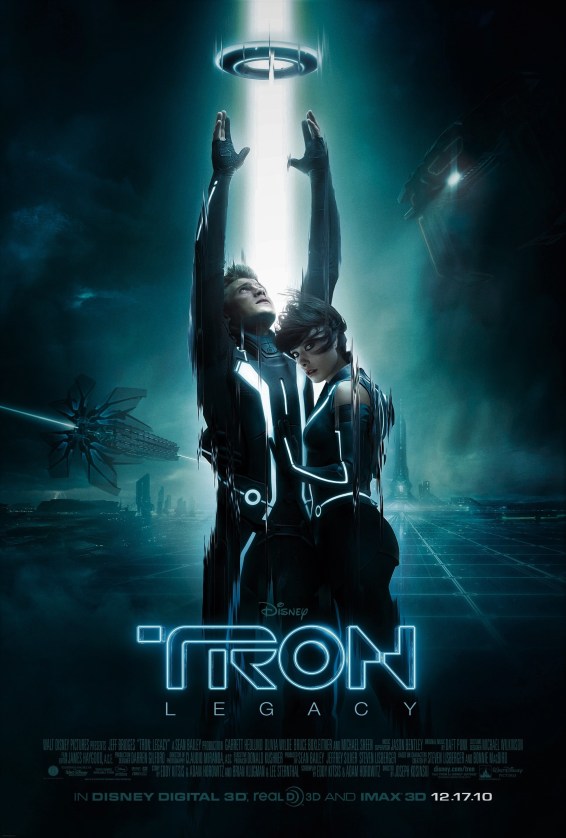
Tron: Legacy (2010) – Film Review

Although Disney has had more than enough success when it comes to its animated filmography, the iconic production company has seemingly always struggled with its live-action endeavours, as aside from the ‘Pirates of the Caribbean’ franchise, many of Disney’s attempts to kick off a live-action film series, such as ‘John Carter,’ ‘The Sorcerer’s Apprentice’ and ‘Tomorrowland,’ have all been relative flops (with the exception of their remakes of animated classics). ‘Tron: Legacy,’ the action-packed sequel to the groundbreaking cult sci-fi hit; ‘Tron,’ from 1982, is a slight improvement in this area, yet still results in a film more focused on style-over-substance.

Plot Summary: After the tech-savvy and rebellious; ‘Sam Flynn,’ begins looking into his father’s disappearance, he soon finds himself pulled into the digital world of ‘The Grid,’ where he discovers his father has been trapped for over twenty years. All the while, his father’s malevolent program; ‘CLU,’ who rules ‘The Grid,’ plans to prevent the pair’s escape and take the real world for himself…

Being set in a virtual world, nearly every scene within ‘Tron: Legacy’ takes place in fully CG locations, and although most of the film’s CG effects do hold up well and are visually appealing. The digital world of ‘The Grid’ does begin to feel quite unvaried after a point, as whilst it may look unique at first glance, the illuminated buildings and vehicles throughout the city of ‘Tron’ feel fairly repetitive, despite the film’s variety of different locations. In fact, it’s the film’s CG visuals that actually made ‘Tron: Legacy’ the most expensive film ever made by a first-time director at the time of its release, with the costume budget alone costing over £10 million.

Garrett Hudlund portrays the film’s protagonist; ‘Sam,’ alongside the supporting cast of Jeff Bridges, Olivia Wilde, and even Michael Sheen in a small role. They all give decent performances despite their dull characters, as ‘Tron: Legacy’s story and characters follow many of the same story beats as any other sci-fi adventure. However, easily the worst element of the film when it comes to its characters is the film’s antagonist. Known only as ‘CLU,’ a corrupt program created by Jeff Bridges’ character; ‘Kevin Flynn,’ as a digital copy of himself, this villain not only suffers from a barely developed motivation, but due to him being a program which doesn’t age, the film utilises CGI to make Jeff Bridges appear a similar age to that of his in the original film, which is one of the few CG effects that hasn’t aged well, appearing almost laughably bad at points.

Claudio Miranda handles the cinematography throughout ‘Tron: Legacy,’ and although the film definitely puts far more of an emphasis on its CG effects than its cinematography, there are still a fair amount of interesting shots including plenty of stunning wide shots to display the true scale of the digital world. The cinematography also makes great use of the film’s few sleek futuristic sets despite their very limited screen-time, most notably, ‘Flynn’s Safehouse,’ located on the edge of ‘The Grid.’

The original score for the film is actually composed by the techno band, ‘Daft Punk,’ whose type of music does suitably fit the sci-fi genre, and whilst some tracks do feel a little too similar to an actual techno album, in my opinion. For the most part, the soundtrack does back up the film’s narrative and adventurous tone very effectively. ‘Daft Punk’ themselves even make a short cameo within the film as a pair of DJs in the ‘End of Line’ nightclub, wearing their iconic helmets as they play one of the film’s most memorable tracks, which share the same title as the club itself.

Another great aspect of ‘Tron: Legacy’ is certainly its action set pieces, as although many of the action scenes throughout the film aren’t anything incredibly inventive. The original ‘Tron’ did introduce the creative concepts of ‘Identity/Light Disks’ and ‘Light Cycles,’ both of which return in the sequel and result in plenty of thrilling and fast-paced action sequences as ‘Sam’ is thrown into an array of gladiator-esque challenges near the beginning of the film. The various costumes worn by the characters who live within ‘The Grid’ are also worth a quick mention, as most of the characters wear a ‘Light Suit,’ which usually features fluorescent-like glowing strips that illuminate each suit in a range of colours, which never fails to be visually striking.

In summary, ‘Tron: Legacy’ is by no means a terrible film, and when it comes to Disney’s other ventures into live-action, ‘Tron: Legacy’ could even be seen as a success by some. But, with its fairly paint-by-numbers story, bland characters and an onslaught of over-done clichés, this sci-fi sequel ends up becoming more of a display for its impressive CG visuals and electronic original score rather than an exhilarating sci-fi odyssey. If you’re a fan of the original ‘Tron’ I feel you will surely enjoy this follow-up. If not, maybe look elsewhere for your fill of original science fiction. Final Rating: 6/10.

tron_legacy_ver11_xxlg

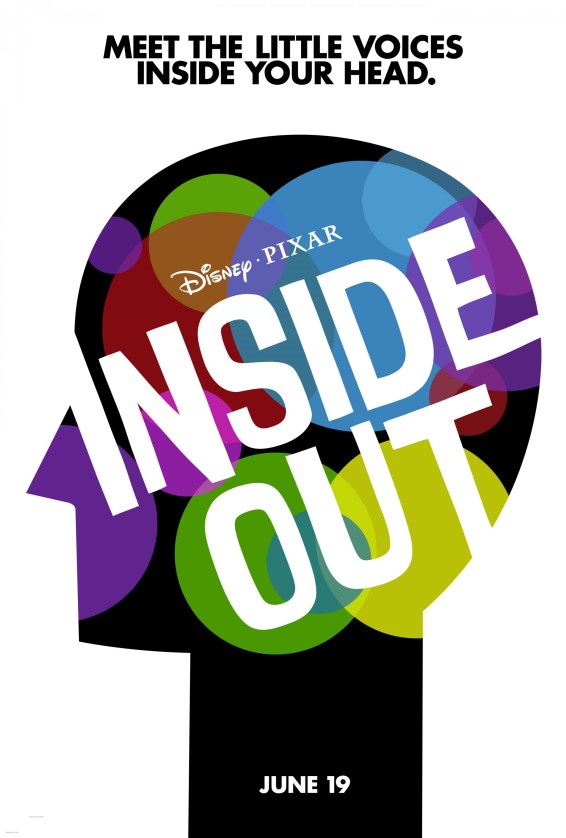
Inside Out (2015) – Film Review

From the iconic animation studio Pixar, who brought-us animated classics, such as ‘Toy Story,’ ‘Monsters, Inc.,’ ‘Finding Nemo,’ ‘The Incredibles,’ and ‘Ratatouille,’ among many others, comes another emotional and beautifully animated adventure with some surprisingly deep concepts and ideas to boot. As, ‘Inside Out’ takes place nearly entirely inside the mind of a young girl, focusing on how her various emotions handle new and unexpected changes within her life.

Plot Summary: After young ‘Riley’ is uprooted from her Midwest life and moved to San Francisco, her emotions; ‘Joy,’ ‘Sadness,’ ‘Fear,’ ‘Anger,’ and ‘Disgust,’ all being to conflict on how best to navigate a new city, house, and school. But, after a freak accident causes ‘Joy’ and ‘Sadness’ to be flung from ‘Headquarters’ with ‘Riley’s ‘Core Memories,’ the two have to find their way back before it’s too late…

Even though ‘Inside Out’ usually streamlines many of its story’s concepts and themes to make them more understandable for children, the animated flick also never fails to remain both very imaginative and very colourful throughout its runtime. As, with the film’s story taking place within the mind of an eleven-year-old girl, ‘Inside Out’ doesn’t hold back from bringing to life the world within a child’s head, a world not confined by the barriers of logic and psychics. From ‘Imagination Land’ to ‘The Train of Thought,’ and ‘Long Term Memory,’ ‘Inside Out’ constantly explores plenty of amusing locations and is always building on its enchanting ideas.

Despite some characters not receiving quite as much screen-time as others, ‘Riley’s various emotions are portrayed superbly by Amy Poehler, Phyllis Smith, Bill Hader, Lewis Black, and Mindy Kaling, with Poehler and Smith as ‘Joy’ and ‘Sadness’ being the true stand outs of the cast, as their two characters bounce extremely well of each other due to the polarity of their friendship, which also makes for plenty of humorous moments. Richard Kind also makes an appearance within the film as ‘Bing Bong,’ ‘Riley’s imaginary friend from when she was younger, who in many ways is the true heart of the film, as alongside his variety of entertaining quirks (some of which do result in a few immature jokes). ‘Bing Bong’ also ends up becoming a very likeable and charming character mostly as a result of the scene; ‘The Memory Dump,’ easily one of ‘Inside Out’s most impactful and heartbreaking moments.

Filled with plenty of inventive shots throughout, the animated cinematography does add to the film’s already incredibly vibrant colour palette and varied locations, with a constant array of attractive shots, the film’s visuals are always appealing to look at when inside ‘Riley’s mind. Yet, when the viewer is thrown back into the real world, the colour palette is far more pale and tame, creating a clear visual contrast between the two.

Featuring a number of memorable tracks, such as ‘Bundle of Joy,’ ‘Team Building,’ ‘Rainbow Flyer,’ and even the track that plays over the film’s ending credits; ‘The Joy of Credits,’ the original score by Michael Giacchino is truly one of the best scores Pixar has to offer, even when taking into account their already impressive list of soundtracks, as nearly all of the film’s best moments whether comedic or emotional are elevated by the film’s wonderful score, with many of the tracks throughout ‘Inside Out’ displaying great variety and talent.

Similar to many of the other films from Pixar’s catalogue, the animation throughout ‘Inside Out’ is simply gorgeous. As not only do all of the designs of the different emotions differ drastically depending on which emotion they representing, but the level of detail on every character and location throughout the film is astounding, with the individual particles that make up each emotion even being visible during many of the film’s close-ups. Interestingly, when ‘Inside Out’ was in the very early stages of its development, many other emotions were also considered as characters (around twenty-seven in total). But, after the writer’s decided to just settle on the core five emotions to make the narrative less-complicated, many other potential characters had to be left on the cutting-room floor, e.g. ‘Surprise,’ ‘Pride,’ and ‘Trust.’

In summary, ‘Inside Out’ is definitely worth a watch for any age, as although this animated flick isn’t without its faults, ‘Inside Out’ still remains a delightful experience from start-to-finish, mostly due to its unique story, great voice performances, and extraordinary visuals, the film really feels as if there isn’t the slightest ounce of laziness put into crafting it. And, whilst there has been plenty of other exceptional animated classics produced by Pixar in the past, their fifteenth animated feature is certainly one of their most experimental yet least discussed to-date, which I think is a shame, as while ‘Inside Out’ may be aimed mostly towards children, I feel this film might speak an even deeper volume to adults. Final Rating: 8/10.

inside_out_xxlg

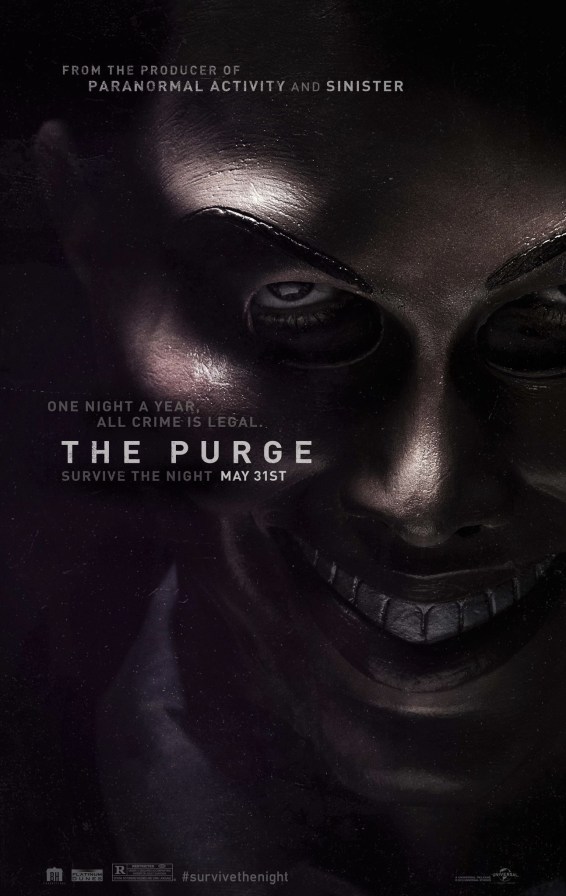
The Purge (2013) – Film Review

The first instalment in the now-iconic horror franchise, the original entry in ‘The Purge’ series is a fantastic idea quickly ruined by its poor execution, as whilst the film’s main concept of one night a year where all crime is legalised is both a terrifying and intriguing notion, the entire series (in particular this first film) seem to explore the horrific world its story is set within in all the least interesting ways.

Plot Summary: In the near future, America celebrates ‘The Purge’ once a year, a national event in which all crime is legal for twelve hours. On this night of chaos and murder, a wealthy family soon find themselves hostages for unintentionally harbouring the target of a murderous syndicate after he gains access into their fortified home…

Directed by James DeMonaco, this director has actually taken on every instalment of ‘The Purge’ series from the original film through to the latest entry; ‘The First Purge,’ in 2018. According to DeMonaco, the idea for the film first came about during a moment of road rage when he and his wife were cut-off in traffic by a drunk driver, resulting in DeMonaco wishing you could have one free murder a year after witnessing the driver’s complete lack of regret. While a creative and disturbing concept by itself, ‘The Purge’ series has also captivated many through its many themes. Although mostly focused on in later films, the various themes of this horror franchise could be interpreted by viewers in a number of different ways, from political to psychological.

Ethan Hawke, Lena Headey, Max Burkholder and Adelaide Kane portray the main family of the film; ‘The Sandins,’ who, unfortunately, with the exception of Ethan Hawke as the father, ‘James Sandin,’ all give relatively weak performances, portraying the family as extremely mundane throughout the runtime. However, this is also heavily due to their actual characters, as nearly every character within the film is written as either very peculiar or very cliché, with the son, ‘Charlie Sandin,’ having a medical problem which he takes medication for, in addition to having a strange character quirk for building and driving a remote control car attached to a disfigured baby doll, which ‘Charlie’ uses to navigate his way around the house. But, due to how specific the latter is, he (and his sister) end up seeming like nothing more than plot devices to put the rest of the family in (or get them out of) peril.

Aside from one or two shots, the cinematography by Jacques Jouffreet is unsurprisingly quite bland. Mostly unitising mid-shots and close-ups, ‘The Purge’ never really attempts to do anything overly inventive with its cinematography, usually relying on rough hand-held shots. Alongside this, the lighting throughout the film is immensely dark, as after the murderous syndicate cut the power to the family’s home, the remainder of the film’s runtime is spent in near-total darkness, which can become a little irritating after a point as the constant dark corridors make the characters even harder to follow than they already were, as the cinematography doesn’t allow the viewer any understanding of the house’s convoluted and confusing layout.

Even though many modern horrors lack an ingenious score, the original score by Nathan Whitehead is fairly uninspired, as in spite of the soundtrack helping to build up a tense atmosphere during a few scenes, the original score simply isn’t memorable in the slightest and is barely distinguishable from any other generic horror/thriller soundtrack, despite the huge list of tracks the film has to offer. However, the excellent costume design of ‘The Purge’ does help redeem the weak score in some respects, as the many different ‘Purge’ masks make for some memorably creepy visuals.

The most obvious issue ‘The Purge’ has been criticised for is its focus on being more of a home invasion thriller than what most would imagine (and desire) a ‘Purge’ film to be, as the original film is actually extremely contained, being set nearly entirely within the family’s home and relying on only a small group of characters. While director James DeMonaco has stated this was mostly due to the film’s small-budget and lack of filming days, you can’t help but feel the film isn’t exploring its chaotic world as effectively as it could whilst watching. Of course, being a modern horror, ‘The Purge’ is also littered with jump-scares throughout, many of which are very predictable due to the build up to each one, eventually making them feel nothing but tedious.

In summary, whilst I personally don’t feel ‘The Purge’ series improves much even throughout its future entries, there are still some aspects I enjoy within this modern horror, from its interesting ideas and themes to its decently entertaining performance from Ethan Hawke and array of menacing masks and costumes, ‘The Purge’ does have great potential, but I simply feel it was just never fully realised. While this horror series does have a devoted fanbase, I’ve never quite understood its appeal. As for me, ‘The Purge’ franchise will always have its intriguing ideas spoiled by its dull filmmaking and storytelling. Final Rating: 3/10.

purge_xxlg

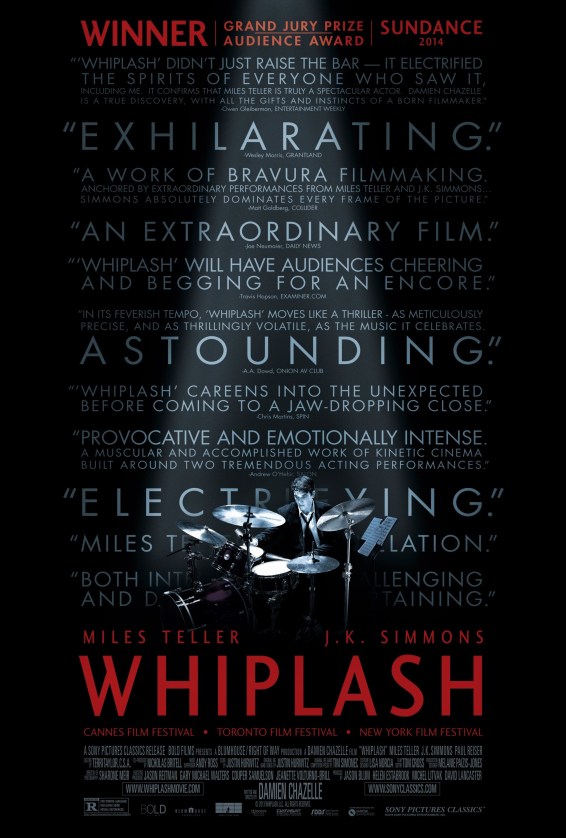
Whiplash (2014) – Film Review

Written and directed by Damien Chazelle (La La Land, First Man), this indie drama appeared almost out of nowhere to incredible reviews from both critics and audiences alike in 2014, featuring some unbelievable performances from Miles Teller and J.K. Simmons alongside an engaging narrative and well-written screenplay. ‘Whiplash’ truly raises the bar for quality when it comes to the independent film sector and small-budget filmmaking in general.

Plot Summary: A promising young drummer (Andrew) attending a prestigious music academy finds himself under the wing of the most respected professor the academy has to offer who has gained an infamous reputation over time due to his constant abuse towards students who aren’t reaching their full potential…

Being shot in only nineteen days, ‘Whiplash’ feels like a true passion project for director Damien Chazelle, with large portions of the film even being based on Chazelle’s own experiences of being part of a band during his high school days. Despite this promising inspiration, to even receive funding for ‘Whiplash’ Chazelle actually had to turn a small portion of the screenplay into a short film, which he then submitted to numerous different short film festivals. In which, J.K. Simmons played the same character whilst Miles Teller’s character was originally known as ‘Johnny Simmons’ before later being changed.

Miles Teller (who has actually played the drums since he was fifteen) portrays the film’s protagonist; ‘Andrew,’ very well. Presenting ‘Andrew’ as a likeable and talented drummer who soon becomes incredibly self-righteous as he begins to dismantle his own life after becoming more and more obsessed with trying to perfect his musical talent. However, it’s the criminally underrated J.K. Simmons who truly steals the film. Portraying ‘Andrew’s tutor, ‘Fletcher,’ as a strict and often intimidating presence, usually resulting in ‘Andrew’ (as well as his many other students) being eager to impress him despite his constant ridiculing of them, a large amount of which the writing actually manages to make quite humorous without taking away from the film’s drama. Melissa Benoist also makes a short appearance within the film as ‘Nicole,’ a young girl who ‘Andrew’ has an affection for, yet despite her decent performance, ‘Nicole’ ends up feeling very underutilised due to her extremely short screen-time.

The cinematography by Sharone Meir is fairly solid throughout the film, while nothing extraordinary, the film’s various close-ups of different drum kit pieces (as well as many other instruments) really gives the film an element of style, in addition to making for a number of memorable and visually pleasing shots. Alongside this is also the film’s colour palette, which mostly consists of dirty yellows and oranges, giving the film an almost rustic appeal, not too dissimilar to a drum kit cymbal itself.

Throughout the runtime, the original score by Justin Hurwitz is predominantly based around drums (obviously due to the story’s focus on such) aside from a few tracks which utilise various trumpets and pianos. Meaning all of the tracks feel very Jazz-like, which fits perfectly with the film as nearly every song that is performed by ‘Andrew’ and his fellow band members is always within this genre of music. My personal favourite from this long list of impressive work is more than likely the signature track; ‘Overture,’ simply due to the track’s enormous amount of range.

As mentioned previously, Miles Teller has played the drums since he was fifteen, and throughout the film, ‘Andrew’ receives numerous blisters on his hands due to his vigorous and unconventional style of jazz drumming. While most are aware of this, it may surprise some audience members to know that this style of drumming is Teller’s own. Meaning some of the blood that appears on his hands and drumsticks within the film’s more intense scenes is actually real. Despite this commitment, however, ‘Whiplash’ still suffers from one major flaw, this being the film’s overly fast pacing. Due to the film’s tight runtime, ‘Whiplash’ does sprint through its story without much hesitation. Although it doesn’t feel rushed per se, the film’s fast pacing does begin to make certain aspects of its story feel undeveloped as a result, e.g. ‘Andrew’s various relationships and his life outside of music.

In summary, ‘Whiplash’ may be a low-budget indie flick, but through its marvellous performances, brilliant writing and attractive cinematography. Chazelle manages to craft a very entertaining film focused on music that isn’t simply an adaptation of a classic theatre performance. Whilst it may not feature the vibrant and varied colour palette of ‘La La Land’ or the stunning CG visuals of ‘First Man,’ Damien Chazelle’s directorial debut is certainly an astounding effort and a memorable musical experience, to say the least. Final Rating: low 9/10.

whiplash_xxlg

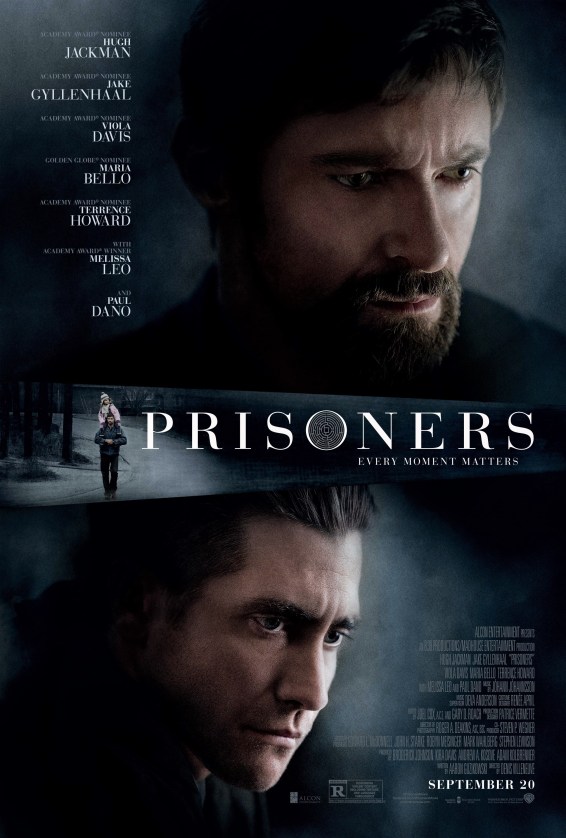
Prisoners (2013) – Film Review

Combining some incredible performances from Hugh Jackman and Jake Gyllenhaal with some phenomenal cinematography by the legendary Rodger Deakins alongside an effective original score by the late Jóhann Jóhannsson. ‘Prisoners’ is truly a masterclass in both filmmaking and storytelling. Although some audience members may be turned-off by the film’s depressing subject matter and few graphic scenes, this story of two family’s lives being turned upside-down is nevertheless an enthralling thriller/drama throughout.

Plot Summary: Shortly after their Thanksgiving dinner, parents: ‘Keller’ and ‘Grace Dover’ discover their six-year-old daughter and her best friend are missing. So after contacting the authorities, the driven: ‘Detective Loki’ is assigned to lead the case. But as hours turn into days, knowing his daughter’s life is at stake, frantic father: ‘Keller’ considers taking matters into his own hands…

Directed by Denis Villeneuve (Sicario, Arrival, Blade Runner: 2049), Villeneuve further proves here that he is one of the best filmmakers currently working. As every one of his films are always engaging and visually-breathtaking, with ‘Prisoners’ being no exception. As throughout the entirety of its lengthy runtime, ‘Prisoners’ manages to be a compelling, tense and emotional experience that will leave most viewers on the edge of their seats. Making the viewer long for the truth just as much as the film’s characters do, with the film’s main theme of parenthood even exploring the idea of how far a parent would truly go to protect their child, most notably through ‘Keller’s questionable actions later within the story.

The film’s main pairing of Hugh Jackman as ‘Keller Dover’ and Jake Gyllenhaal as ‘Detective Loki’ is the perfect combination of two talented actors, as both give brilliant performances as their respective characters with Hugh Jackman in particular, giving one of the best performances of his entire career. Especially in the scene: ‘The Interrogation’. In which, ‘Keller’ repeatedly tortures the potential kidnapper of his daughter, resulting in the scene soon becoming one of the film’s best moments mostly through Jackman’s incredibly intense performance. In addition to the two leads, the supporting cast of Terrence Howard, Viola Davis, Maria Bello, Dylan Minnette, Paul Dano and Melissa Leo are all excellent, with each member of the main cast adding to the film’s realistic portrayal of two concerned families, going days without rest as their thoughts dwell purely on their missing children.

From the opening shot through to the very last, the cinematography by Roger Deakins is nothing short of phenomenal. As ‘Prisoners’ elevates its already gripping narrative through its many stunning shots, alongside the film’s absolutely superb lighting, which makes fantastic use of darkness and silhouettes wherever possible (a staple of Roger Deakins’ cinematography) which only backs-up the film’s grim tone and tense atmosphere further. Another element of the film that also adds to its visual aesthetic is its use of weather. Being set in a small town in Pennsylvania, ‘Prisoners’ makes great use of the state’s dreary weather for a number of scenes, meaning many shots are enhanced due to the constant barrage of rain and snow within them.

The late Jóhann Jóhannsson handles the original score for the film, most known for his work on ‘The Theory of Everything’ along with plenty of other films from director Denis Villeneuve. The film’s score really adds to many of its dramatic moments, as the soundtrack mostly focuses on the story’s more emotional and tragic aspects, and while not overly memorable, the tracks: ‘I Can’t Find Them’ and ‘Through Falling Snow’ both fit the bleak tone of the film flawlessly. While the track: ‘The Keeper’ is also worth a quick mention simply due to its impactful feel.

Although it isn’t a major problem, my only real issue with the film is the lack of depth for some of its characters, as ‘Detective Loki’ and ‘Alex Jones’ both have many interesting traits, with ‘Detective Loki’ having a variety of tattoos, rings and facial ticks (many of which were actually Jake Gyllenhaal’s ideas). Whilst ‘Alex’ has the I.Q. of a ten-year-old due to his learning difficulties. Yet even with these unique traits, I never felt like either of these two characters were explored enough, even with the film’s many attempts at subtle characterisation through visual storytelling.

In short, ‘Prisoners’ is not only one of my favourite films from 2013, but one of all my all-time favourite thrillers in general. Through its spectacular cinematography, tense atmosphere and compelling plot among many, many other elements, ‘Prisoners’ is honestly unmissable. Being just another piece of the beyond-excellent filmography of director Denis Villeneuve, this thriller is certainly one I’d recommend to anyone in need of a memorising mystery. If you’ve never seen a film by Villeneuve, I’d say ‘Prisoners’ is a tremendous place to begin, despite the film not quite beating-out my personal favourite film of his, that being: ‘Blade Runner: 2049.’ Final Rating: 9/10.

prisoners_ver3_xxlg

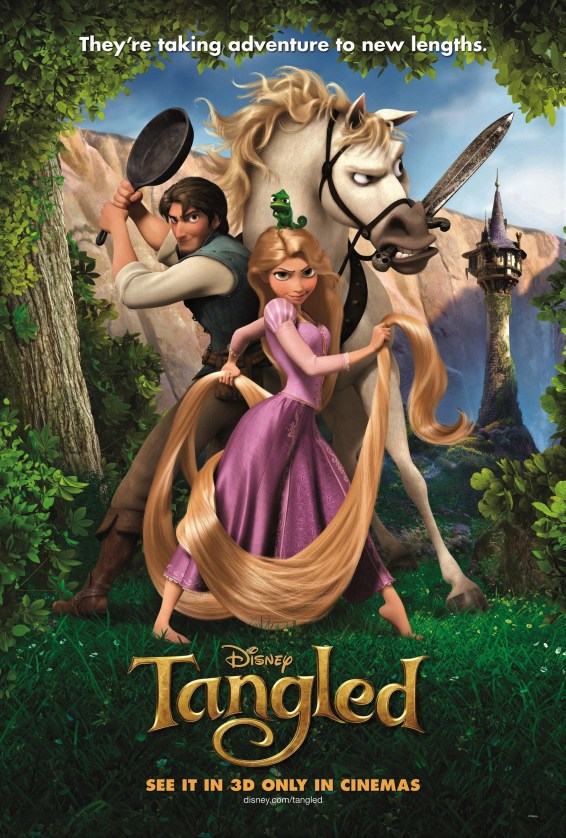
Tangled (2010) – Film Review

Disney’s first CG animated fairytale is both incredibly funny and heartwarming, as ‘Tangled’ brings to life the well-known fairy princess; ‘Rapunzel,’ now updated for a new generation of children. Through some beautiful animation, wonderful original songs and an incredibly vibrant colour palette. ‘Tangled’ feels almost as if it’s an enchanting classic restored from Disney’s golden age of animation, despite its few small problems here and there.

Plot Summary: When the ‘Kingdom of Corona’s most-wanted and most charming bandit: ‘Flynn Rider’ hides out in a mysterious tower, he’s taken hostage by ‘Rapunzel,’ a feisty tower-bound teen with magical golden hair. Eventually leading the two of them to strike a deal so ‘Rapunzel’ can achieve her long-desired dream of seeing the annual release of the kingdom’s lanterns…

Heavily praised since its release, ‘Tangled’ was created by Walt Disney Animation Studios, which have produced a variety of fantastic animated films in recent days. Releasing films such as: ‘Bolt,’ ‘Zootropolis,’ ‘Wreck-It Ralph’, ‘Moana’ and, of course, the smash-hit; ‘Frozen,’ in 2013. Many of which even beginning to surpass Disney’s other animation company over time, this obviously being Pixar, who now seem to be far more focused on creating constant sequels, prequels and spin-offs rather than original stories.

Mandy Moore and Zachary Levi bounce extremely well off of each other as ‘Rapunzel’ and ‘Flynn Rider,’ with both the characters having plenty of amusing moments in addition to some surprisingly great chemistry (considering they are fully animated). The cast also features Donna Murphy as ‘Mother Gothel’ and Ron Perlman as one of the ‘Stabbington Brothers’ (a.k.a. The antagonists of the film), and although neither of these two villains ever become quite as memorable or as iconic as some other Disney antagonists. They do serve their roles within the story effectively and are intimidating enough. During the story, ‘Rapunzel’ also receives a character arc, growing as a character to become more confident and independent as the runtime continues on, which I feel is not only executed well, but also gets across an important message for children.

Featuring an array of stunning wide shots, the animated cinematography throughout ‘Tangled’ is decent overall. While nothing overly imaginative, the animated cinematography works really well for many of the film’s fast-paced action sequences. The animated cinematography is also improved by the film’s incredibly colourful visuals, as many scenes throughout the film are dripping with bright colours and magnificent lighting. Some of the colouring of character’s clothing even reflect their personalities, as ‘Rapunzel’ wears purple, a colour often associated with royalty and ‘Flynn’ wears blue and white, colours that often stand for goodness. Whereas ‘Mother Gothel’ wears red, a colour that usually symbolises evil.

The original score by Alan Menken is certainly the weakest element of the film, as ignoring the actual songs within the film, most notably; ‘When Will My Life Begin’ and ‘I See the Light.’ The score is mostly generic and little bland at points when it comes to animated flicks, as I feel the soundtrack could’ve been greatly improved if the score would’ve embraced the more fantasy-esque aspects of its narrative. Occasionally, the film can also over-rely on musical cues, as during a number of scenes the film feels the need to accompany every action or piece of humour with a trumpet cue, which feels nothing but unnecessary throughout.

Being many years on from the film’s initial release, it’s inevitable that the film’s animation would begin to age. However, although a couple of the close-ups on character’s faces may look a little outdated. ‘Tangled’s animation predominantly holds-up well since 2010. In particular, the CG effects on ‘Rapunzel’s long hair, which still look marvellous even today. The film’s humour is also fairly excellent, as the film has a large amount of range when it comes to its jokes, usually having plenty of comedic moments that will appeal to older viewers as well as young children. ‘Tangled’ also gets some great comedic moments out of its horse character; ‘Maximus,’ who, quickly ends up becoming one of the film’s greatest characters through his constant drive to catch ‘Flynn Rider,’ with many of his movements being presented as if he is a large dog or even a human.

In summary, although it may not be one of Disney’s best, ‘Tangled’ is still very enjoyable from start-to-finish. Despite its sometimes overly fast pacing and slightly dated animation, the film has more than enough to please families, with some likeable protagonists, plenty of memorable songs and an overall joyful and adventurous tone. ‘Tangled’ is, in my opinion, on the upper level of fantastical family films, and whilst some may feel the film is aimed more towards one gender with its story being based around a fairy princess, I’d argue otherwise. Final Rating: 8/10.

tangled_ver3_xxlg

Maniac (2012) – Film Review

Directed by Franck Khalfoun (P2, I Lived, Amityville: The Awakening) and shot almost entirely through a first-person perspective, 2012’s ‘Maniac’ is a unique and extremely innovative slasher that has been enormously overlooked by fans of modern horror. While the film does admittedly have its issues, the impressive visuals and timid yet creepy performance from Elijah Wood surely make up for most of them, quickly resulting in a discomforting dive into the sadistic mind of a serial killer.

Plot Summary: After working his day job at a mannequin restoration store, the mentally ill and isolated, ‘Frank’ takes to the dark streets of Los Angeles as a serial killer with a fetish for female scalps. But, when a young artist asks him for help with her new exhibition, ‘Frank’s obsessions begin to consume him…

Although it takes a different approach to its story, ‘Maniac’ is actually a remake of the classic 1980 slasher of the same name. However, this is one of the rare occasions where I believe that the remake is possibly an improvement over the original film, as while the ’80s flick does feature plenty of over-the-top gore, the film never manages to elevate itself from being just a fairly straightforward slasher, and although it’s maybe not always successful, the remake does attempt to further develop ‘Frank’ as a character as well as exploring themes of mental health, parental ignorance and identity loss throughout its runtime.

Elijah Wood, best known for his role as ‘Frodo’ in ‘The Lord of the Rings’ series, portrays the serial killer protagonist, ‘Frank,’ as awkward and almost dry at points, making ‘Frank’ feel incredibly deranged when he interacts with other characters. Most notably, the artist and photographer, ‘Anna,’ portrayed by Nora Arnezeder, who is a clear contrast to ‘Frank’ in the way she portrays her simplistic yet likeable and innocent character, completely unaware of ‘Frank’s dark deeds as she grows closer and closer to him. The performances are slightly dragged down by writing throughout the film, however, as although the dialogue is decent for the most part, the film does still have the odd unusual line.

As previously mentioned, the remake of ‘Maniac’ is also shot nearly entirely through P.O.V. shots and it’s this cinematography by Maxime Alexandre that really makes the film stand out from many other slashers. Whilst watching the film, you can’t help but feel the tension as ‘Frank’ goes on dates or has conversations with women who we know will soon meet a gruesome fate, as the audience is fully aware of his sinister intentions, the film almost makes you feel hostage to ‘Frank’s mind. That being said, the film does sometimes take you out of the experience when it leaves the P.O.V. format for a few seconds. While I understand why the film does this (as it’s usually at crucial points within the narrative), I personally feel keeping the audience restricted to looking through ‘Frank’s eyes would’ve made the film more compelling, especially since we don’t even see ‘Frank’s face until twelve minutes into the film.

Serving as a great throwback to the classic ’80s film it’s based on, in addition to adding too many of the film’s best moments. The original score by Robin Coudert (or merely Rob, as he is usually credited) is a slick synth soundtrack. Utilising electronic waves, this underrated score is certainly a high point of the film, with my two favourite tracks; ‘Doll’ and ‘Haunted,’ both being incredibly memorable in their own right, almost feeling as if they were ripped straight from any of the iconic horrors of the 1980s.

Extremely violent and disturbing throughout, ‘Maniac’ truly pulls no punches when delving into the mind of its serial killer, meaning many viewers may be put off by the film’s highly gory deaths and unnerving murder scenes, as ‘Frank’ disposes of his victims with little remorse, dark memories of his mother during childhood fuel his violent actions. This is also where many of the film’s more bizarre moments come into play, as although it may surprise some viewers, ‘Maniac’ is partly an arthouse film as well as a slasher, as the film’s underlying themes as well as ‘Frank’s broken mind is usually displayed visually throughout the film in a variety of ways. Unfortunately, this leads to the film’s weakest aspect, however, as during many of these anomalous scenes, the film’s editing can become quite erratic, sometimes even placing cuts mid-conversation.

In summary, I deeply enjoy ‘Maniac,’ even though the film is quite problematic in some areas, mostly in regard to its unusual editing choices and occasionally lines of strange dialogue. ‘Maniac’s memorable original score, intense violence and, of course, captivating cinematography through its use of P.O.V. The film stands as definitely one of the better horror remakes in recent memory. And, although I probably wouldn’t recommend ‘Maniac’ to everyone, if you’re preferred realm of the horror genre is gory slashers, then this inventive flick is certainly not one to miss. Final Rating: 7/10.

maniac-p797147

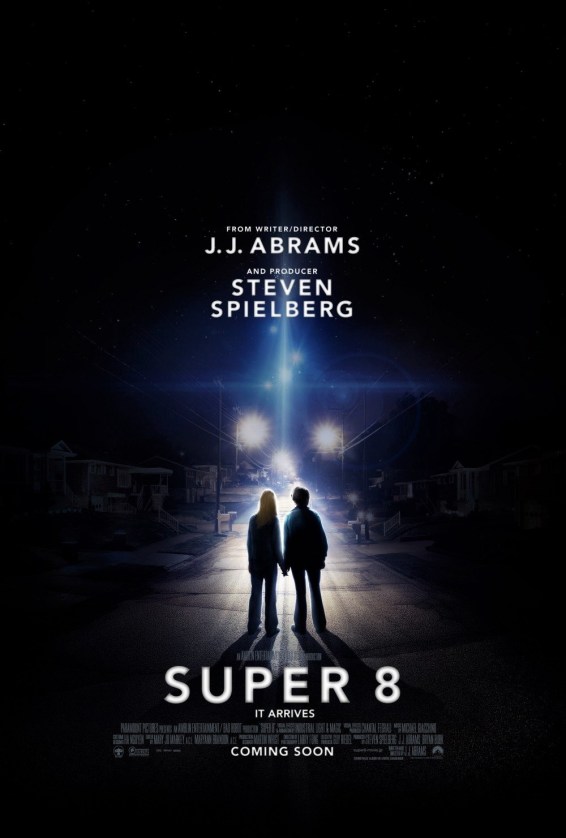
Super 8 (2011) – Film Review

Five years before ‘Stranger Things’ hit our Netflix accounts, director J. J. Abrams (Mission Impossible III, Star Trek, Star Wars: Episode VII – The Force Awakens), tried his hand at creating an ’80s sci-fi throwback with ‘Super 8.’ While the film did get mostly positive reviews from both critics and audiences alike upon its initial release, I’ve never been a huge fan of this science fiction flick, with many strange decisions at play in addition to its overreliance on borrowing story elements from classic films of the 1980s. ‘Super 8’ has always seemed more like simple pandering rather than an enjoyable and nostalgic throwback.

Plot Summary: During the summer of 1979, a group of young friends making a short zombie film with their Super-8 film camera are witnesses to a devastating train crash. Soon after, the group find themselves investigating the subsequent unexplained events throughout their small town…

Even with legendary director Steven Spielberg on board as a producer, ‘Super 8’ mostly lacks the fun tone many of Spielberg’s classics usually overflow with, taking itself pretty seriously aside from a few short moments. Although ‘Super 8’ may not feature this aspect of Spielberg’s work, however, the film does utilise many different ideas from his filmography, as while most throwbacks do usually contain a few story elements taken from the films they are inspired by, ‘Super 8’ begins to feel a little derivative at points, eventually developing a plot which feels almost identical to ‘E. T. the Extra-Terrestrial’ and ‘Close Encounters of the Third Kind,’ without much experimentation.

Although Joel Courtney, Elle Fanning, Gabriel Basso, Riley Griffiths, Ryan Lee and Zach Mills all do a great job at portraying their young characters, the writing throughout the film definitely has room for improvement, as many of the younger characters never quite manage to become incredibly amusing or likeable, with most of them receiving barely any development at all. Following this, as the film’s narrative becomes more tense and dangerous nearing its end, the group’s frustration and panic begins to surface, which although realistic, does result in them becoming rather irritating after a while due to their constant screaming and arguing. Kyle Chandler also makes an appearance within the film as ‘Jackson Lamb’ one of the group’s parents, who does give a decent performance as a strict yet caring father, even with his limited screen-time.

The cinematography by Larry Fong is visually pleasing for the most part, creating many different and attractive shots throughout the film. But, due to its colour palette and lighting, the film’s visuals are dragged down by simply how dark the film is, as a large majority of the story takes place at night, ‘Super 8′ relies heavily on dim lighting and shadows (alongside Abrams’ continued obsession with lens flares). The film’s CG effects are also serviceable, with many of the film’s more CGI-heavy moments taking place at night, meaning any of the CG effects that may be lacking are saved as a result of them being shrouded in darkness.

Michael Giacchino is a composer I usually adore, from his astonishing work on films such as ‘The Incredibles,’ ‘Doctor Strange’ and ‘Jojo Rabbit,’ Giacchino normally succeeds far beyond expectations. However, in the case of ‘Super 8,’ his score is simply ‘okay,’ as although it does serve the film’s story decently well, the film’s soundtrack isn’t very unique or memorable. Being a traditional orchestral like many other modern blockbusters, I couldn’t help but feel a classic ’80s synth score more along the lines of ‘Stranger Things’ would’ve worked extremely well for this kind of film, even with the film’s narrative technically being set in the 1970s.

An aspect of ‘Super 8’ I do truly enjoy is the film’s sound design, an aspect of filmmaking that I rarely mention, ‘Super 8’ actually does a fairly brilliant job of building tension or mystery through its eerie sci-fi noises. In particular, in the scene in which the young group of friends are attacked by an otherworldly creature whilst aboard a military transport, as mostly in part to its sound design, this is, in my opinion, one of the most effective and memorable scenes of the film.

In summary, ‘Super 8’ feels like a huge waste of potential, as whilst the film is far from awful and does have some interesting aspects scattered throughout its runtime. The film’s weak writing and forgettable original score make the film feel a little bland in areas, in addition to its lack of anything truly original (which I feel is the film’s biggest flaw). As, unlike ‘Stranger Things’ where the show’s story at least introduces concepts, like ‘The Upside-Down’ and ‘The Demogorgon,’ which are rather creative, ‘Super 8′ lacks much of anything that hasn’t be explored in sci-fi before. While this film is still a perfect example of J. J. Abrams’ talent for visuals, ‘Super 8’ never really manages to elevate itself beyond being just a simple nostalgia fest. Final Rating: high 5/10.

super_eight_ver2_xlg