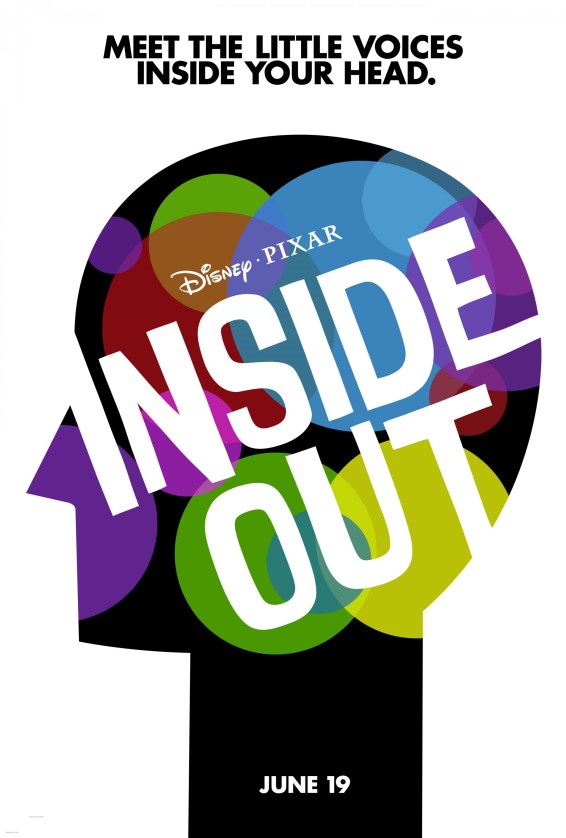
Inside Out (2015) – Film Review

From the iconic animation studio Pixar, who brought-us animated classics, such as ‘Toy Story,’ ‘Monsters, Inc.,’ ‘Finding Nemo,’ ‘The Incredibles,’ and ‘Ratatouille,’ among many others, comes another emotional and beautifully animated adventure with some surprisingly deep concepts and ideas to boot. As, ‘Inside Out’ takes place nearly entirely inside the mind of a young girl, focusing on how her various emotions handle new and unexpected changes within her life.

Plot Summary: After young ‘Riley’ is uprooted from her Midwest life and moved to San Francisco, her emotions; ‘Joy,’ ‘Sadness,’ ‘Fear,’ ‘Anger,’ and ‘Disgust,’ all being to conflict on how best to navigate a new city, house, and school. But, after a freak accident causes ‘Joy’ and ‘Sadness’ to be flung from ‘Headquarters’ with ‘Riley’s ‘Core Memories,’ the two have to find their way back before it’s too late…

Even though ‘Inside Out’ usually streamlines many of its story’s concepts and themes to make them more understandable for children, the animated flick also never fails to remain both very imaginative and very colourful throughout its runtime. As, with the film’s story taking place within the mind of an eleven-year-old girl, ‘Inside Out’ doesn’t hold back from bringing to life the world within a child’s head, a world not confined by the barriers of logic and psychics. From ‘Imagination Land’ to ‘The Train of Thought,’ and ‘Long Term Memory,’ ‘Inside Out’ constantly explores plenty of amusing locations and is always building on its enchanting ideas.

Despite some characters not receiving quite as much screen-time as others, ‘Riley’s various emotions are portrayed superbly by Amy Poehler, Phyllis Smith, Bill Hader, Lewis Black, and Mindy Kaling, with Poehler and Smith as ‘Joy’ and ‘Sadness’ being the true stand outs of the cast, as their two characters bounce extremely well of each other due to the polarity of their friendship, which also makes for plenty of humorous moments. Richard Kind also makes an appearance within the film as ‘Bing Bong,’ ‘Riley’s imaginary friend from when she was younger, who in many ways is the true heart of the film, as alongside his variety of entertaining quirks (some of which do result in a few immature jokes). ‘Bing Bong’ also ends up becoming a very likeable and charming character mostly as a result of the scene; ‘The Memory Dump,’ easily one of ‘Inside Out’s most impactful and heartbreaking moments.

Filled with plenty of inventive shots throughout, the animated cinematography does add to the film’s already incredibly vibrant colour palette and varied locations, with a constant array of attractive shots, the film’s visuals are always appealing to look at when inside ‘Riley’s mind. Yet, when the viewer is thrown back into the real world, the colour palette is far more pale and tame, creating a clear visual contrast between the two.

Featuring a number of memorable tracks, such as ‘Bundle of Joy,’ ‘Team Building,’ ‘Rainbow Flyer,’ and even the track that plays over the film’s ending credits; ‘The Joy of Credits,’ the original score by Michael Giacchino is truly one of the best scores Pixar has to offer, even when taking into account their already impressive list of soundtracks, as nearly all of the film’s best moments whether comedic or emotional are elevated by the film’s wonderful score, with many of the tracks throughout ‘Inside Out’ displaying great variety and talent.

Similar to many of the other films from Pixar’s catalogue, the animation throughout ‘Inside Out’ is simply gorgeous. As not only do all of the designs of the different emotions differ drastically depending on which emotion they representing, but the level of detail on every character and location throughout the film is astounding, with the individual particles that make up each emotion even being visible during many of the film’s close-ups. Interestingly, when ‘Inside Out’ was in the very early stages of its development, many other emotions were also considered as characters (around twenty-seven in total). But, after the writer’s decided to just settle on the core five emotions to make the narrative less-complicated, many other potential characters had to be left on the cutting-room floor, e.g. ‘Surprise,’ ‘Pride,’ and ‘Trust.’

In summary, ‘Inside Out’ is definitely worth a watch for any age, as although this animated flick isn’t without its faults, ‘Inside Out’ still remains a delightful experience from start-to-finish, mostly due to its unique story, great voice performances, and extraordinary visuals, the film really feels as if there isn’t the slightest ounce of laziness put into crafting it. And, whilst there has been plenty of other exceptional animated classics produced by Pixar in the past, their fifteenth animated feature is certainly one of their most experimental yet least discussed to-date, which I think is a shame, as while ‘Inside Out’ may be aimed mostly towards children, I feel this film might speak an even deeper volume to adults. Final Rating: 8/10.
inside_out_xxlg

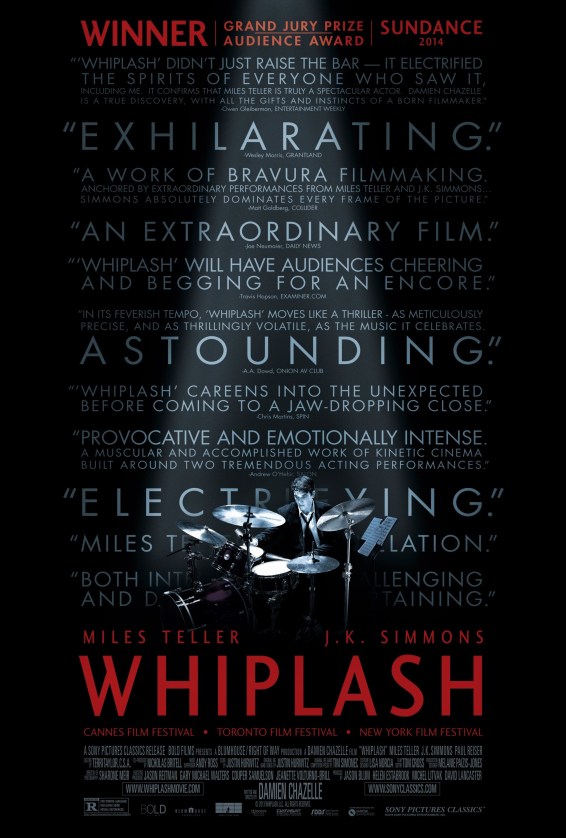
Whiplash (2014) – Film Review

Written and directed by Damien Chazelle (La La Land, First Man), this indie drama appeared almost out of nowhere to incredible reviews from both critics and audiences alike in 2014, featuring some unbelievable performances from Miles Teller and J.K. Simmons alongside an engaging narrative and well-written screenplay. ‘Whiplash’ truly raises the bar for quality when it comes to the independent film sector and small-budget filmmaking in general.

Plot Summary: A promising young drummer (Andrew) attending a prestigious music academy finds himself under the wing of the most respected professor the academy has to offer who has gained an infamous reputation over time due to his constant abuse towards students who aren’t reaching their full potential…

Being shot in only nineteen days, ‘Whiplash’ feels like a true passion project for director Damien Chazelle, with large portions of the film even being based on Chazelle’s own experiences of being part of a band during his high school days. Despite this promising inspiration, to even receive funding for ‘Whiplash’ Chazelle actually had to turn a small portion of the screenplay into a short film, which he then submitted to numerous different short film festivals. In which, J.K. Simmons played the same character whilst Miles Teller’s character was originally known as ‘Johnny Simmons’ before later being changed.

Miles Teller (who has actually played the drums since he was fifteen) portrays the film’s protagonist; ‘Andrew,’ very well. Presenting ‘Andrew’ as a likeable and talented drummer who soon becomes incredibly self-righteous as he begins to dismantle his own life after becoming more and more obsessed with trying to perfect his musical talent. However, it’s the criminally underrated J.K. Simmons who truly steals the film. Portraying ‘Andrew’s tutor, ‘Fletcher,’ as a strict and often intimidating presence, usually resulting in ‘Andrew’ (as well as his many other students) being eager to impress him despite his constant ridiculing of them, a large amount of which the writing actually manages to make quite humorous without taking away from the film’s drama. Melissa Benoist also makes a short appearance within the film as ‘Nicole,’ a young girl who ‘Andrew’ has an affection for, yet despite her decent performance, ‘Nicole’ ends up feeling very underutilised due to her extremely short screen-time.

The cinematography by Sharone Meir is fairly solid throughout the film, while nothing extraordinary, the film’s various close-ups of different drum kit pieces (as well as many other instruments) really gives the film an element of style, in addition to making for a number of memorable and visually pleasing shots. Alongside this is also the film’s colour palette, which mostly consists of dirty yellows and oranges, giving the film an almost rustic appeal, not too dissimilar to a drum kit cymbal itself.

Throughout the runtime, the original score by Justin Hurwitz is predominantly based around drums (obviously due to the story’s focus on such) aside from a few tracks which utilise various trumpets and pianos. Meaning all of the tracks feel very Jazz-like, which fits perfectly with the film as nearly every song that is performed by ‘Andrew’ and his fellow band members is always within this genre of music. My personal favourite from this long list of impressive work is more than likely the signature track; ‘Overture,’ simply due to the track’s enormous amount of range.

As mentioned previously, Miles Teller has played the drums since he was fifteen, and throughout the film, ‘Andrew’ receives numerous blisters on his hands due to his vigorous and unconventional style of jazz drumming. While most are aware of this, it may surprise some audience members to know that this style of drumming is Teller’s own. Meaning some of the blood that appears on his hands and drumsticks within the film’s more intense scenes is actually real. Despite this commitment, however, ‘Whiplash’ still suffers from one major flaw, this being the film’s overly fast pacing. Due to the film’s tight runtime, ‘Whiplash’ does sprint through its story without much hesitation. Although it doesn’t feel rushed per se, the film’s fast pacing does begin to make certain aspects of its story feel undeveloped as a result, e.g. ‘Andrew’s various relationships and his life outside of music.

In summary, ‘Whiplash’ may be a low-budget indie flick, but through its marvellous performances, brilliant writing and attractive cinematography. Chazelle manages to craft a very entertaining film focused on music that isn’t simply an adaptation of a classic theatre performance. Whilst it may not feature the vibrant and varied colour palette of ‘La La Land’ or the stunning CG visuals of ‘First Man,’ Damien Chazelle’s directorial debut is certainly an astounding effort and a memorable musical experience, to say the least. Final Rating: low 9/10.

whiplash_xxlg

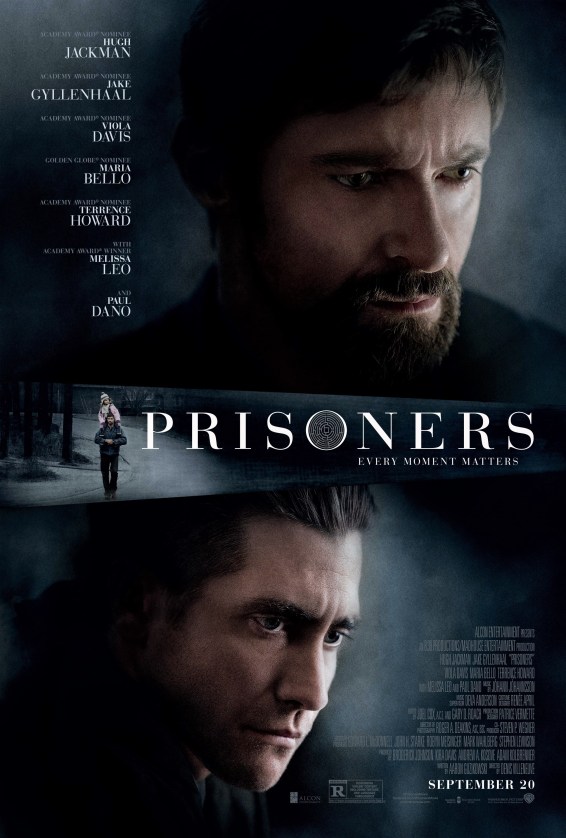
Prisoners (2013) – Film Review

Combining some incredible performances from Hugh Jackman and Jake Gyllenhaal with some phenomenal cinematography by the legendary Rodger Deakins alongside an effective original score by the late Jóhann Jóhannsson. ‘Prisoners’ is truly a masterclass in both filmmaking and storytelling. Although some audience members may be turned-off by the film’s depressing subject matter and few graphic scenes, this story of two family’s lives being turned upside-down is nevertheless an enthralling thriller/drama throughout.

Plot Summary: Shortly after their Thanksgiving dinner, parents: ‘Keller’ and ‘Grace Dover’ discover their six-year-old daughter and her best friend are missing. So after contacting the authorities, the driven: ‘Detective Loki’ is assigned to lead the case. But as hours turn into days, knowing his daughter’s life is at stake, frantic father: ‘Keller’ considers taking matters into his own hands…

Directed by Denis Villeneuve (Sicario, Arrival, Blade Runner: 2049), Villeneuve further proves here that he is one of the best filmmakers currently working. As every one of his films are always engaging and visually-breathtaking, with ‘Prisoners’ being no exception. As throughout the entirety of its lengthy runtime, ‘Prisoners’ manages to be a compelling, tense and emotional experience that will leave most viewers on the edge of their seats. Making the viewer long for the truth just as much as the film’s characters do, with the film’s main theme of parenthood even exploring the idea of how far a parent would truly go to protect their child, most notably through ‘Keller’s questionable actions later within the story.

The film’s main pairing of Hugh Jackman as ‘Keller Dover’ and Jake Gyllenhaal as ‘Detective Loki’ is the perfect combination of two talented actors, as both give brilliant performances as their respective characters with Hugh Jackman in particular, giving one of the best performances of his entire career. Especially in the scene: ‘The Interrogation’. In which, ‘Keller’ repeatedly tortures the potential kidnapper of his daughter, resulting in the scene soon becoming one of the film’s best moments mostly through Jackman’s incredibly intense performance. In addition to the two leads, the supporting cast of Terrence Howard, Viola Davis, Maria Bello, Dylan Minnette, Paul Dano and Melissa Leo are all excellent, with each member of the main cast adding to the film’s realistic portrayal of two concerned families, going days without rest as their thoughts dwell purely on their missing children.

From the opening shot through to the very last, the cinematography by Roger Deakins is nothing short of phenomenal. As ‘Prisoners’ elevates its already gripping narrative through its many stunning shots, alongside the film’s absolutely superb lighting, which makes fantastic use of darkness and silhouettes wherever possible (a staple of Roger Deakins’ cinematography) which only backs-up the film’s grim tone and tense atmosphere further. Another element of the film that also adds to its visual aesthetic is its use of weather. Being set in a small town in Pennsylvania, ‘Prisoners’ makes great use of the state’s dreary weather for a number of scenes, meaning many shots are enhanced due to the constant barrage of rain and snow within them.

The late Jóhann Jóhannsson handles the original score for the film, most known for his work on ‘The Theory of Everything’ along with plenty of other films from director Denis Villeneuve. The film’s score really adds to many of its dramatic moments, as the soundtrack mostly focuses on the story’s more emotional and tragic aspects, and while not overly memorable, the tracks: ‘I Can’t Find Them’ and ‘Through Falling Snow’ both fit the bleak tone of the film flawlessly. While the track: ‘The Keeper’ is also worth a quick mention simply due to its impactful feel.

Although it isn’t a major problem, my only real issue with the film is the lack of depth for some of its characters, as ‘Detective Loki’ and ‘Alex Jones’ both have many interesting traits, with ‘Detective Loki’ having a variety of tattoos, rings and facial ticks (many of which were actually Jake Gyllenhaal’s ideas). Whilst ‘Alex’ has the I.Q. of a ten-year-old due to his learning difficulties. Yet even with these unique traits, I never felt like either of these two characters were explored enough, even with the film’s many attempts at subtle characterisation through visual storytelling.

In short, ‘Prisoners’ is not only one of my favourite films from 2013, but one of all my all-time favourite thrillers in general. Through its spectacular cinematography, tense atmosphere and compelling plot among many, many other elements, ‘Prisoners’ is honestly unmissable. Being just another piece of the beyond-excellent filmography of director Denis Villeneuve, this thriller is certainly one I’d recommend to anyone in need of a memorising mystery. If you’ve never seen a film by Villeneuve, I’d say ‘Prisoners’ is a tremendous place to begin, despite the film not quite beating-out my personal favourite film of his, that being: ‘Blade Runner: 2049.’ Final Rating: 9/10.

prisoners_ver3_xxlg

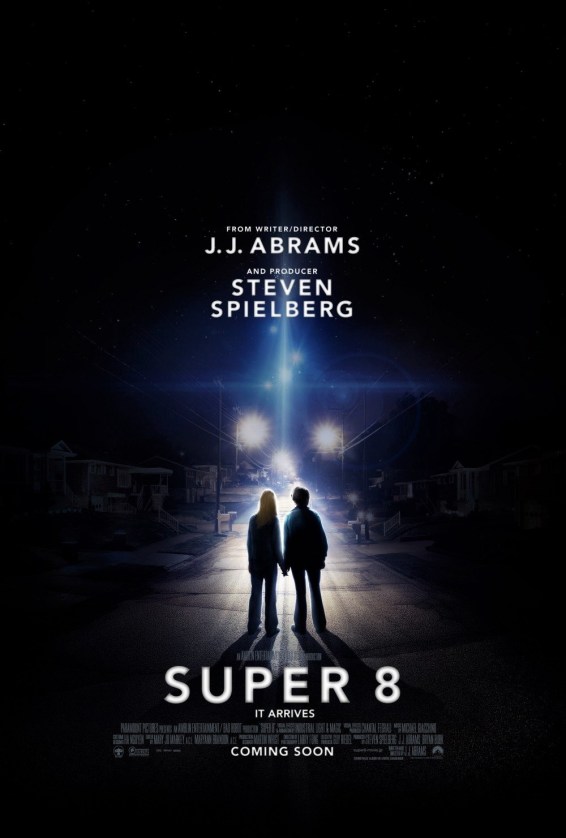
Super 8 (2011) – Film Review

Five years before ‘Stranger Things’ hit our Netflix accounts, director J. J. Abrams (Mission Impossible III, Star Trek, Star Wars: Episode VII – The Force Awakens), tried his hand at creating an ’80s sci-fi throwback with ‘Super 8.’ While the film did get mostly positive reviews from both critics and audiences alike upon its initial release, I’ve never been a huge fan of this science fiction flick, with many strange decisions at play in addition to its overreliance on borrowing story elements from classic films of the 1980s. ‘Super 8’ has always seemed more like simple pandering rather than an enjoyable and nostalgic throwback.

Plot Summary: During the summer of 1979, a group of young friends making a short zombie film with their Super-8 film camera are witnesses to a devastating train crash. Soon after, the group find themselves investigating the subsequent unexplained events throughout their small town…

Even with legendary director Steven Spielberg on board as a producer, ‘Super 8’ mostly lacks the fun tone many of Spielberg’s classics usually overflow with, taking itself pretty seriously aside from a few short moments. Although ‘Super 8’ may not feature this aspect of Spielberg’s work, however, the film does utilise many different ideas from his filmography, as while most throwbacks do usually contain a few story elements taken from the films they are inspired by, ‘Super 8’ begins to feel a little derivative at points, eventually developing a plot which feels almost identical to ‘E. T. the Extra-Terrestrial’ and ‘Close Encounters of the Third Kind,’ without much experimentation.

Although Joel Courtney, Elle Fanning, Gabriel Basso, Riley Griffiths, Ryan Lee and Zach Mills all do a great job at portraying their young characters, the writing throughout the film definitely has room for improvement, as many of the younger characters never quite manage to become incredibly amusing or likeable, with most of them receiving barely any development at all. Following this, as the film’s narrative becomes more tense and dangerous nearing its end, the group’s frustration and panic begins to surface, which although realistic, does result in them becoming rather irritating after a while due to their constant screaming and arguing. Kyle Chandler also makes an appearance within the film as ‘Jackson Lamb’ one of the group’s parents, who does give a decent performance as a strict yet caring father, even with his limited screen-time.

The cinematography by Larry Fong is visually pleasing for the most part, creating many different and attractive shots throughout the film. But, due to its colour palette and lighting, the film’s visuals are dragged down by simply how dark the film is, as a large majority of the story takes place at night, ‘Super 8′ relies heavily on dim lighting and shadows (alongside Abrams’ continued obsession with lens flares). The film’s CG effects are also serviceable, with many of the film’s more CGI-heavy moments taking place at night, meaning any of the CG effects that may be lacking are saved as a result of them being shrouded in darkness.

Michael Giacchino is a composer I usually adore, from his astonishing work on films such as ‘The Incredibles,’ ‘Doctor Strange’ and ‘Jojo Rabbit,’ Giacchino normally succeeds far beyond expectations. However, in the case of ‘Super 8,’ his score is simply ‘okay,’ as although it does serve the film’s story decently well, the film’s soundtrack isn’t very unique or memorable. Being a traditional orchestral like many other modern blockbusters, I couldn’t help but feel a classic ’80s synth score more along the lines of ‘Stranger Things’ would’ve worked extremely well for this kind of film, even with the film’s narrative technically being set in the 1970s.

An aspect of ‘Super 8’ I do truly enjoy is the film’s sound design, an aspect of filmmaking that I rarely mention, ‘Super 8’ actually does a fairly brilliant job of building tension or mystery through its eerie sci-fi noises. In particular, in the scene in which the young group of friends are attacked by an otherworldly creature whilst aboard a military transport, as mostly in part to its sound design, this is, in my opinion, one of the most effective and memorable scenes of the film.

In summary, ‘Super 8’ feels like a huge waste of potential, as whilst the film is far from awful and does have some interesting aspects scattered throughout its runtime. The film’s weak writing and forgettable original score make the film feel a little bland in areas, in addition to its lack of anything truly original (which I feel is the film’s biggest flaw). As, unlike ‘Stranger Things’ where the show’s story at least introduces concepts, like ‘The Upside-Down’ and ‘The Demogorgon,’ which are rather creative, ‘Super 8′ lacks much of anything that hasn’t be explored in sci-fi before. While this film is still a perfect example of J. J. Abrams’ talent for visuals, ‘Super 8’ never really manages to elevate itself beyond being just a simple nostalgia fest. Final Rating: high 5/10.

super_eight_ver2_xlg

Joker (2019) – Film Review

Since even the first day of its release, ‘Joker’ has seemingly split audiences straight down the middle, being hit with numerous reviews all with varied ratings. Everything from the film’s violence to its intricate themes to especially its Oscar-nominations, have all been brought up in recent conversation, as this film’s character-driven narrative focuses on the origins of ‘The Joker,’ arch-nemesis of the ‘Caped Crusader,’ ‘Batman.’ Yet, ultimately, becomes far more of an affecting and compelling drama/thriller rather than your standard superhero affair.

Plot Summary: In ‘Gotham City’ during the 1980s, mentally troubled comedian ‘Arthur Fleck,’ is disregarded and mistreated by society. Over time, this leads him to embark on a downward spiral of revolution and bloody crime, eventually bringing him face-to-face with his chaotic alter-ego; ‘The Joker.’

Being directed by Todd Phillips (Old School, The Hangover, War Dogs), throughout ‘Joker’ you really get the sense that Phillips truly puts his all into it, pretty much leaving behind the realm of comedy flicks entirely to craft a film which puts more of an emphasis on character and filmmaking. As every aspect of the film from its performances to it’s writing, cinematography and even original score, all feel as if they’ve been thought over profusely. ‘Joker’ also attempts to back-up its story with plenty of thought-provoking themes of mental health and the cruel nature of modern-day society, which I feel are represented very well throughout the film, giving Phillip’s version of this iconic character more depth beyond him being a mysterious and lawless antagonist.

From ‘Joker’s laugh to his broken mental state, Joaquin Phoenix gives a true powerhouse performance as the classic comic book villain. Making the character sadistic and dangerous yet also sympathetic wherever possible, as even though ‘Arthur’ commits many horrible acts as the runtime continues on. You can’t help but feel sorry for him, being beaten relentlessly by the world he lives within. In my opinion, Joaquin Phoenix’s portrayal of this iconic character truly elevates the film as a whole, and I’d even argue is up there with Heath Ledger’s beloved performance in ‘The Dark Knight’ many years earlier. The supporting cast of Robert De Niro, Zazie Beetz, Frances Conroy and Brett Cullen are all also great within the film, with Robert De Niro’s character, ‘Murray Franklin,’ being an obvious throwback to his character from the classic Martin Scorsese film; ‘The King of Comedy,’ from 1982.

All of the cinematography by Lawrence Sher throughout the film is very impressive, which is actually quite surprising considering ‘Joker’ is shot by the same cinematographer as the rest of Phillip’s work (which all contain mostly bland shots due to their focus on comedic writing). Featuring a variety of both stunning and memorable shots throughout, ‘Joker’s cinematography does serve its narrative and dark tone very well, with the now-iconic scene; ‘Staircase Dance,’ since becoming one of the most recognised and celebrated moments of 2019 pop culture. Additionally, ‘Joker’ continues to steer away from becoming an average superhero flick through its implementation of bloody violence, never shining away from displaying scenes of visceral murder.

Despite feeling a little unfitting during some scenes, the original score by Hildur Guðnadóttir is both very beautiful and also quite tragic, as the score really enhances the audience’s journey into ‘Arthur’s depressing and broken state of mind. However, that being said, some of the tracks can begin to feel a little too similar over time, with the signature track; ‘Bathroom Dance,’ almost beginning to feel replicated later within the film, despite the soundtrack’s many attempts to do otherwise.

The main criticism ‘Joker’ has faced since its release has been its overreliance on borrowing elements from other films, most notably classic Martin Scorsese films, such as ‘Taxi Driver’ and the previously mentioned ‘The King of Comedy.’ As, ‘Joker’ utilises a style very reminiscent of ‘Taxi Driver’ whilst also featuring a protagonist not too dissimilar to the protagonist from ‘The King of Comedy,’ and while I definitely understand these complaints, I also feel many films throughout history have always borrowed elements from others, and in addition to having Martin Scorsese himself on board as an executive producer, ‘Joker’ does include some aspects of its own making to help it stand out.

In summary, ‘Joker’ isn’t perfect, but I do feel the film is successful enough, as while its occasional cheesy dialogue and derivative aspects may drag the film down, its stunning cinematography and haunting original score really lend themselves effectively to the already gripping story. Not to mention Joaquin Phoenix’s captivating performance, all of which leave ‘Joker’ an impactful and refreshing origin story for this cherished comic book character. So, if you’re a huge fan of this iconic antagonist or just have a fondness for character studies/intense dramas, I’d recommend you give ‘Joker’ a watch in spite of its mixed reception. Final Rating: low 8/10.

joker_ver2_xxlg

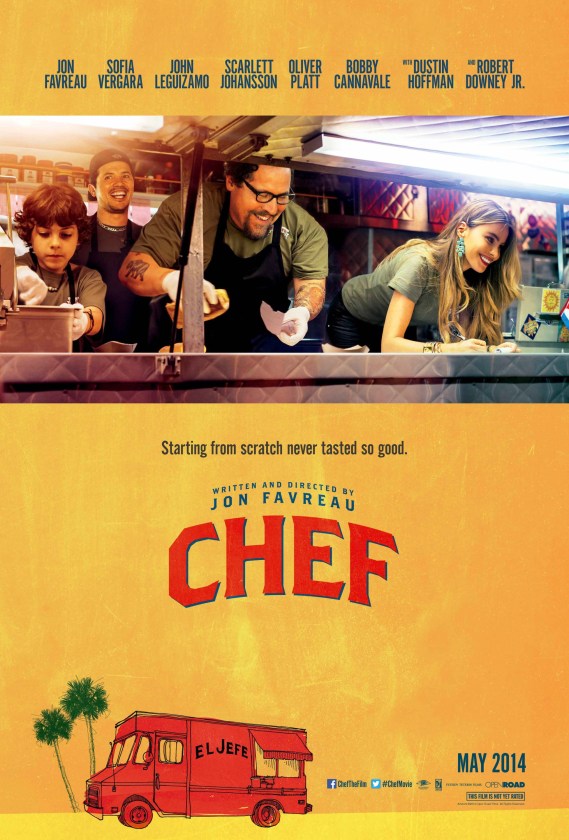
Chef (2014) – Film Review

Even after working in blockbuster franchises, such as ‘Star Wars’ and the Marvel Cinematic Universe, director Jon Favreau (Zathura, Iron Man, The Lion King) crafts one of his finest films to date with this clear passion project. Being obsessed with food and cooking in his spare time, Favreau puts his kitchen knowledge to perfect use as his film ‘Chef’ focuses on the story of a middle-aged man taking his wonderful tastes across America, and whilst fairly simplistic, this lower-budget flick still manages to remain a charming comedy-drama from beginning to end.

Plot Summary: ‘Carl Casper,’ an acclaimed chef with a family life that seems as decaying as his artistic freedom. But, after being fired from his restaurant job due to an aggressive confrontation with a snarky food critic, ‘Carl’ decides to travel across America selling his own dishes in a second-hand taco truck…

Although not directly based on a true story per se, ‘Chef’ does take inspiration from plenty of real-world figures, in addition to Jon Favreau’s own history in cuisine. The main source of inspiration for the film, however, was the professional food truck chef Roy Choi. Who, actually agreed to give Favreau further chef training for the film under the exception he agreed to present a truly authentic portrayal of the life of a chef, and considering the film’s focus on ‘Carl’s struggling funds and the impact the cynical words of food critics can have, I feel the director certainly succeeded.

Jon Favreau portrays ‘Carl’ superbly throughout the film, giving the protagonist a decent amount of range despite him never receiving an enormous amount of characterisation. The rest of the cast of John Leguizamo, Emjay Anthony, and Sofía Vergara, as well as Scarlett Johansson and Dustin Hoffman for a short period, are all decent within their respective roles, with Robert Downey Jr. even making a short appearance in the film as ‘Marvin’, which interestingly he agreed to do for free as a favour to Favreau for the decision he made to cast him as ‘Tony Stark,’ a.k.a. ‘Iron Man,’ years earlier, which most now believe to be his most iconic role.

While ‘Chef’ does have a fairly bright colour palette, the cinematography by Kramer Morgenthau is ultimately nothing above average, as while the film does have some interesting shots, they’re fairly infrequent throughout. However, this is with the exception of the many close-ups of the food itself, as ‘Chef’ does a superb job at making the audience’s mouth water through the delicious food it presents, as the film features a variety of both very creative and tasty-looking dishes. The film even manages to contain a little stylistic flair with Twitter being represented by animated blue birds which flutter into the sky whenever a character tweets, which actually plays into the story quite well.

The original score by Lyle Workman isn’t anything overly memorable, but the soundtrack’s Mexican feel does back up the film’s story effectively and really fits with many of the locations the food truck stops at as ‘Carl’ travels across the states of America. ‘Chef’ also utilises a huge range of iconic songs throughout its runtime, most of which also stick to the film’s Mexican aesthetic. From ‘I Like It Like That’ to ‘Lucky Man’ and even ‘Sexual Healing,’ the film’s lengthy list of songs really adds to its predominantly upbeat tone.

Unfortunately, ‘Chef’ is mostly dragged down by its overall emotional depth, as although the film is usually entertaining and engaging throughout, the film sometimes lacks the real emotional weight a drama needs, as ‘Carl’s rough relationship with his ex-wife receives little-to-no development, with most of the narrative’s focus being placed on ‘Carl’ reconnecting with his son, ‘Percy,’ which mostly makes for amusing and somewhat relatable scenes rather than any real dramatic moments. Whilst it doesn’t hurt the film really, some characters throughout ‘Chef’ also seem to disappear without a trace, in particular, the character; ‘Jen,’ portrayed by Amy Sedaris, who on ly appears in a single scene and has virtually no impact on the plot, which comes across as a little odd.

In summary, while there are definitely more memorable comedy-dramas out there, ‘Chef’ delivers on what it sets out to do, featuring some likeable characters portrayed by its great cast, alongside its fantastic soundtrack and scrumptious-looking food, the film is truly a treat whether your an expert in the kitchen yourself or not. It is a shame the film’s more dramatic side doesn’t fully deliver, as I do genuinely feel ‘Chef’ is a perfect example of Favreau’s filmmaking/acting talent outside of any franchise. Final Rating: low 8/10.

chef_xxlg

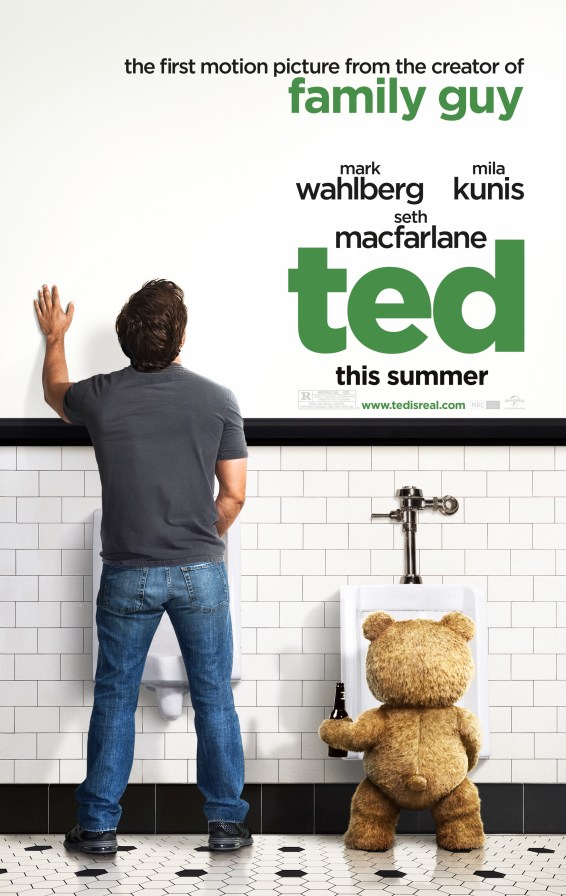
Ted (2012) – Film Review

Written and directed by Seth MacFarlane, the creator of ‘Family Guy,’ ‘American Dad,’ and ‘The Cleveland Show,’ ‘Ted’ is a modern comedy, which takes the childhood desire many had of wishing their teddy bear was alive and gives it an adult comedy spin, and while the film does miss a large number of its jokes. ‘Ted’ is a mostly enjoyable watch through its fun story and entertaining cast, alongside being a pretty strong first outing for MacFarlane’s transition to live-action entertainment.

Plot Summary: When ‘John Bennett’ makes a Christmas miracle occur by bringing his stuffed teddy bear to life, the two grow up together and form a lifelong bond. But, after ‘John’ moves in with his girlfriend; ‘Lori,’ a few years later, he’s forced to choose between them as their relationship is tested…

Though its story is very simple, ‘Ted’ actually balances its comedy and drama surprisingly well, as the film focuses heavily on the rift ‘Ted’ causes between ‘John’ and his girlfriend. Considering MacFarlane’s other work rarely takes itself seriously, the majority of the drama is actually quite effective, as the film does a decent job of keeping the audience invested in its characters. Similar to most modern comedies, the jokes throughout the film do range, however, with some scenes featuring plenty of humorous moments, whilst other scenes can come across as if they are trying far too hard, sometimes even having lines of dialogue which could be seen as a little ‘risky’ (especially if you’re watching the unrated version), but this is pretty familiar ground for MacFarlane.

Mark Wahlberg and Mila Kunis portray the main couple of the film, who do share some decent chemistry and funny moments together, with Mark Wahlberg also doing an excellent job interacting with ‘Ted’ throughout the film considering he is a fully CG character, as ‘Ted’ was brought to life through various teddy bears props on set, in addition to Seth MacFarlane’s movements being mirrored through motion capture. Joel McHale and Giovanni Ribisi also make appearances within the film as ‘Lori’s obnoxious and inappropriate boss; ‘Rex,’ and the film’s antagonist; ‘Donny,’ a shady father who intends to kidnap ‘Ted’ for his son. Both of these characters do have their moments for sure, yet they also both share the same issue of their characters completely disappearing after their purpose to the story is served, which does make the narrative feel a little inconsistent.

The cinematography by Michael Barrett is mostly bland throughout, with film’s focus being placed nearly entirely on its comedic dialogue. Although there is still the occasional appealing shot here and there, it’s nothing overly interesting. However, the CG effects used to create ‘Ted’ are solid for the most part, as despite the few shots where the film is beginning to show its age, the combination of the film’s visual effects and Seth Macfarlane’s very entertaining vocal performance do result in ‘Ted’ becoming a crude yet likeable character.

One of the biggest issues ‘Ted’ suffers from in my opinion is the film’s lack of personality, as a result of the film having little-to-no style, ‘Ted’ sometimes feels too similar to MacFarlane’s other works. This is most noticeable in the original score by Walter Murphy, as the score feels almost identical to the score used throughout FOX’s ‘Family Guy’ series. Whilst this is most likely due to director Seth MacFarlane wanting to work with the same composer as his animated shows, the original score just doesn’t feel even remotely memorable or unique to the film it’s part of.

For me, some of ‘Ted’s funniest moments come from its more absurdist humour, as although the film has plenty of obscure references to celebrities and present-day events similar to kind of humour that’s become rather standard in ‘Family Guy.’ ‘Ted’ is truly at its best in scenes, such as ‘Ted’s Party,’ in which, Sam J. Jones, the actor who portrayed ‘Flash Gordon’ in the 1980 sci-fi classic, begins envisioning ‘Ted’s next door neighbour as the supervillain; ‘Ming the Merciless,’ whilst high on cocaine, or when ‘Ted’ engages in a fist fight with a duck named after actor James Franco, as these moments are usually hilarious simply because of their outlandish nature.

In summary, I think ‘Ted’ is a decently fun comedy flick, as whilst there is definitely room for improvement, Seth Macfarlane does a pretty great job considering this was his directorial debut. And, while I could see many not enjoying ‘Ted’ mostly due to their preference when it comes to humour (or because of its admittedly average filmmaking). I personally feel that ‘Ted’ is Macfarlane’s best film to date, as ‘A Million Ways to Die in the West’ and even this film’s sequel; ‘Ted 2,’ were both very disappointing for me. Although it needs work, I’m sure most will find ‘Ted’ amusing over the course of its runtime. Final Rating: 7/10.

Ted-movie-poster

Buried (2010) – Film Review

Ryan Reynolds impressively carries an entire film on his shoulders with ‘Buried,’ as this fast-paced and extremely tense thriller focuses entirely on a single character trapped within an enclosed space, building up a tension-filled atmosphere and displaying constant filmmaking talent throughout (especially since the film was shot in only seven days). ‘Buried’ manages to keep its audience on constant edge as we experience this terrifying event right alongside our protagonist.

Plot Summary: ‘Paul Conroy,’ a U.S. truck driver currently working in Iraq, wakes up to find he is buried alive inside a wooden coffin after being attacked by terrorists, with only a cigarette lighter and a phone by his side, it’s a race against time for him to contact whoever he can and escape before it’s too late…

In concept, ‘Buried’ is truly a brilliant idea for a low-budget flick, as the entire film takes place within a single location with only the protagonist ever being psychically seen on-screen, the film never breaks from its tension or narrative, with not even a single shot outside of the coffin itself, and yet, the film never fails at keeping those watching glued to the screen, as after the admittedly fairly cheesy opening title sequence, the film never seems to slows down, almost refusing to give the viewer a moment to breathe as ‘Paul’ is faced with one difficult task after the next.

As already mentioned, Ryan Reynolds is the only member of the cast to physically appear on-screen, meaning he has the monumental task of delivering a very emotional and gripping performance to keep the audience engaged, which, thankfully, he does a phenomenal job of, as throughout the film’s tight runtime the actor going against his usual comedic casting to mostly excellent results. ‘Buried’ even manages to give the protagonist some characterisation through his various phone conversations with the other characters, adding the film’s compelling story even further. The various characters who appear as voices through ‘Paul’s phone consist of his wife; ‘Linda Conroy,’ portrayed by Samantha, Mathis alongside José Luis García Pérez, Ivana Miño, Robert Paterson and Stephen Tobolowsky, who give the best performances possible even with their limiting roles.

The cinematography by Eduard Grau has a surprising amount of range, despite the extremely restrictive location, as the majority of shots get uncomfortably close to ‘Paul’s face, almost placing the viewer in the position of the protagonist themselves, pretty much ensuring a feeling of claustrophobia by the film’s end. The film’s dim lighting also adds to its uncomfortable nature, as ‘Paul’ only has a cigarette lighter and small glow stick by his side, the film consists entirely of bright orange and green colour palette, alongside the occasional glow of blue from ‘Paul’s phone. That is, at least when the screen isn’t covered in complete darkness. Another small detail I appreciate about ‘Buried’ is how ‘Paul’ being underground is displayed, as when shots pull outwards from ‘Paul’ within the coffin, nothing but total blackness is shown around him, really emphasising the true loneliness and desperation he feels in his situation.

Victor Reyes handles the original score for the film, and whilst the soundtrack is decent is some scenes where it is used quite subtly, the score is sadly one of the film’s worst aspects, as the original score for ‘Buried’ is usually very generic and feels almost a little too over-the-top for a film as subdued and relentless as this one. Personally, I actually think the film would’ve been improved if more focus was placed on the film’s solid sound design rather than its weak soundtrack.

The film also has some strange editing choices during its runtime, as although not present continuously throughout the film. Many scenes do have short moments where the editing becomes rather erratic, sometimes having shots which quickly close in on ‘Paul’s face as he looks upwards, and whilst I understand this may have been done to add to the film’s tension-building, I feel it only really takes away from it in the long-run.

In summary, I feel ‘Buried’ is a film you can truly immerse yourself in, as this film makes such outstanding use out of its simplistic yet effective script and small budget. Although the film does suffer from an excessive original score and some bizarre editing choices, the remainder of film’s execution alongside Ryan Reynold’s tremendous performance is really something to admire, making an already compelling story even more interesting. If you’re a fan of thrillers in particular, then I’m sure you’ll thoroughly enjoy this inventive indie flick. Final Rating: 8/10.

buried_xlg

Nocturnal Animals (2016) – Film Review

Part thriller, part drama and part literature fever dream, 2016’s ‘Nocturnal Animals’ may not appeal to every viewer, but those it will, it will certainly leave an impression, as this extremely underrated thriller led by some sublime performances from Amy Adams and Jake Gyllenhaal is incredibly dark and compelling from start-to-finish. Directed by former fashion designer turned director Tom Ford (A Single Man) and based on the novel; ‘Tony and Susan’ by Austin Wright, ‘Nocturnal Animals’ may not be flawless in its execution, but it is definitely worth a watch.

Plot Summary: An unhappy and lamenting art curator (Susan Morrow) begins to imagine herself within the pages of a novel manuscript sent to her by her former husband, whose negative associations of their relationship take on a fictionalised violent direction in a symbolic tale of revenge…

Split between two different storylines, one set in the real world and one set within the pages of the fictional crime novel. ‘Nocturnal Animals’ definitely has some changes in tone, as every scene with ‘Susan’ usually focuses on her broken marriage and current lifestyle, which feels very different when compared to the tense revenge story of the novel, and yet, neither of these stories ever feel dull, as they both are engaging for different reasons. Tom Ford also makes brilliant use of this structure, as for those more keen-eyed viewers, there are a variety of visual links between the two narratives, the most obvious of which being how ‘Susan’ imagines her ex-husband; ‘Edward,’ as the father character within the novel, meaning Jake Gyllenhaal takes on two separate roles.

The central cast of Amy Adams, Jake Gyllenhaal, Michael Shannon, Aaron Taylor-Johnson, Isla Fisher, Ellie Bamber and Armie Hammer, are all brilliant throughout the film as everyone one of the film’s characters gets plenty of development, usually all playing a crucial role within the film regardless of whichever storyline they are in. Although Jake Gyllenhaal does a pretty great job taking on two separate roles, the plot of the novel primarily takes place within the Texas desert, meaning the father character, ‘Tony Hastings,’ possesses a Texas accent, and whilst not terrible, it is a little inconsistent. This is quickly redeemed by the stand out performance from Aaron Taylor-Johnson as ‘Ray Marcus,’ however, as this usually vapid actor gives an amazing performance as a redneck delinquent, who is just as intimidating as he is erratic.

Although the cinematography by Seamus McGarvey is nothing extraordinary, there are still plenty of attractive shots throughout the runtime as the film uses its cinematography fairly effectively to create a contrast between the two stories, using an array of wide shots when focusing on the story within the novel adding too many of its tense moments, whereas the majority of the scenes within the real world mostly use a large number of close-ups and mid-shots to add to the film’s drama.

Without a doubt, however, my personal favourite aspect of the film is the original score by Abel Korzeniowski. Utilising an ensemble of violins, the score for ‘Nocturnal Animals’ is very memorable and excellently builds tension throughout the runtime as the soundtrack always remains very beautiful despite also feeling quite haunting. The original score even manages to capture the feeling of loneliness and sadness from ‘Susan’s storyline, with the tracks; ‘A Solitary Women’ and ‘City Lights,’ fitting this idea perfectly, yet neither of these two tracks beat out my personal favourite; ‘Revenge,’ referred to by most as the film’s signature track.

Throughout either of the two plots, the film is also filled with plenty of themes and underlying messages, many of which relate to the idea of expression through art, which does help distract slightly from the main issue I have with ‘Nocturnal Animals,’ this being the editing, although it may be intentional. At points, the editing throughout the film is rather fast-paced, cutting between shots rapidly, sometimes even using jump-cuts during some of the more drawn-out shots. If this style of editing was present continuously throughout the film, then perhaps it wouldn’t have been as noticeable, but as it was only occasionally, I personally found it quite distracting.

In summary, while ‘Nocturnal Animals’ may not be a shining masterpiece, but I do believe this film is very overlooked when it comes to thrillers, as the outstanding performances from the cast mixed in with the array of very tense moments and wonderful original score make for a genuinely gripping and interesting experience. So, whilst some audience members may not completely understand the themes and messages behind the story, I do feel this film will leave an impact on those it does appeal to. Final Rating: 8/10.

nocturnal_animals_ver5_xlg

Moonrise Kingdom (2012) – Film Review

Although it may not quite reach the heights of some of his other work, director Wes Anderson (The Royal Tenenbaums, Fantastic Mr. Fox, The Grand Budapest Hotel) crafts another wonderful story with ‘Moonrise Kingdom,’ as throughout its tight runtime, the film is filled with plenty of heartfelt moments and mature humour all backed up by an effective original score by Alexandre Desplat. Resulting in a very enjoyable comedy/drama, despite Anderson not utilising his style to its best extent.

Plot Summary: On a small island off the coast of New England in the 1960s, a young boy-scout and the eldest daughter of unhappy household fall in love after a few weeks of back and forward letters. Soon inspiring them to run away together, leading various factions of the island to mobilise in search of them…

The story itself is definitely one of the best aspects of ‘Moonrise Kingdom,’ as although the film is brimming with plenty of the usual Wes Anderson style. The film’s story is always so enjoyable to watch, as the film’s two protagonists carry the narrative with great comedic charm and an almost childlike innocence. The dialogue throughout the film is also very well-written, as every character is usually extremely specific about everything they say, leading to many quirky moments.

Initially, the thought of a film lead by two very young actors did concern me, as there has been plenty of films throughout history that have been severely let down when it comes to child actors in important roles. ‘Moonrise Kingdom’ is certainly an exception to this, however, as Jared Gilman and Kara Hayward are both brilliant as the young couple; ‘Sam’ and ‘Suzy,’ as the two have excellent chemistry and perfectly fit the hilarious awkwardness of usual Wes Anderson stories. In addition to the two leads, the supporting cast of Bruce Willis, Edward Norton, Bill Murray, Frances McDormand, Tilda Swinton and Jason Schwartzman, are all fantastic within their various roles. Yet, even with these brilliant performances, the film still does suffer from a mostly pointless adultery subplot, whilst this does provide some characterisation at points, it felt mostly meaningless to me by the time the film’s credits rolled.

The cinematography by Robert D. Yeoman is your standard affair for a Wes Anderson film, having the usual array of very appealing shots, most of which make great use of some of the beautiful natural locations the film’s story takes place within. Also featuring a variety of panning shots and perfect symmetry wherever possible, the cinematography even manages to make an ordinary room look far more interesting purely through it’s framing and use of colour. In spite of this, however, ‘Moonrise Kingdom’ did actually have a smaller budget than some of Anderson’s other flicks, which does result in the film feeling slightly held-back from taking its visuals all of the way.

Whilst fairly simplistic when compared to some of his other scores, the original score by Alexandre Desplat is somewhat unique and does suitably fit the tone of the film pretty well, as ‘Moonrise Kingdom’ attempts to add a more scout-troop feel to further add to the film’s narrative. In particular, with the track; ‘The Heroic Weather-Conditions of the Universe Parts 4-6: Thunder, Lightning and Rain’ (what a mouthful), as this track uses trumpets and horns throughout, almost reflecting how the scouts are woken up by their scoutmaster each morning.

One of the most striking elements of ‘Moonrise Kingdom’ certainly has to be it’s bright colour palette, as the film is constantly dripping with beautifully bright colours. From greens to yellows, to blues, the film is always incredibly vibrant and extremely visually appealing to the eye and, of course, as the film’s tone is already fairly fun and light-hearted, the colour palette doesn’t feel even remotely out-of-place. However, I do feel the film could’ve indulged further into the 1960s time-period, as aside from the occasional mention of the date, or piece of technology, the film never really makes use of the ’60s era its set within.

In summary, ‘Moonrise Kingdom’ is definitely an underappreciated gem in director Wes Anderson’s collection, as although the film does have phenomenal reviews from critics and audiences, alike. I can’t help but the feel the film never gets talked about enough, as ‘Moonrise Kingdom’ has all the unique style of Anderson’s other films alongside a heartfelt story and plenty of memorable scenes/dialogue. Despite not being my personal favourite flick from Wes Anderson, the film is undeniably worth a watch, if you’re a fan of the talented director. Final Rating: 8/10.

moonrise_kingdom_xxlg