The Problem with Live-Action Disney Remakes – Film Discussion

In years recent years, Disney has noticeably been taking quite an aggressive approach to reimagining many of the company’s classic animated adventures into live-action blockbusters, which I personally feel is having a bad influence on the rest of the film industry in more ways than one…

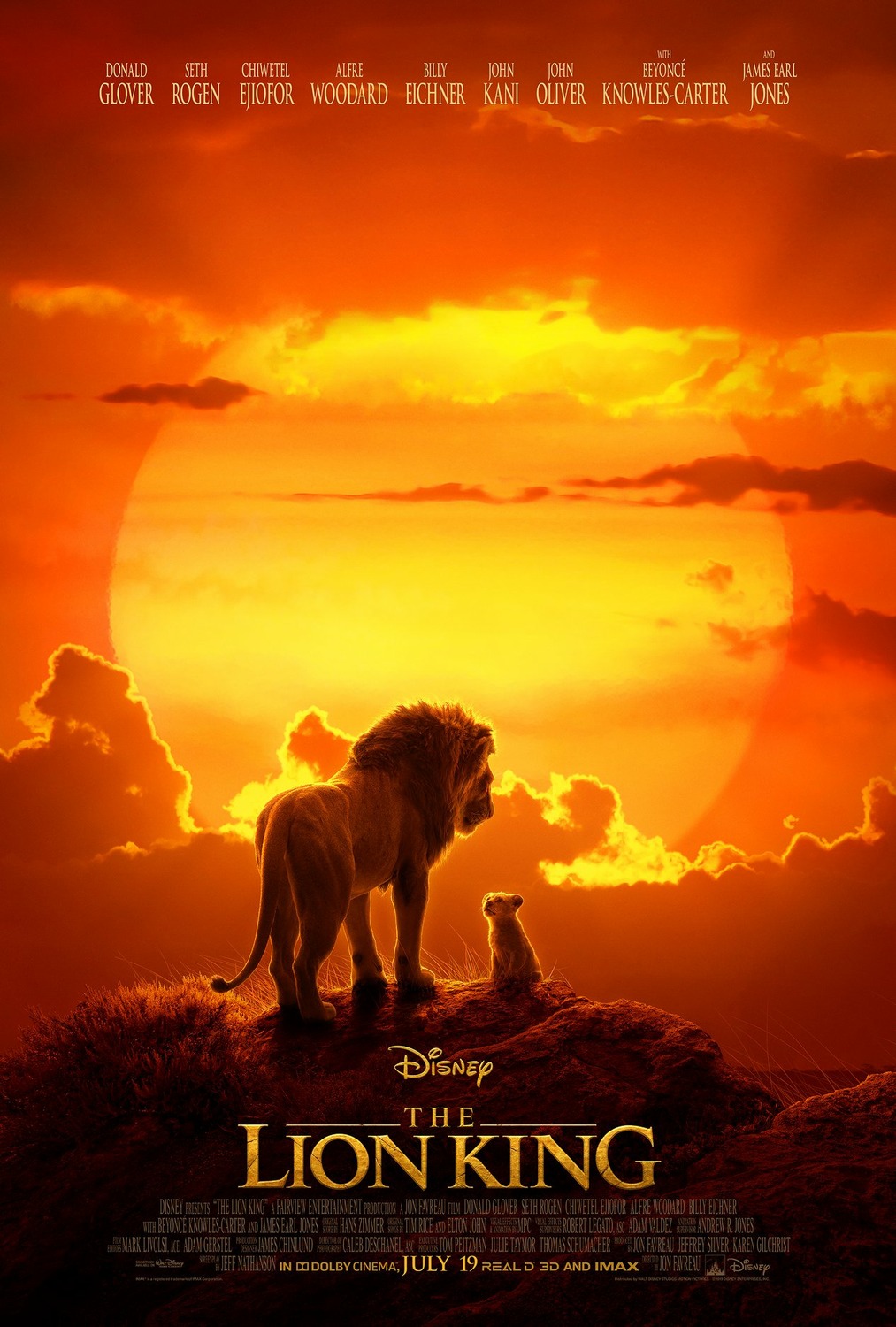
Despite Disney actually began the trend of remaking their classic films all the way back in 2010 with the semi-sequel/remake of ‘Alice in Wonderland,’ directed by Tim Burton. Disney didn’t begin to get truly rampant with its approach until the later successes of ‘Cinderella’ and ‘The Jungle Book’ in 2015 and 2016, respectively, with ‘Beauty and the Beast,’ ‘Dumbo’ and ‘Aladdin’ following not far behind, eventually leading to their most recent releases, that being ‘The Lion King’ and ‘Lady and the Tramp.’ Yet, whilst all of these films did receive mostly positive reviews from both critics and audiences upon their initial release, I personally have never understood why. As, for me, none of these remakes ever manage to really justify their existence, with each new film simply feeling like nothing more than a product, a money machine disguised as a film created purely to rinse profit out of Disney fans who desire to see their childhood classics recreated in a new light and, by this point, I just find it irritating.

Of course, remaking iconic films is nothing new for the film industry, with dreadful remakes, such as ‘RoboCop,’ ‘Ghostbusters’ and ‘Robin Hood,’ all being great examples of how taking a classic film and giving it a sleek modern aesthetic doesn’t automatically make it superior to the original. However, it’s the way Disney goes about executing their remakes that makes them even more frustrating, as even though most reimaginings may not differ too much from the original story, the majority of Disney remakes feel almost identical to their animated counterparts, featuring nearly all of the same scenes and dialogue, now just dragged down by much weaker visuals, vocal performances, and songs. This, in turn, also allows directors and writers to simply borrow material from previous filmmakers without having to innovate much themselves. Another issue I have with Disney converting their animated classics into live-action is that many of the original stories were always envisioned to be animated as they were being written, meaning when transferred into a different style of filmmaking, they usually are forced to rely on enormous amounts of CGI.

Although most audiences seemingly don’t take issue with Disney’s constant remakes, there are still some Disney fans who have spoken out about losing interest in Disney’s future live-action endeavours. In particular, I personally recall many weren’t looking forward to watching the ‘Aladdin’ remake around the time of its release, which I feel is understandable, as just from its trailer alone, it was clear that not only would the film intensely mirror the original, but it was obvious just from a glance that its visuals were also far, far duller, as the remake was lacking in both colour and style. Focusing more on being semi-realistic rather than fully engaging in its elements of fantasy (which, for a narrative revolving around a powerful genie who grants three magical wishes, feels like a huge mistake to me). Whilst the original ‘Aladdin’ may not be the most visually enthralling of Disney’s catalogue of family flicks, the classic style of 2D hand-drawn animation is still very pleasing to look at, even by today’s standards for CG animated films.

It may even surprise some to know that many of these bland remakes were actually directed by talented filmmakers like Jon Favreau and the previously mentioned Tim Burton. Yet, with each new film, every director’s unique style always seems to be stripped away or completely absent, as not only does each remake barely utilise any creative cinematography or editing, relying nearly entirely on CG effects to impress the audience. But usually inventive directors such as Guy Ritchie, who has made phenomenal use of his unique style of editing and humour in the past within his films, like ‘Snatch’ and ‘The Gentlemen,’ suffers as a result of how simply generic and even somewhat boring his reimagining of ‘Aladdin’ is, and while Disney may not be entirely to blame for this, I do believe the company would prefer to keep each remake fairly easy to digest in order to appeal to a wider audience.

In addition to both the visuals and directing, however, the cast of the original animated flicks were also a huge contributing factor to them becoming as beloved as they now are, with not only actors like Robin Williams as the original ‘Genie,’ of course, but also lesser-known actors such as Nathan Lane and Ernie Sabella as ‘Timon’ and ‘Pumbaa,’ to Jodi Benson and Pat Carroll as ‘Ariel’ and ‘Ursula,’ as all these voices not only gave the characters great comedic timing and a distinct tone, but they soon even became an extension of the characters themselves, making them recognisable purely through their voice. Whereas Disney’s newer remakes prefer to just take the much easier approach of simply casting the most relevant actors at the time and throwing them into an iconic role, and whilst actors, like Donald Glover and Chiwetel Ejiofor, will always be superb at their craft, forcing these performers into roles within ‘The Lion King’ simply due to their popularity will always make their vocal performance feel very out-of-place when in comparison with the original film.

The final area I find Disney remakes to be most lacking is the tampering of classic Disney songs, as although I’m personally not an enormous fan of musicals within the realm of live-action, I’ve always enjoyed many of the songs in Disney animated classics. As, not only do I feel these songs add to the characters and the story of each film immensely, but many classic Disney songs also manage to become iconic amongst themselves, with nearly any fan of animation more than likely know all the words to ‘Be Our Guest,’ ‘The Circle of Life,’ and ‘Under the Sea’ (just to name a few). But, when it comes to the remakes, once again, both the original score and songs feel far duller, even in spite of the legendary Hans Zimmer returning for ‘The Lion King’ remake to recreate many of his classic tracks. Still, a few of the reimaginings do at least attempt to throw in some original songs, which unfortunately end up being mostly forgotten due to them being overshadowed by the classic songs audiences are more familiar with.

In summary, it seems the influx of live-action Disney remakes won’t be stopping anytime soon, with ‘The Lion King’ racking in over £1 billion worldwide, Disney will most likely continue this remaking trend until their audience completely loses interest, as reimaginings of ‘Mulan,’ ‘Peter Pan,’ ‘The Little Mermaid,’ ‘Pinocchio,’ The Sword in the Stone’ and ‘Lilo and Stitch,’ as well as many, many more, are already set for release. Whilst the House of Mouse does still have a few original films on the horizon, Disney seems to be heading down a similar path to their paired animation company Pixar, that being one of laziness, relying mostly on their previous stories and franchises for profit rather than creating something new which, in turn, is also encouraging other production companies to do the same. So, if you share my opinion, perhaps sit out Disney’s next live-action release, stay at home, and just relive many of the beautifully animated stories from the past, as I honestly believe many of these films are timeless.
lion_king_ver2_xlg

Kingsman: The Secret Service (2015) – Film Review

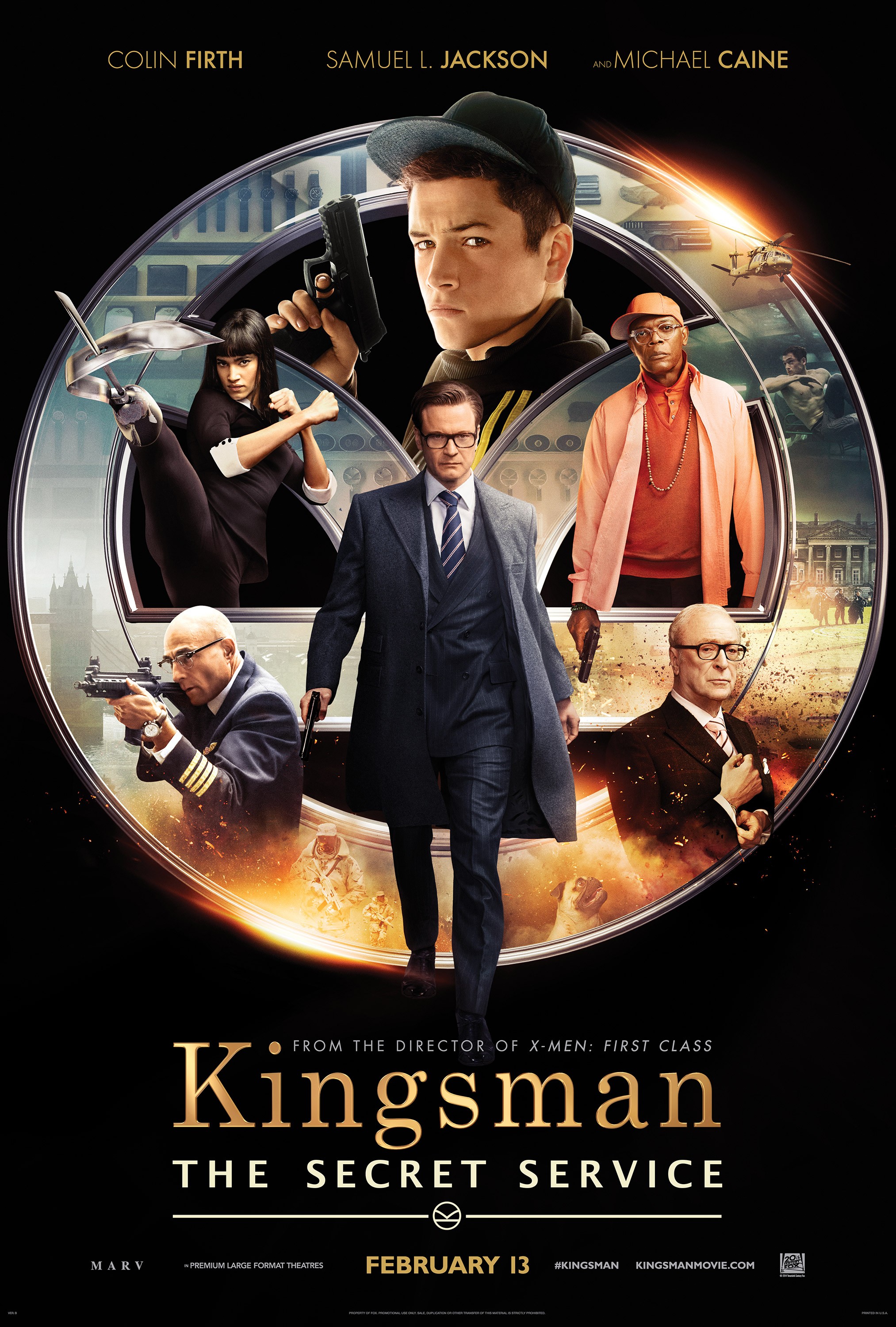
Matthew Vaughn, critically acclaimed director of ‘Layer Cake,’ ‘Kick-Ass’ and ‘X-Men: First Class,’ tries his hand at another comic book adaptation with ‘Kingsman: The Secret Service.’ Based on the comic book series of the same name by Mark Millar, and serving as a throwback to (and often parody of) classic spy/espionage films, such as the ‘James Bond’ series and ‘The Bourne Saga,’ ‘Kingsman’ very quickly became a beloved franchise after just its first instalment, mostly as a result of its hilarious self-aware moments of humour and exhilarating action set pieces.

Plot Summary: When the British spy organisation; ‘Kingsman,’ recruits an unrefined, but promising London street teen into the agency’s ultra-competitive training program. ‘Eggsy’ begins to follow in his father’s footsteps as he takes part in the organisation’s many dangerous training exercises. All the while, the twisted tech genius; ‘Valentine,’ begins to execute a master plan, which will potentially put the entire world at risk…

Violent, thrilling and fun, the first ‘Kingsman’ film was actually made partly in conjunction with the comic book itself, as director Matthew Vaughn and comic book writer Mark Millar have been good friends for many years since they collaborated previously on ‘Kick-Ass’ in 2010 to great success, prompting them to reunite for ‘Kingsman: The Secret Service.’ Which, aside from a few minor changes, is actually a mostly faithful adaptation of the first entry in the comic book series, alongside also being a superb gateway into the world for any non-fans of the comic series as the film establishes who the ‘Kingsman’ are and what they do, in little time.

Protagonist; ‘Gary Unwin,’ usually going by his nickname; ‘Eggsy,’ is portrayed by Taron Egerton in one of his earliest film roles, who portrays a reckless British teenager very well, becoming an instantly likeable character within only a short amount of screen-time. Its Colin Firth and Samuel L. Jackson, who, both steal the film with their fantastic characters, however, as both actors play completely against their usual type here, with Firth taking on the deadly spy; ‘Harry Hart,’ who rarely even smiles (creating quite a contrast from his usual romantic-comedies), and according to second unit director Bradley James Allan, even did 80% of his own stunts during filming. Whilst Jackson also gives one of his most memorable performances to date as the film’s antagonist; ‘Valentine,’ who, throughout the runtime, retains an aggressive lisp and occasionally childish demeanour, a big leap from much of his previous work.

Although not as outrageously creative as it could’ve been, in my opinion, the film’s cinematography by George Richmond does serve the story very effectively, as many of the film’s over-the-top and exciting action sequences are displayed proudly and clearly without too much use of hand-held camera or excessive editing. During a few scenes, the camera even begins to spin around the characters as they fight, providing the film with a real sense of movement.

The original score by both Henry Jackman and Matthew Margeson has quickly become very beloved, similar to the film itself, and it’s easy to see why, as the film utilises its trumpet-heavy orchestral score to create a soundtrack, which would fit perfectly within a classic espionage series, like ‘The Avengers,’ ‘The Ipcress File’ or ‘The Man From U.N.C.L.E.’ From ‘Manners Maketh Man’ and ‘To Become a Kingsman,’ to especially, ‘Valentine’s theme, which is noticeably more electronic to fit with the tech-savvy character. Nearly every track featured in the original score is both memorable, and usually, also cut in sync with the film’s stylish editing to great effect. 

Needless to say, the aspect that ‘Kingsman’ is most known for is certainly its variety of impressive action sequences, which as already mentioned, do away with the usual overly shaky and chaotic execution of most modern action flicks in favour of more fast-paced and exaggerated fight choreography with plenty of graphic violence to boot. Resulting in many entertaining action sequences, even if they aren’t completely flawless, as the majority of these scenes do, unfortunately, still suffer from their overly heavy usage of CG effects (usually for blood and severed limbs), which I feel does somewhat take away from many of these thrilling moments, even if they are still sure to impress most on their initial viewing.

In summary, while many spy films may be far more focused on delivering more grounded and gritty missions for their audiences these days, ‘Kingsman: The Secret Service’ truly revels in its absurdity. As, in spite of the problems this stirring espionage film faces, it still manages to remain an amusing and exciting experience throughout its runtime, combing its array of phenomenal action set pieces with some outstanding stunts and a now-iconic original score, the first instalment in ‘The Kingsman’ series may have now launched a blockbuster franchise, but for many, I feel it will always remain their favourite part of this continuing story. Final Rating: low 8/10.

kingsman_the_secret_service_ver7_xxlg

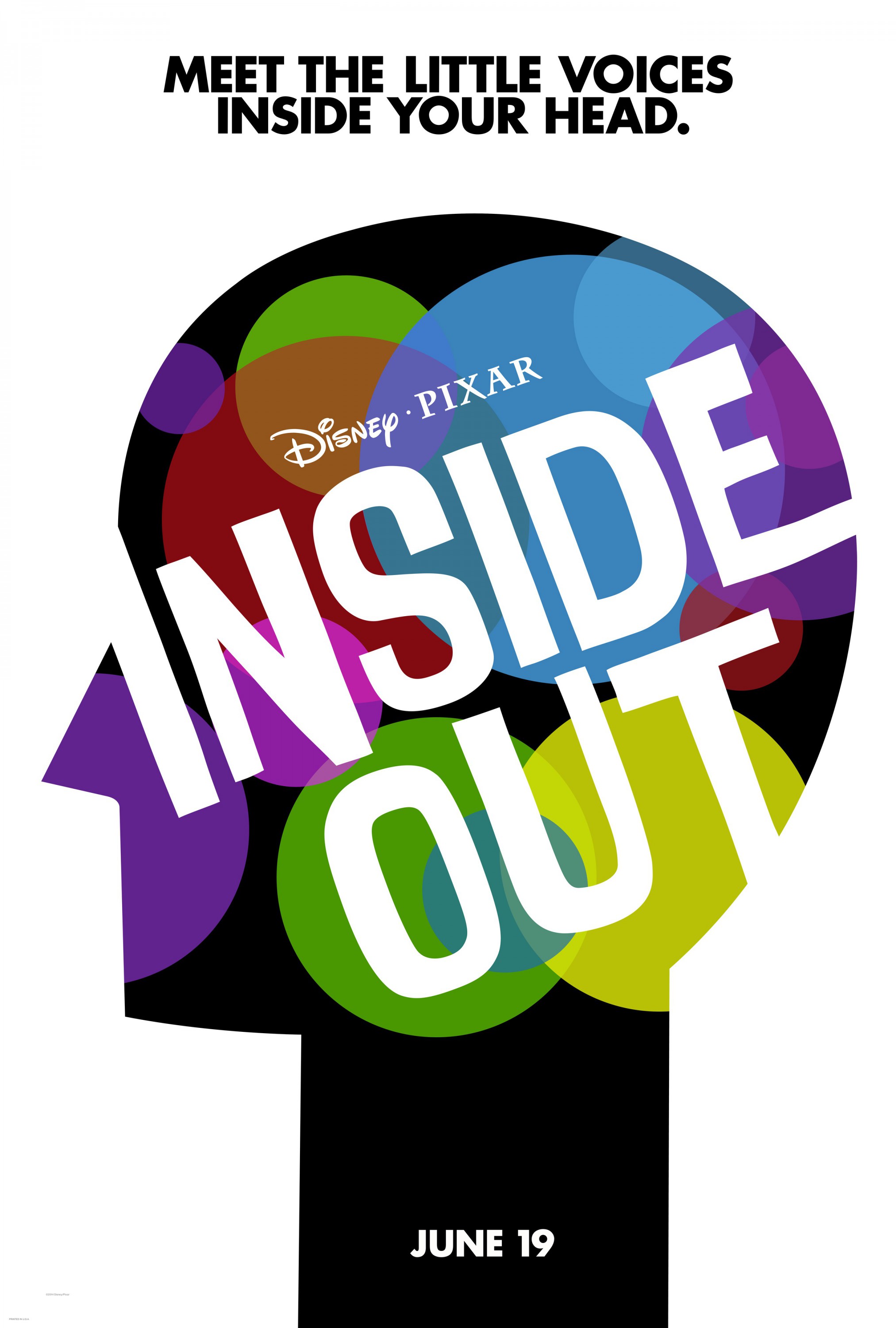
Inside Out (2015) – Film Review

From the iconic animation studio Pixar, who brought-us animated classics, such as ‘Toy Story,’ ‘Monsters, Inc.,’ ‘Finding Nemo,’ ‘The Incredibles,’ and ‘Ratatouille,’ among many others, comes another emotional and beautifully animated adventure with some surprisingly deep concepts and ideas to boot. As, ‘Inside Out’ takes place nearly entirely inside the mind of a young girl, focusing on how her various emotions handle new and unexpected changes within her life.

Plot Summary: After young ‘Riley’ is uprooted from her Midwest life and moved to San Francisco, her emotions; ‘Joy,’ ‘Sadness,’ ‘Fear,’ ‘Anger,’ and ‘Disgust,’ all being to conflict on how best to navigate a new city, house, and school. But, after a freak accident causes ‘Joy’ and ‘Sadness’ to be flung from ‘Headquarters’ with ‘Riley’s ‘Core Memories,’ the two have to find their way back before it’s too late…

Even though ‘Inside Out’ usually streamlines many of its story’s concepts and themes to make them more understandable for children, the animated flick also never fails to remain both very imaginative and very colourful throughout its runtime. As, with the film’s story taking place within the mind of an eleven-year-old girl, ‘Inside Out’ doesn’t hold back from bringing to life the world within a child’s head, a world not confined by the barriers of logic and psychics. From ‘Imagination Land’ to ‘The Train of Thought,’ and ‘Long Term Memory,’ ‘Inside Out’ constantly explores plenty of amusing locations and is always building on its enchanting ideas.

Despite some characters not receiving quite as much screen-time as others, ‘Riley’s various emotions are portrayed superbly by Amy Poehler, Phyllis Smith, Bill Hader, Lewis Black, and Mindy Kaling, with Poehler and Smith as ‘Joy’ and ‘Sadness’ being the true stand outs of the cast, as their two characters bounce extremely well of each other due to the polarity of their friendship, which also makes for plenty of humorous moments. Richard Kind also makes an appearance within the film as ‘Bing Bong,’ ‘Riley’s imaginary friend from when she was younger, who in many ways is the true heart of the film, as alongside his variety of entertaining quirks (some of which do result in a few immature jokes). ‘Bing Bong’ also ends up becoming a very likeable and charming character mostly as a result of the scene; ‘The Memory Dump,’ easily one of ‘Inside Out’s most impactful and heartbreaking moments.

Filled with plenty of inventive shots throughout, the animated cinematography does add to the film’s already incredibly vibrant colour palette and varied locations, with a constant array of attractive shots, the film’s visuals are always appealing to look at when inside ‘Riley’s mind. Yet, when the viewer is thrown back into the real world, the colour palette is far more pale and tame, creating a clear visual contrast between the two.

Featuring a number of memorable tracks, such as ‘Bundle of Joy,’ ‘Team Building,’ ‘Rainbow Flyer,’ and even the track that plays over the film’s ending credits; ‘The Joy of Credits,’ the original score by Michael Giacchino is truly one of the best scores Pixar has to offer, even when taking into account their already impressive list of soundtracks, as nearly all of the film’s best moments whether comedic or emotional are elevated by the film’s wonderful score, with many of the tracks throughout ‘Inside Out’ displaying great variety and talent.

Similar to many of the other films from Pixar’s catalogue, the animation throughout ‘Inside Out’ is simply gorgeous. As not only do all of the designs of the different emotions differ drastically depending on which emotion they representing, but the level of detail on every character and location throughout the film is astounding, with the individual particles that make up each emotion even being visible during many of the film’s close-ups. Interestingly, when ‘Inside Out’ was in the very early stages of its development, many other emotions were also considered as characters (around twenty-seven in total). But, after the writer’s decided to just settle on the core five emotions to make the narrative less-complicated, many other potential characters had to be left on the cutting-room floor, e.g. ‘Surprise,’ ‘Pride,’ and ‘Trust.’

In summary, ‘Inside Out’ is definitely worth a watch for any age, as although this animated flick isn’t without its faults, ‘Inside Out’ still remains a delightful experience from start-to-finish, mostly due to its unique story, great voice performances, and extraordinary visuals, the film really feels as if there isn’t the slightest ounce of laziness put into crafting it. And, whilst there has been plenty of other exceptional animated classics produced by Pixar in the past, their fifteenth animated feature is certainly one of their most experimental yet least discussed to-date, which I think is a shame, as while ‘Inside Out’ may be aimed mostly towards children, I feel this film might speak an even deeper volume to adults. Final Rating: 8/10.

inside_out_xxlg

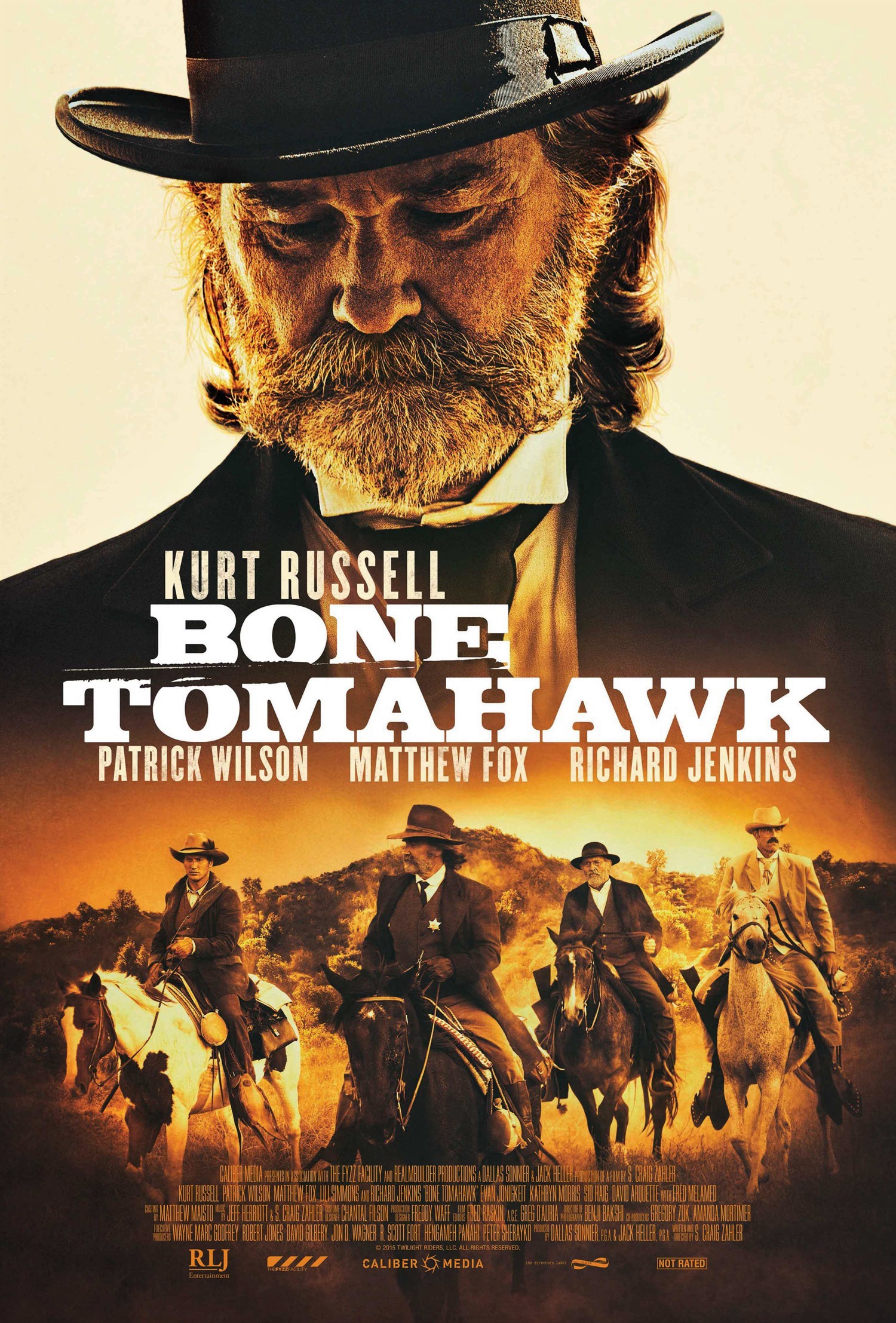
Bone Tomahawk (2015) – Film Review

Brutal, tense and compelling, ‘Bone Tomahawk’ is one of those rare films that isn’t afraid to mashup genres, as throughout the film we go from a violent horror to a classic western and back again, all without the film ever feeling as if it’s tone is unclear. Whilst I have always enjoyed classics such as ‘True Grit’ or ‘The Good, the Bad and the Ugly,’ I don’t think this is just down to personal bias towards westerns, however, as ‘Bone Tomahawk’ excels in more aspects than one, when it comes to this genre.

Plot Summary: In the dying days of the old west, an outlaw unknowingly leads a band of cannibals to the small town of ‘Bright Hope.’ Leaving the town’s elderly sheriff and his posse to set out on a mission to rescue the town’s residents from the tribe of savage cave dwellers…

Directed by S. Craig Zahler (Brawl in Cell Block 99, Dragged Across Concrete), this underrated director has always had a talent for gritty storytelling, this time crafting a narrative, which is both very engaging and tense, despite being fairly straightforward and simplistic. In addition to this, ‘Bone Tomahawk’ manages to perfectly capture the tone of a classic western, and sometimes even elements of 1970s horror, as the film actually reminded me of ‘The Hills Have Eyes’ at multiple points, although this may just be coincidental.

Kurt Russell leads the brilliant cast of Patrick Wilson, Matthew Fox, Richard Jenkins and Lili Simmons very well, as throughout the runtime all of the characters receive a decent amount of characterisation, with each member of the cast having at least one scene between them. My only issue when it comes to the characters is the lack of a fleshed out character arc for Kurt Russell’s protagonist; ‘Sheriff Hunt,’ as although his character is explored within the film’s story (usually subtlety through dialogue). I personally feel his character arc was never developed quite as much as it could’ve been, despite the fact that this would’ve resulted in a more investing protagonist.

Although the film features a little too much hand-held camera, in my opinion, the cinematography by Benji Bakshi is mostly solid throughout, as the film contains plenty of attractive shots, a few of which even feel like throwbacks to iconic shots from old westerns. The cinematography also makes great use of the film’s variety of remote locations, as the comfort of the small town feels completely distant, when compared to the barren rocky landscape where the cannibals thrive, usually resulting in a very tense atmosphere.

The original score by Jeff Herriott and S. Craig Zahler himself is very similar to the tone of the film, in the sense that it’s a perfect mixture between western and horror, as the soundtrack utilises trumpets and acoustic guitars to perfectly fit with the western visuals, before then completely changing to tenser and more uncomfortable tracks, putting the viewer on edge. However, the original score also manages to have a genuine feeling of tragedy within it, as the score uses intense violin strokes to evoke emotion wherever possible, especially in the track; ‘Four Doomed Men Ride Out,’ which fits this idea perfectly.

Of course, the scene that ‘Bone Tomahawk’ is most known for is without a doubt its infamously violent scene set within the cannibal’s cave, and whilst this scene may be extremely disturbing for a large majority of viewers, I feel that is director S. Craig Zahler’s exact intention, as this moment perfectly displays the horrific nature of the cannibalistic tribe, truly playing into their merciless and barbaric ways of life (despite not actually being that heavily present throughout the story). This scene also displays a range of excellent practical gore effects, making this savage moment even more difficult to watch through its gruesome realism alongside the agonising screams of the cannibal’s victim(s).

In summary, for the most part, ‘Bone Tomahawk’ achieves what it sets out to accomplish, as although the film won’t appeal to everyone through its simplistic plot, slow pacing and graphic violence, the film utilises it’s great performances and isolated locations pretty effectively, resulting in a film that’s just as enjoyable as many other classic westerns despite being a little bland in a few areas. I personally can’t wait to see more of S. Craig Zahler’s work in the future, as I feel this director has some real promise when it comes to telling dark yet gripping stories. Final Rating: 7/10.

bone_tomahawk_ver2_xxlg

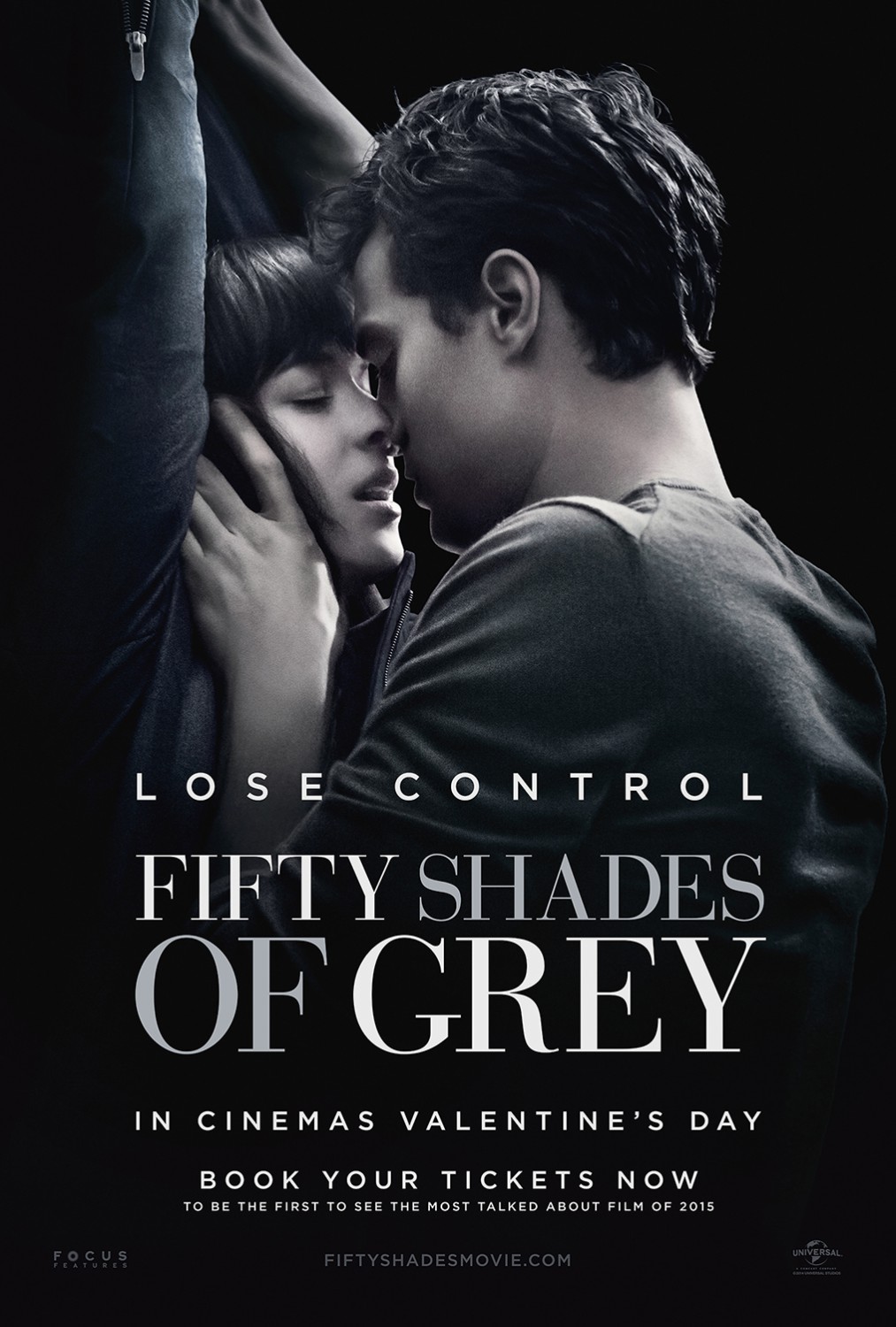
Fifty Shades of Grey (2015) – Film Review

Based on the romantic novels by E. L. James, ‘Fifty Shades of Grey’ was the first instalment of the now-enormous franchise, as despite myself definitely not being the film’s target audience, the film itself is a near-complete disaster in regards to both it’s writing, acting and general filmmaking, as unless you’re looking for a weak romantic story with bland performances, uninteresting characters and one of Danny Elfman’s weakest original scores to date, this is not the film for you.

Plot Summary: When literature student ‘Anastasia Steele’ goes to interview billionaire ‘Christian Grey,’ she discovers an attractive yet troubled man, soon leading her to reveal more of herself, as she later desires to be with him, despite his stalker-like tendencies…

‘Fifty Shades of Grey’ is one of those few films that turned itself into a successful series purely though pulling in its specific type of audience, as the film doesn’t really have has nothing to offer besides the occasional sex scene or mundane romantic moment, which really left me pondering what many viewers actually got out of the overall experience, as take those elements away, and the film truly has very little left, and I can’t really say I feel compelled in any way to continue on with the series after watching the first instalment.

Dakota Johnson and Jamie Dornan portray the main couple; ‘Anastasia Steele’ and ‘Christian Grey,’ with the supporting cast of Eloise Mumford, Jennifer Ehle and Victor Rasuk. All of which give very dull performances throughout, especially with the lack of characterisation between them other than ‘Christian’s overly dramatic backstory. This is also where one of my biggest issues with the film comes into play, as Jamie Dornan as ‘Christian Grey’ could easily be seen as a dangerous psychopath throughout the film, as his performance genuinely gave me a feeling of unease whenever he is on-screen. Unfortunately, however, I don’t feel this is what the filmmakers intended, and I couldn’t help but think of the huge shift in tone if ‘Christian Grey’ was older and less attractive.

Seamus McGarvey handles the cinematography throughout the film, which despite not being anything incredibly impressive, the film does have the occasional pleasing shot throughout its runtime, this also applies to the lighting throughout the film. However, this doesn’t improve the film much overall, as the writing within ‘Fifty Shades of Grey’ is without a doubt one of its worst aspects. Resulting in many scenes becoming unintentionally hilarious or extremely cheesy, especially when the film is attempting to catch the viewer off-guard with its dialogue. Interestingly, during the filming of the film’s various sex scenes, remote-controlled were utilised so that the set could be more private for the actors, which is actually quite a creative way around the problem of the cast feeling incredibly awkward due to the huge number of film crew watching nearby.

Despite being a composer I usually adore, the original score by Danny Elfman is also very bland, as the score throughout the film always feels out-of-place and isn’t memorable in the slightest. The film also uses a variety of songs throughout its story, many of which being remixes of modern pop songs, which again, usually don’t fit the tone of the film even remotely. Yet, this could also be due to the film’s minimal direction, as director Sam Taylor-Johnson (Nowhere Boy, Districted – Segment: Death Valley, A Million Little Pieces) hasn’t directed anything extraordinary of note either before or since ‘Fifty Shades of Grey’s release.

Although only a small element, one slightly redeeming aspect of the film I actually did enjoy is the film’s colour palette, as throughout the narrative a variety of locations are given grey walls and floors, with ‘Christian Grey’ also wearing grey clothes alongside some other grey-coloured furniture within his apartment. All of which plays into the theme of ‘Christian Grey’ being in constant control of ‘Anastasia’ whenever she is in his apartment. But given the rest of the film, this was more than likely accidental.

In summary, ‘Fifty Shades of Grey’ is a film that will only appeal to the audience that has most likely already seen the entire trilogy, as the direful performances, awful writing and forgettable original score all leave the film with very little to offer, as the constant sex scenes and sufficient cinematography and lighting simply aren’t enough to carry the story through, resulting in a film that soon doesn’t even understand what its purpose was to begin with. So, I suggest you definitely give this one a miss, as this boring experience simply isn’t worth its your time. Final Rating: 2/10.

fifty_shades_of_grey_ver5_xlg

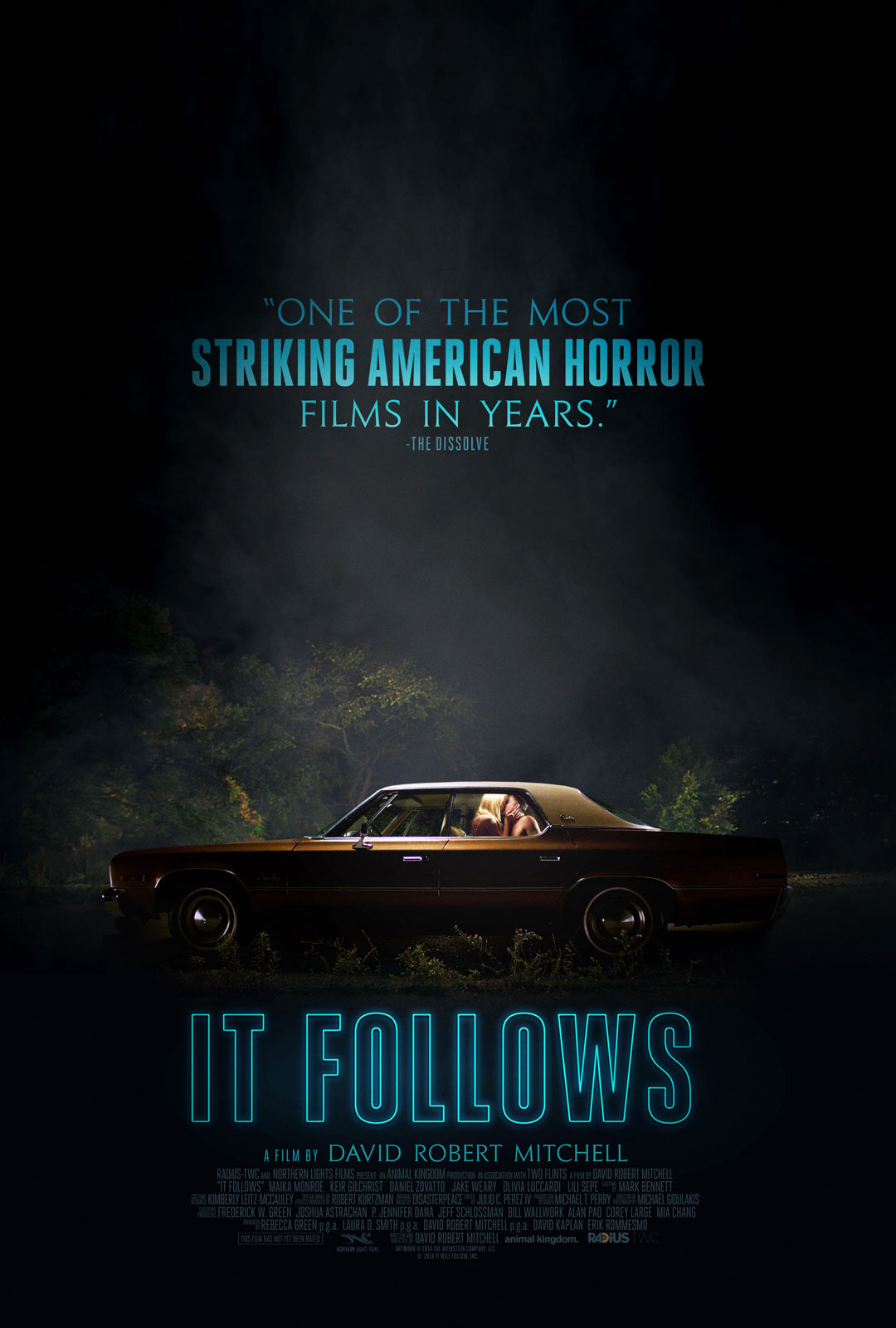
It Follows (2015) – Film Review

‘It Follows’ is easily one of my favourite modern horrors to date, as the film utilises some amazing cinematography by Mike Gioulakis, alongside an extremely eerie atmosphere and some decent performances. All tied in perfectly with an original and engaging story, resulting in a film that’s both very memorable, and very tense throughout.

Plot Summary: After a seemingly innocent sexual encounter, teenager ‘Jay’ finds herself plagued by strange visions and the inescapable sense that someone (or something) is following her. Faced with this burden, ‘Jay’ and her friends must find a way to escape their new nightmare, that seems to always be just a few steps behind…

Mostly due to the direction by David Robert Mitchell (The Myth of the American Sleepover, Under the Silver Lake), ‘It Follows’ feels very polished throughout, as every scene usually plays out very slowly, always using the screen-time to build more tension, which I quite enjoyed, I also found the underlying themes of the film very interesting, as the film’s narrative subtly explores ideas of sexual diseases through its unique plot. However, one element of David’s direction I personally don’t like is the lack of any specific time-period for the film’s setting, as although the majority of the film does feel like a classic 1980s monster flick, the film constantly shows many modern devices and cars, in addition to a variety of old horror films on ‘Jay’s television. Making the film feel very inconsistent, despite this being an intentional decision.

As a cast of mostly unknown actors, Keir Gilchrist, Daniel Zovatto, Lili Sepe, and Olivia Luccardi all give decent performances here, as while nothing truly phenomenal of note, all the characters do feel as if they have chemistry with each other, with Maika Monroe being the obvious stand out, of course, as although her character doesn’t get much development, she portrays ‘Jay’ quite well, coming off as a mostly innocent and likeable teenager.

The cinematography by Mike Gioulakis is nothing short of brilliant, especially in regards to many other horrors. As aside from a few too many hand-held shots, the film constantly uses the camera to build tension and paranoia throughout the entirety of its tight runtime, as in addition to filling the film with a variety of beautiful shots (many of which contain large amounts of movement). The film also uses plenty of P.O.V. shots to see through ‘Jay’s eyes, placing the audience in the terrifying position of the protagonist themselves. ‘It Follows’ is also mainly using wide-angle lenses, which according to David Robert Mitchell, was done in order to give the film a more expansive, intimidating feel.

One of my favourite aspects of the film is definitely the original score by ‘Disasterpeace,’ as this synth score (which was composed in only three weeks) really lends itself well to the film’s eerie atmosphere, creating an original soundtrack which is just as tense and chaotic as it is memorable. This does fall back on the problem of the film not being set within the ’80s again, however, as this original score would fit in perfectly, especially with the tracks; ‘Heels,’ ‘Title,’ ‘Jay’ and ‘Pool.’

As opposed to many other modern horrors, ‘It Follows’ has a noticeable lack of jump-scares, as the film is usually in favour of attempting to use simple yet creepy visuals hidden within the background of shots, which really gives the film a very fresh feel. ‘It Follows’ also separates itself from many other modern horrors by having many of the scenes involving the creature take place during the daytime and/or in locations such as a bright sandy beach or even ‘Jay’s bedroom, locations many would think to be safe for our characters.

In summary, I truly enjoy ‘It Follows’ from beginning-to-end, as the film is a genuine horror experience which takes risks and doesn’t simply feel like more of the same ideas we have seen before, as the fantastic cinematography and original score help create a film that we keep any horror fan engaged in this thrilling story, and while the film may not be entirely flawless, I really do hope more films within this genre can succeed as well as this one does. Final Rating: 8/10.

it-follows-poster

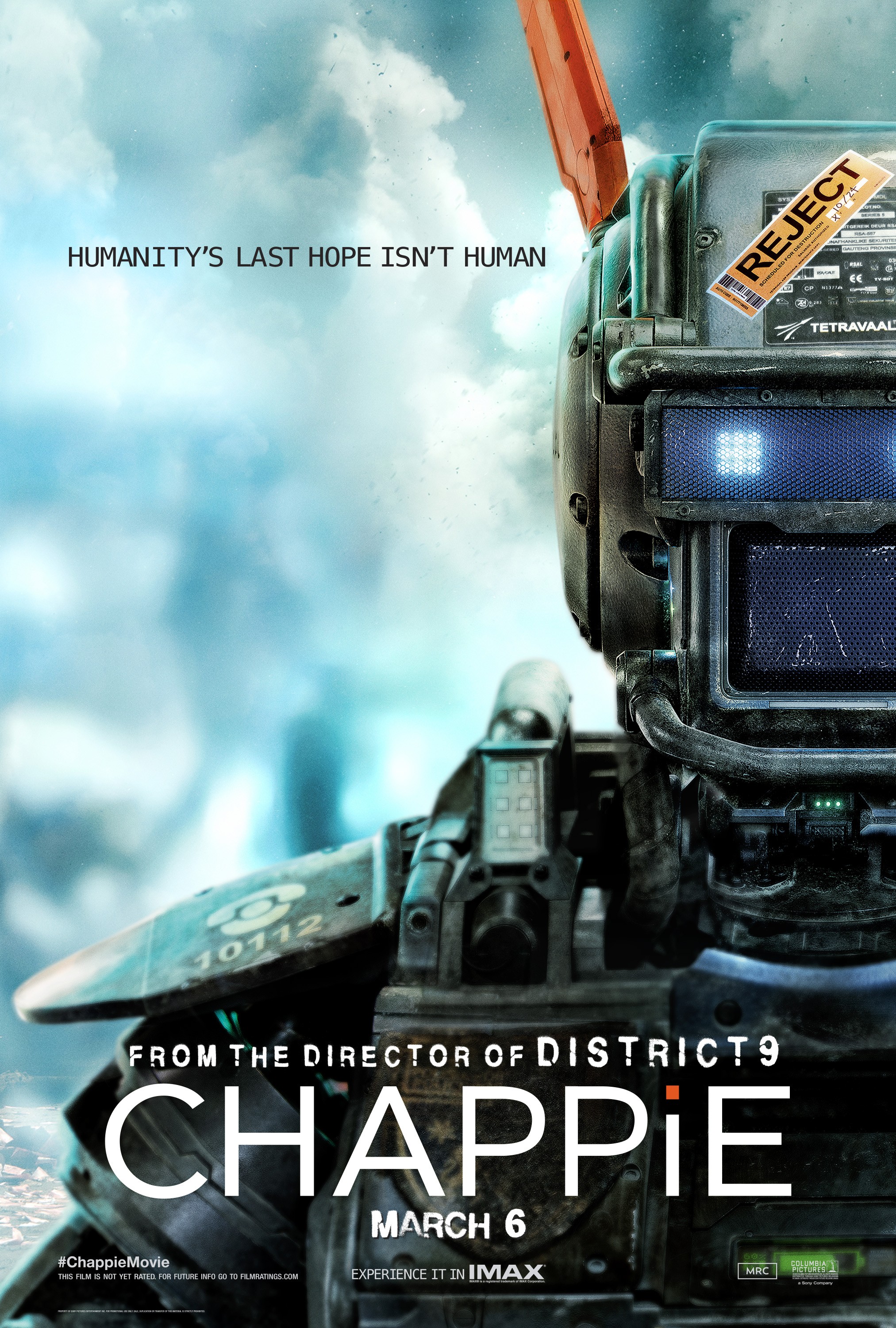
Chappie (2015) – Film Review

Neill Blomkamp has always been a director I’ve admired, famous mostly for his smash-hit; ‘District 9’ in 2012, shortly then followed by his second film; ‘Elysium,’ which split many sci-fi fans down the middle. He’s always managed to impress me through his incredible use of CGI and explosive action set pieces. However, I’ve always found his narratives to be kind of lacklustre, and this is definitely where the main issue lies with his third film; ‘Chappie.’

Plot Summary: In the near future, crime in the city of Johannesburg is patrolled by a mechanised police force created by the company, ‘Tetravaal.’ But, when one police droid, nicknamed; ‘Chappie,’ is stolen and given new programming, he becomes the first machine ever with the ability to think and feel for himself. Leading ‘Chappie’ to eventually realise the chaotic world he has now become a part of…

I find the initial idea very interesting, coming-off almost as a mixture between ‘RoboCop’ and ‘Short Circuit,’ I personally feel the film could’ve been very entertaining if they would’ve chosen to explore these ideas of synthetic life vs. actual living consciousness. Strangely, however, this is not the direction the film actually goes, as we see ‘Chappie’ enter the world of crime alongside a criminal gang, making the film less of an interesting sci-fi with themes of artificial intelligence and more along the lines of a straight crime thriller, now with a less-likeable protagonist.

Sharlto Copley, Deon Wilson, Hugh Jackman and Sigourney Weaver all give decent performances in the film, and while I would’ve preferred Sigourney Weaver to have a bigger role in the overall narrative. I feel Sharlto Copley as ‘Chappie’ and Hugh Jackman as the antagonist, ‘Vincent Moore,’ were both great in their respective roles. However, in easily one of the worst decisions of the film, members of the hip-hop band; ‘Die Antwoord,’ portray the film’s protagonists (with their real names for some reason) and ignoring from their mostly poor performances, they also come off as very unlikeable characters throughout, ensuring the audience roots for the criminal gang even less than before.

Trent Opaloch handles the cinematography in the film, which is pretty great for the most part, yet similar to the rest of Blomkamp’s films, there is far too much use of hand-held camera techniques. Although this approach is fine when it comes to the action sequences, when the pacing slows-down and the story focuses on more dialogue-heavy scenes or crucial character moments, I find it very distracting. The CG effects, however, are gorgeous throughout the film, as every visual effect has enormous weight to it, truly feeling as if it is part of the scene, this is especially clear with the CG effects on ‘Chappie’ himself, as the character interacts with every location, prop and character flawlessly.

The original score by Hanz Zimmer is phenomenal as per-usual, combing a typical sci-fi soundtrack alongside a more gritty crime score. Fitting the film perfectly, and really adding tension to many of the scenes throughout the runtime. I was also very impressed with the sound design throughout ‘Chappie,’ as although most sci-fi flicks usually have decent sound design, I felt ‘Chappie’ really used its sound design effectively to add to the film’s gritty feel.

More than likely just a personal issue, but I also feel the song choices within the film were very poor, as a large number of songs from ‘Die Antwoord’ are used throughout the film, all of which don’t fit with the pacing or tone of the film whatsoever. In addition to this, the fact that their characters share the real life names as the actors portraying them as already mentioned, just makes the entire thing very confusing.

In summary, I’m still not entirely sure what I think of ‘Chappie,’ as whilst it definitely has many flaws and is easily Blomkamp’s weakest film, in my opinion. The film still has certain elements I really enjoy, as some of the cinematography, action scenes and CG effects still impress me to this day, and all display that this director still has a keen eye for visuals. But, his storytelling really does need to show improvement in the future. Regardless of this, I hope Blomkamp gets another shot at directing again. Final Rating: 4/10.

chappie_ver4_xxlg

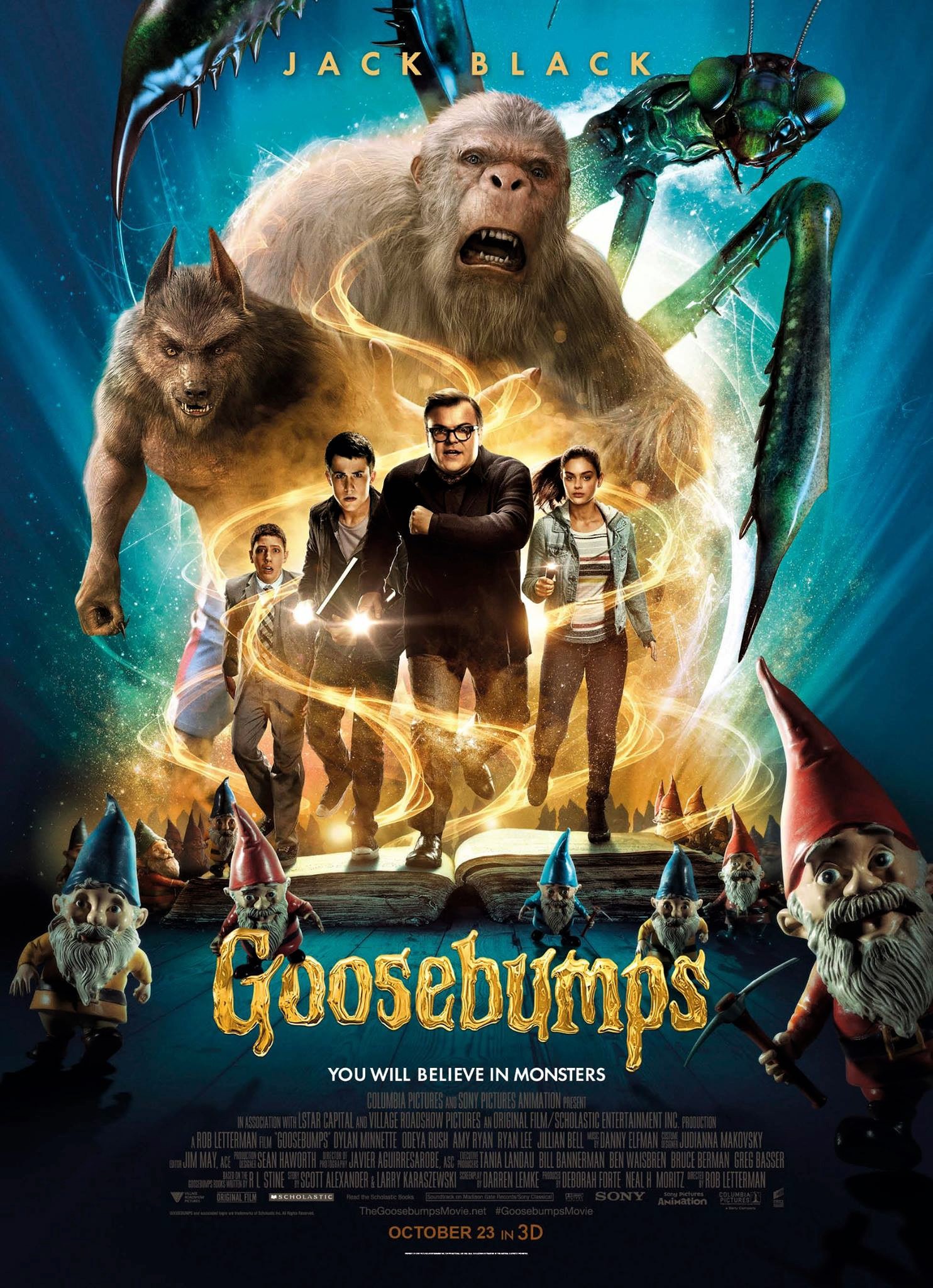
Goosebumps (2015) – Film Review

Based on the iconic children’s book series by R. L. Stine, the film adaptation of ‘Goosebumps’ actually takes a very different approach to its source material. By this time actually having the book series itself play a part in the story, allowing for multiple different monsters from the classic series to appear, alongside Jack Black’s extreme portrayal of ‘Goosebumps’ original author R. L. Stine, of course. This all leading to a somewhat fun yet mostly flawed spine-tingling suburban adventure.

Plot Summary: When angsty teenager Zach moves in next door to the children’s horror author, R.L. Stine, and his teenage daughter, Hannah, he soon finds himself in a strange scenario as the writer’s own monsters are brought to life from their own stories to inflict chaos onto their small town…

Rob Letterman (Shark Tale, Monsters vs. Aliens, Pokémon: Detective Pikachu) directs the film with a fun Halloween-like atmosphere, bringing together many different monsters and creatures ripped straight from their own books, with most of the designs of the monsters being recreated perfectly based on their original designs, despite many of them only getting a few seconds of screen-time, with the haunted dummy, ‘Slappy,’ being the leader of the monsters, and the main focus of the narrative, portrayed as an almost more sinister side of R.L. Stine himself. But, as I’ve always been a huge fan of the original ‘Goosebumps’ television series on Cartoon Network, the film’s lack of scares is quite frustrating as sadly, ‘Goosebumps’ chooses to focus far more on comedy than light-horror to appeal to a new generation of youngsters, which I personally think is a huge mistake.

Most of the cast here give decent performances for a family flick, as Dylan Minnette and Odeya Rush portray a couple of teenagers thrown into this mad adventure fairly. Alongside their friend; ‘Champ,’ portrayed by Ryan Lee, who I found extremely grating after a while. All lead by Jack Black’s portrayal of R. L. Stine, as previously mentioned, in addition to his portrayal of the film’s antagonist; ‘Slappy the Living Dummy.’ Who, as both characters, gives a performance a little too over-the-top for me.

The cinematography by Javier Aguirresarobe is nothing amazing, coming across as mostly bland and generic throughout, but it does it’s job regardless. Danny Elfman also takes on the original score for the film, and again whilst not being anything super memorable, the score is a decent mixture between a spooky horror score alongside a more traditional family film soundtrack. The CG effects, however, are actually one of the better aspects of the film, as while not outstanding they do succeed in bringing the various creatures to life, alongside many of the make-up effects and costumes, which I personally thought added to many of the action scenes throughout the runtime.

Although there are a few funny lines throughout the film, the writing here is one of the film’s biggest issues, as the somewhat original story is dragged down by some awful jokes and very cringey moments, which again falls back on why I would’ve preferred for the film to go for more of a creepy tone over a completely comedic one. The colourful end title sequence of the film is also a great throwback for classic ‘Goosebumps’ fans (despite not adding much to the film as a whole).

In summary, ‘Goosebumps’ was disappointing for me, as I was really expecting something more along the lines of ‘Coraline’ or ‘Monster House’ on my initial viewing; a creepy family flick with plenty of eerie atmosphere, a few original ideas and plenty of throwbacks to the book series. While I’m not completely against the idea of comedy within the story, the film simply comes down to nothing more than your standard family adventure with an overreliance on goofy humour, with the only difference being the slapped on ‘Goosebumps’ name. Of course, I’m also not the film’s target audience, and I could definitely see some families enjoying this spooky adventure for what it is. Final Rating: low 4/10.

goosebumps_ver2_xxlg

What Happened to Pixar Animation? – Film Discussion

Whatever happened to the beloved animation studio, Pixar Animation?

Pixar Animation used to create some phenomenal animated adventures that the entire family could enjoy, regardless of their age. Mixing brilliant storytelling with beautiful animation and incredibly memorable characters, each film never failed to stand out amongst the rest. Some of the films, like ‘Monsters, Inc.’ or ‘WALL-E,’ for example (two of my personal favourite Pixar films), really got creative with their own narratives and fleshed out their individual worlds. However, in recent years, I’ve noticed a severe downgrade in the quality of their films, as it seems ever since the release of ‘Toy Story 3’ back in 2010, Pixar has had a real reliance on sequels, prequels and spin-offs over original films. While still mostly enjoyable, I have noticed the storytelling, character arcs and world-building all seem to be lacking when compared to their earlier films.

In recent years, films such as ‘The Good Dinosaur,’ ‘Monsters University,’ ‘Brave,’ ‘Finding Dory,’ the ‘Cars’ sequels/spin-offs and, of course, the upcoming ‘Toy Story 4.’ Have all ranged from sub-par through to simply awful, the ‘Cars’ series, of course, being the best example of this as this series has always been Pixar’s black sheep. Never truly having the magic that makes Pixar special, always feeling like more of a cash-grab than anything else. ‘Cars 2’ being the most prominent example of this, as this film is one of Pixar’s only poorly reviewed films to date. The ‘Cars’ series has always felt very immature to me, although I didn’t hate the original film, it’s definitely no one’s favourite. In regard to Pixar’s other sequels; ‘Finding Dory’ and ‘Toy Story 4,’ ‘Finding Dory’ is nothing more than a reskinned ‘Finding Nemo,’ except for a few amusing characters; the film has nothing more really to offer. Despite having fantastic reviews from critics for some reason, the film was never anything other than a massive nostalgia slap for me. As, of now, ‘Toy Story 4’ hasn’t yet been released, but I feel when it does it’ll be another film with great reviews, but with nothing truly memorable about it, as I personally believe the ‘Toy Story’ trilogy concluded so satisfactorily, I don’t truly don’t understand why they feel the need to continue that story other than profit.

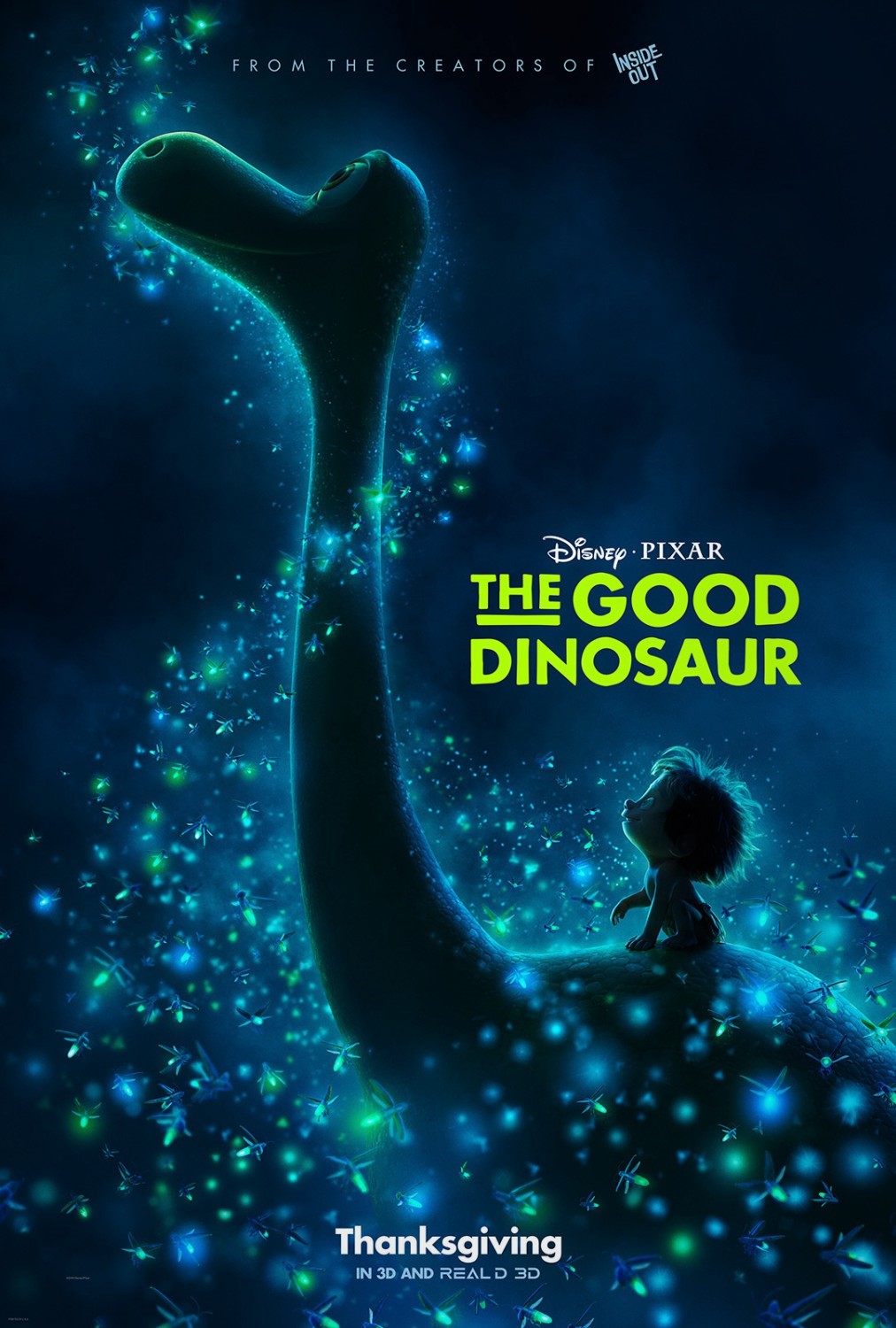
‘Monsters University’ is probably my favourite of Pixar’s recent continuations of their old stories, although I don’t think the film reaches the heights of ‘Monsters, Inc.’ due to less originality and a lack of adult themes. I do still think the film is very witty, and it does explore the monster world further. It’s one of the few films I can say where it feels there was true thought put into it, as it doesn’t just lean on the legacy of the previous film. Finally, we come to Pixar’s original films. This being ‘The Good Dinosaur’ and ‘Brave,’ now whilst I don’t think these films are awful per se. They simply just aren’t that memorable. ‘Brave’ has a few amusing moments and an interesting setting, but falls more into classic 2D animated stories at points. As for ‘The Good Dinosaur,’ it’s simply a ‘returning home’ story, with nothing of note at all other than the nice animation. It seems most people agree with me on this one, too, considering it’s very low box office return.

Now, of course, there are some recent exceptions, Pixar’s ‘Inside Out,’ ‘Coco’ and last year’s ‘Incredibles 2,’ which I did enjoy very much. These films proved to me that Pixar still has some great stories in them, although these films aren’t perfect and I wouldn’t rank them as high as the classic Pixar films personally, they definitely show potential. I would love to see more original animated films like this from Pixar. Considering how much money ‘Coco’ made when it was released, it’s clear they still make money just from the Pixar name alone. So, why do they feel the need to rely on sequels? Many people would point to Disney pulling their leg, and although I could believe that. I also think it’s due to Pixar simply becoming uninterested; they now think of themselves as the animation giants the audience believes they are. This means they no longer take risks and are comfortable simply gaining profit from their previous franchises.

This could also be due to a lack of original ideas; of course, Pixar simply feels more comfortable returning to their previous stories. But, considering some of their big competitors such as DreamWorks Animation, Blue Sky Animation, Warner Bros. Animation and Illumination Animation are all still pumping out original films (granted, not all quite to the usual Pixar standard). Films, such as ‘Captain Underpants: The First Epic Movie,’ ‘Ferdinand,’ ‘The Lego Movie’ and ‘Despicable Me’ are all still very enjoyable to watch. Some of these films even made a pretty big box office return, with the ‘Despicable Me’ spin-off; ‘Minions,’ becoming one of the highest-grossing animated films ever, earning over £900 million. Even the company that teamed up with them (that being Disney) are beating them recently when it comes to original animated flicks, with Walt Disney Animation Studios’ ‘Zootopia,’ being one of my favourite films of 2016.

In summary, what happened to Pixar Animation is very clear to me. They simply got lazy, focusing far more on wanting to make a large profit rather than giving their audience new, exciting stories. The company isn’t completely dead; films like ‘Coco’ and ‘Inside Out’ clearly prove there is still talent there. But, with the older writers, directors and animators now backing down from the company so newer faces can arise. I’m concerned that Disney and Pixar executives may continue to push for more sequels, prequels and spin-offs with the knowledge that the films will always make money regardless of their quality. This is mostly why I fear for ‘Toy Story 4,’ as even though I really hope the film is great, I currently have a lot of doubts in my mind about it. Pixar, however, has also recently brought out a trailer for their next film following on from ‘Toy Story 4,’ titled; ‘Onward,’ which does appear to be a completely original story focusing on elements of fantasy and adventure. So, perhaps not all is lost for the iconic animation company just yet, but only time will tell, I suppose.

good_dinosaur_ver3_xlg

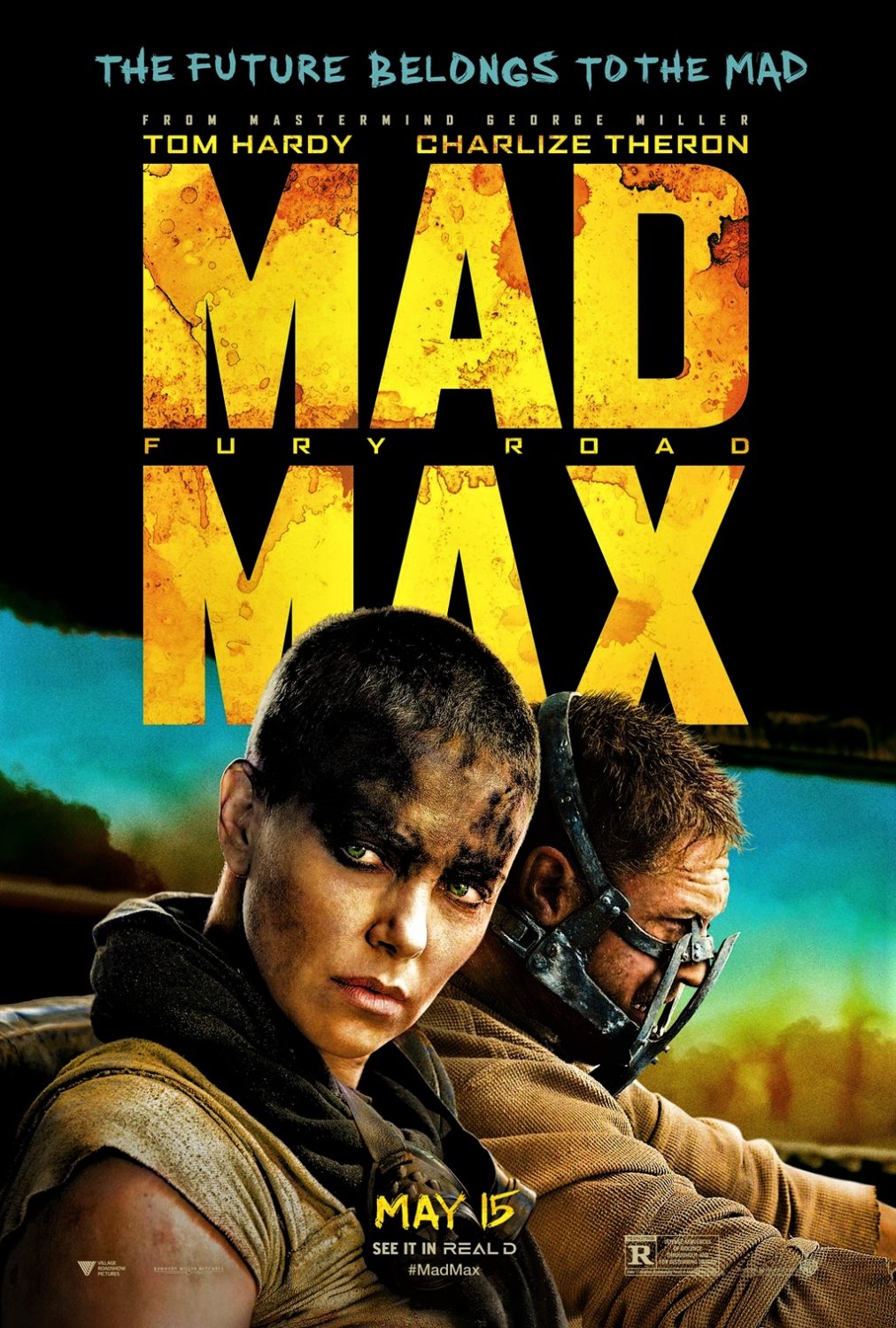
Mad Max: Fury Road (2015) – Film Review

One of the most insane action blockbusters and best soft-reboots I’ve seen in a cinema for quite some-time, as ‘Mad Max: Fury Road’ delivers on nearly every aspect of what you would want from both an action film and a ‘Mad Max’ sequel, as the great cast of Tom Hardy and Charlize Theron, alongside talented writer-director George Miller (Mad Max, Mad Max 2: The Road Warrior, Happy Feet), bring us an absolute visual feast which is sure to please any viewer in search of a unique and exciting thrill-ride.

Plot Summary: Set in a post-apocalyptic wasteland, Furiosa rebels against her tyrannical ruler in search of her original homeland with the aid of a group of female prisoners, a psychotic worshiper, and a rogue drifter…

From five minutes into the runtime to five minutes after the credits have rolled, ‘Mad Max: Fury Road’ is truly a thrilling experience. Utilising incredible stunts, plenty of action scenes and attractive locations/sets throughout the story, the film always manages to feel gritty and real (despite having an incredibly over-the-top tone). Surprisingly, ‘Mad Max: Fury Road’ was even confirmed to be a sequel to the original ‘Mad Max’ trilogy, meaning the film actually continues the story (in a way) from ‘Mad Max: Beyond Thunderdome,’ and although I’m not a huge fan of the original films, this does make me excited for the future of this franchise if we can expect this kind of quality.

The whole cast of Tom Hardy, Charlize Theron, Nicholas Hoult, Rosie Alice Huntington-Whiteley and Hugh Keays-Byrne are all excellent within their roles, with Nicholas Hoult as ‘Hux’ and Hugh Keays-Byrne as the intimidating antagonist; ‘Immortan Joe,’ being my two personal favourites, as all of the characters are fairly likeable and somewhat interesting despite not being given much characterisation throughout the narrative.

The cinematography by Jon Seale really helps elevate many of the scenes throughout the runtime, however, as the film makes brilliant use of a variety of wide shots, all which look absolutely fantastic. Miller also really pushes the film’s varied and overly bright colour palette, giving each the desert a bright orange and blue look to make it more visually appealing, which later contrasts with the dark blues and blacks of the swamplands or the harsh reds and oranges when the characters are inside a vicious sandstorm.

‘Junkie XL’ (or Thomas Holkenborg) lends his hand to the original score for the film, utilising amazing guitar riffs to sound as if the soundtrack had been ripped straight from a classic rock album. Backing-up many of the fast-paced action scenes perfectly, which was surprising as this composer’s other scores are usually very forgettable. The original score is even given reference within the film, as we later see the character; ‘Coma-Doof Warrior,’ who plays an electric guitar aboard one of the vehicles.

The easiest criticism one can make when it comes to ‘Mad Max: Fury Road’ is pointing out its lack of story and developed characters, and although it is true the film definitely does have a fairly simplistic narrative and relativity weak character moments. I’d argue this works to the film’s benefit, as the film does have plenty of great world-building, and fills the majority of it’s runtime with exactly what it’s audience desires to see, which is obviously the main goal of the film, as the film never pretends to be something that it isn’t. Another element of the film I don’t personally like is the editing, as although I understand the need to have quick editing to keep up with the film’s fast pacing and action. Most of the editing throughout the film feels very chaotic and even slightly messy at points, serving as a distraction from what’s on-screen more than anything else.

In summary, I truly adore ‘Mad Max: Fury Road,’ as although it may not be a masterpiece when it comes to filmmaking. It’s definitely up there with some of the best action flicks of this decade, as some unbelievable action scenes and stunts, a brilliant cast, and some outstanding cinematography, leave ‘Mad Max: Fury Road’ a breath of fresh air for the action genre despite the film’s pretty basic story and bizarre editing choices. Now, all we have to do is just wait until George Miller brings us another exciting instalment in this franchise. Final Rating: 8/10.

mad_max_fury_road_ver7_xlg